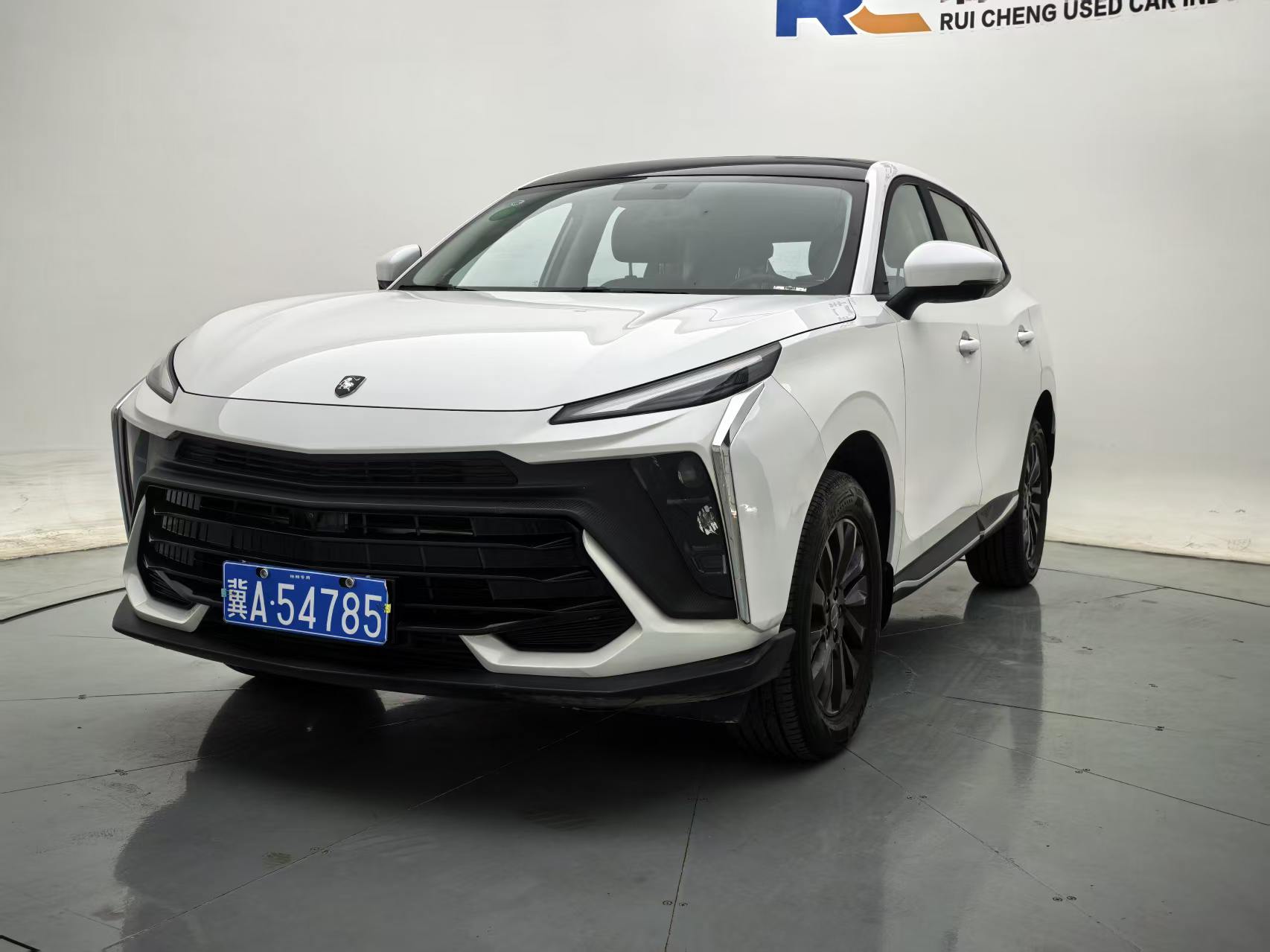
Basic Information

BrandForthing
SeriesT5 EVO
Year2021
First Registration2021/02
Mileage7.35km
Transfer Count-
FuelGasoline
TransmissionDCT
Engine1.5T 197 L4
ColorBlack
Seats-

Condition Description

The beam was replaced; it was a minor accident, the main beam was undamaged.

Configuration Highlights

✓Driver/Passenger Airbags
✓Front/Rear Side Airbags
✓Front/Rear Curtain Airbags
✓Tire Pressure Monitoring
✓ISOFIX Child Seat Anchors
✓Keyless Start System
✓Keyless Entry System
✓ABS Anti-lock Braking
✓Electronic Brake Distribution
✓Electronic Stability Control
✓Hill Start Assist
✓Auto Hold
✓Hill Descent Control
✓Panoramic Sunroof
✓Roof Rack
✓Multifunction Steering Wheel
✓Seat Material
✓Driver/Passenger Power Seats
✓Rear Cupholders
✓GPS Navigation
✓Low Beam Headlights
✓Daytime Running Lights
✓Auto Headlights
✓Adjustable Headlight Height
✓Power Windows
✓Anti-pinch Windows
✓Climate Control Type
✓Rear Air Vents
✓Lane Departure Warning
✓Active Safety System

Q&A

More

How do you provide a customs-recognized age certificate for imported cars limited to under 5 years in countries like Kenya?

Countries like Kenya typically require the First Registration Date to be within a specific timeframe. We will provide a notarized copy of the Vehicle Registration Certificate, along with an English translation, as absolute legal evidence.
Can I get spare parts for a Chinese-brand car in my country, and how do I order them from China?

Parts availability depends on the brand's official presence in your market, but even unsupported brands can be maintained through direct ordering. Check three channels first: the brand's official dealer network (if any), third-party importers who specialize in Chinese auto parts, and generic equivalents. For wear items like brake pads, filters, and wipers, aftermarket suppliers usually stock cross-references by VIN. For model-specific parts — headlights, sensors, control modules — order directly from China. Ask your exporter for the parts catalog by VIN, confirm OEM part numbers, and compare prices. A turbocharger that costs $900 from a local dealer often ships from China for $350 plus $80 freight. Practical tips: bundle multiple parts into one shipment to amortize freight; ask for DDP (delivered duty paid) pricing so customs clearance is handled; and always verify part numbers against your VIN before paying, as Chinese models have running changes mid-year. Keep a small stock of common wear parts — oil filters, air filters, spark plugs — to avoid a 4-6 week wait for routine maintenance.

How can I verify the odometer reading is genuine on a Chinese used car from abroad?

Odometer fraud exists everywhere, but cross-checking several data points makes it hard to fake: 1) Maintenance records: ask for service history with mileage entries. Gaps or resets are red flags. 2) Tire wear: a car showing 30,000 km should not have nearly bald tires. Compare tread depth against the claimed mileage. 3) Pedals, steering wheel, and seat bolsters: heavy wear on these with low odometer readings is a classic mismatch. 4) Diagnostic scan: request an OBD readout. Many control modules store mileage data internally — if the ECU shows 120,000 km while the dash shows 40,000, you have your answer. 5) Vehicle history report: in China, apps and platforms can pull insurance claim records and registration history, which often reveal the true mileage trail. Always request a live video showing the odometer with the engine running, and have the number written into your contract.