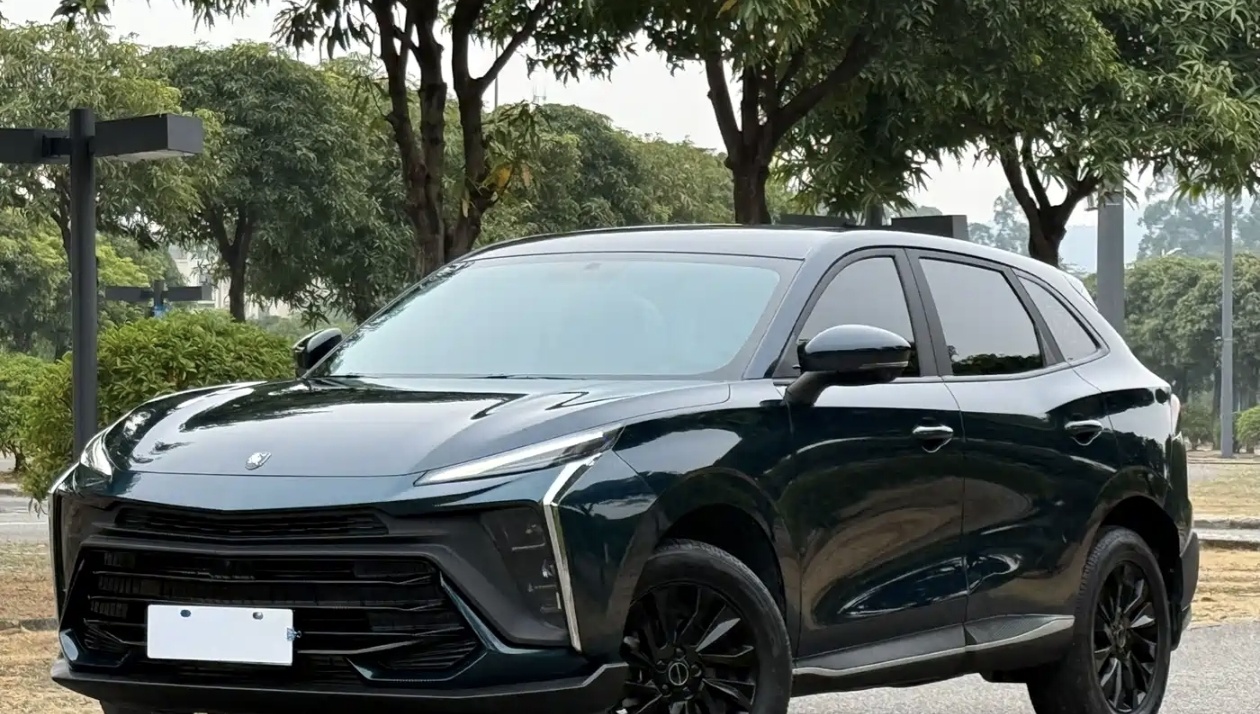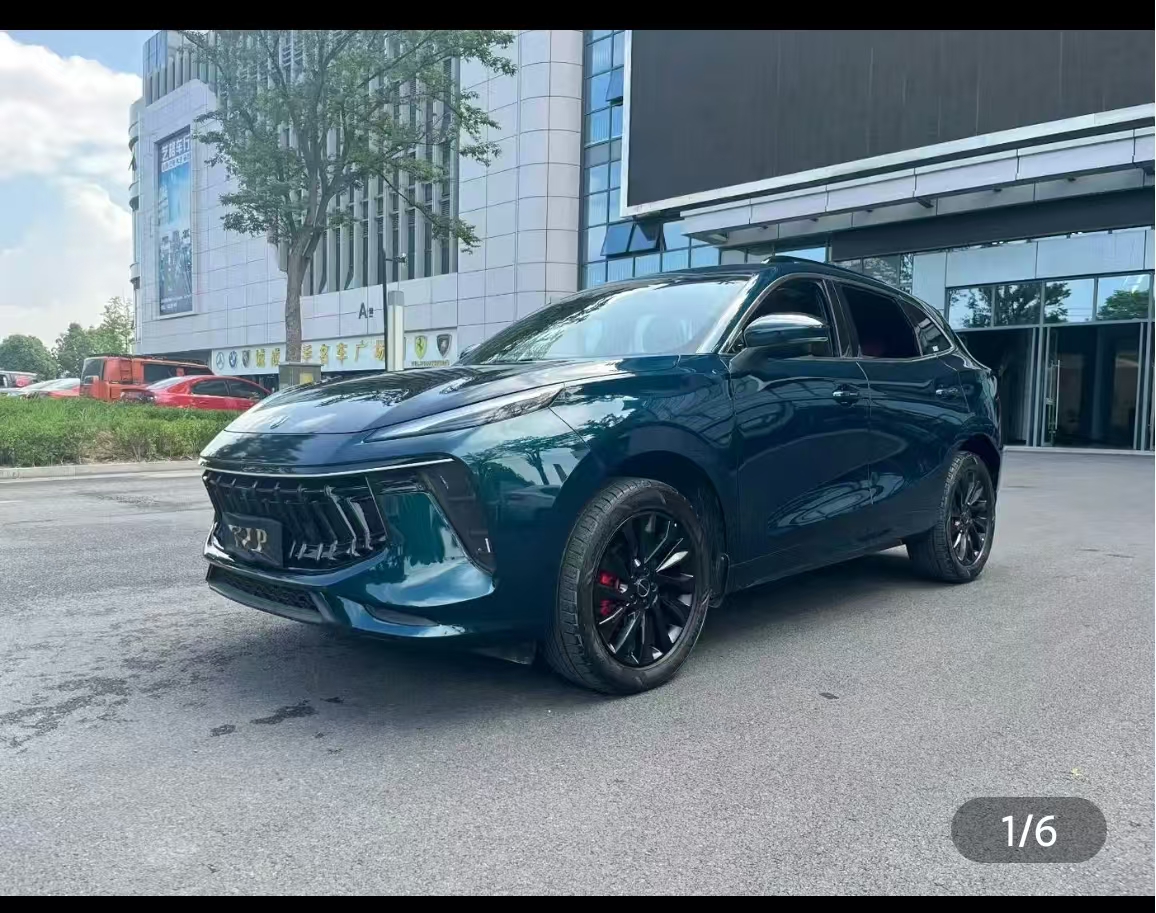
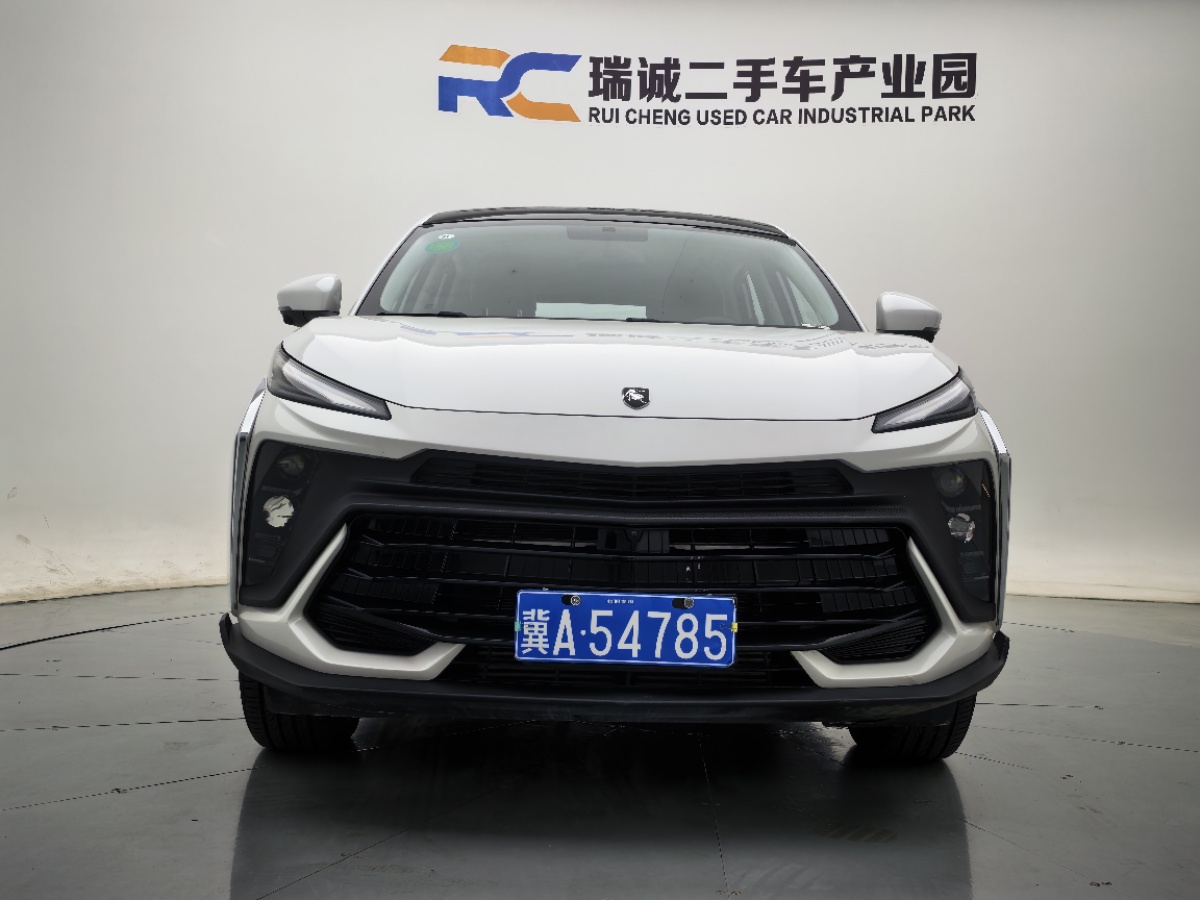
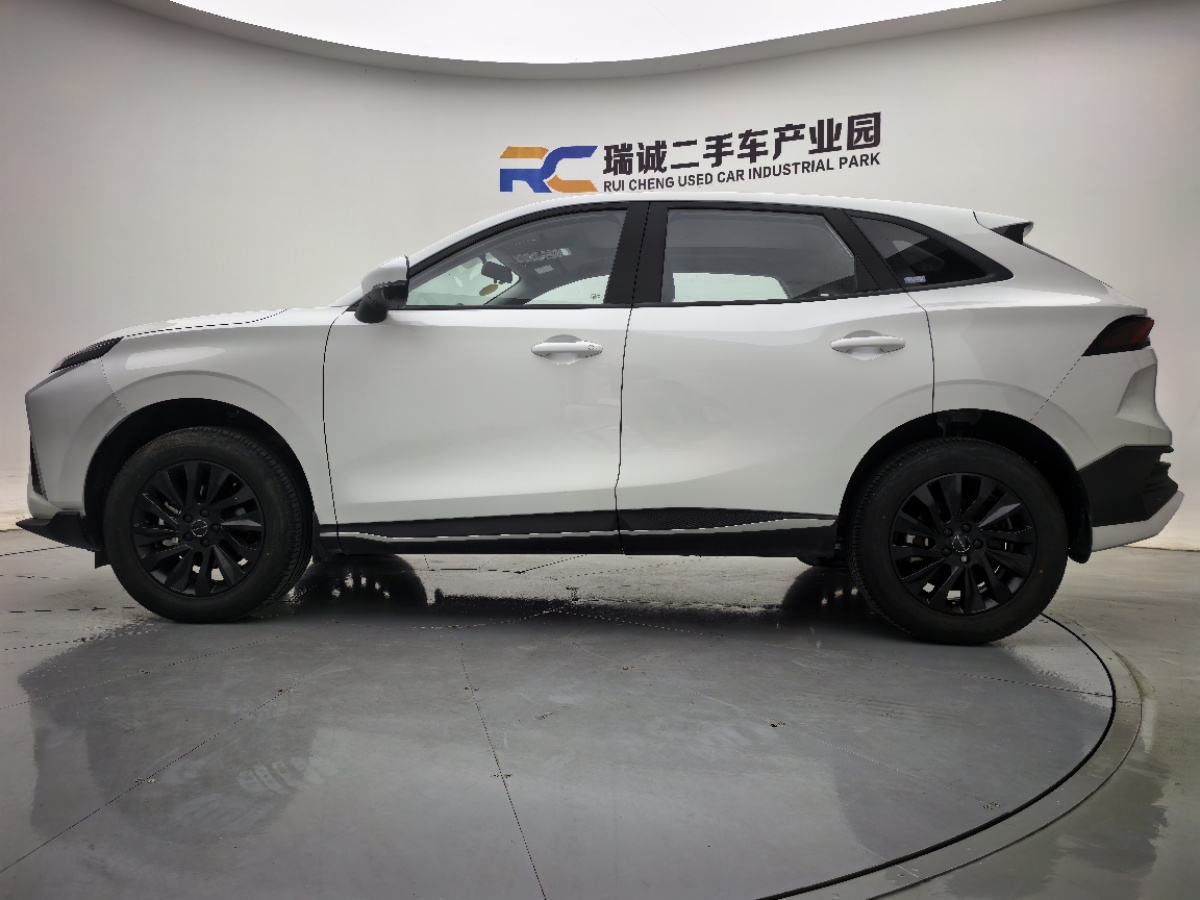
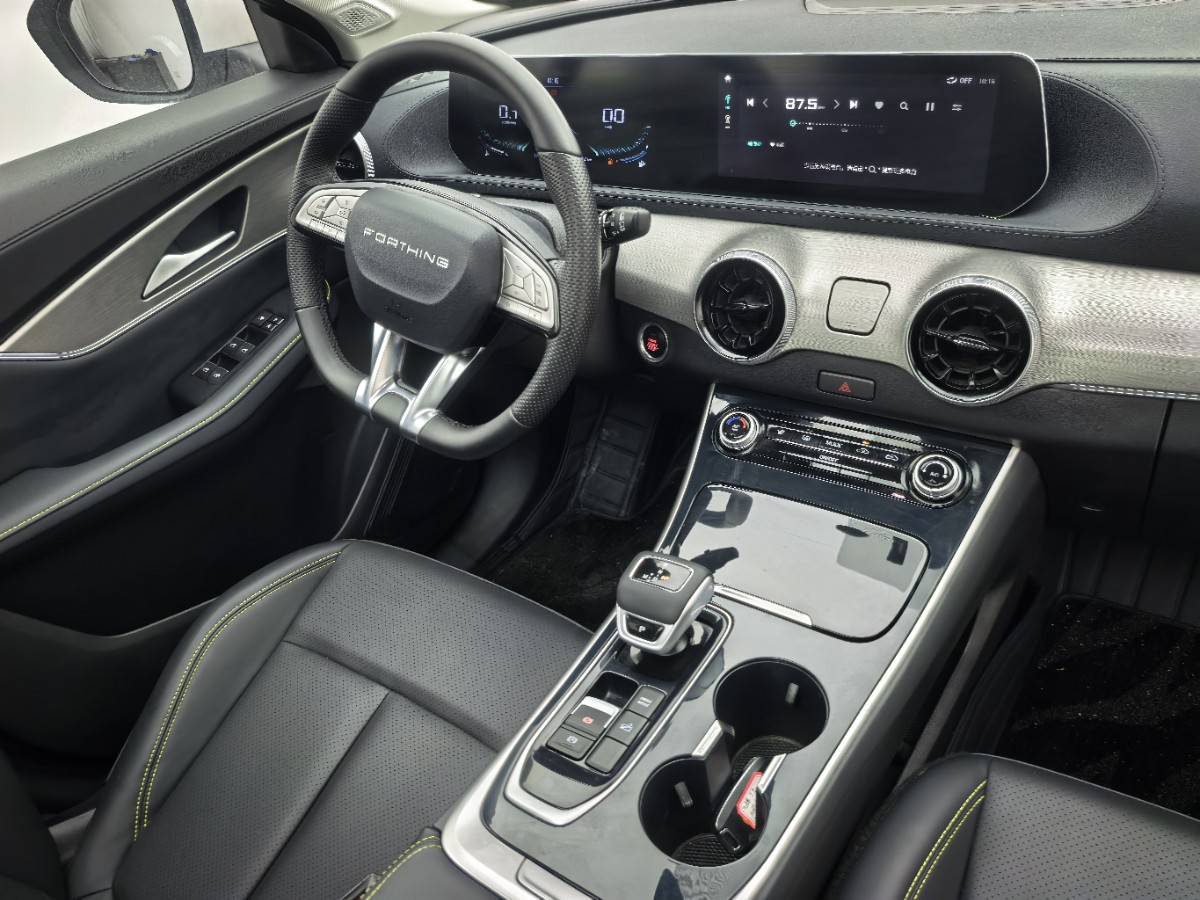
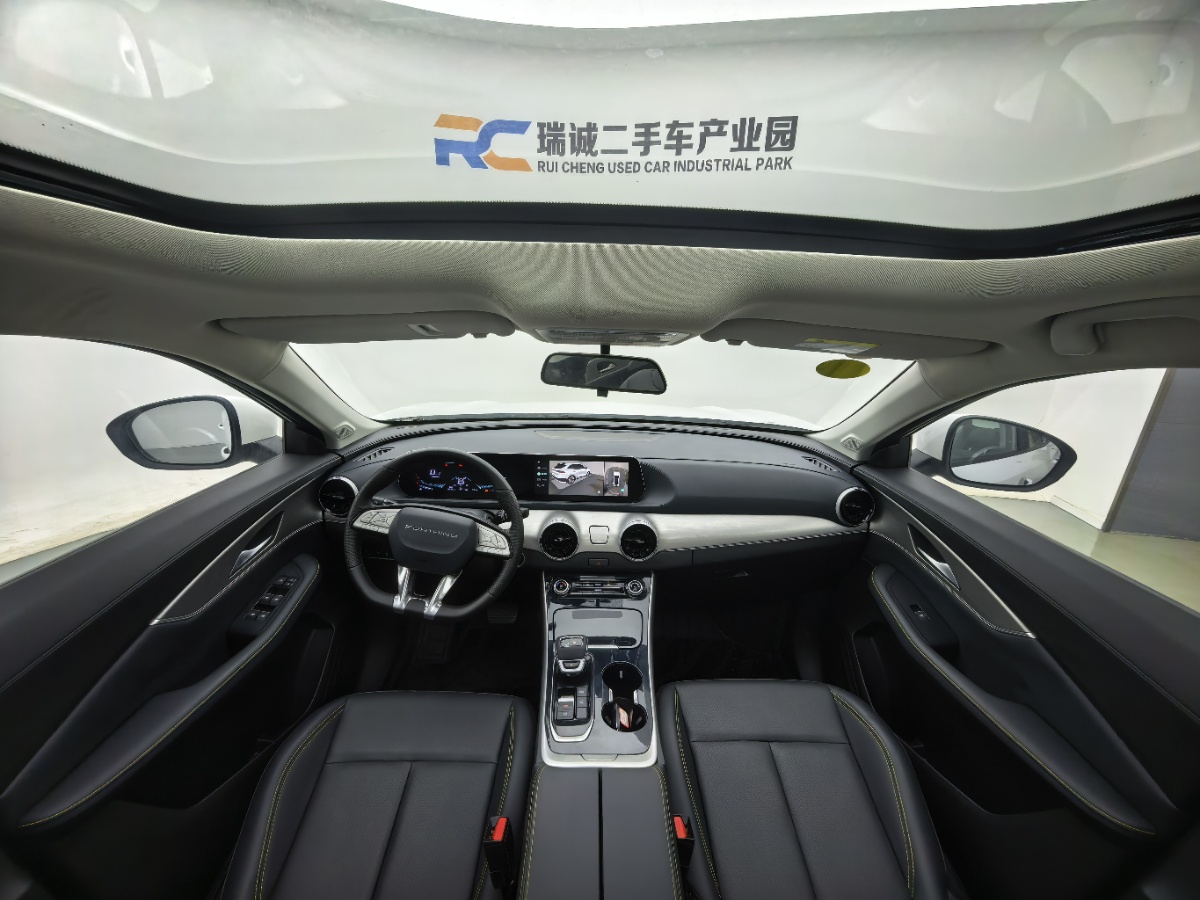
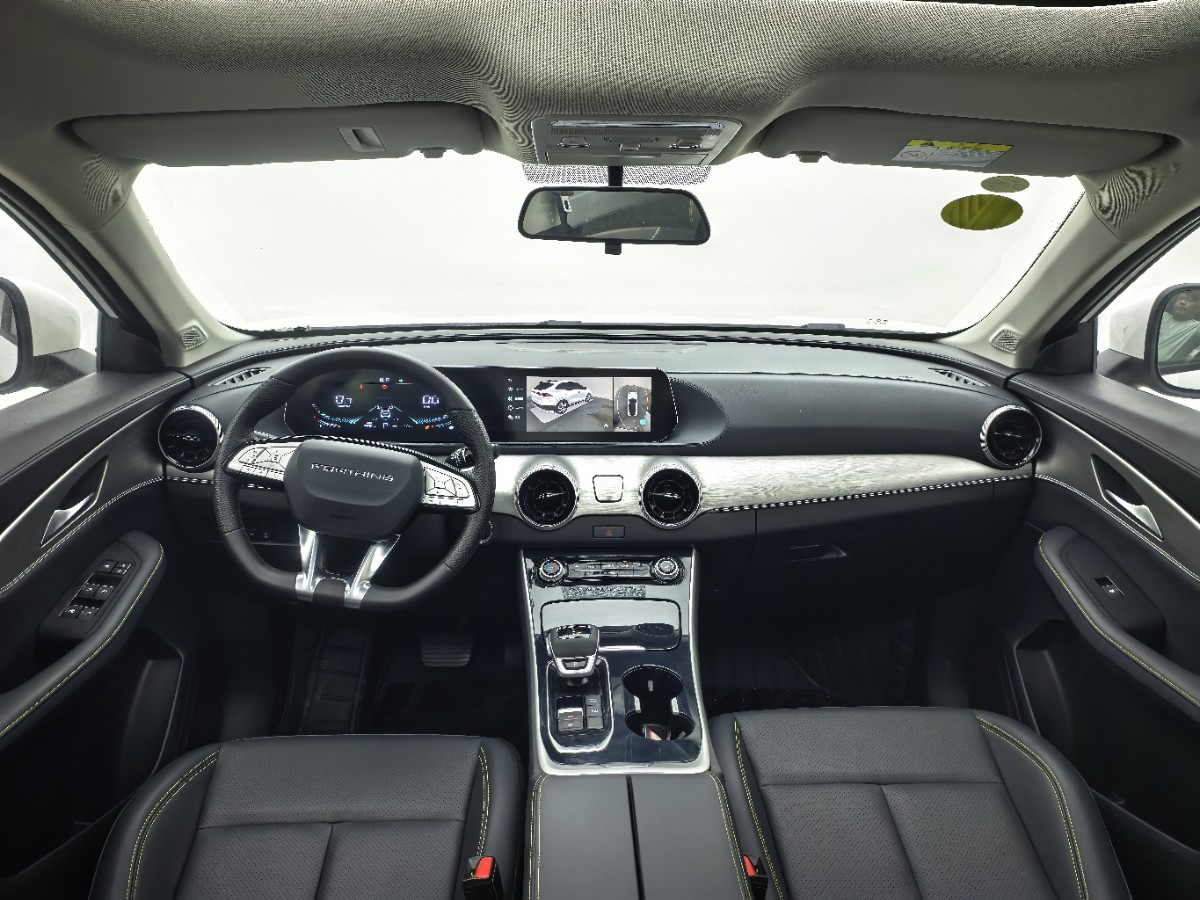
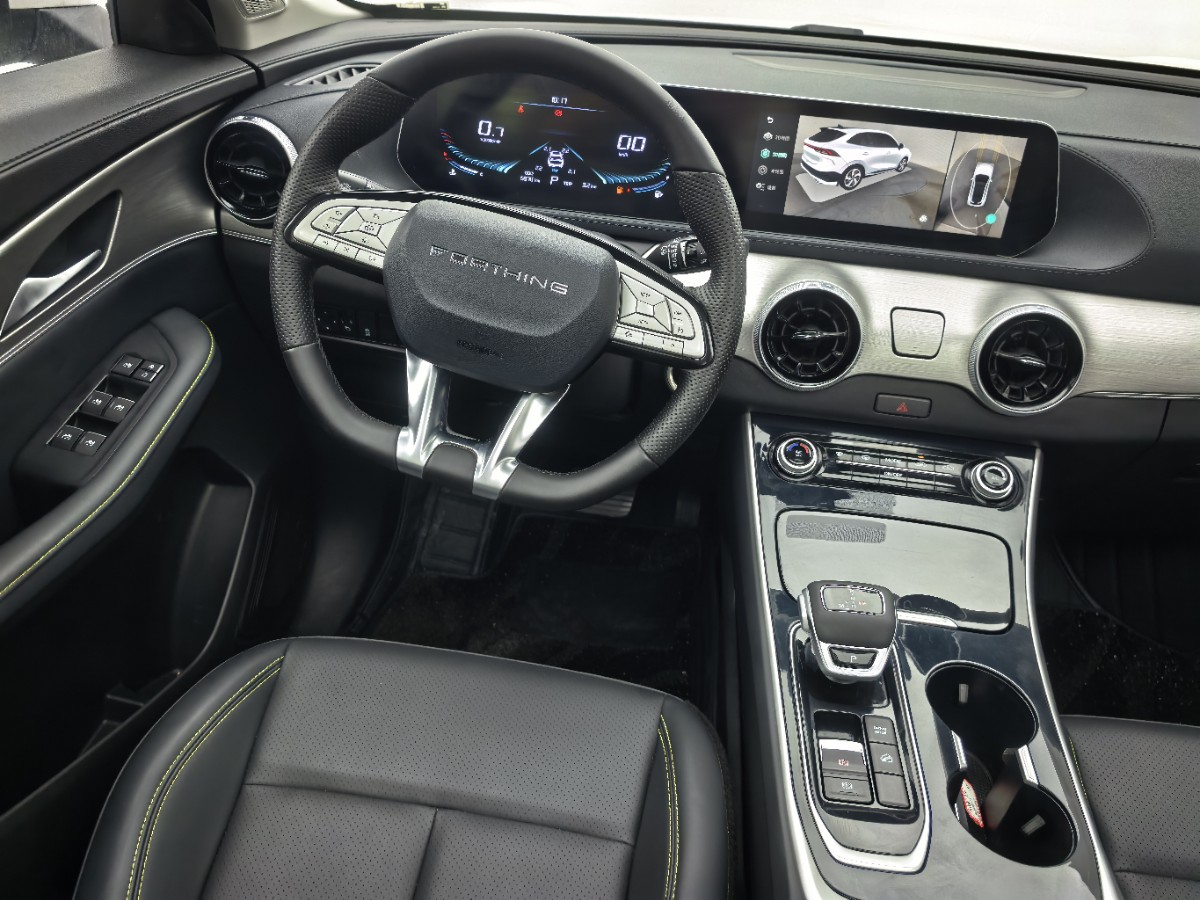



Stock

Basic Information

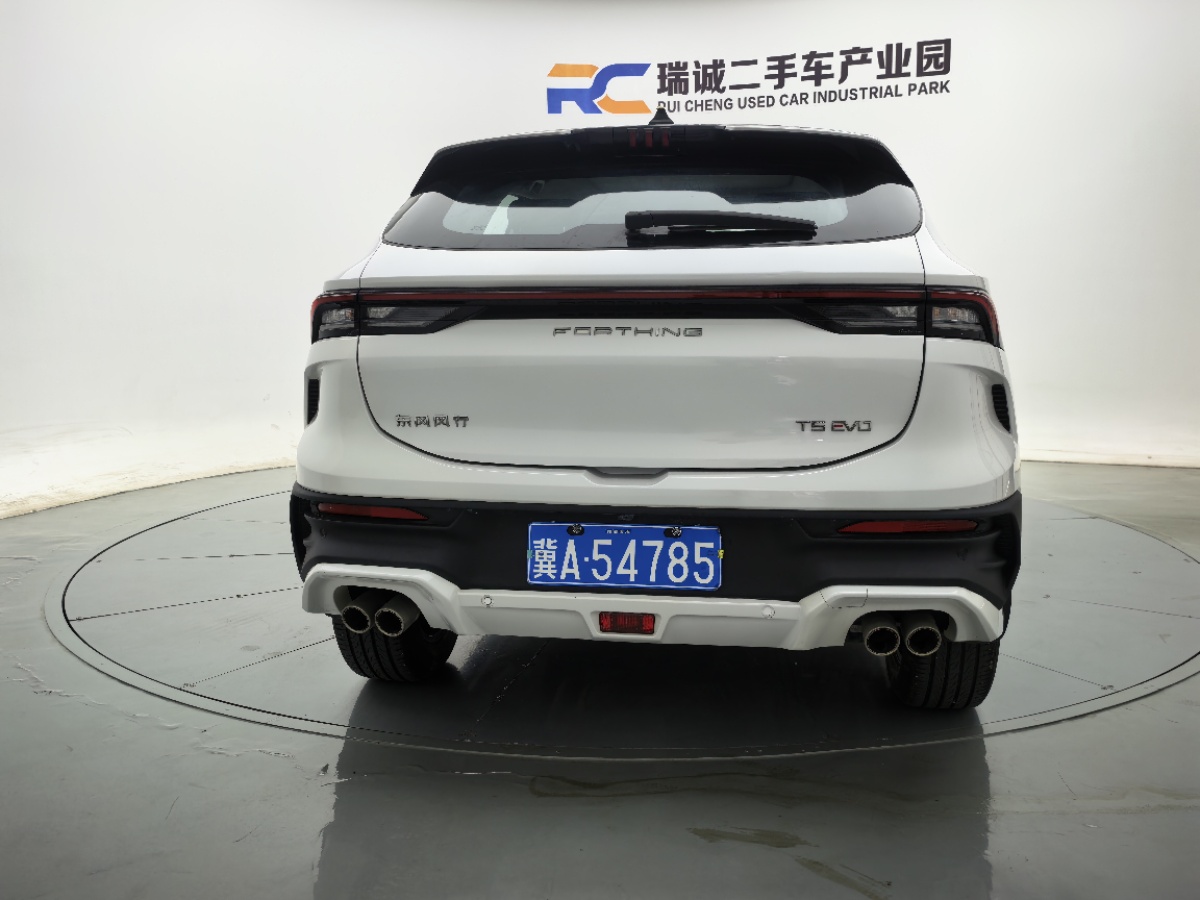
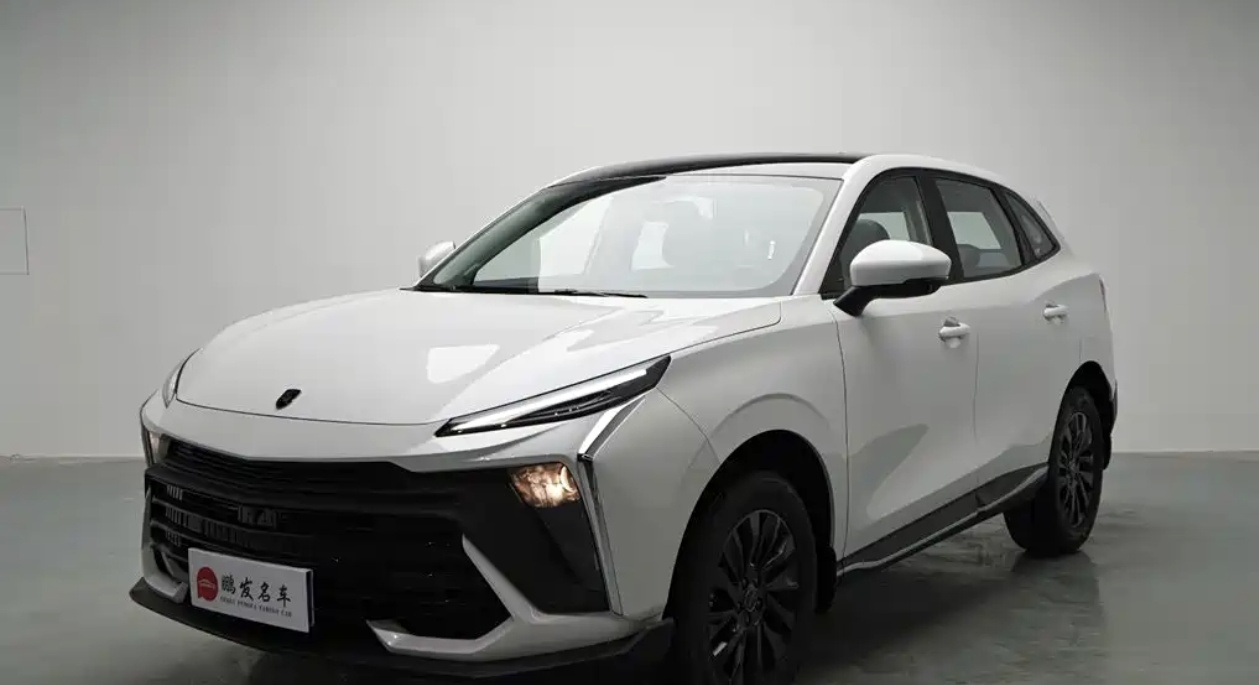
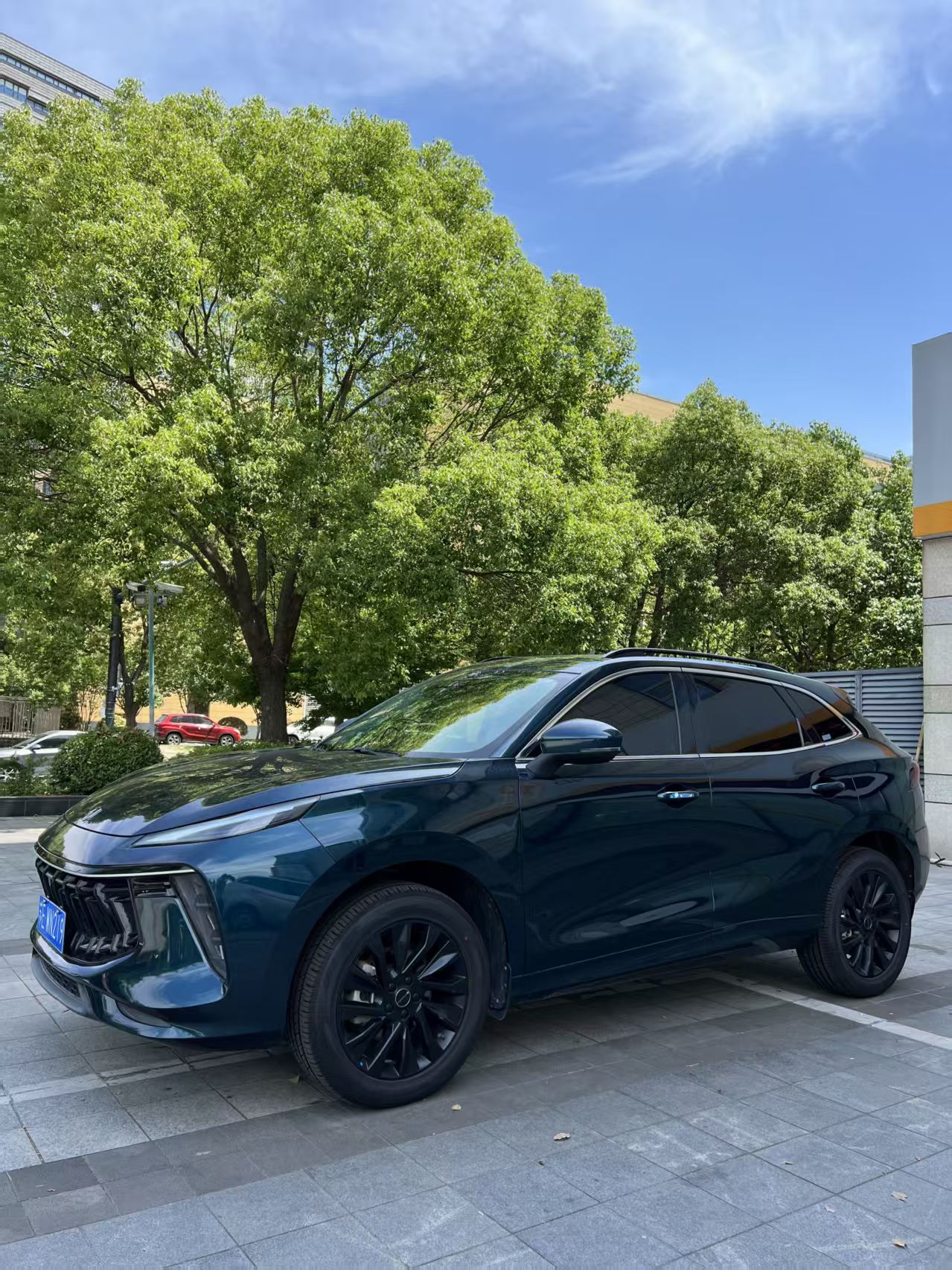
BrandForthing
SeriesT5 EVO
Year2024
First Registration2024/07
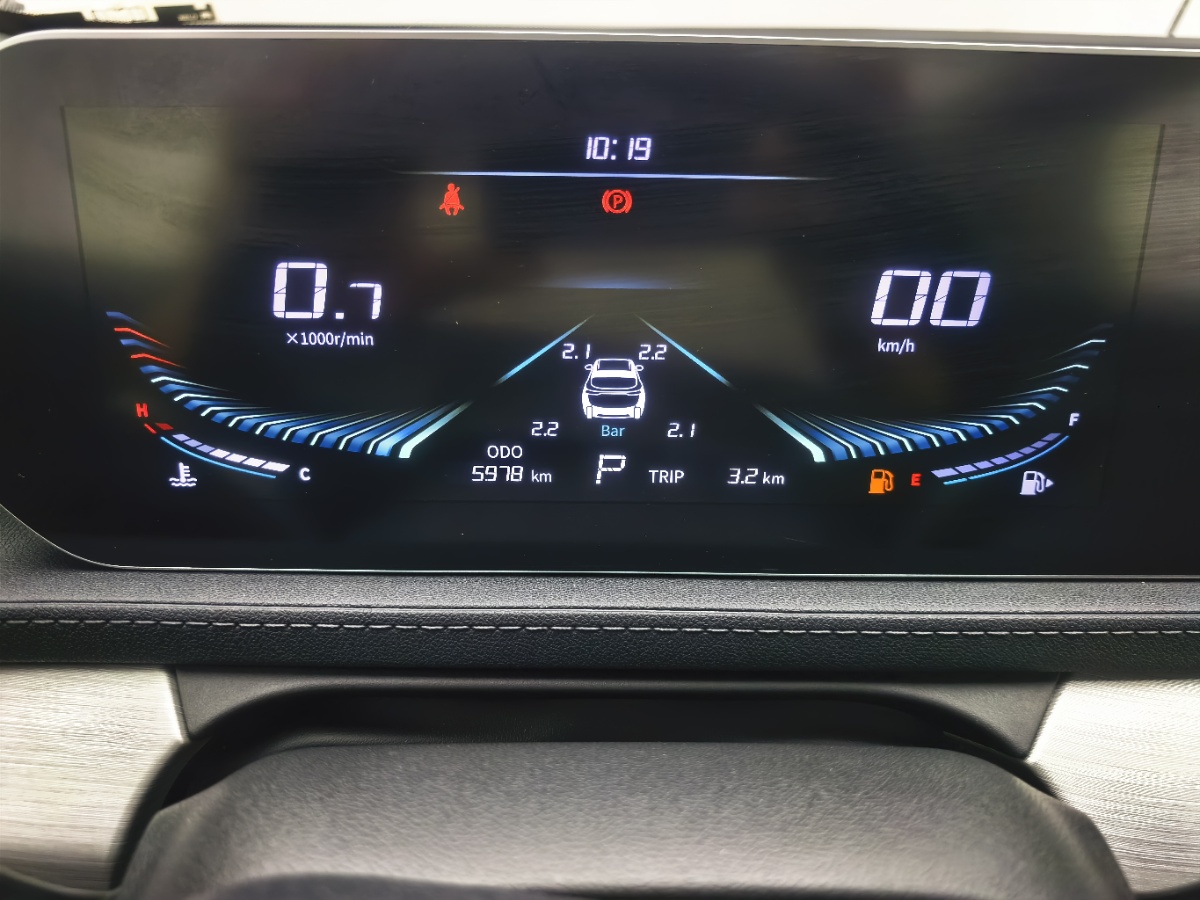
Mileage6,000km
Transfer Count1times
FuelGasoline
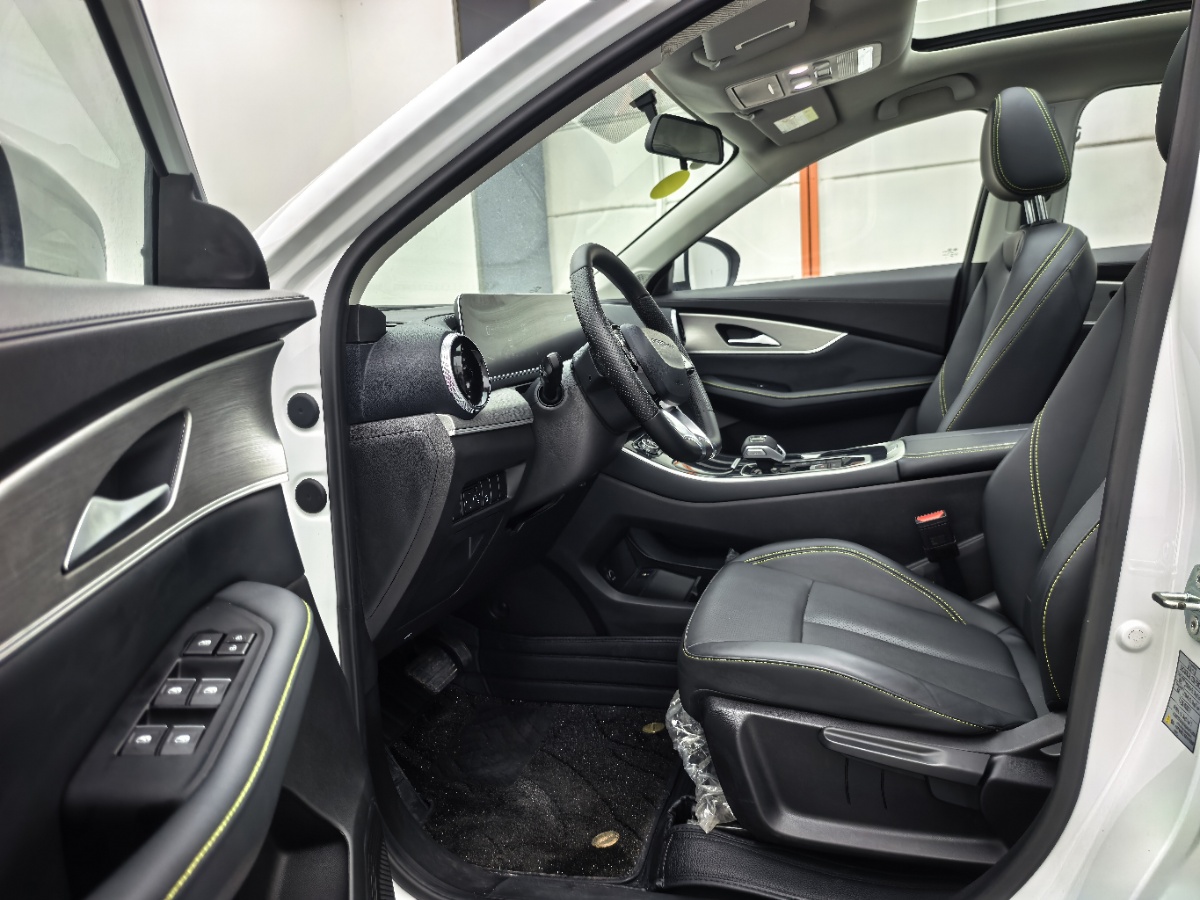
TransmissionDCT
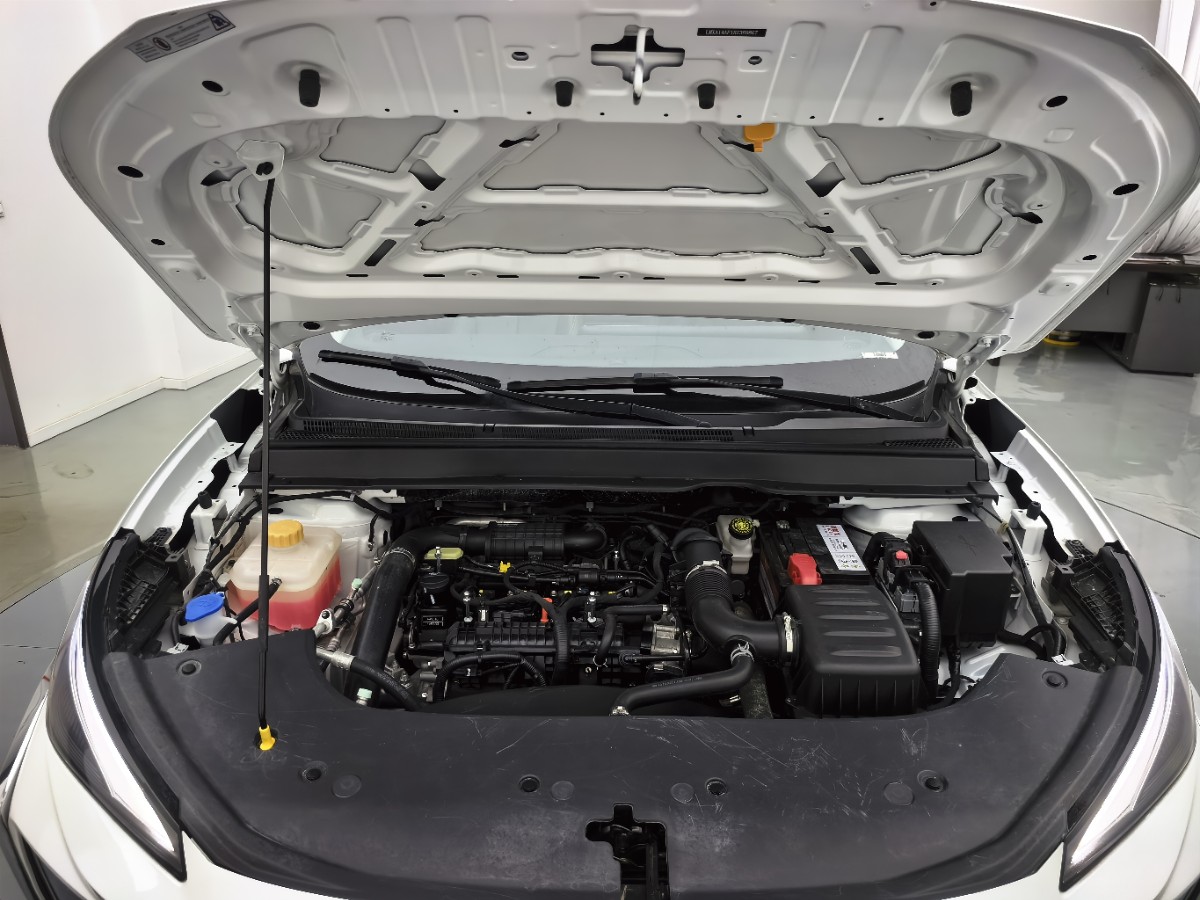
Engine1.5T 197 L4
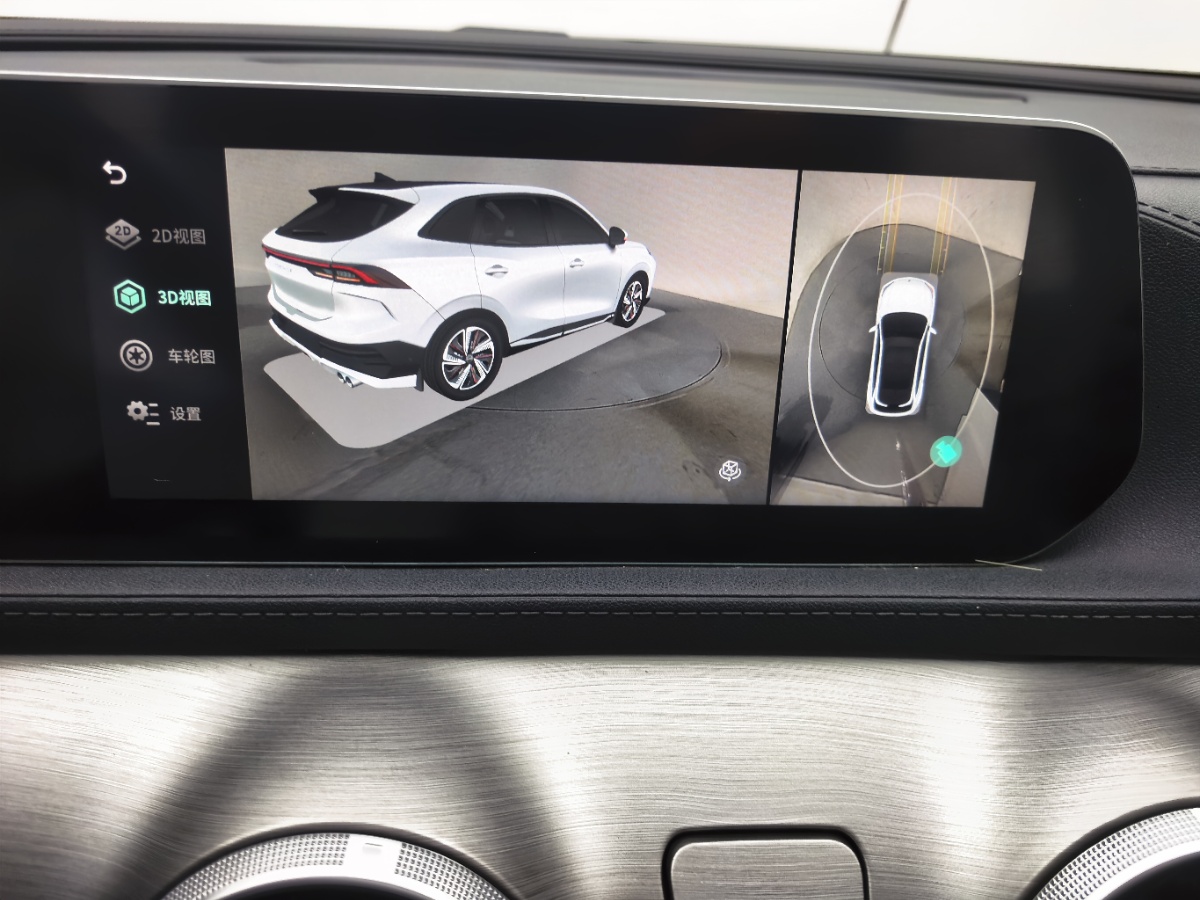
ColorWhite
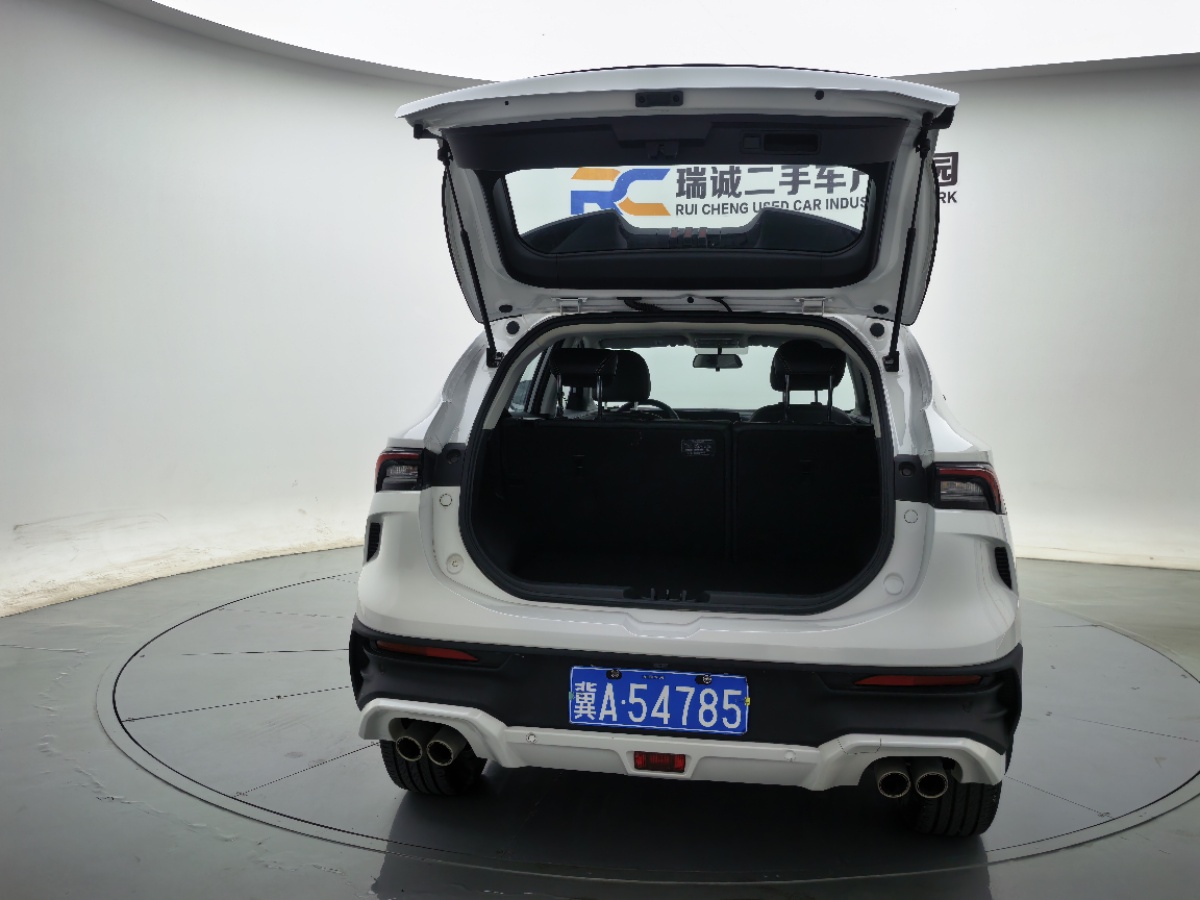
Seats5seats

Condition Description

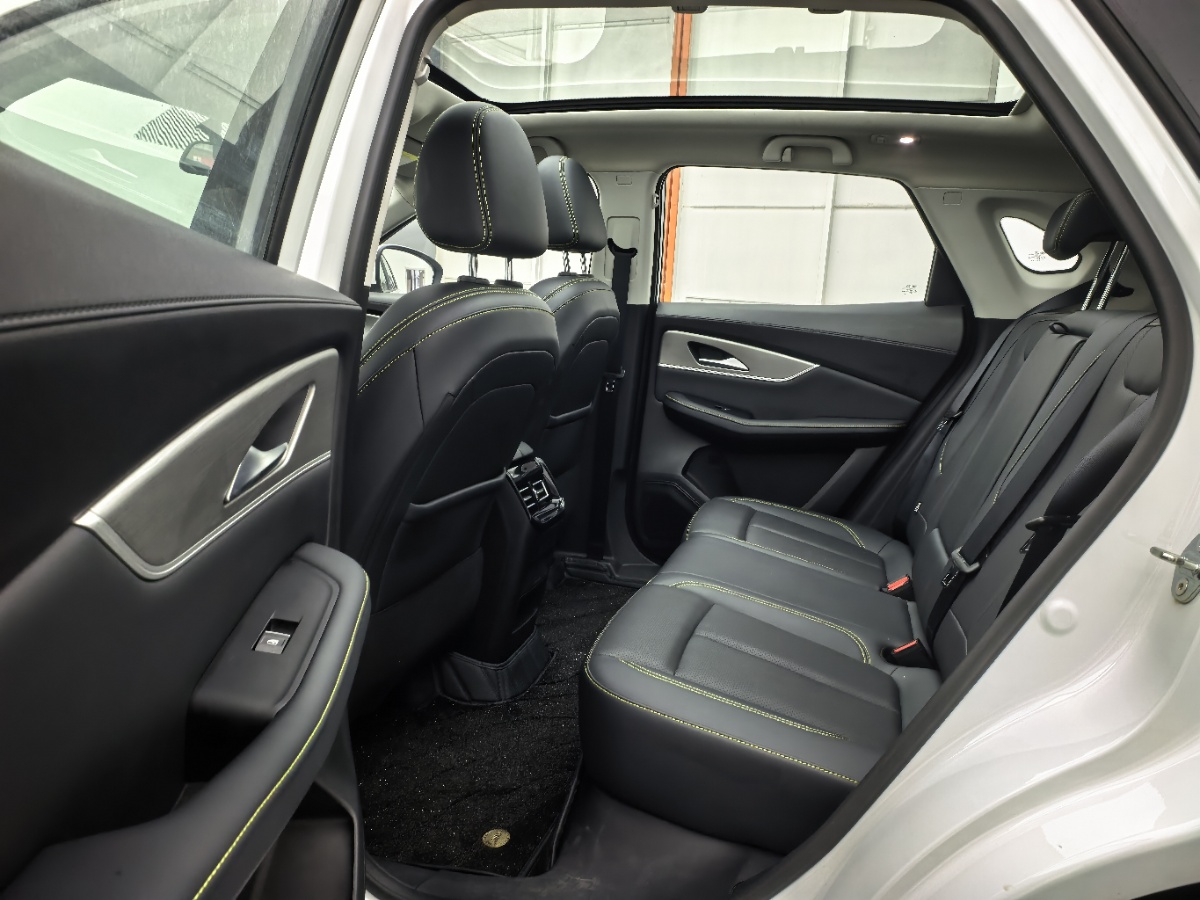
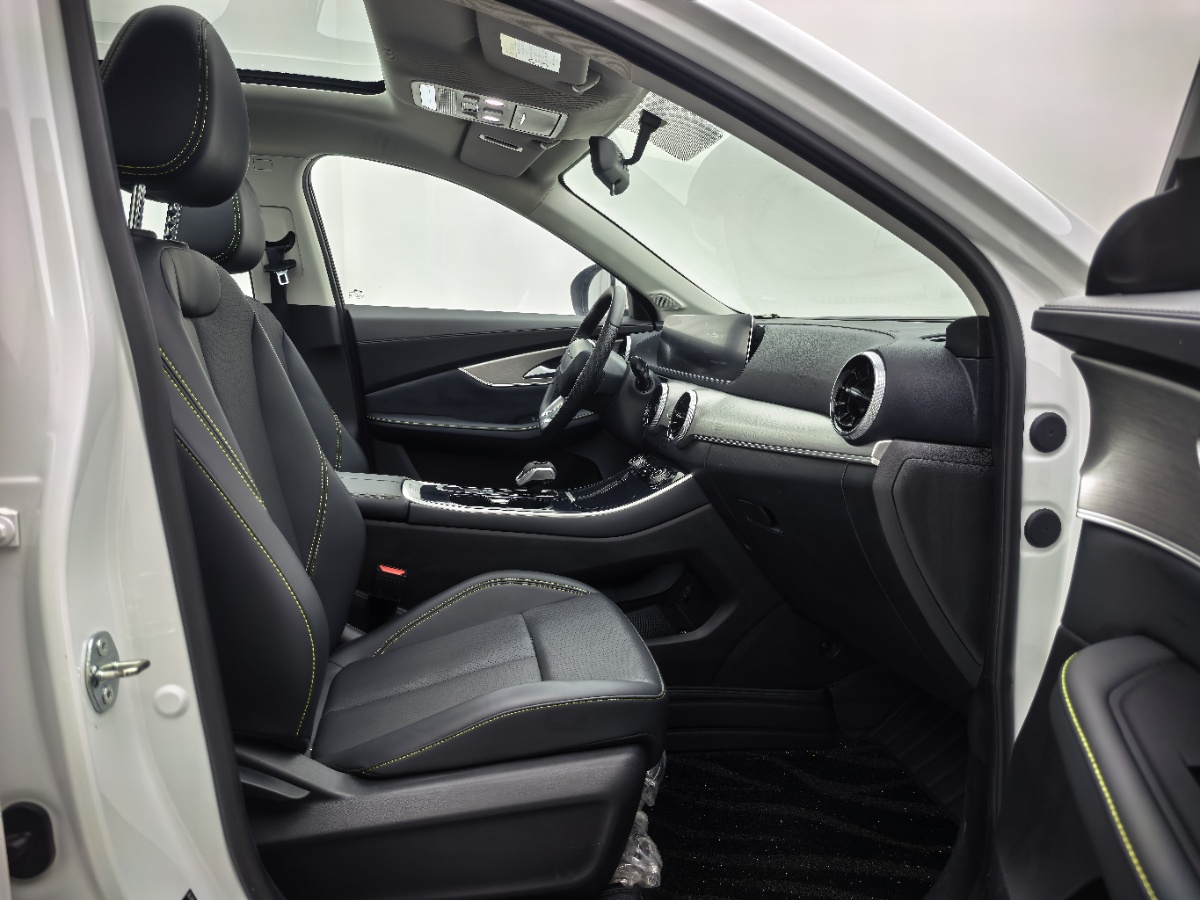
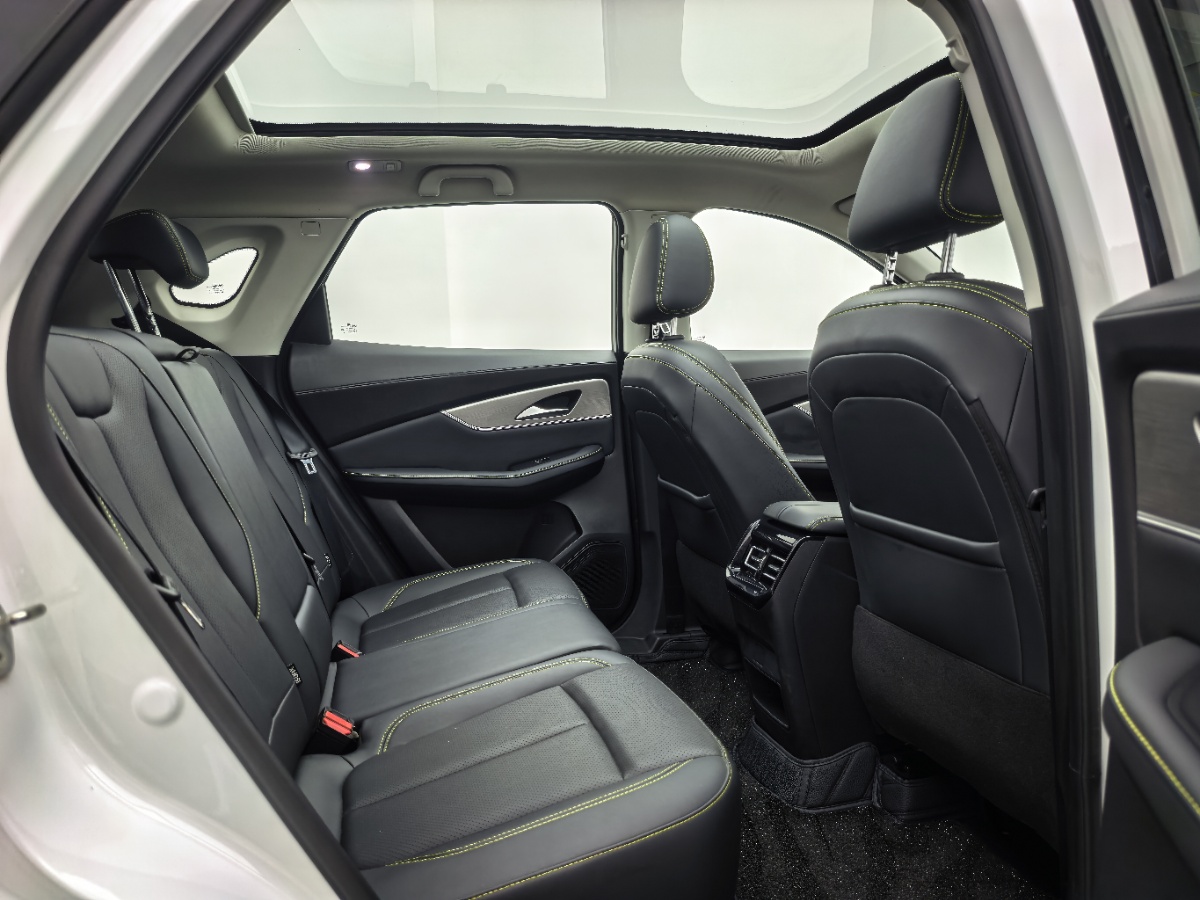
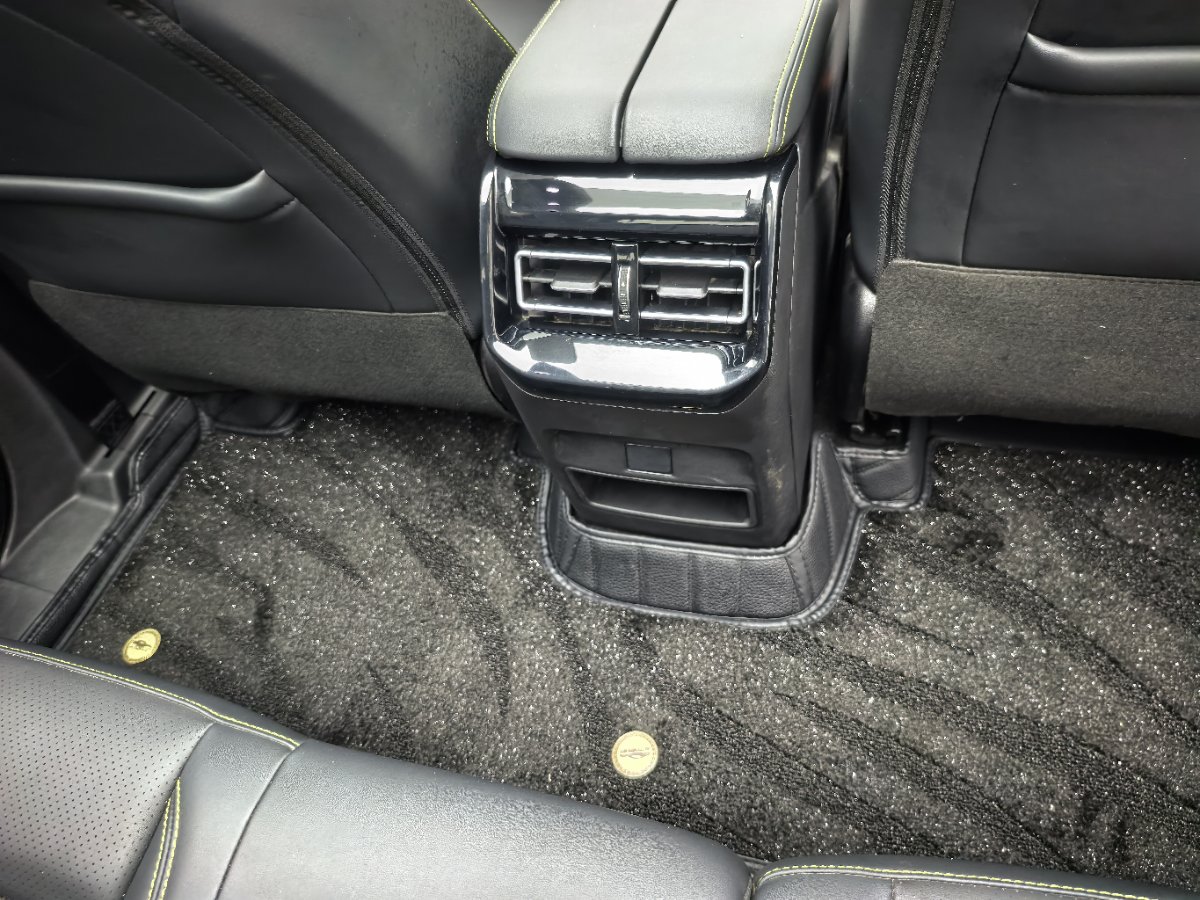
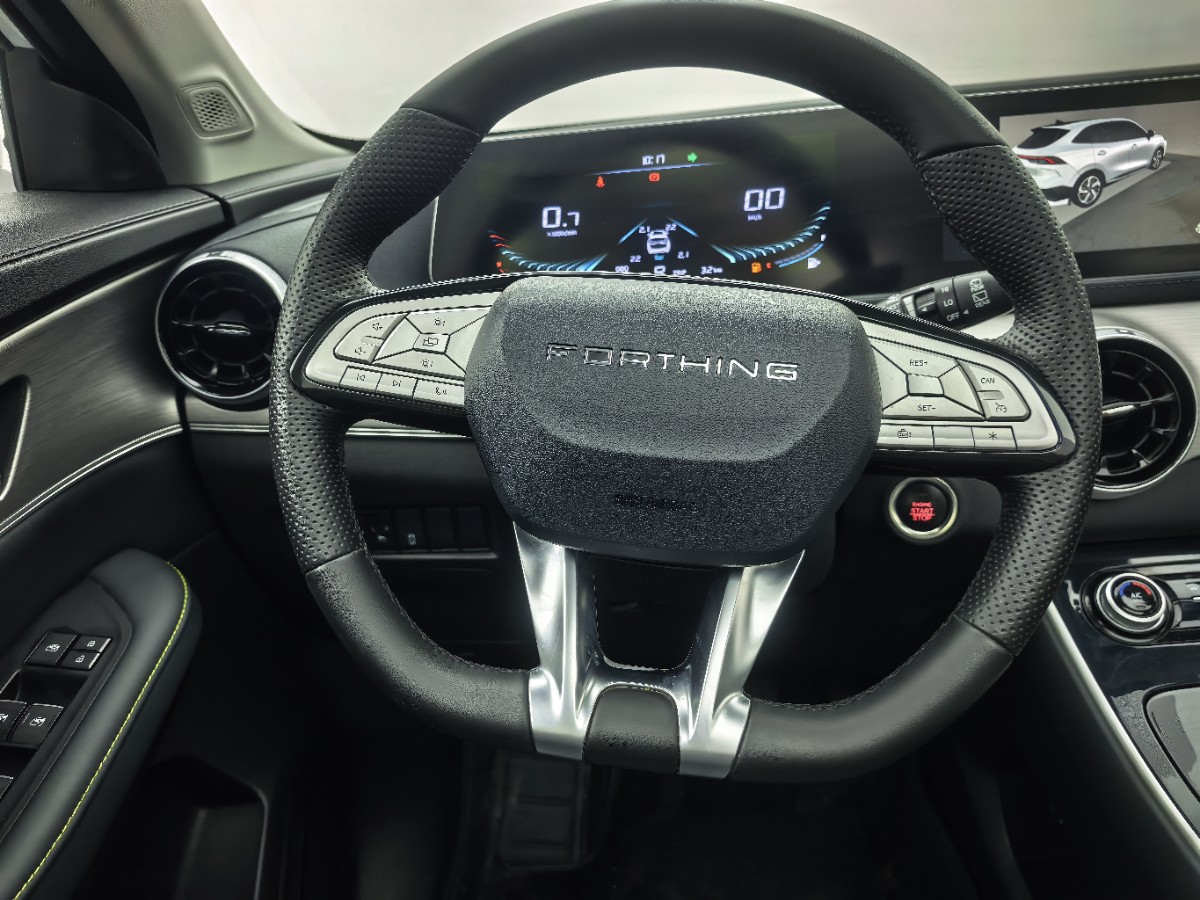
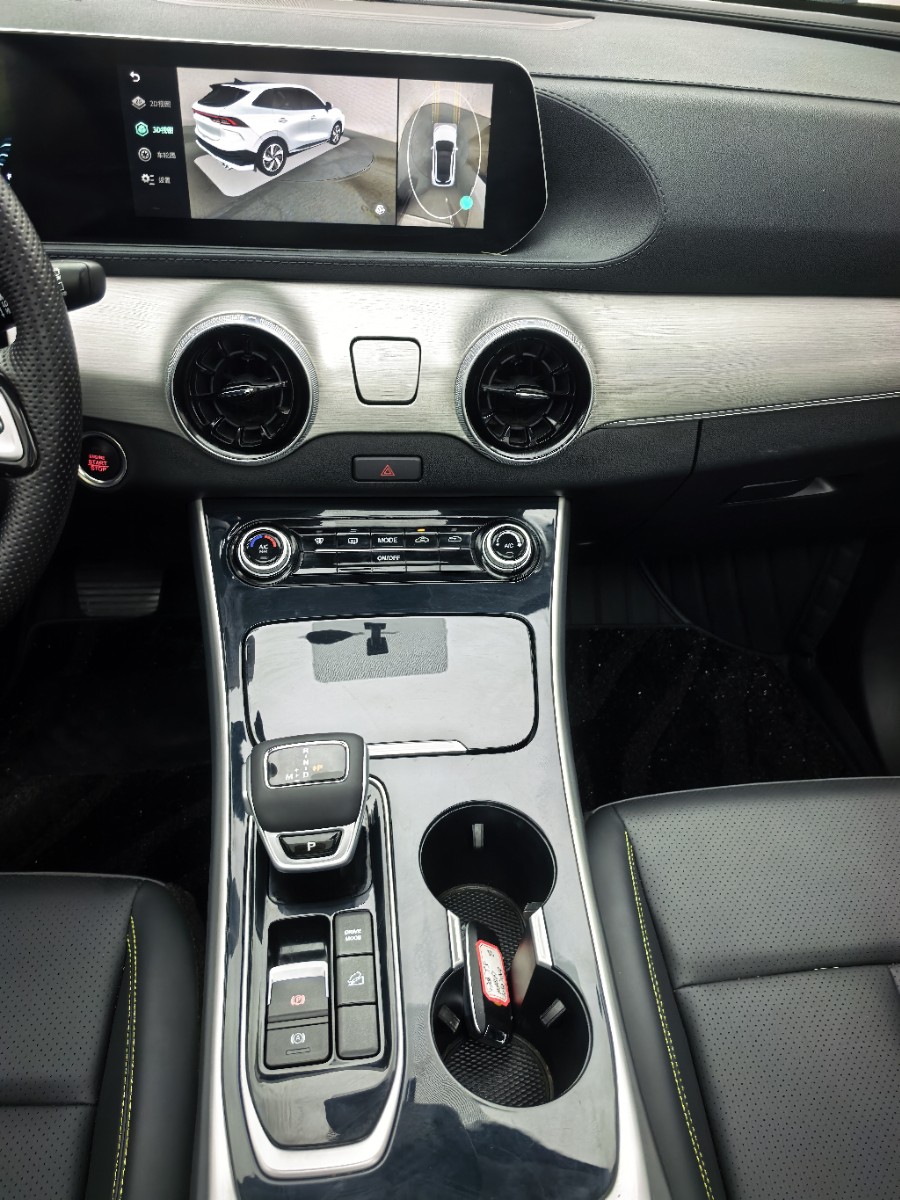
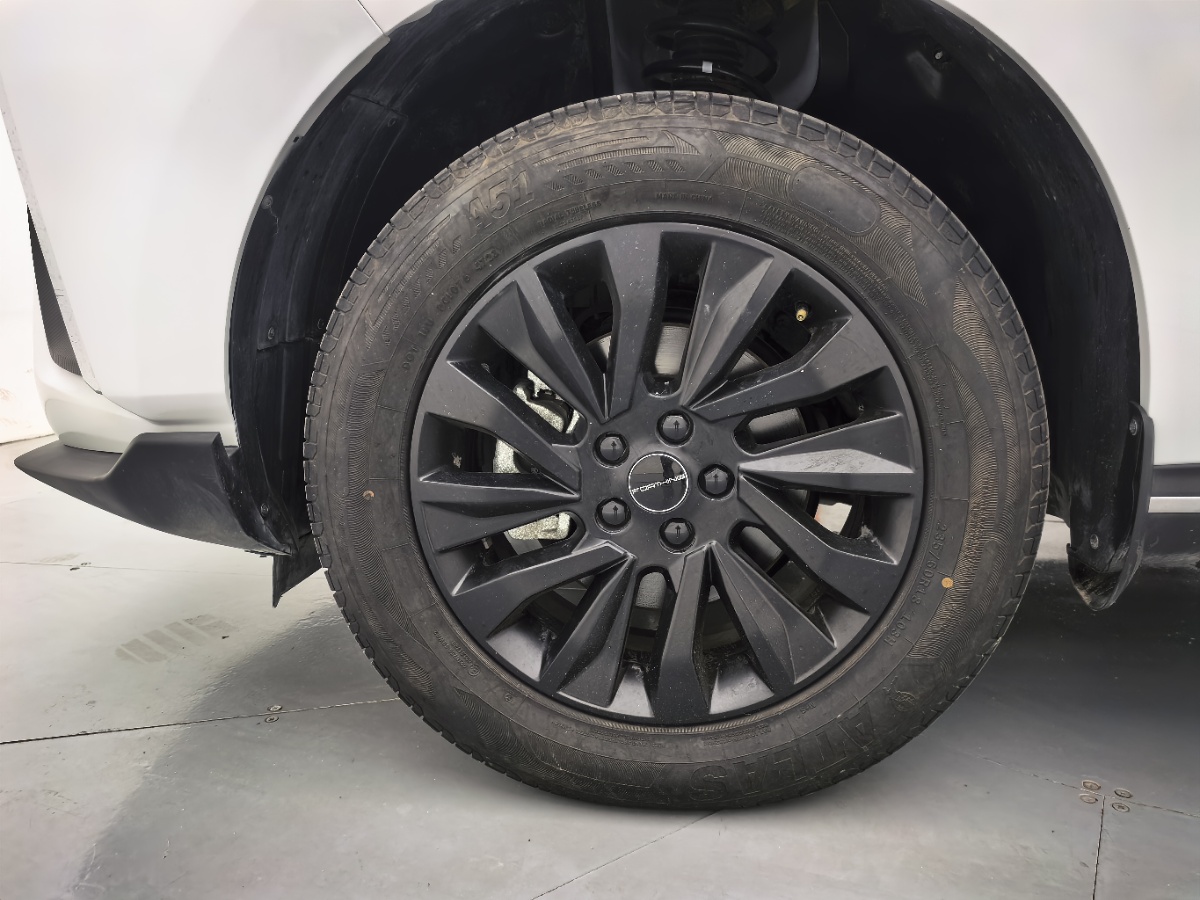
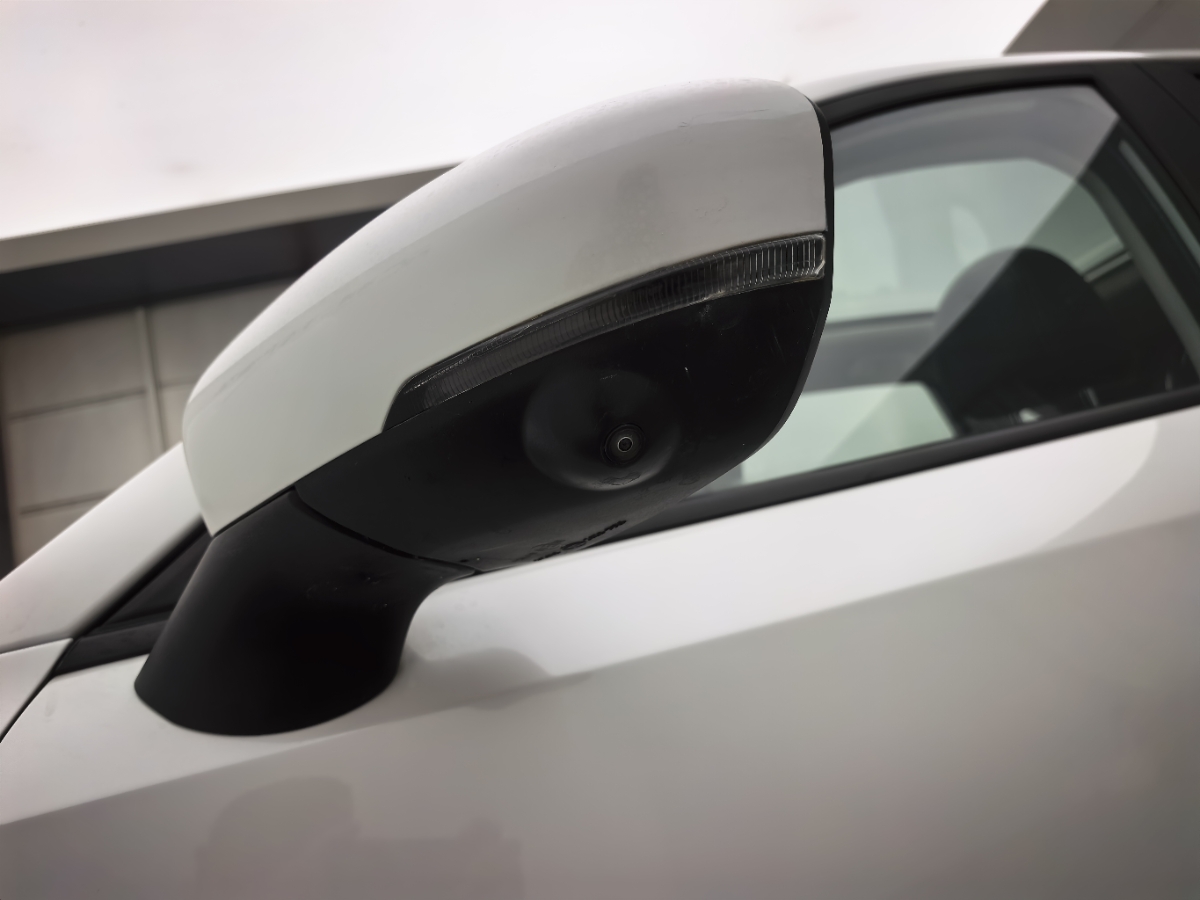
Original paint, no repaint.

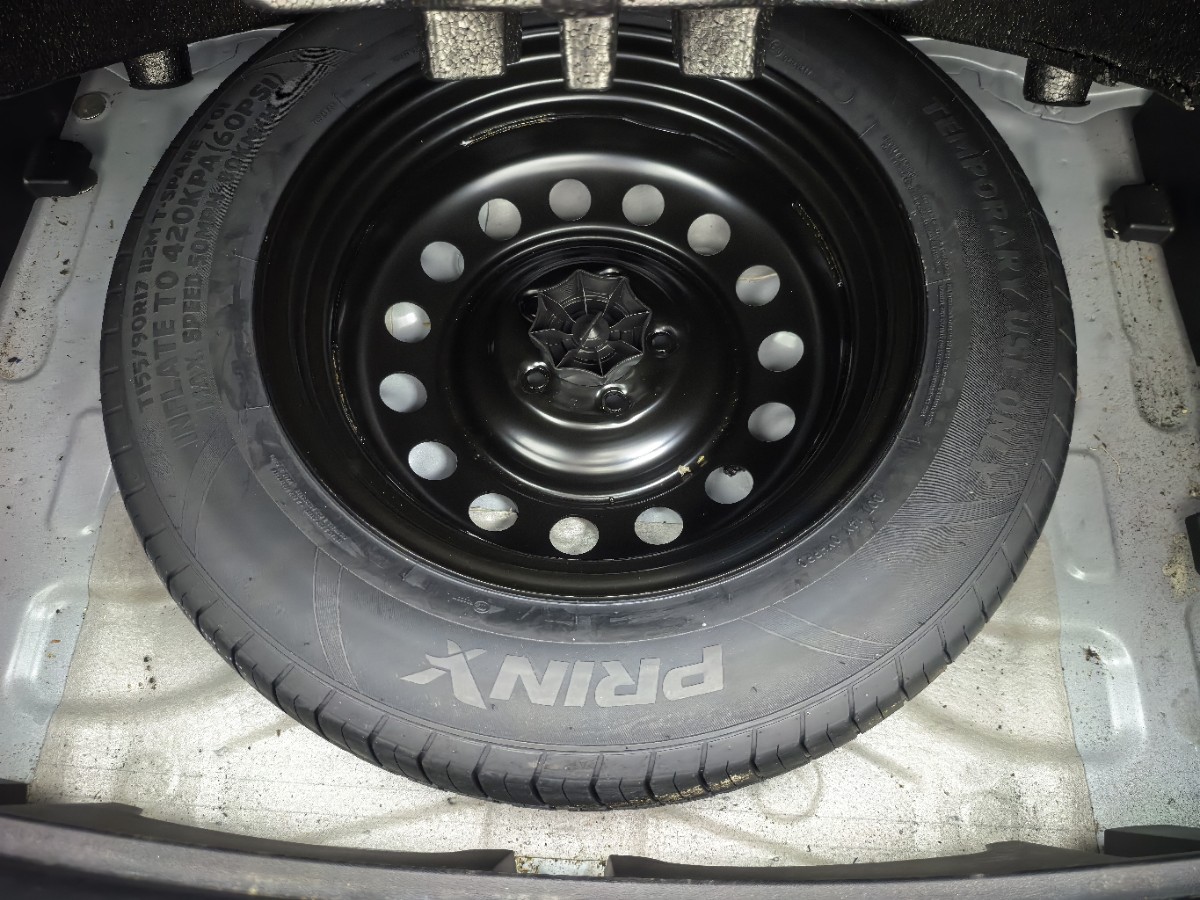
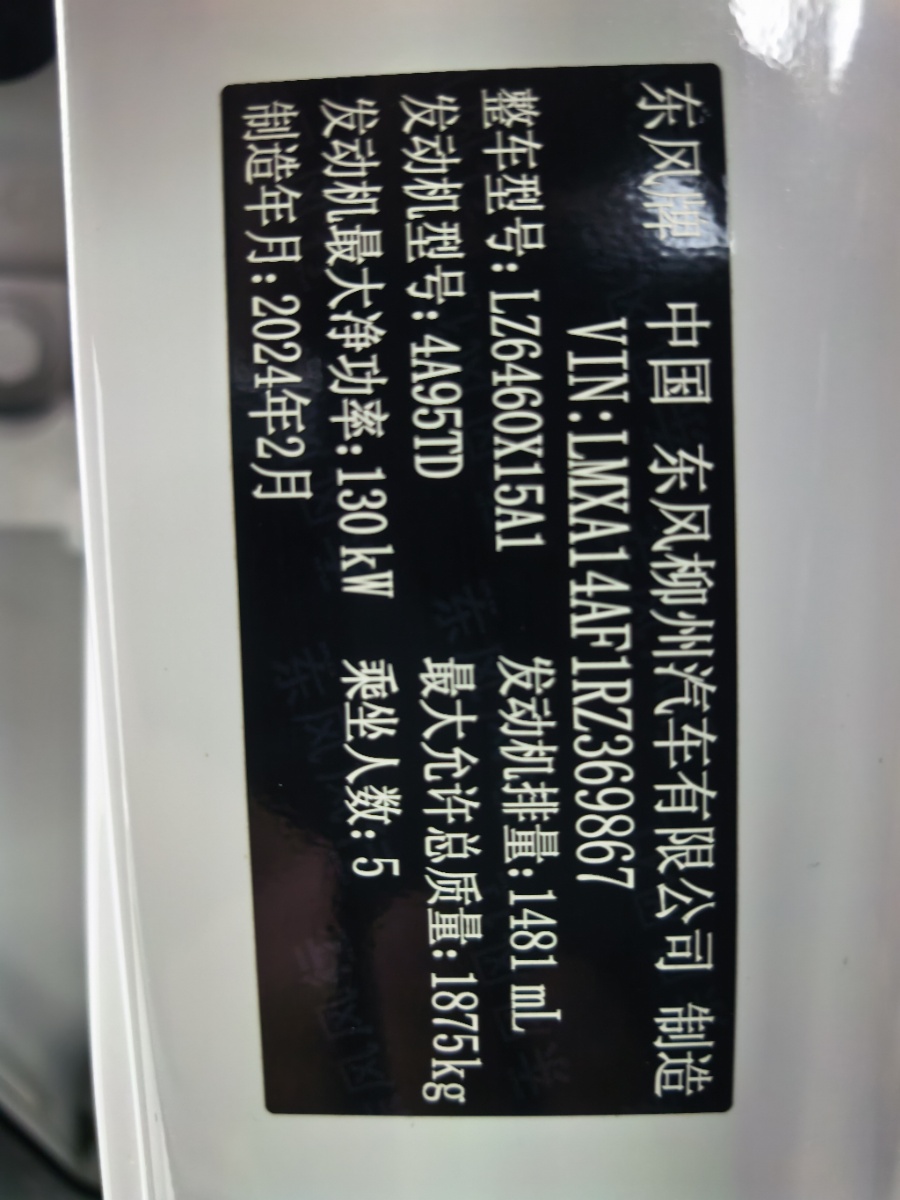
Manufactured February 2024, first registered July 2024. Odometer 6,000 km (actual). Original paint, no repaint. Excellent condition.

燃油车
SUV
自动
维保开放
事故开放
查验开放

Configuration Highlights

✓品牌: 东风风行
✓车系: 风行T5EVO
✓车型: 2023款 1.5TD DCT星耀版
✓车身类型: SUV
✓座位数: 5
✓排量: 1.5T
✓变速箱: 自动
✓能源类型: 燃油车
✓VIN: LMXA14AF1RZ369867
✓搜索关键词: 东风风行风行T5EVO 2023款风行T5EVO1.5TDDCT星耀版

Q&A

More

How is liability defined if the battery pack is damaged during long-distance sea transport due to extreme temperatures?

This is considered a force majeure risk. We will require the vehicle's state of charge (SOC) to be maintained in a safe dormant range of 30%-50% before loading, and we will insure you for all marine risks under CIF terms. If the battery suffers thermal runaway total loss due to abnormal cargo hold temperatures, the insurance company will compensate.
What tools and equipment does a professional pre-shipment inspection of a used car use?

A proper inspection relies on equipment, not just eyes. The inspector should use a paint thickness gauge to measure 50-60 points across body panels; original paint is typically 80-150 microns. An OBD diagnostic scanner reads stored and pending fault codes across all control units, and for EVs it also reads battery state of health and charge cycle counts. The car must go on a lift for the underbody check: frame rails, suspension components, oil leaks and accident repair marks are only visible from below. A battery tester checks starting voltage and charging system health, and a tread depth gauge documents tire condition. Ask for the report to include raw readings and dated photos rather than a simple pass/fail summary - that is what makes it verifiable.

How do you detect carbon buildup and wear inside the engine using technology without deep disassembly?

We use two steps: 1. Insert a medical-grade endoscope through the spark plug hole to visually inspect cylinder wall scratches and carbon buildup on the piston top; 2. Extract an engine oil sample to check for large metal debris or emulsification (caused by coolant leakage).