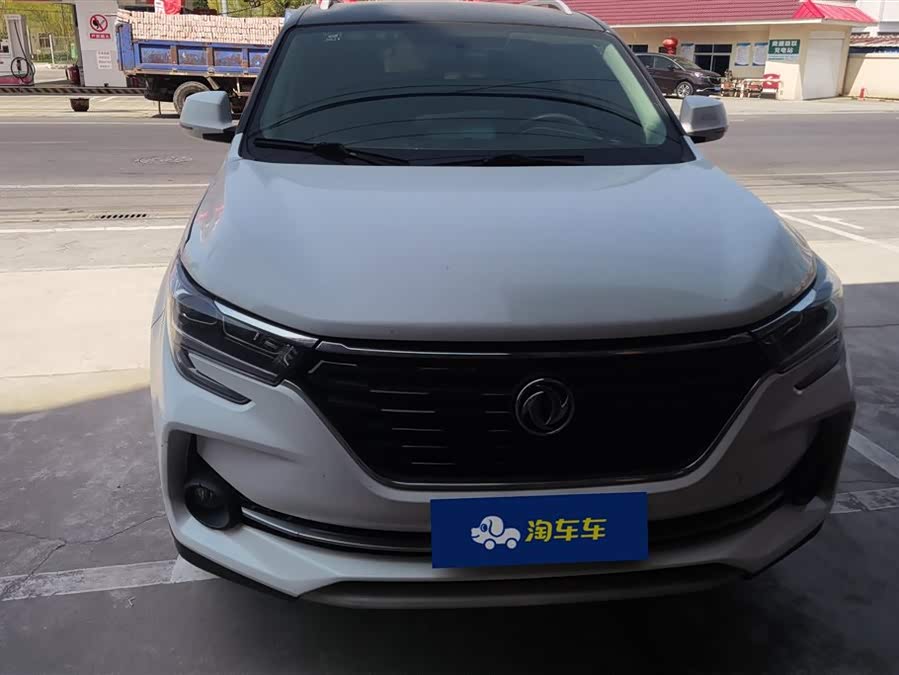
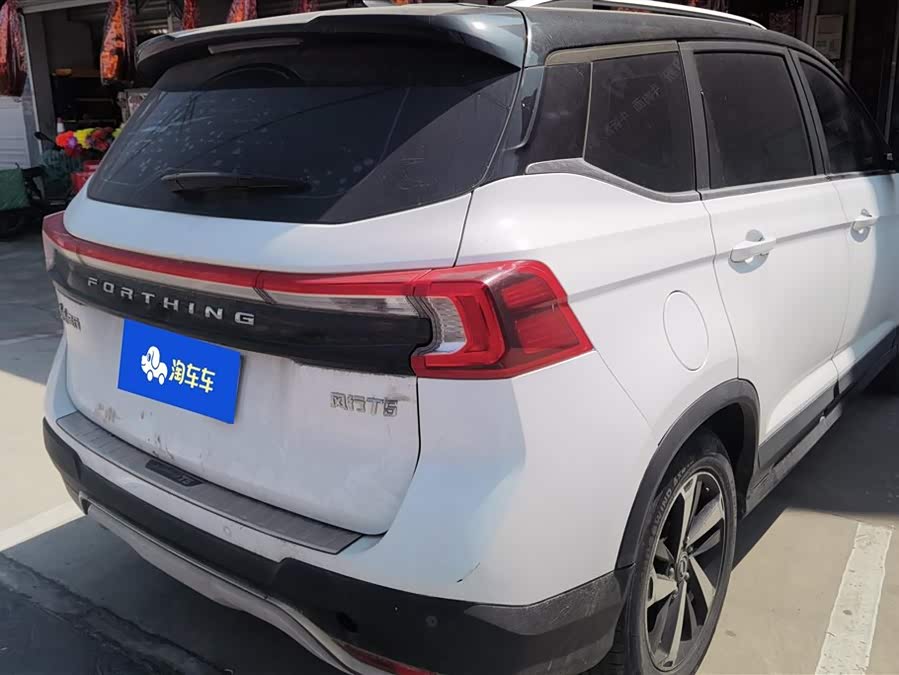
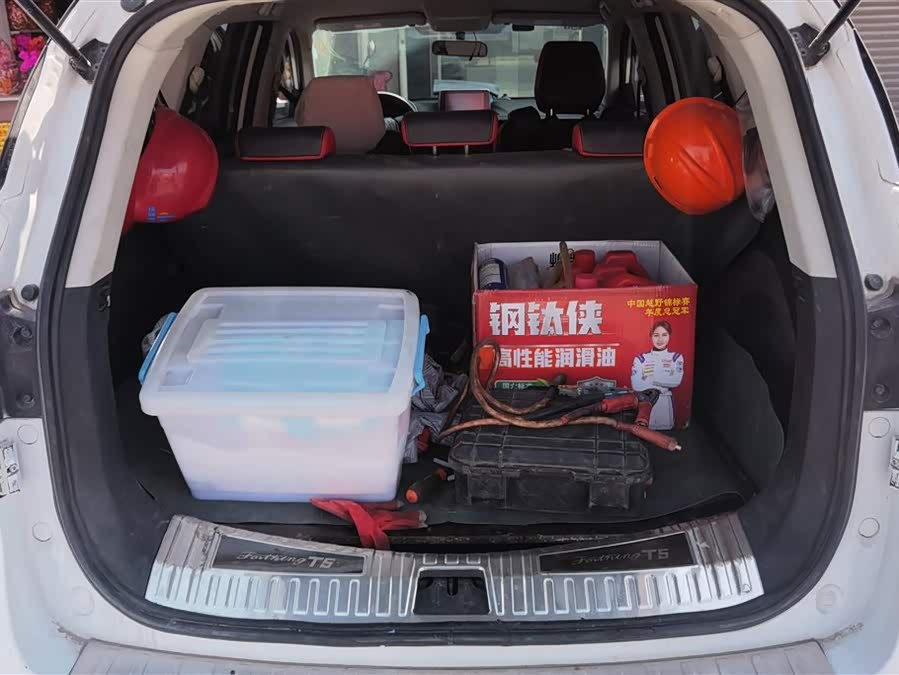
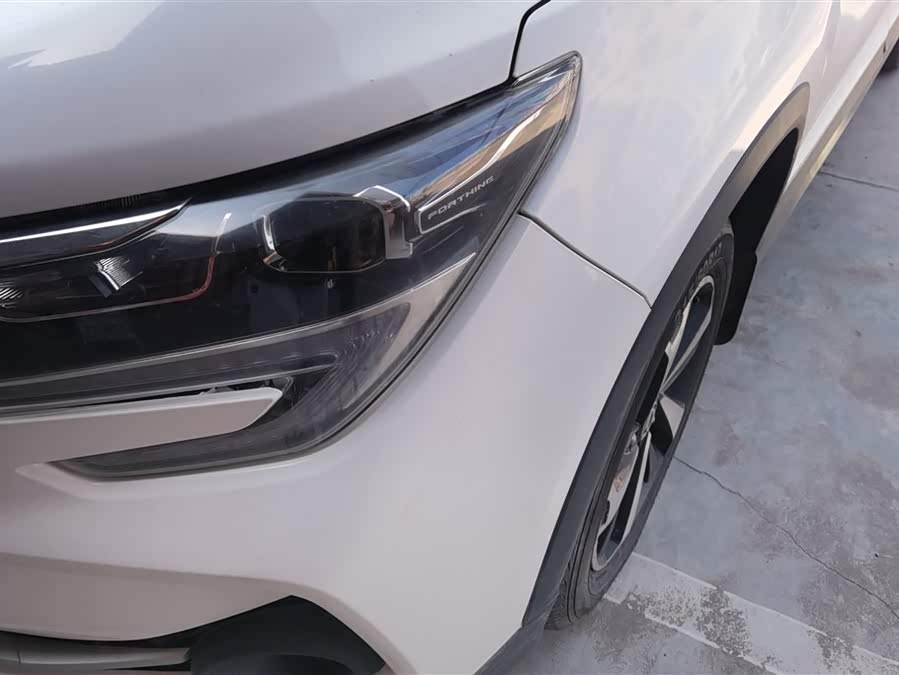
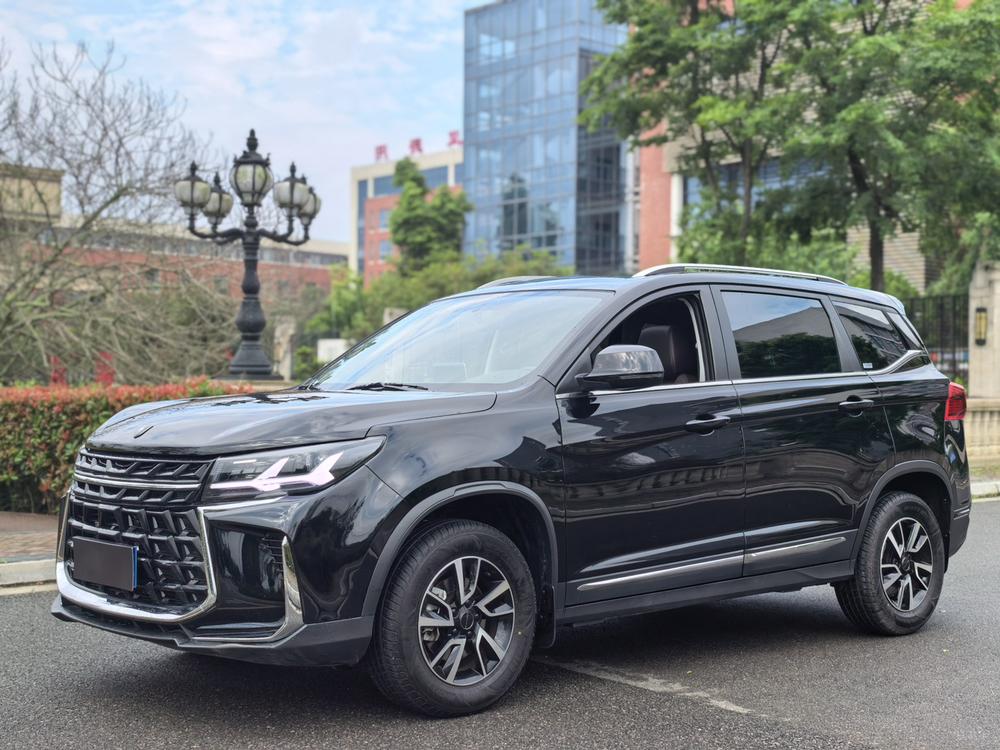
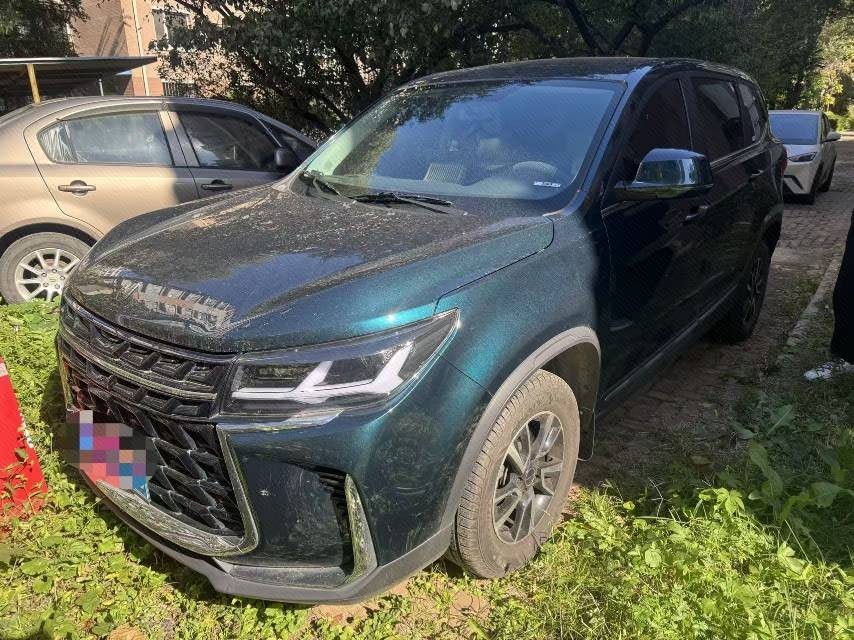
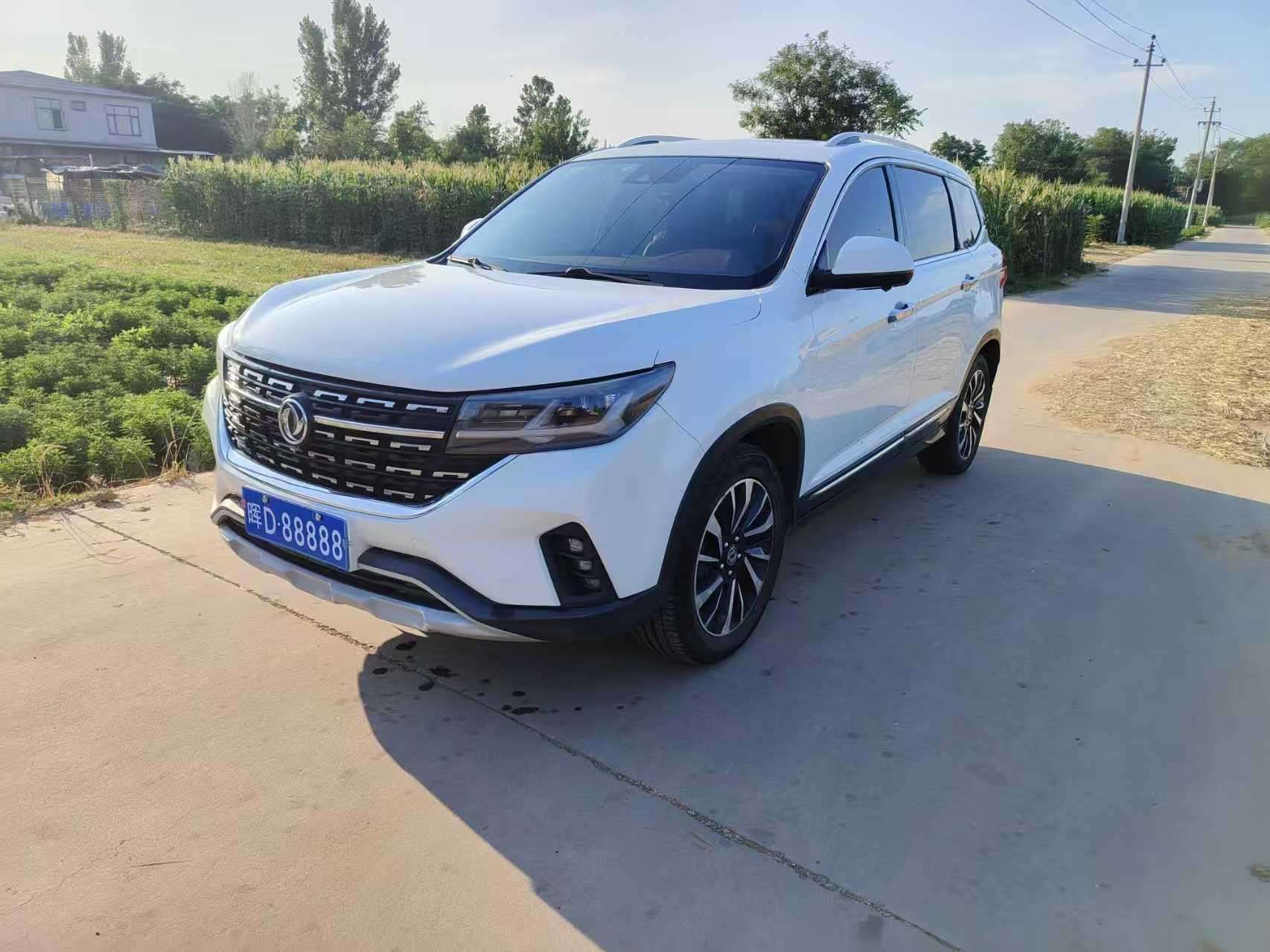
Basic Information

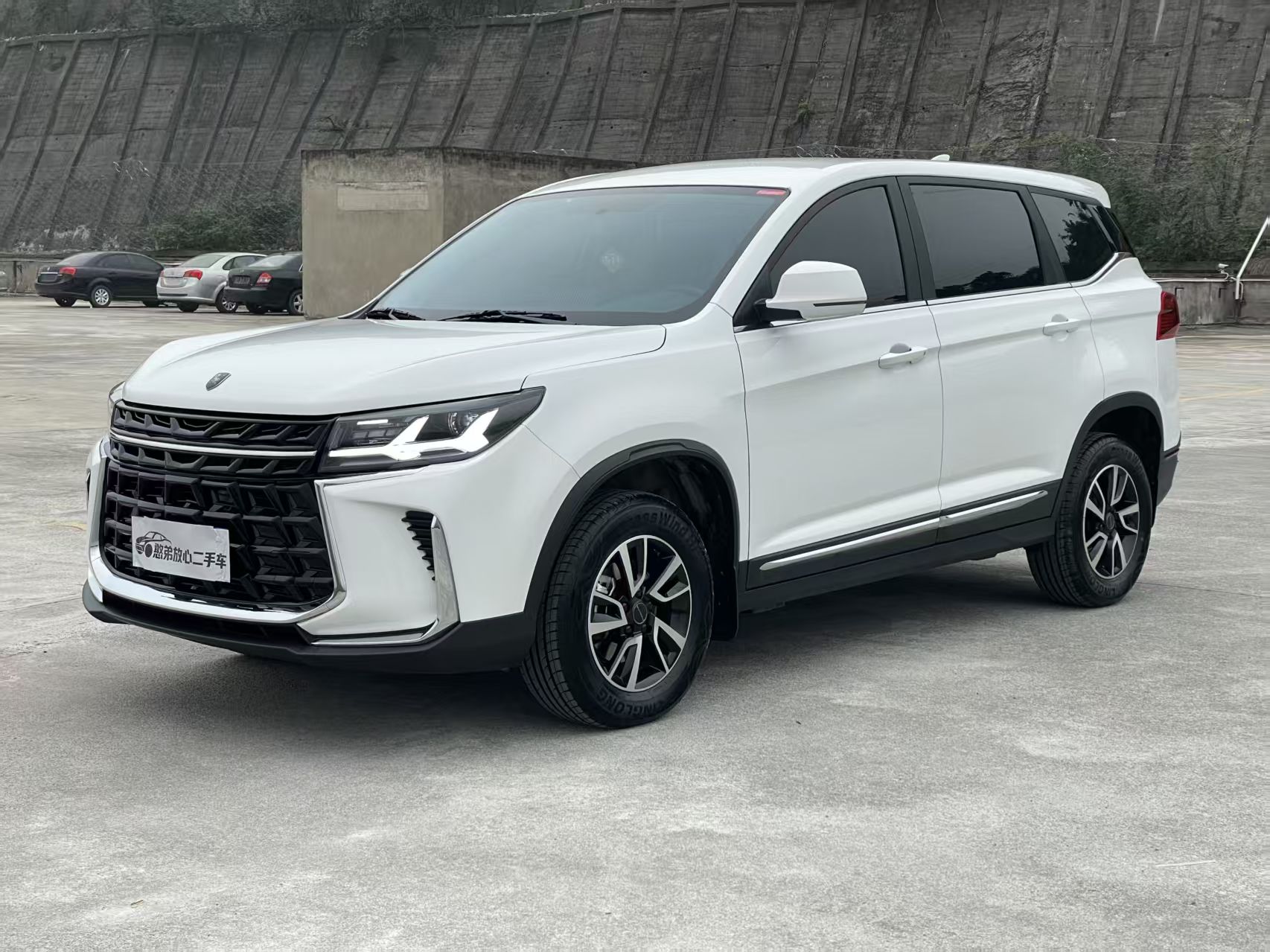
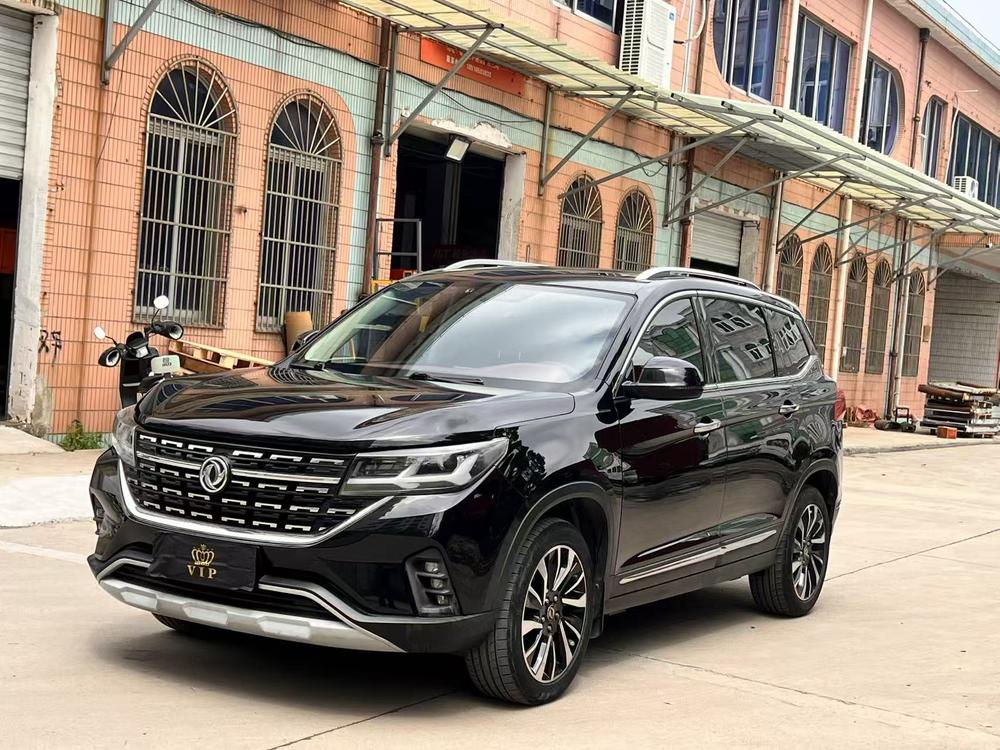
BrandForthing
SeriesT5
Year2019
First Registration2019/06
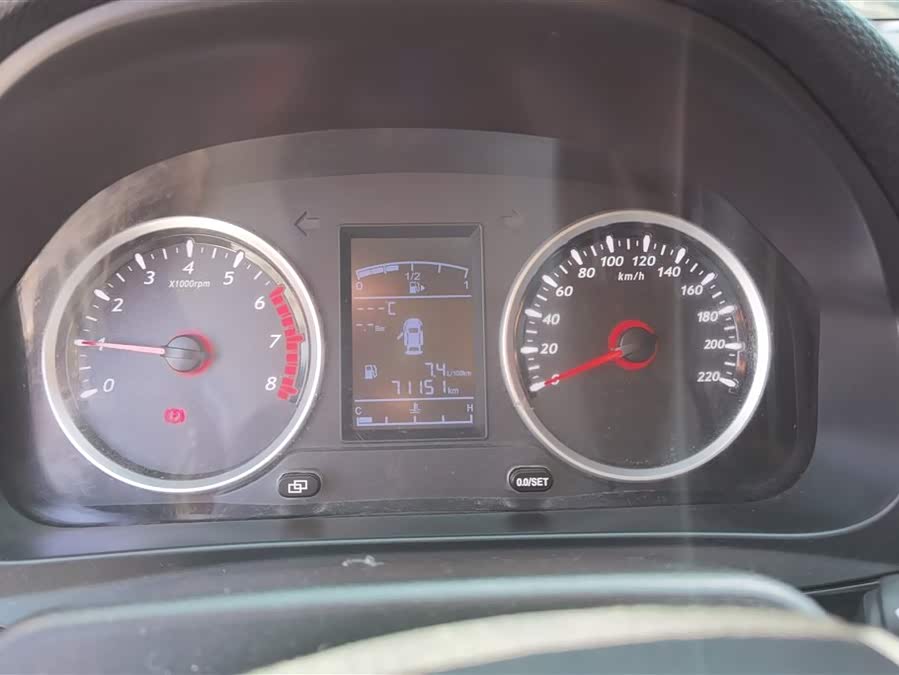
Mileage71,200km
Transfer Count-
FuelGasoline
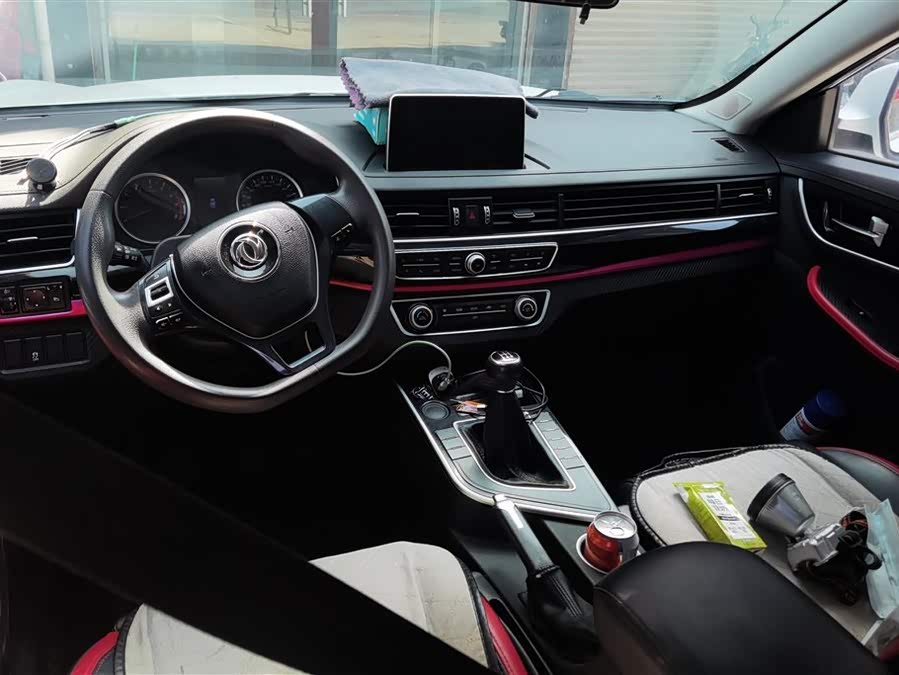
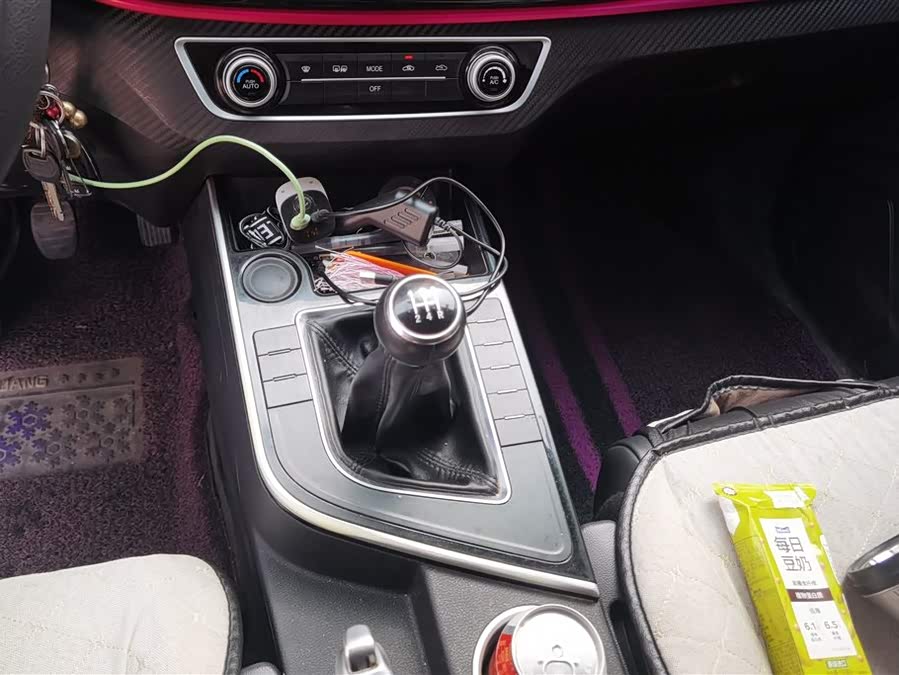
TransmissionManual
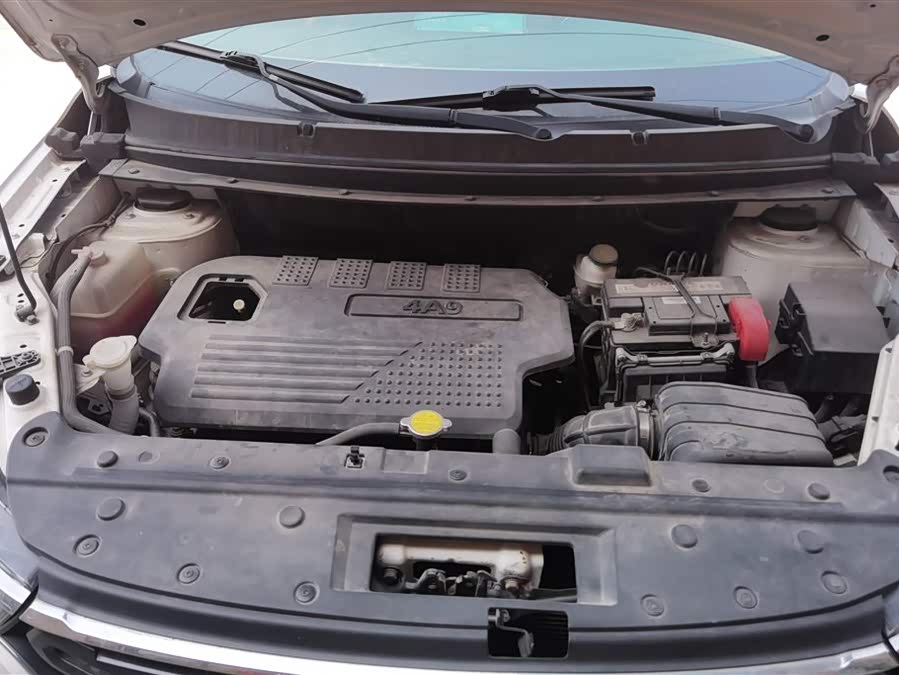
Engine1.6L 122 L4
ColorWhite
Seats-

Condition Description

very good

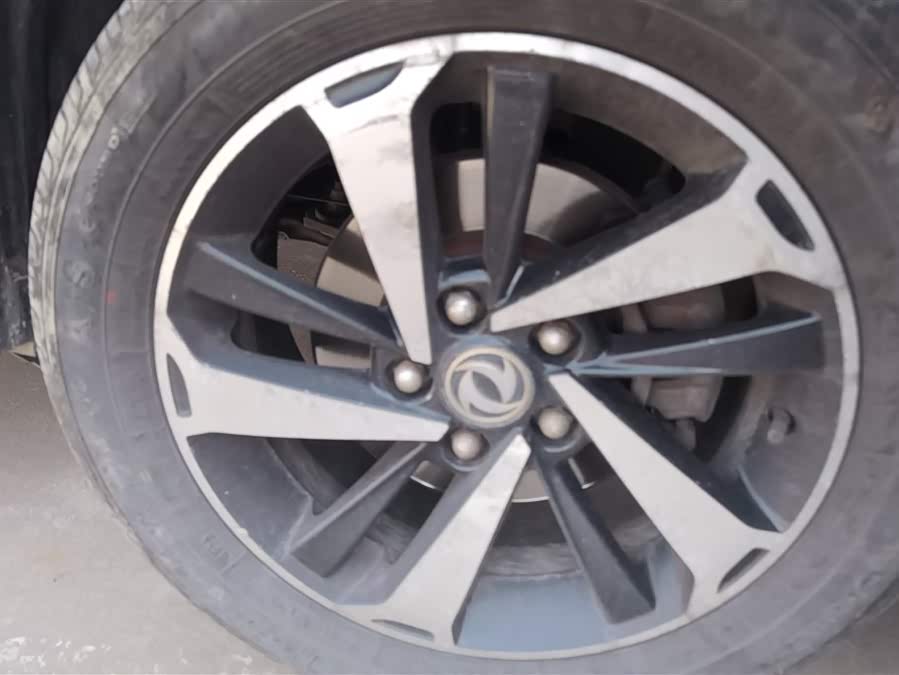
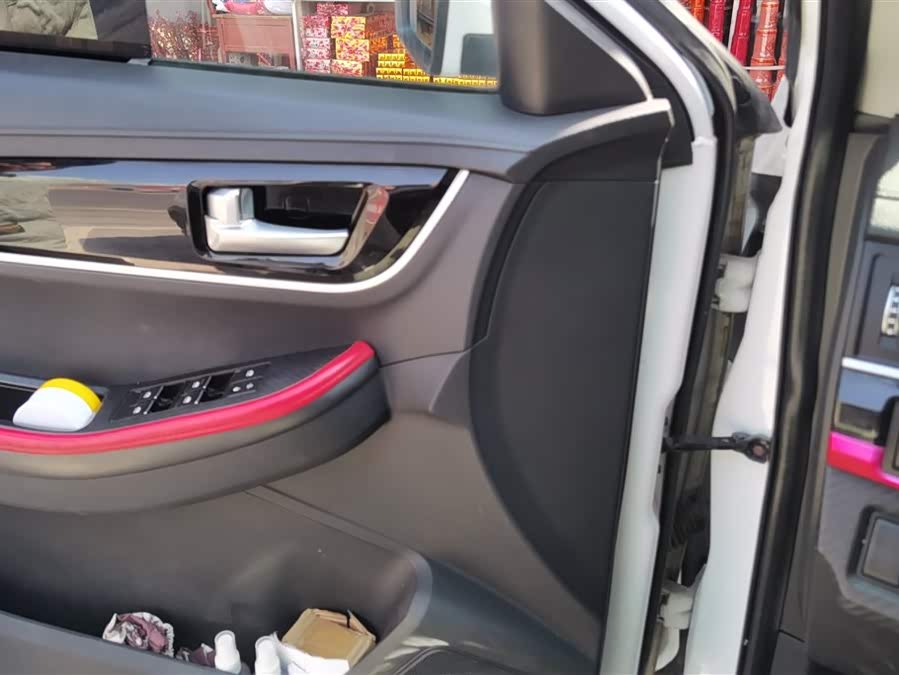
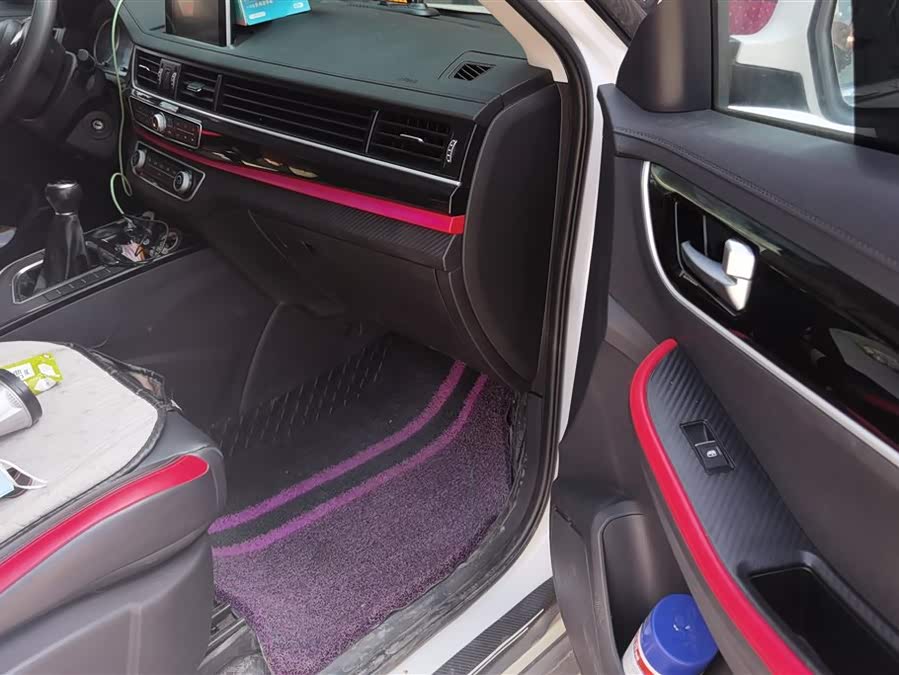
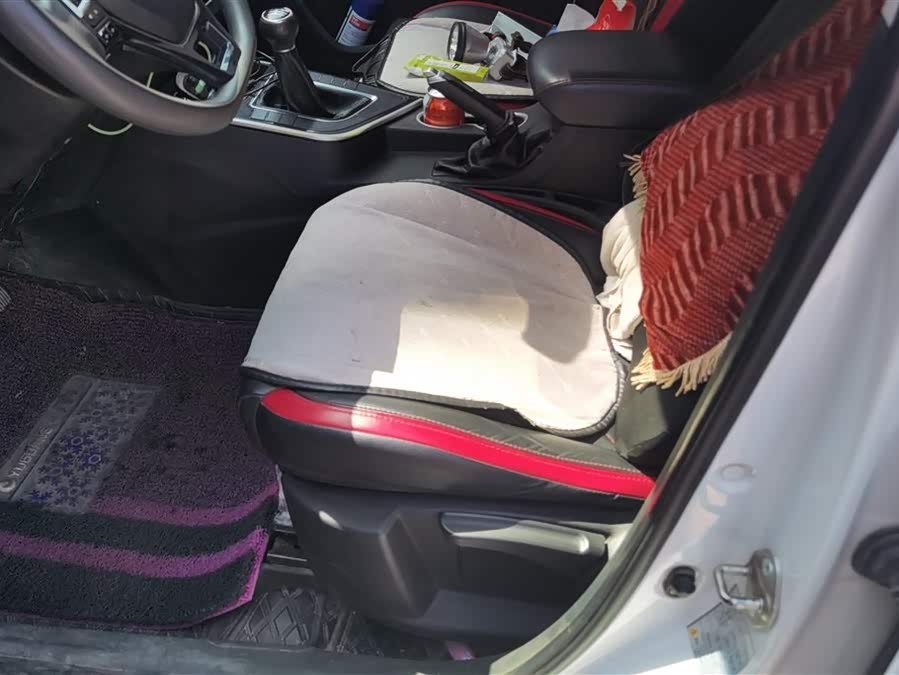
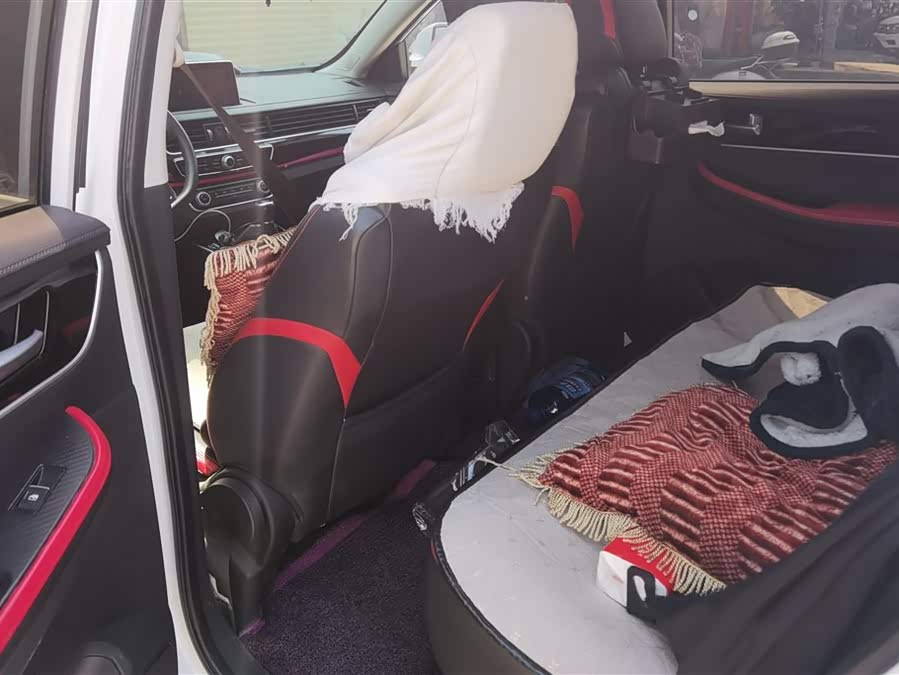
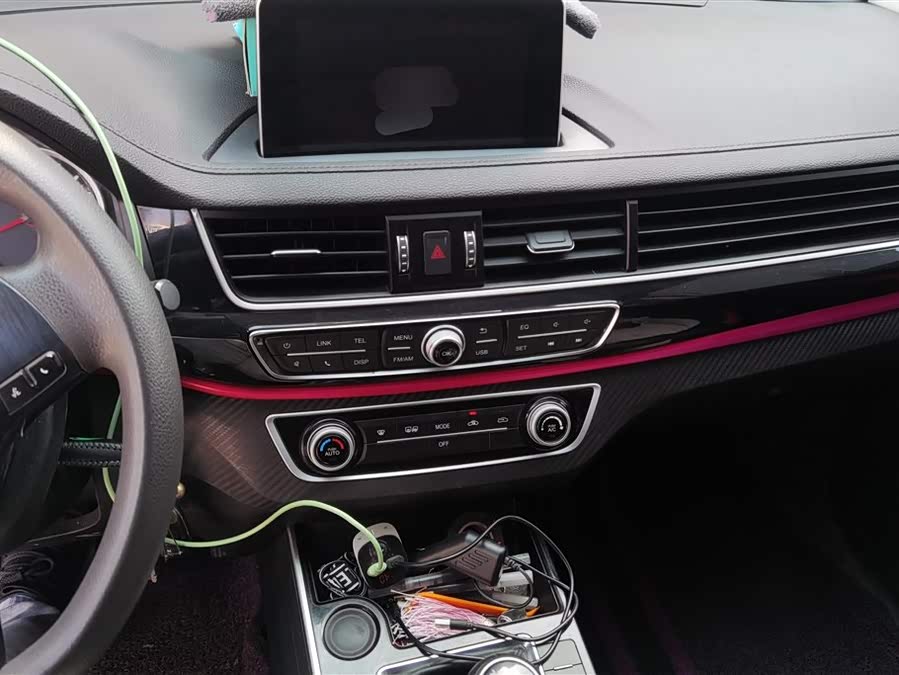
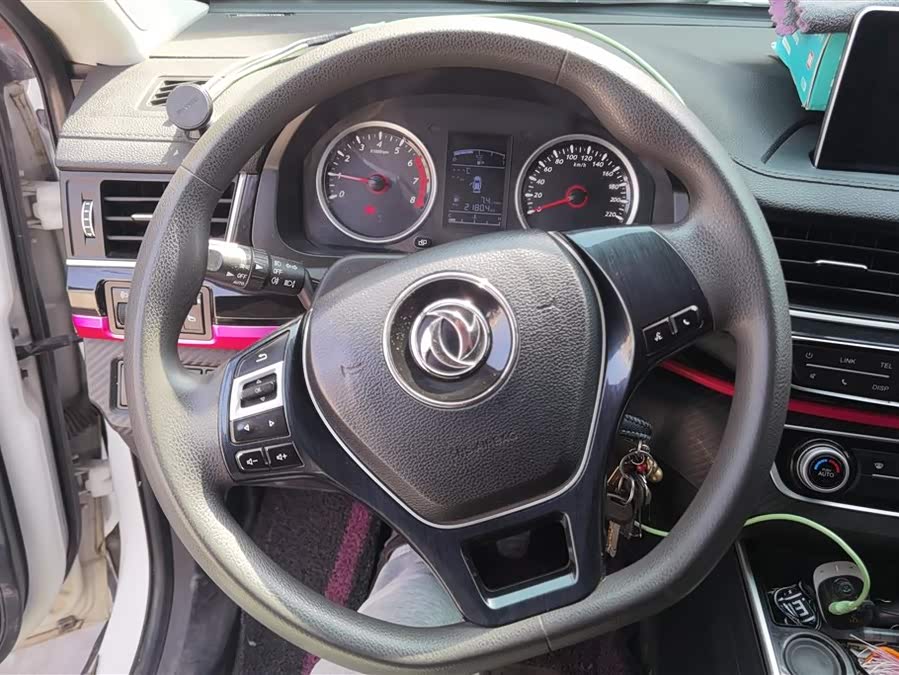
Vehicle Code: 136568300 Vehicle Information: Vehicle Name: Dongfeng Fengxing T5 2020 1.6L Manual Premium (National VI Emission Standard) Vehicle Color: White Exterior | Dark Interior Registration Date: 2019|6 - Mileage: 71,200 km Annual Inspection Expiry: 2026|7 - Compulsory Traffic Insurance Expiry: 2026|6 Purpose: Private Use Vehicle Documents: Vehicle and Vessel Tax, Registration Certificate, Purchase Tax Vehicle Overview: Exterior: Paint in good condition, high curb weight, ensuring aesthetics while improving paint durability; Interior: Interior thoroughly cleaned, removing signs of use and repairing wear. Ensures electric adjustment devices, audio, navigation, air conditioning, and other electrical equipment are functioning properly; Performance: Ensures vehicle stability and smooth driving, smooth engine operation, stable power transmission from the transmission, and effective braking and suspension; Safety: Vehicle structural components are intact;
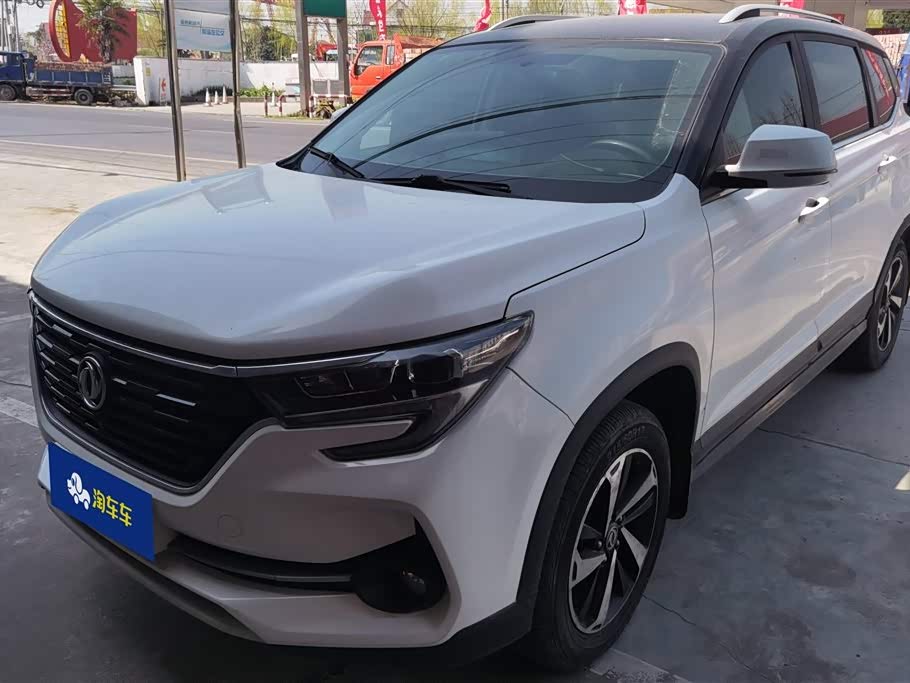
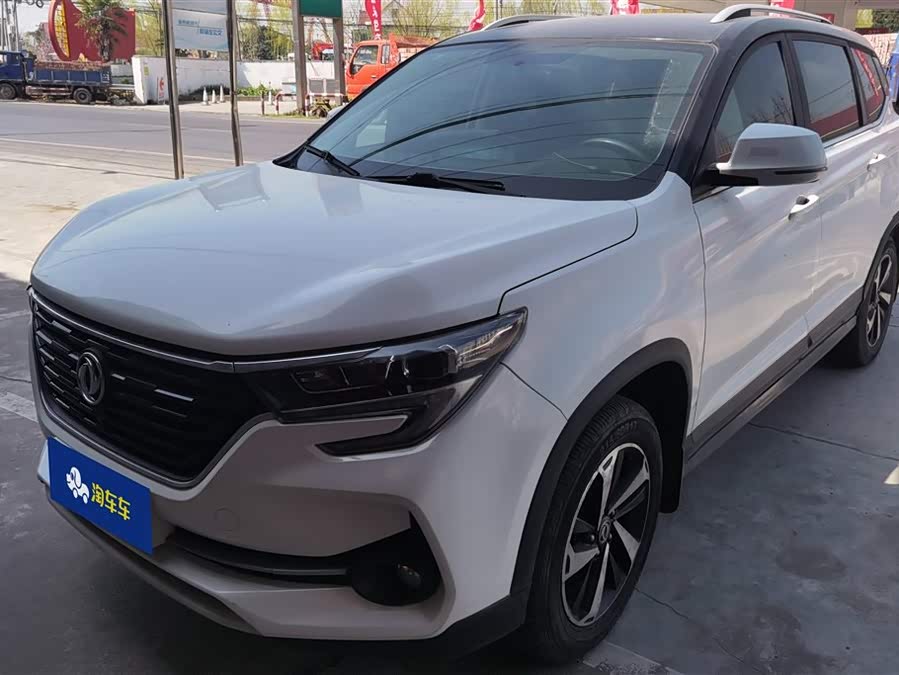
Newly added
0 transfers

Accident & Maintenance Records

Accident Record

🔗 Open Link

Maintenance Record

🔗 Open Link

Document Information

Inspection Expiry Date2026/07
Warranty Expiry Date-
Insurance Expiry Date2026/06

Q&A

More

Are the quality assessment standards for used commercial vehicles (pickups, light vans) the same as for passenger cars?

Completely different. The assessment of commercial vehicles focuses on: the extent of wear/deformation in the cargo area, whether the frame has been twisted due to overload, the fatigue of the leaf springs, and the emissions of the diesel engine. Minor exterior scratches carry very little weight in the assessment of commercial vehicles.

Why are the shipping costs for used electric vehicles (EVs) usually higher than for internal combustion engine vehicles (ICEs)?

Pure electric vehicles are classified as Class 9 Dangerous Goods due to their large lithium batteries, leading to strict shipping regulations. Shipping companies have high requirements for the loading position and fire isolation measures for dangerous goods, and some roll-on/roll-off ships refuse to accept used EVs. As a result, EVs often require more expensive special container shipping and incur additional handling fees for hazardous materials.

What are "fire-damaged" or "flood-damaged" cars? How do you completely rule them out?

We thoroughly rule them out by checking if the cabin wiring harness is melted, if the seat belts have water stains or mold, if there is unusual rust or debris in the seat tracks and cigarette lighter, and by verifying with the insurance company for any "total loss claims." These two types of cars are an absolute sales ban for us.