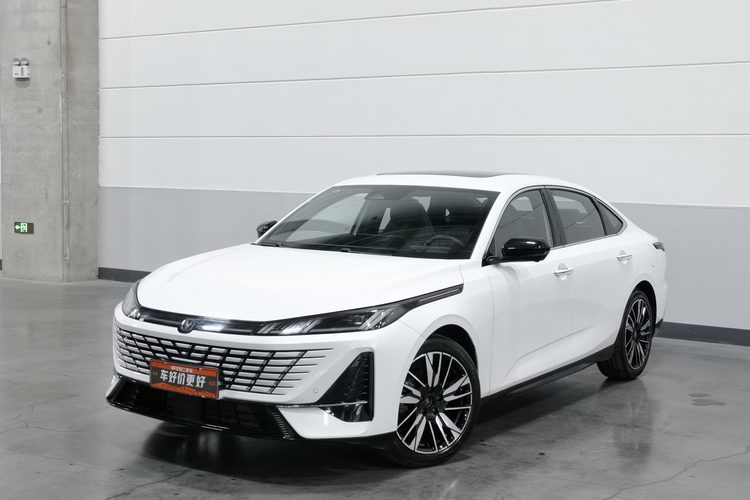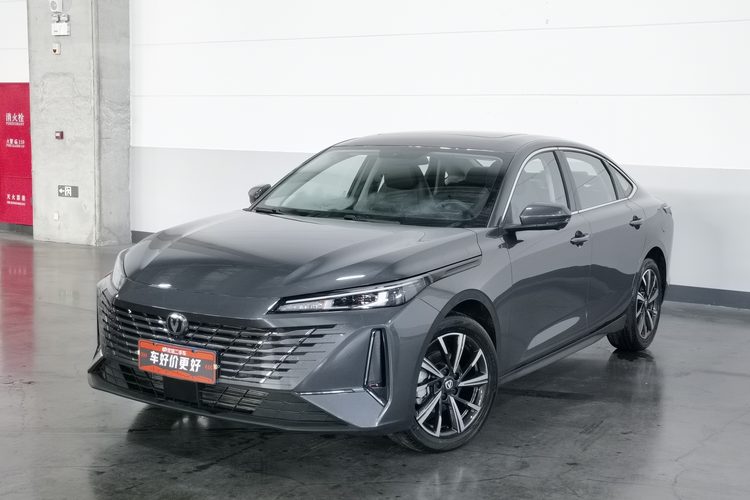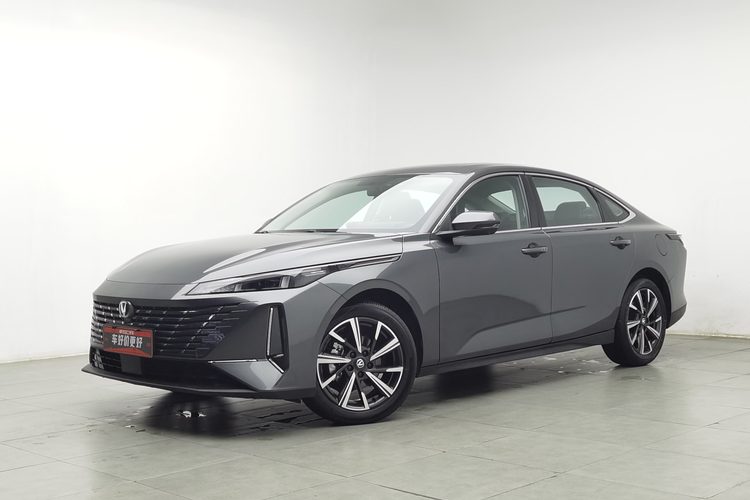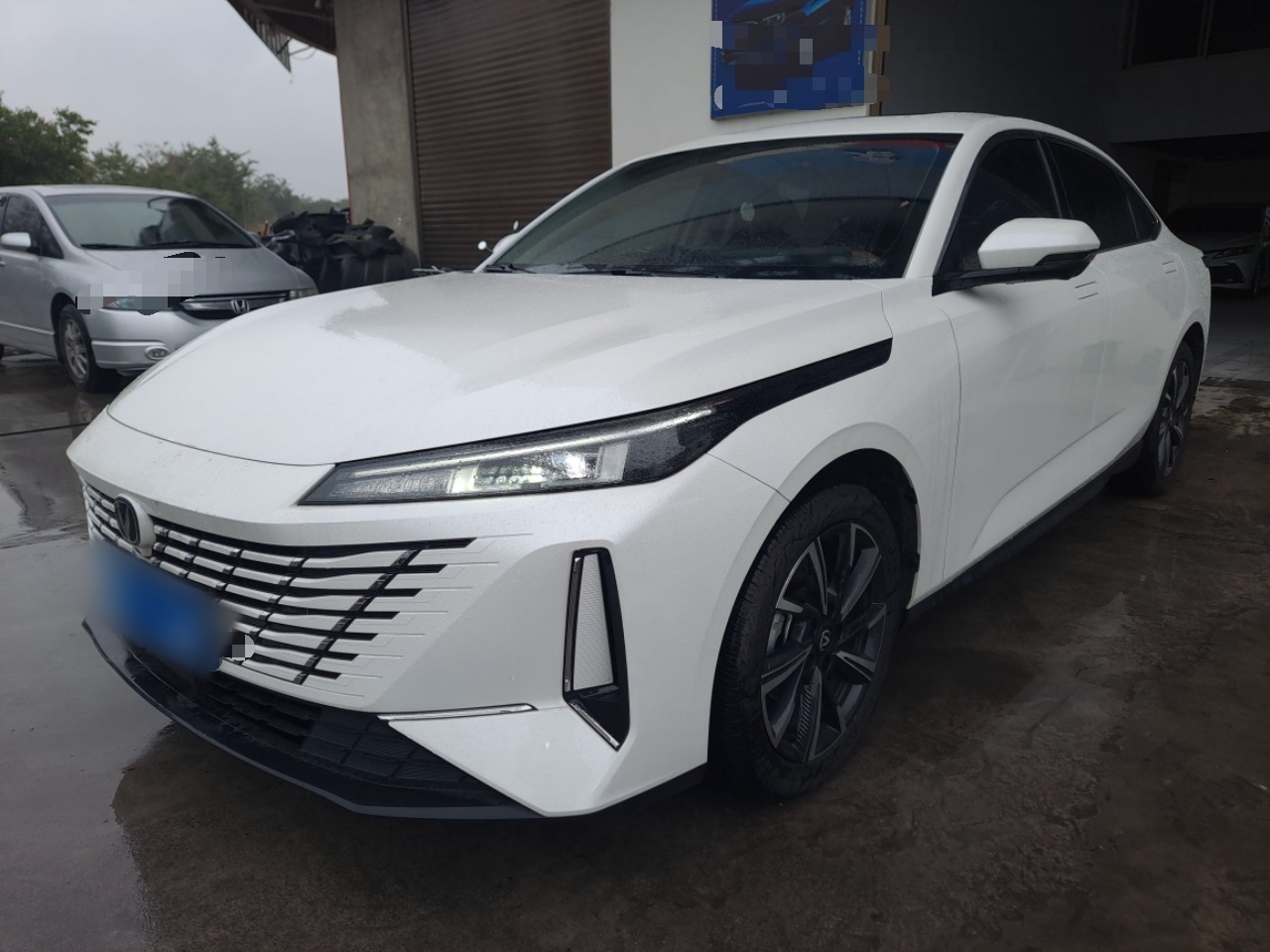
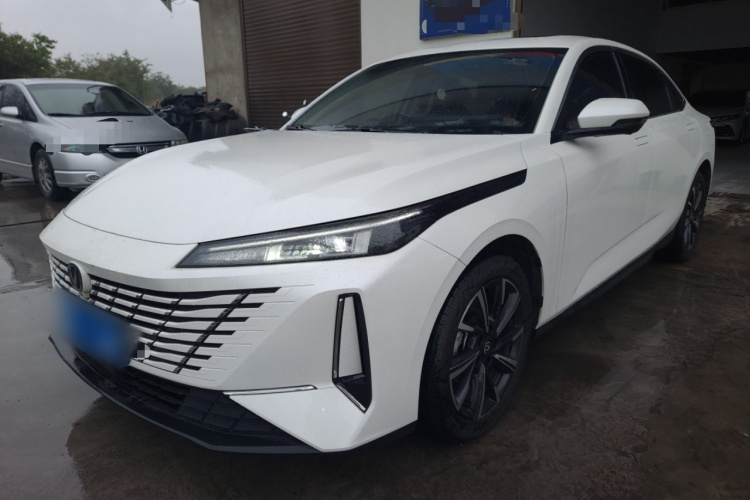
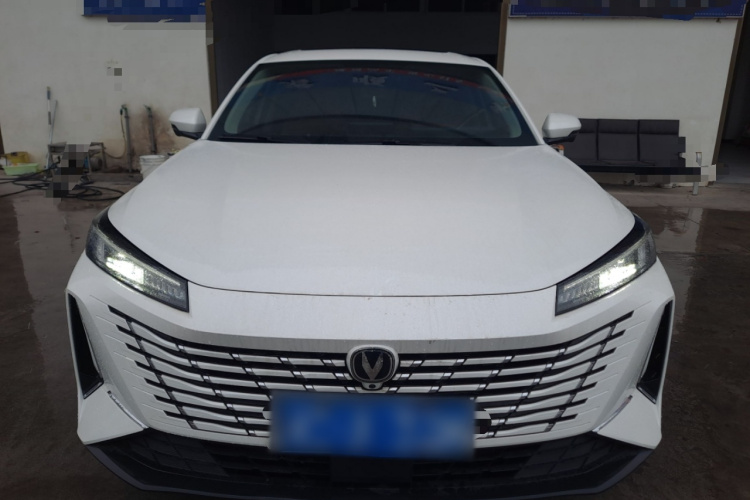
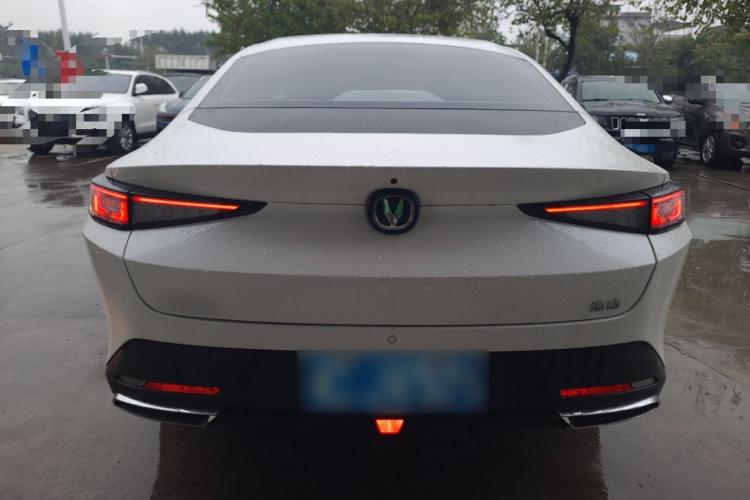
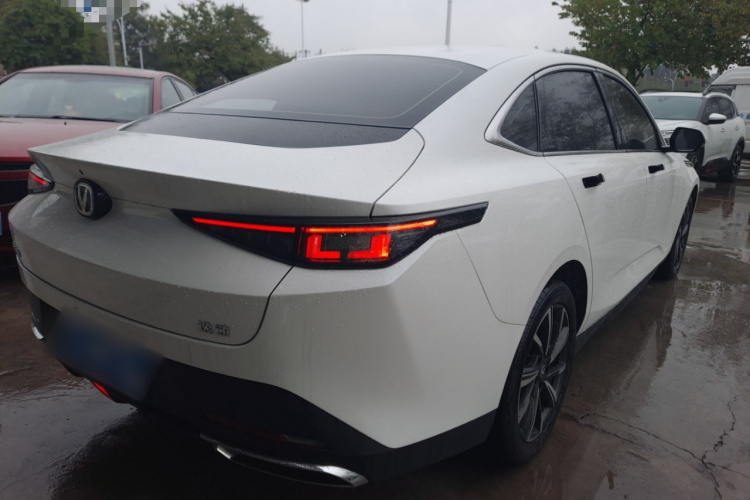



Basic Information

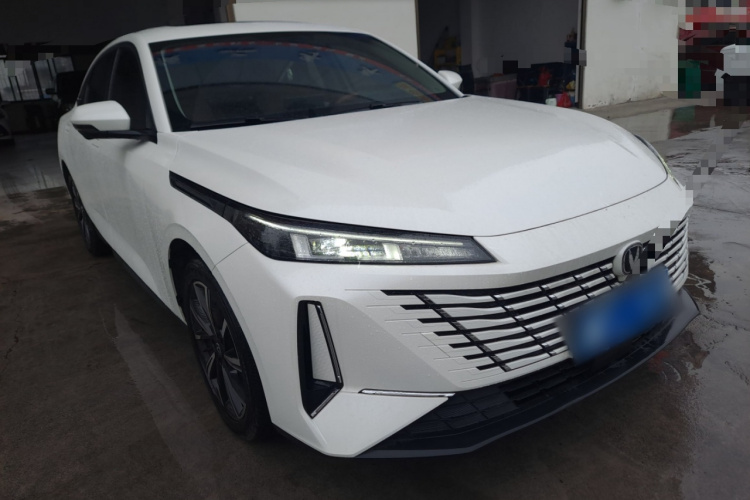
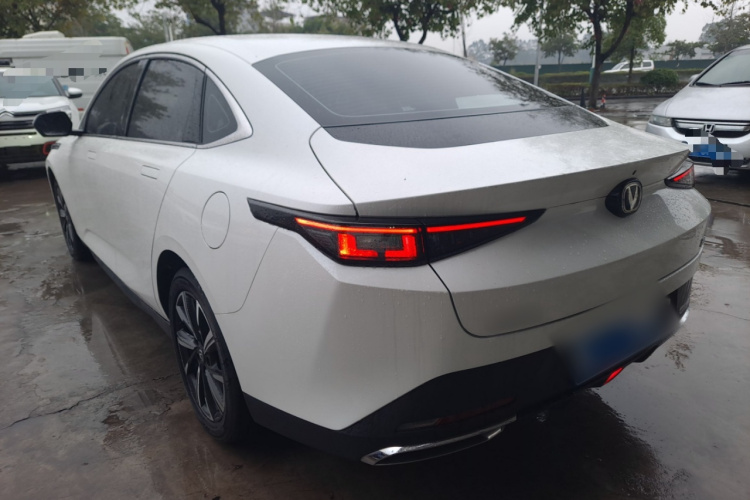
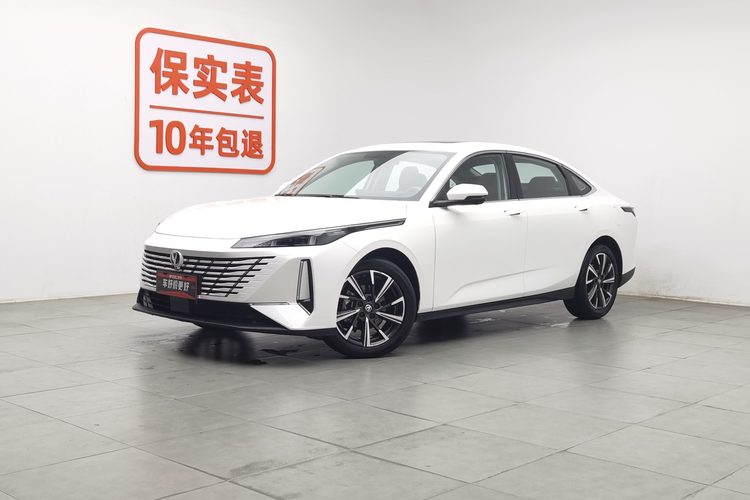
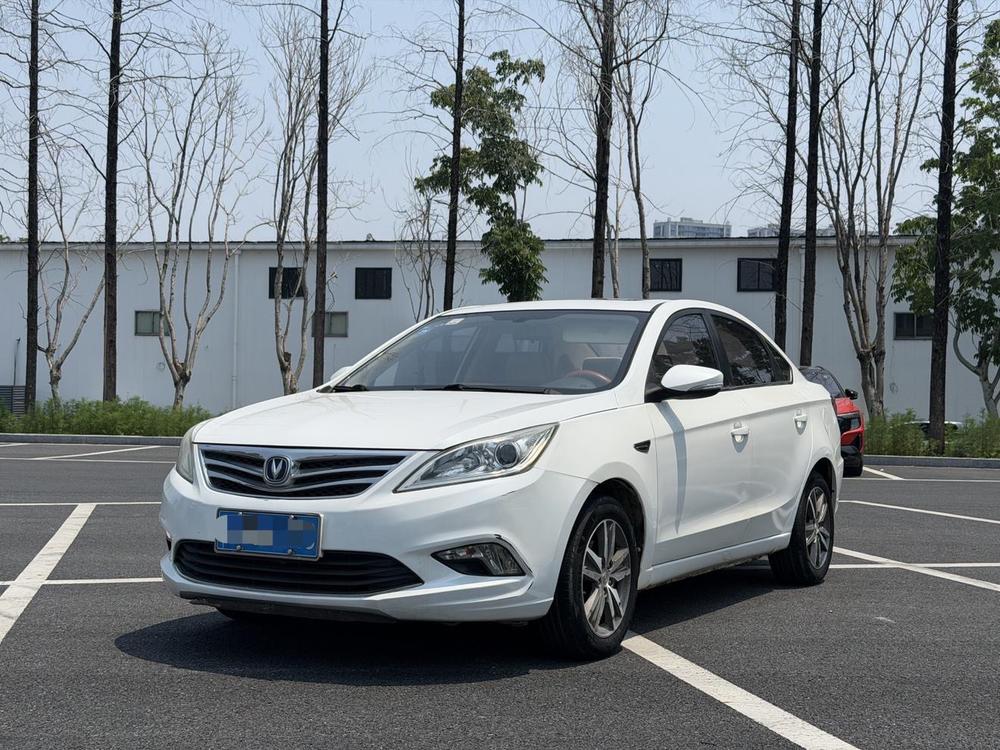
BrandChangan
SeriesEado
Year2024
First Registration2024/10
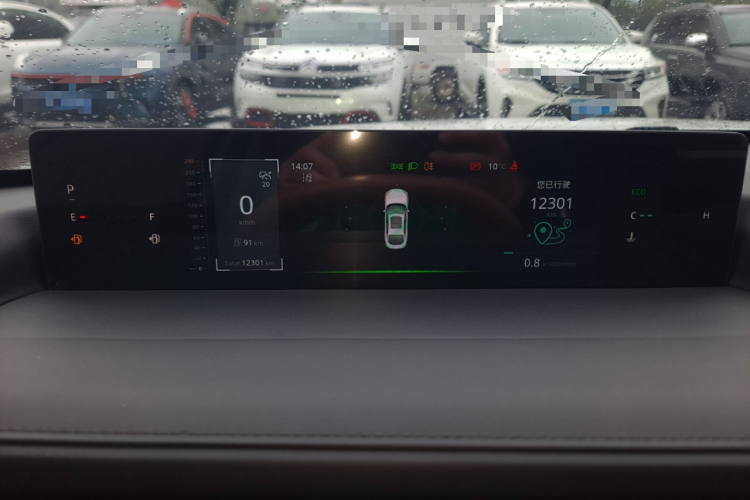
Mileage12,300km
Transfer Count1times
FuelGasoline
TransmissionDCT
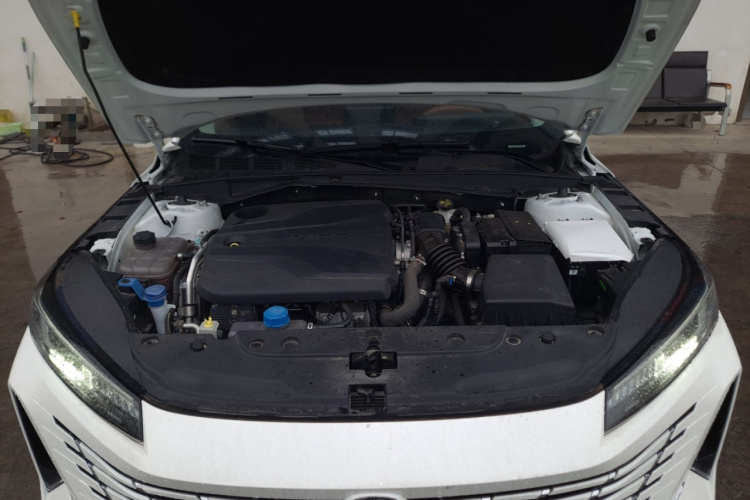
Engine1.5T 170 L4
ColorWhite
Seats5seats

Condition Description

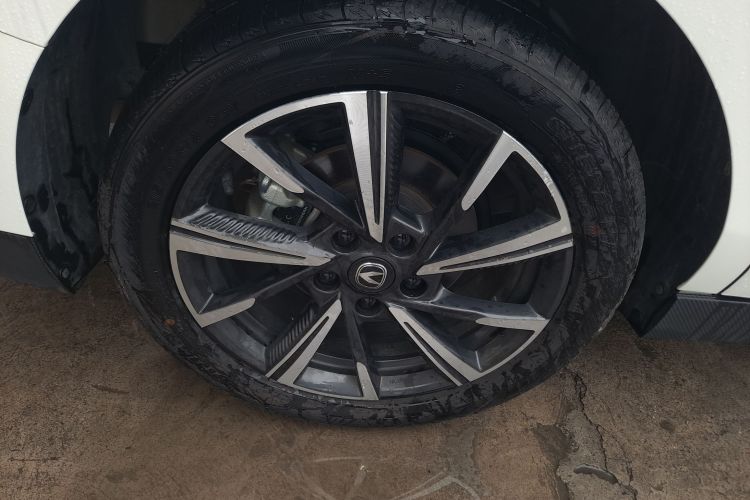
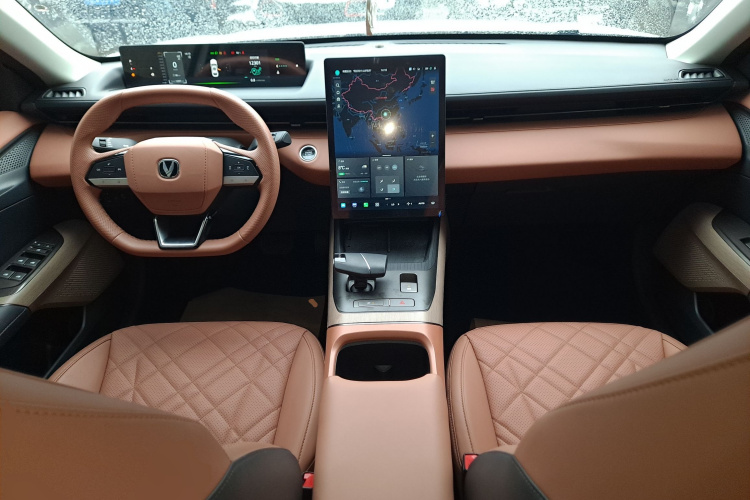
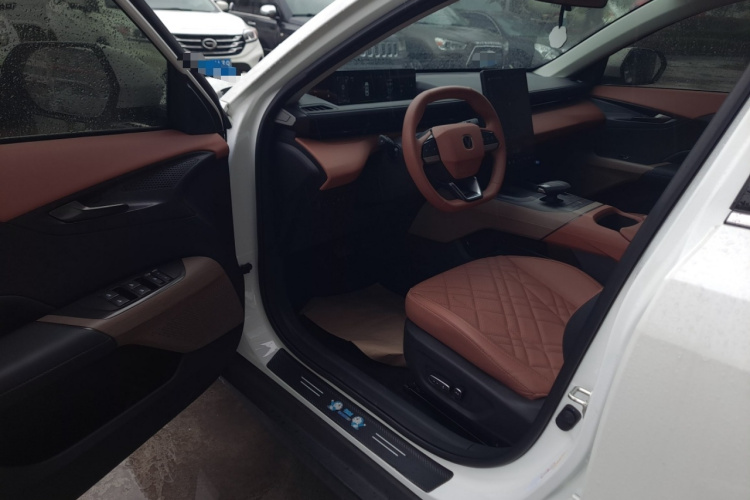
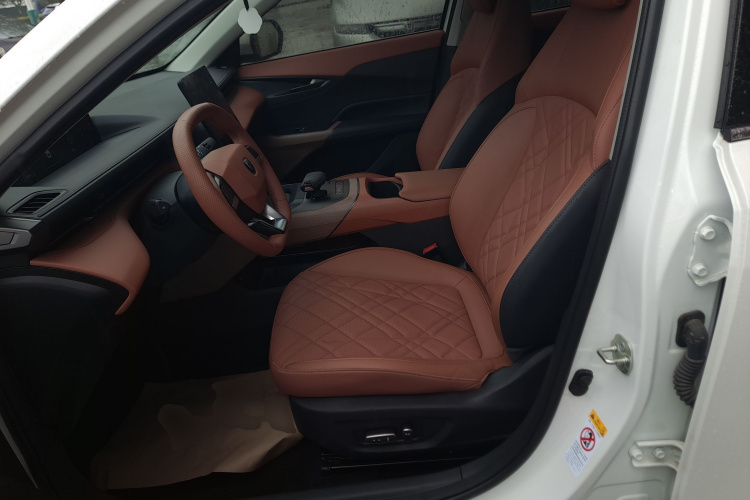
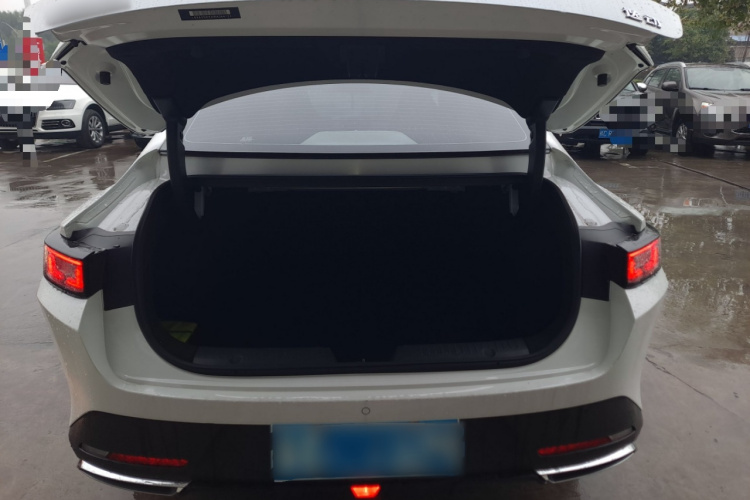
Excellent vehicle condition, passed inspection, better than 80% of vehicles for sale, excellent condition, 0 claims, 1 ownership transfer.

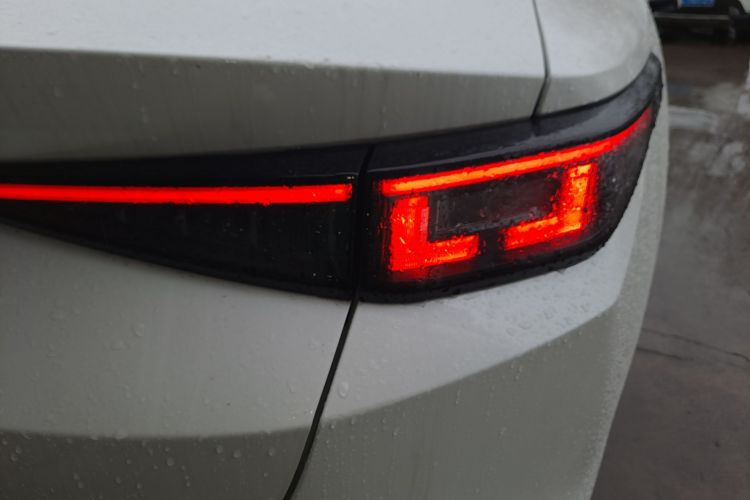
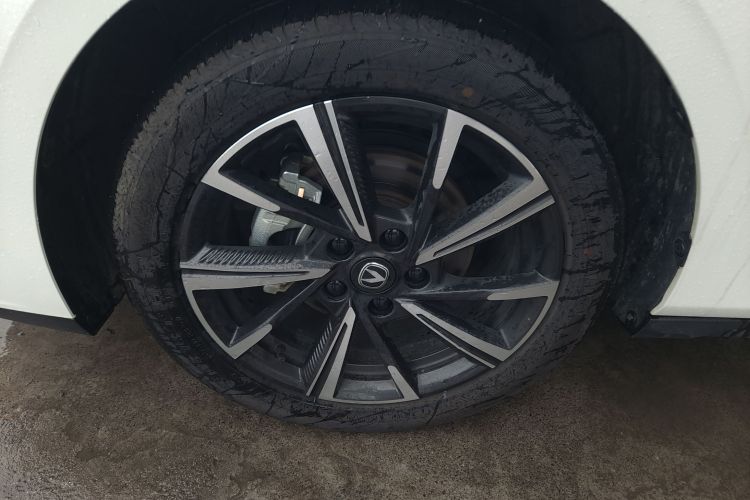
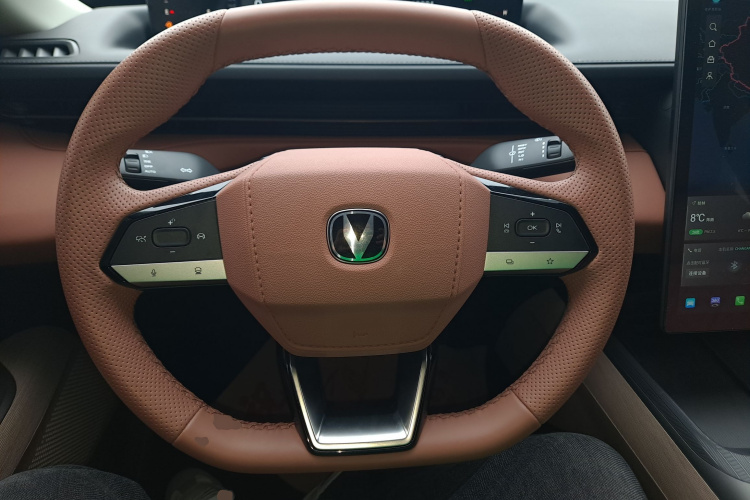
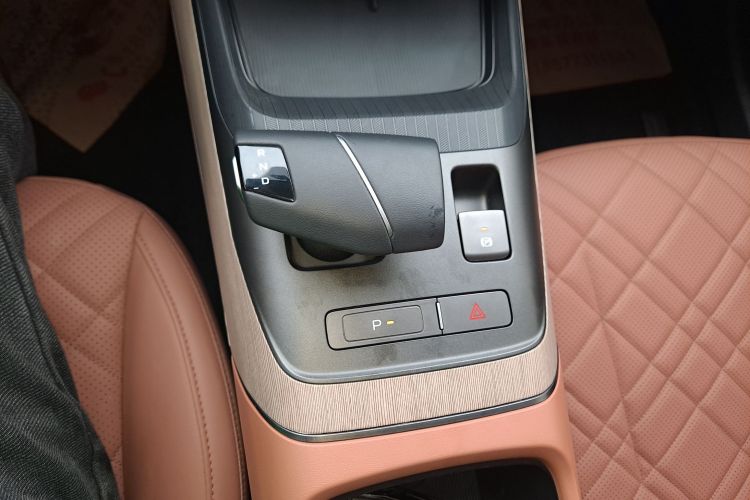
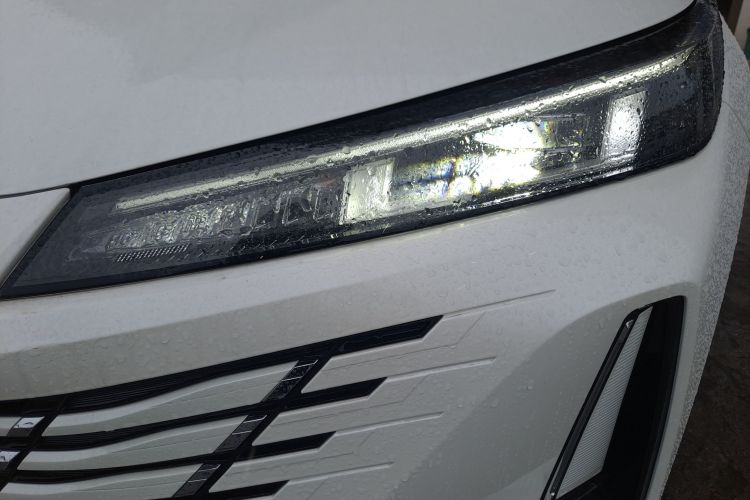
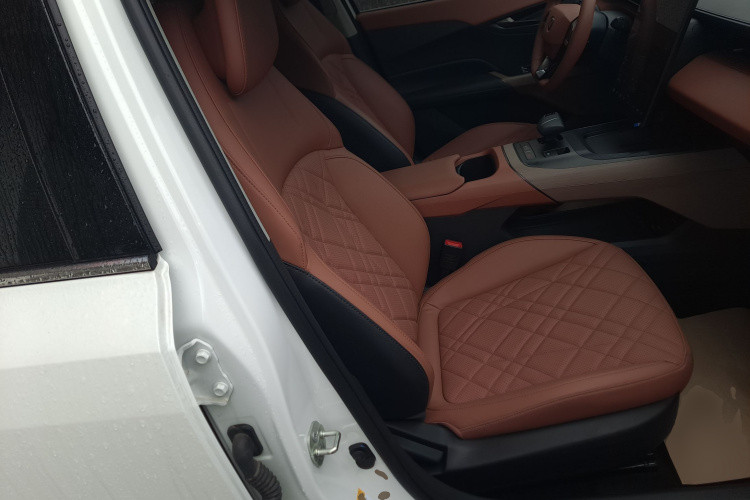
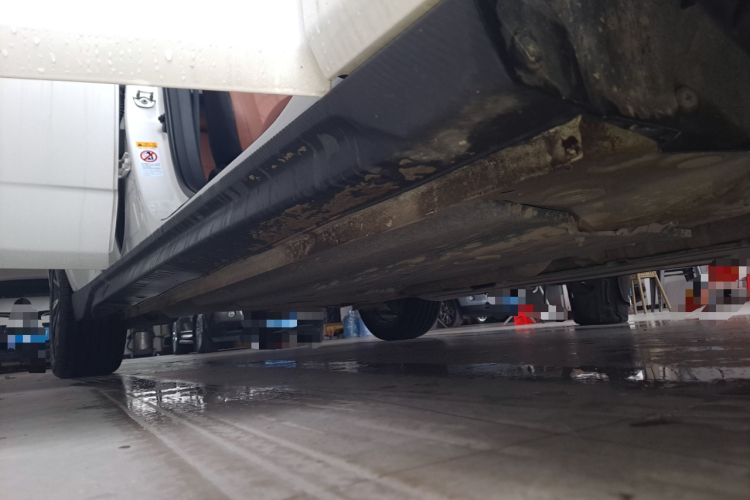
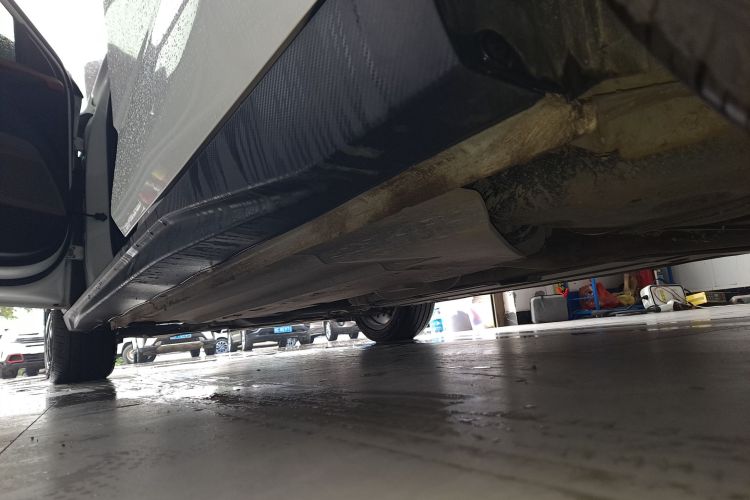
This vehicle is 2 years old, with a relatively short usage period, an average annual mileage of 6,200 kilometers, and low daily usage frequency. It has been transferred once. The exterior is in excellent condition, with a glossy paint finish but possible minor scratches. The interior is clean and tidy, with minor signs of use. The overall body frame is intact, but there are a few minor abnormalities. The fluid levels are normal, and the powertrain operates smoothly without any abnormalities.

Configuration Highlights

✓Kick-sensor Trunk
✓Adaptive Cruise Control
✓Surround View Camera
✓Lane Departure Warning
✓Digital Instrument Cluster
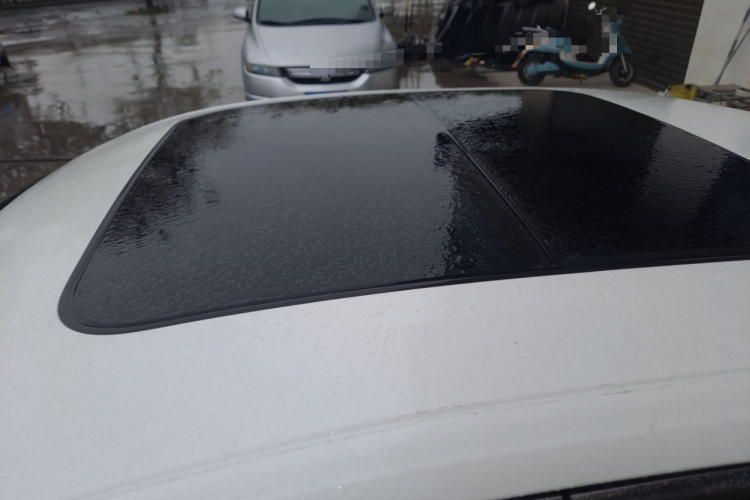
✓Panoramic Sunroof
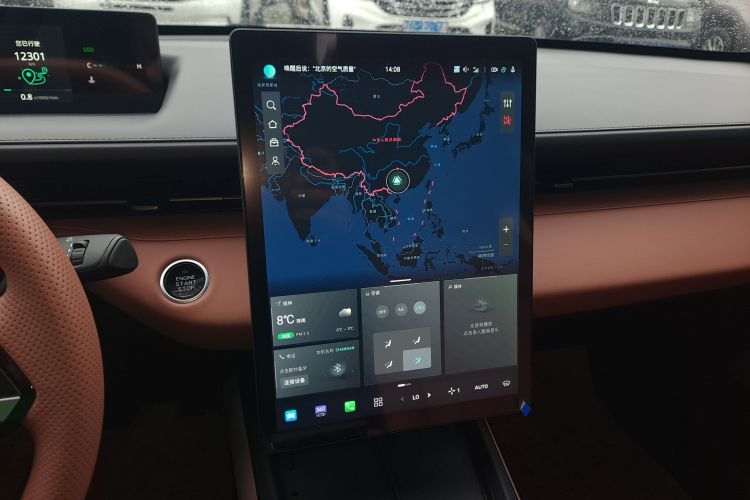
✓Smartphone Connectivity
✓High Beam Assist
✓Auto Hold
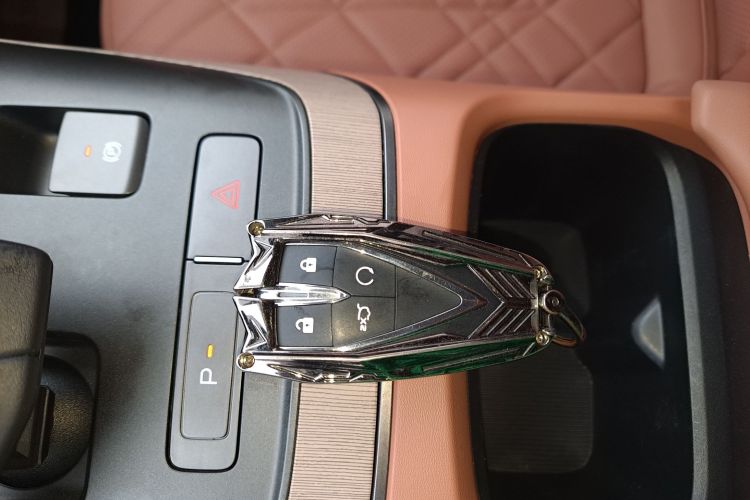
✓Keyless Entry
✓Rain-sensing Wipers
✓High-definition Low Beam
✓Power Folding Mirrors
✓Power Seats
✓Auto Headlights
✓Keyless Start
✓Rear Air Vents
✓Tire Pressure Monitoring
✓Heated Mirrors
✓Hill Start Assist
✓Rear Parking Sensors
✓Anti-pinch Windows

Q&A

More

How are import duties on used cars from China calculated, and which HS code applies?

Used cars are classified under HS heading 8703 (motor vehicles for transport of persons), with the last four digits determined by engine type and size. Gasoline cars usually fall in 8703.21–8703.80 depending on displacement; pure EVs fall under 8703.80; hybrids have their own subheadings. The duty amount depends on your country's tariff schedule: 1. Most countries charge duty on the CIF value (car price + freight + insurance), not the FOB price. 2. Many developing markets levy higher duties on used vehicles than new ones, and some add a surcharge based on age — older cars can cost significantly more to clear. 3. After duty, you typically pay VAT/GST on the CIF + duty total, plus port and customs fees. Practical tips: ask your exporter to state the exact HS code on the commercial invoice and confirm it with a local customs broker before shipping. A wrong code can trigger reclassification, penalties, or delays. Also budget for any excise tax tied to engine capacity — in several markets a 2.5L car clears far cheaper than a 3.5L one.
If our country has a Free Trade Agreement (FTA) with China, can you provide a specific certificate of origin?

Yes. We will apply to customs or the trade promotion agency for a specific version of the certificate of origin (such as ASEAN Form E, China-ASEAN FTA certificate, etc.) to assist you in legally enjoying significant or even zero tariff treatment at the destination port.

How do I evaluate interior wear on a used car from China to estimate real mileage and usage intensity?

Interior wear is harder to fake than an odometer and often reveals true usage better than any document. Focus on high-contact points the seller rarely restores. The driver's seat bolster shows creasing and cracking by 80,000-100,000 km even with covers. Steering wheel leather polishes smooth and darkens with hand oils; a shiny wheel with low claimed mileage is a red flag. Pedal rubbers wear through at similar rates — check accelerator, brake, and clutch depth. Second-row wear patterns tell you how the car was used: heavy child-seat indentations suggest family use (usually gentler), while uniform rear wear with clean front suggests commercial or ride-hailing duty. Check seat rails for rust (indicates water ingress) and look under floor mats for moisture staining or musty smell — flood cars often hide it there. Also examine the infotainment and instrument cluster: Chinese EVs log usage data internally, and a dealer diagnostic readout can cross-check driving hours against mileage. Request close-up, well-lit photos of these specific points during your live video inspection rather than relying on the seller's gallery.