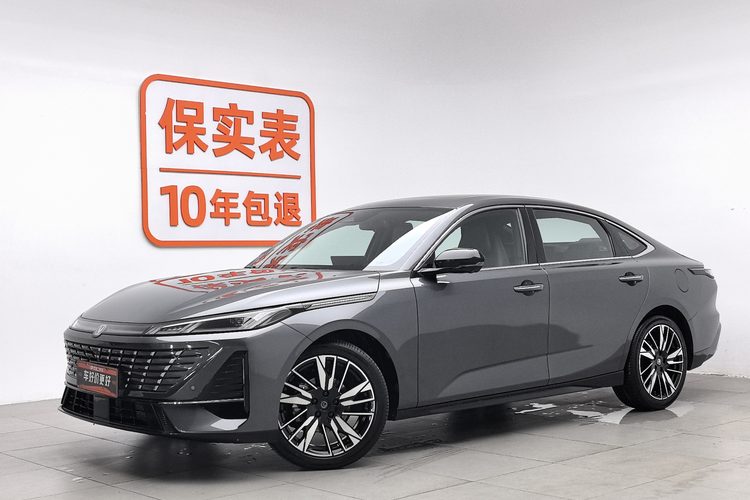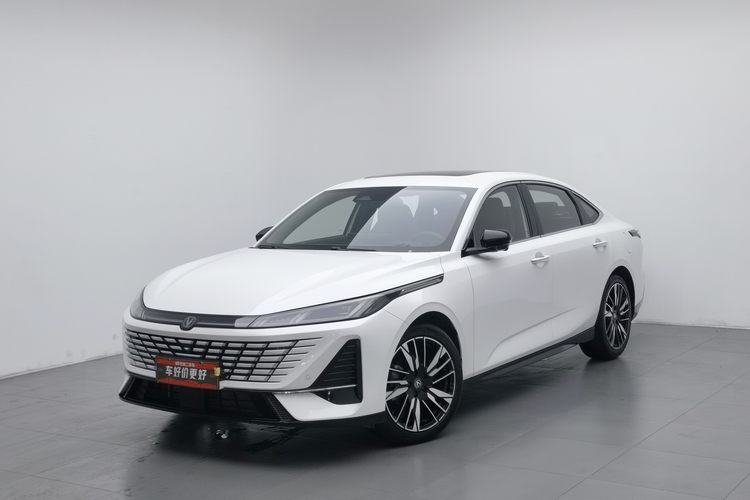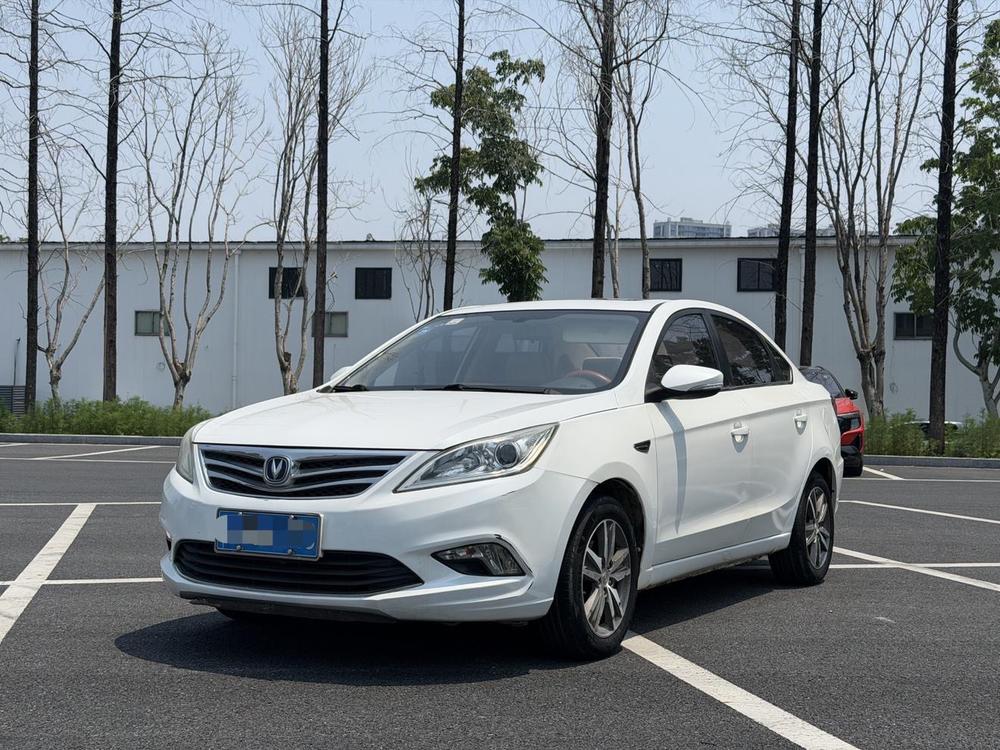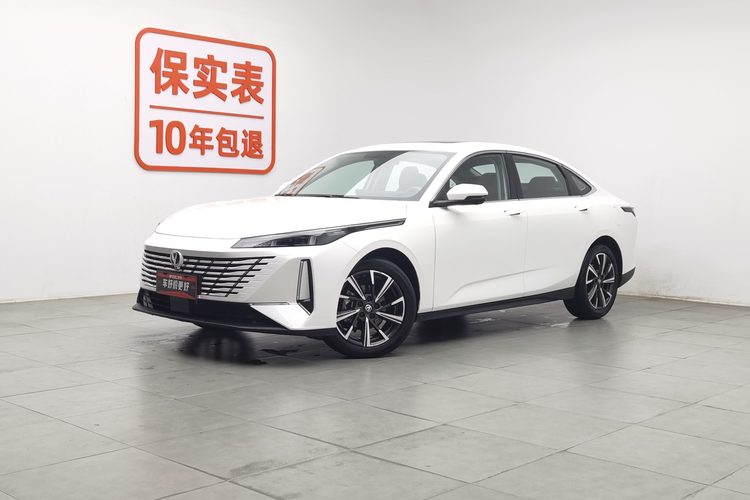



Basic Information

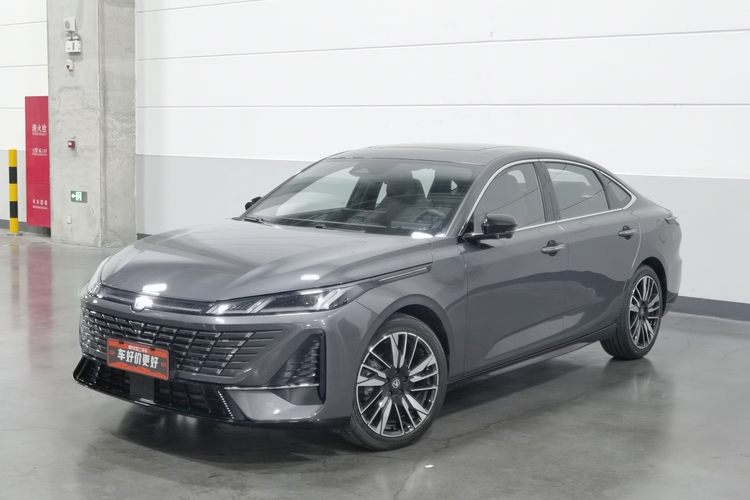
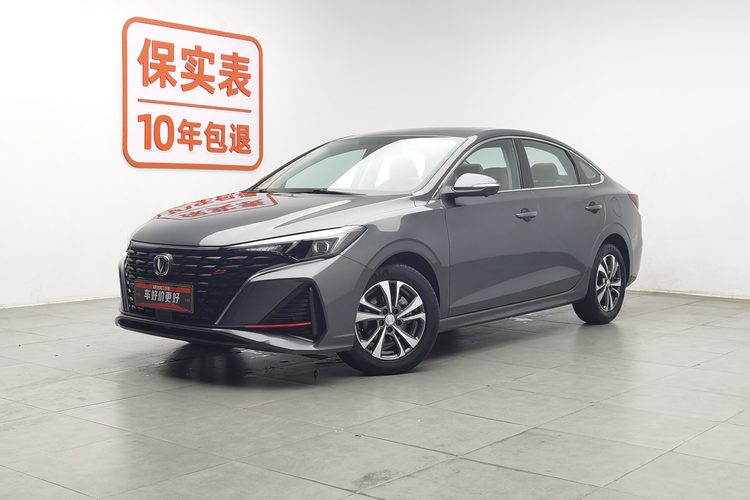
BrandChangan
SeriesEado
Year2025
First Registration2025/07
Mileage8,000km
Transfer Count1times
FuelGasoline
TransmissionDCT
Engine1.5T 170 L4
ColorWhite
Seats5seats

Condition Description

Original paint, original condition, excellent vehicle.

Configuration Highlights

✓前碰撞预警
✓Adaptive Cruise Control
✓感应后备箱
✓Lane Departure Warning

Document Information

Inspection Expiry Date2027/07
Warranty Expiry Date-
Insurance Expiry Date-

Q&A

More

How can I confirm the seller actually owns the car and that it has no outstanding liens or loans in China?

Ask the exporter for a copy of the vehicle registration certificate (机动车登记证书). It lists every owner change and any mortgage registration. If the car was financed, there will be a lien entry; make sure a release entry follows it. You can also verify the VIN against public records through the traffic management platform (12123) — a legitimate exporter can generate a status report on the spot. Check that the seller's company name on the invoice matches the registered owner. For extra safety, require a written statement that the vehicle is free of liens, loans, court seizures, and lease agreements, and wire payment only to the company's corporate account after ownership is transferred to the export entity. That sequence — transfer first, payment second — is your strongest protection.
Can you check the previous history of the vehicle's use (whether it was for personal transport or company use)?

The registration certificate will show whether the previous owner was an individual (registered with ID) or a company (registered with a business license). Vehicles under a company may be driven by multiple people, so we will focus on checking the uniformity of interior wear and the condition of the chassis.

Why are the shipping costs for used electric vehicles (EVs) usually higher than for internal combustion engine vehicles (ICEs)?

Pure electric vehicles are classified as Class 9 Dangerous Goods due to their large lithium batteries, leading to strict shipping regulations. Shipping companies have high requirements for the loading position and fire isolation measures for dangerous goods, and some roll-on/roll-off ships refuse to accept used EVs. As a result, EVs often require more expensive special container shipping and incur additional handling fees for hazardous materials.