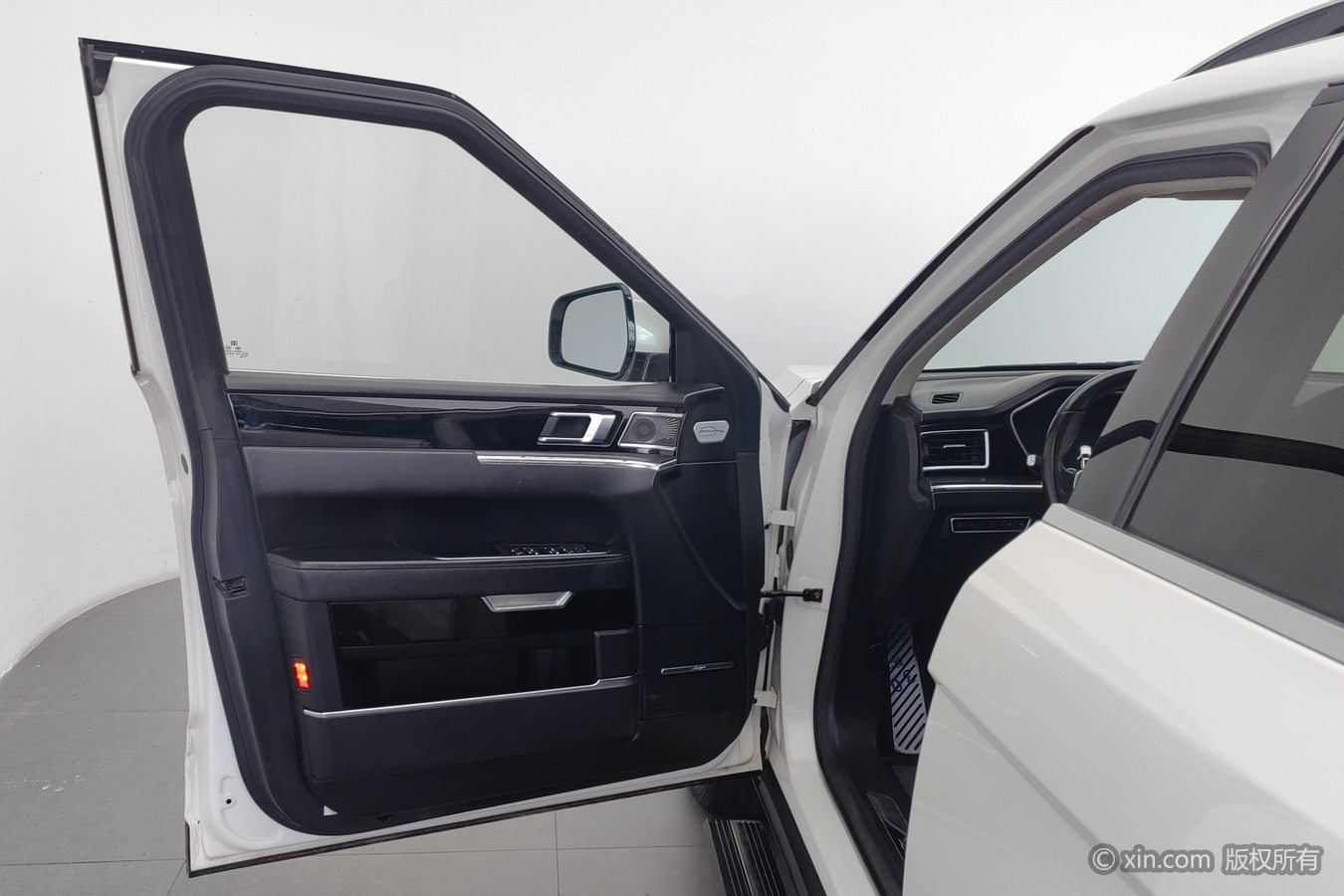
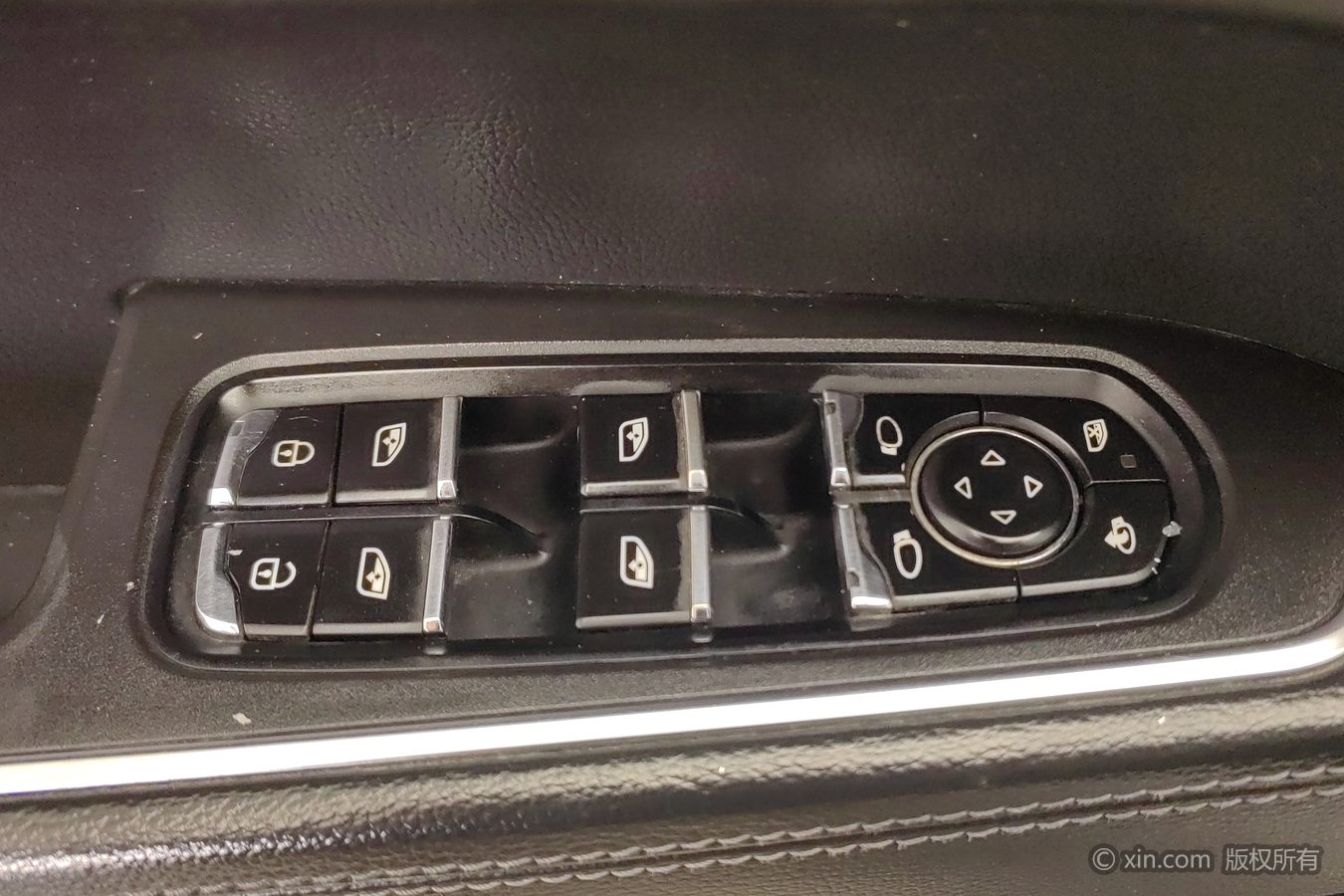
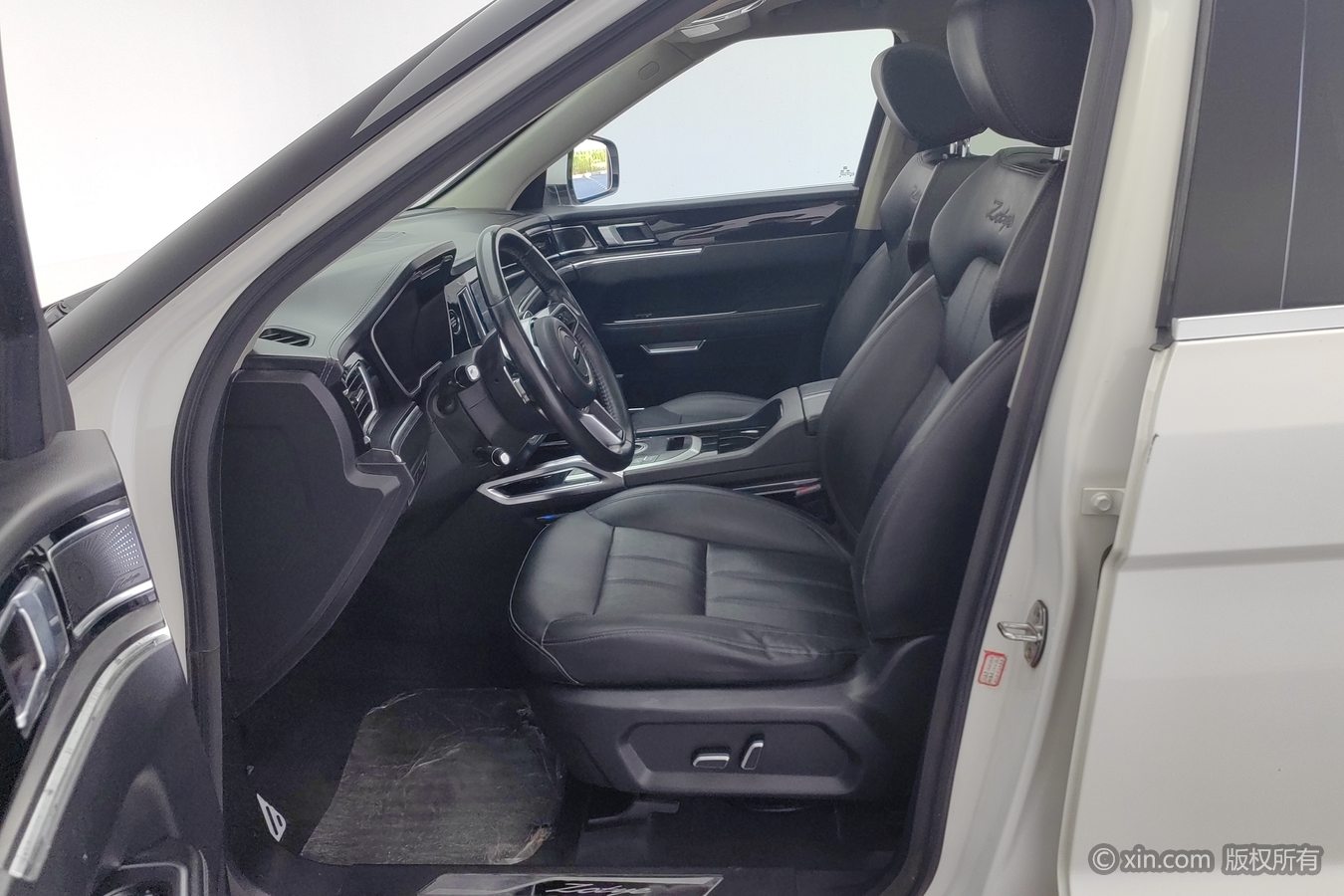
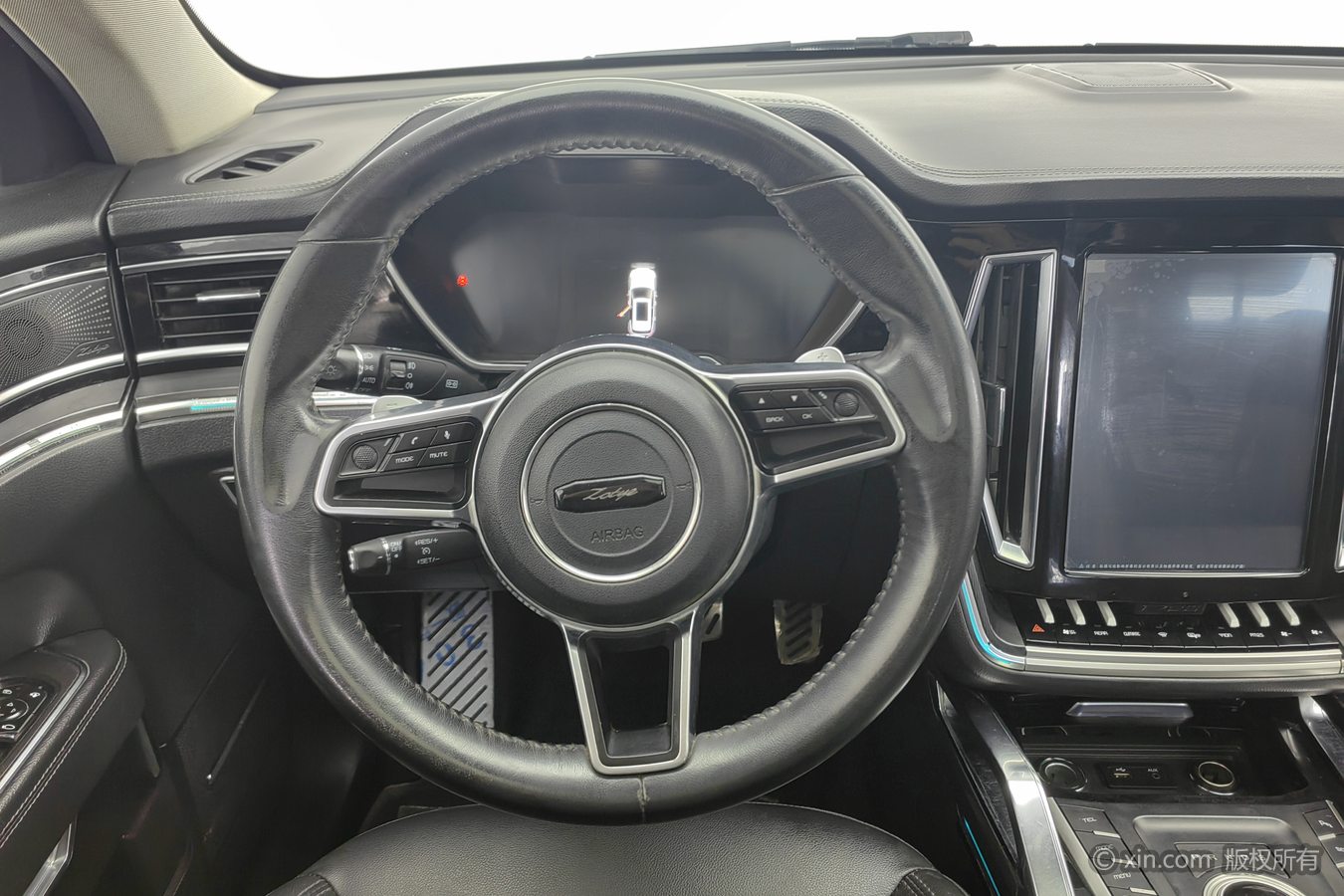
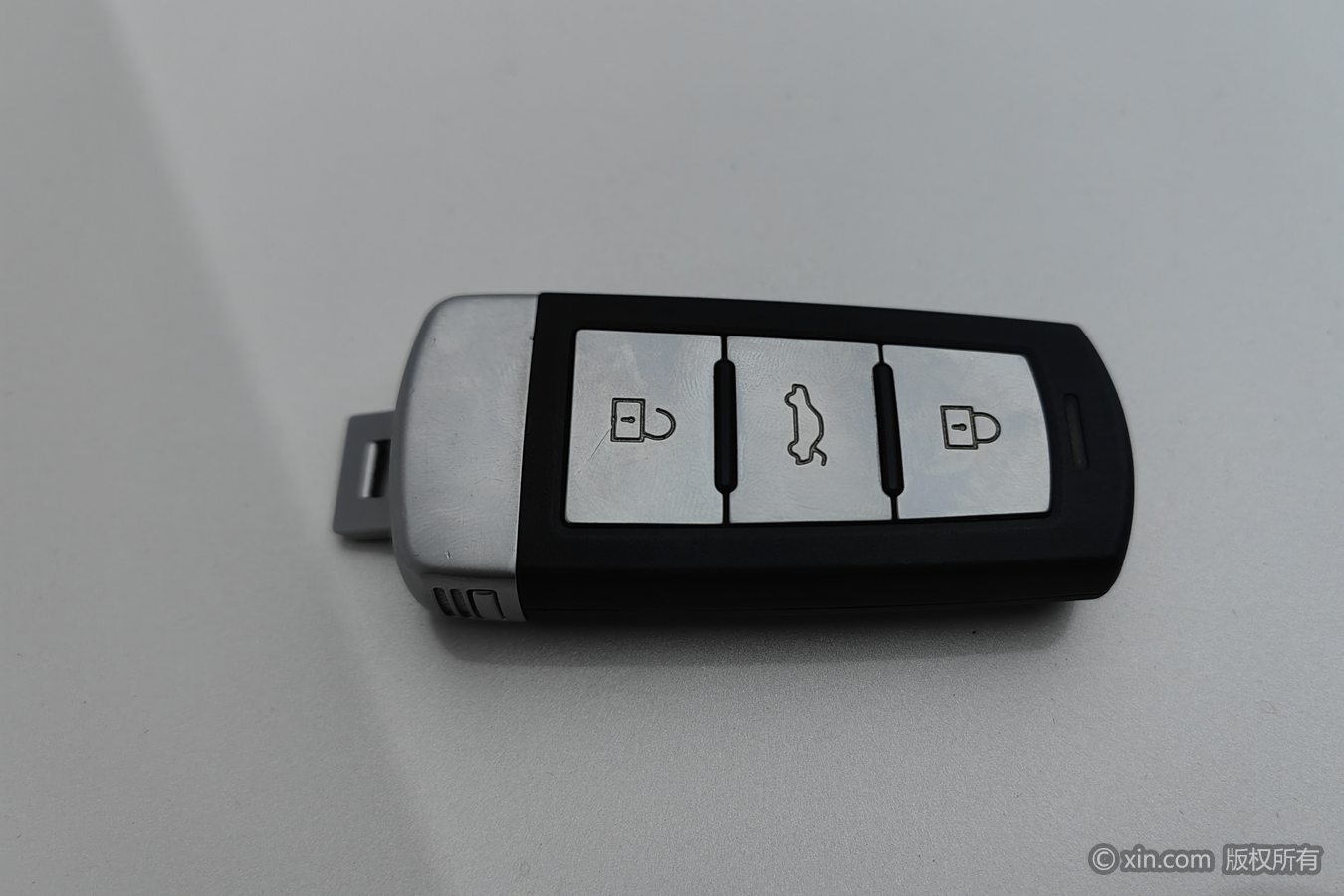
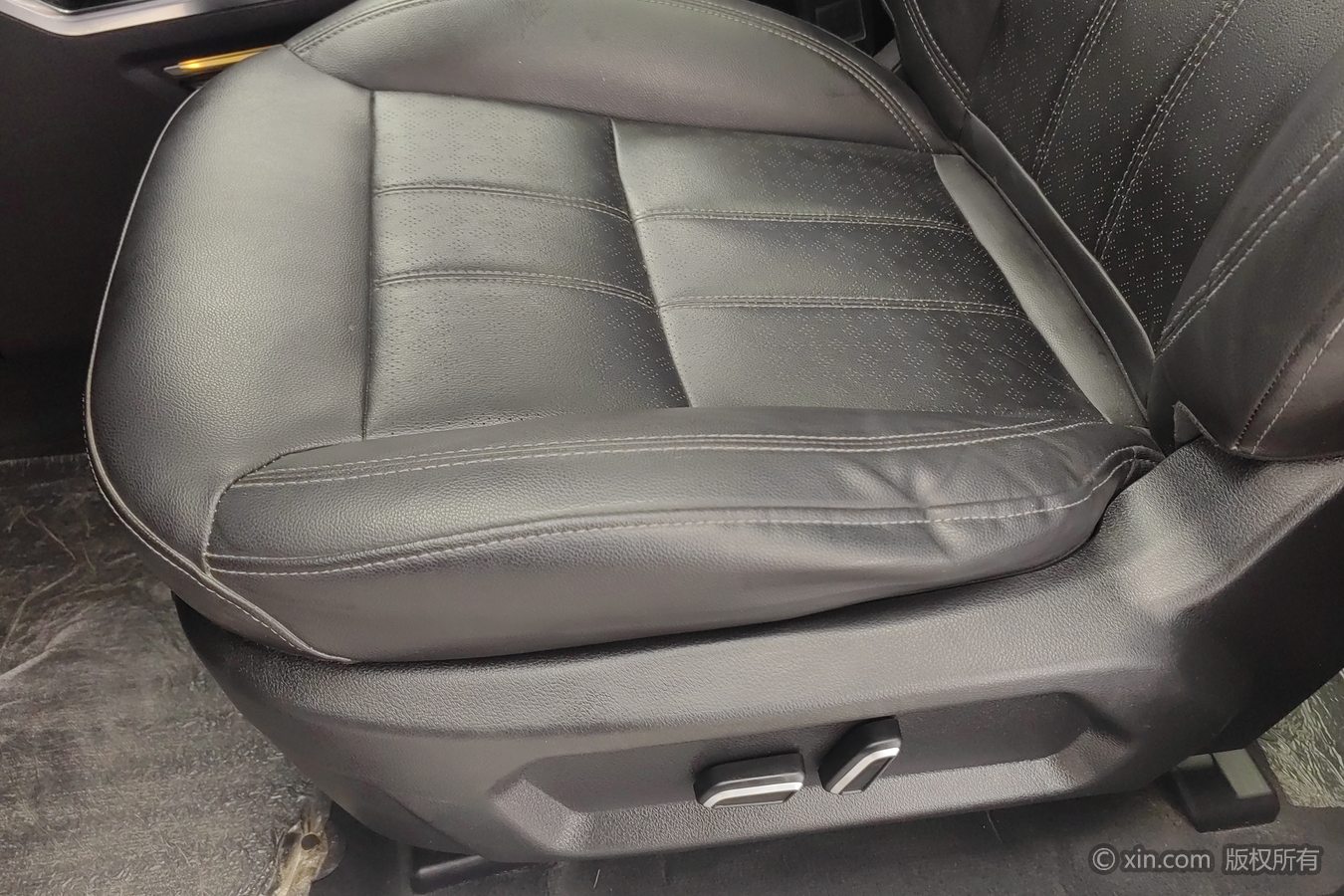
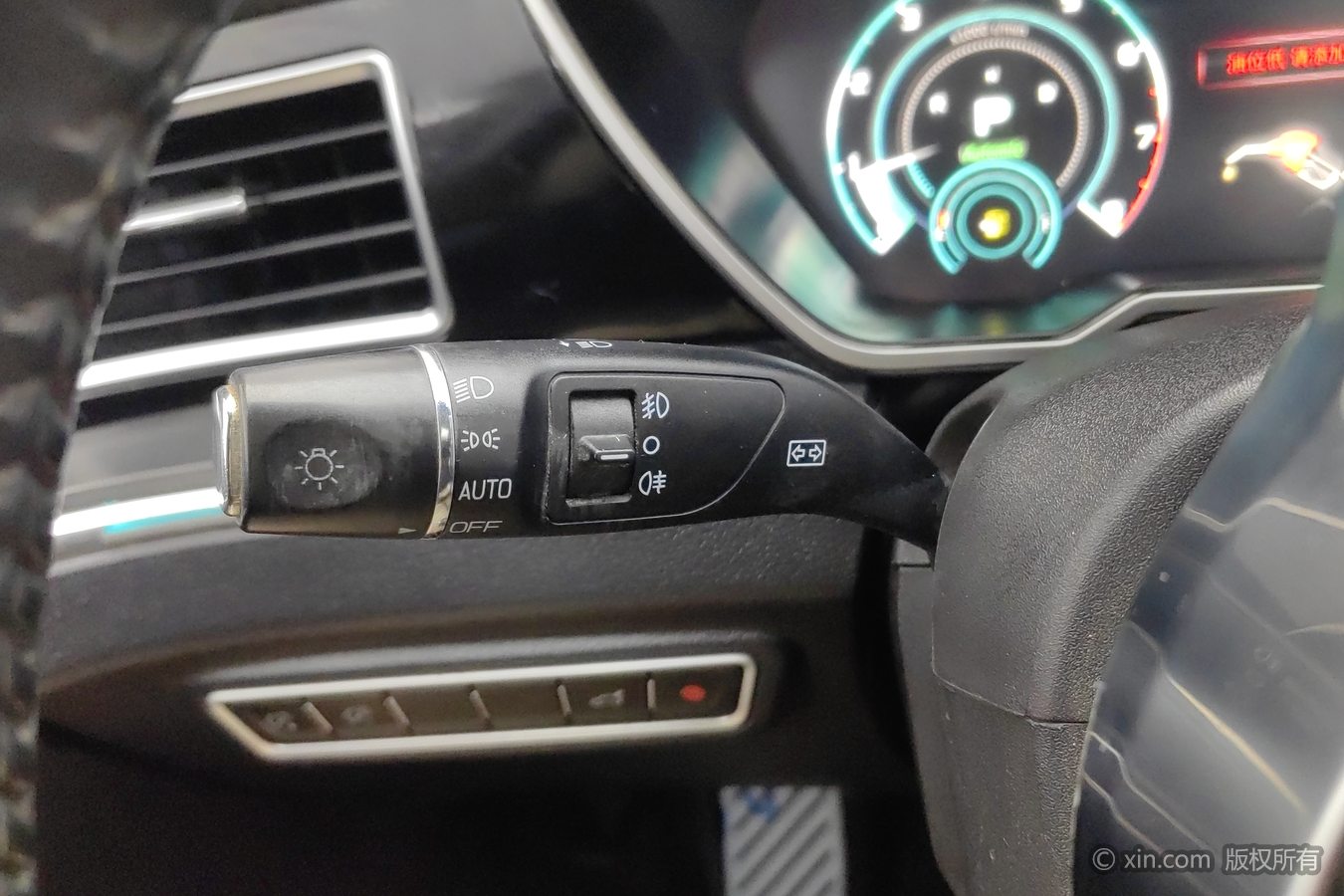
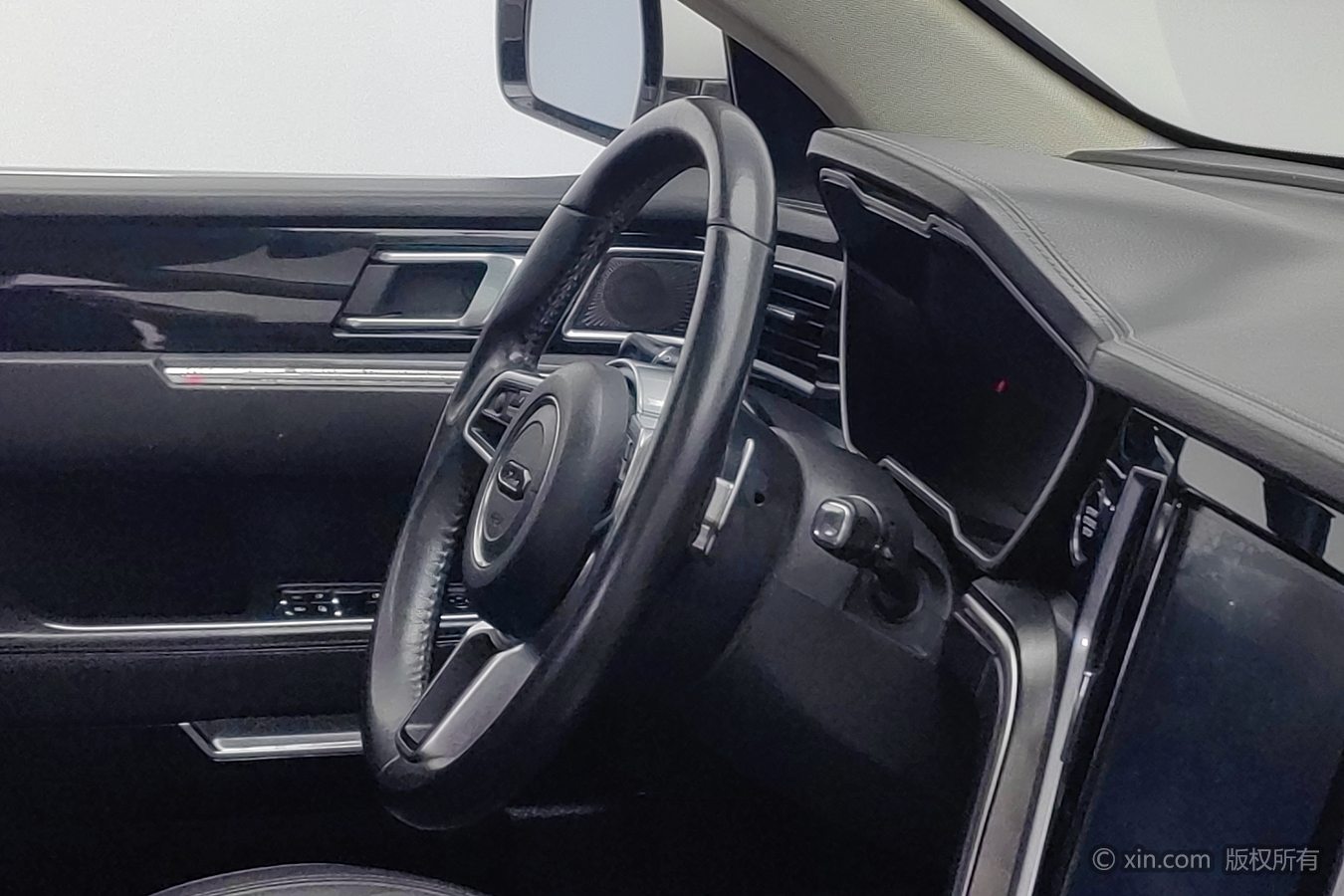
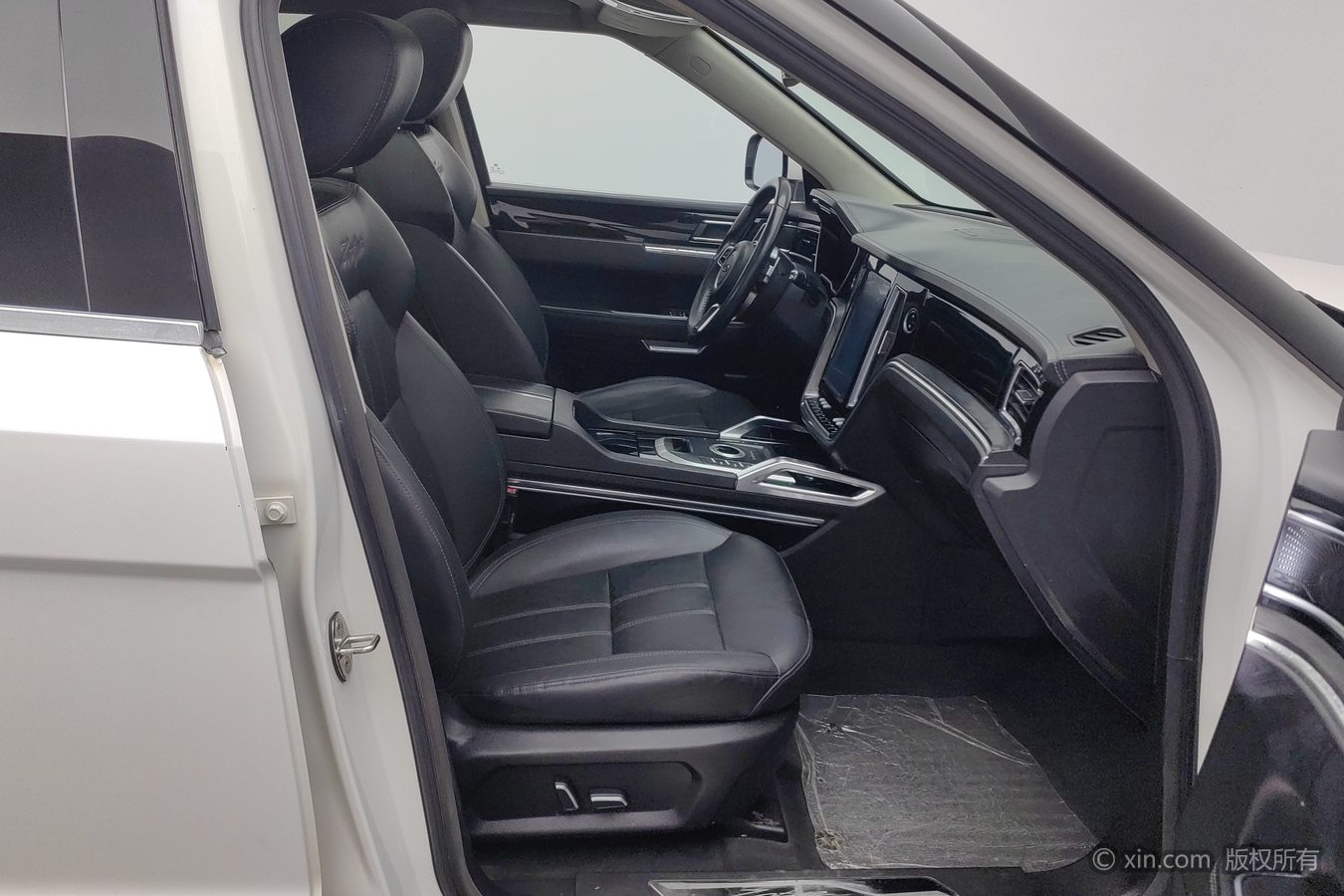
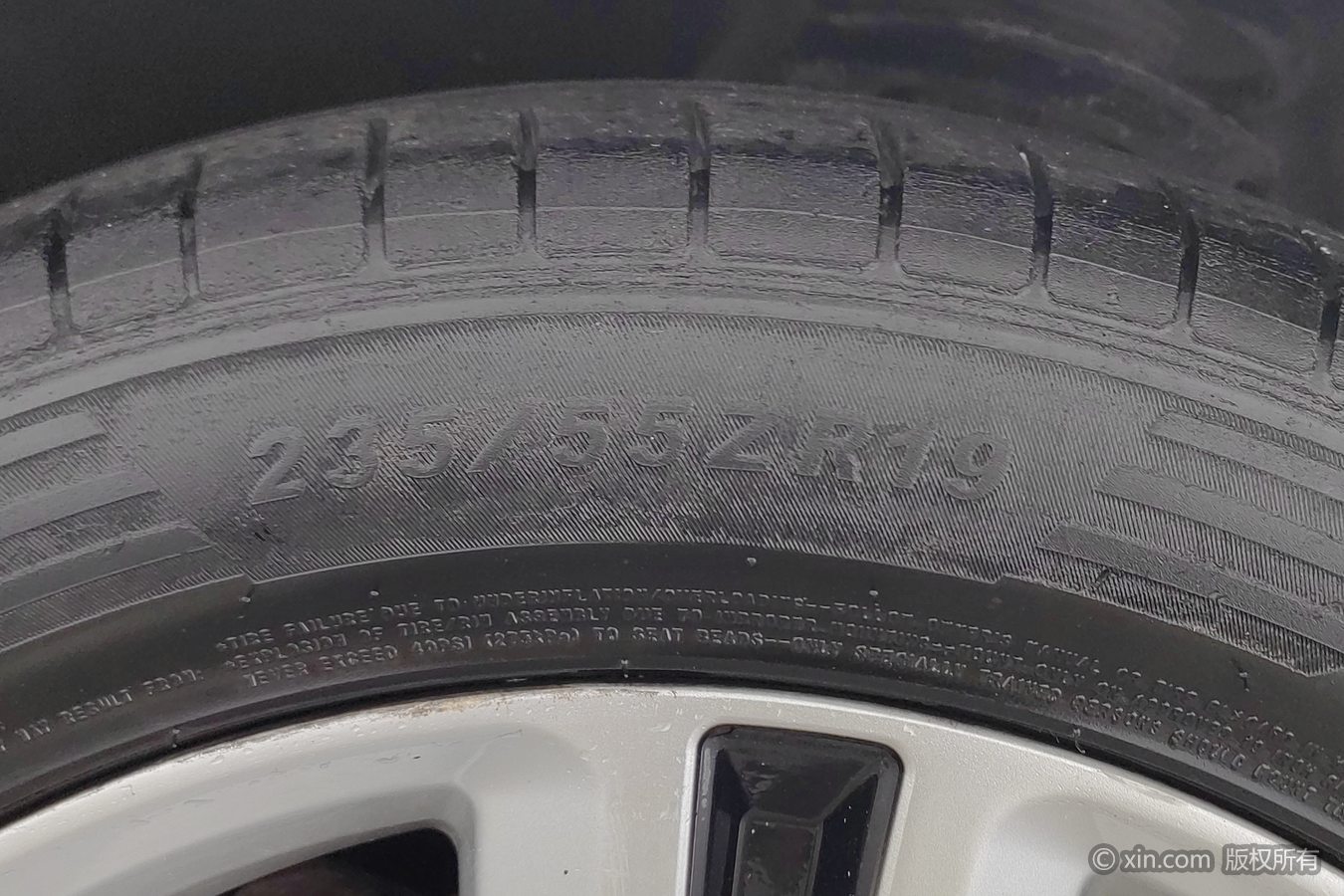



Stock

Basic Information

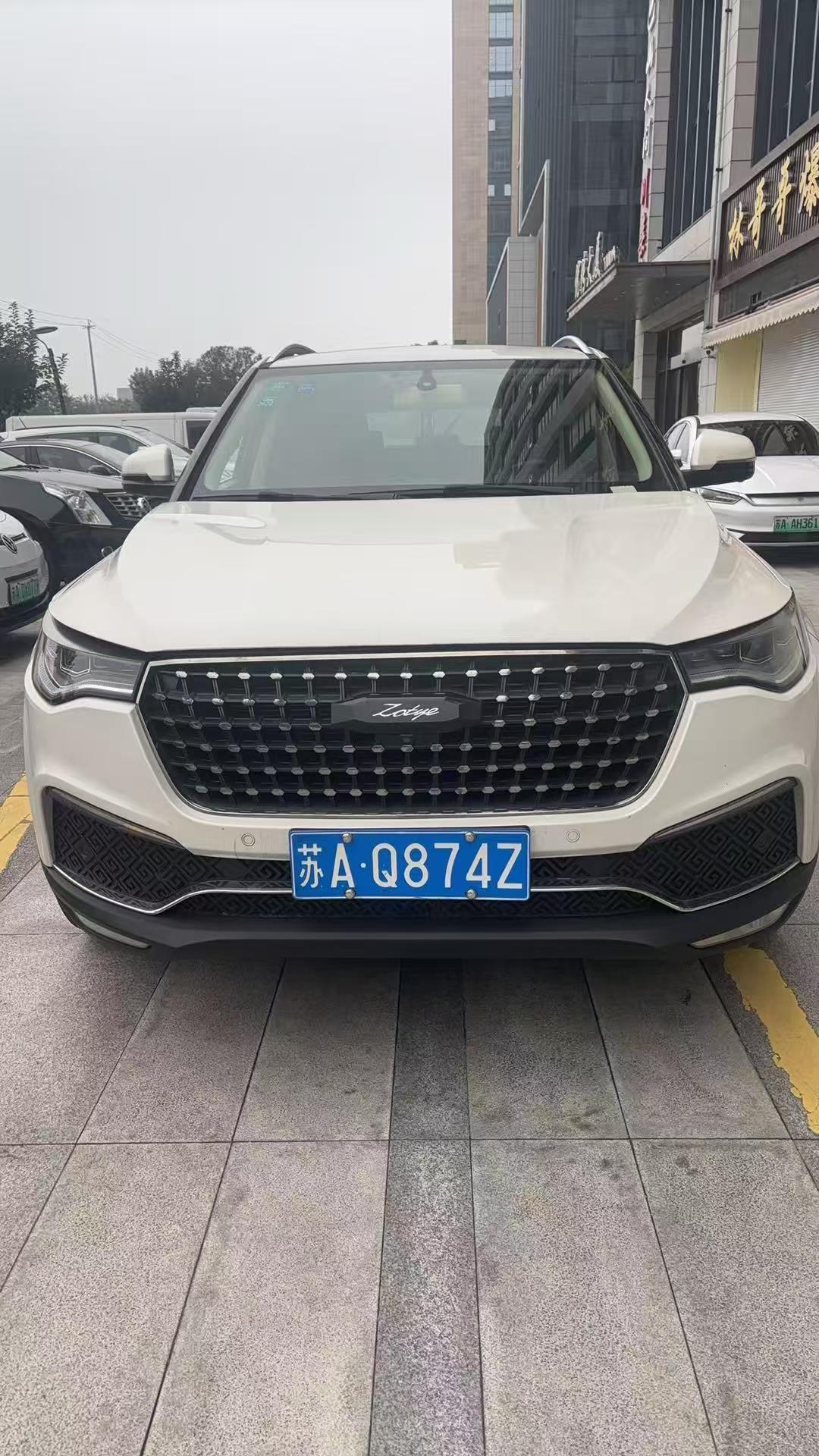
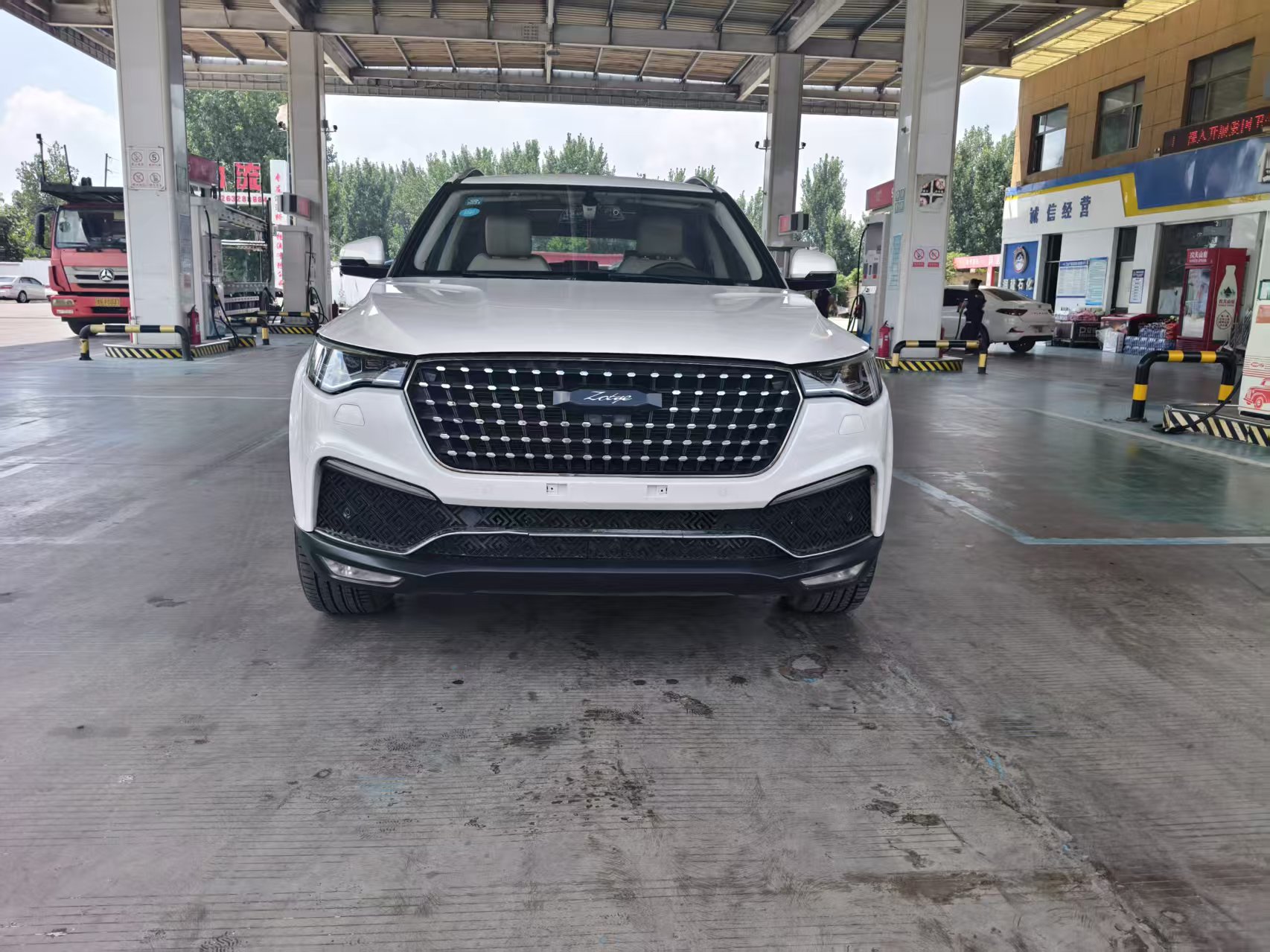
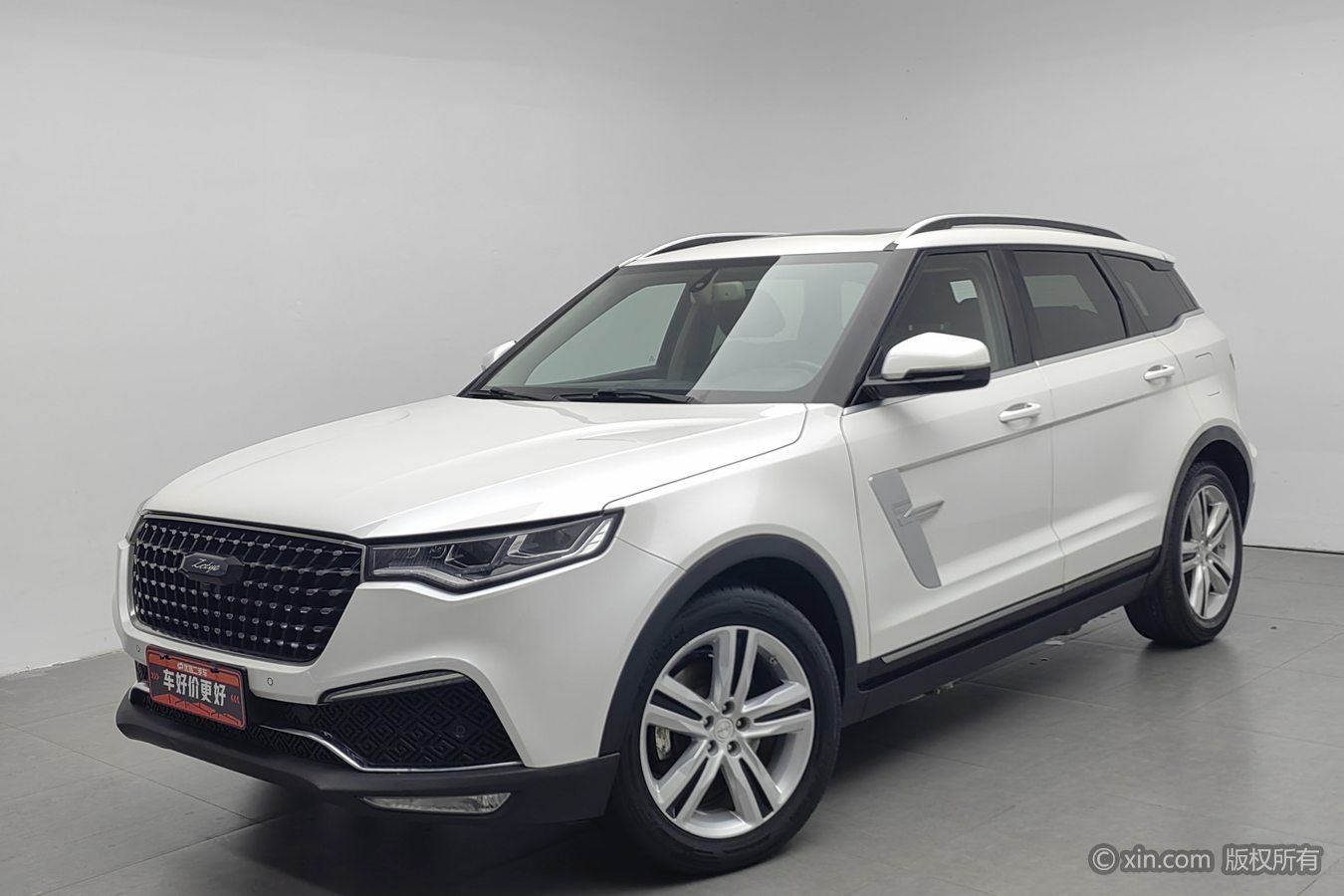
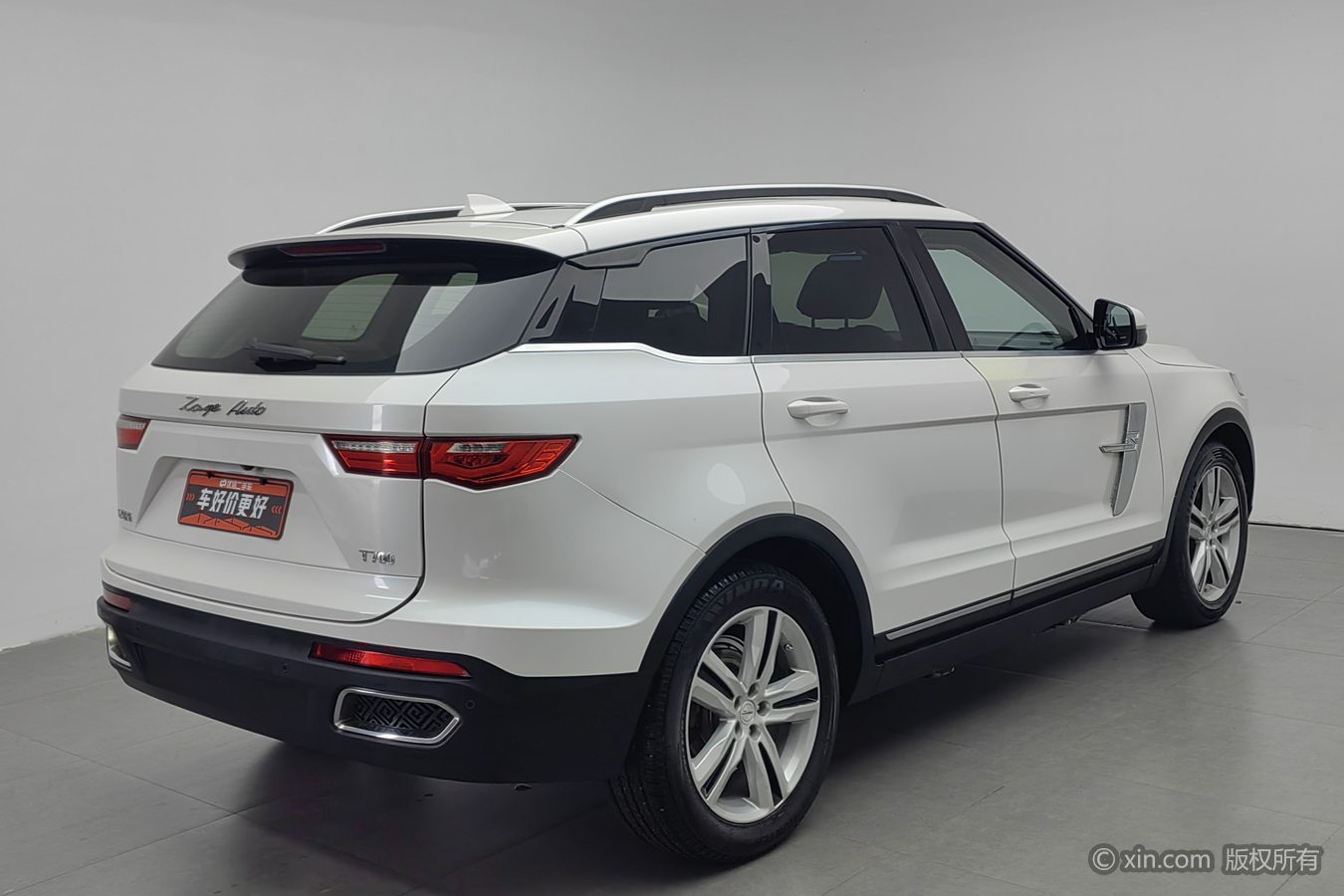
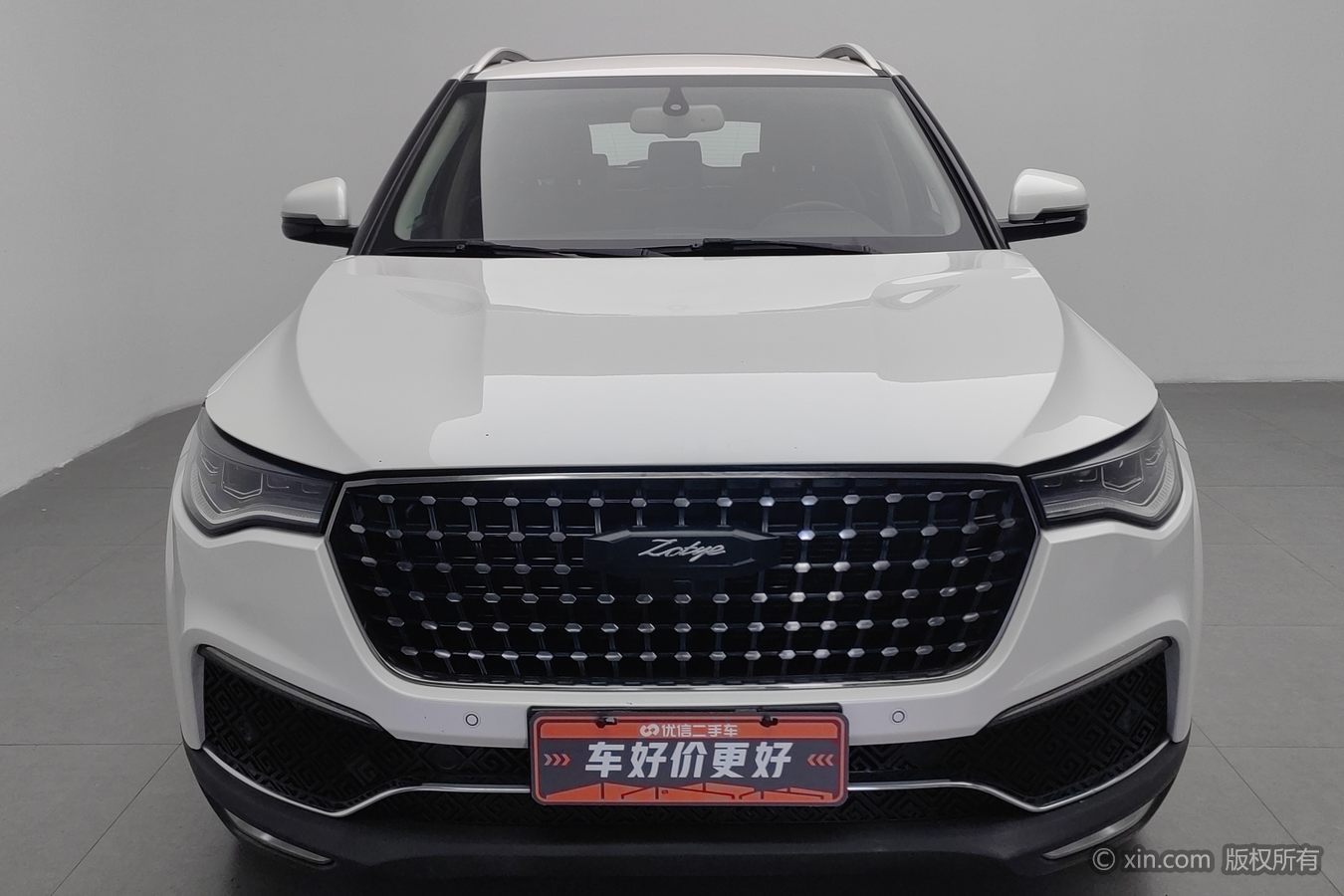
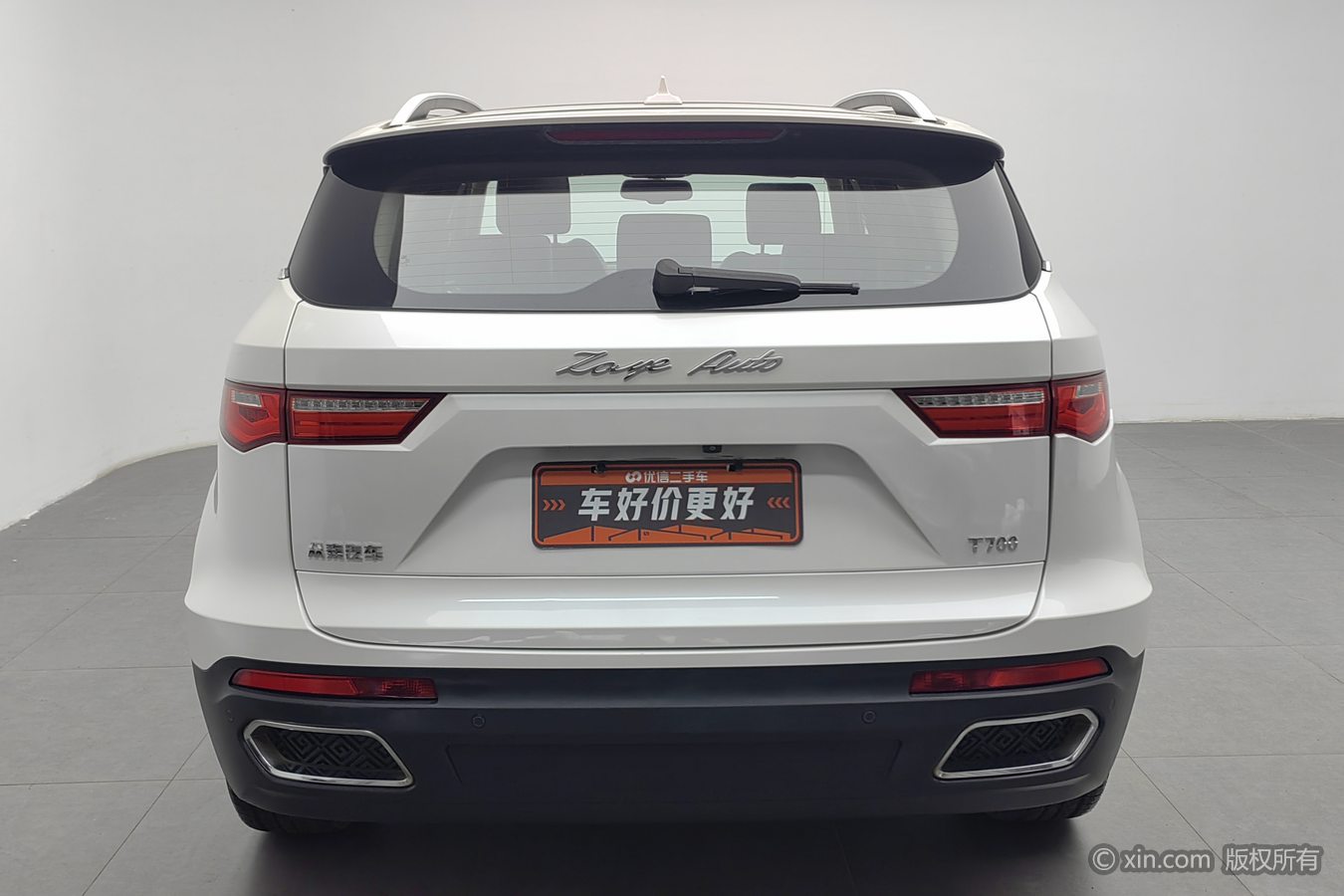
BrandZotye
Series-
Year2018
First Registration2018/02
Mileage107,000km
Transfer Count0times
FuelGasoline
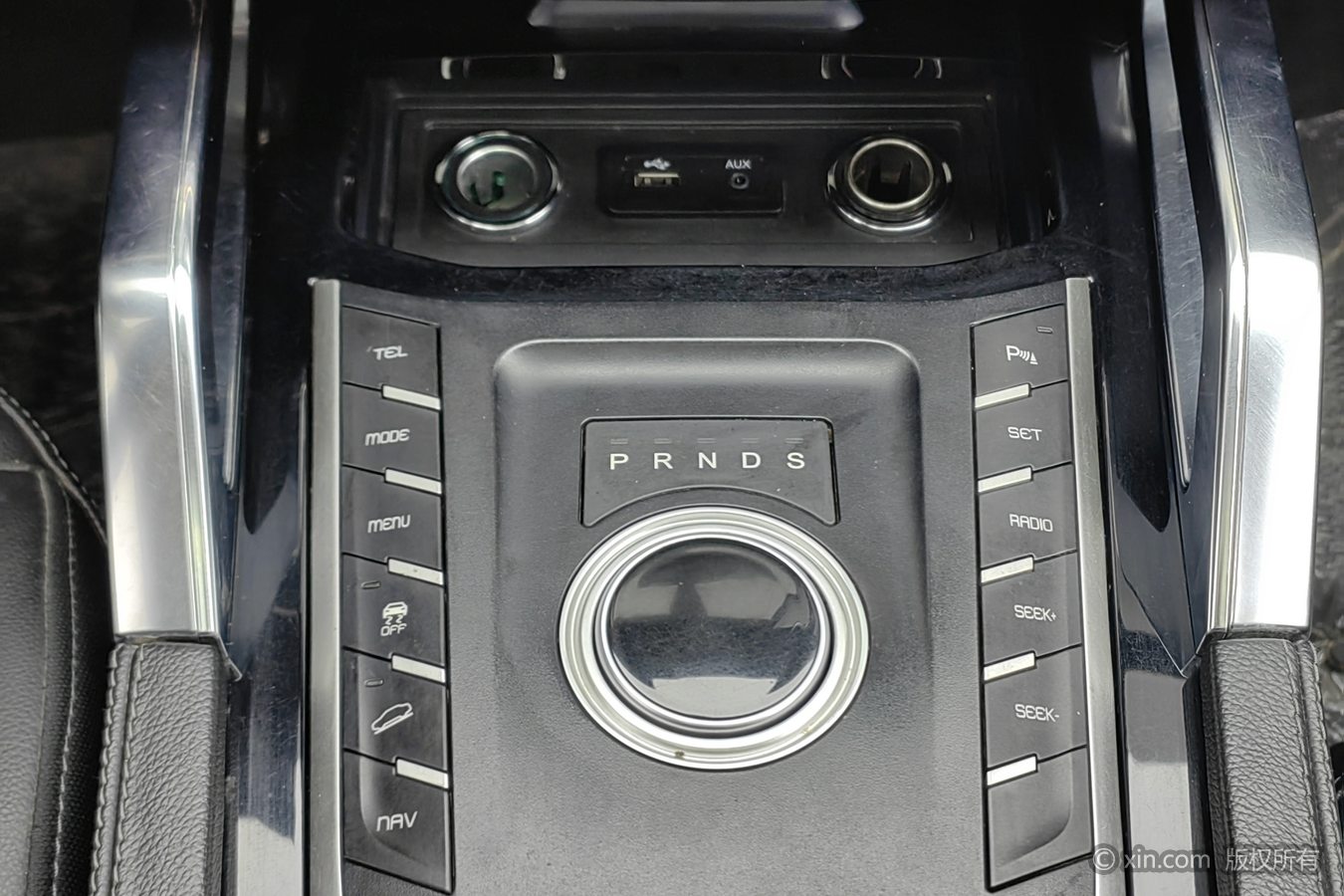
TransmissionDCT
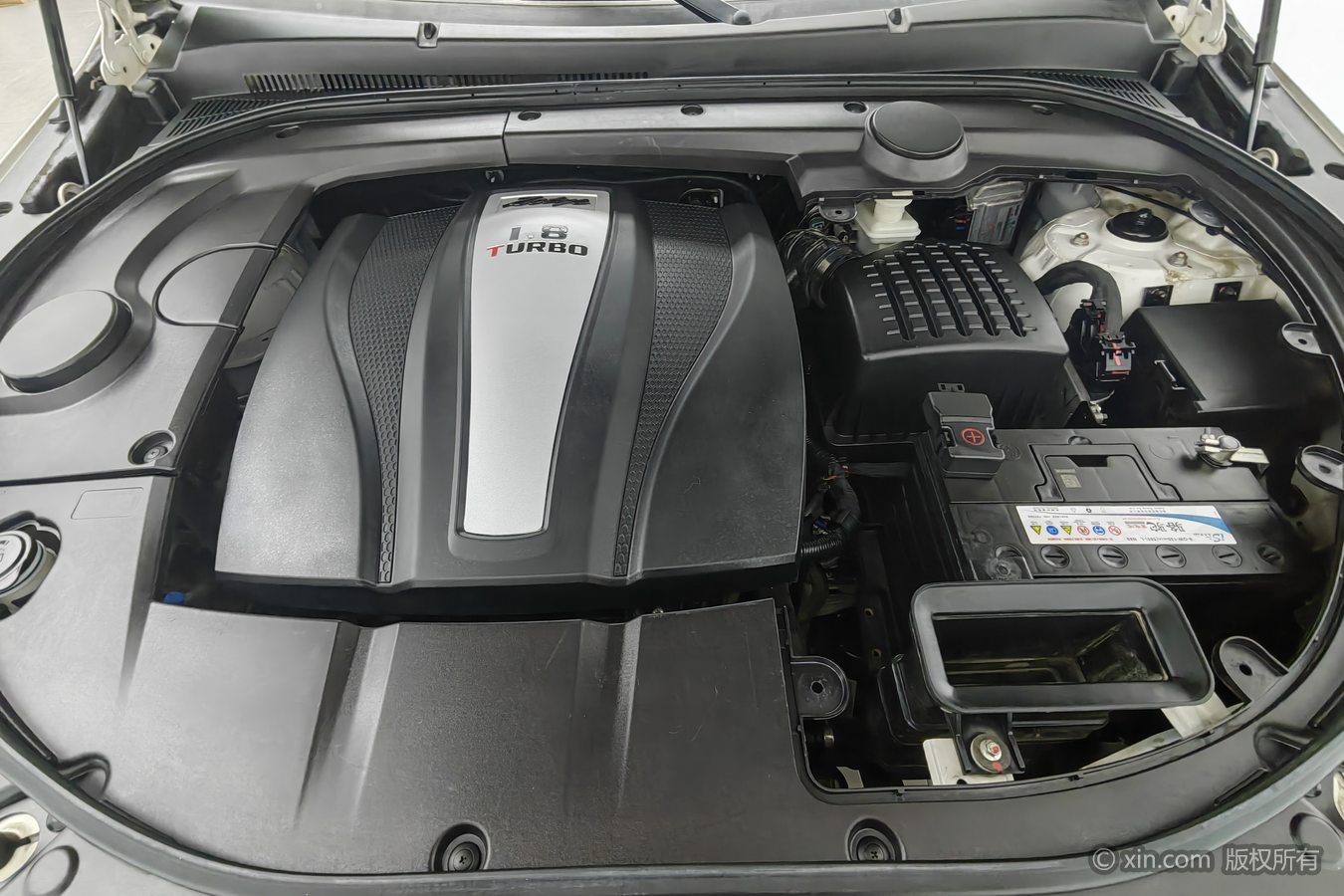
Engine1.8T 177 L4
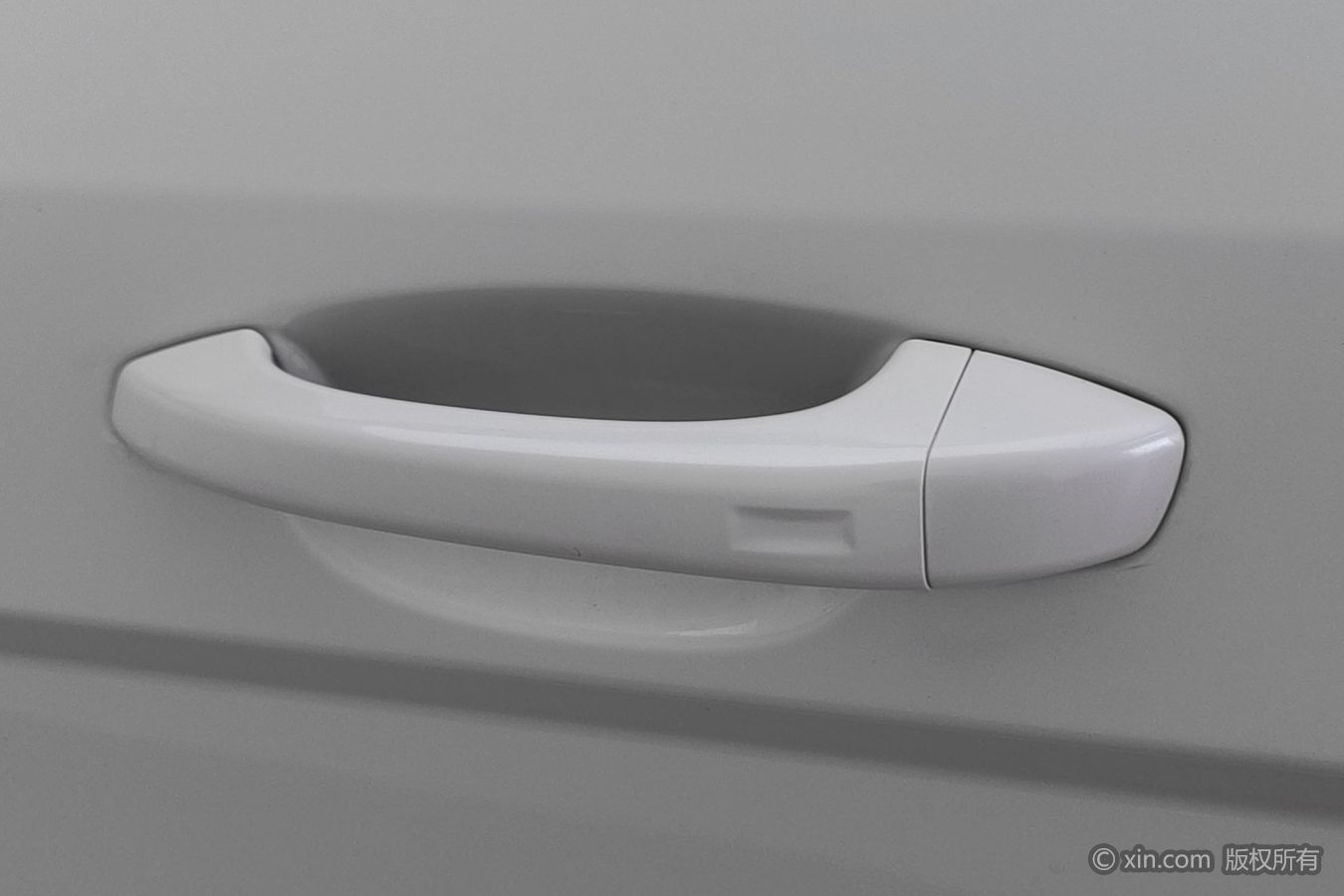
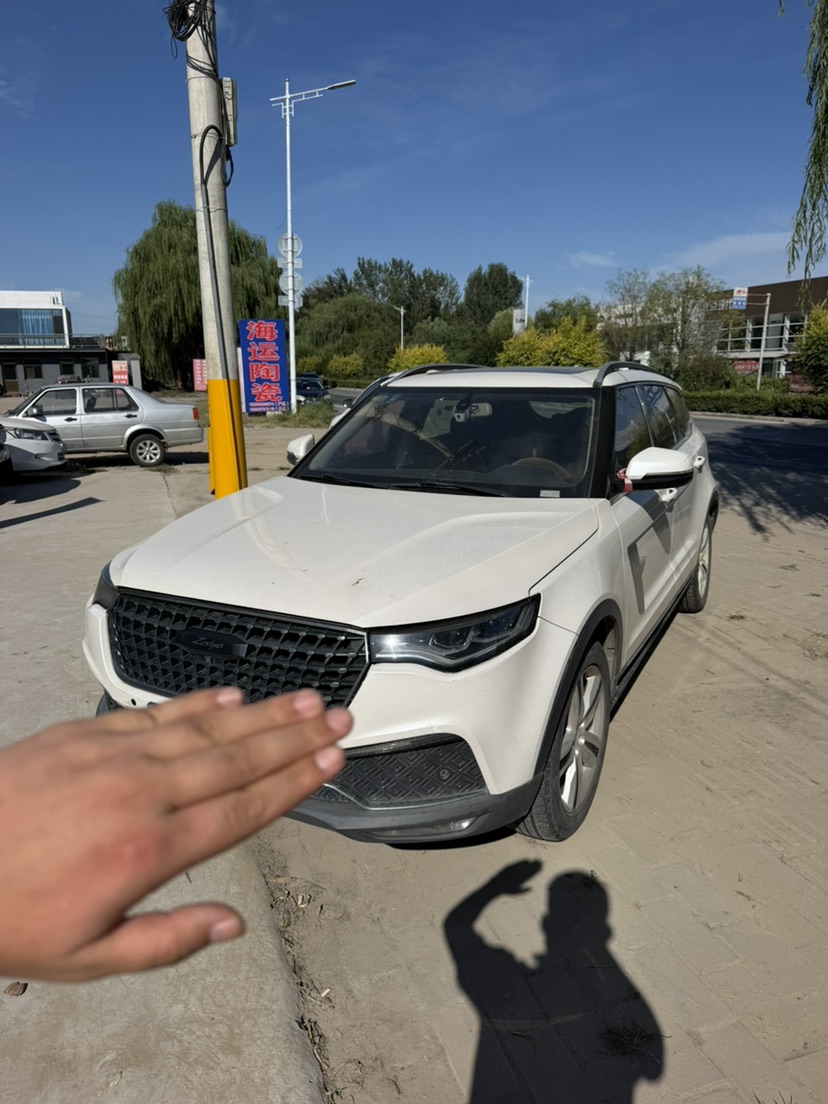
ColorWhite
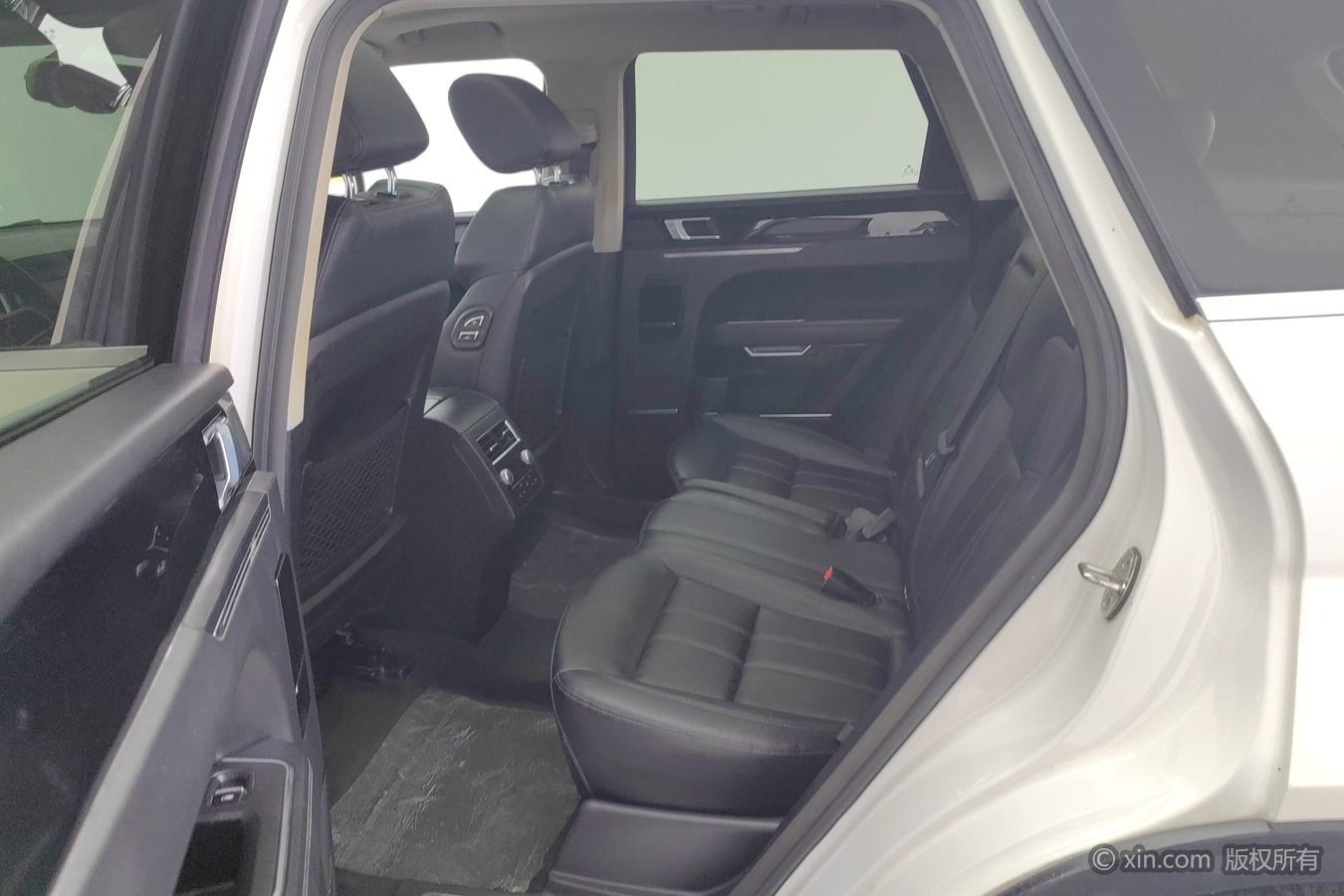
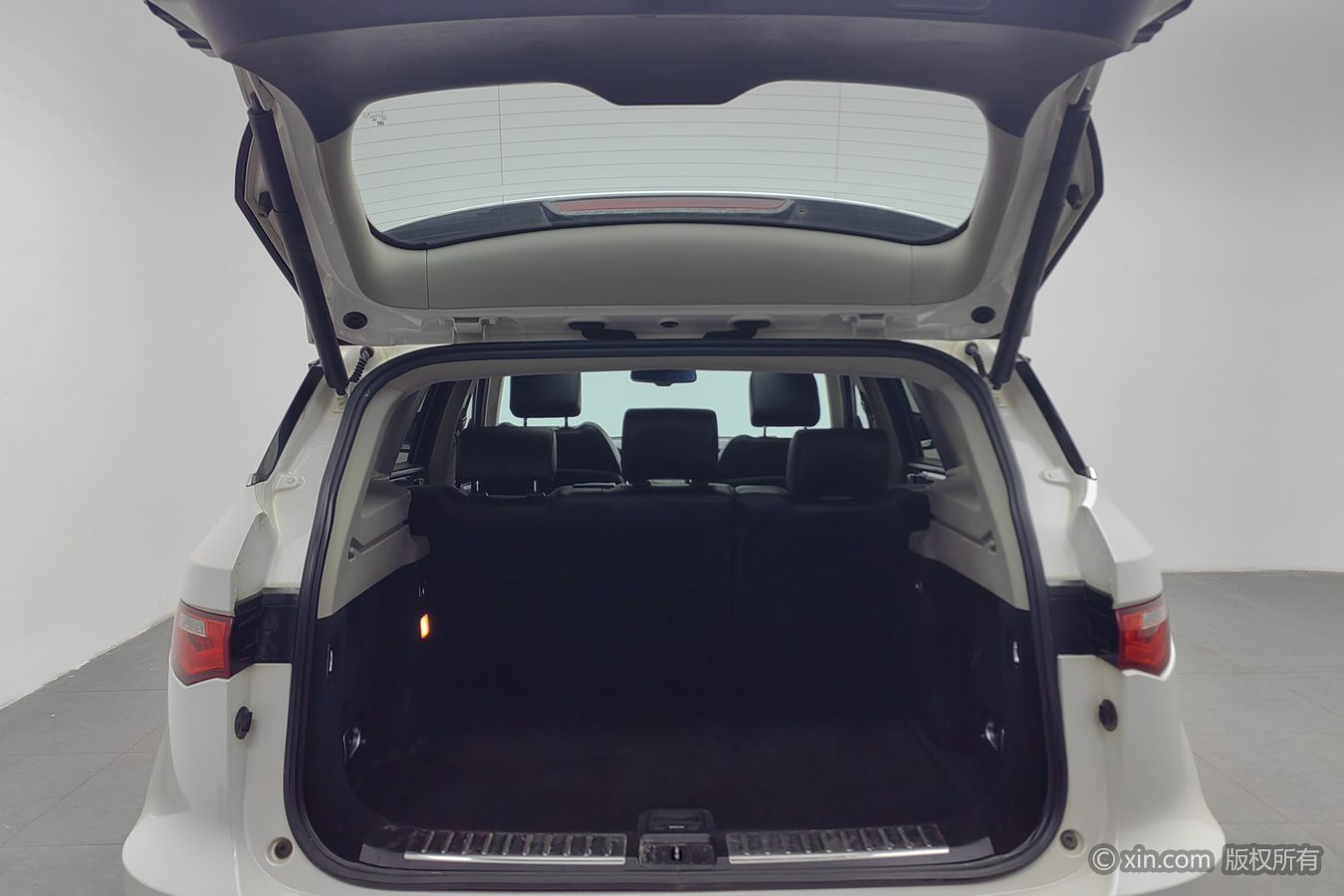
Seats5seats

Condition Description

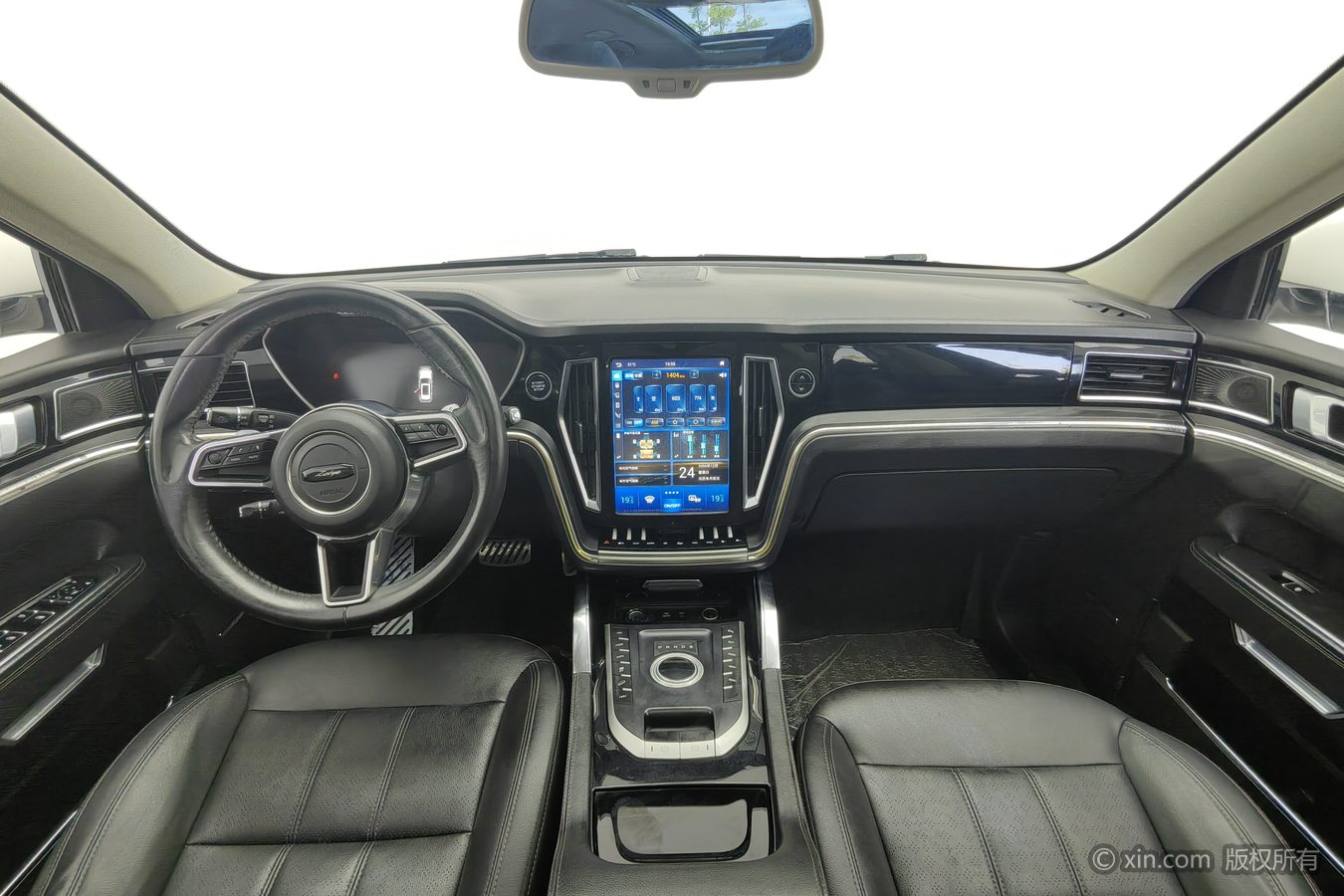
No odometer tampering, no structural damage, no water damage, no fire damage.

Configuration Highlights

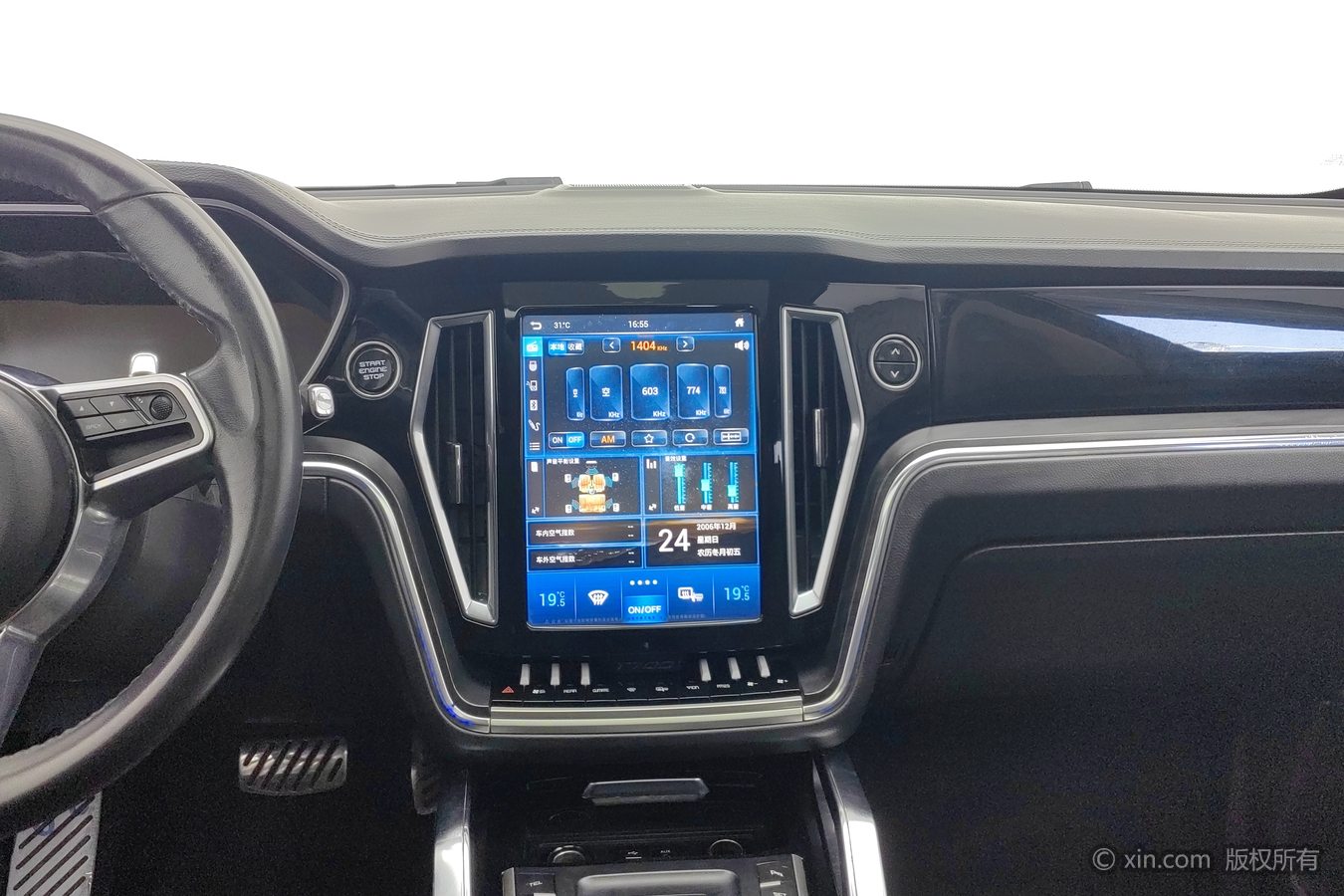
✓液晶仪表盘
✓感应后备箱
✓Auto Hold
✓Paddle Shifters

Document Information

Inspection Expiry Date2027/02
Warranty Expiry Date-
Insurance Expiry Date-

Q&A

More

How can I judge the real mechanical condition of a used car from China without seeing it in person?

Remote mechanical assessment relies on documented evidence: 1. Cold-start video: Ask for a video of the engine starting from cold — listen for rattles, watch for smoke (blue = oil burning, white = possible head gasket issue). 2. OBD scan: A full diagnostic scan reveals fault codes in the engine, gearbox, and electronics. Request the raw scan report, not a screenshot summary. 3. Service records: Cross-check mileage against maintenance records and inspection stickers; consistent records indicate a cared-for car. 4. Fluid check: Photos of the oil dipstick and coolant color tell a lot — milky oil or rusty coolant are red flags. 5. Test drive video: A short drive video shows gear shifts, braking, and steering behavior. Combine these with the pre-shipment inspection report. A seller who refuses to provide cold-start video or OBD data is a warning sign.

How long can you hold this car for me after the deposit is paid?

Our standard holding period is 3 business days after the deposit is paid (based on the timestamp of the payment slip). The domestic used car market in China moves very quickly, and if we do not receive the bank message confirming the deposit within the specified time, the system will automatically release the hold, and the vehicle will be re-listed for public sale.

Is China's "National VI B" emission standard equivalent to Europe's Euro VI standard?

From a technical perspective, China's "National VI B (China VI-b)" is one of the strictest emission standards globally, with limits on carbon monoxide, nitrogen oxides, and particulate matter that are even stricter than some of Europe's Euro VI standards. However, the two are not legally recognized by each other, depending on your country's import regulations.