


Basic Information

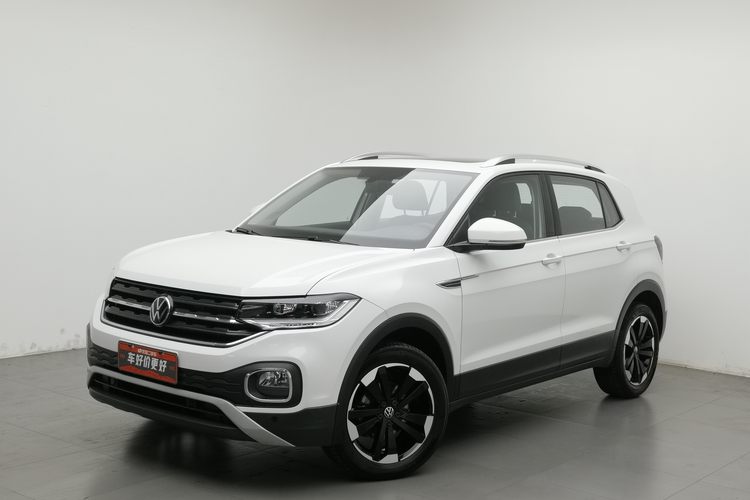
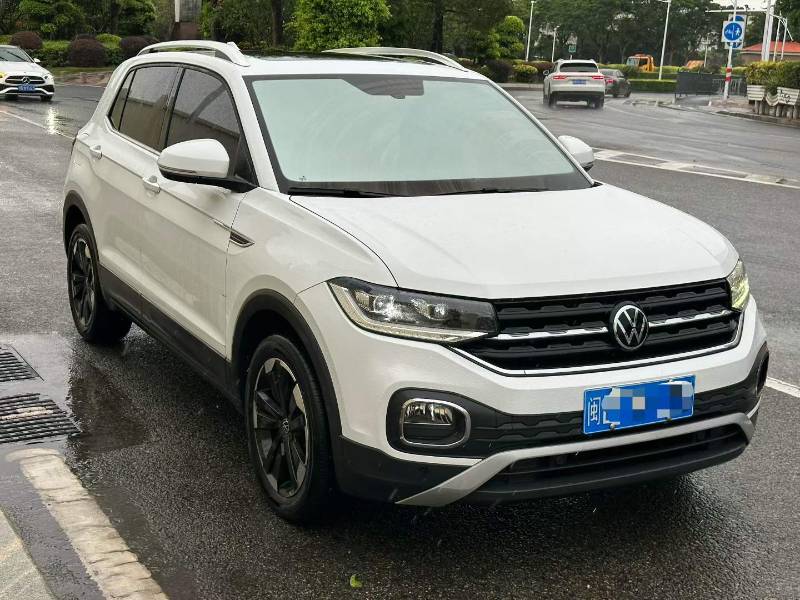
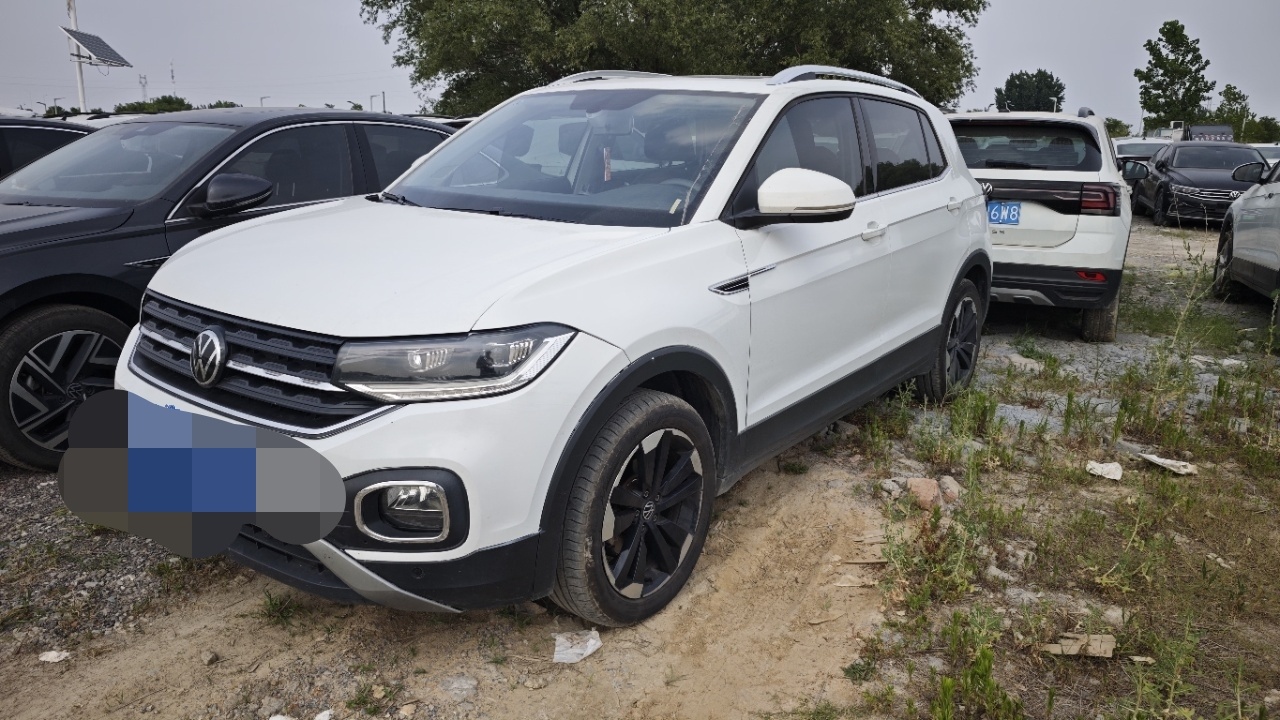
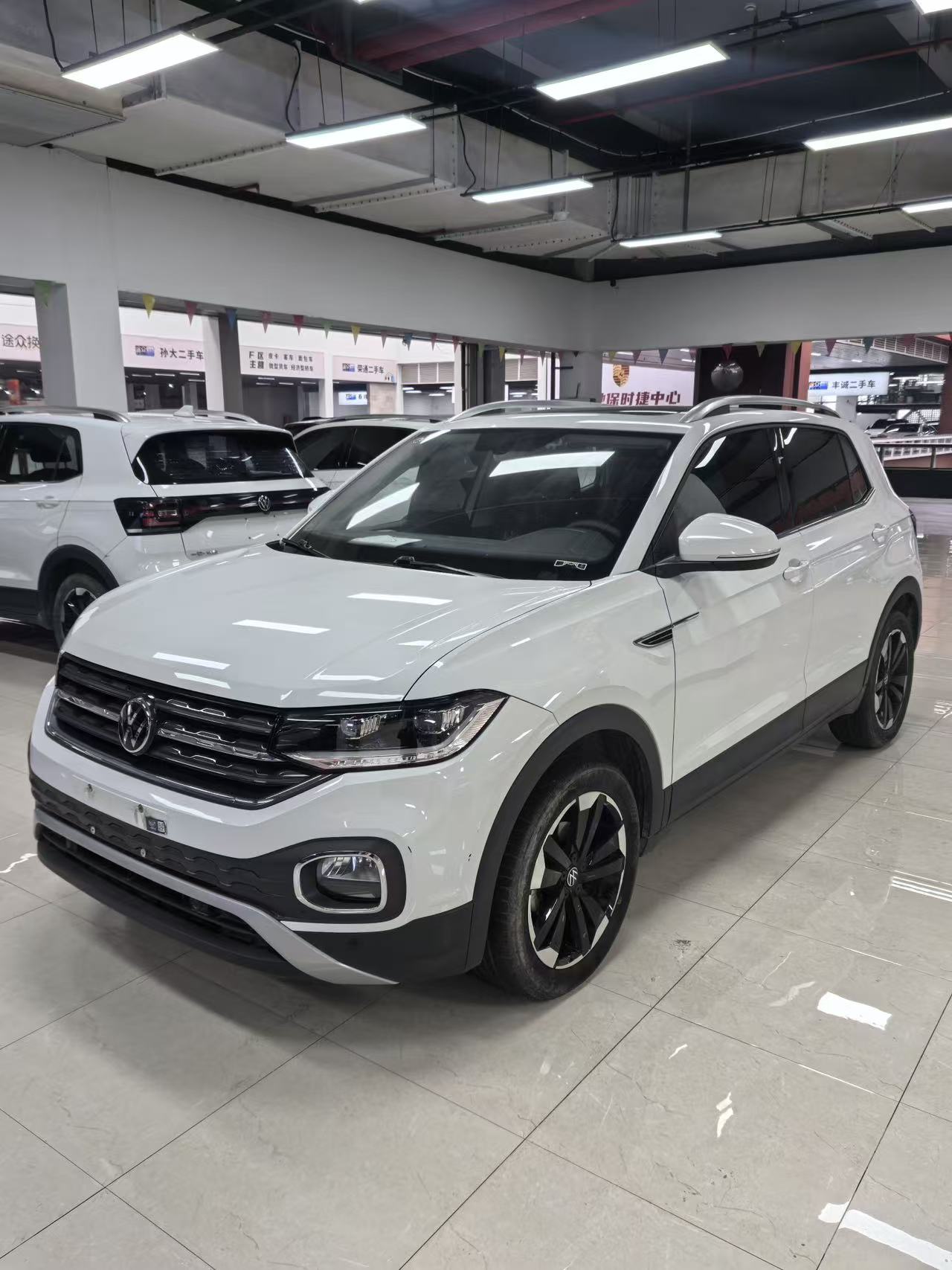
BrandVolkswagen
SeriesTacqua
Year2024
First Registration2024/05
Mileage96,700km
Transfer Count0times
FuelGasoline
TransmissionDCT
Engine1.2T 116 L4
ColorWhite
Seats5seats

Condition Description

Original paint, premium car

Q&A

More

How do I evaluate interior wear on a used car from China to estimate real mileage and usage intensity?

Interior wear is harder to fake than an odometer and often reveals true usage better than any document. Focus on high-contact points the seller rarely restores. The driver's seat bolster shows creasing and cracking by 80,000-100,000 km even with covers. Steering wheel leather polishes smooth and darkens with hand oils; a shiny wheel with low claimed mileage is a red flag. Pedal rubbers wear through at similar rates — check accelerator, brake, and clutch depth. Second-row wear patterns tell you how the car was used: heavy child-seat indentations suggest family use (usually gentler), while uniform rear wear with clean front suggests commercial or ride-hailing duty. Check seat rails for rust (indicates water ingress) and look under floor mats for moisture staining or musty smell — flood cars often hide it there. Also examine the infotainment and instrument cluster: Chinese EVs log usage data internally, and a dealer diagnostic readout can cross-check driving hours against mileage. Request close-up, well-lit photos of these specific points during your live video inspection rather than relying on the seller's gallery.
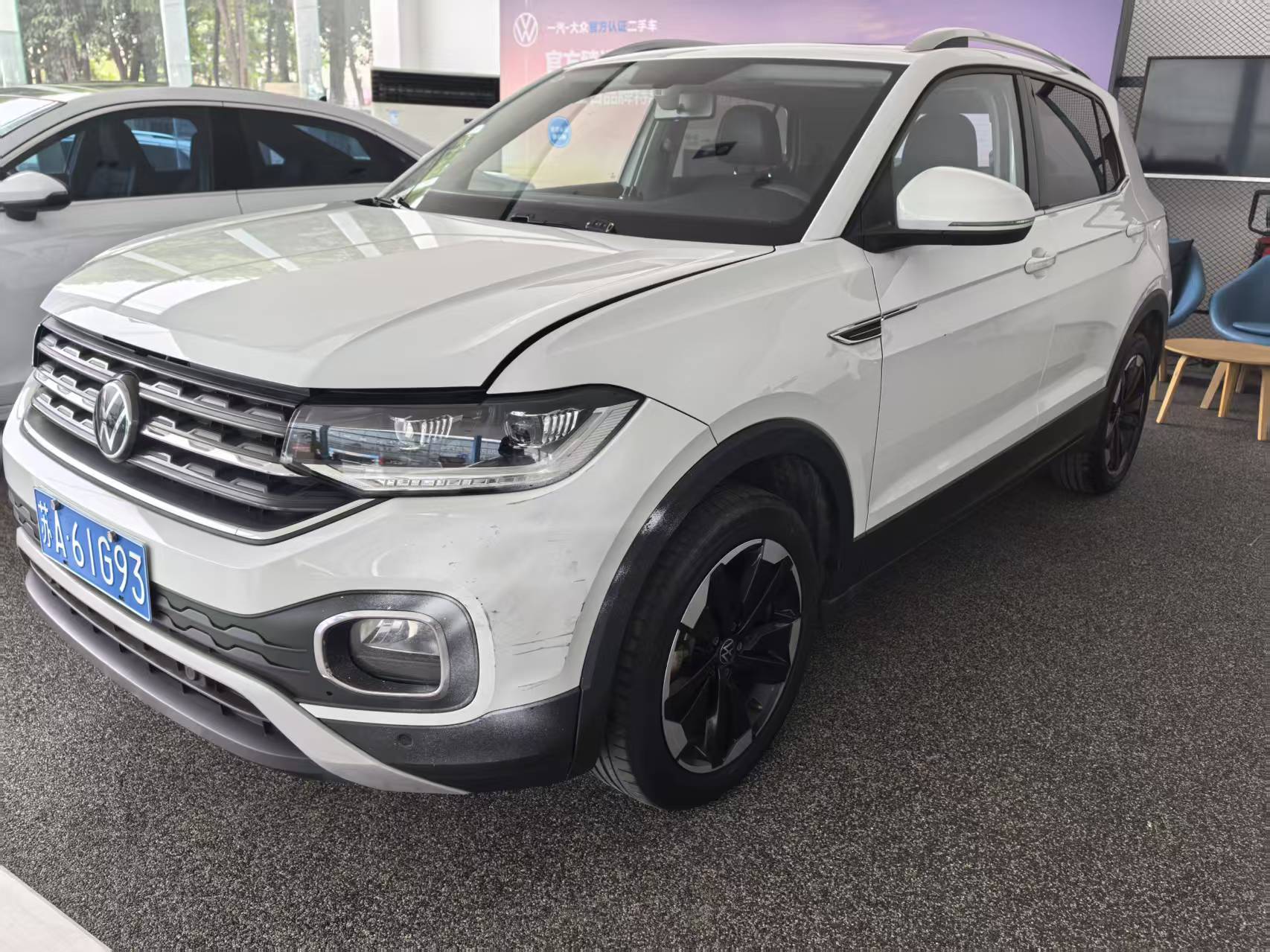
Will there be detailed information on the vehicle's consumable parts (such as tire tread depth and remaining brake pad thickness)?

Yes. The inspection report includes a specific "consumable parts consumption list." We will measure the tire tread depth (in millimeters) and the remaining brake pad thickness using calipers. If the tire tread is below the legal wear limit of 1.6mm, we will note it as "recommended to replace immediately upon arrival."

How can I confirm the seller actually owns the car and that it has no outstanding liens or loans in China?

Ask the exporter for a copy of the vehicle registration certificate (机动车登记证书). It lists every owner change and any mortgage registration. If the car was financed, there will be a lien entry; make sure a release entry follows it. You can also verify the VIN against public records through the traffic management platform (12123) — a legitimate exporter can generate a status report on the spot. Check that the seller's company name on the invoice matches the registered owner. For extra safety, require a written statement that the vehicle is free of liens, loans, court seizures, and lease agreements, and wire payment only to the company's corporate account after ownership is transferred to the export entity. That sequence — transfer first, payment second — is your strongest protection.