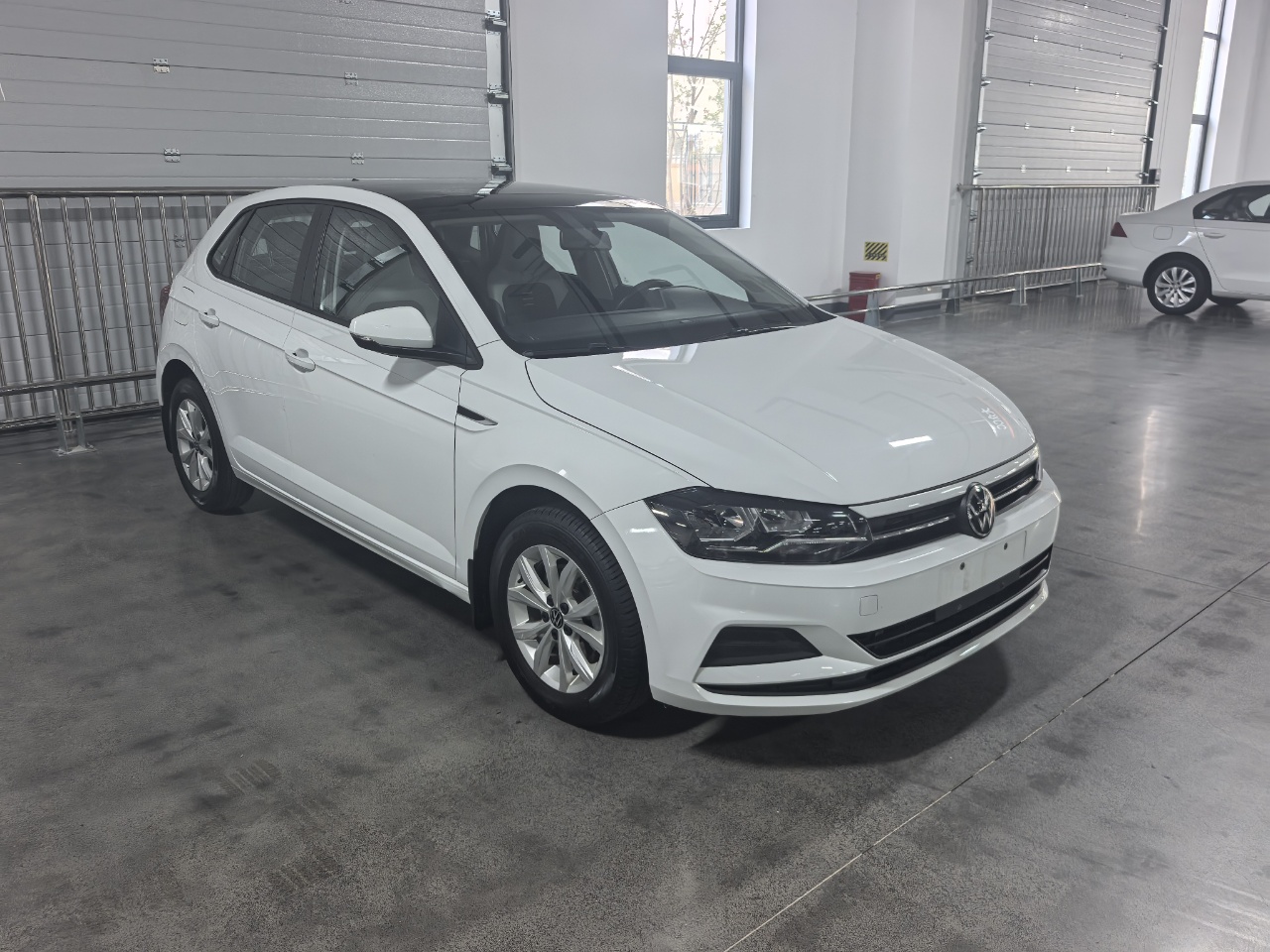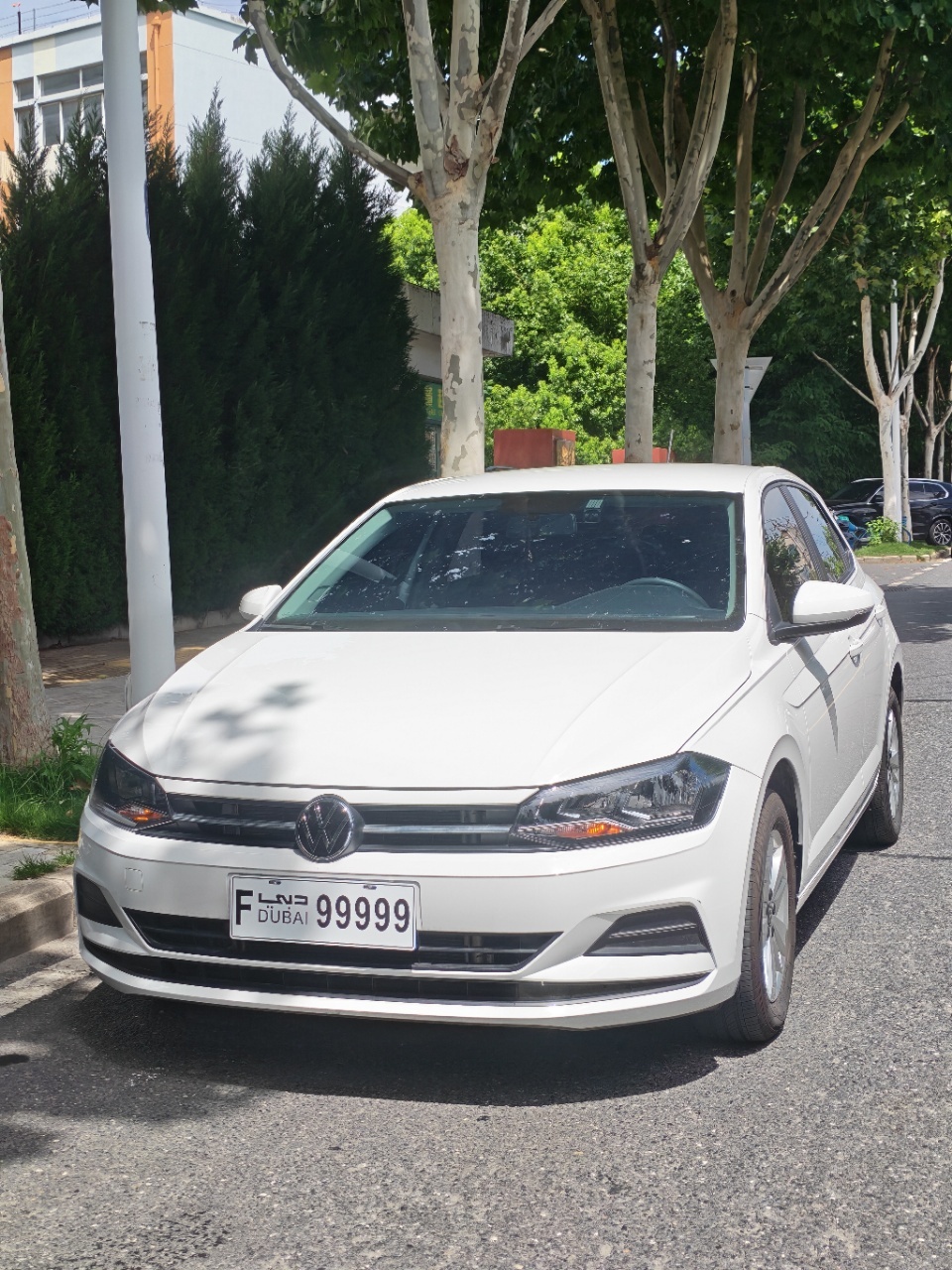
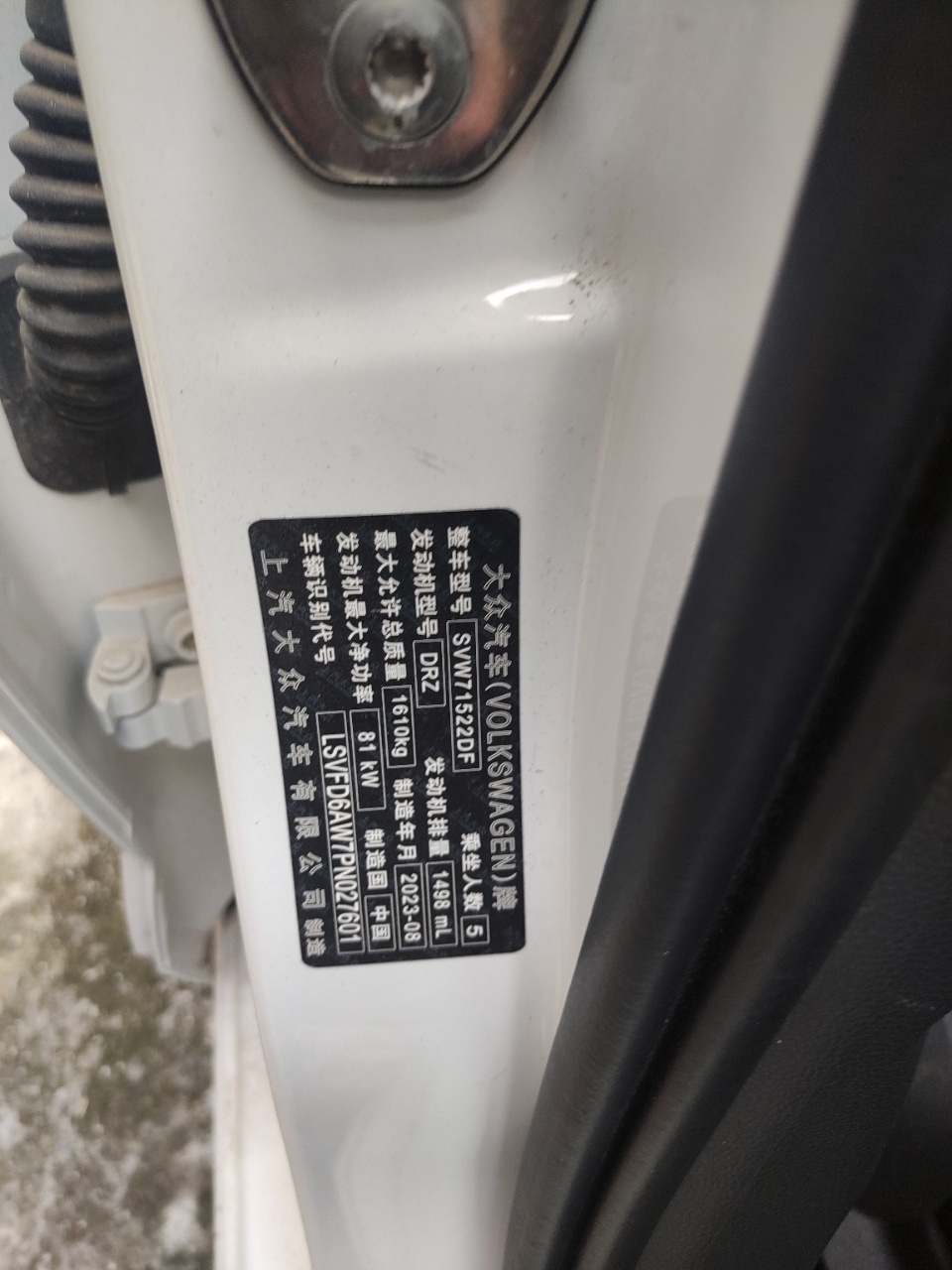
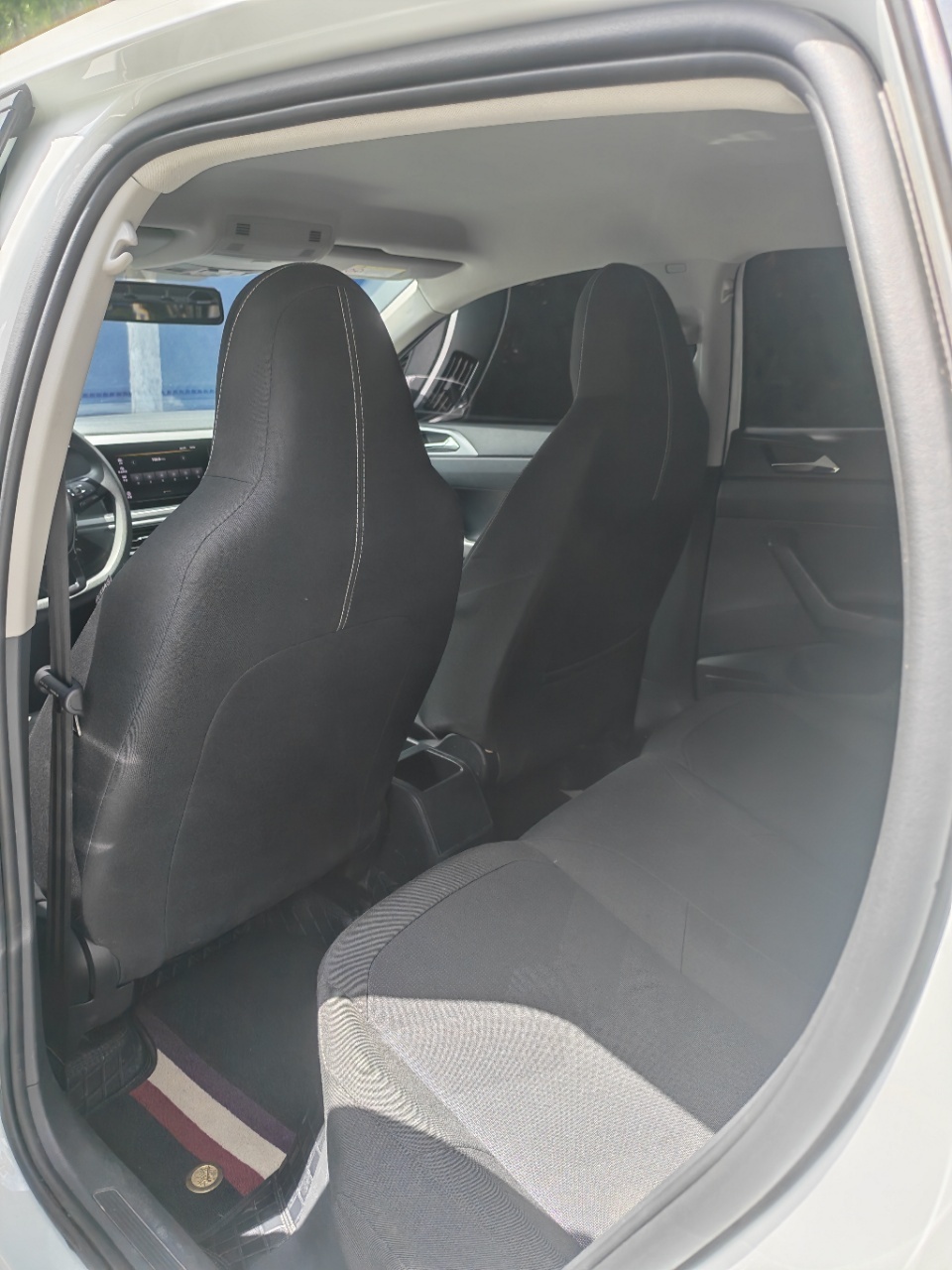
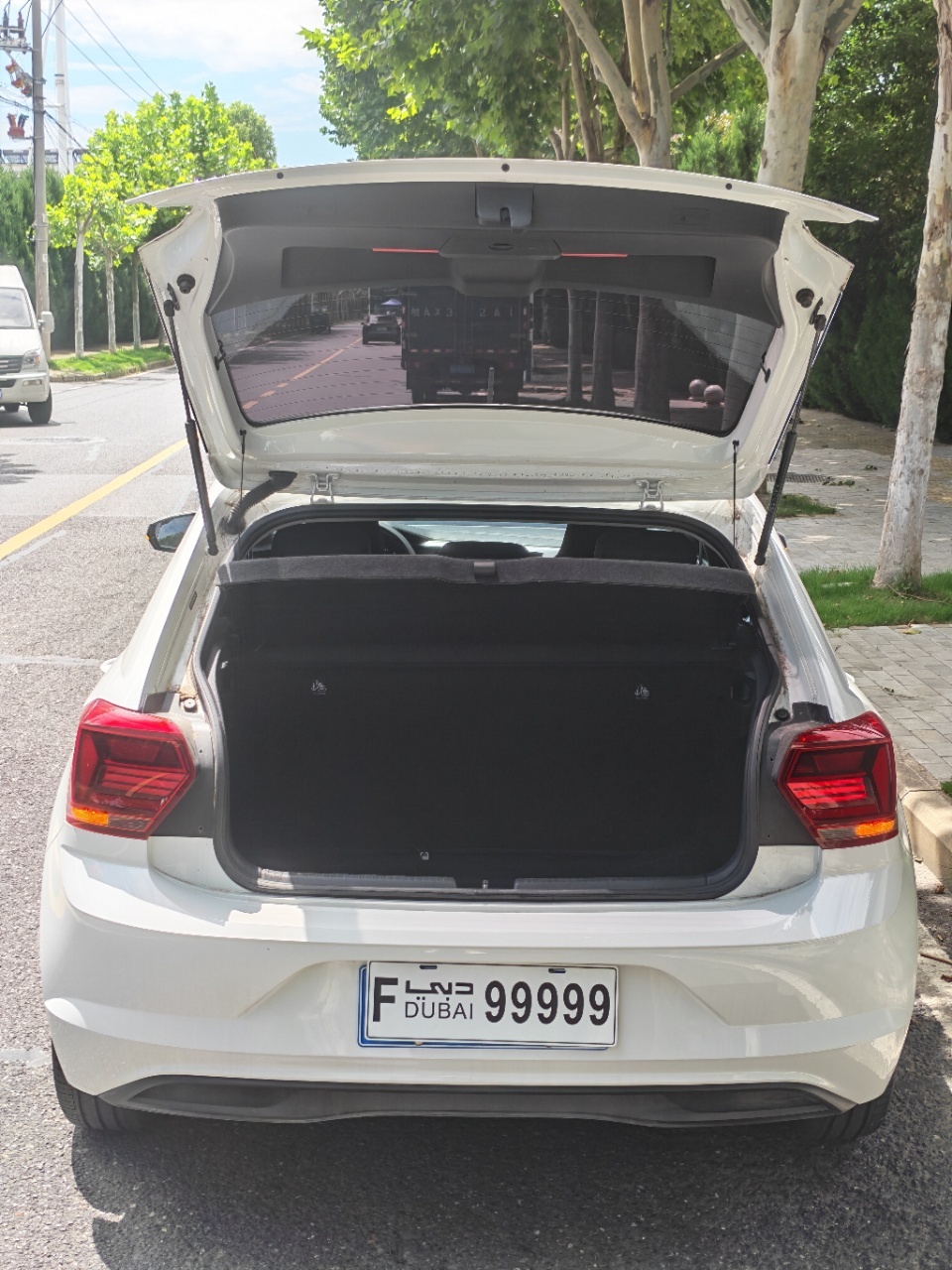
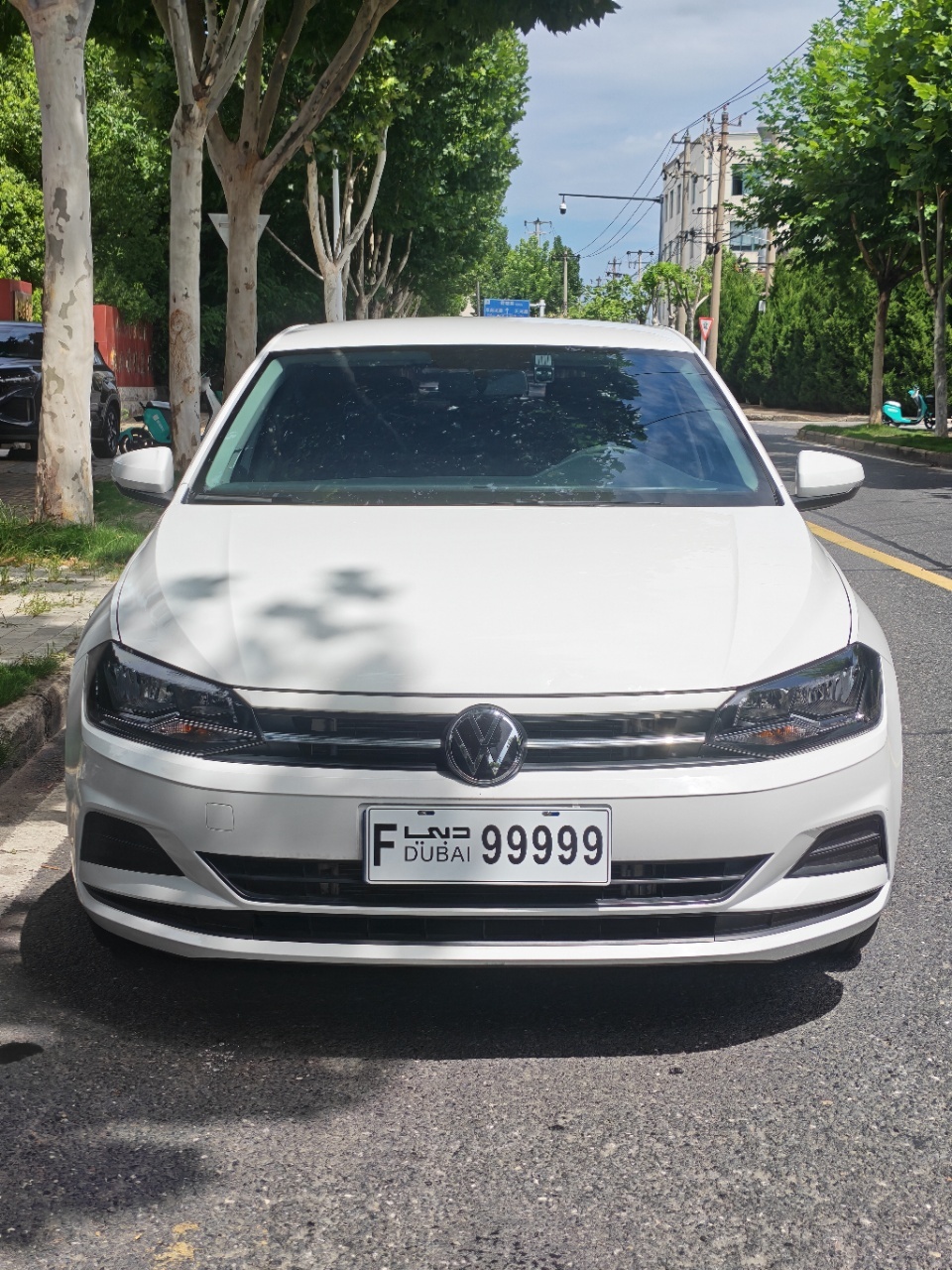
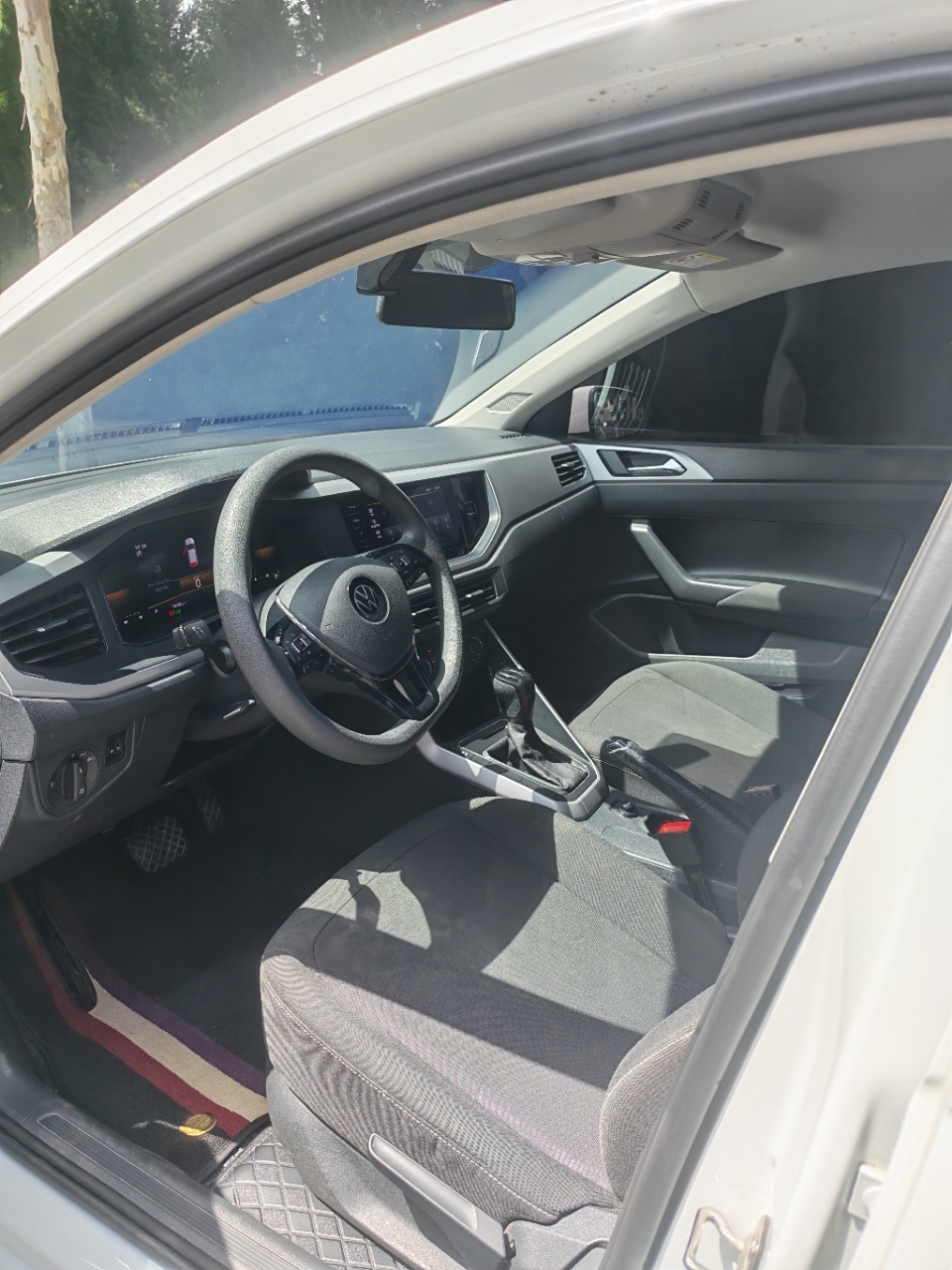
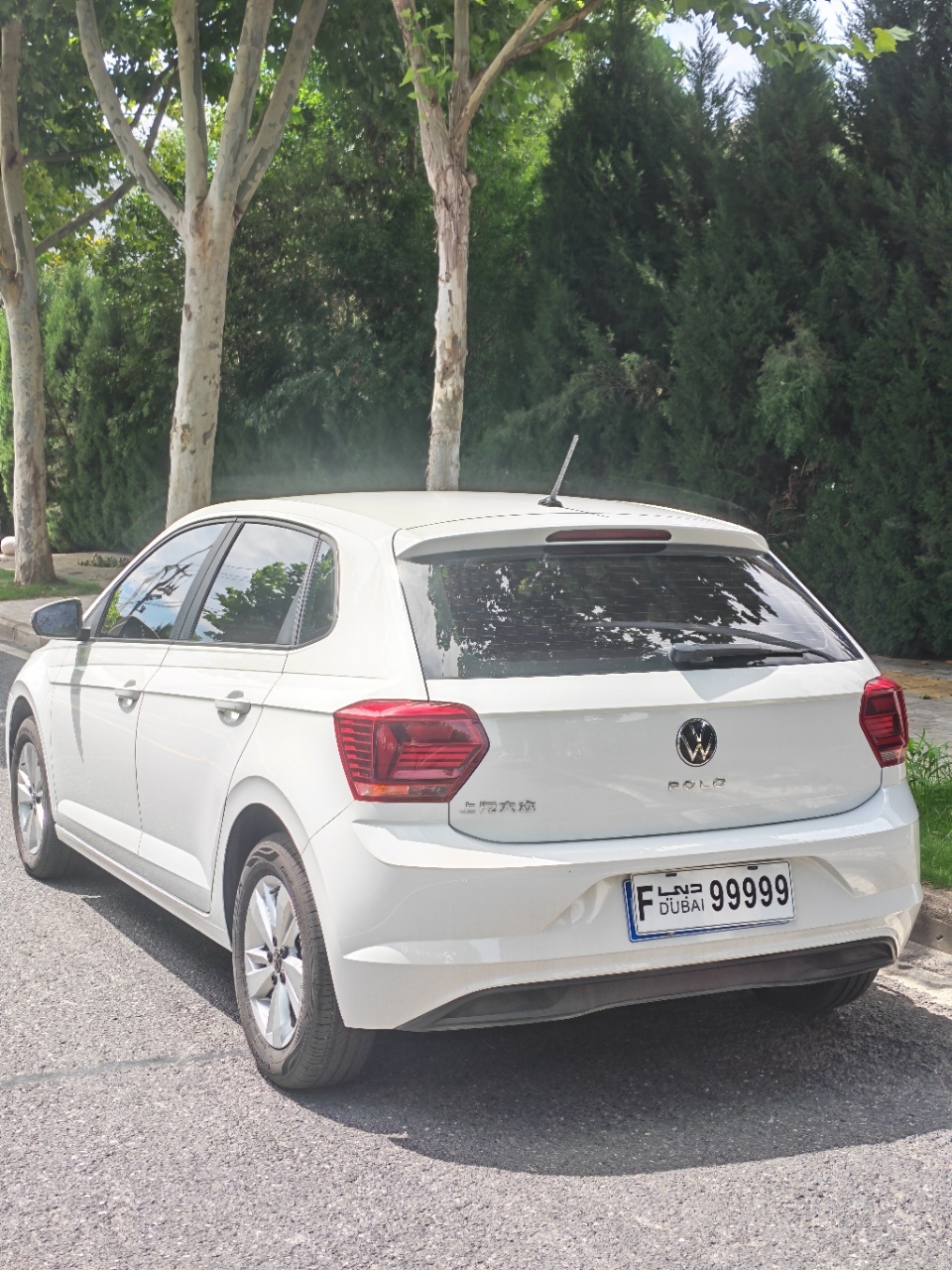



Basic Information

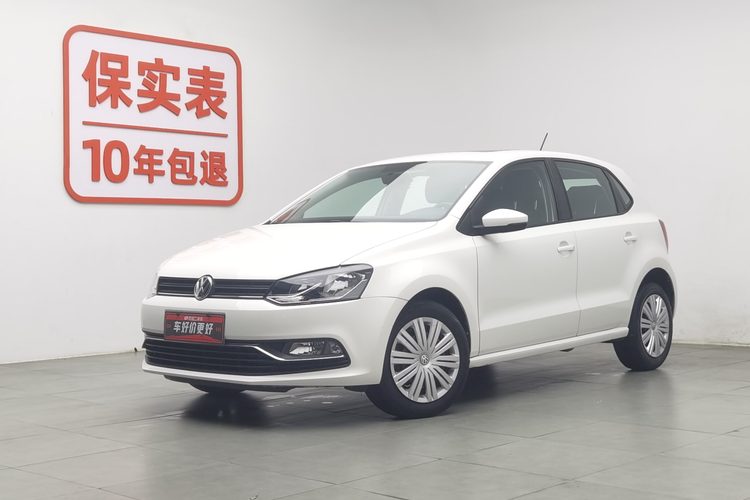
BrandVolkswagen
SeriesPolo
Year2023
First Registration2023/10
Mileage9,600km
Transfer Count0times
FuelGasoline
TransmissionManumatic
Engine1.5L 110 L4
ColorWhite
Seats5seats

Condition Description

Sheet metal work on the left rear fender, front hood, and right rear door; replacement of the windshield; repainting of the trunk lid; and replacement of the front and rear bumpers.

Q&A

More

When buying a used Chinese EV or smart car, how do I confirm the smart features will actually work in my country?

Many connected features are tied to the car's original market. Start with the basics: the infotainment language, navigation maps and voice assistant may only support Chinese, and some systems require a local SIM or account that cannot be transferred to overseas owners. For driver-assistance systems, check whether the model relies on hardware that works without Chinese map data. Lane keeping and adaptive cruise usually work abroad, but map-dependent features like highway pilot may not. Ask the seller to test each key function on video before shipment: boot-up, touchscreen response, app connectivity and over-the-air update status. Also confirm the battery management system and motor controllers have no region locks. Get written confirmation that the features you are paying for are functional in your destination country, and keep that document with the purchase contract.

Beyond the car price, what costs should I budget when importing a used car from China?

A realistic budget has several layers beyond the vehicle price. First, inland logistics in China: moving the car to the export port typically costs $300-$800. Second, export handling: inspection, customs declaration and paperwork usually add $500-$1,000. Third, ocean freight. A 20ft container to most destinations runs $1,200-$3,000 depending on route; RoRo shipping can be cheaper for driveable cars. Add marine insurance, usually 0.3%-0.5% of the car value. Fourth, destination charges: port handling, customs duties, VAT/GST and local registration fees. These vary widely; some countries charge duties of 20%-80% of the vehicle value plus an excise based on engine capacity. Finally, any compliance work: inspection certificates, modifications to meet local standards, or homologation. Ask your exporter for a full CIF quote and have a local customs broker confirm destination taxes before you commit.

What is the standard for natural air loss during parking if the vehicle is equipped with air suspension?

Air suspension is very delicate. If, after the vehicle has been stationary for about 12 hours, the height on one side of the vehicle drops more than 1.5 cm when measured from the wheel arch to the tire, we will determine that there is a slight air leak in the air spring or distribution valve on that side and warn you of the high subsequent repair costs.