


Basic Information

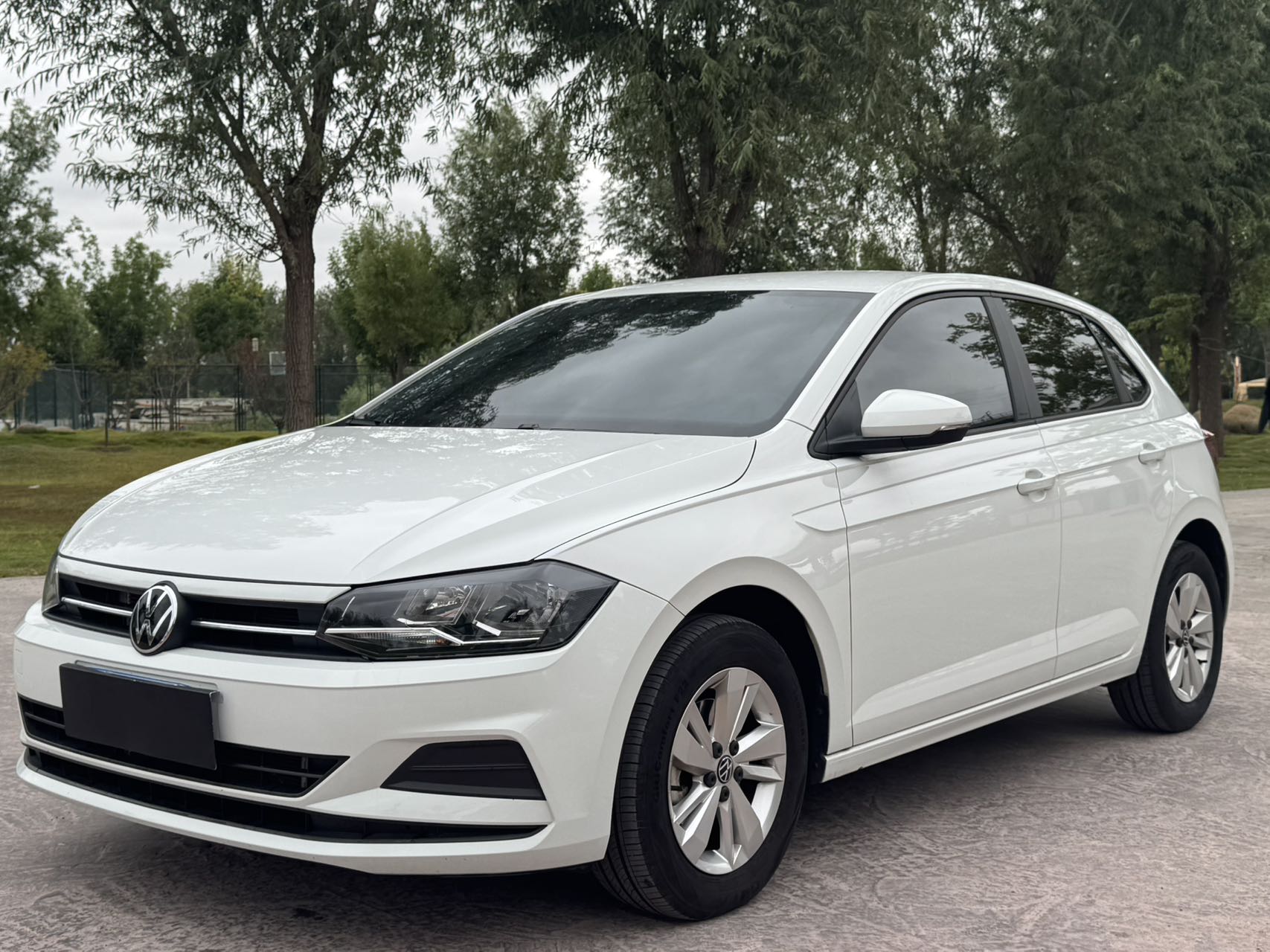
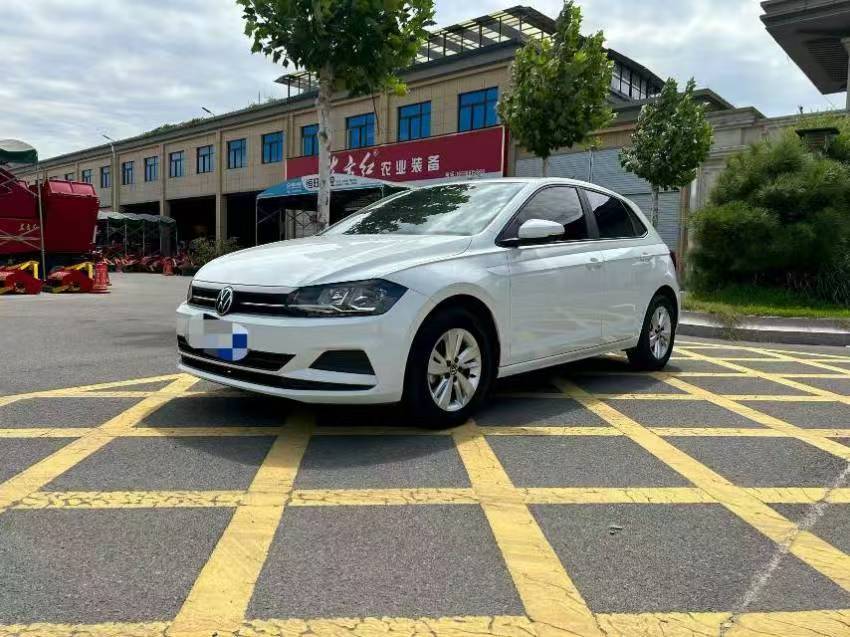
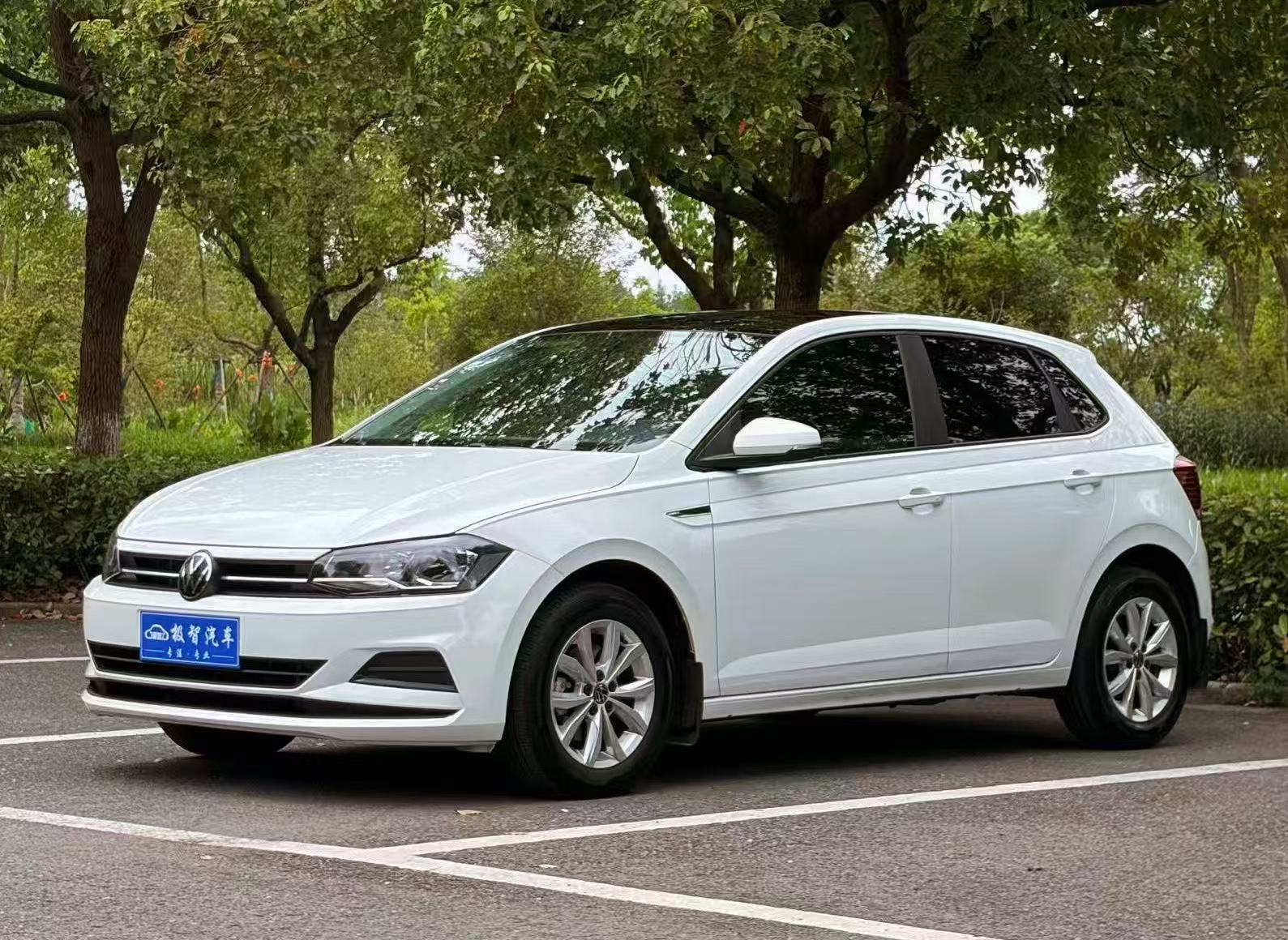
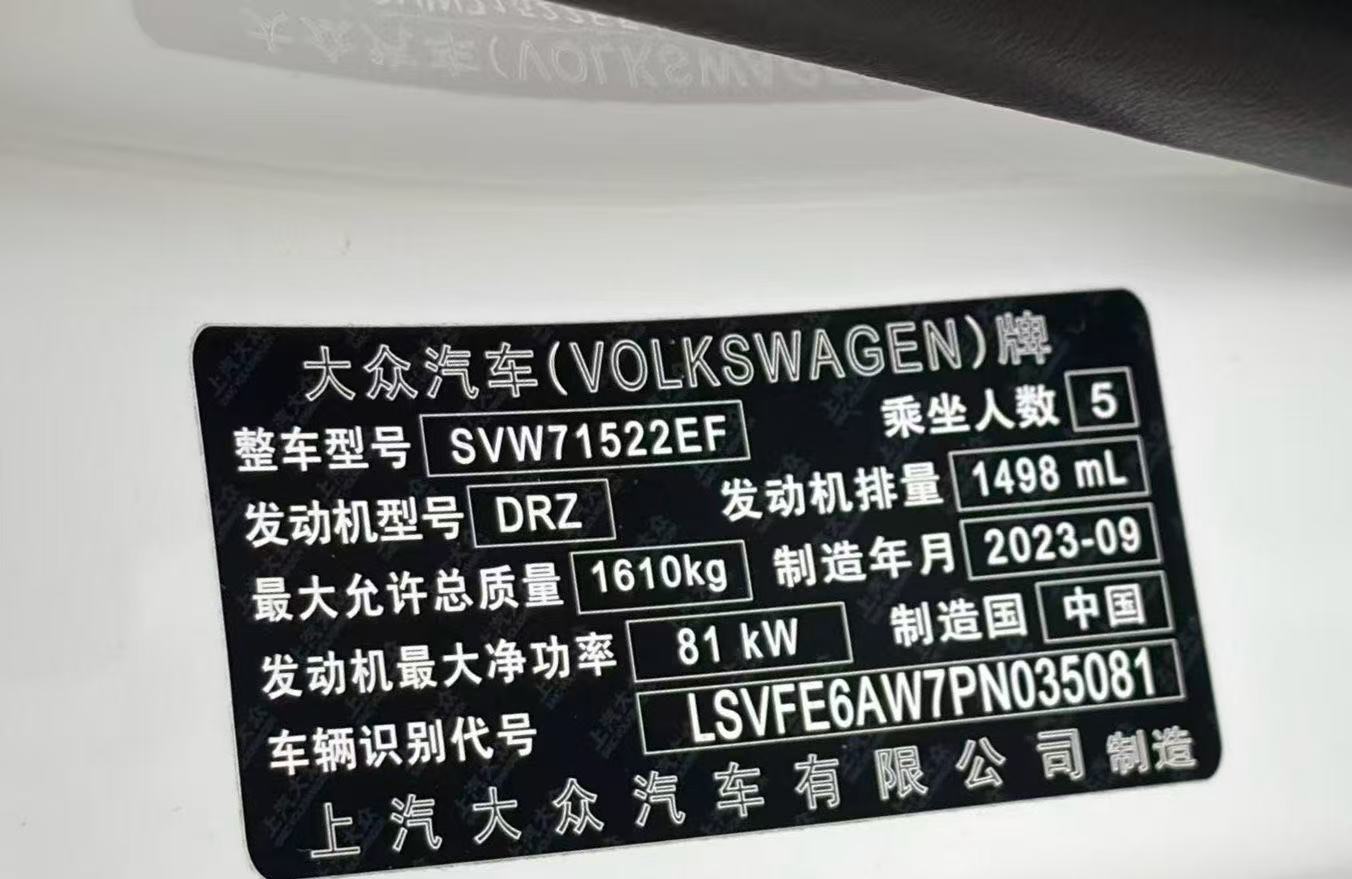
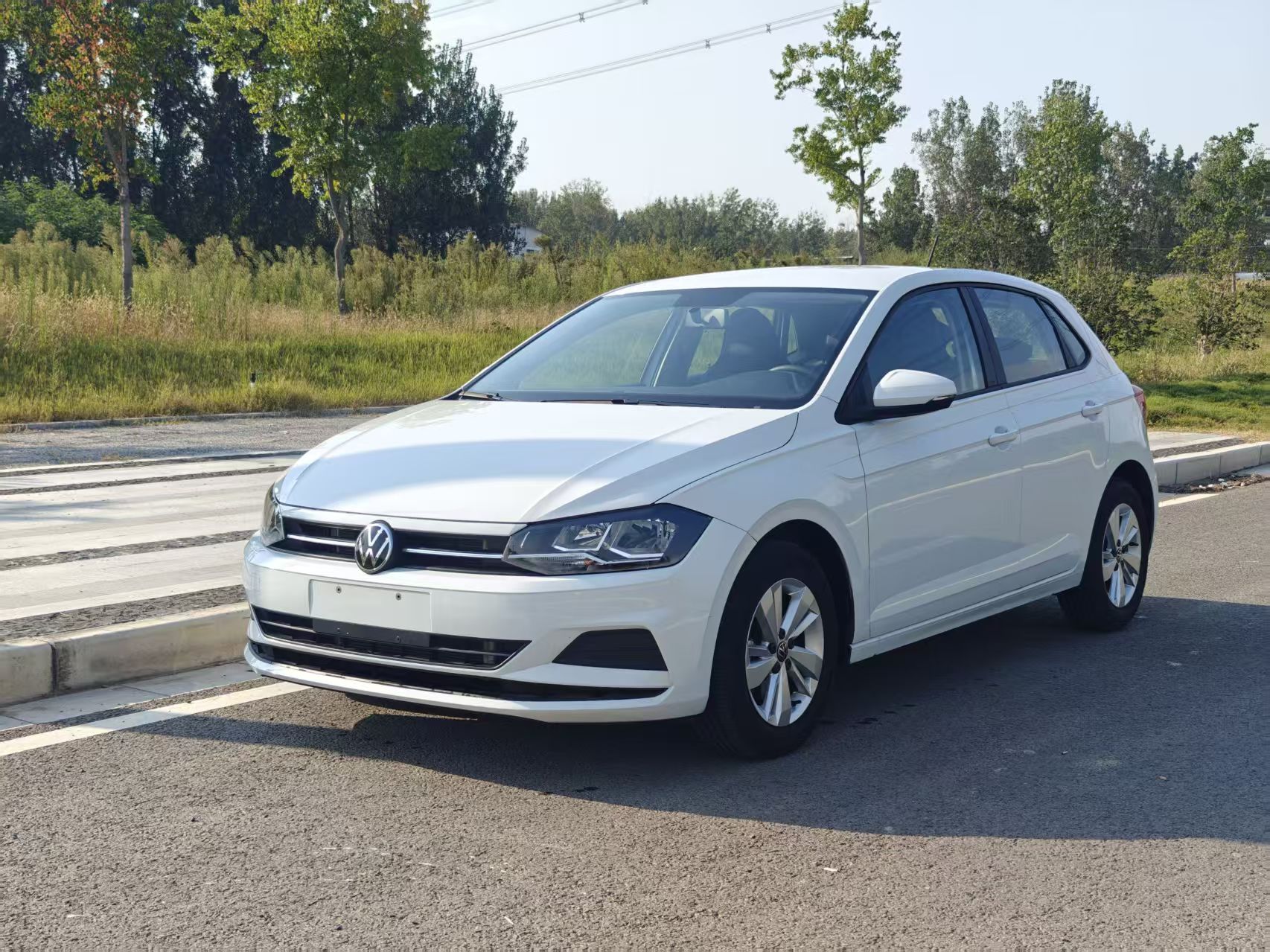
BrandVolkswagen
SeriesPolo
Year2023
First Registration2023/11
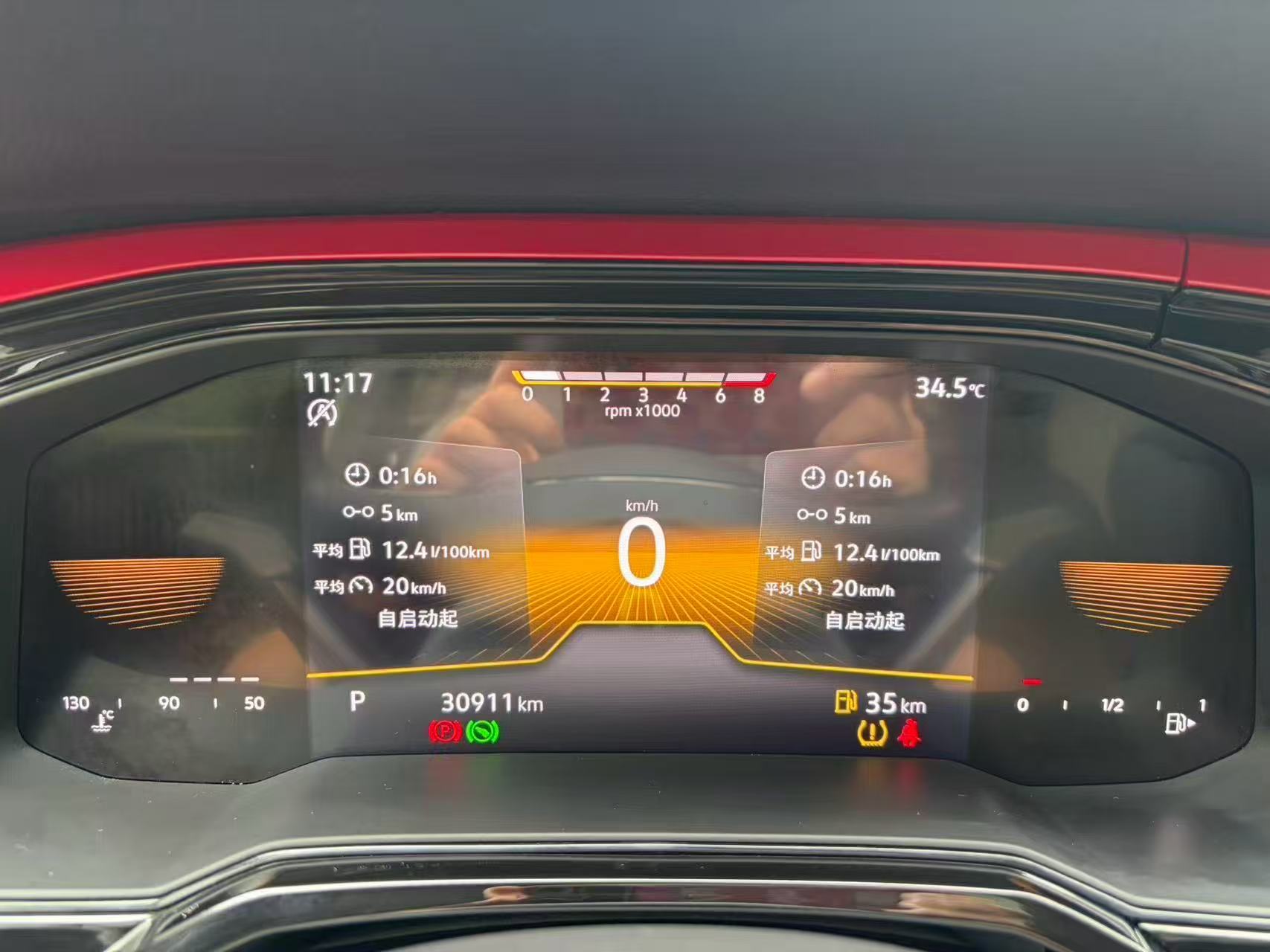
Mileage31,000km
Transfer Count0times
FuelGasoline
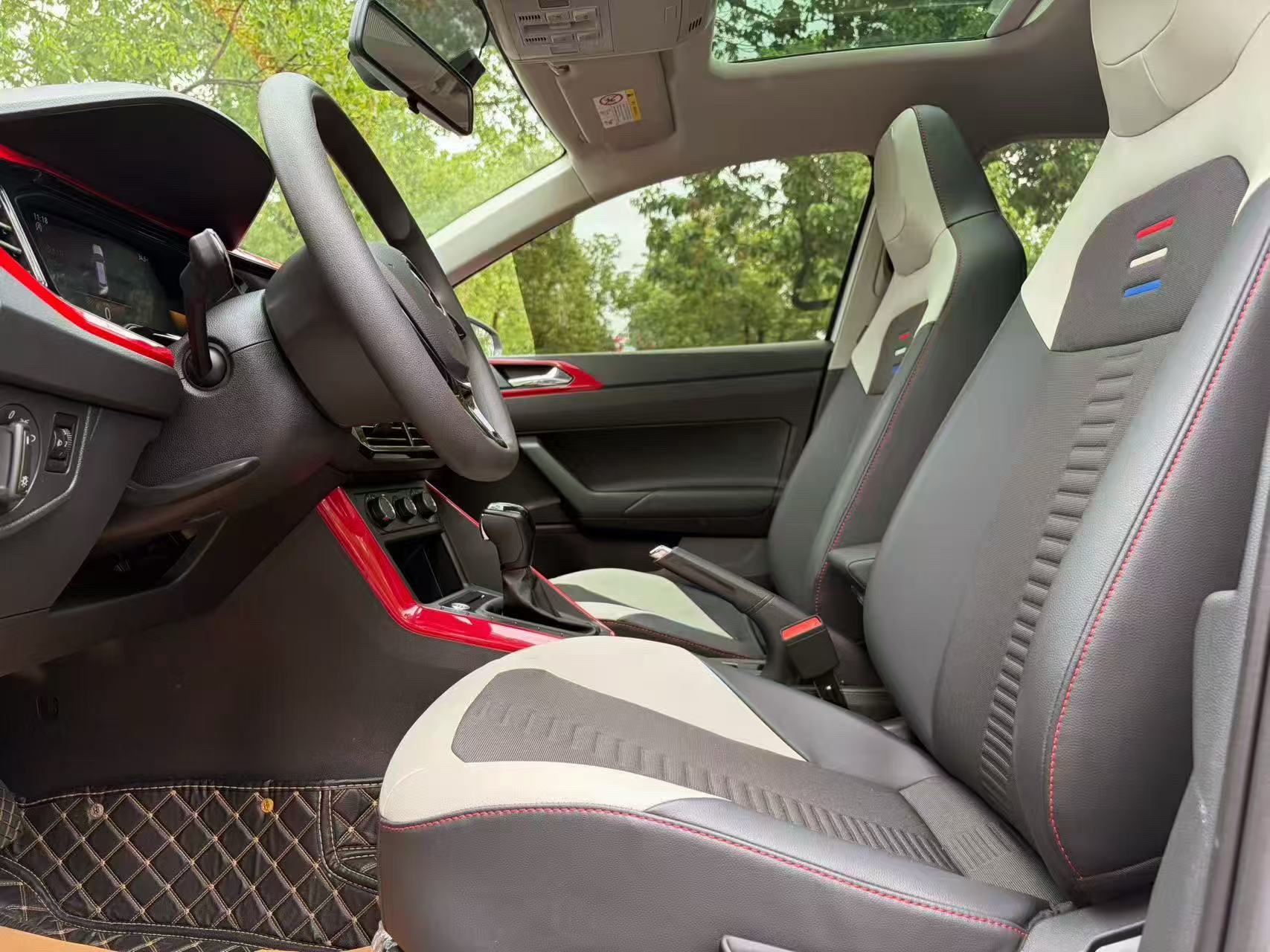
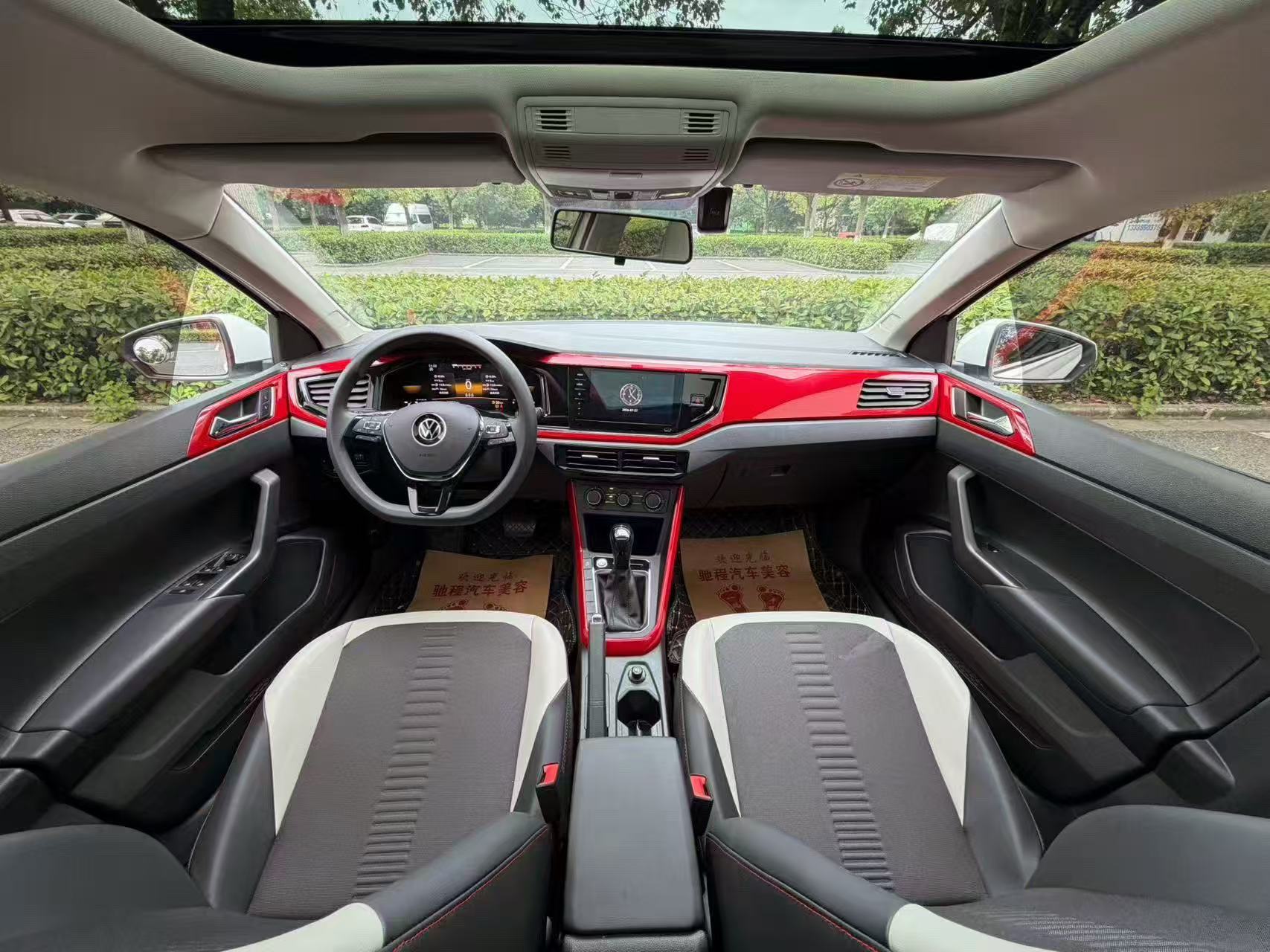
TransmissionManumatic
Engine1.5L 110 L4
ColorWhite
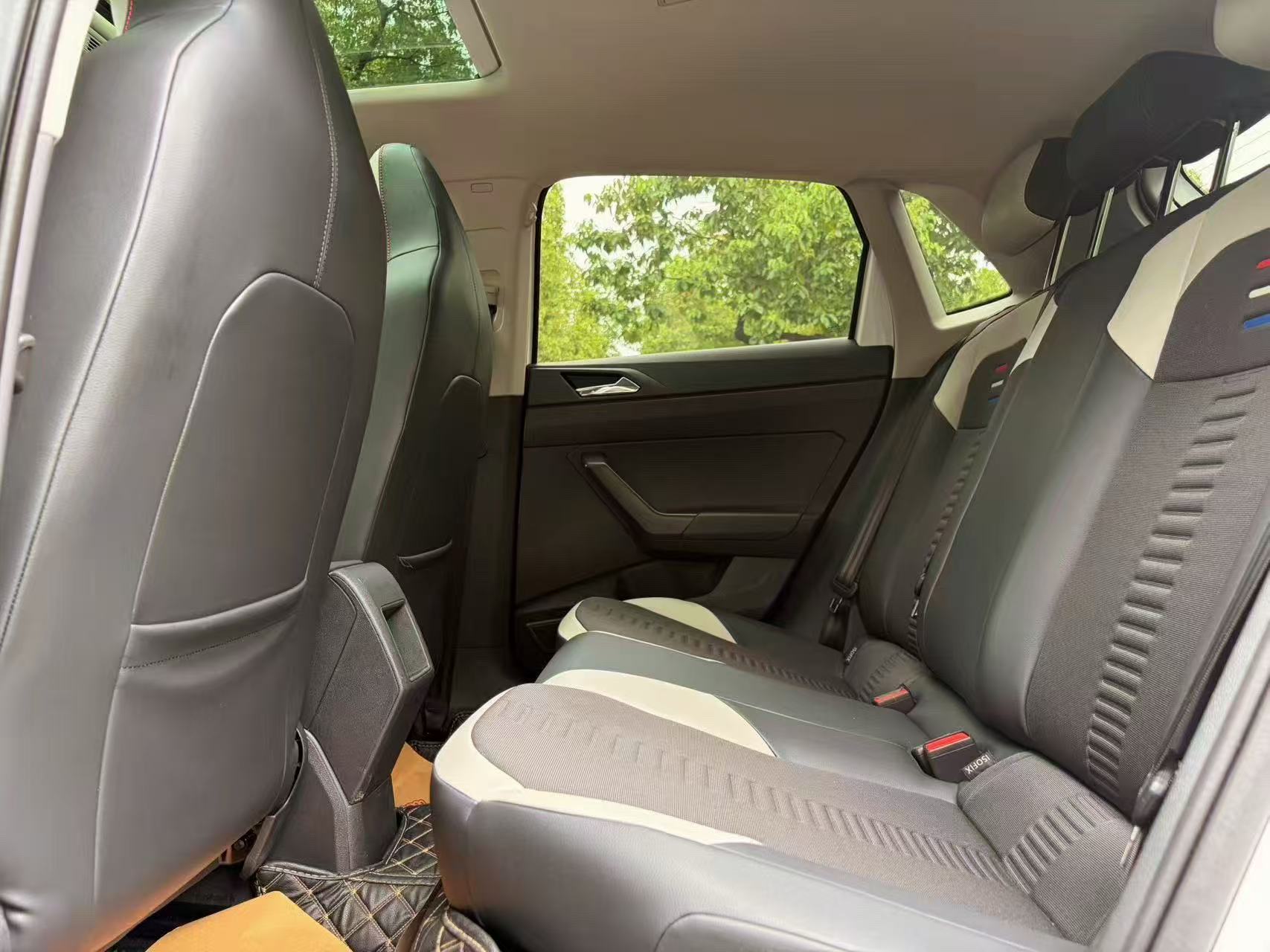
Seats5seats

Condition Description

Left front fender scratches repaired with paint, other parts original paint, manufactured in September 2023.

Q&A

More

Should I ship my car from China in a container or by RoRo vessel?

Both are common, and the right choice depends on budget and destination: 1. Container shipping (20ft/40ft): The car is sealed inside a container, offering better protection and allowing you to load spare parts inside the car. Typical cost from Shanghai to major world ports: $1,500-$3,000 per car. Best for long distances and high-value vehicles. 2. RoRo (roll-on/roll-off): The car is driven onto the ship and secured on deck. Cheaper ($800-$1,800 to most ports) and faster to load, but exposed to weather and port handling. Not all routes offer RoRo service. Transit time examples: to the Gulf 15-25 days, to West Africa 30-45 days, to Latin America 25-40 days, to Europe 20-35 days. Ask your exporter which option serves your destination port, and always insure the shipment for full value.
Can the strength of the energy recovery system in electric vehicles be adjusted with physical buttons?

Most models adjust through the central control screen menu, while a few models (like some BYD or MG) retain physical levers or paddles on the center console or steering wheel. We will check if the drag feel when the system engages is linearly normal.

How are import duties on used cars from China calculated, and which HS code applies?

Used cars are classified under HS heading 8703 (motor vehicles for transport of persons), with the last four digits determined by engine type and size. Gasoline cars usually fall in 8703.21–8703.80 depending on displacement; pure EVs fall under 8703.80; hybrids have their own subheadings. The duty amount depends on your country's tariff schedule: 1. Most countries charge duty on the CIF value (car price + freight + insurance), not the FOB price. 2. Many developing markets levy higher duties on used vehicles than new ones, and some add a surcharge based on age — older cars can cost significantly more to clear. 3. After duty, you typically pay VAT/GST on the CIF + duty total, plus port and customs fees. Practical tips: ask your exporter to state the exact HS code on the commercial invoice and confirm it with a local customs broker before shipping. A wrong code can trigger reclassification, penalties, or delays. Also budget for any excise tax tied to engine capacity — in several markets a 2.5L car clears far cheaper than a 3.5L one.