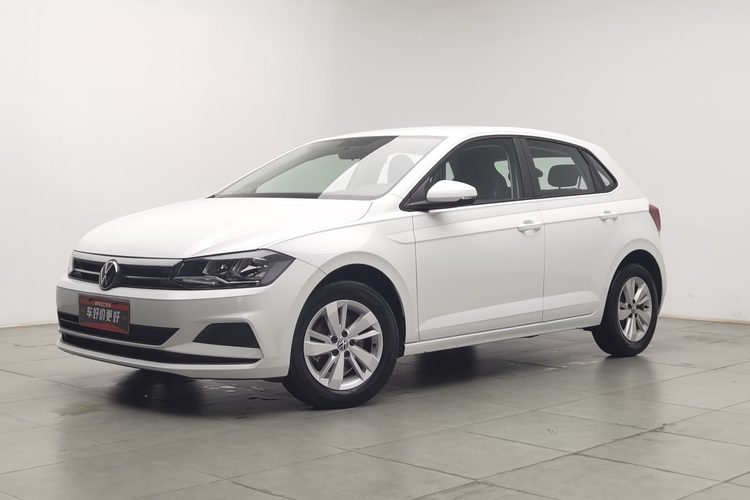
Basic Information

BrandVolkswagen
SeriesPolo
Year2023
First Registration2023/05
Mileage27,000km
Transfer Count0times
FuelGasoline
TransmissionManumatic
Engine1.5L 110 L4
ColorWhite
Seats5seats

Condition Description

General vehicle condition.

Manufactured in April 2023, registered in May 2023, mandatory insurance valid until May 2027, original paint, comes with two keys.

可议价
已上架
新到车源

Configuration Highlights

✓品牌: 大众
✓车系: Polo
✓车型: 大众 Polo 2023款 1.5L 自动 Plus 纵情乐活版
✓能源类型: 燃油车
✓发动机: 1.5L
✓变速箱: 手自一体
✓驱动方式: 前置前驱
✓排放标准: 国VI
✓指导价: 10.09万
✓车源编号: 12760391
✓VIN: LSVFD6AW5PN016550

Document Information

Inspection Expiry Date2029/05
Warranty Expiry Date-
Insurance Expiry Date2027/05

Q&A

More

Can I request the original factory parameter sheet for the vehicle (such as the standard camber angles and toe values) from your after-sales service so I can do a four-wheel alignment locally?

This is after-sales support we are very happy to provide. Since overseas alignment machines often lack databases for Chinese brand vehicles, we will send you screenshots of the core chassis parameters from the service manual, making it easier for your technician to manually input the data for precise adjustments.

If the vehicle's nameplate is worn and unclear, can it be legally re-stamped for customs clearance?

We cannot privately forge or re-stamp the original vehicle nameplate (this is illegal). If the nameplate is unclear, we will rely on the clear VIN on the windshield and the engine stamp as supplementary proof, and we will warn you of this risk before shipping.

How are import duties on used cars from China calculated, and which HS code applies?

Used cars are classified under HS heading 8703 (motor vehicles for transport of persons), with the last four digits determined by engine type and size. Gasoline cars usually fall in 8703.21–8703.80 depending on displacement; pure EVs fall under 8703.80; hybrids have their own subheadings. The duty amount depends on your country's tariff schedule: 1. Most countries charge duty on the CIF value (car price + freight + insurance), not the FOB price. 2. Many developing markets levy higher duties on used vehicles than new ones, and some add a surcharge based on age — older cars can cost significantly more to clear. 3. After duty, you typically pay VAT/GST on the CIF + duty total, plus port and customs fees. Practical tips: ask your exporter to state the exact HS code on the commercial invoice and confirm it with a local customs broker before shipping. A wrong code can trigger reclassification, penalties, or delays. Also budget for any excise tax tied to engine capacity — in several markets a 2.5L car clears far cheaper than a 3.5L one.