Stock

Basic Information

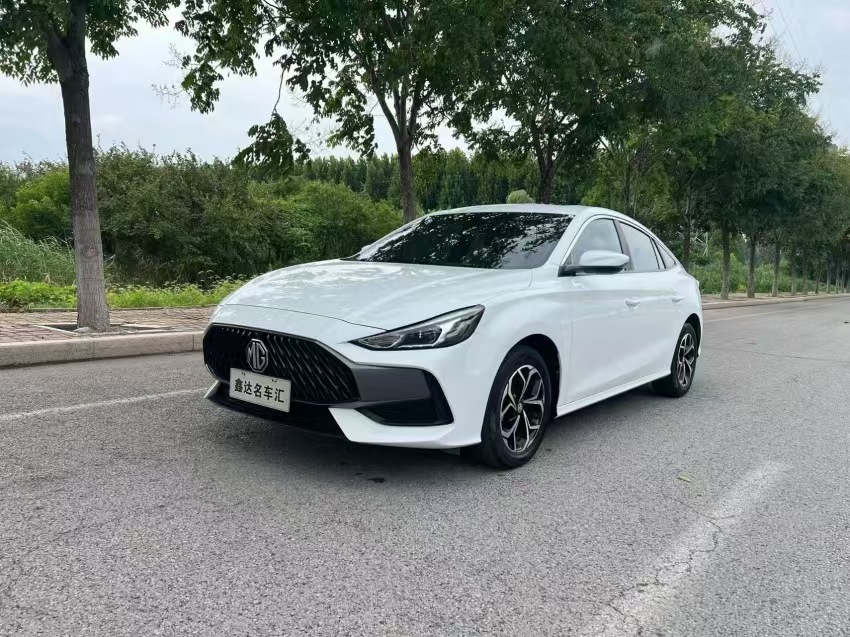
BrandMG
Series5
Year2025
First Registration2025/02
Mileage15,000km
Transfer Count0times
FuelGasoline
TransmissionManual
Engine1.5L 129 L4
ColorWhite
Seats5seats

Condition Description

No odometer tampering, no structural damage, no water damage, no fire damage.

Configuration Highlights

✓Tire Pressure Monitoring
✓Auto Headlights
✓语音识别系统
✓Keyless Start

Document Information

Inspection Expiry Date2027/02
Warranty Expiry Date-
Insurance Expiry Date-

Q&A

More

Has this car previously been used as a test-drive car or display vehicle by a dealer?

Test-drive cars experience much more mechanical wear due to extreme conditions like cold starts and emergency braking compared to regular family cars. We can identify this by tracing whether the first owner was a 4S dealership or the manufacturer. If so, we will reassess its value based on "operational intensity" standards.
How can I verify the mileage and accident history of a used car from China?

Start with the paperwork: the vehicle registration certificate lists every ownership transfer, and the service book plus dealer maintenance records help confirm mileage. For digital verification, ask the seller for a live video walkaround plus a diagnostic scan report showing the ECU-recorded mileage, which is hard to manipulate. For EVs, request a battery state-of-health (SOH) report — it reveals real usage patterns far better than the odometer. Finally, a pre-shipment inspection by a third party should include structural checks (pillars, chassis rails) to rule out accident repairs. Build "no major accident, no flood or fire damage" into your purchase contract with a refund clause if the inspection contradicts it.

When shipping by RoRo vessel, is the "Terminal Handling Charge (THC)" at the destination port prepaid by your freight forwarder or paid by the buyer upon arrival?

Under international practices and our standard CIF/FOB terms, the THC at the port of origin (China) is borne by the seller; all THC and port miscellaneous charges incurred at the destination port during unloading are to be paid by the buyer (consignee) upon local customs clearance and pickup.