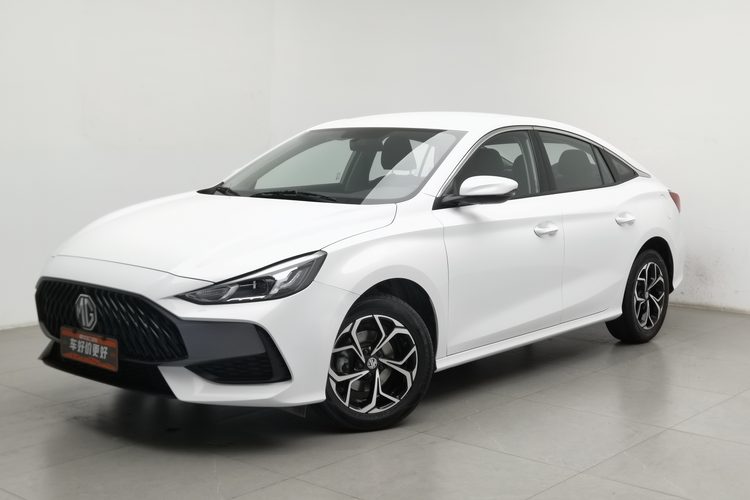
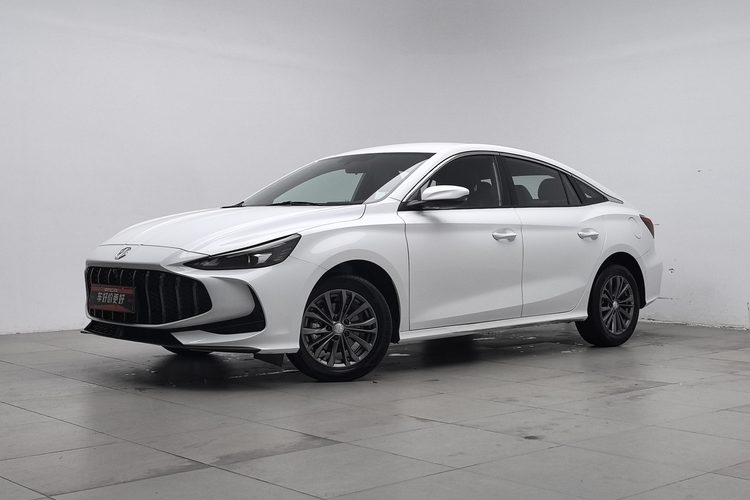
Stock

Basic Information

BrandMG
Series5
Year2020
First Registration2020/11
Mileage33,000km
Transfer Count0times
FuelGasoline
TransmissionCVT
Engine1.5L 120 L4
Color
Seats-

Configuration Highlights

✓上牌时间: 2020-11
✓表显里程: 3.3万公里
✓车源地: 东莞
✓排放标准: 国六
✓发动机: 1.5L
✓轴距: 2680mm
✓变速箱: 自动
✓最大功率: 88kW
✓功能配置: 13项
✓安全配置: 2项
✓动力类型: 前驱
✓空间舒适性: 一般

Q&A

More

Are there specific photos or reports from the lift perspective regarding the concealed parts of the chassis (such as the suspension system and shock absorber leaks)?

Definitely. Lifting the chassis is a mandatory part of our standards. The report will specifically show whether there are oil stains on the front and rear shock absorber cylinders, if the rubber boots of the lower control arm ball joints are torn, and if the steering tie rods are loose or deformed.

How to ensure compliance for countries that strictly prohibit the import of vehicles containing any asbestos (like Australia)?

Chinese passenger cars produced after 2005 have fully transitioned to asbestos-free brake pads, clutch plates, and gaskets. However, for export to countries with strict regulations, buyers must pay for sampling and testing by a NATA-accredited laboratory before shipment, and obtain an asbestos-free certificate.

How are import duties on used cars from China calculated, and which HS code applies?

Used cars are classified under HS heading 8703 (motor vehicles for transport of persons), with the last four digits determined by engine type and size. Gasoline cars usually fall in 8703.21–8703.80 depending on displacement; pure EVs fall under 8703.80; hybrids have their own subheadings. The duty amount depends on your country's tariff schedule: 1. Most countries charge duty on the CIF value (car price + freight + insurance), not the FOB price. 2. Many developing markets levy higher duties on used vehicles than new ones, and some add a surcharge based on age — older cars can cost significantly more to clear. 3. After duty, you typically pay VAT/GST on the CIF + duty total, plus port and customs fees. Practical tips: ask your exporter to state the exact HS code on the commercial invoice and confirm it with a local customs broker before shipping. A wrong code can trigger reclassification, penalties, or delays. Also budget for any excise tax tied to engine capacity — in several markets a 2.5L car clears far cheaper than a 3.5L one.