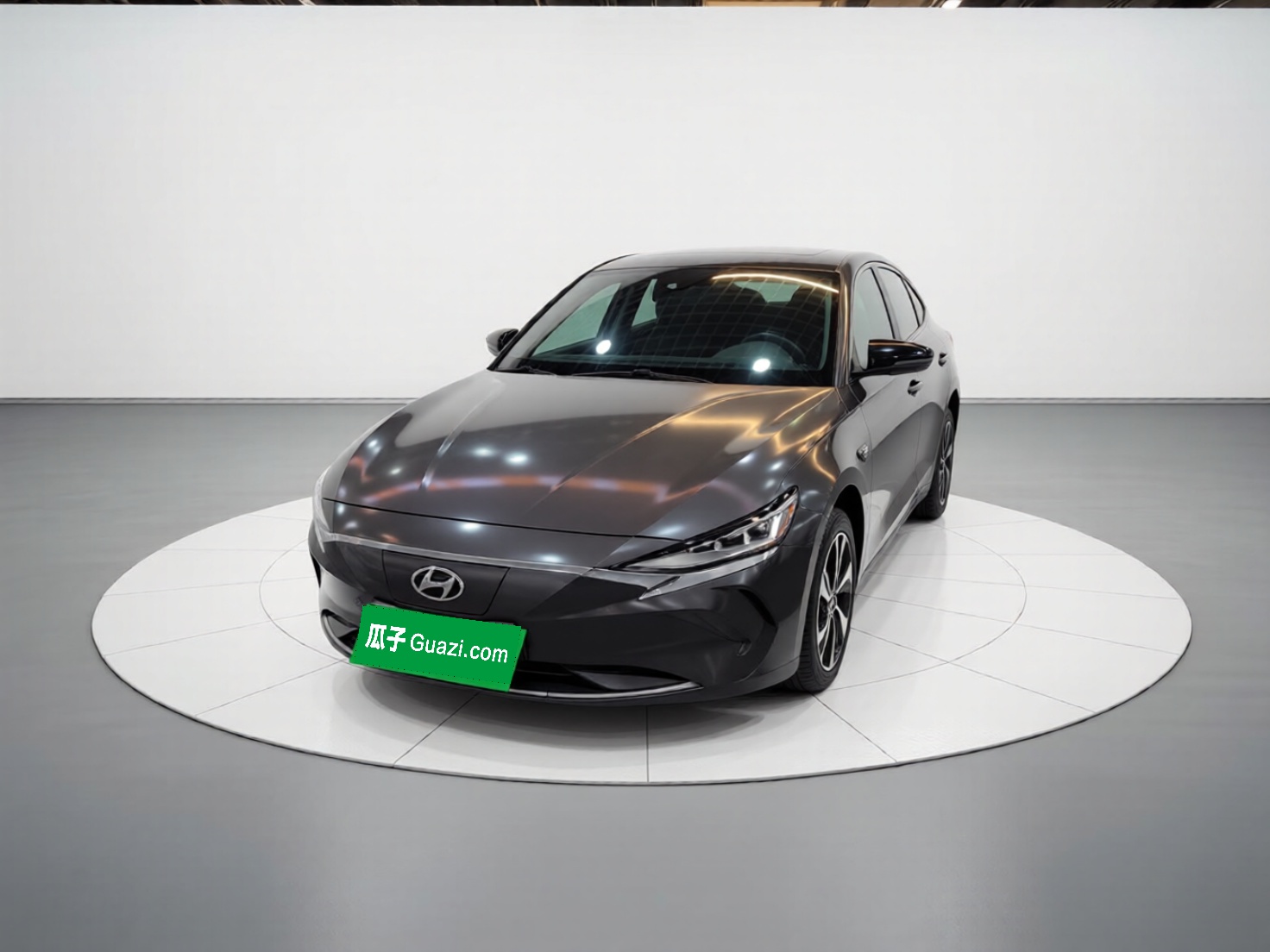
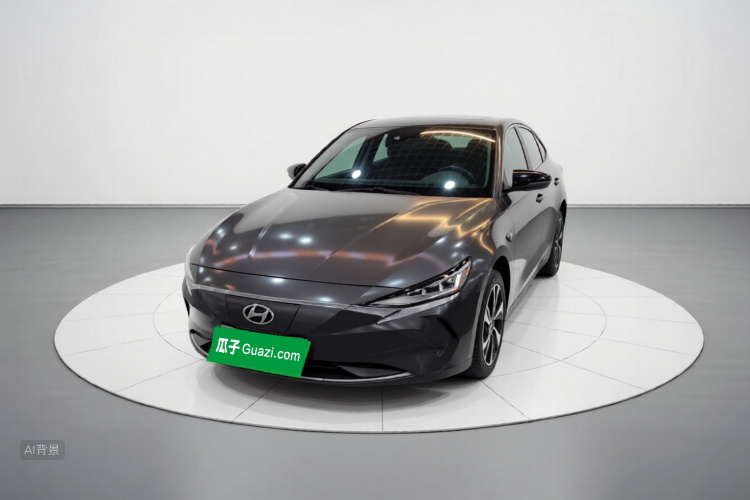
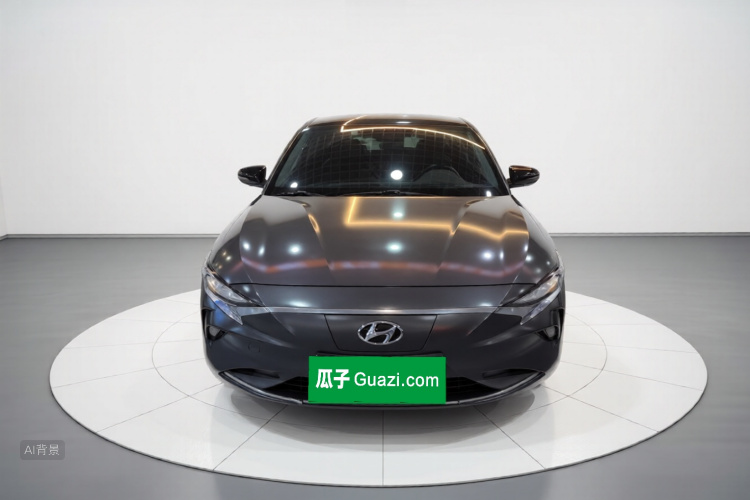
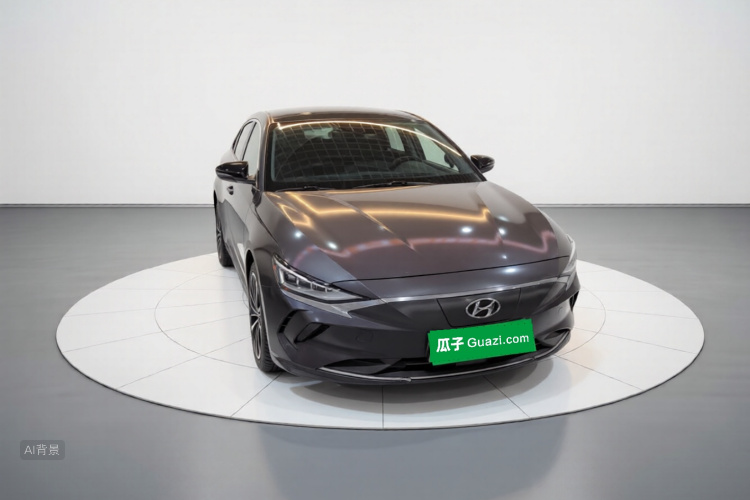
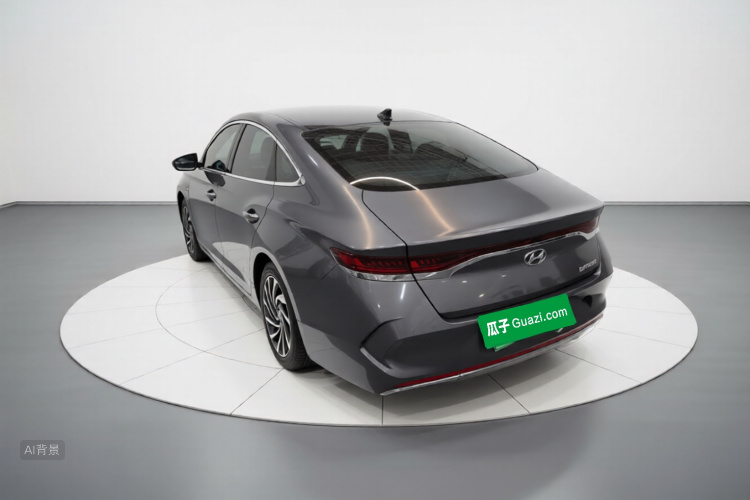
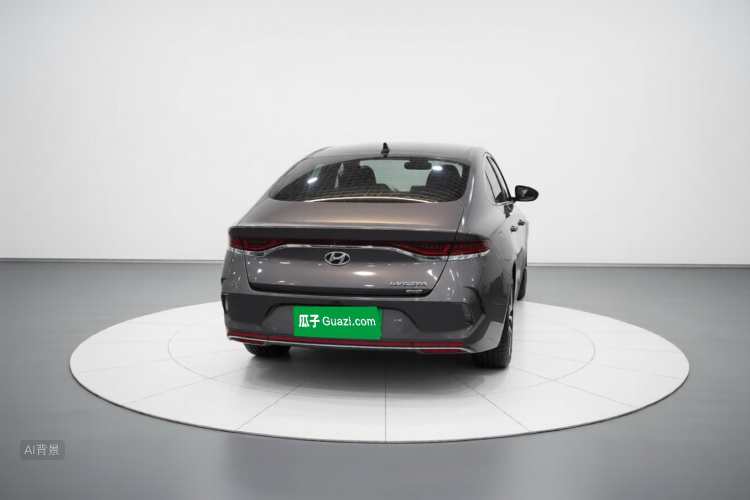
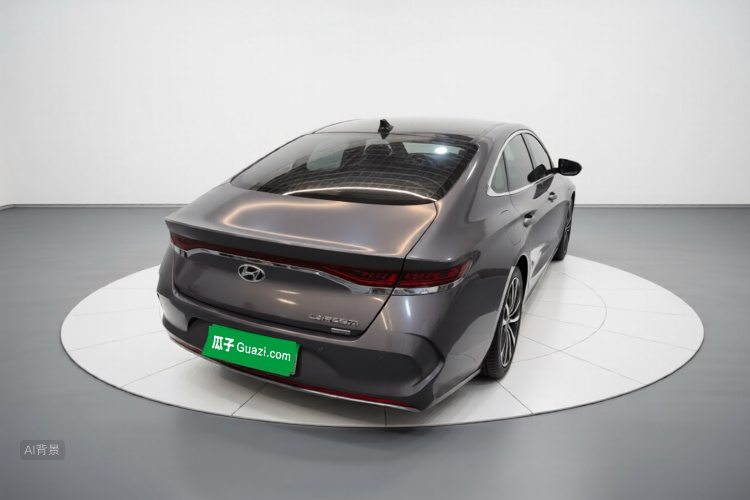
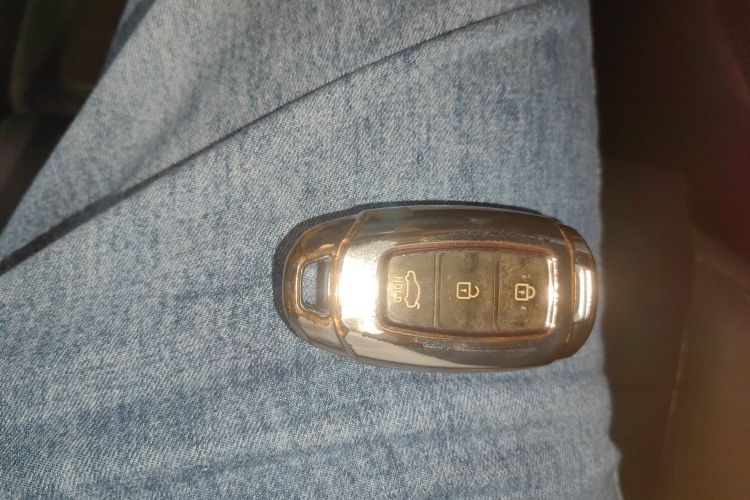
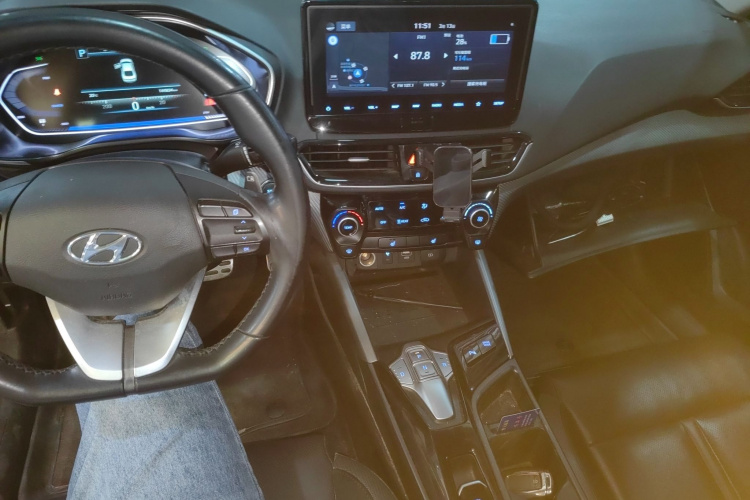
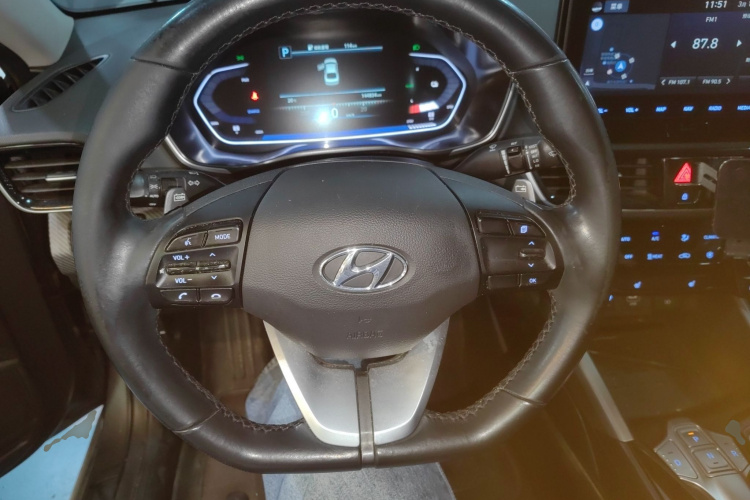
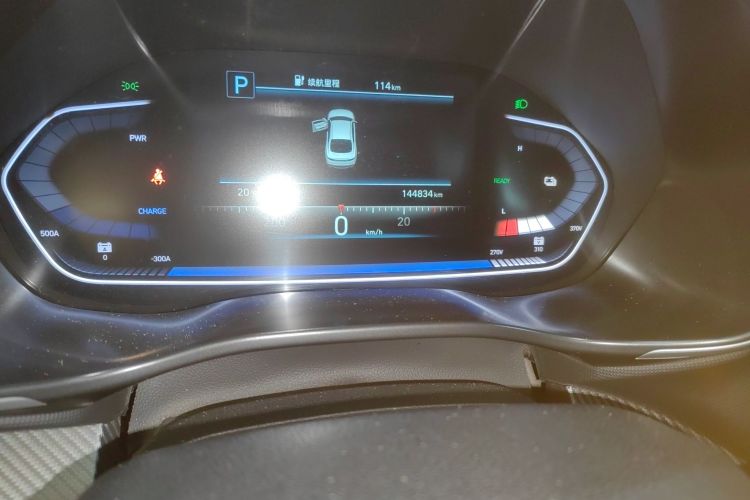
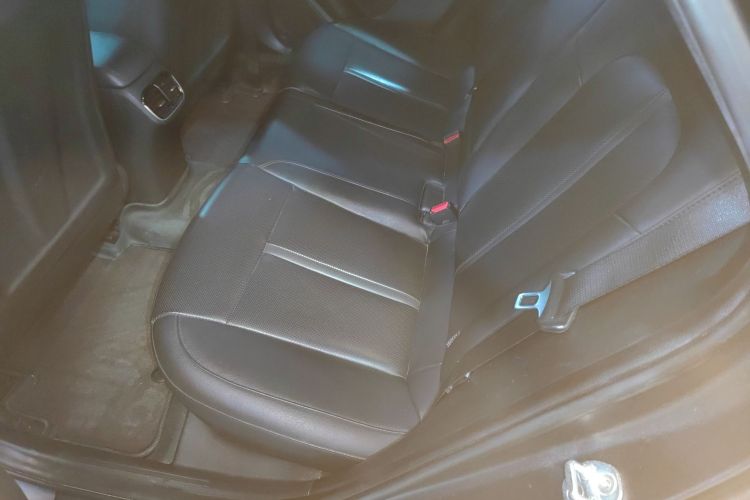

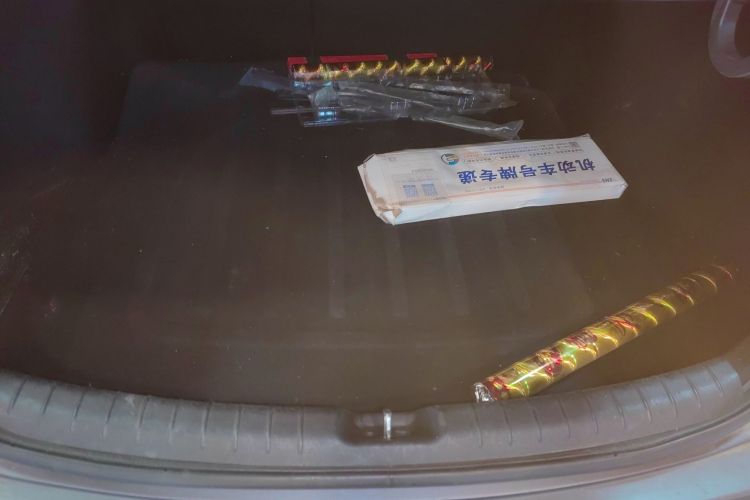
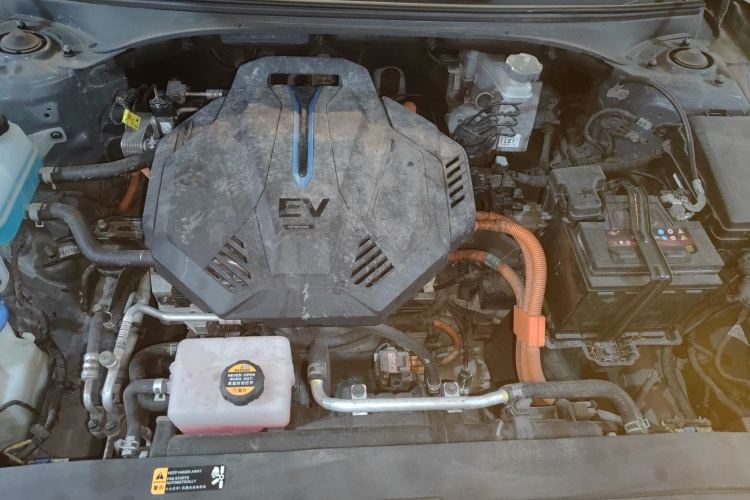



Basic Information

BrandHyundai
SeriesLafesta EV
Year2021
First Registration2021/11
Mileage144,800km
Transfer Count1times
FuelElectric
TransmissionOther
Engine-
ColorGrey
Seats5seats

Condition Description

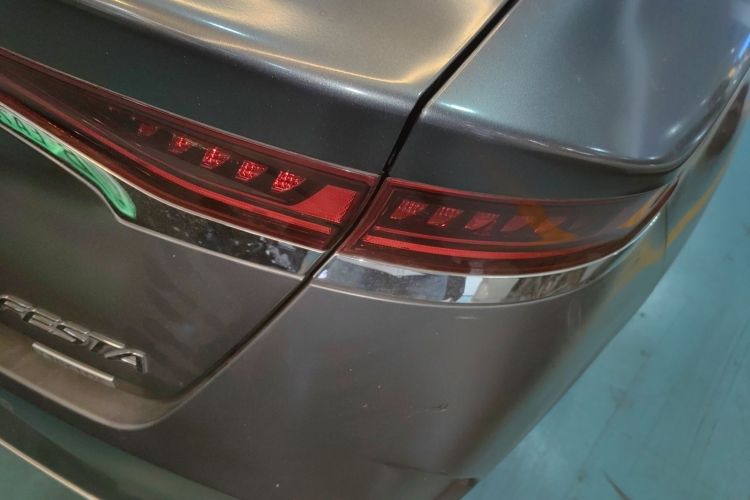
Vehicle condition meets standards; inspection passed; vehicle condition meets standards; 3 claims filed; 1 ownership transfer completed.

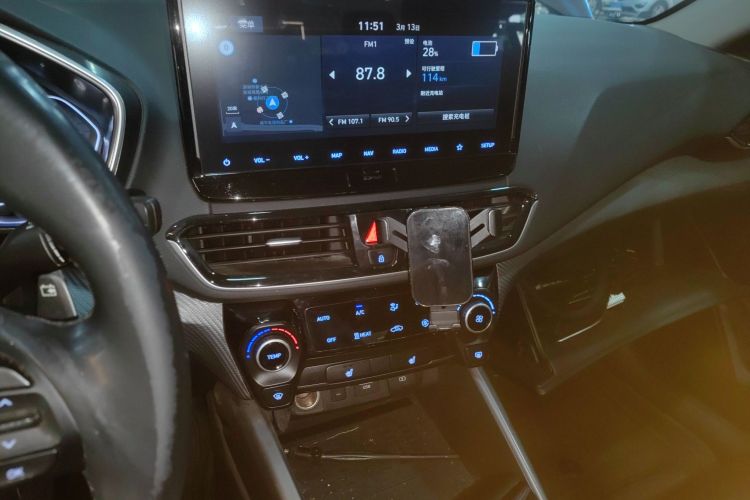
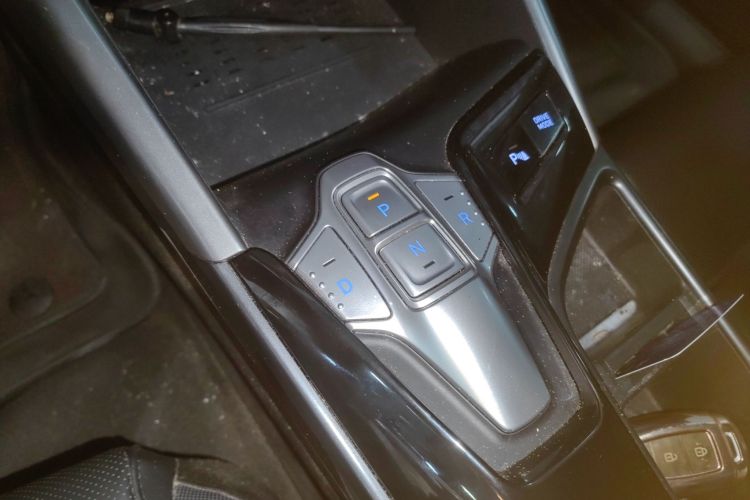
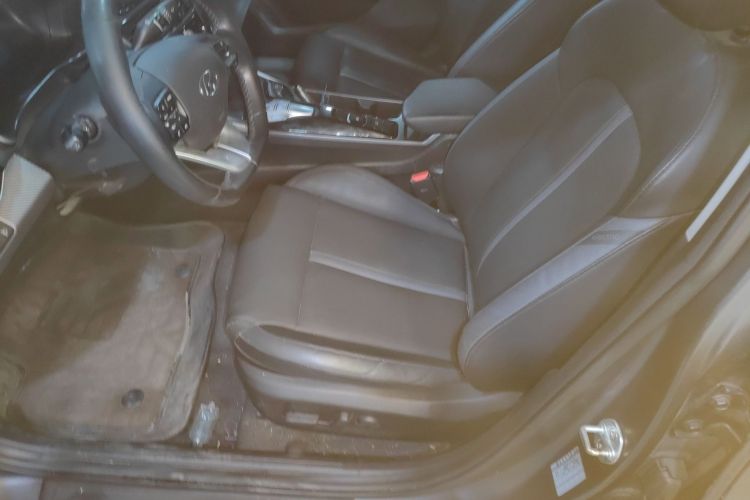
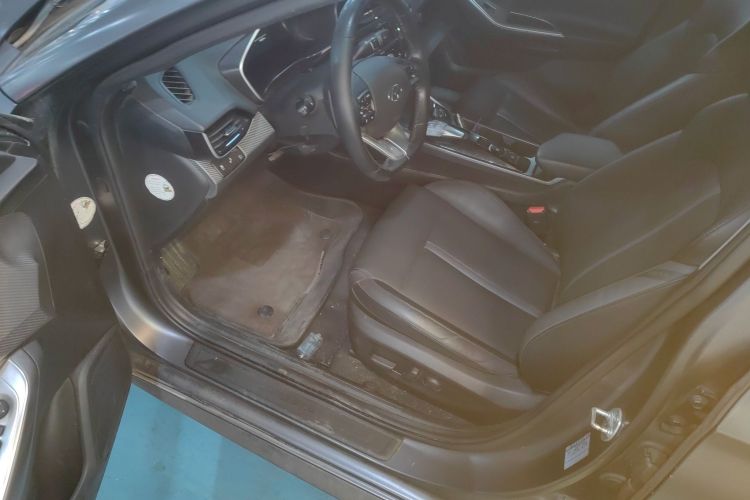
This Hyundai Festa EV features a single-speed transmission, a range of up to 490 kilometers, rich and practical features, and an excellent driving experience. It includes lane departure warning, a rearview camera, and smartphone connectivity for enhanced convenience and safety. The interior is luxurious, the seats are comfortable, the space is spacious, and it offers great value for money, making it a good choice in the compact car segment. This particular vehicle is 5 years old, with an average annual mileage of 29,000 kilometers, indicating high usage frequency. It has one previous ownership transfer record; the exterior may show noticeable signs of wear and tear; the interior shows obvious signs of use or dirt; the overall body structure is intact, but there are a few minor abnormalities; the powertrain is functioning normally.

Configuration Highlights

✓Kick-sensor Trunk
✓Blind Spot Assist
✓Smartphone Connectivity
✓High Beam Assist
✓Front Radar
✓Auto Hold
✓Keyless Entry
✓Backup Camera
✓High-definition Low Beam
✓Power Folding Mirrors
✓Power Seats
✓Auto Headlights
✓Keyless Start
✓Rear Air Vents
✓Tire Pressure Monitoring
✓Heated Mirrors
✓Hill Start Assist
✓Rear Parking Sensors
✓Anti-pinch Windows

Q&A

More

What is a Certificate of Origin and why do I need one when importing a car from China?

A Certificate of Origin (C/O) is an official document stating where the vehicle was manufactured. Customs authorities use it to decide which tariff rates and trade agreements apply to your import. Why it matters: many countries offer preferential tariffs for certain origins. With a valid C/O, such as the ASEAN-China Form E or a GSP Form A, you may pay reduced or zero duty. Without it, you typically pay the standard, higher rate. The certificate must match the vehicle exactly: VIN, make, model and invoice details. It is usually issued by the China Council for the Promotion of International Trade (CCPIT) or customs authorities. Practical tips: request the C/O before shipment, because adding it later is slow; check that your country's customs accepts the specific C/O format; and confirm with your broker whether your vehicle category qualifies for preferential rates. This single document can save you thousands in duty.

Will you provide a full vehicle electronic fault code scan report read by the OBD (On-Board Diagnostics) computer?

Yes. We will use a professional diagnostic tool to scan all vehicle systems, including the Engine Control Unit (ECU), Transmission Control Module (TCM), Anti-lock Braking System (ABS), and Airbag Module (SRS), and provide English screenshots of all current and historical Diagnostic Trouble Codes (DTCs).

How is payment typically structured when buying a used car from a Chinese exporter, and how do I stay safe?

A typical payment structure looks like this: 1. Deposit: 10-30% after you confirm the car and price, often to reserve the vehicle and start the inspection. 2. Balance: paid after you approve the inspection report, but before or at shipment. A common safeguard is paying against a copy of the bill of lading, with telex release of the original B/L after funds arrive. 3. Never send 100% upfront to a new supplier. Use traceable methods (T/T bank transfer to a corporate account matching the company name, or escrow for first orders) and keep every agreement in writing. 4. Timeline: quote within days, inspection 3-7 days, booking and loading 1-2 weeks, ocean transit 3-6 weeks, customs clearance 3-10 days. Red flags: personal bank accounts, pressure to skip inspection, prices far below market.

Hyundai Lafesta EV

现代 菲斯塔纯电动 2020款 GLX智捷版

EXW: $8,061
Car CodeSWA1629816
Publish Date