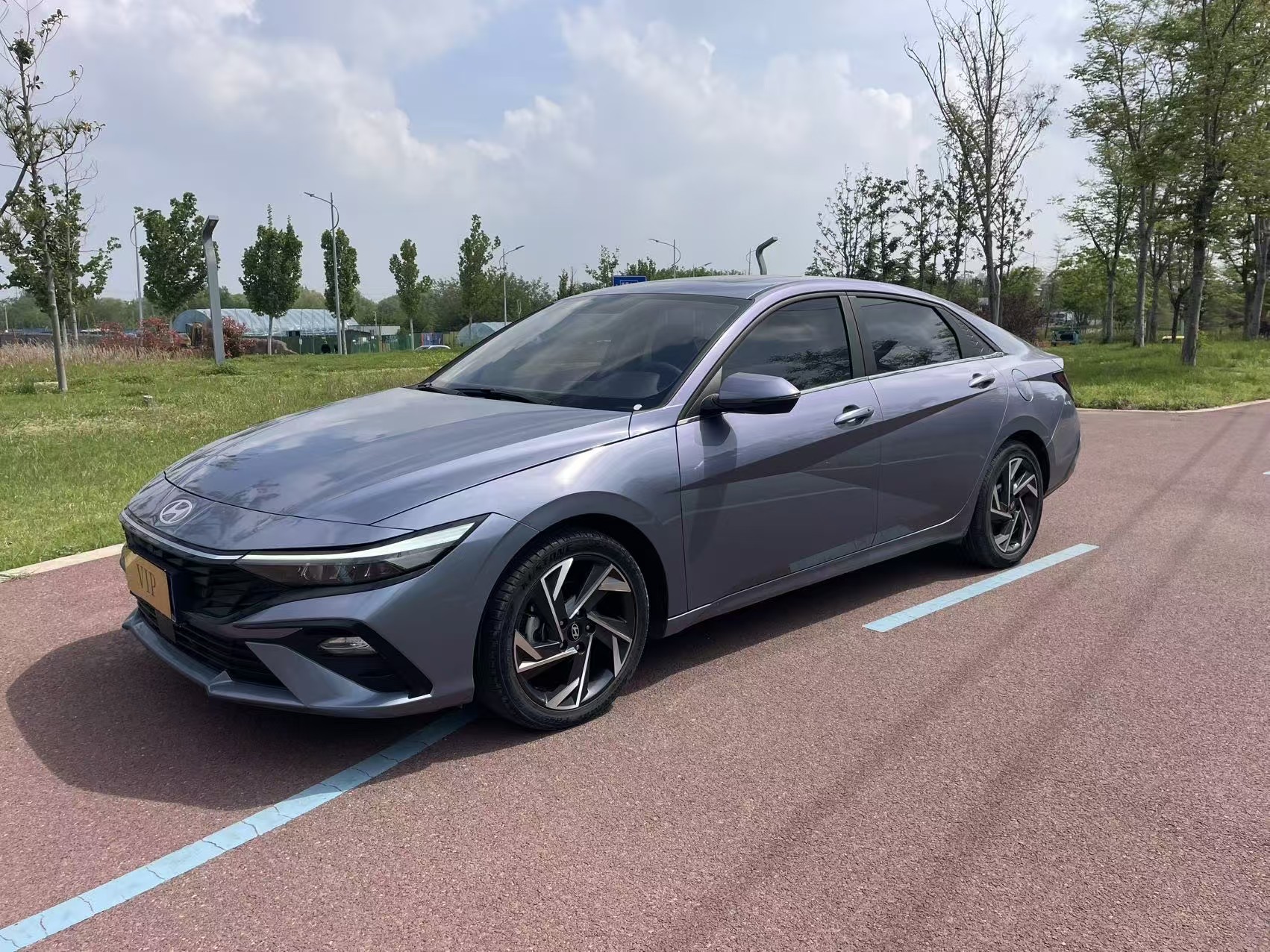
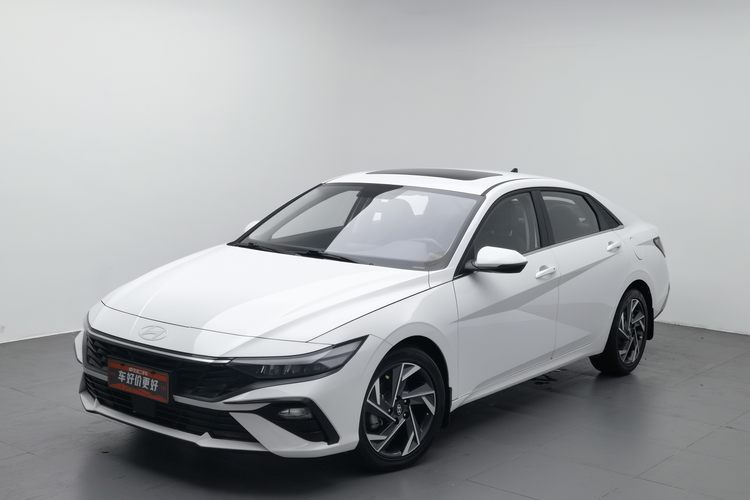
Basic Information

BrandHyundai
SeriesElantra
Year2024
First Registration2024/04
Mileage0.6km
Transfer Count-
FuelGasoline
TransmissionCVT
Engine1.5L 115 L4
ColorWhite
Seats5seats

Condition Description

[Vehicle Condition] Original paint [Inspection] Cha Doctor S-Class [Transfer of Ownership] 0 times [Insurance] Last warranty date: 2026-04-24 [Documents] Vehicle registration certificate, vehicle license, 2 keys [Records] Accident history ✅, Maintenance history ✅

Configuration Highlights

✓Driver/Passenger Airbags
✓Front/Rear Side Airbags
✓Front/Rear Curtain Airbags
✓Tire Pressure Monitoring
✓ISOFIX Child Seat Anchors
✓Keyless Start System
✓Keyless Entry System
✓ABS Anti-lock Braking
✓Electronic Brake Distribution
✓Electronic Stability Control
✓Hill Start Assist
✓Auto Hold
✓Kick-sensor Trunk
✓Multifunction Steering Wheel
✓Front Parking Sensors
✓Seat Material
✓Low Beam Headlights
✓Daytime Running Lights
✓Auto Headlights
✓Adjustable Headlight Height
✓Power Windows
✓Anti-pinch Windows
✓Climate Control Type
✓Rear Air Vents

Q&A

More

If the previous owner modified the vehicle (like wheels or exhaust), will you keep it or restore it?

Unless the previous owner retained the original parts and provided them to us, we usually keep the existing modifications and clearly state in the report "includes non-original modifications." Since the standards for illegal modifications vary by country, buyers should assess whether these modifications can legally pass inspection in their destination country.
If a problem arises after the car arrives, how are disputes and claims typically handled with a Chinese exporter?

Handling claims with an overseas exporter works best when expectations are set before payment. Prevention: put the inspection standard, photo/video evidence requirements, and a dispute clause into the sales contract. Keep all chat records and payment receipts. Typical process if issues arise: 1) Notify the exporter within 48-72 hours of delivery with photos/videos as evidence. 2) Most disputes fall into two buckets: shipping damage (handled via marine insurance — this is why insurance matters) or undisclosed mechanical defects (handled per contract, often via partial refund, spare parts, or repair cost sharing). Realistic expectations: exporters rarely accept returns, so negotiate compensation instead. A reputable company will usually cover reasonable repair costs for defects confirmed to pre-exist shipment. Tip: for higher-value cars, hire a local third-party inspection at destination as final evidence — it strengthens any claim significantly.

If a coup occurs in the destination country or if import regulations are suddenly changed, preventing the vehicle from clearing customs, does this count as force majeure?

It completely falls under force majeure. After the delivery is completed (crossing the ship's rail) under FOB or CIF terms, the seller (us) bears no liability for refunds or compensation due to political risks or legal changes in the destination country that hinder customs clearance or lead to confiscation.