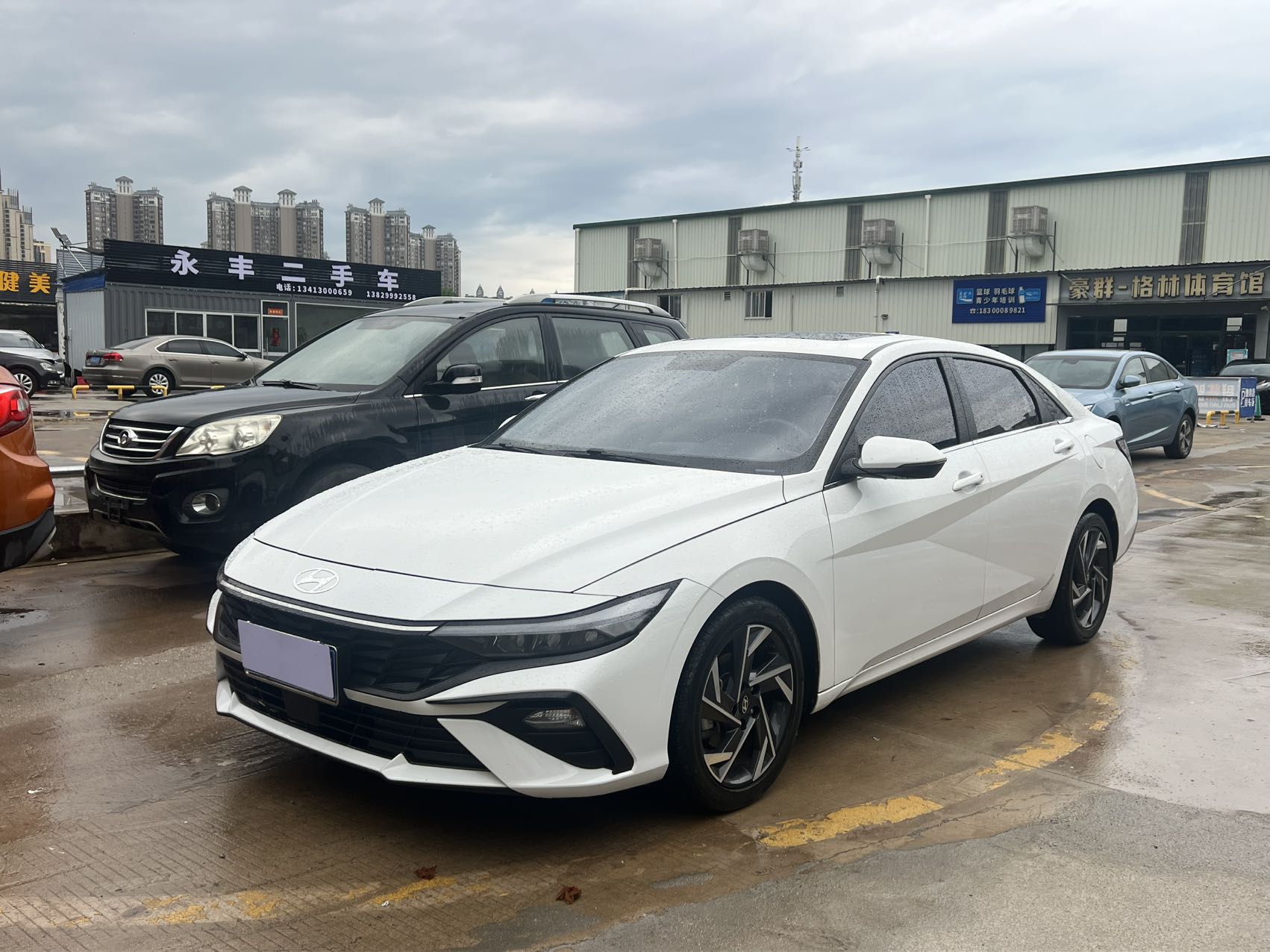
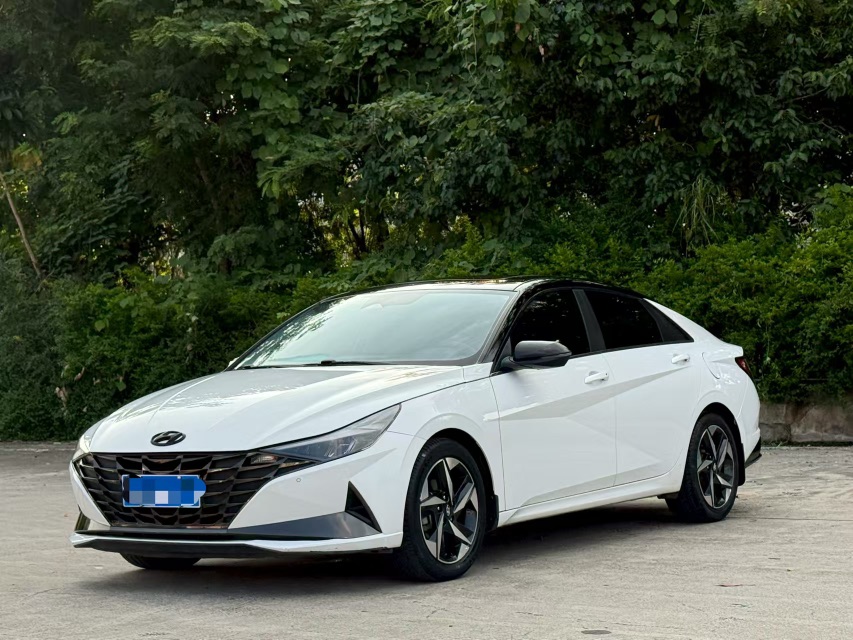
Basic Information

BrandHyundai
SeriesElantra
Year2022
First Registration2022/07
Mileage5.8km
Transfer Count2times
FuelGasoline
TransmissionCVT
Engine1.5L 115 L4
ColorWhite
Seats-

Condition Description

Original paint, 58,000 km odometer, 0 claims.

Configuration Highlights

✓Driver/Passenger Airbags
✓Front/Rear Side Airbags
✓Front/Rear Curtain Airbags
✓Tire Pressure Monitoring
✓ISOFIX Child Seat Anchors
✓Keyless Start System
✓Keyless Entry System
✓ABS Anti-lock Braking
✓Electronic Brake Distribution
✓Electronic Stability Control
✓Hill Start Assist
✓Auto Hold
✓Kick-sensor Trunk
✓Multifunction Steering Wheel
✓Front Parking Sensors
✓Seat Material
✓Low Beam Headlights
✓Daytime Running Lights
✓Auto Headlights
✓Adjustable Headlight Height
✓Power Windows
✓Anti-pinch Windows
✓Climate Control Type
✓Rear Air Vents

Q&A

More

What are "fire-damaged" or "flood-damaged" cars? How do you completely rule them out?

We thoroughly rule them out by checking if the cabin wiring harness is melted, if the seat belts have water stains or mold, if there is unusual rust or debris in the seat tracks and cigarette lighter, and by verifying with the insurance company for any "total loss claims." These two types of cars are an absolute sales ban for us.
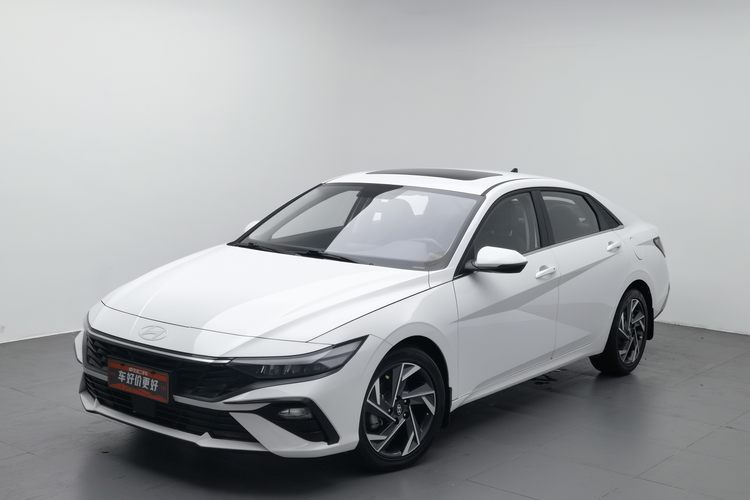
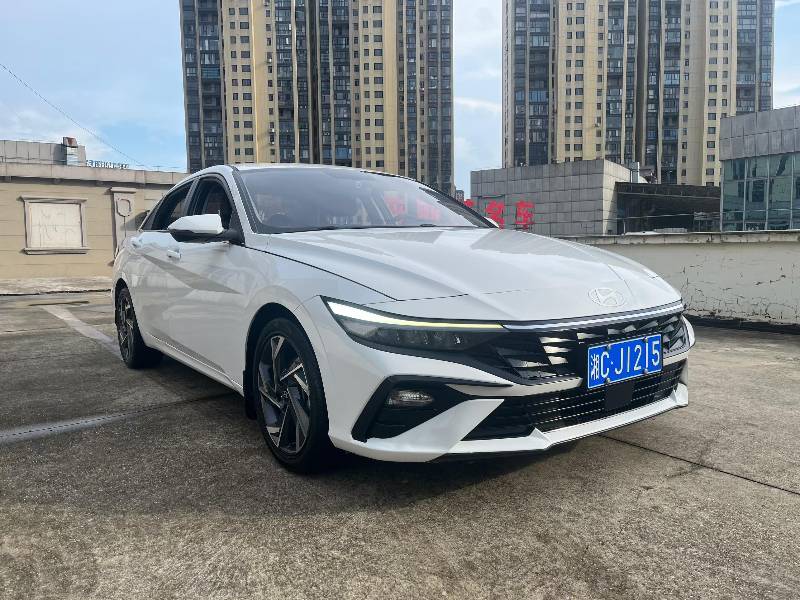
What qualifications do the third-party testing organizations have? Are they internationally recognized (e.g., SGS)?

We mainly collaborate with professional organizations certified by China's national CMA (Certification of Inspection and Testing Institutions). If you need the highest level of international endorsement, we can arrange for independent inspection agencies like SGS or TÜV to conduct Pre-Shipment Inspections (PSI) before loading at the port.

Why are the shipping costs for used electric vehicles (EVs) usually higher than for internal combustion engine vehicles (ICEs)?

Pure electric vehicles are classified as Class 9 Dangerous Goods due to their large lithium batteries, leading to strict shipping regulations. Shipping companies have high requirements for the loading position and fire isolation measures for dangerous goods, and some roll-on/roll-off ships refuse to accept used EVs. As a result, EVs often require more expensive special container shipping and incur additional handling fees for hazardous materials.