


Basic Information

BrandHongQi
SeriesShengShi
Year2024
First Registration2024/07
Mileage11,000km
Transfer Count-
FuelGasoline
TransmissionManumatic
Engine-
Color香槟色
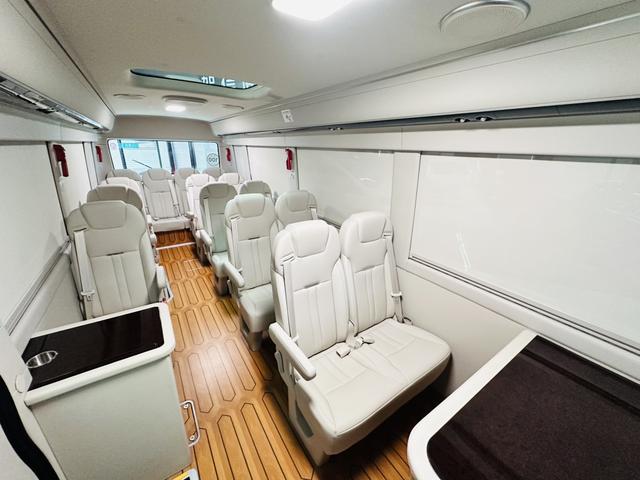
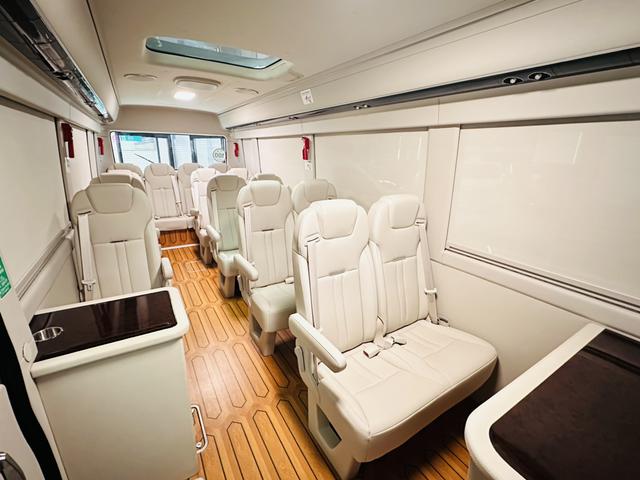
Seats17seats

Condition Description

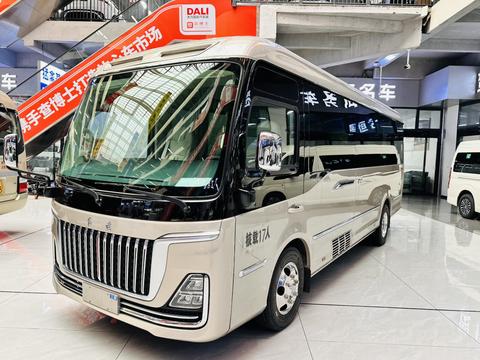
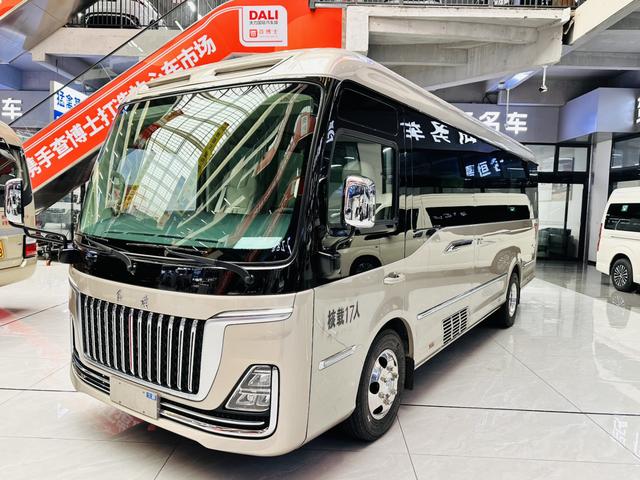
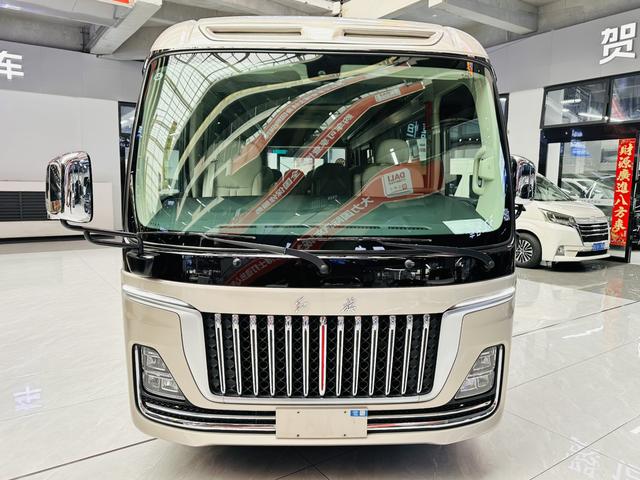
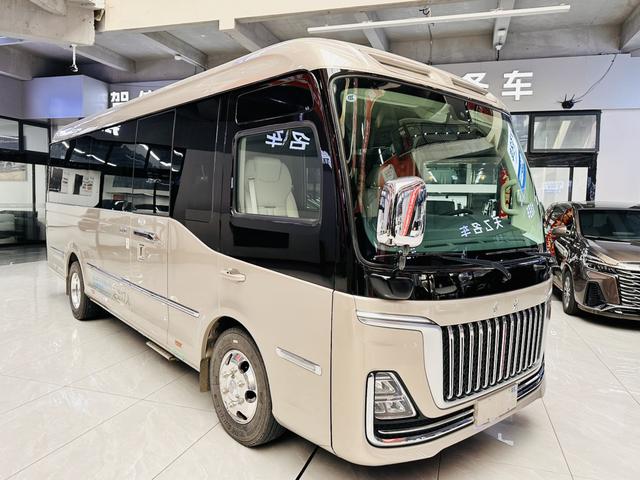
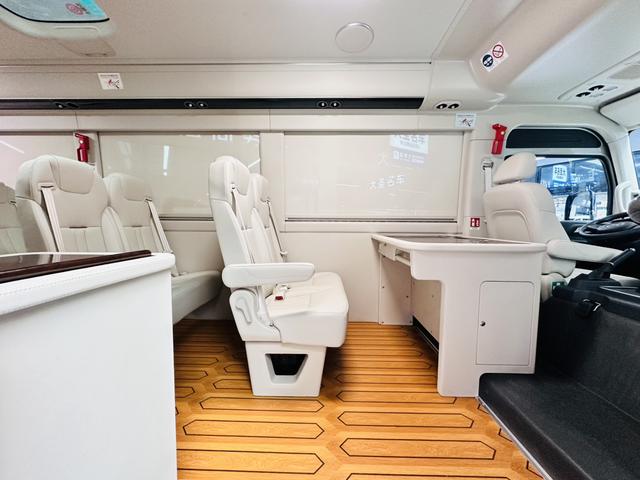
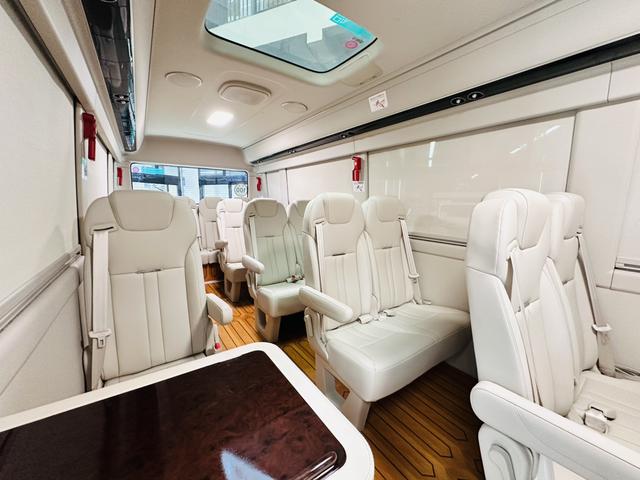
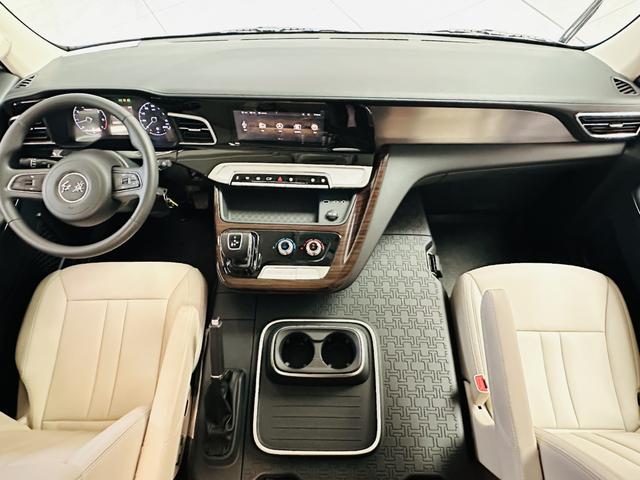
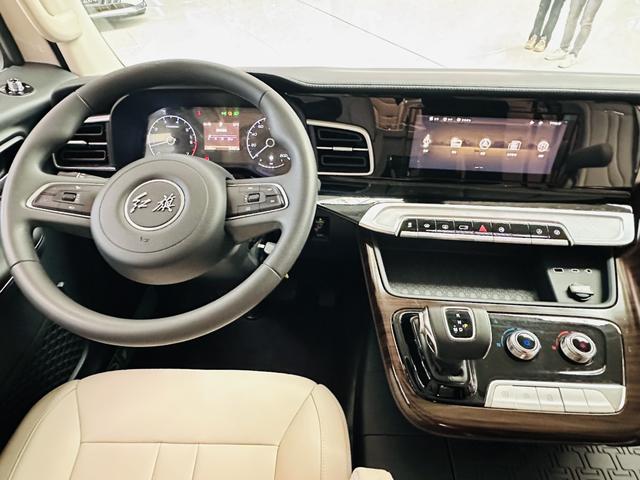
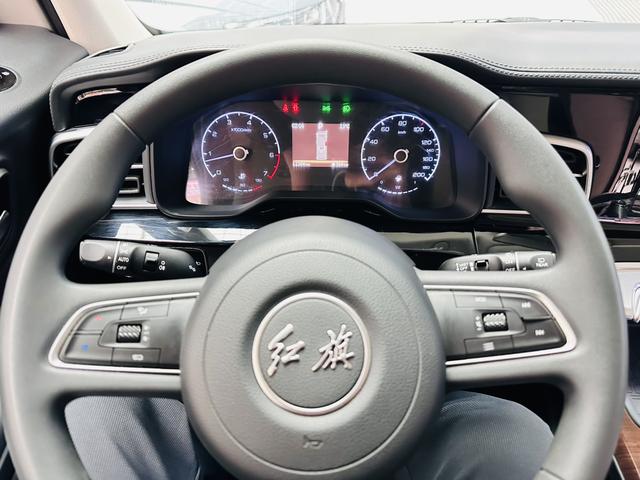
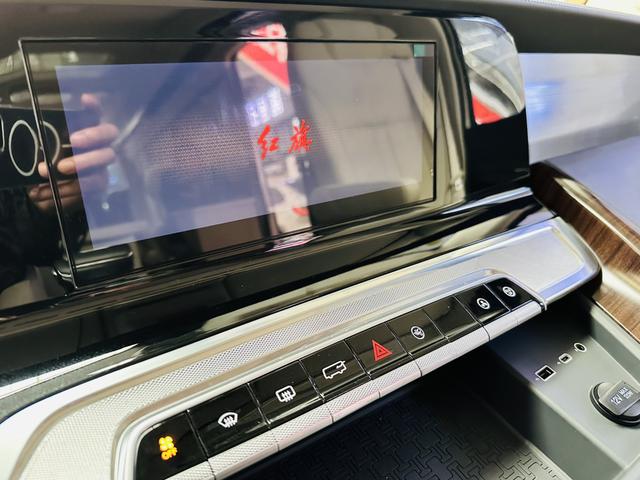
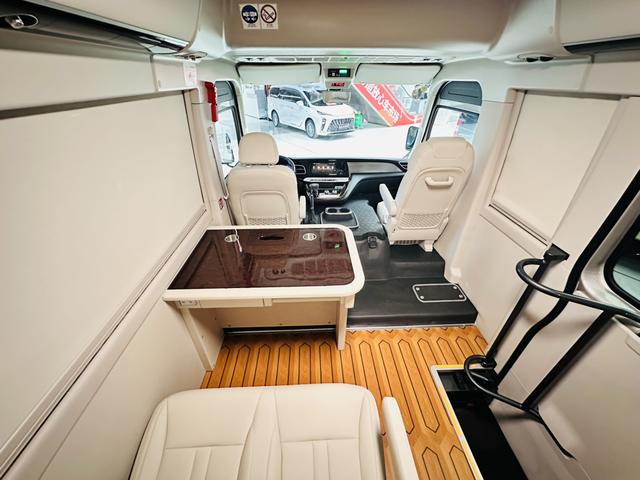
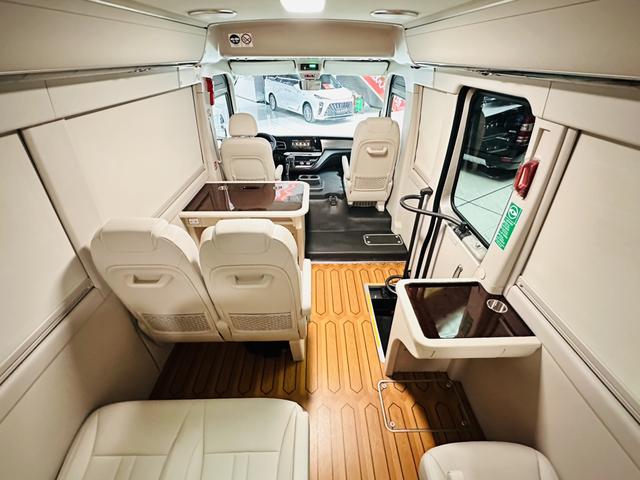
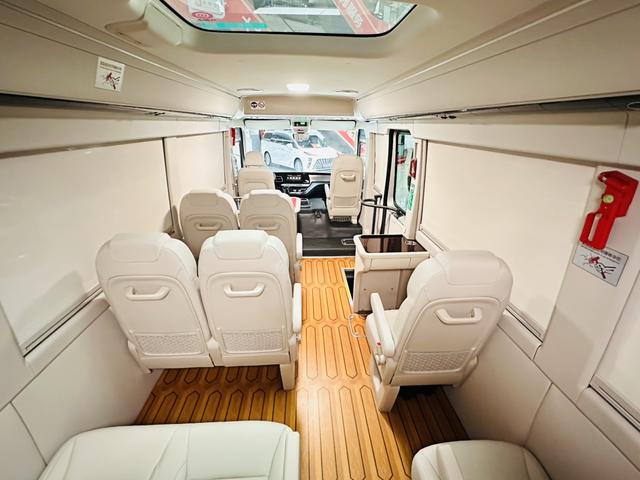
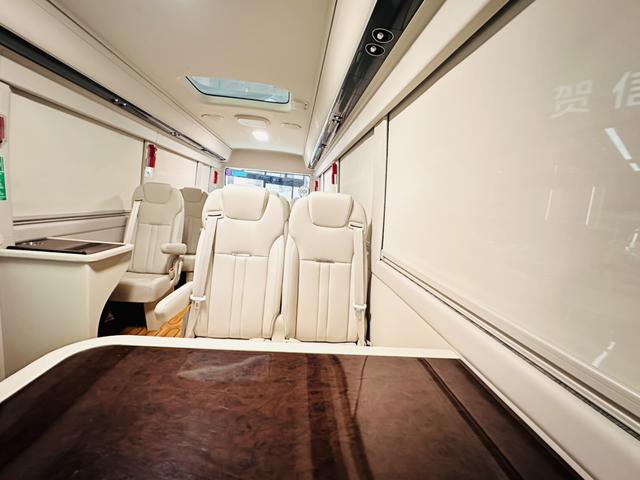
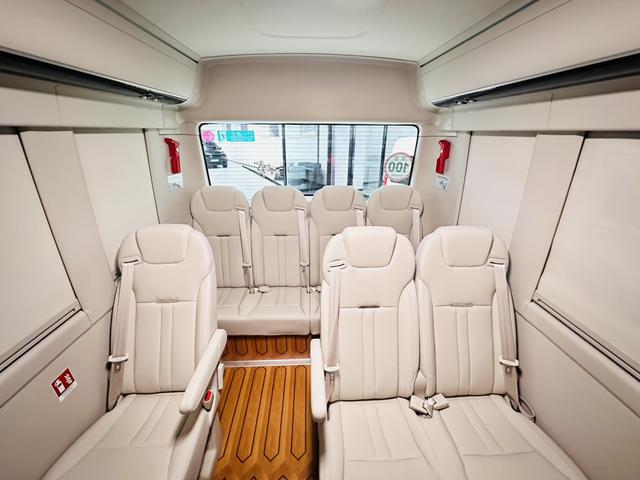
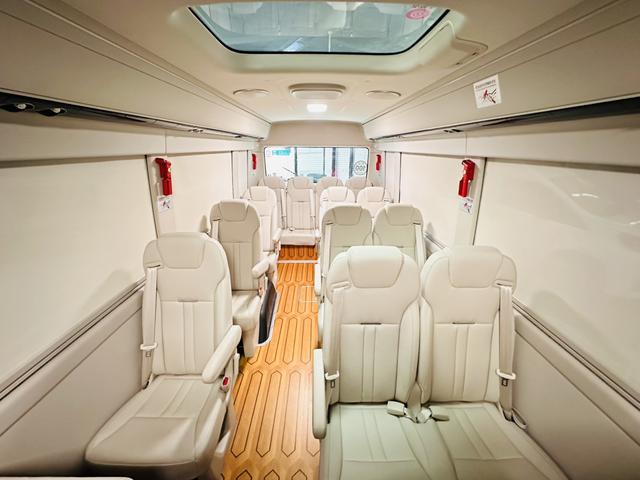
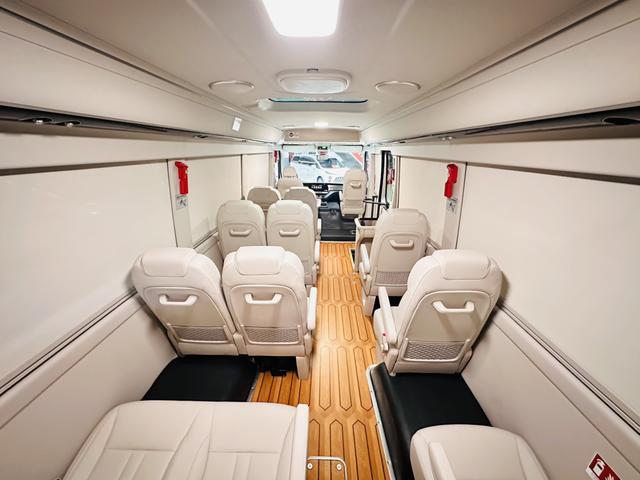
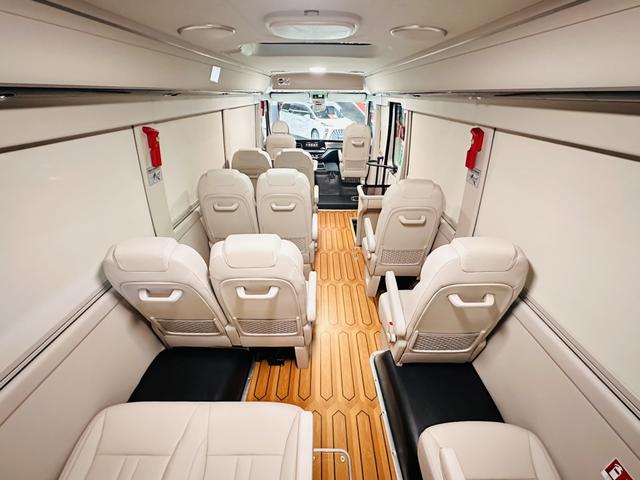
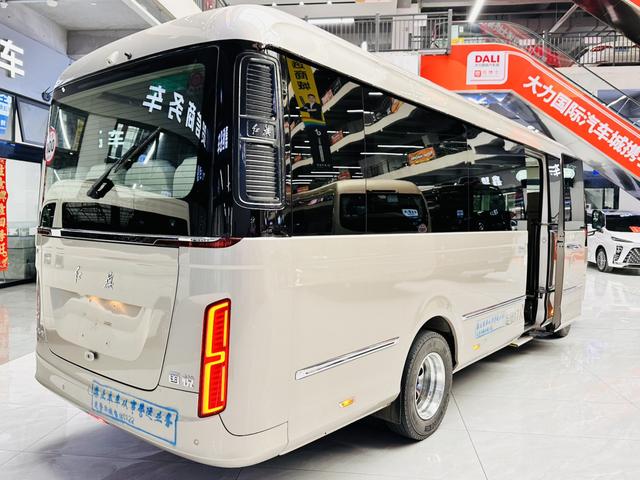
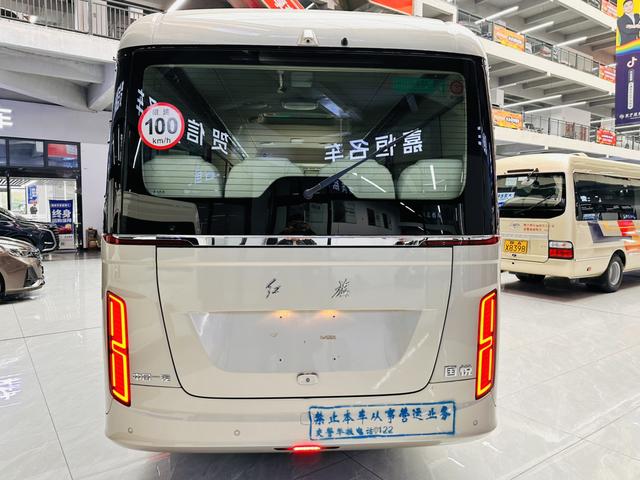
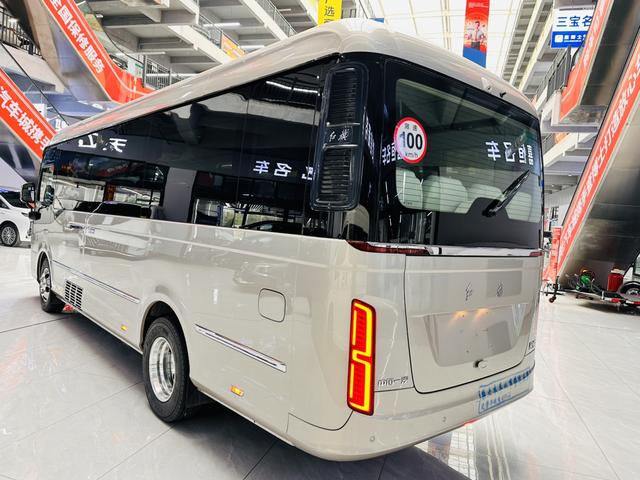
Hongqi Guoyue 3.0T 17-Seater Luxury + Business Package Available Now. Defining a new benchmark for team travel with national style and etiquette. A national car's presence, 17 seats with ease | Hongqi Guoyue debuts, its vertical grille reflecting the grandeur of a great nation. A mobile conference room + all-dimensional comfort features, a powerful 3.0T engine + a quiet cabin, every seat is comfortable, every trip is a display of strength ✨ Style is never absent~ Hongqi Guoyue redefines the prestige and efficiency of team travel with luxurious quality and intelligent features! From government research, business receptions to team commuting, the Hongqi Guoyue 17-seater carries its mission with national car quality, empowering efficiency with intelligent features, making every group trip a double display of strength and style! Scrapping date: 2044! Non-commercial.

Near-new car

Q&A

More

How do you assess the leak risk of vehicles with panoramic sunroofs?

We maintain an absolute skeptical attitude. In addition to regular visual inspections, we focus on checking for sediment accumulation around the sunroof drainage channels and look for water stains under the A-pillar trim and front floor mats. This is the only effective physical evidence to determine if the sunroof drainage holes are blocked, leading to hidden leaks.

How are import duties on used cars from China calculated, and which HS code applies?

Used cars are classified under HS heading 8703 (motor vehicles for transport of persons), with the last four digits determined by engine type and size. Gasoline cars usually fall in 8703.21–8703.80 depending on displacement; pure EVs fall under 8703.80; hybrids have their own subheadings. The duty amount depends on your country's tariff schedule: 1. Most countries charge duty on the CIF value (car price + freight + insurance), not the FOB price. 2. Many developing markets levy higher duties on used vehicles than new ones, and some add a surcharge based on age — older cars can cost significantly more to clear. 3. After duty, you typically pay VAT/GST on the CIF + duty total, plus port and customs fees. Practical tips: ask your exporter to state the exact HS code on the commercial invoice and confirm it with a local customs broker before shipping. A wrong code can trigger reclassification, penalties, or delays. Also budget for any excise tax tied to engine capacity — in several markets a 2.5L car clears far cheaper than a 3.5L one.

How is payment typically structured when buying a used car from a Chinese exporter, and how do I stay safe?

A typical payment structure looks like this: 1. Deposit: 10-30% after you confirm the car and price, often to reserve the vehicle and start the inspection. 2. Balance: paid after you approve the inspection report, but before or at shipment. A common safeguard is paying against a copy of the bill of lading, with telex release of the original B/L after funds arrive. 3. Never send 100% upfront to a new supplier. Use traceable methods (T/T bank transfer to a corporate account matching the company name, or escrow for first orders) and keep every agreement in writing. 4. Timeline: quote within days, inspection 3-7 days, booking and loading 1-2 weeks, ocean transit 3-6 weeks, customs clearance 3-10 days. Red flags: personal bank accounts, pressure to skip inspection, prices far below market.

HongQi ShengShi

红旗国悦 2024款 豪华版 17座

EXW: $62,576
Car CodeSWA1546904
Publish Date