






24H

Basic Information

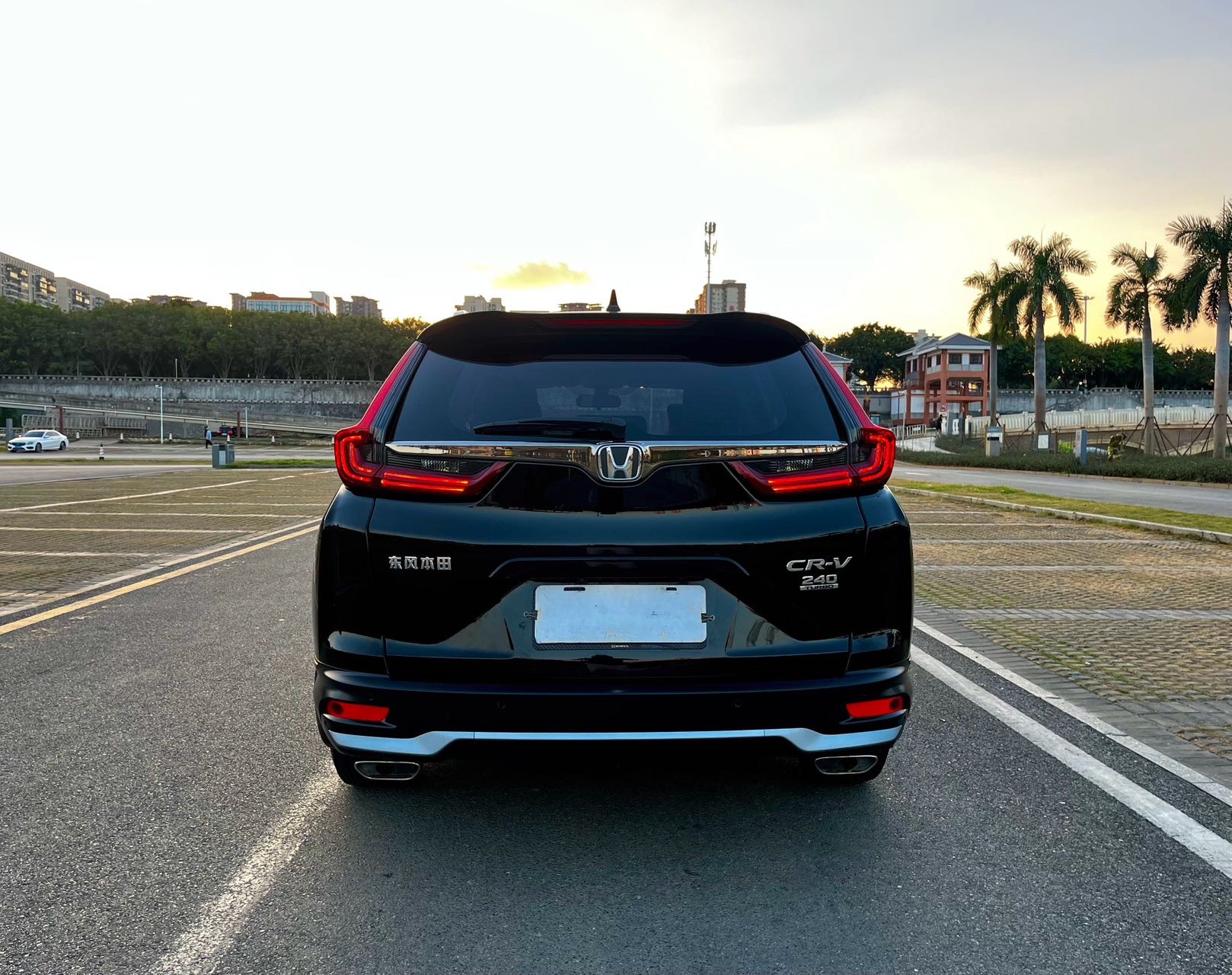
BrandHonda
SeriesCR-V
Year2021
First Registration2021/01
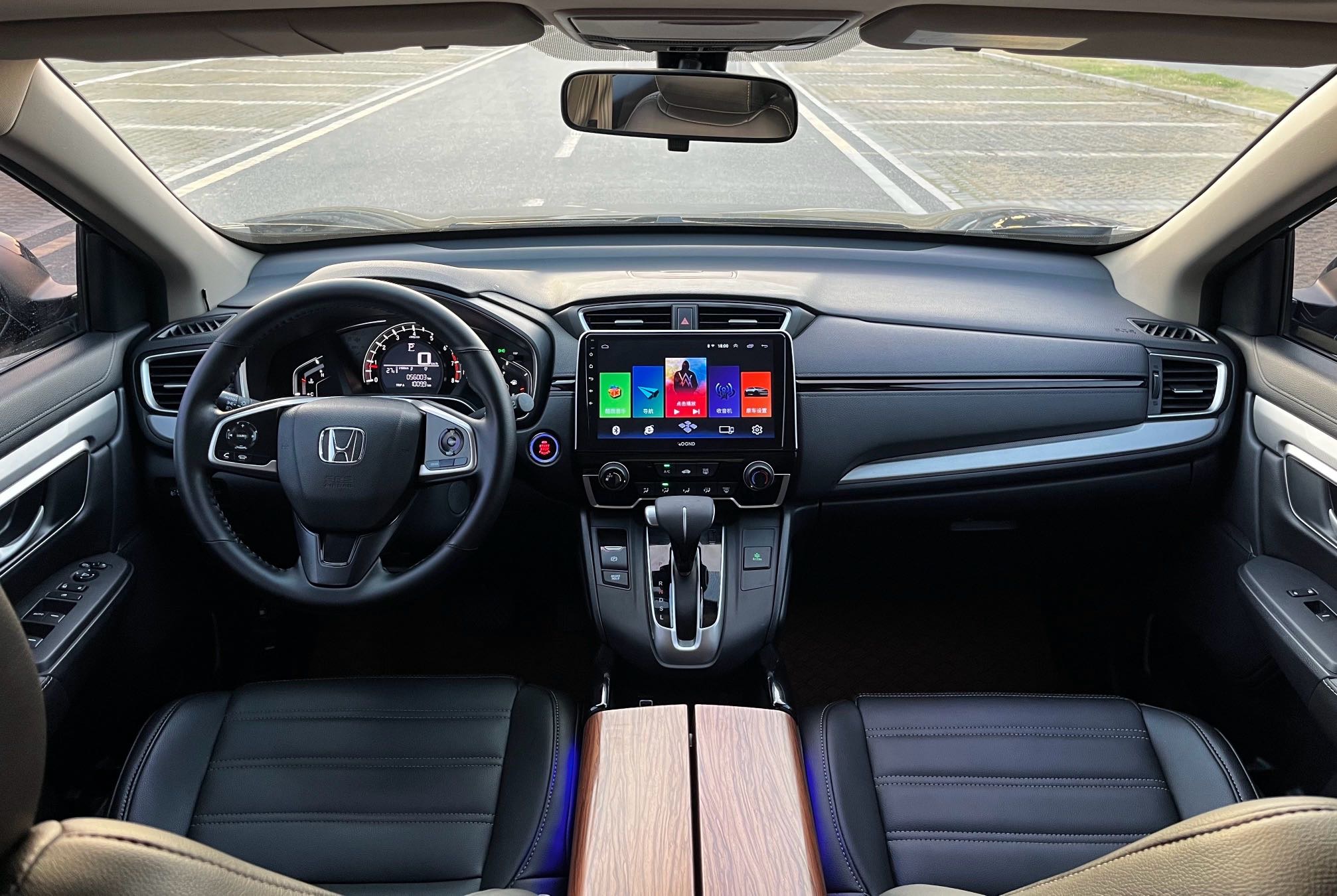
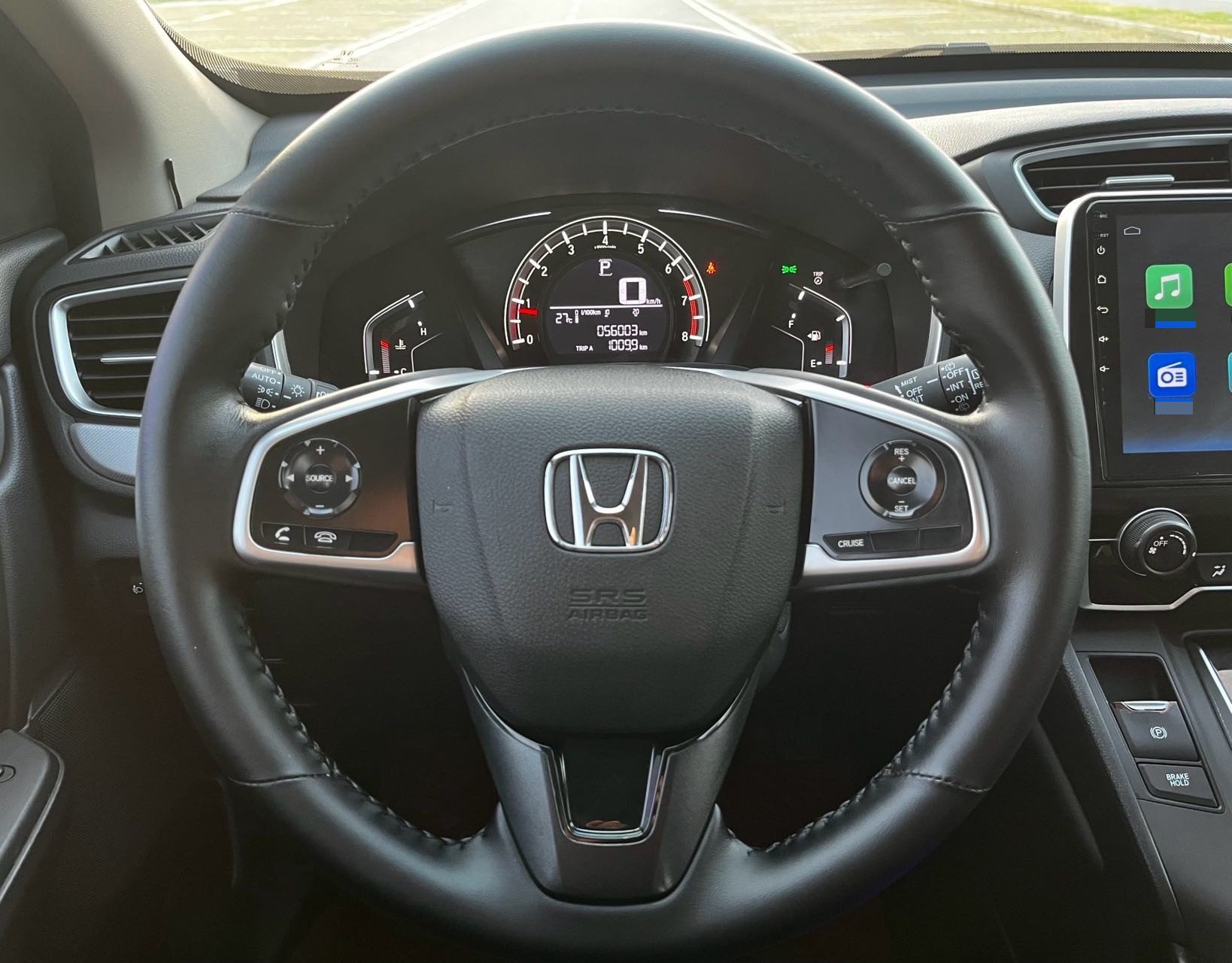
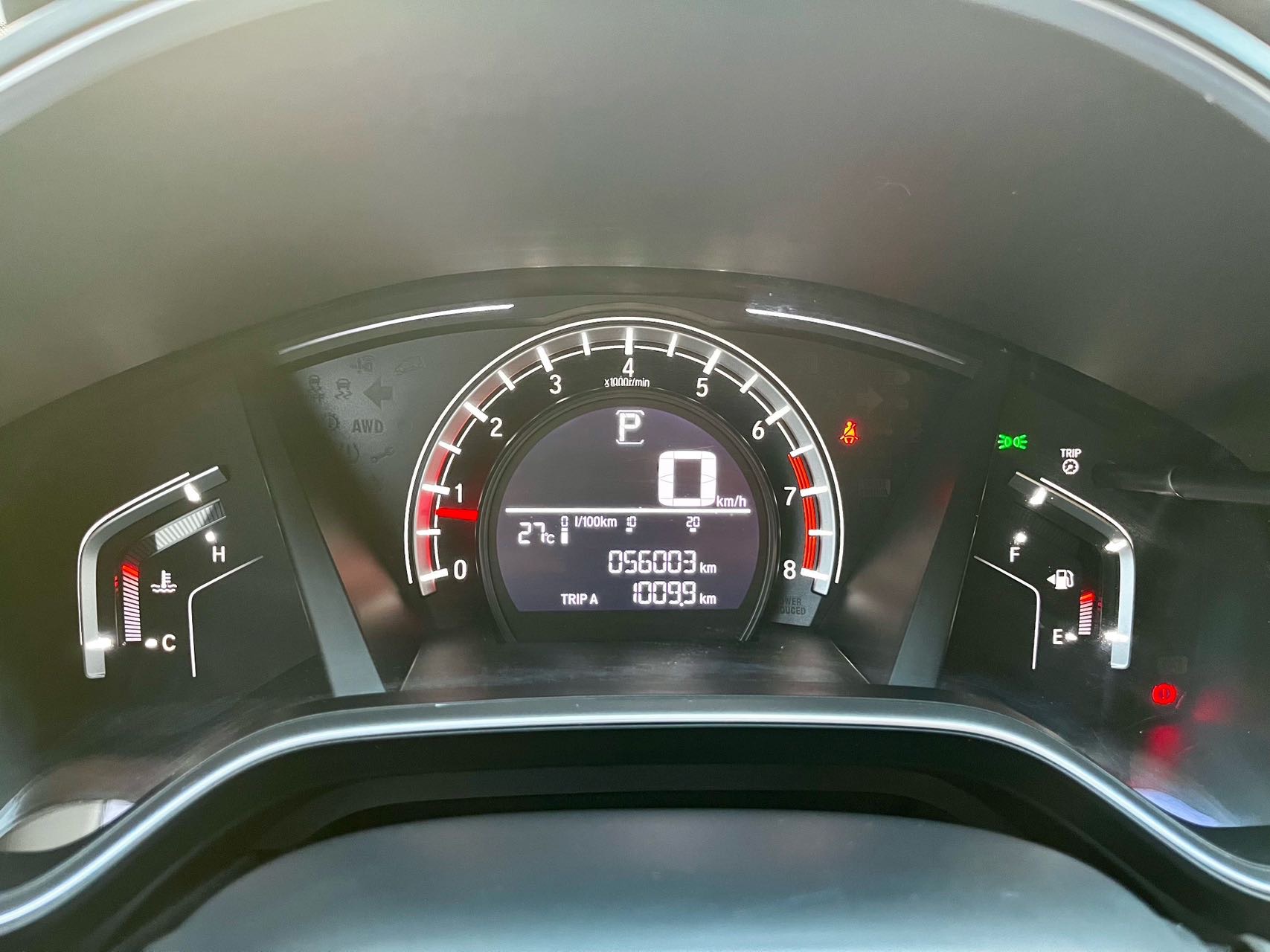
Mileage56,000km
Transfer Count0times
FuelGasoline
TransmissionCVT
Engine1.5T 193 L4
ColorBlack
Seats-

Condition Description

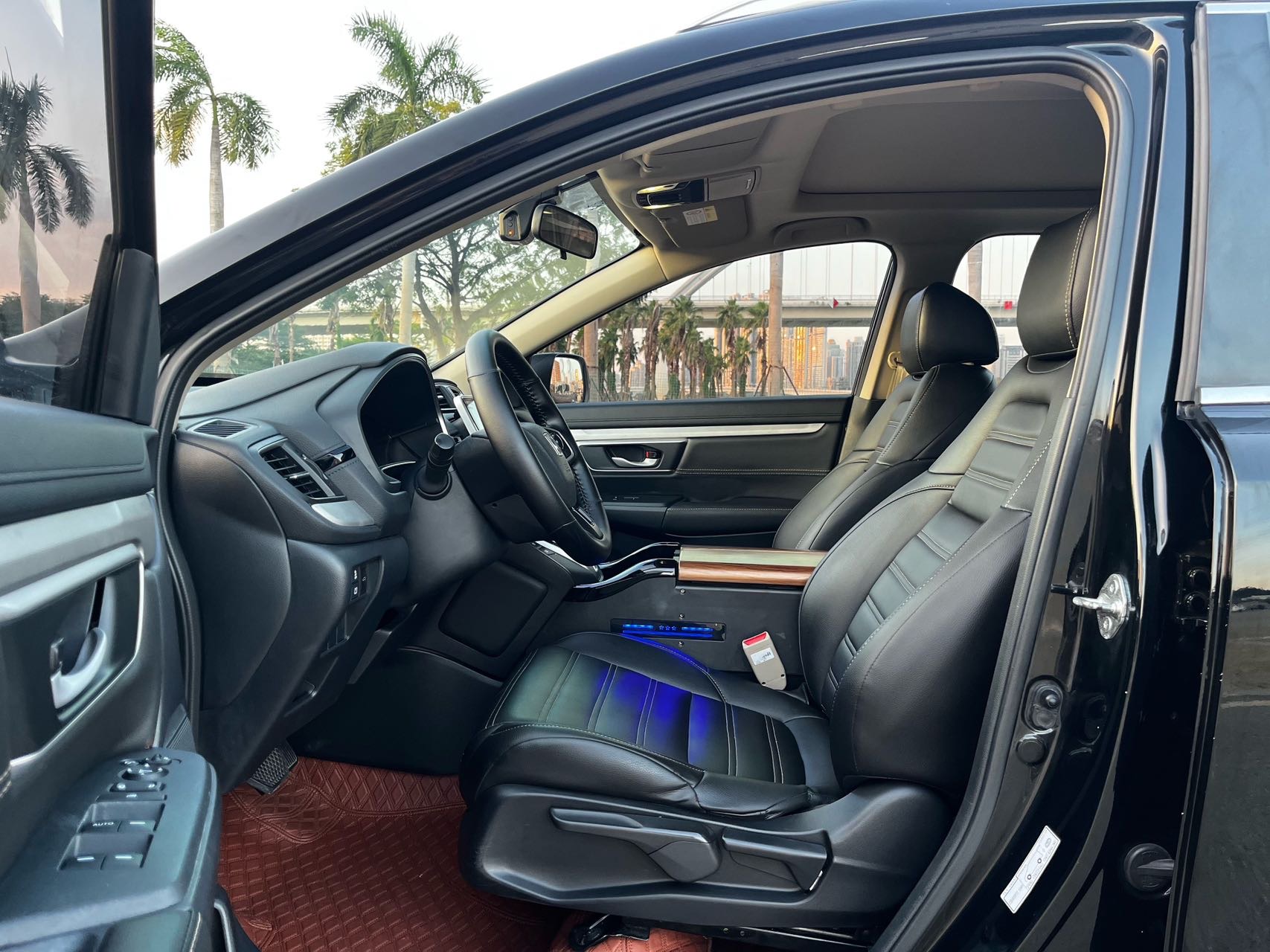
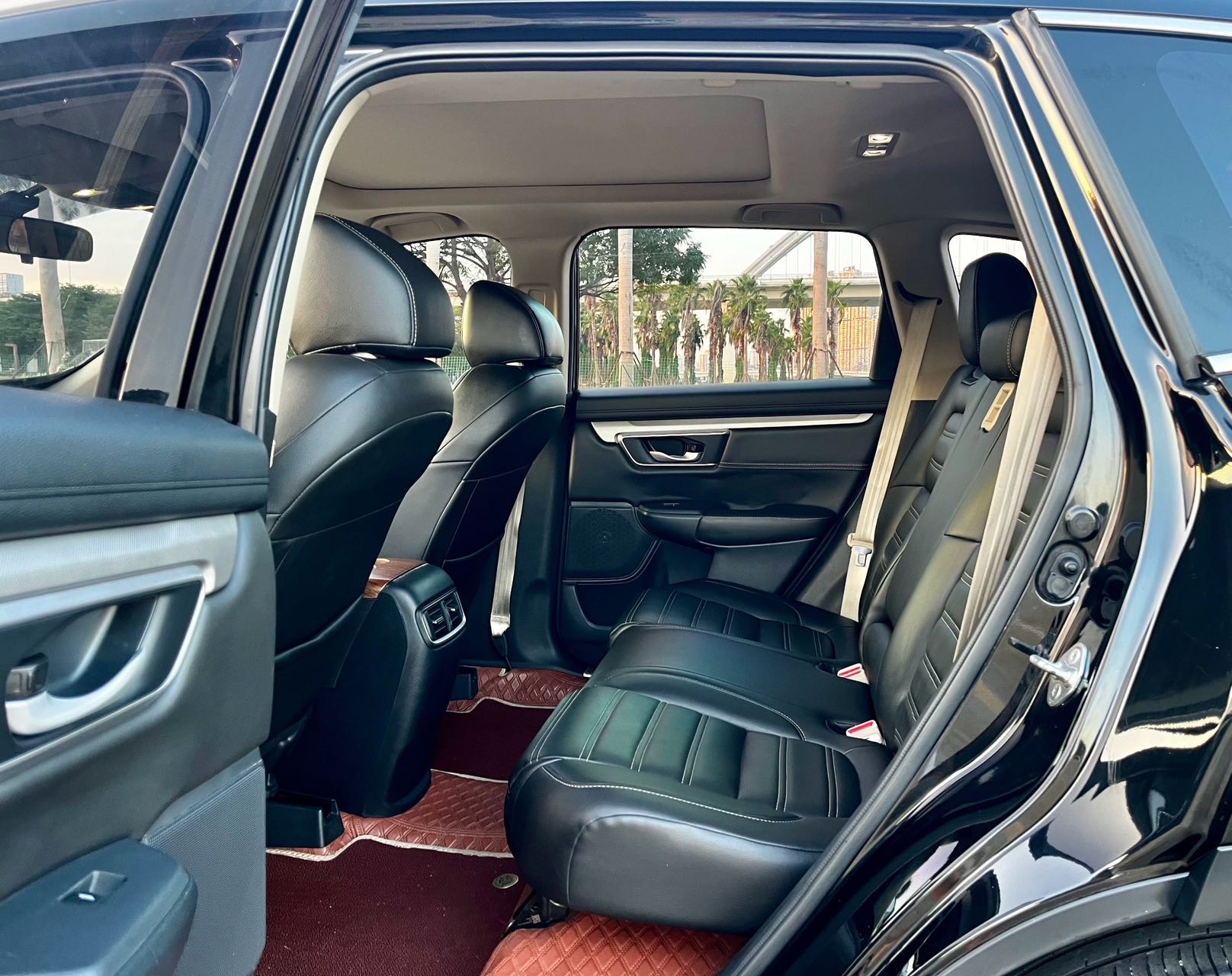
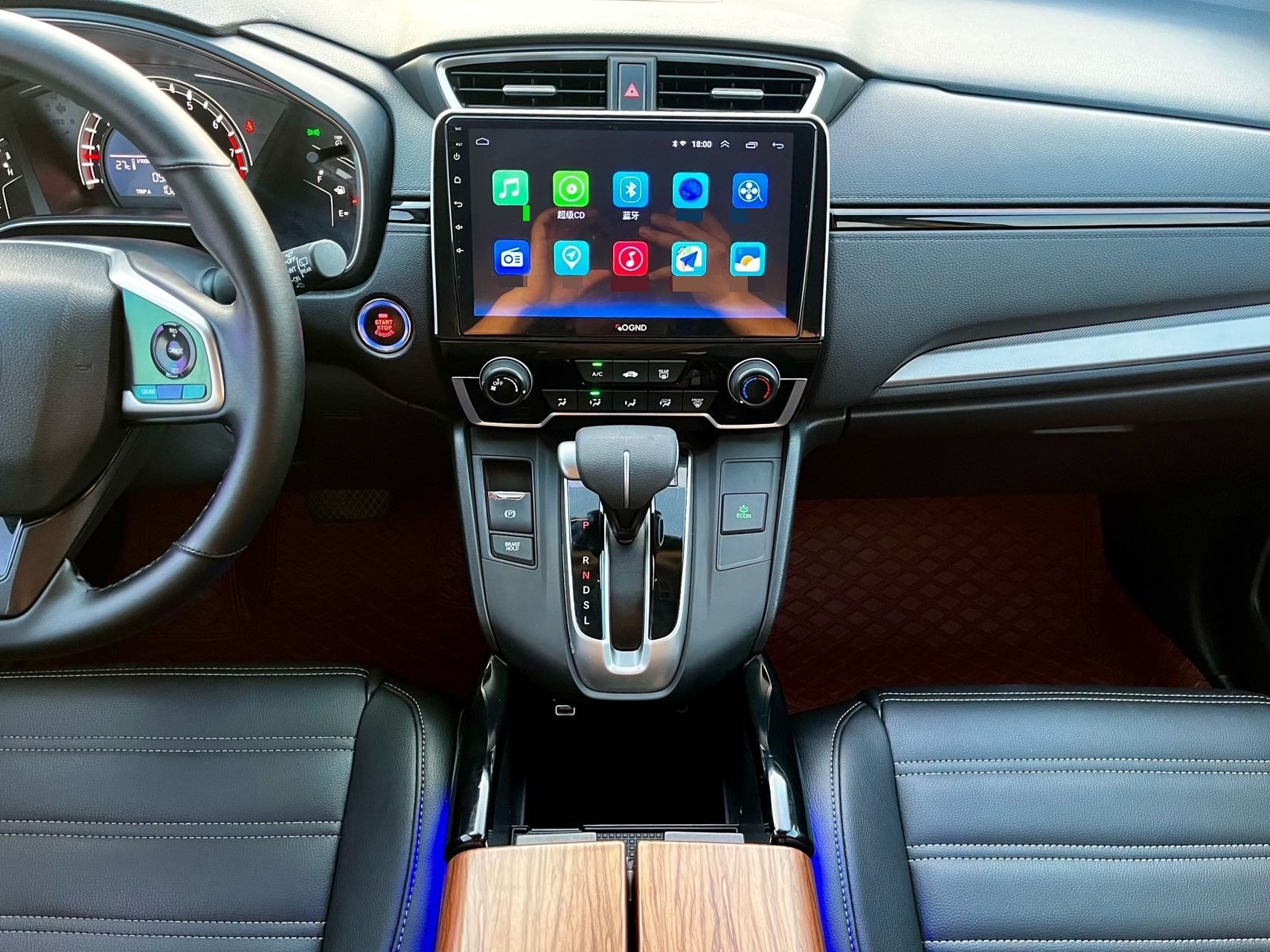
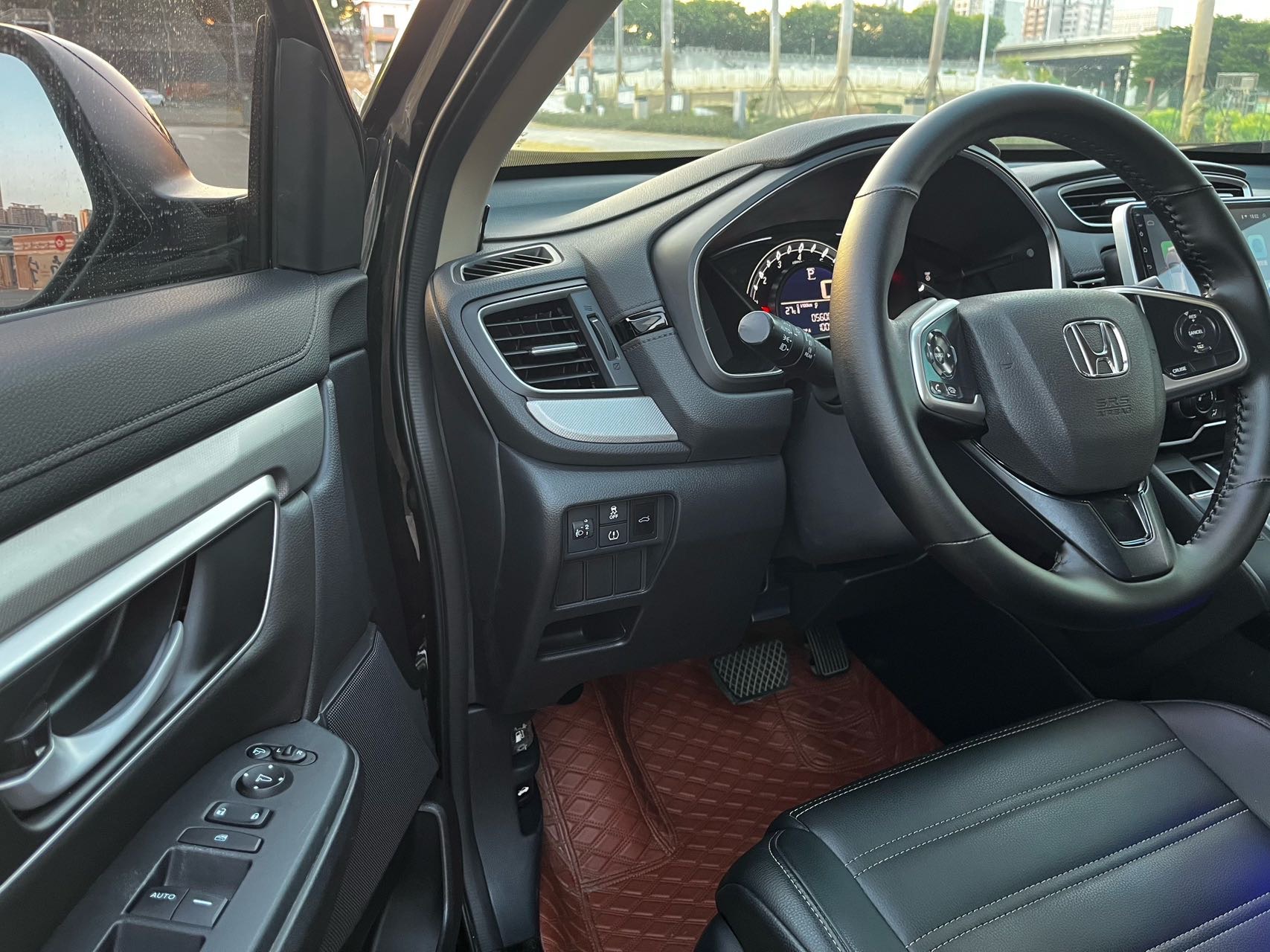
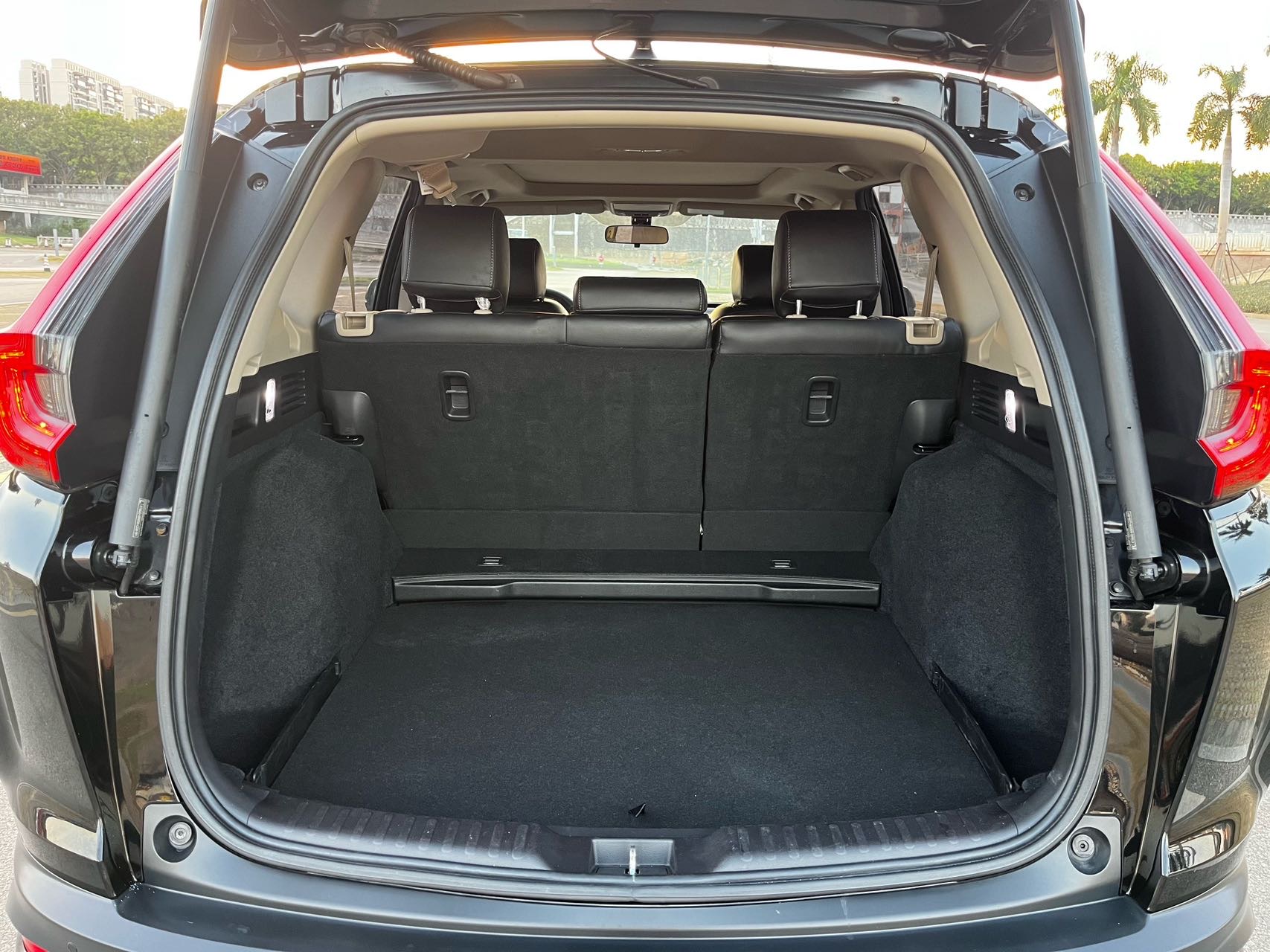
Local personal private car, full 4S maintenance history with records, all original paint, Cha博士 S-grade, zero investment condition. Added leather seats, power tailgate, keyless entry/start, Android large-screen head unit, front and rear dashcams. Dual fees until January 2027.

Document Information

Inspection Expiry Date-
Warranty Expiry Date-
Insurance Expiry Date2027/01

Q&A

More

If a problem arises after the car arrives, how are disputes and claims typically handled with a Chinese exporter?

Handling claims with an overseas exporter works best when expectations are set before payment. Prevention: put the inspection standard, photo/video evidence requirements, and a dispute clause into the sales contract. Keep all chat records and payment receipts. Typical process if issues arise: 1) Notify the exporter within 48-72 hours of delivery with photos/videos as evidence. 2) Most disputes fall into two buckets: shipping damage (handled via marine insurance — this is why insurance matters) or undisclosed mechanical defects (handled per contract, often via partial refund, spare parts, or repair cost sharing). Realistic expectations: exporters rarely accept returns, so negotiate compensation instead. A reputable company will usually cover reasonable repair costs for defects confirmed to pre-exist shipment. Tip: for higher-value cars, hire a local third-party inspection at destination as final evidence — it strengthens any claim significantly.


How can we verify the integrity of a vehicle's airbag system through technical means, ensuring it has never been deployed or repaired with resistors?

The method to deceive the dashboard warning light is to install a resistor. Our technicians will deeply read the real-time resistance values from the airbag control module (SRS Module) data stream and check for any non-factory stitching or adhesive marks on the steering wheel/passenger panel to uncover the disguise.

How do you detect carbon buildup and wear inside the engine using technology without deep disassembly?

We use two steps: 1. Insert a medical-grade endoscope through the spark plug hole to visually inspect cylinder wall scratches and carbon buildup on the piston top; 2. Extract an engine oil sample to check for large metal debris or emulsification (caused by coolant leakage).