Basic Information

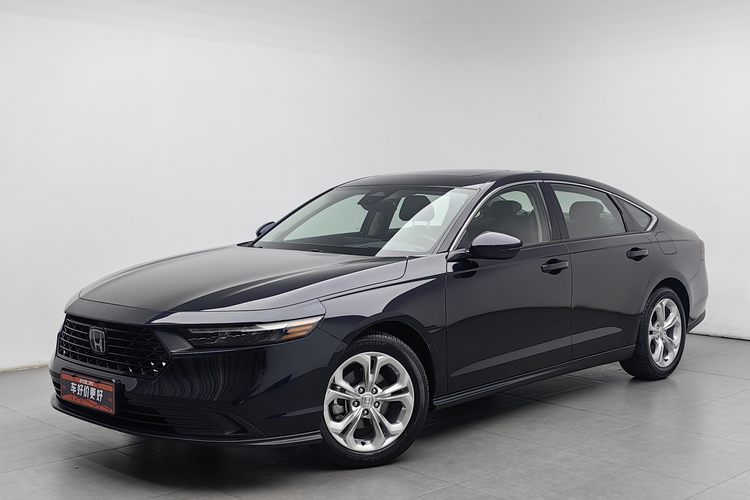
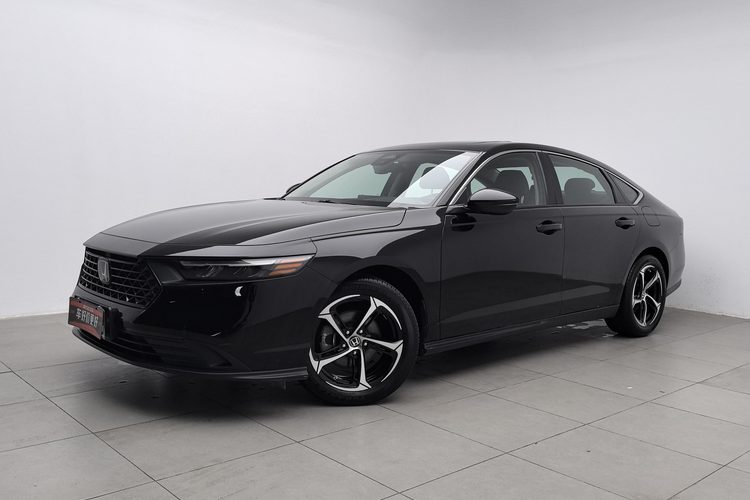
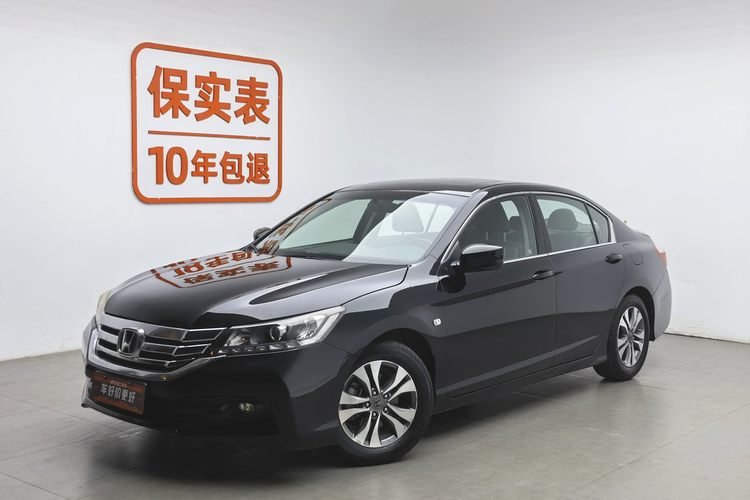
BrandHonda
SeriesAccord
Year2021
First Registration2021/10
Mileage7.8km
Transfer Count-
FuelGasoline
TransmissionCVT
Engine1.5T 194 L4
ColorBlack
Seats-

Condition Description

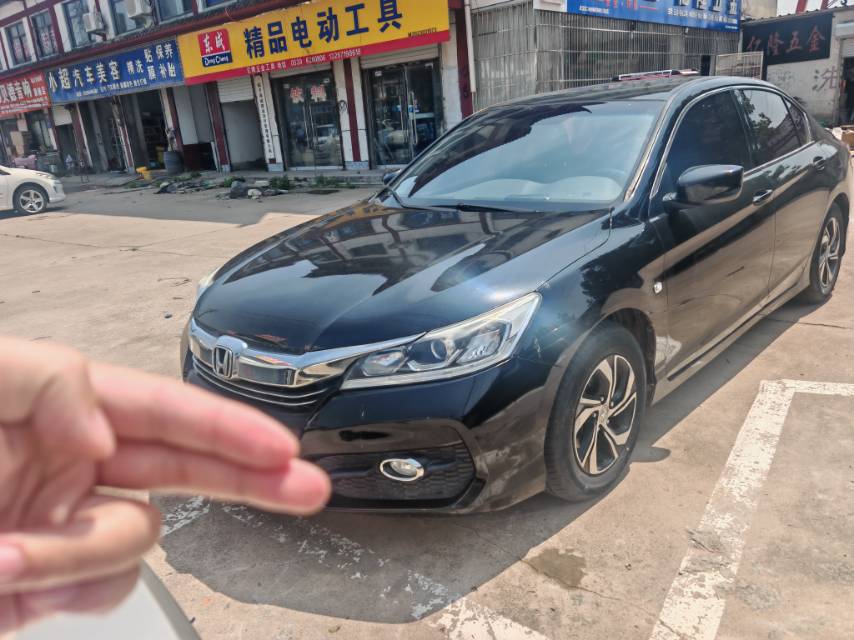
The car is in good condition and covered by the three-year warranty. It has passed a third-party inspection (by Dr. Cha). The left front fender has been repainted. The right rear fender has undergone bodywork repairs, and the right rear door has been repainted. The right front door and right front fender have also been repainted. Soundproofing has been done; other sheet metal parts have their original paint.

Configuration Highlights

✓Driver/Passenger Airbags
✓Front/Rear Side Airbags
✓Front/Rear Curtain Airbags
✓Tire Pressure Monitoring
✓ISOFIX Child Seat Anchors
✓Keyless Start System
✓ABS Anti-lock Braking
✓Electronic Brake Distribution
✓Electronic Stability Control
✓Hill Start Assist
✓Auto Hold
✓Multifunction Steering Wheel
✓Front Parking Sensors
✓Seat Material
✓Driver/Passenger Power Seats
✓Rear Cupholders
✓Low Beam Headlights
✓Daytime Running Lights
✓Auto Headlights
✓Adjustable Headlight Height
✓Power Windows
✓Anti-pinch Windows
✓UV/Heat Insulating Glass
✓Climate Control Type
✓Rear Air Vents
✓Start-Stop System
✓Lane Departure Warning
✓Active Safety System

Q&A

More

Why are the shipping costs for used electric vehicles (EVs) usually higher than for internal combustion engine vehicles (ICEs)?

Pure electric vehicles are classified as Class 9 Dangerous Goods due to their large lithium batteries, leading to strict shipping regulations. Shipping companies have high requirements for the loading position and fire isolation measures for dangerous goods, and some roll-on/roll-off ships refuse to accept used EVs. As a result, EVs often require more expensive special container shipping and incur additional handling fees for hazardous materials.
How do I evaluate interior wear on a used car from China to estimate real mileage and usage intensity?

Interior wear is harder to fake than an odometer and often reveals true usage better than any document. Focus on high-contact points the seller rarely restores. The driver's seat bolster shows creasing and cracking by 80,000-100,000 km even with covers. Steering wheel leather polishes smooth and darkens with hand oils; a shiny wheel with low claimed mileage is a red flag. Pedal rubbers wear through at similar rates — check accelerator, brake, and clutch depth. Second-row wear patterns tell you how the car was used: heavy child-seat indentations suggest family use (usually gentler), while uniform rear wear with clean front suggests commercial or ride-hailing duty. Check seat rails for rust (indicates water ingress) and look under floor mats for moisture staining or musty smell — flood cars often hide it there. Also examine the infotainment and instrument cluster: Chinese EVs log usage data internally, and a dealer diagnostic readout can cross-check driving hours against mileage. Request close-up, well-lit photos of these specific points during your live video inspection rather than relying on the seller's gallery.

Will the connected app, remote control, and OTA updates of a used Chinese EV keep working in my country after import?

Usually yes, but with conditions. The seller must transfer the vehicle's account binding to you — without that, the app stays locked to the previous owner. Ask for a screen recording showing the unbinding and re-binding process. OTA updates and remote functions depend on the manufacturer keeping servers accessible from your region. Most major brands now support overseas accounts, but features like voice assistants or map data may be limited outside China. In-car navigation may default to Chinese maps, so plan to use Android Auto, CarPlay, or phone mirroring instead. Before purchase, confirm with the exporter in writing: which connected functions work in your country, and whether a regional account conversion is included in the price.