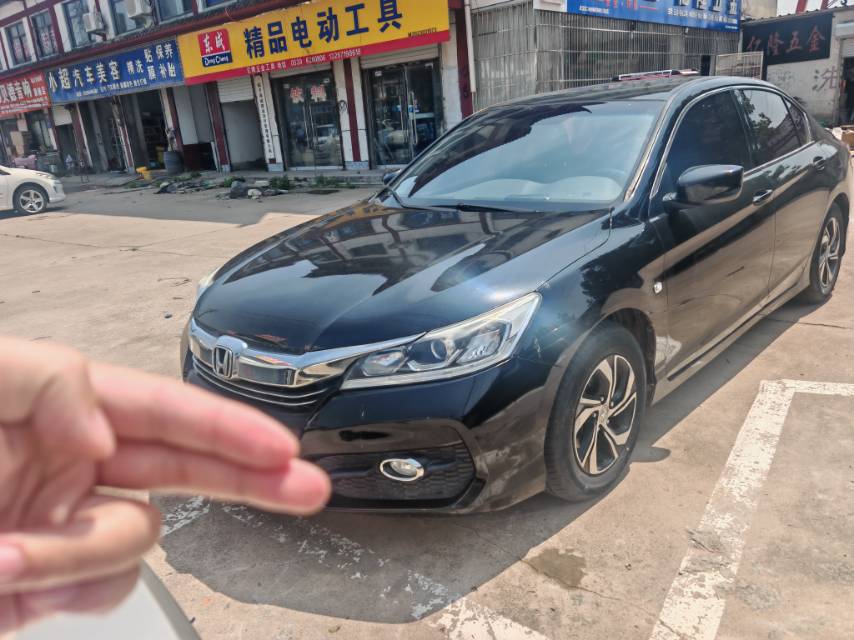
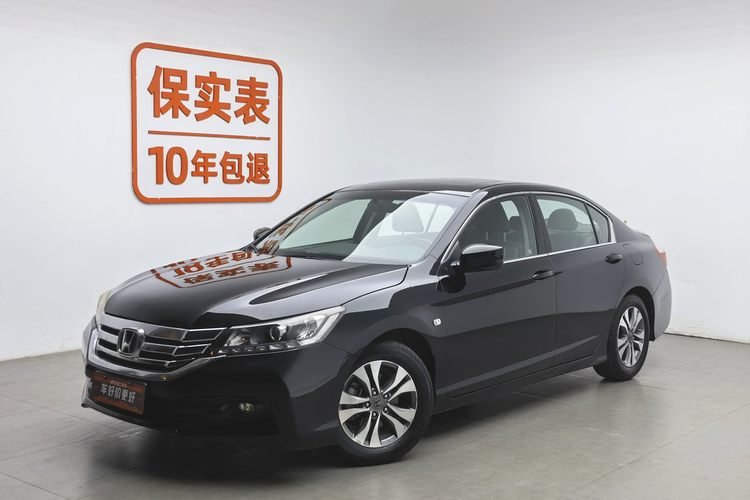
Basic Information

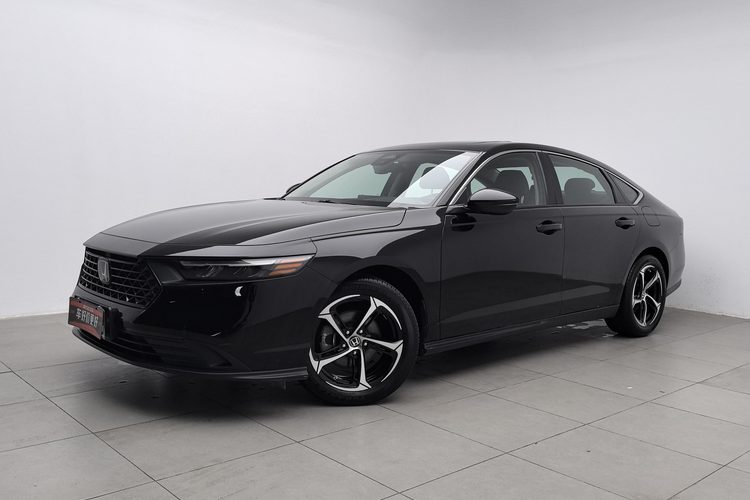
BrandHonda
SeriesAccord
Year2012
First Registration2012/12
Mileage15.3km
Transfer Count-
FuelGasoline
TransmissionAutomatic
Engine2.0L 156 L4
ColorBlack
Seats-

Configuration Highlights

✓Driver/Passenger Airbags
✓Front/Rear Side Airbags
✓ISOFIX Child Seat Anchors
✓ABS Anti-lock Braking
✓Electronic Brake Distribution
✓Multifunction Steering Wheel
✓Seat Material
✓Driver/Passenger Power Seats
✓Rear Cupholders
✓Low Beam Headlights
✓Auto Headlights
✓Adjustable Headlight Height
✓Headlight Washer
✓Power Windows
✓Anti-pinch Windows
✓Climate Control Type
✓Rear Air Vents

Q&A

More

What is a battery SOH certificate and why does it matter when buying a used EV from China?

SOH (State of Health) measures the battery's remaining capacity as a percentage of its original capacity. Two EVs with the same mileage can have very different SOH depending on charging habits and climate exposure, and since the battery represents 30-50% of a used EV's value, the SOH number is effectively the real price tag. A proper certificate includes current SOH percentage, cell voltage balance, charge cycle counts, battery management system fault codes, and often a projected range estimate. In hot-climate markets like the Gulf, a degraded battery degrades even faster, so a documented SOH above 85-90% is strongly recommended. Exporters who provide verified SOH certificates close deals faster and command better prices, so treat the certificate as a core purchase document, not an extra.
If customs delays due to the upgrade of the Chinese customs system cause a missed shipping schedule, who will cover the storage fees?

If the delays are due to policy-related force majeure like customs system upgrades, or if our documentation errors lead to short shipments, all additional demurrage and storage fees incurred at ports within China will be borne by sellwellauto, and the buyer will not have to pay a cent.

When calculating the total cost of a used car, what percentage of the car price do you recommend setting aside for "unforeseen local preparation costs"?

Based on practical risk assessment, we strongly recommend setting aside 3% to 5% of the car price as a buffer fund for even the highest-rated used cars, to cover oil changes, new tires, minor shipping scratches, and local inspection labor costs.