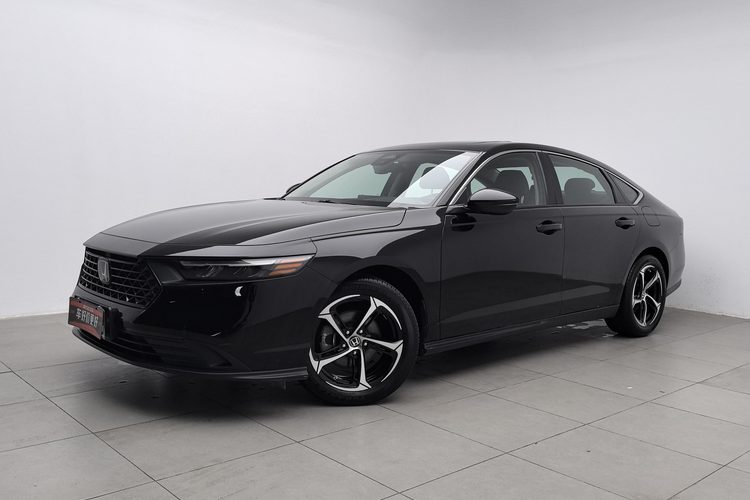
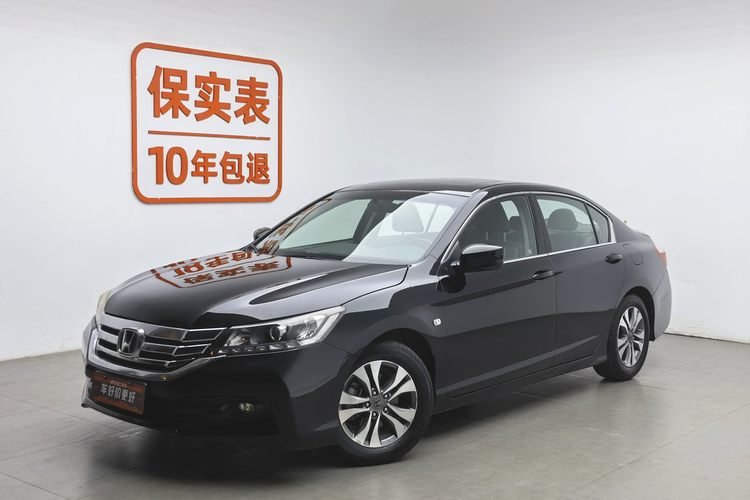
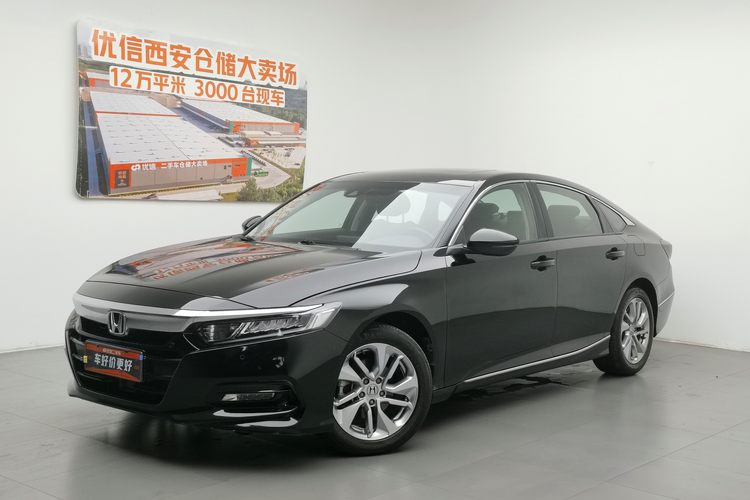
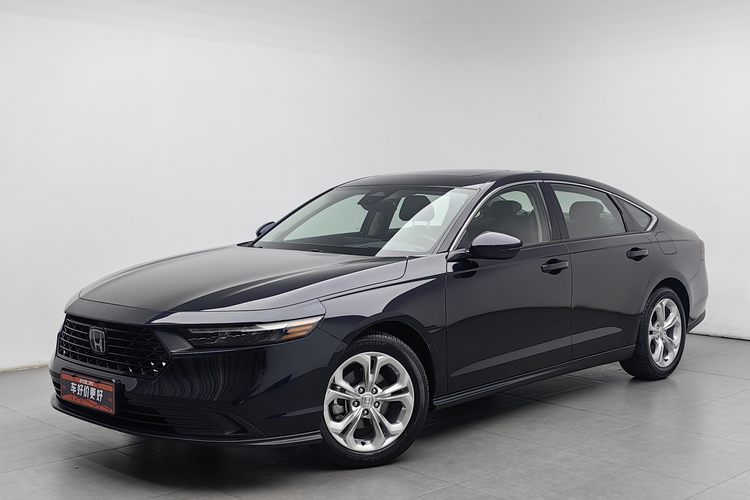
Basic Information

BrandHonda
SeriesAccord
Year2008
First Registration2008/10
Mileage21.81km
Transfer Count-
FuelGasoline
TransmissionAutomatic
Engine2.0L 156 L4
ColorWhite
Seats-

Condition Description

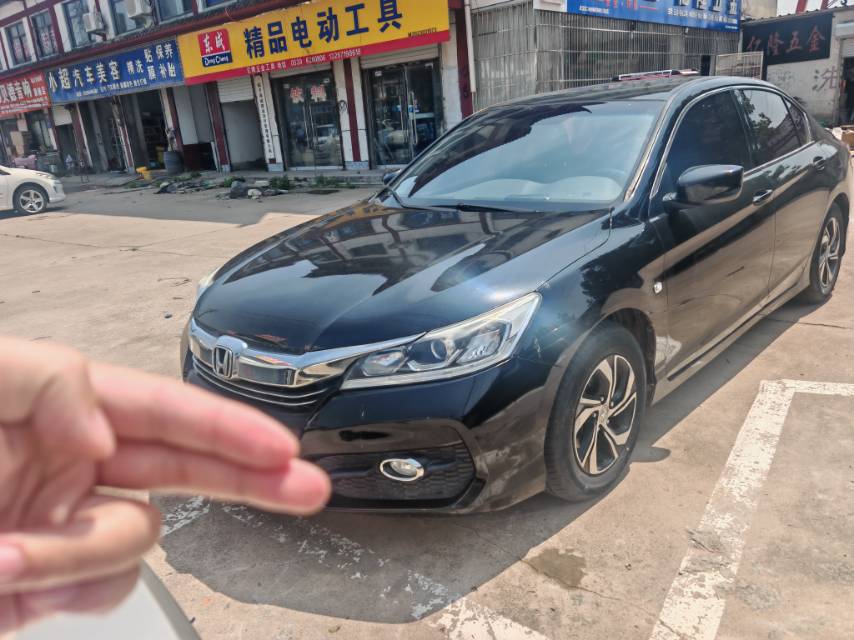
[Failed Accident Inspection] [Team] Foshan Team [Configuration] 2007 Honda Accord 2.0L Automatic Standard Edition [Last 6 Digits of VIN] 012968 [Registration Date] 2008-10 [Registration Location] Guangdong E [Vehicle Condition] Fully Paid [Mileage] 21.81 km [Vehicle Color] White [Interior Color] Black [Insurance Date] 2027.4 [Number of Ownership Transfers] 4 [Exterior Paintwork] 2-3 [Vehicle Condition Description] Full bodywork and paint job, black to white conversion. Deformed right rear longitudinal beam, right rear fender liner, and rear panel.

Configuration Highlights

✓Driver/Passenger Airbags
✓Front/Rear Side Airbags
✓ABS Anti-lock Braking
✓Electronic Brake Distribution
✓Multifunction Steering Wheel
✓Seat Material
✓Driver/Passenger Power Seats
✓Rear Cupholders
✓Low Beam Headlights
✓Auto Headlights
✓Adjustable Headlight Height
✓Headlight Washer
✓Power Windows
✓Anti-pinch Windows
✓Climate Control Type
✓Rear Air Vents

Q&A

More

Is there a mechanical emergency switch if the hidden door handle cannot pop out due to extreme cold?

Almost all compliant models with hidden door handles have a mechanical emergency pull cable designed inside the car or under the vehicle. If the target country's climate is extreme, we will record a practical emergency door opening tutorial video for you before shipping.

If the vehicle's system goes black and crashes overseas due to misoperation, do you provide remote technical support?

Yes. For software crashes, a forced restart (Hard Reset) can usually be done with a specific combination of physical buttons or by disconnecting the negative terminal of the 12V battery for 5 minutes to recover. We will send you these engineering operation manuals.

How are import duties on used cars from China calculated, and which HS code applies?

Used cars are classified under HS heading 8703 (motor vehicles for transport of persons), with the last four digits determined by engine type and size. Gasoline cars usually fall in 8703.21–8703.80 depending on displacement; pure EVs fall under 8703.80; hybrids have their own subheadings. The duty amount depends on your country's tariff schedule: 1. Most countries charge duty on the CIF value (car price + freight + insurance), not the FOB price. 2. Many developing markets levy higher duties on used vehicles than new ones, and some add a surcharge based on age — older cars can cost significantly more to clear. 3. After duty, you typically pay VAT/GST on the CIF + duty total, plus port and customs fees. Practical tips: ask your exporter to state the exact HS code on the commercial invoice and confirm it with a local customs broker before shipping. A wrong code can trigger reclassification, penalties, or delays. Also budget for any excise tax tied to engine capacity — in several markets a 2.5L car clears far cheaper than a 3.5L one.