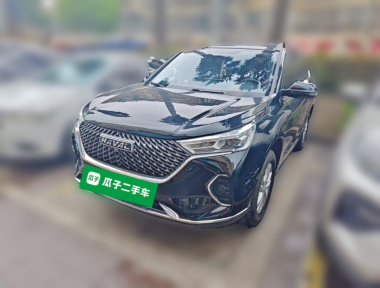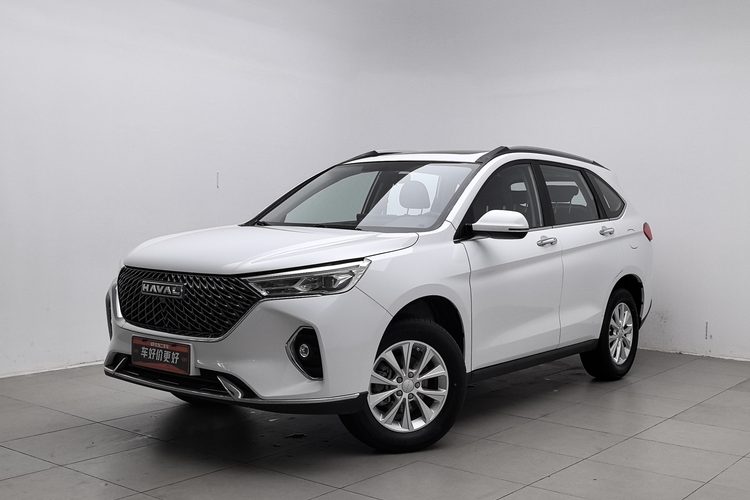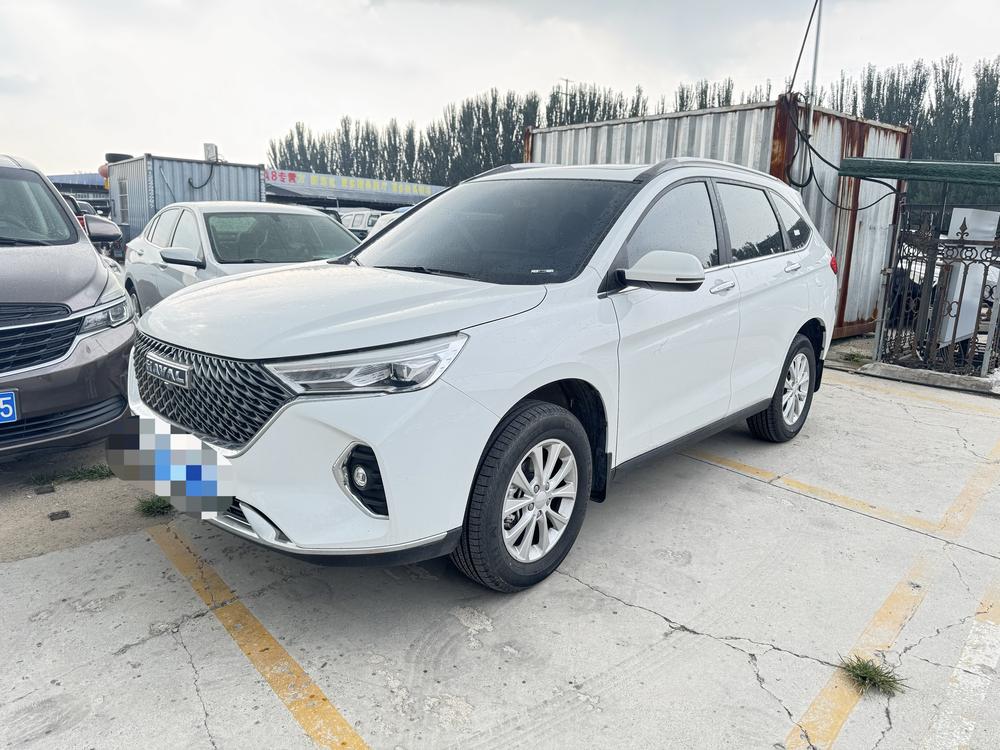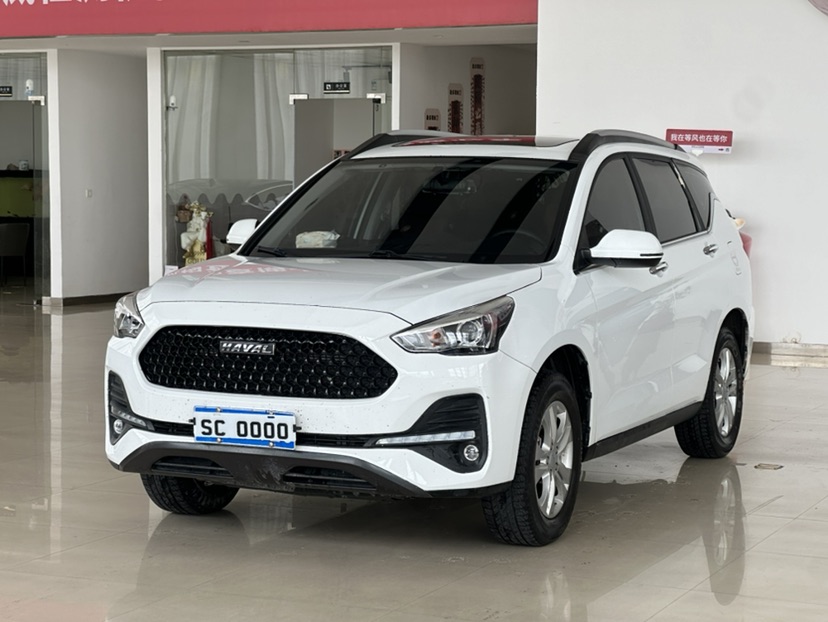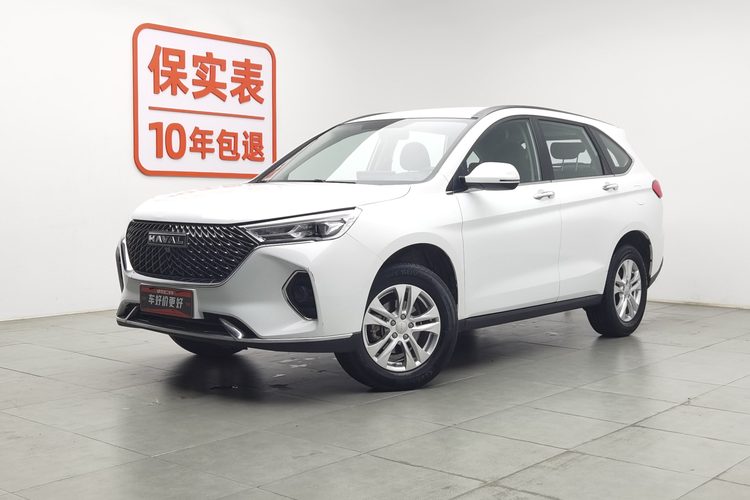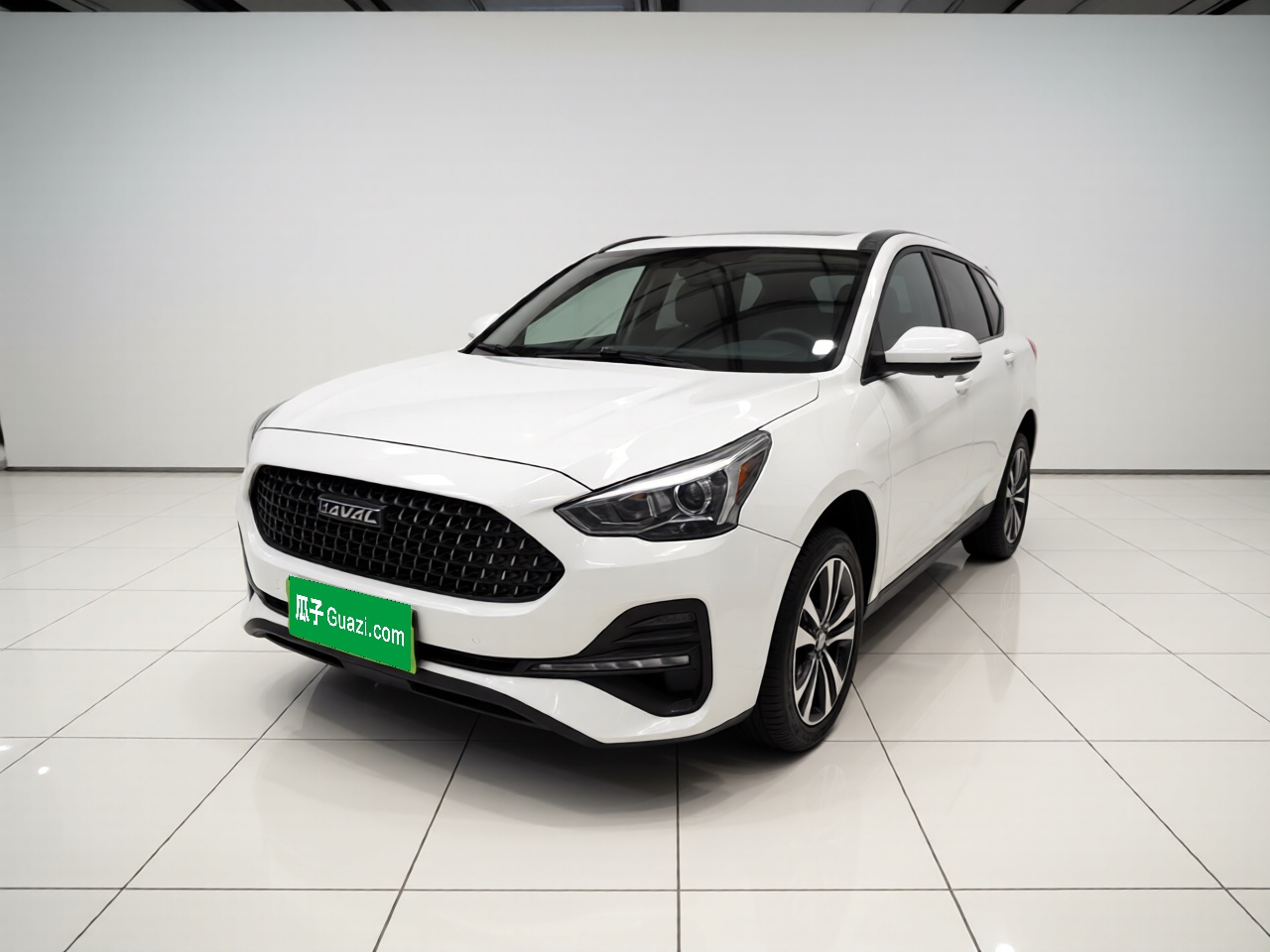



Basic Information

BrandHaval
SeriesM6
Year2020
First Registration2020/07
Mileage18,400km
Transfer Count-
FuelGasoline
TransmissionDCT
Engine1.5T 150 L4
ColorWhite
Seats-

Condition Description

Excellent vehicle condition, passed inspection, better than 80% of vehicles for sale, top-quality condition, 2 claims filed, 0 ownership transfers.

This vehicle is 6 years old, with an average annual mileage of 3,100 kilometers. It has been used very infrequently and has never been transferred to another owner, making it a first-hand vehicle. The exterior is in excellent condition, with a glossy paint finish but possibly minor scratches. The interior is clean and tidy, with minor signs of use. The overall body frame is intact and without any abnormalities. The fluid levels are normal, and the powertrain operates smoothly without any issues.

Configuration Highlights

Smartphone Connectivity
Keyless Entry
Engine Start-Stop
Keyless Start
Rear Air Vents
Tire Pressure Monitoring
Hill Start Assist
Rear Parking Sensors
Anti-pinch Windows

Q&A

More

How to ensure that the declared value on the export license matches the commercial invoice exactly to avoid allegations of underreporting for tax evasion?

Our legal red line is that the amounts on the China Customs declaration, export license, commercial invoice, and bank receipt must be consistent across all four documents. We firmly refuse to engage in the illegal act of issuing "false low-value invoices" to assist buyers in evading customs duties in the destination country.

What are the common issues with this car? Has this car resolved them?

We will honestly inform you of the common issues with this model (such as the water pump failure in certain German cars) and show that this car has had the improved parts replaced.

Why are the shipping costs for used electric vehicles (EVs) usually higher than for internal combustion engine vehicles (ICEs)?

Pure electric vehicles are classified as Class 9 Dangerous Goods due to their large lithium batteries, leading to strict shipping regulations. Shipping companies have high requirements for the loading position and fire isolation measures for dangerous goods, and some roll-on/roll-off ships refuse to accept used EVs. As a result, EVs often require more expensive special container shipping and incur additional handling fees for hazardous materials.