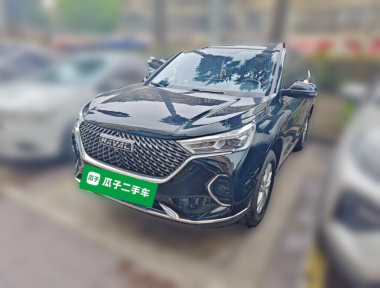
Basic Information

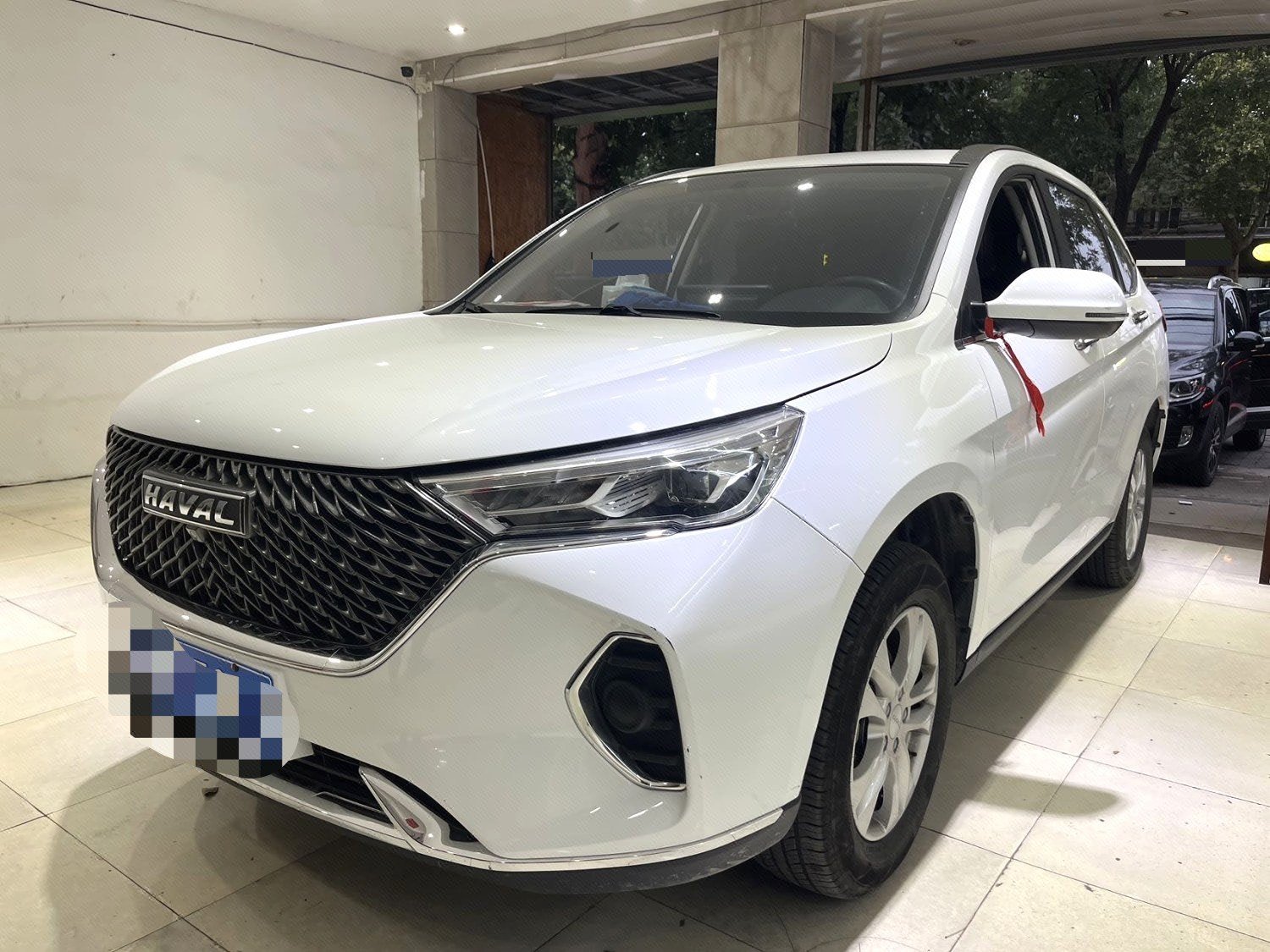
BrandHaval
SeriesM6
Year2020
First Registration2020/08
Mileage24,200km
Transfer Count-
FuelGasoline
TransmissionManual
Engine1.5T 150 L4
ColorRed
Seats-

Condition Description

Excellent vehicle condition, passed inspection, better than 80% of vehicles for sale, excellent condition, 0 claims, 0 ownership transfers.

This vehicle is 6 years old, with an average annual mileage of 4,000 kilometers. It has been used very infrequently and has never been transferred to another owner, making it a first-hand vehicle. The exterior is in excellent condition, with a glossy paint finish but possibly minor scratches. The interior is clean and tidy, with minor signs of use. The overall body frame is intact and without any abnormalities. The fluid levels are normal, and the powertrain operates smoothly without any issues.

Configuration Highlights

✓Smartphone Connectivity
✓Keyless Entry
✓Engine Start-Stop
✓Keyless Start
✓Rear Air Vents
✓Tire Pressure Monitoring
✓Hill Start Assist
✓Rear Parking Sensors
✓Anti-pinch Windows

Q&A

More

How do you assess the appearance condition of a vehicle? What specific standards are there for scratches and dents?

We use quantitative standards. Minor scratches less than 3 cm that do not reach the base coat (which can be polished) are considered normal wear; scratches over 3 cm deep to the base coat or dents larger than 2 cm in diameter will be highlighted in the inspection report's "Appearance Defect Distribution Map" with close-up photos.

How do I evaluate interior wear on a used car from China to estimate real mileage and usage intensity?

Interior wear is harder to fake than an odometer and often reveals true usage better than any document. Focus on high-contact points the seller rarely restores. The driver's seat bolster shows creasing and cracking by 80,000-100,000 km even with covers. Steering wheel leather polishes smooth and darkens with hand oils; a shiny wheel with low claimed mileage is a red flag. Pedal rubbers wear through at similar rates — check accelerator, brake, and clutch depth. Second-row wear patterns tell you how the car was used: heavy child-seat indentations suggest family use (usually gentler), while uniform rear wear with clean front suggests commercial or ride-hailing duty. Check seat rails for rust (indicates water ingress) and look under floor mats for moisture staining or musty smell — flood cars often hide it there. Also examine the infotainment and instrument cluster: Chinese EVs log usage data internally, and a dealer diagnostic readout can cross-check driving hours against mileage. Request close-up, well-lit photos of these specific points during your live video inspection rather than relying on the seller's gallery.

After the vehicle arrived at the port, it was found that the rubber parts of the chassis (such as dust covers and engine mounts) had extensive cracking. Does this fall under the compensation for "certain repair parts compensation"?

Absolutely not. The aging and cracking of rubber parts are inevitable over time and are a normal manifestation of vehicle depreciation. Our compensation only covers sudden and catastrophic mechanical failures, such as engine cylinder scoring or transmission gear breakage.