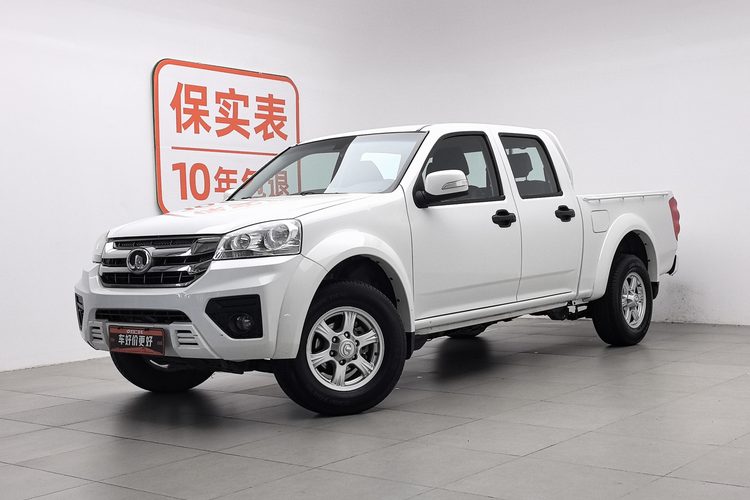
Basic Information

BrandGreat Wall
SeriesWingle 5
Year2017
First Registration2017/01
Mileage90,000km
Transfer Count-
FuelGasoline
TransmissionManual
Engine2.2L 101 L4
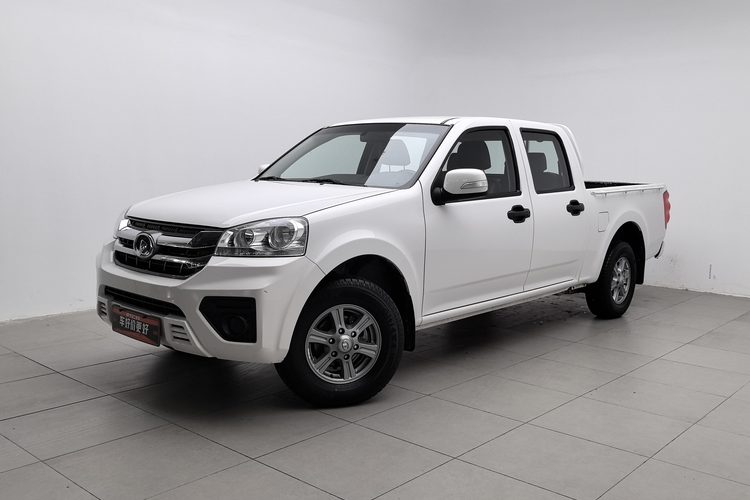
ColorWhite
Seats-

Condition Description

good

This 2017 Wingle 5 2.2L Classic Edition 2WD Double Cab 491QE was first registered in January 2017 and currently has 90,000 kilometers on the odometer. The vehicle is in good condition and suitable for daily use. Welcome to visit our showroom to see the car and experience it for yourself!

0 transfers

Accident & Maintenance Records

Accident Record

🔗 Open Link

Maintenance Record

🔗 Open Link

Document Information

Inspection Expiry Date2026/01
Warranty Expiry Date-
Insurance Expiry Date2026/01

Q&A

More

How often do you calibrate the instruments used to detect vehicles (such as paint thickness gauges and OBD diagnostic tools) for accuracy?

All our measuring instruments (especially calipers, paint thickness gauges, and refrigerant pressure gauges) are calibrated quarterly according to ISO quality management system requirements to ensure the data we provide you is objective, accurate, and reliable.
What should be done if the parameters on the vehicle's Chinese registration certificate do not match those in the destination country's customs database?

The commercial invoice and export license we provide are based on the vehicle's underlying VIN and official Chinese nameplate data. If there are minor discrepancies with the destination country's customs system parameters (such as curb weight), we will issue a "Parameter Explanation Letter" stamped by our company to assist you in explaining, but we cannot change the official document data.

Why are the shipping costs for used electric vehicles (EVs) usually higher than for internal combustion engine vehicles (ICEs)?

Pure electric vehicles are classified as Class 9 Dangerous Goods due to their large lithium batteries, leading to strict shipping regulations. Shipping companies have high requirements for the loading position and fire isolation measures for dangerous goods, and some roll-on/roll-off ships refuse to accept used EVs. As a result, EVs often require more expensive special container shipping and incur additional handling fees for hazardous materials.