Basic Information

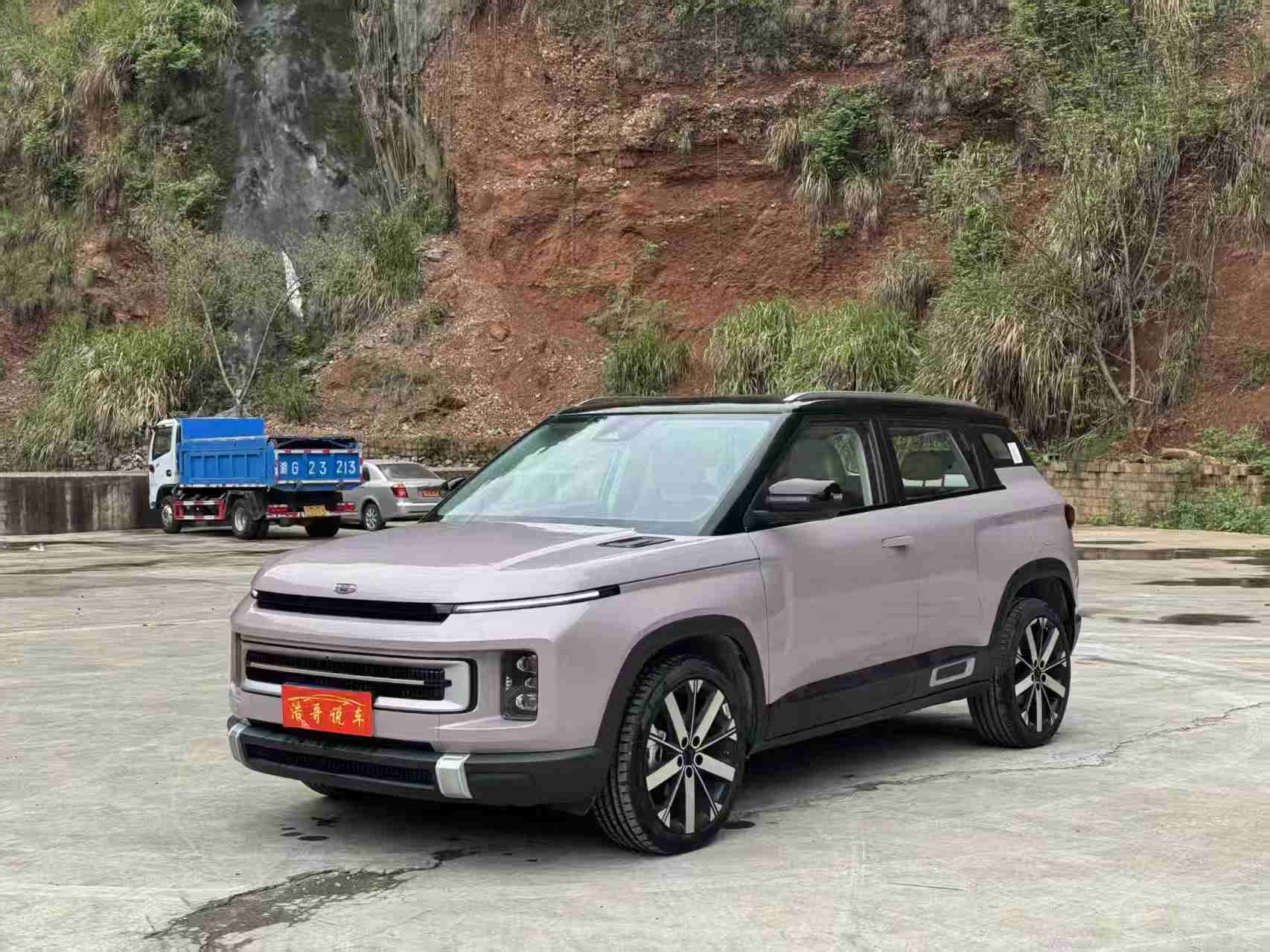
BrandGEELY
SeriesICON
Year2023
First Registration2023/12
Mileage37,500km
Transfer Count-
FuelGasoline
TransmissionDCT
Engine1.5T 181 L4
ColorWhite
Seats-

Condition Description

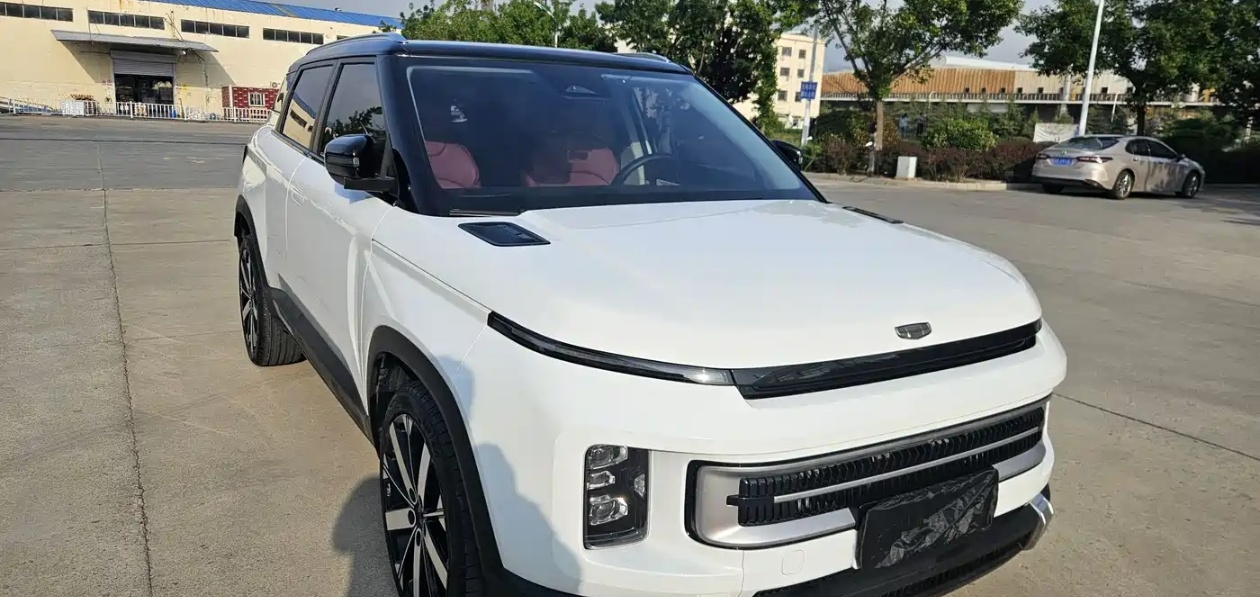
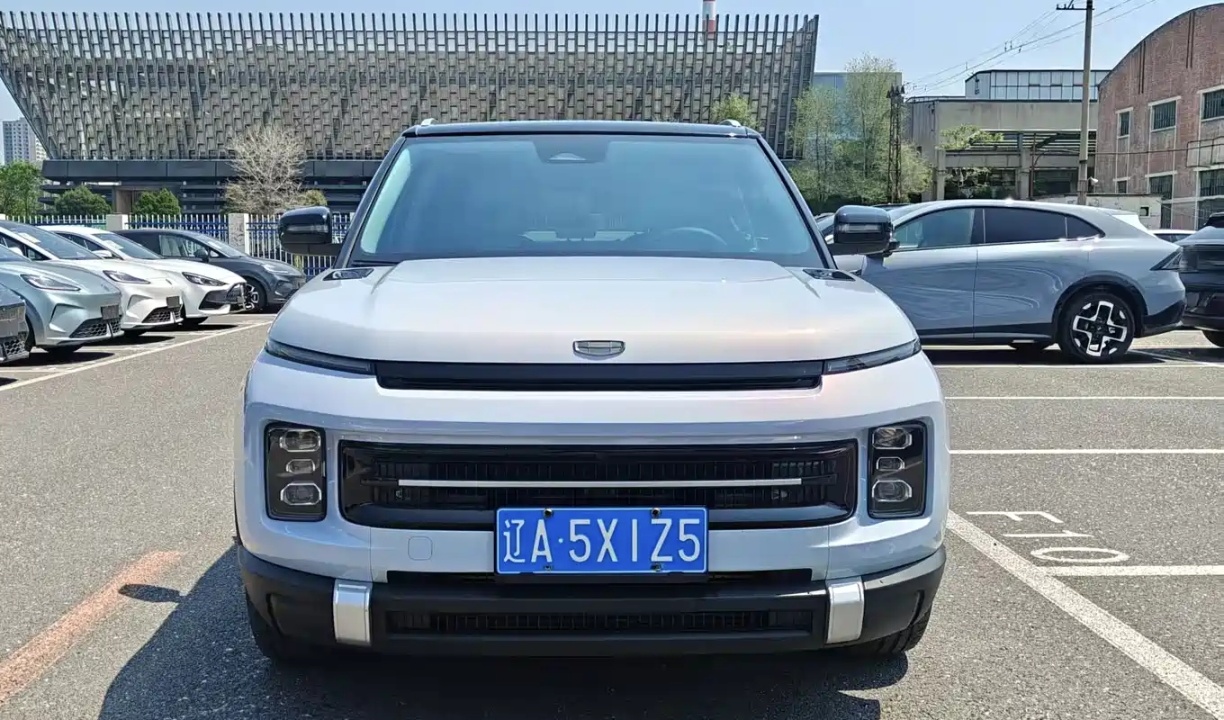
Excellent car condition test passed the car condition is better than 80%, and the best car condition for sale is claimed 0 times and transferred 0 times.

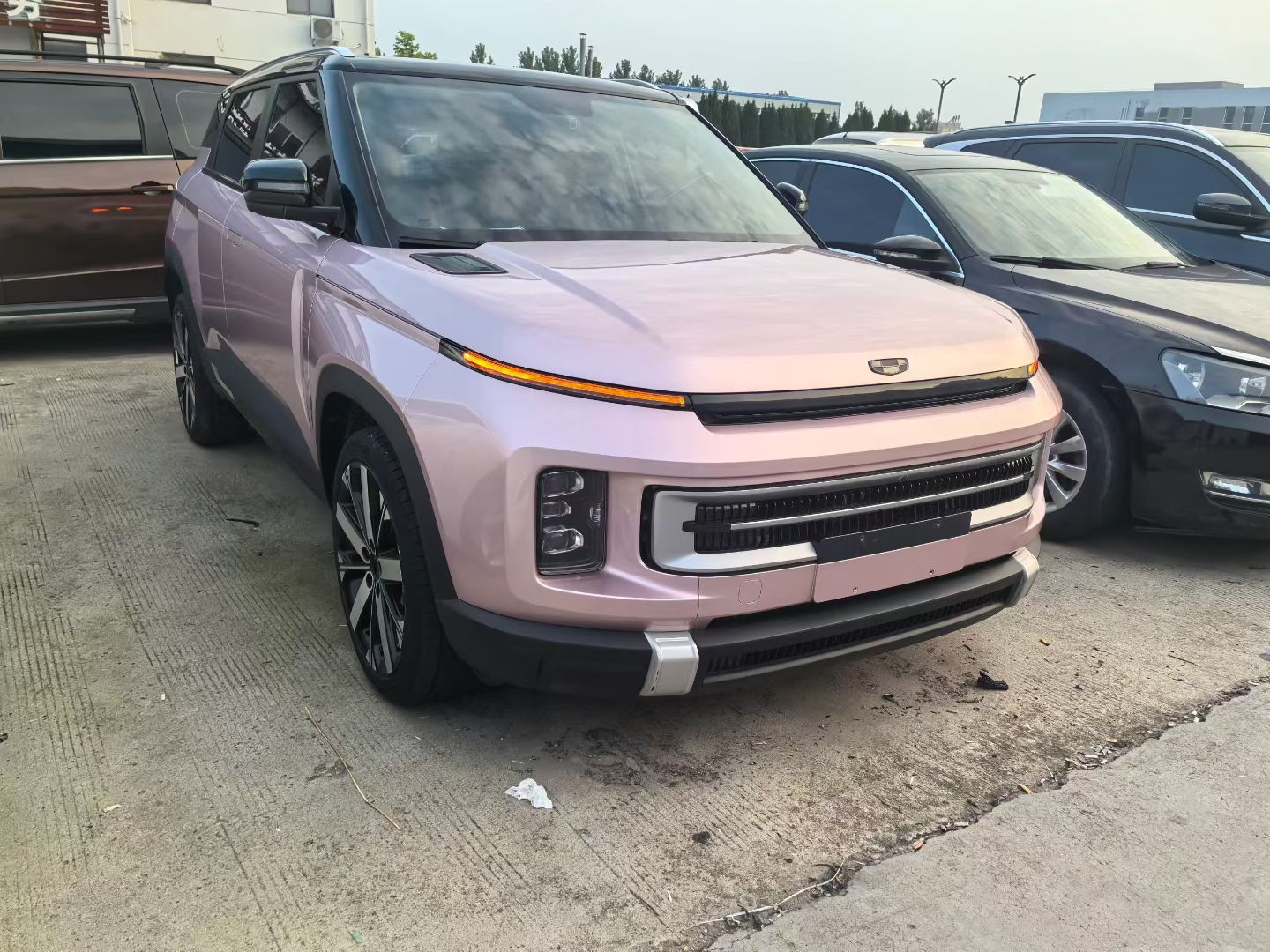
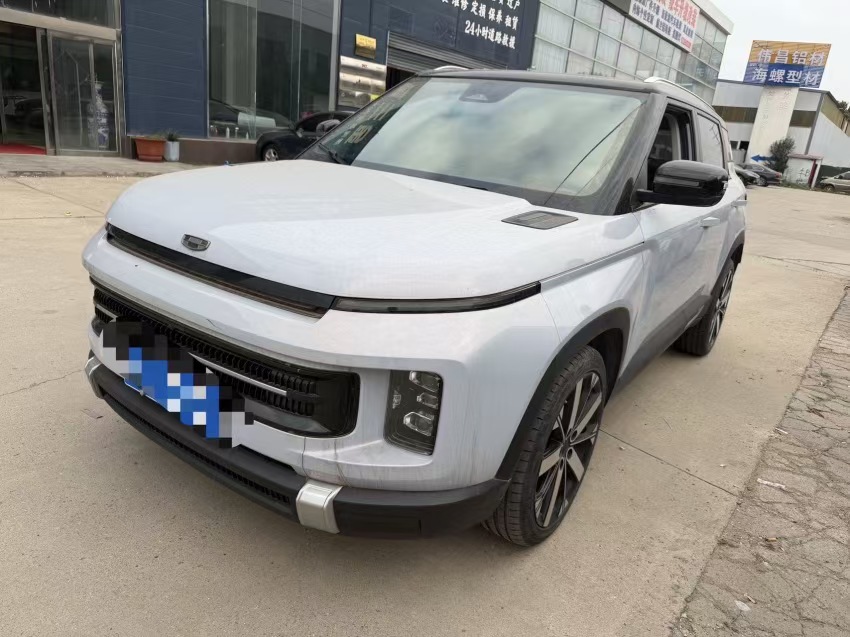
This Geely ICON compact SUV features a 7-speed wet dual-clutch transmission, a 181-horsepower 1.5T engine, high brand recognition, rich features, a luxurious interior, an excellent driving experience, and outstanding value for money. Features such as a full LCD instrument panel, a large color central control screen, a panoramic camera, and adaptive cruise control enhance driving pleasure, while automatic parking, active braking, and adaptive high beams improve safety, making driving easier and more enjoyable. This vehicle is 3 years old, with an average annual mileage of 12,500 kilometers, typical of normal family daily use. It has never been transferred to another owner, indicating it's a one-owner vehicle. The exterior is in excellent condition, with a glossy paint finish but minor scratches. The interior is clean and tidy, with minor signs of use. The overall body structure is intact and without abnormalities. Fluids are normal, and the powertrain operates smoothly without any issues.

Configuration Highlights

✓Adaptive Cruise Control
✓Adaptive Headlights
✓Surround View Camera
✓Lane Departure Warning
✓Digital Instrument Cluster
✓Panoramic Sunroof
✓Smartphone Connectivity
✓High Beam Assist
✓Auto Hold
✓Keyless Entry
✓High-definition Low Beam
✓Power Folding Mirrors
✓Engine Start-Stop
✓Power Seats
✓Auto Headlights
✓Keyless Start
✓Rear Air Vents
✓Tire Pressure Monitoring
✓Heated Mirrors
✓Hill Start Assist
✓Rear Parking Sensors
✓Anti-pinch Windows

Q&A

More

What insurance should I arrange when shipping a used car from China, and what do Incoterms like FOB and CIF mean for me?

Two separate protections matter: cargo insurance and contractual risk transfer. Cargo insurance: for container or RoRo shipments, buy marine cargo insurance covering total loss and damage, typically 110% of the CIF value (average cost 0.3%–0.8%). Check exclusions — many policies exclude pre-existing damage, so a pre-shipment inspection report is essential to prove the car's condition at loading. Incoterms define who bears risk and cost at each stage: 1. FOB (Free On Board): exporter pays until the car is loaded on the vessel; risk passes to you at that point. You pay ocean freight and insurance. Common and usually cheapest if you have your own freight forwarder. 2. CIF (Cost, Insurance and Freight): exporter pays freight and minimum insurance to your port. Convenient but the insurance coverage is basic — consider topping it up. 3. EXW (Ex Works): you handle everything from the exporter's yard; only choose this if you have a trusted agent in China. Put the agreed Incoterm and port clearly in the contract, and never release final payment before the Bill of Lading is issued.
What additional fees do I need to pay when picking up the car at the destination port, besides the payment to sellwellauto?

As the importer, you mainly need to bear the following costs at the destination port: import duties, VAT or GST, terminal handling charges, local customs clearance fees, and inland logistics costs from the port to your company. Please consult your local customs broker before placing an order to accurately calculate the total landing costs.

Should I ship my car from China in a container or by RoRo vessel?

Both are common, and the right choice depends on budget and destination: 1. Container shipping (20ft/40ft): The car is sealed inside a container, offering better protection and allowing you to load spare parts inside the car. Typical cost from Shanghai to major world ports: $1,500-$3,000 per car. Best for long distances and high-value vehicles. 2. RoRo (roll-on/roll-off): The car is driven onto the ship and secured on deck. Cheaper ($800-$1,800 to most ports) and faster to load, but exposed to weather and port handling. Not all routes offer RoRo service. Transit time examples: to the Gulf 15-25 days, to West Africa 30-45 days, to Latin America 25-40 days, to Europe 20-35 days. Ask your exporter which option serves your destination port, and always insure the shipment for full value.