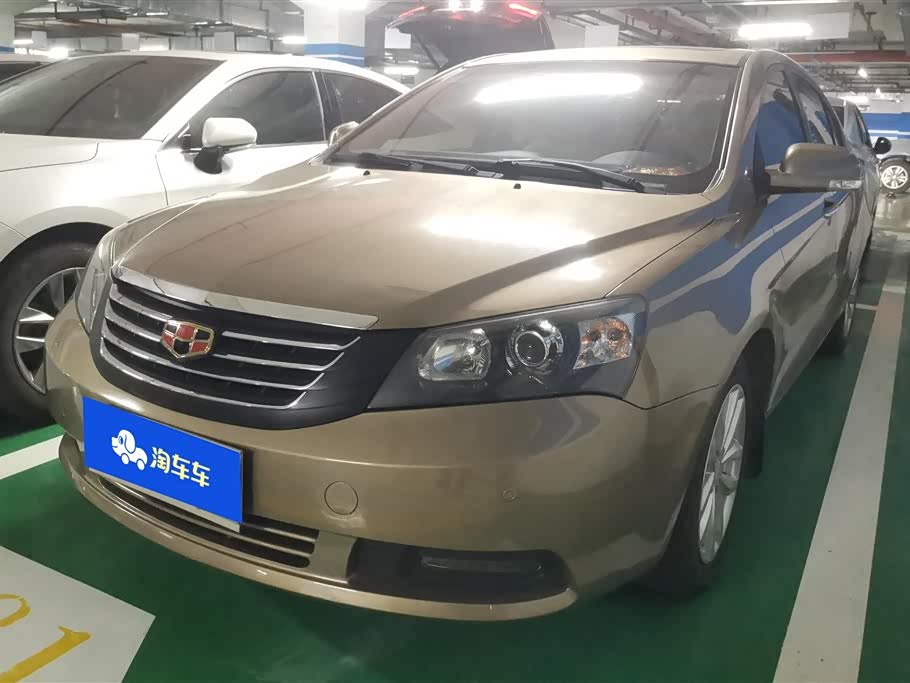
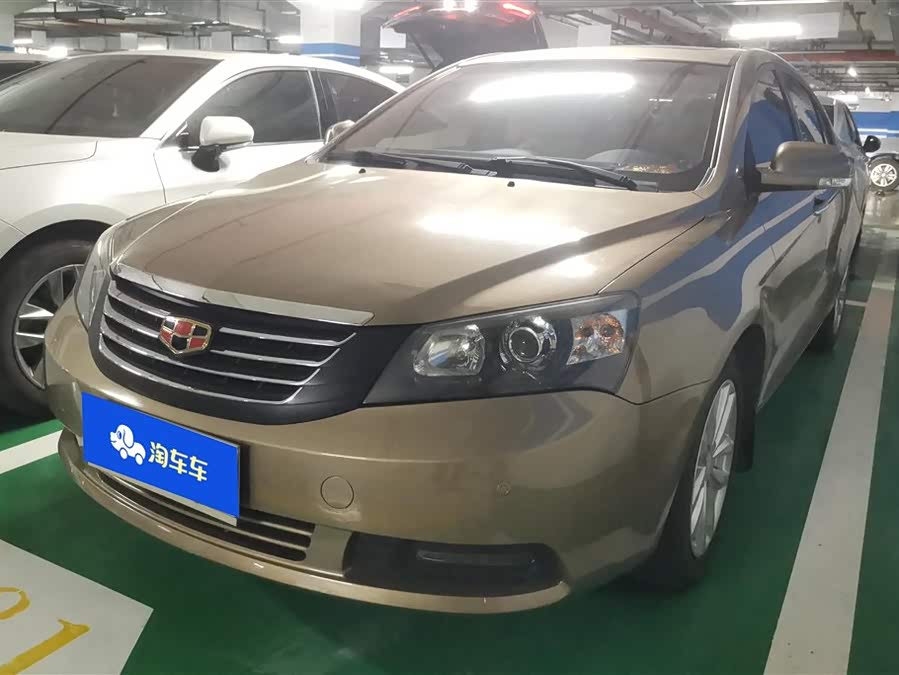
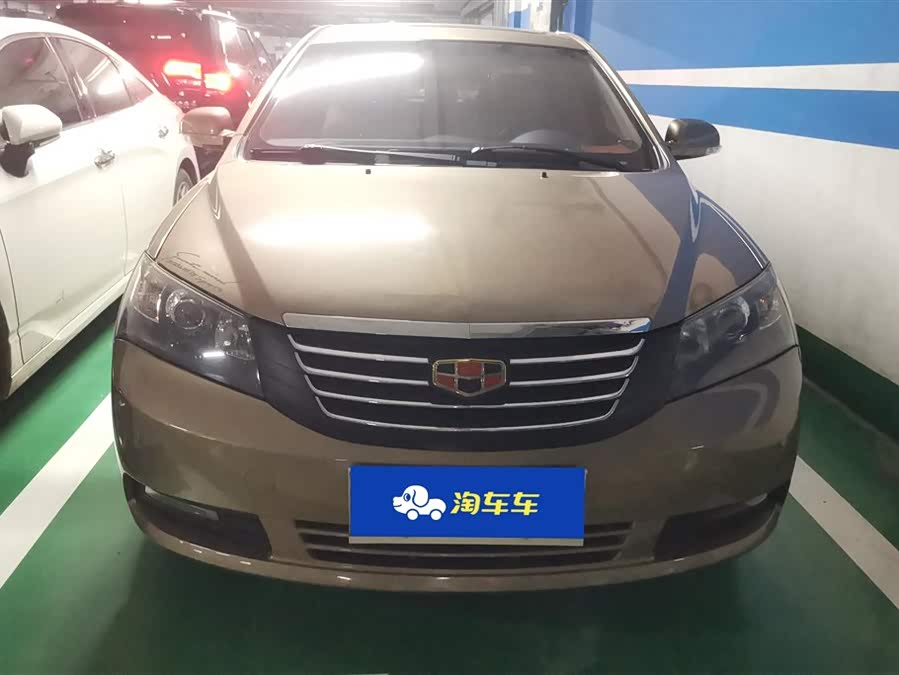
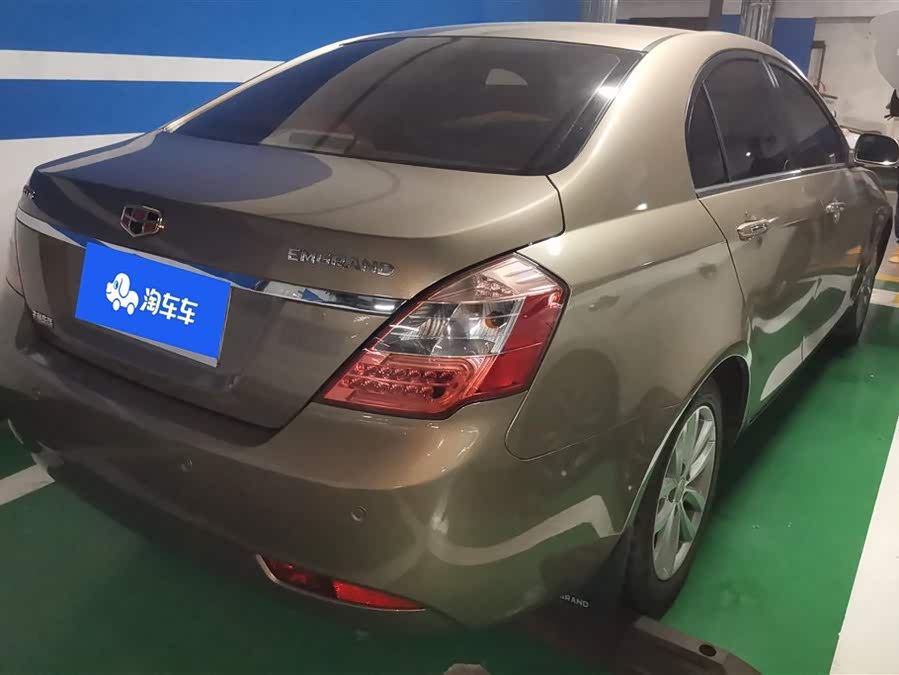




Basic Information

BrandGEELY
SeriesEmgrand Classic
Year2013
First Registration2013/03
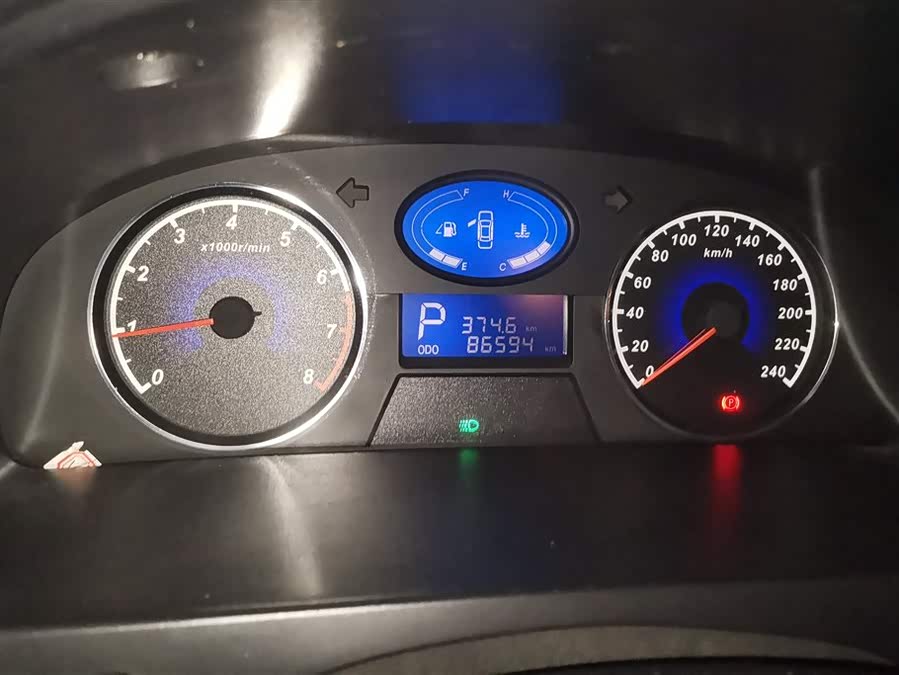
Mileage86,600km
Transfer Count-
FuelGasoline
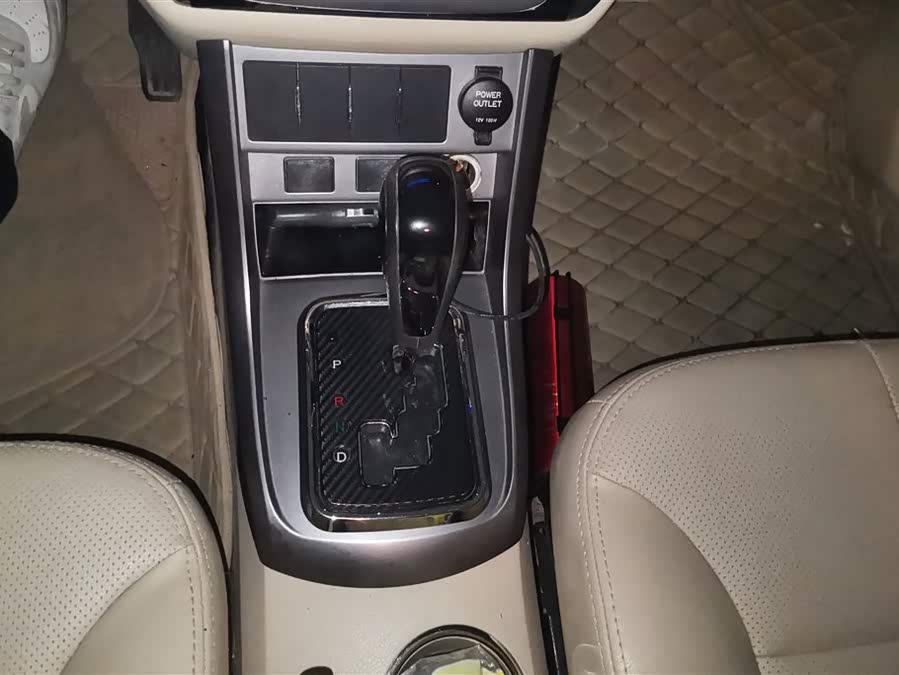
TransmissionCVT
Engine1.8L 139 L4
ColorYellow
Seats-

Condition Description

very good

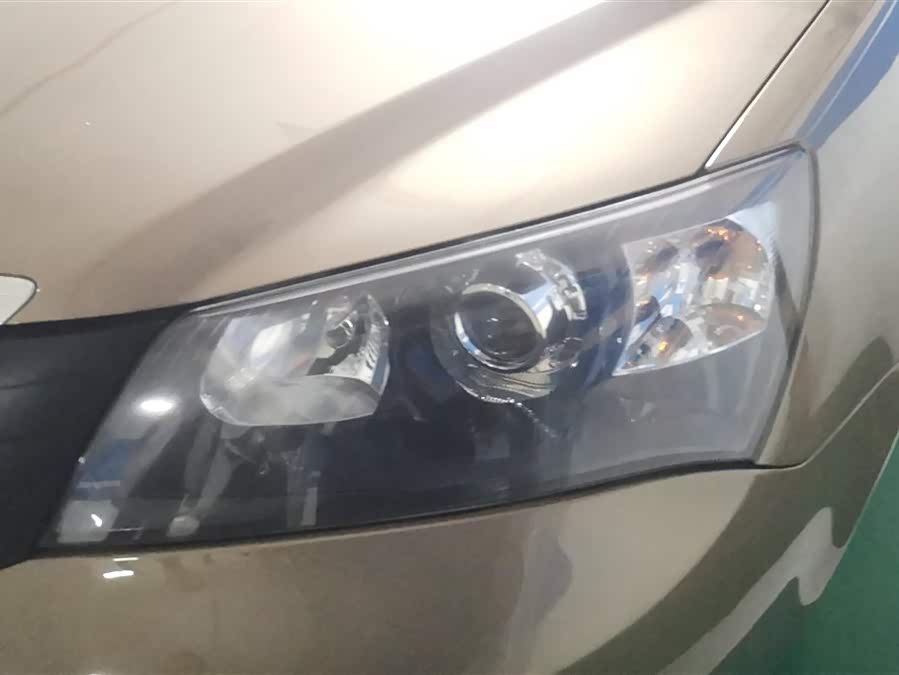
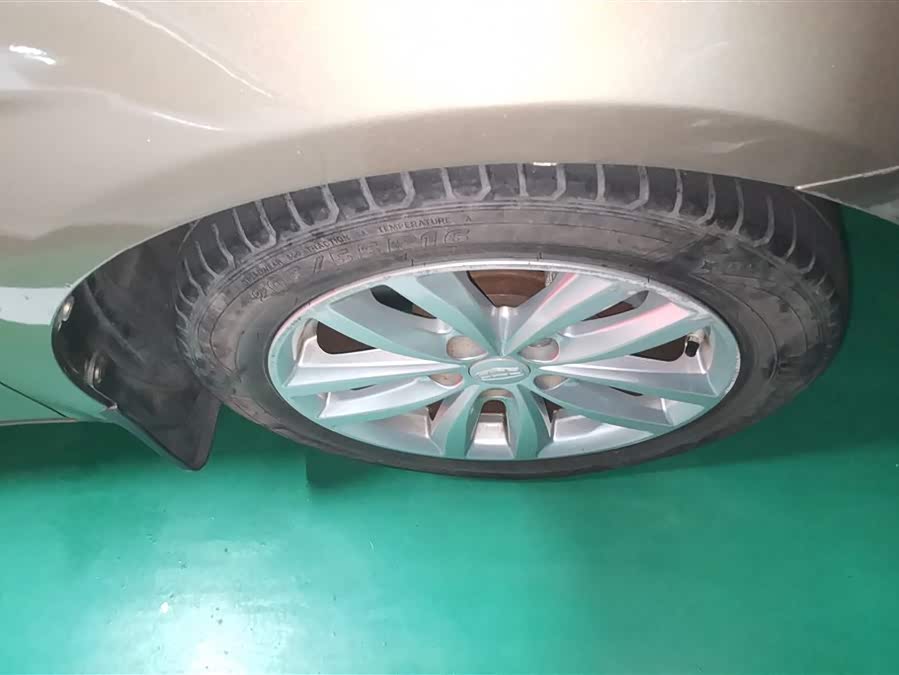
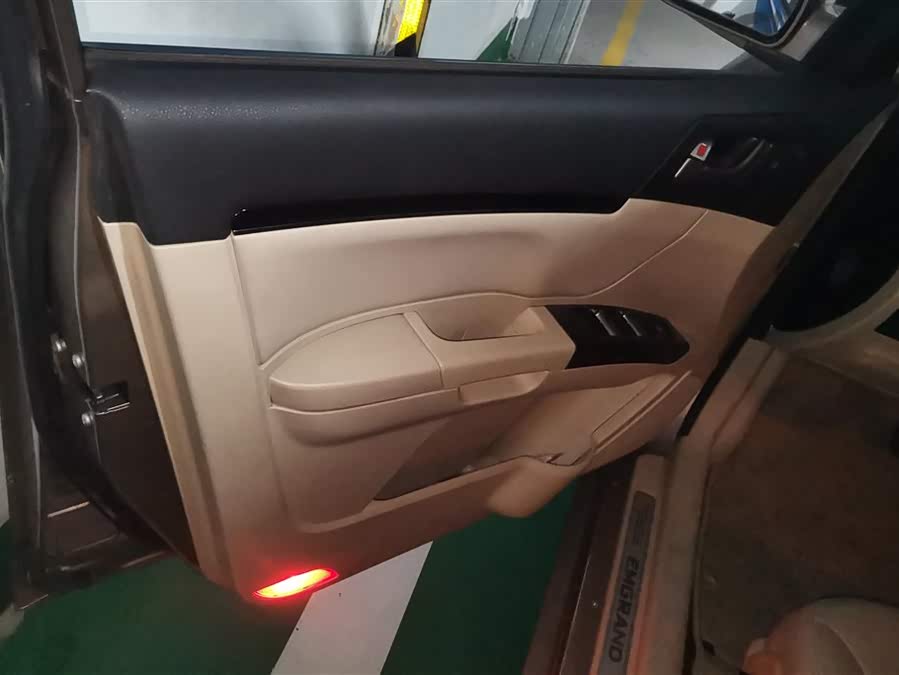
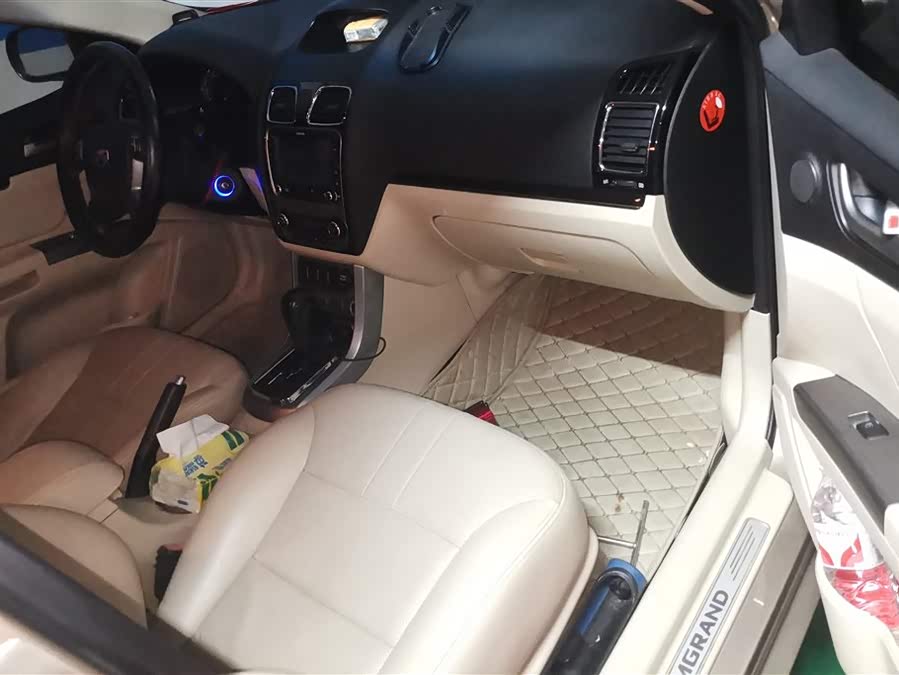
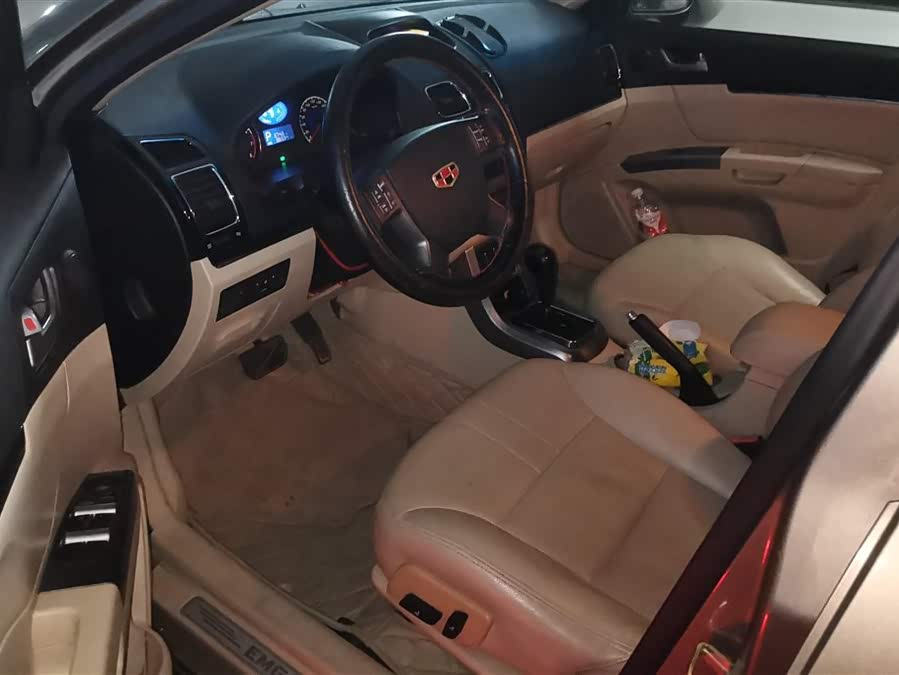
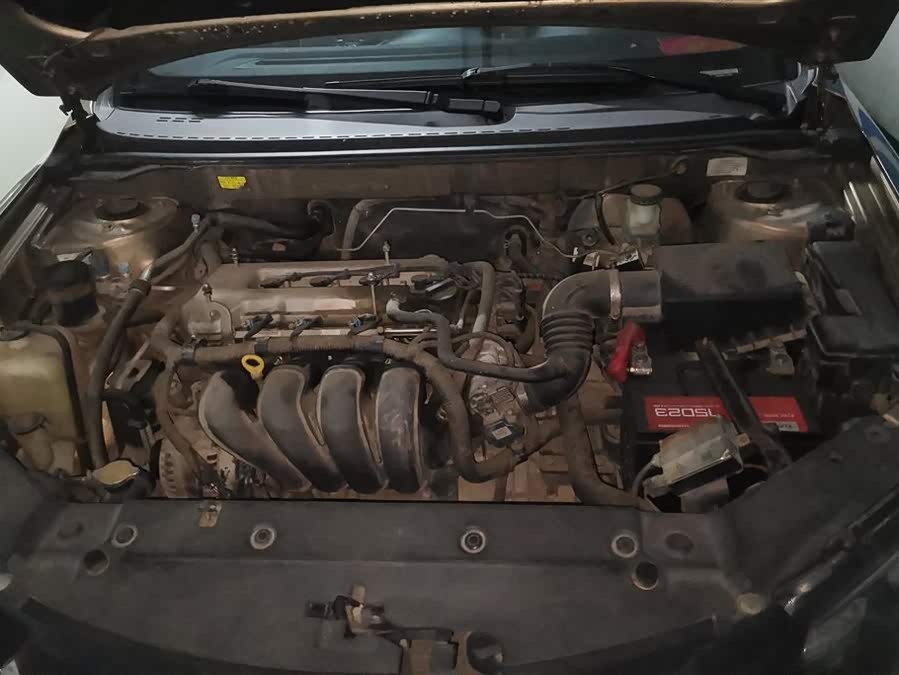
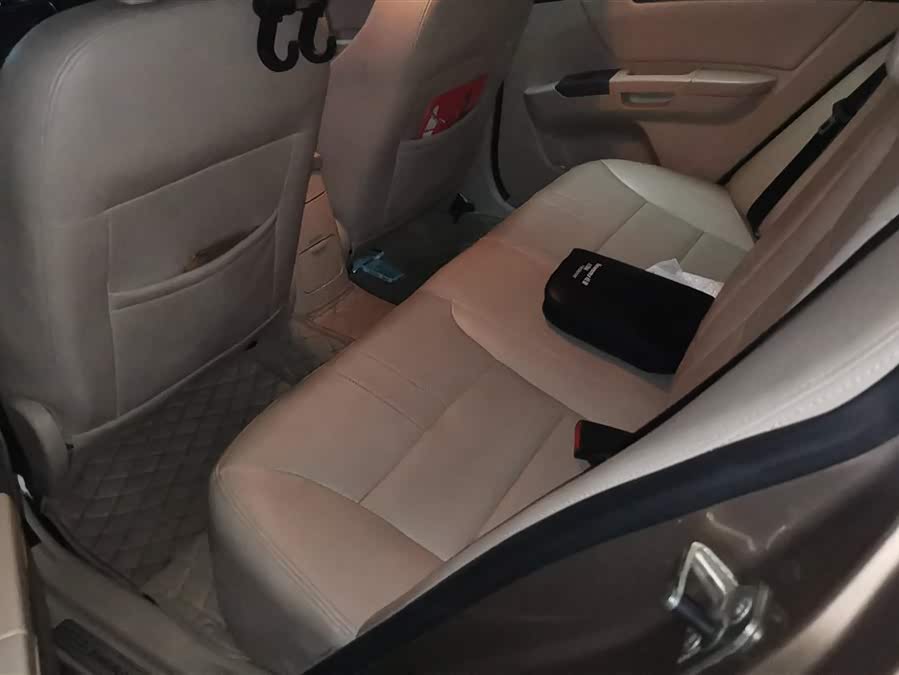
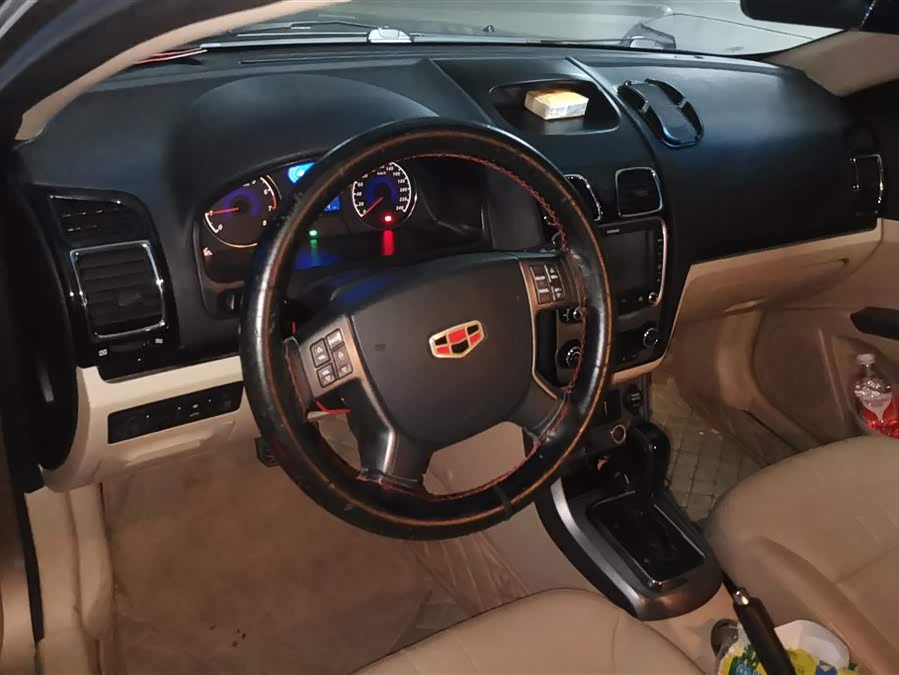
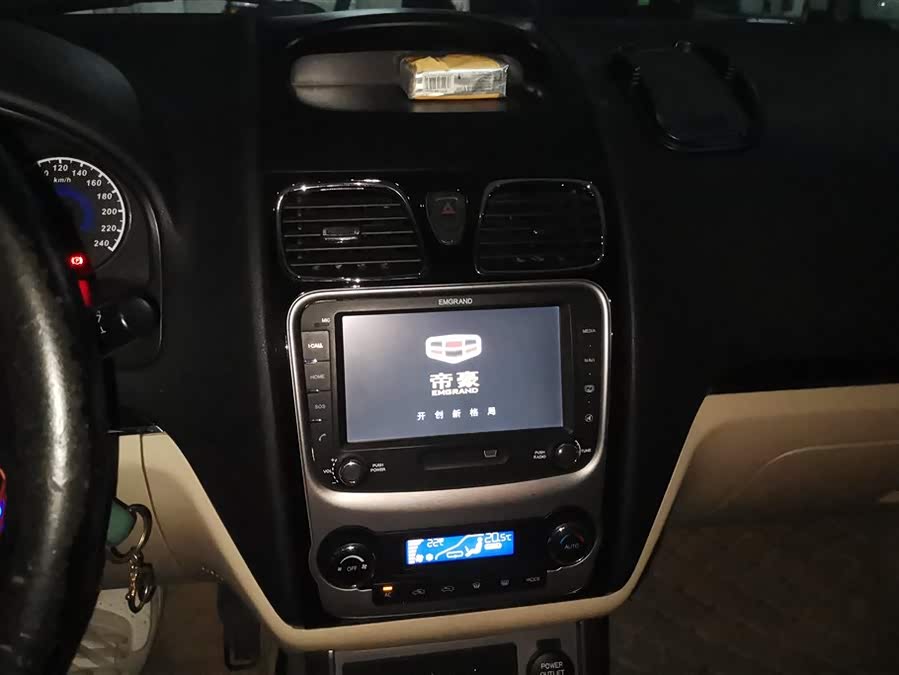
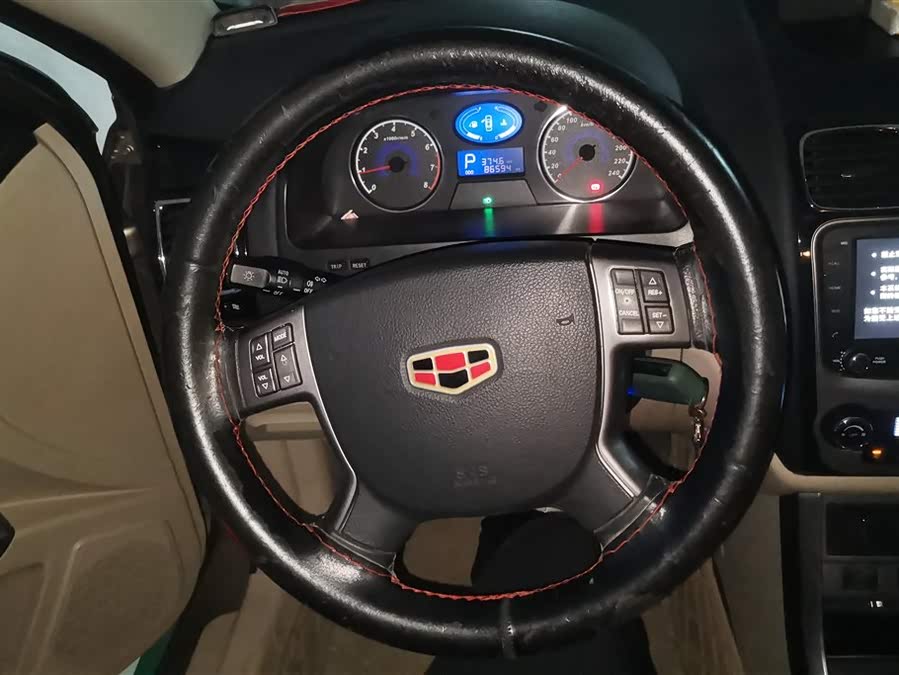
Vehicle Code: 136752553 Vehicle Information: Vehicle Name: Geely Classic Emgrand 2013 Sedan 1.8L CVT Premium Vehicle Color: Yellow Exterior | Light Interior Registration Date: 2013|3 - Mileage: 86,600 km Annual Inspection Expiry: 2026|3 - Compulsory Traffic Insurance Expiry: 2026|3 Purpose: Private Use Vehicle Documents: Vehicle and Vessel Tax, Registration Certificate, Purchase Tax Vehicle Overview: Exterior: Paint in good condition, high curb weight, ensuring aesthetics while improving paint durability; Interior: Interior thoroughly cleaned, removing signs of use and repairing wear. Ensures electric adjustment devices, audio, navigation, air conditioning, and other electrical equipment are functioning properly; Performance: Ensures vehicle stability and smooth driving, smooth engine operation, stable power transmission from the transmission, and effective braking and suspension; Safety: Vehicle structural components are intact;

0 transfers

Accident & Maintenance Records

Accident Record

🔗 Open Link

Maintenance Record

🔗 Open Link

Document Information

Inspection Expiry Date2026/03
Warranty Expiry Date-
Insurance Expiry Date2026/03

Q&A

More

How are import duties on used cars from China calculated, and which HS code applies?

Used cars are classified under HS heading 8703 (motor vehicles for transport of persons), with the last four digits determined by engine type and size. Gasoline cars usually fall in 8703.21–8703.80 depending on displacement; pure EVs fall under 8703.80; hybrids have their own subheadings. The duty amount depends on your country's tariff schedule: 1. Most countries charge duty on the CIF value (car price + freight + insurance), not the FOB price. 2. Many developing markets levy higher duties on used vehicles than new ones, and some add a surcharge based on age — older cars can cost significantly more to clear. 3. After duty, you typically pay VAT/GST on the CIF + duty total, plus port and customs fees. Practical tips: ask your exporter to state the exact HS code on the commercial invoice and confirm it with a local customs broker before shipping. A wrong code can trigger reclassification, penalties, or delays. Also budget for any excise tax tied to engine capacity — in several markets a 2.5L car clears far cheaper than a 3.5L one.

What is a Certificate of Origin and why do I need one when importing a car from China?

A Certificate of Origin (C/O) is an official document stating where the vehicle was manufactured. Customs authorities use it to decide which tariff rates and trade agreements apply to your import. Why it matters: many countries offer preferential tariffs for certain origins. With a valid C/O, such as the ASEAN-China Form E or a GSP Form A, you may pay reduced or zero duty. Without it, you typically pay the standard, higher rate. The certificate must match the vehicle exactly: VIN, make, model and invoice details. It is usually issued by the China Council for the Promotion of International Trade (CCPIT) or customs authorities. Practical tips: request the C/O before shipment, because adding it later is slow; check that your country's customs accepts the specific C/O format; and confirm with your broker whether your vehicle category qualifies for preferential rates. This single document can save you thousands in duty.

How to check the condition of the turbocharger (oil leaks, unusual noises, insufficient pressure) for turbocharged vehicles?

Experience turbo lag and power surge during road tests; check for significant oil accumulation at the turbo intake and intercooler connections (slight oil vapor is normal); and use OBD to read the real-time boost pressure peak to see if it meets factory settings.

GEELY Emgrand Classic 1.8L 139 L4

经典帝豪 2013款 三厢 1.8L CVT尊贵型

EXW: $2,697
Car CodeSWA1630340
Publish Date2026/03/10