Basic Information

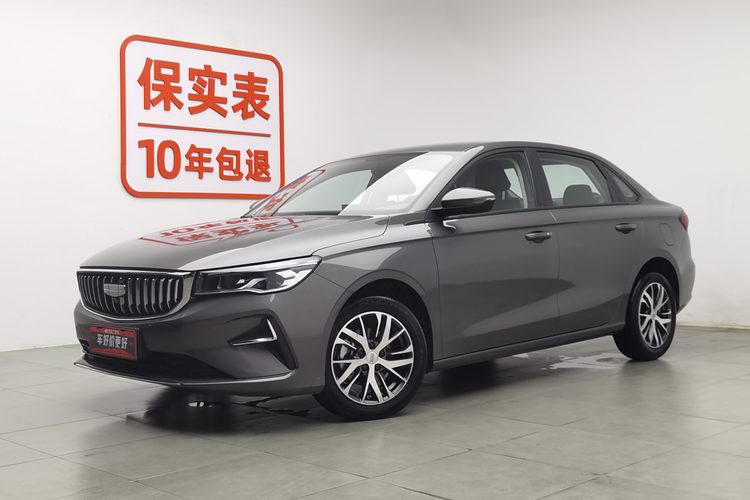
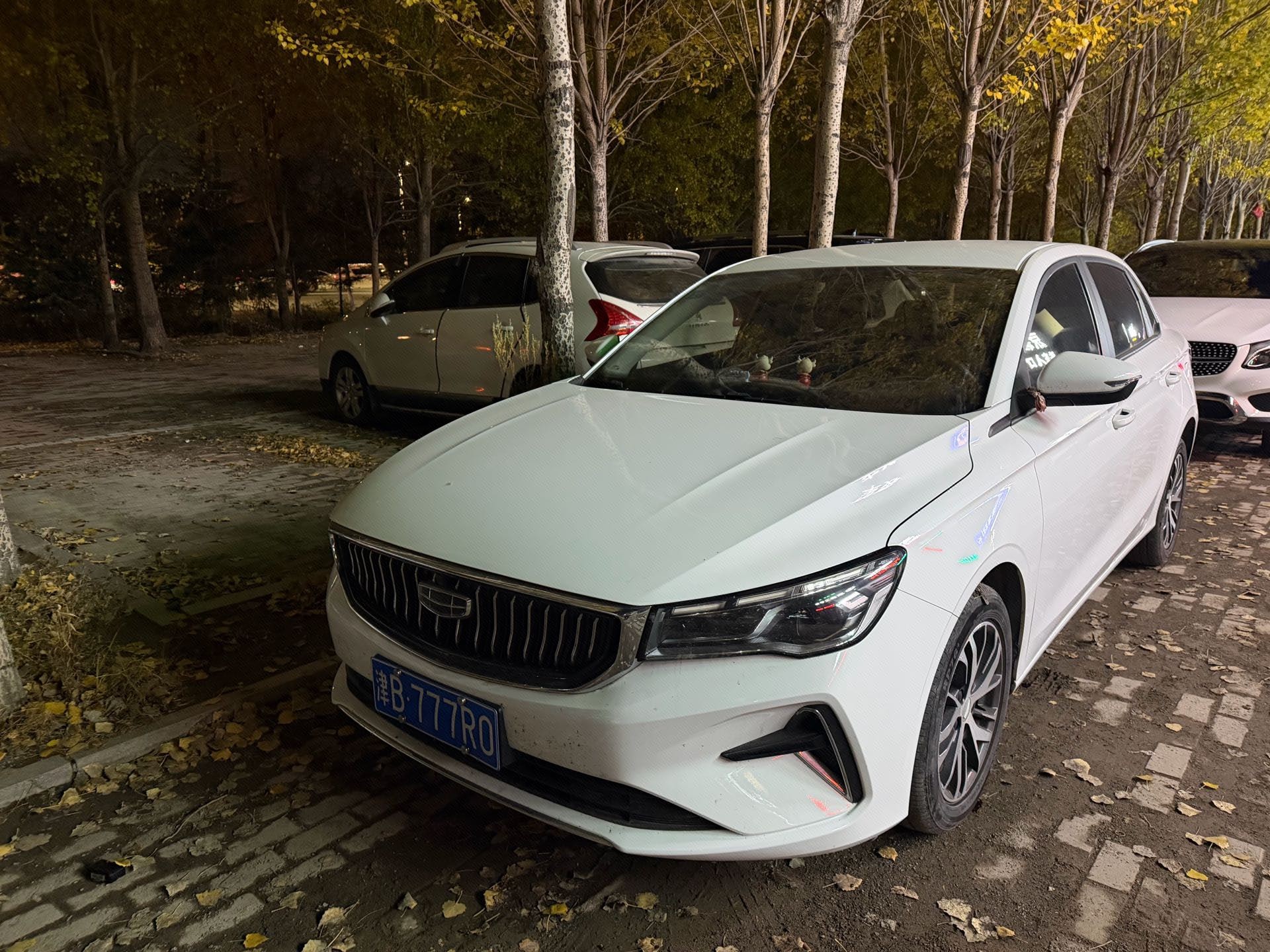
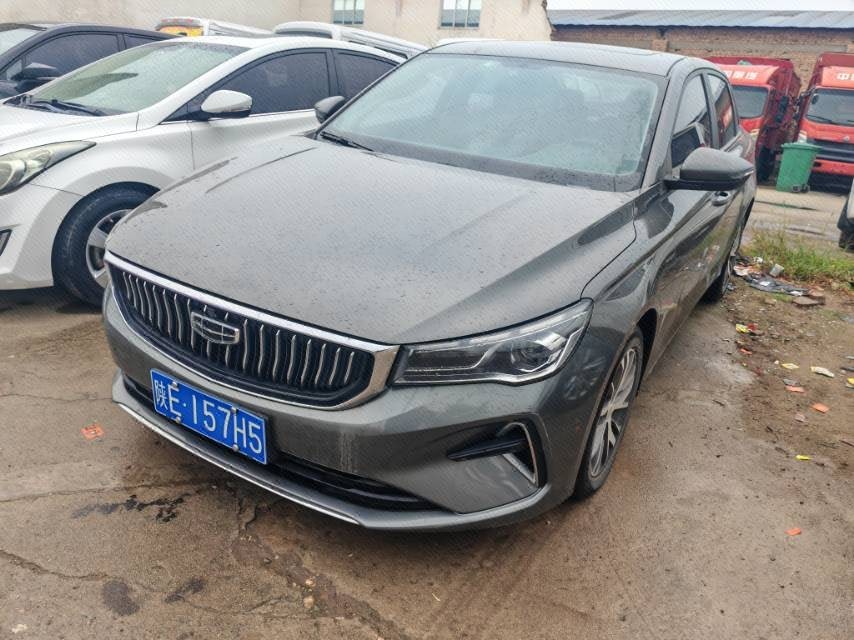
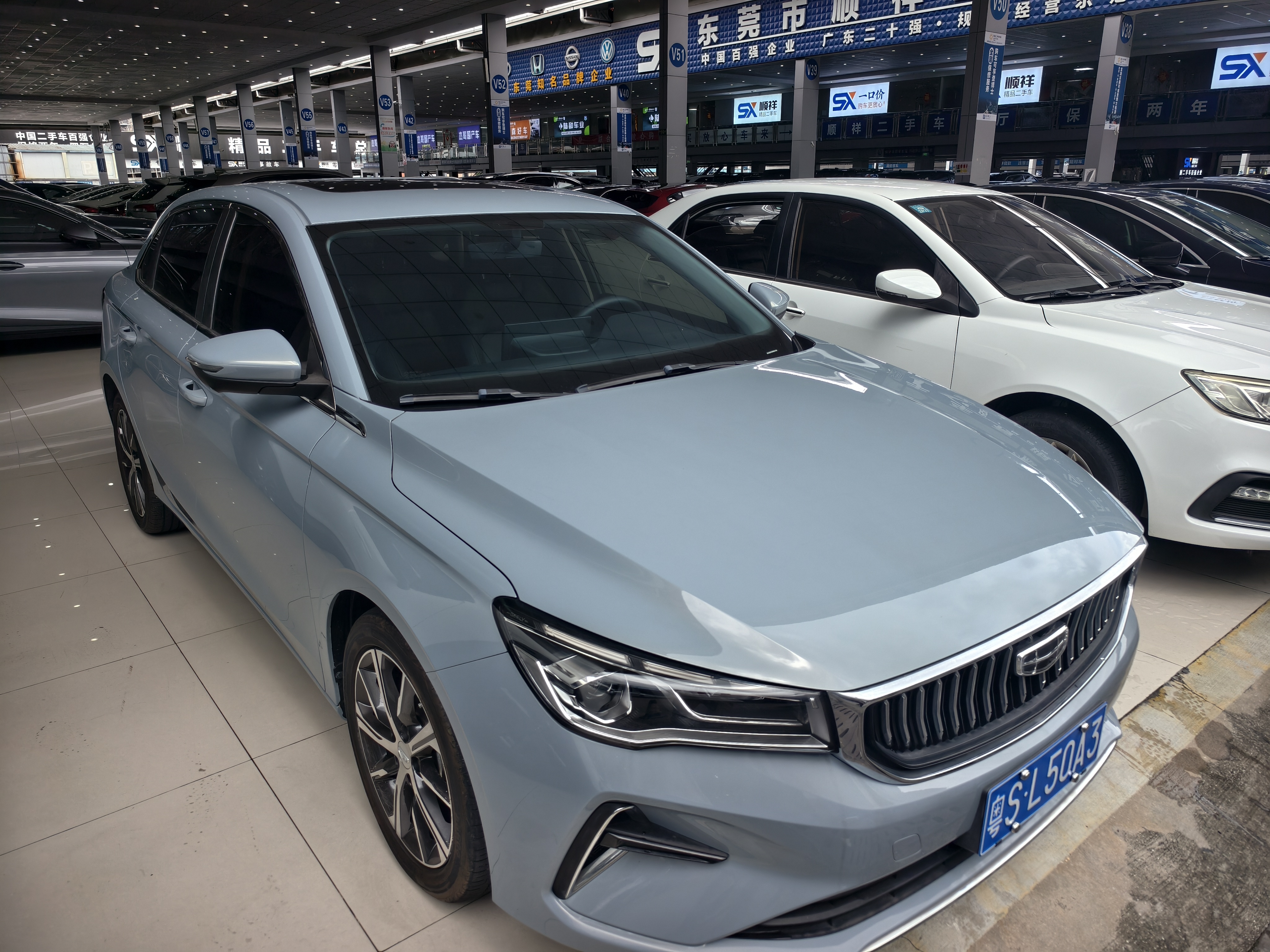
BrandGEELY
SeriesEmgrand
Year2025
First Registration2025/01
Mileage23,000km
Transfer Count0times
FuelGasoline
TransmissionCVT
Engine1.5L 127 L4
ColorGrey
Seats5seats

Condition Description

No odometer tampering, no structural damage, no water damage, no fire damage.

Configuration Highlights

✓Remote Start
✓Auto Hold
✓Tire Pressure Monitoring
✓Auto Headlights

Document Information

Inspection Expiry Date2027/01
Warranty Expiry Date-
Insurance Expiry Date-

Q&A

More

Is the shipping insurance rate for used new energy vehicles higher than that for traditional fuel vehicles? What is the deductible?

Yes. Due to the significant difficulty in extinguishing lithium battery fires, insurance companies typically charge 20%-40% higher rates for comprehensive coverage on used EVs compared to ICE vehicles. Additionally, the absolute deductible for minor scratches on the body will also be increased accordingly.

Does the vehicle's smart car system (central control screen) have an English version? Can Google Maps or YouTube be installed?

It depends on the specific brand and model. Some brands (like BYD and MG) have native multilingual systems that can switch to English directly; however, some models designed for the Chinese domestic market only have a Chinese interface. For systems that only have Chinese, we can assist with compliant system flashing (installing international firmware) or adding modules that support Apple CarPlay/Android Auto, so you can use Google Maps. The details page will clearly indicate the language status of each vehicle's system.

What insurance should I arrange when shipping a used car from China, and what do Incoterms like FOB and CIF mean for me?

Two separate protections matter: cargo insurance and contractual risk transfer. Cargo insurance: for container or RoRo shipments, buy marine cargo insurance covering total loss and damage, typically 110% of the CIF value (average cost 0.3%–0.8%). Check exclusions — many policies exclude pre-existing damage, so a pre-shipment inspection report is essential to prove the car's condition at loading. Incoterms define who bears risk and cost at each stage: 1. FOB (Free On Board): exporter pays until the car is loaded on the vessel; risk passes to you at that point. You pay ocean freight and insurance. Common and usually cheapest if you have your own freight forwarder. 2. CIF (Cost, Insurance and Freight): exporter pays freight and minimum insurance to your port. Convenient but the insurance coverage is basic — consider topping it up. 3. EXW (Ex Works): you handle everything from the exporter's yard; only choose this if you have a trusted agent in China. Put the agreed Incoterm and port clearly in the contract, and never release final payment before the Bill of Lading is issued.