Stock

Basic Information

BrandGEELY
SeriesEmgrand
Year2024
First Registration2024/12
Mileage20,000km
Transfer Count1times
FuelGasoline
TransmissionManual
Engine1.5L 127 L4
ColorWhite
Seats5seats

Condition Description

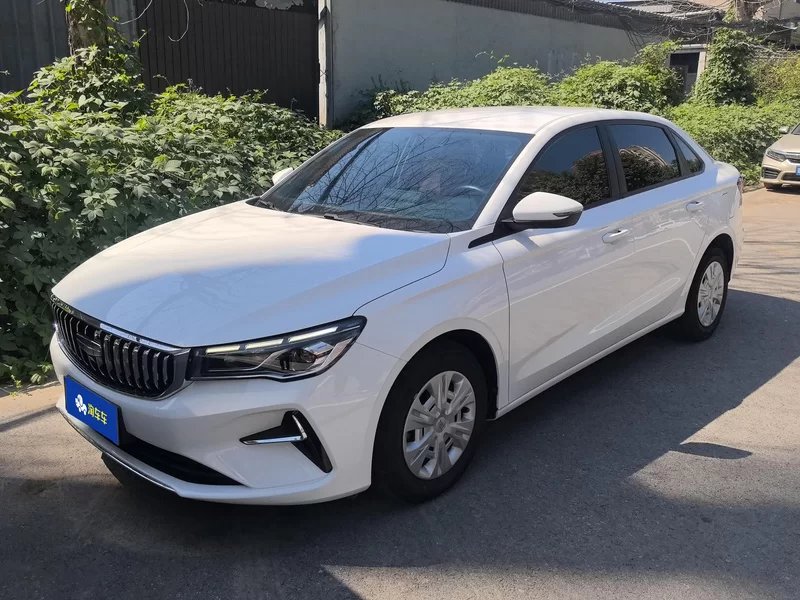
The vehicle has been manufactured in October 2024 and registered in December 2024. It has a mileage of 20,000 kilometers. The original paint is intact with no scratches, defects, accidents, or abrasions. The body is in excellent condition.

燃油车
轿车
手动
维保开放
事故开放
查验开放

Configuration Highlights

✓品牌: 吉利汽车
✓车系: 帝豪
✓车型: 2025款 第4代 1.5L 手动星耀版
✓车身类型: 轿车
✓座位数: 5
✓排量: 1.5L
✓变速箱: 手动
✓能源类型: 燃油车
✓VIN: LB37824S2RG129365
✓搜索关键词: 吉利汽车帝豪 2025款帝豪第4代1.5L手动星耀版

Document Information

Inspection Expiry Date2026/10
Warranty Expiry Date-
Insurance Expiry Date2026/12

Q&A

More

What is a Certificate of Origin and why do I need one when importing a car from China?

A Certificate of Origin (C/O) is an official document stating where the vehicle was manufactured. Customs authorities use it to decide which tariff rates and trade agreements apply to your import. Why it matters: many countries offer preferential tariffs for certain origins. With a valid C/O, such as the ASEAN-China Form E or a GSP Form A, you may pay reduced or zero duty. Without it, you typically pay the standard, higher rate. The certificate must match the vehicle exactly: VIN, make, model and invoice details. It is usually issued by the China Council for the Promotion of International Trade (CCPIT) or customs authorities. Practical tips: request the C/O before shipment, because adding it later is slow; check that your country's customs accepts the specific C/O format; and confirm with your broker whether your vehicle category qualifies for preferential rates. This single document can save you thousands in duty.
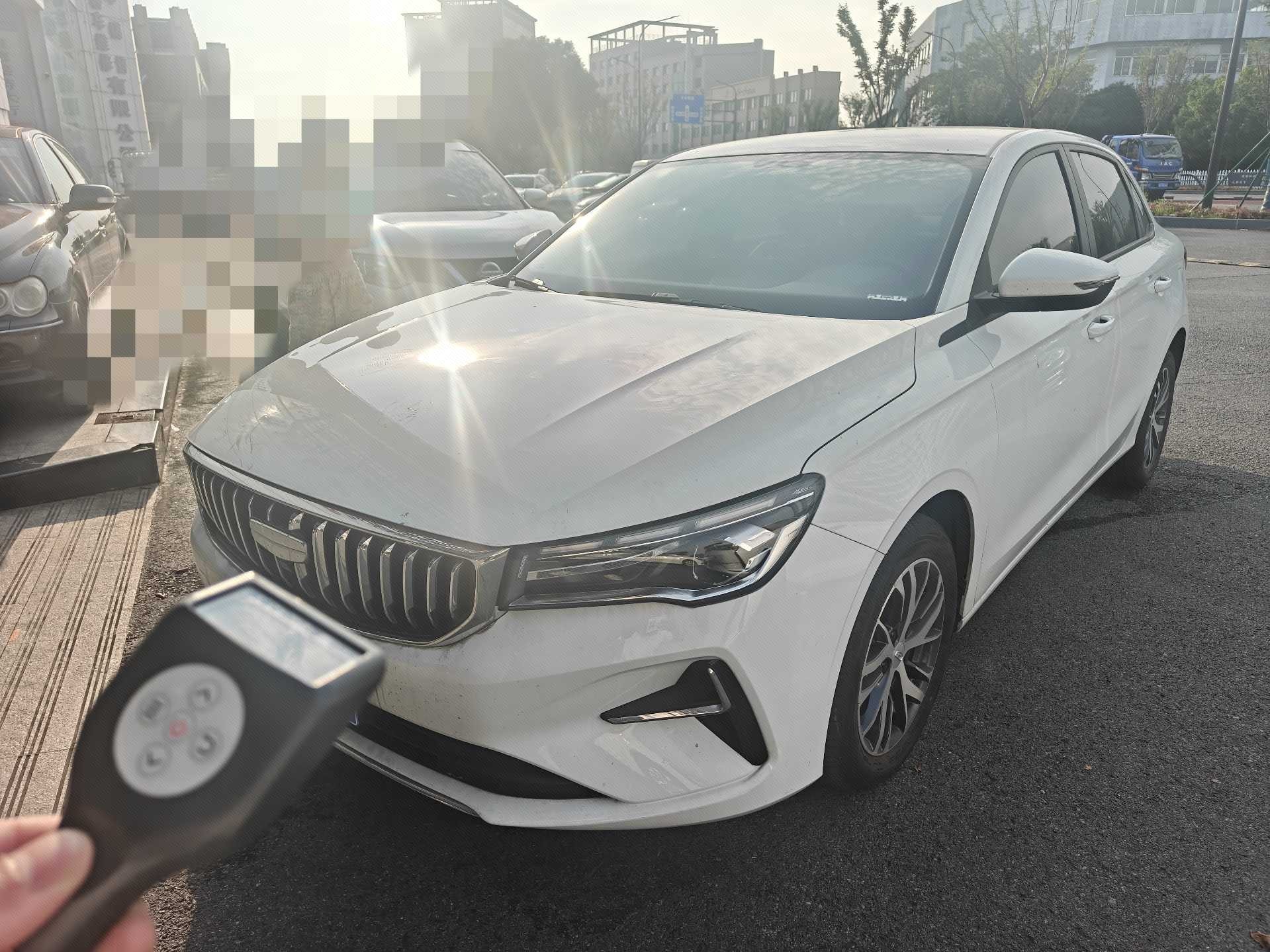
When checking the history records, can you distinguish whether the vehicle was involved in a "single-vehicle accident (like hitting a wall)" or a "multi-vehicle rear-end collision"?

If insurance claims records are accessed, there will usually be notes like "the insured vehicle is fully responsible for hitting a fixed object" or "third-party liability insurance payment." We can roughly reconstruct the accident scene based on this and cross-verify the stress points on the vehicle's frame with paint thickness gauge data.

Will the Advanced Driver Assistance Systems (ADAS) work under overseas road conditions?

Basic perception functions (like Adaptive Cruise Control ACC, Lane Keeping Assist LKA, and Automatic Emergency Braking AEB) rely on the vehicle's local radar and cameras, and can operate normally overseas. However, advanced features that heavily depend on high-precision maps and cloud data (like Navigation on Autopilot NOA and Full Self-Driving FSD) cannot be activated overseas.