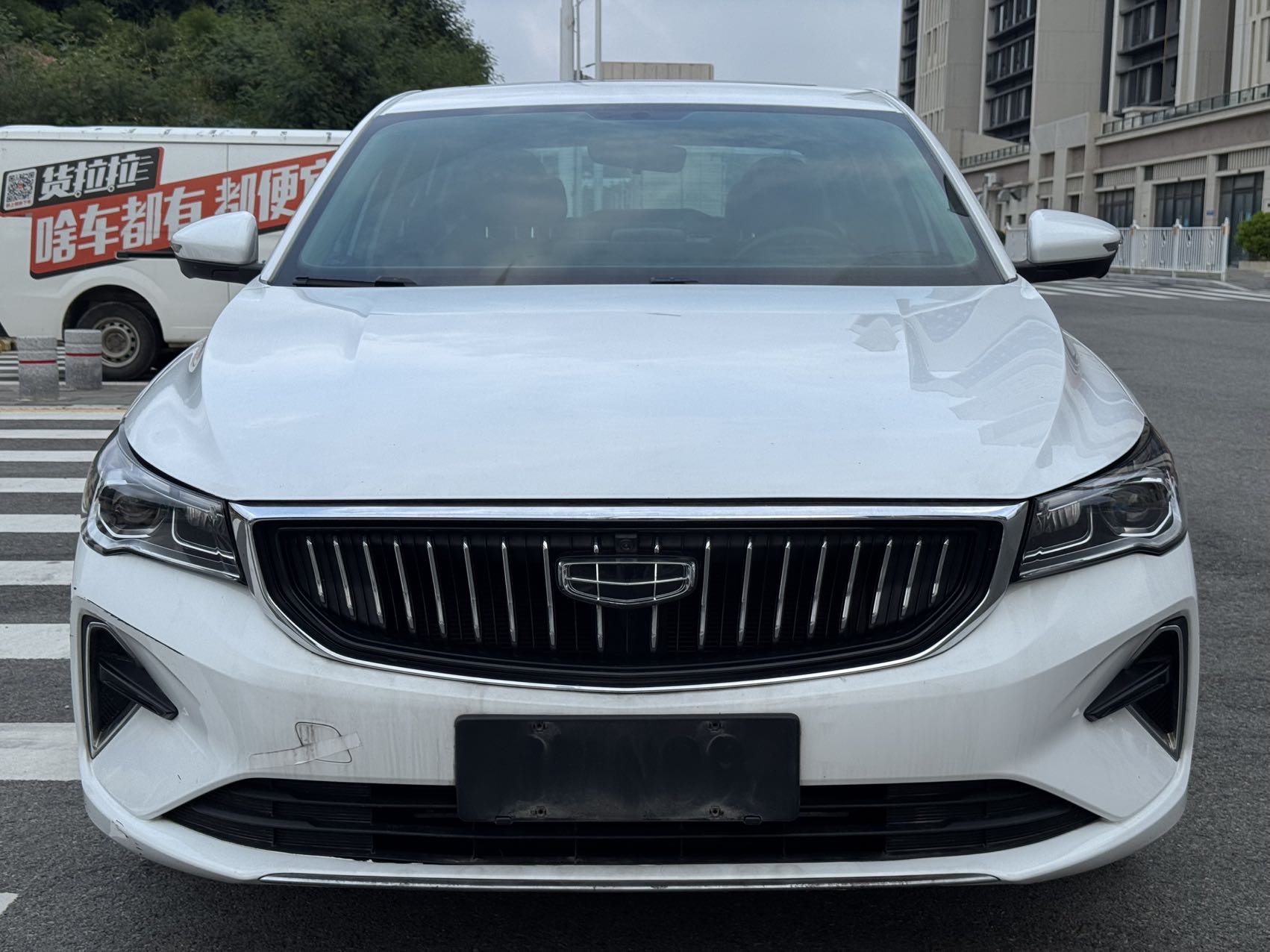
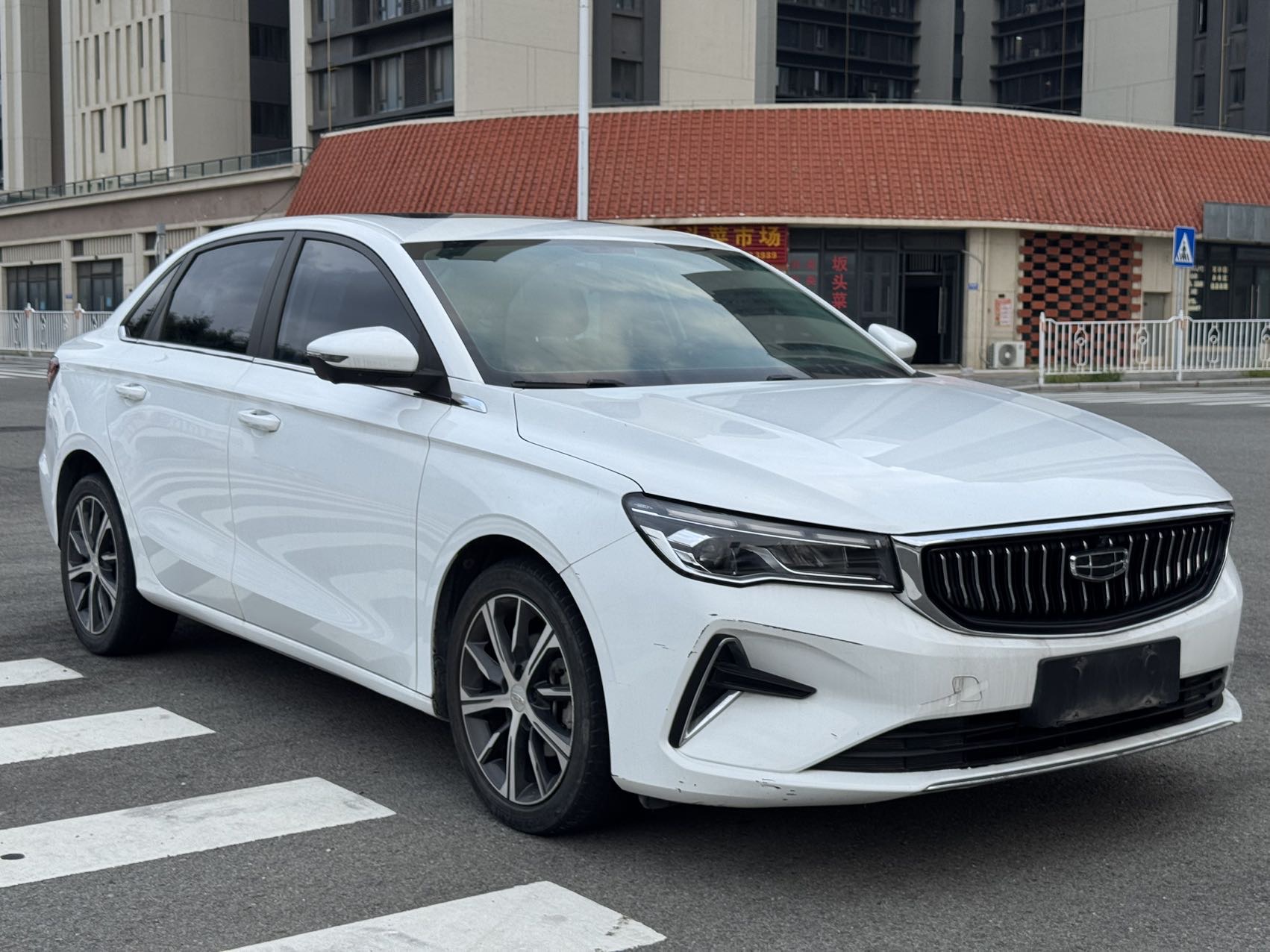
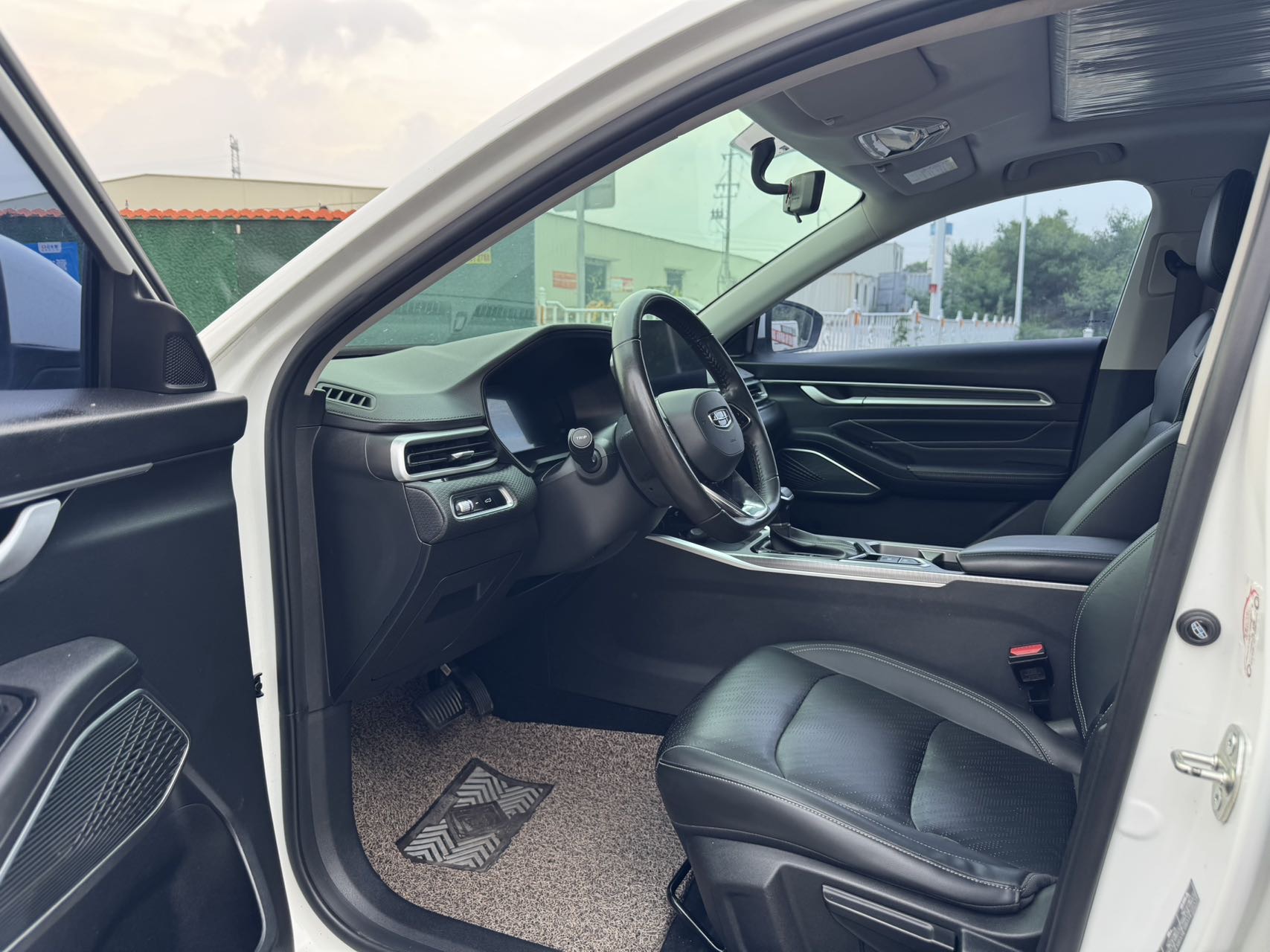
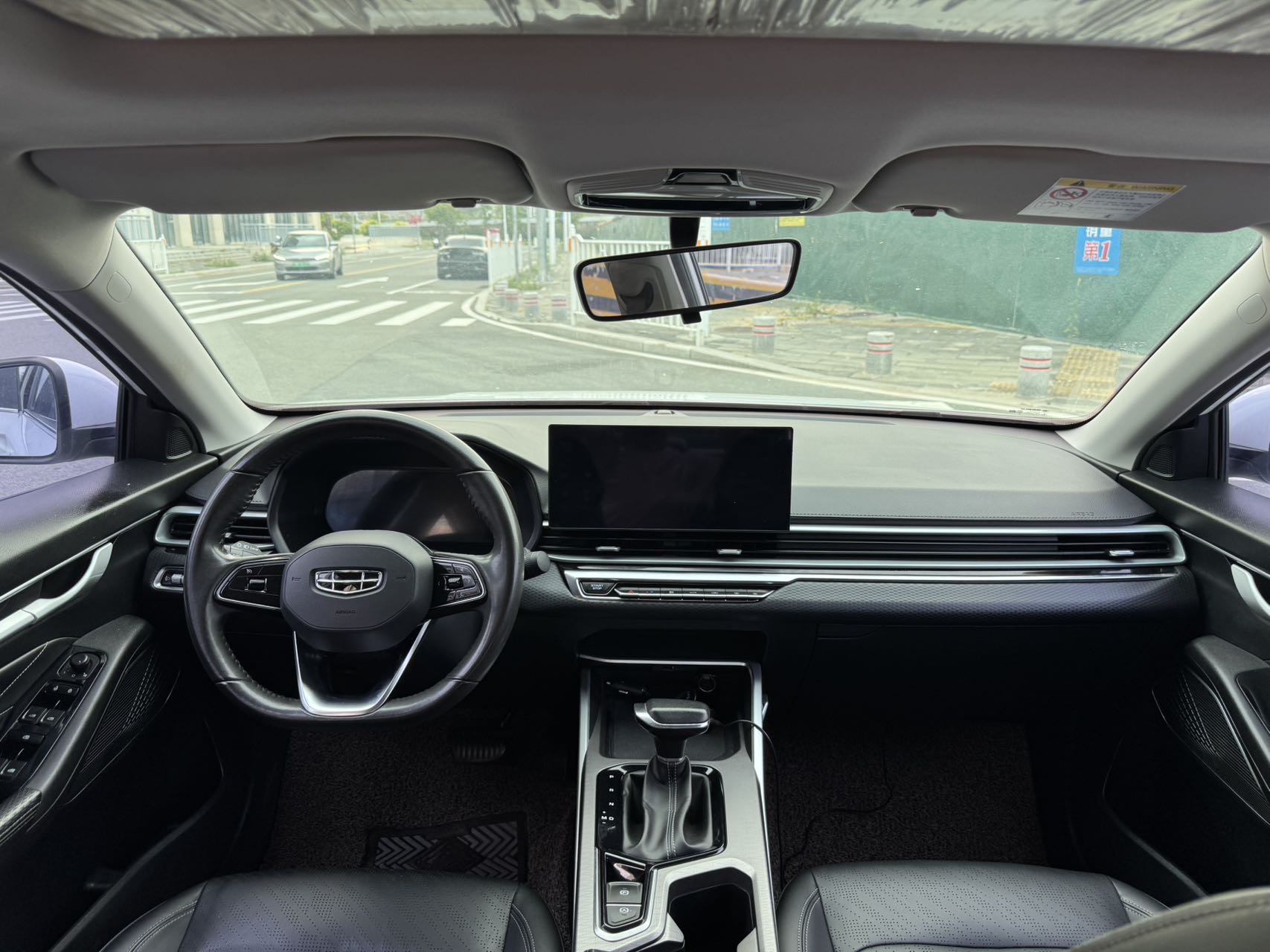
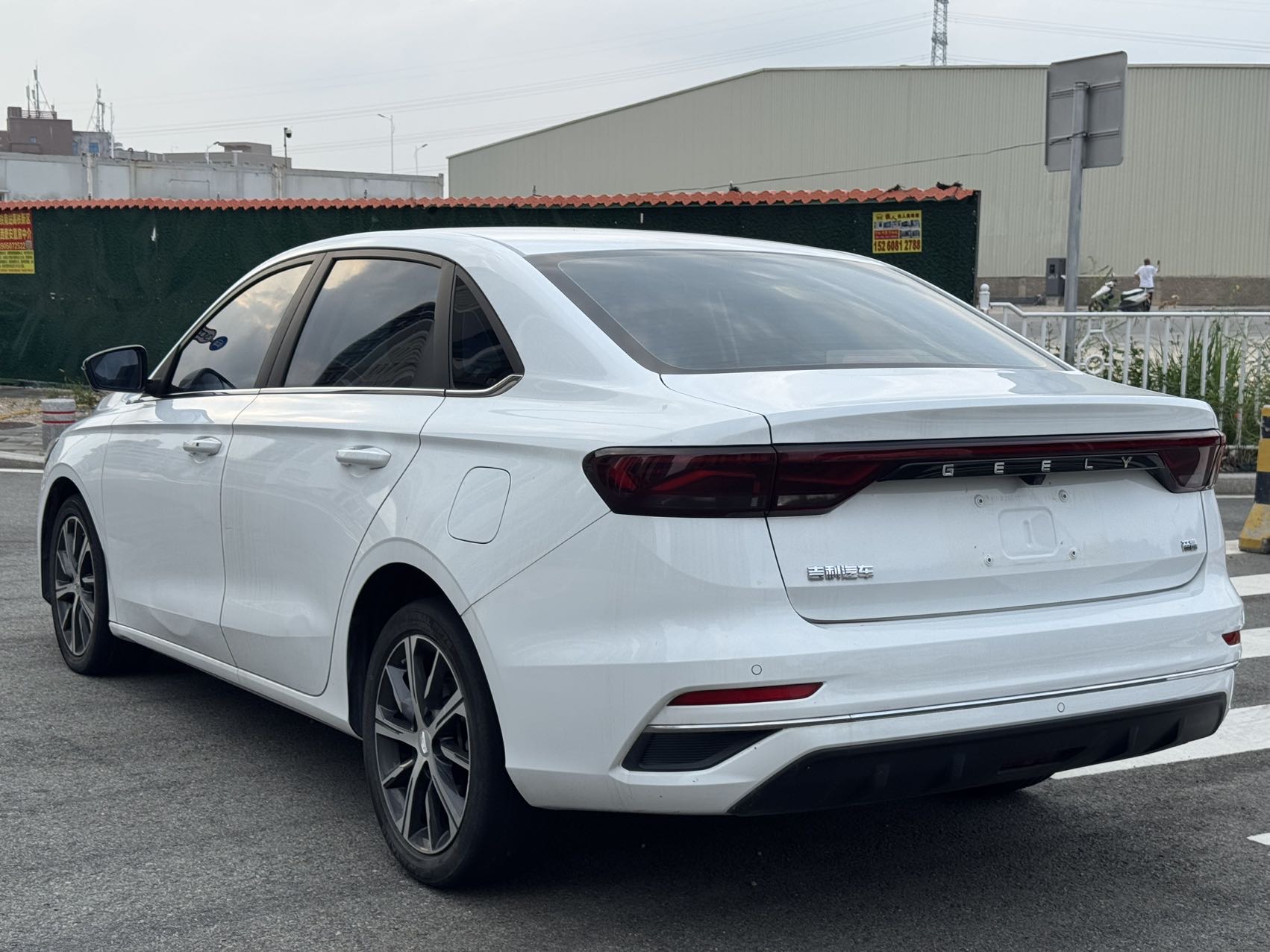
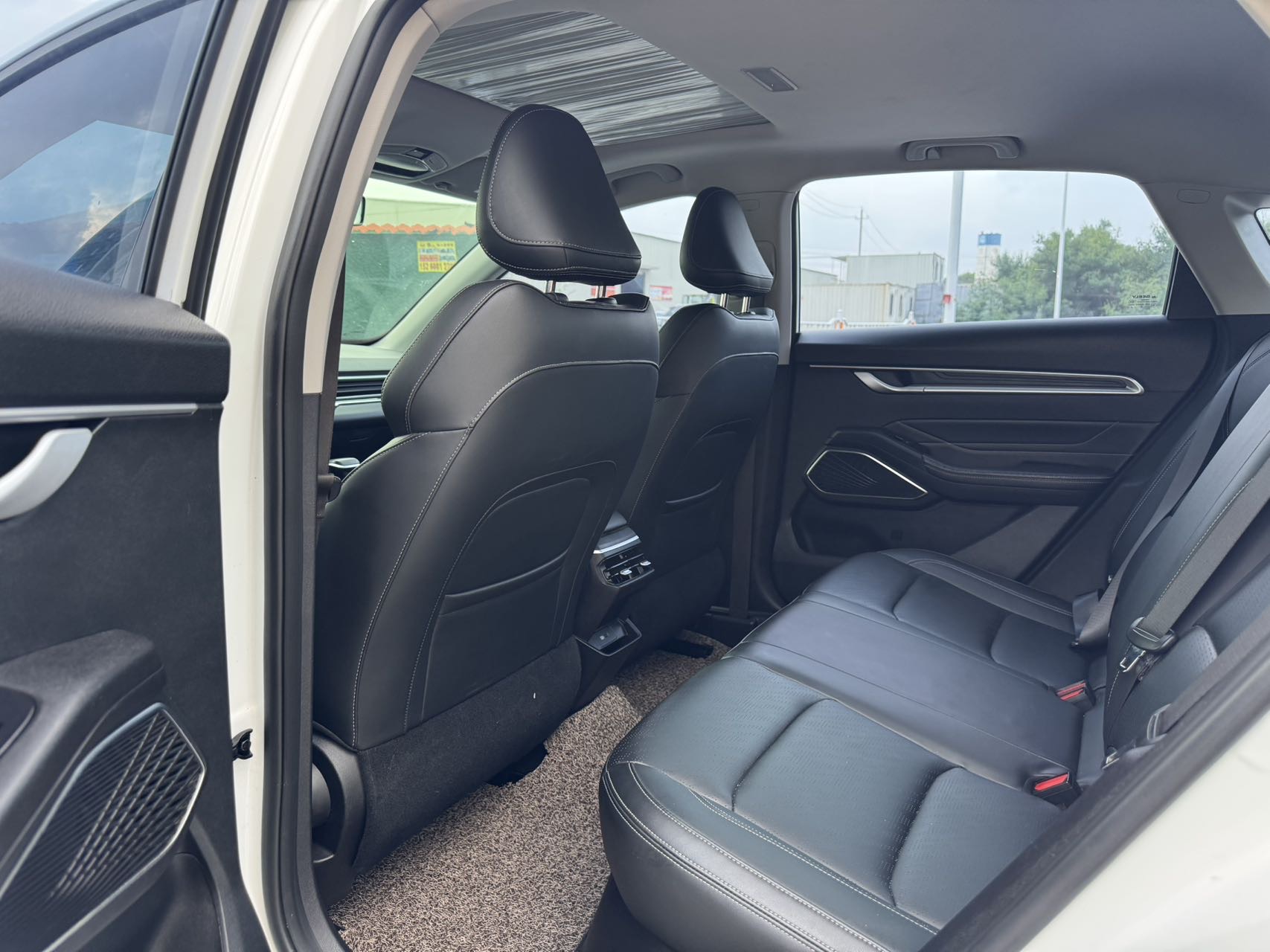
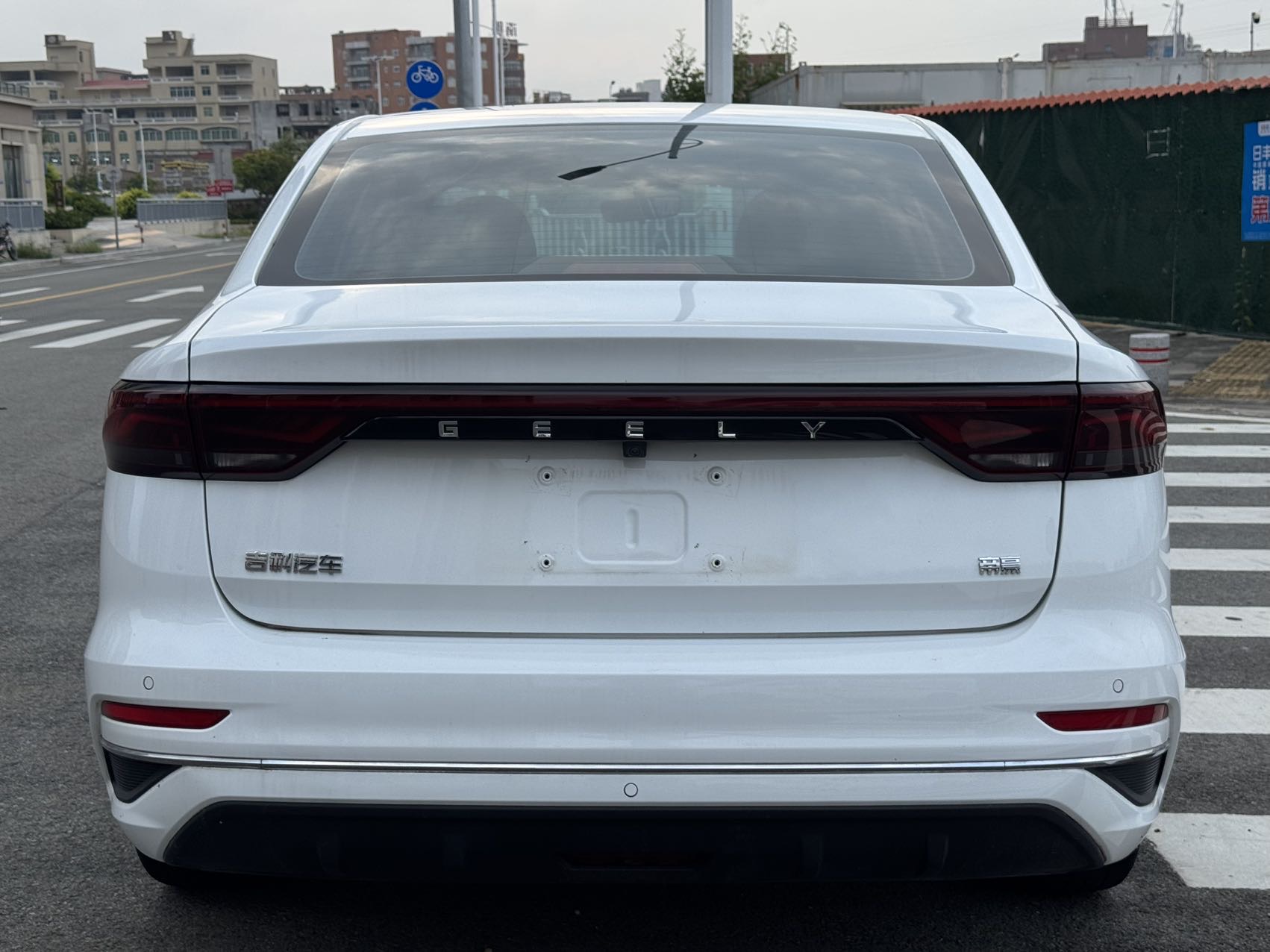
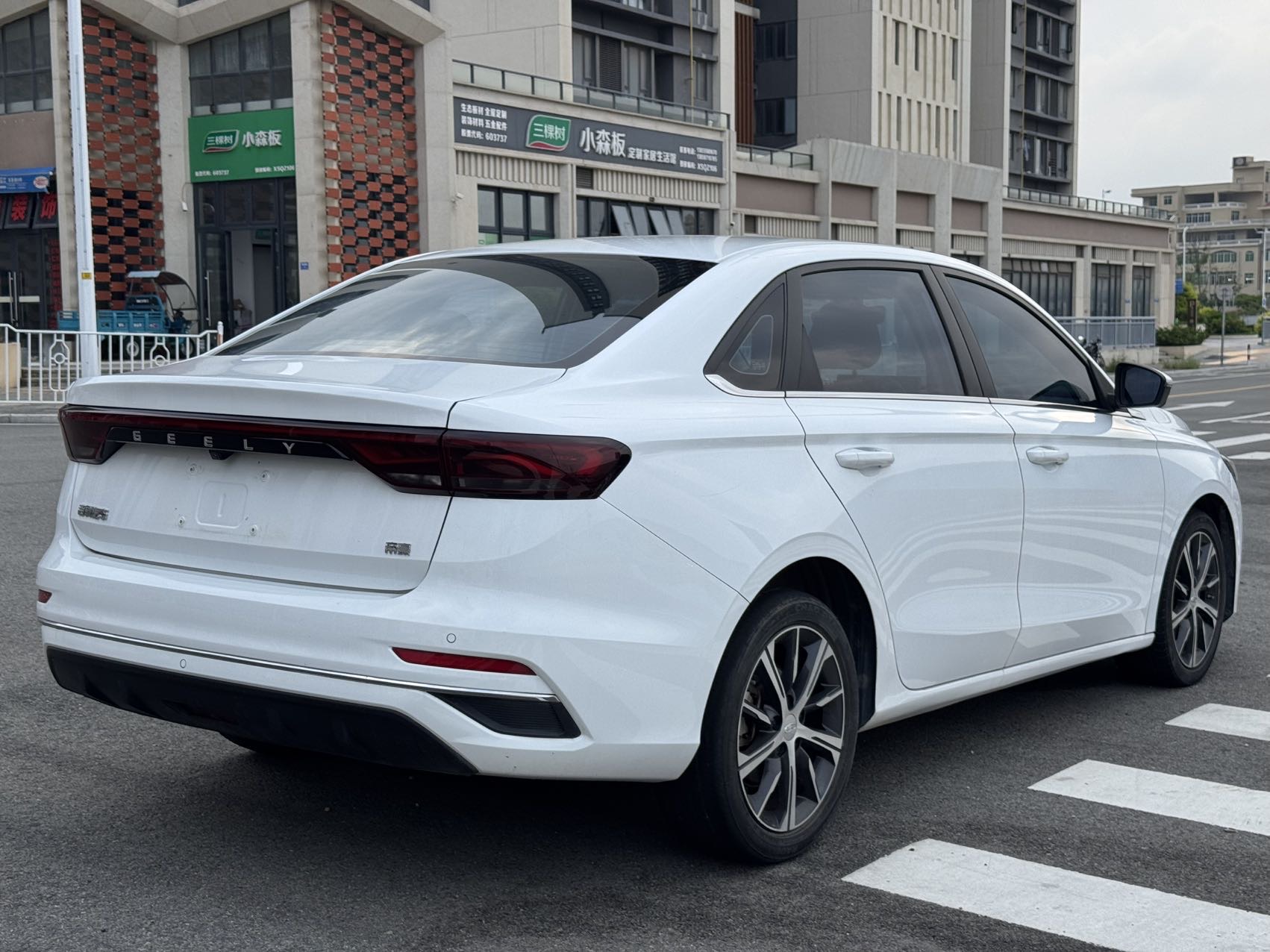
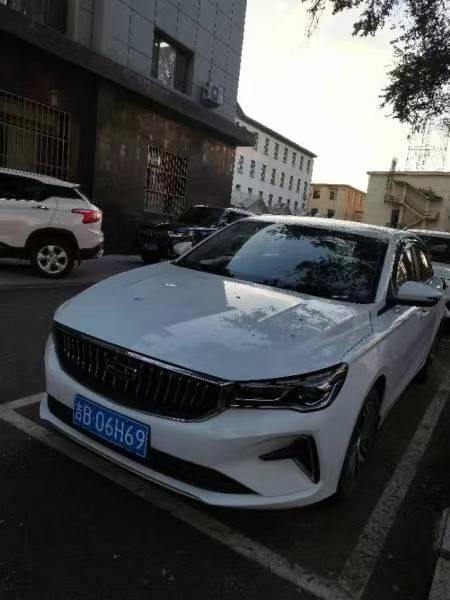
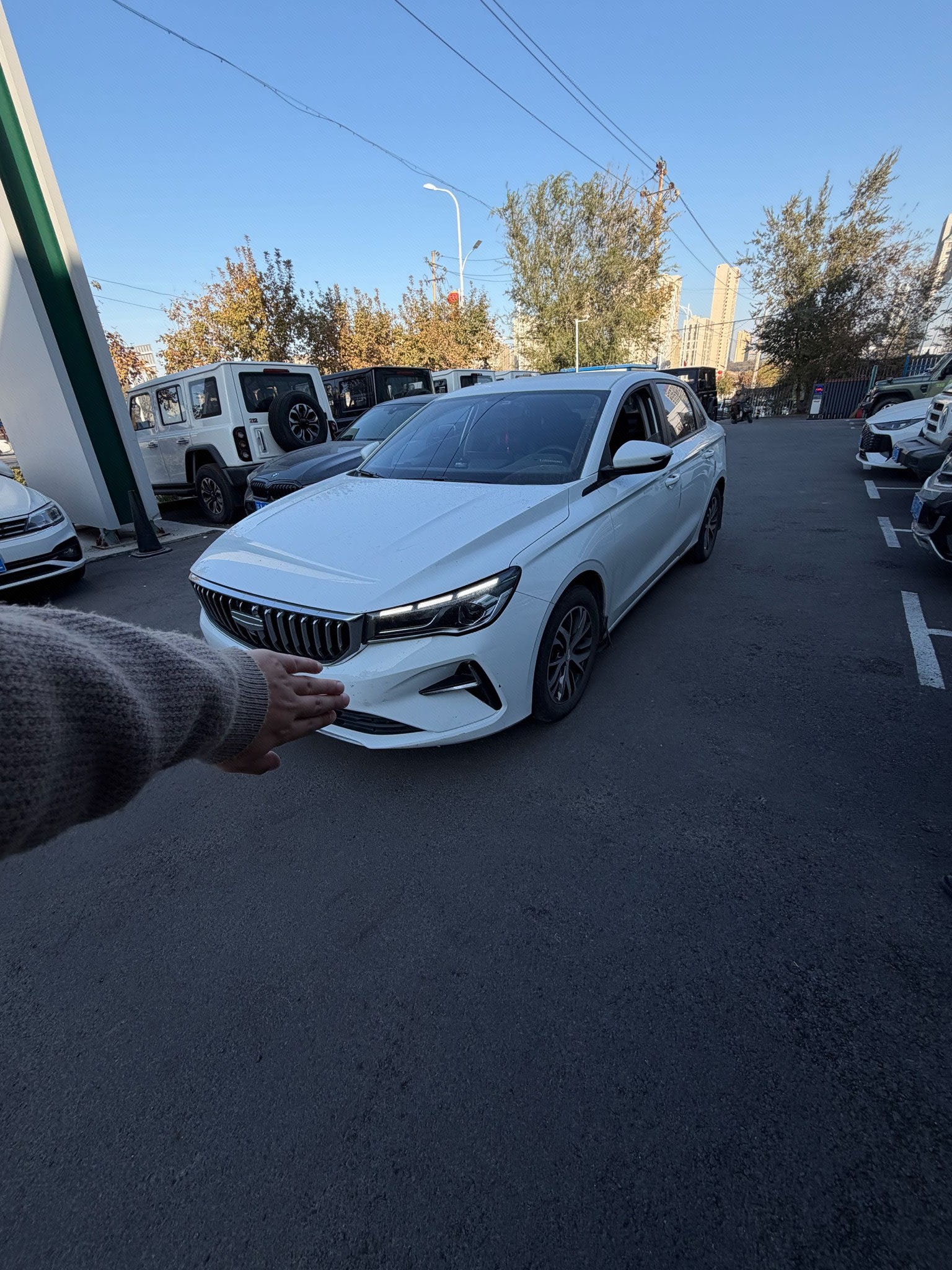
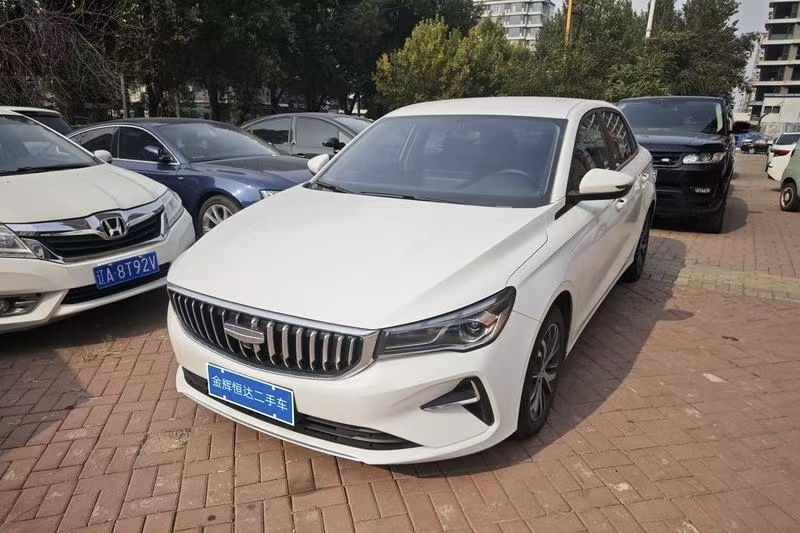
Basic Information

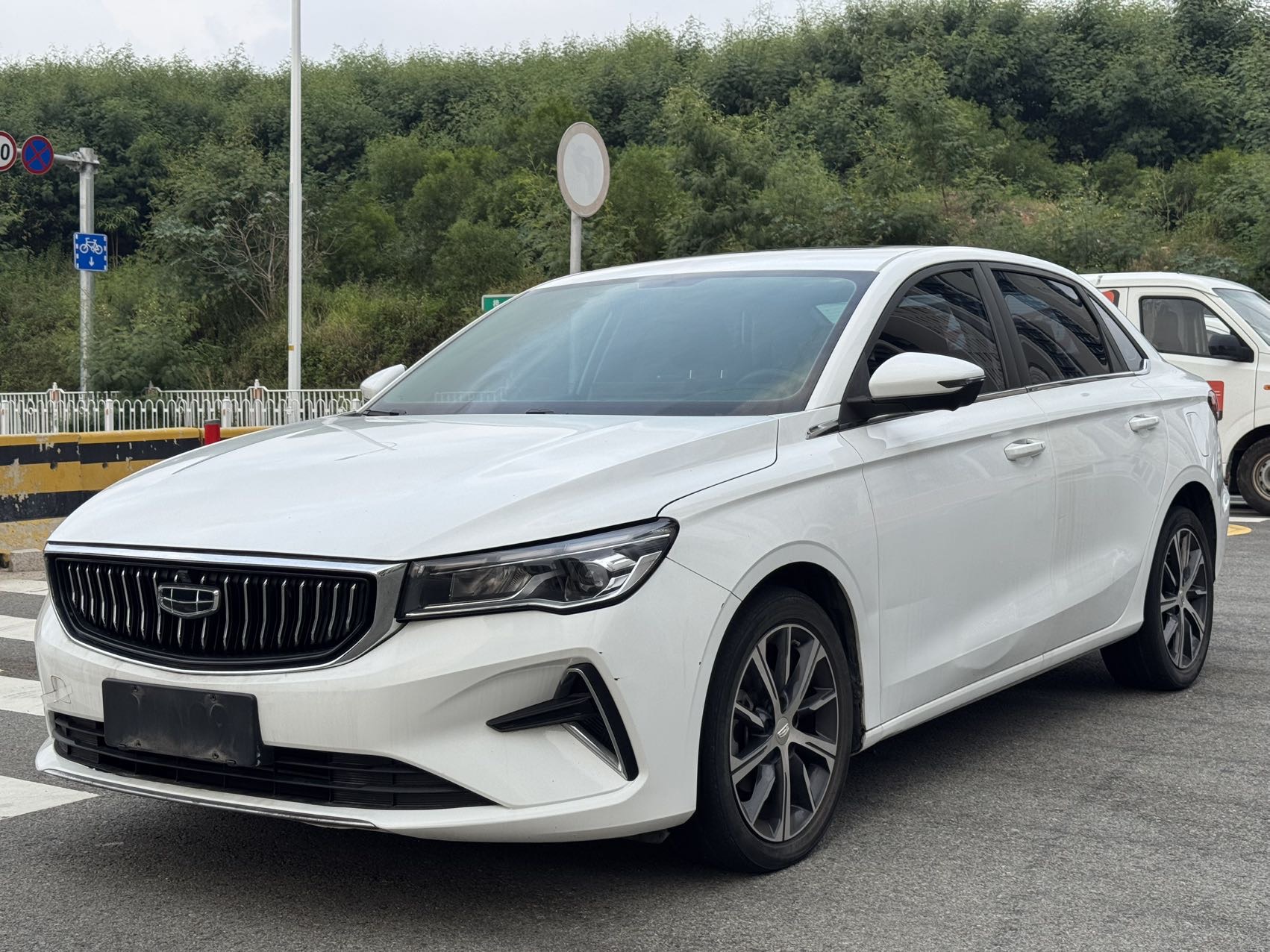
BrandGEELY
SeriesEmgrand
Year2023
First Registration2023/08
Mileage30,000km
Transfer Count0times
FuelGasoline
TransmissionCVT
Engine1.5L 127 L4
ColorWhite
Seats5seats

Condition Description

General vehicle condition.

可议价
已上架
Wholesale

Configuration Highlights

✓品牌: 吉利汽车
✓车系: 帝豪
✓车型: 吉利汽车 帝豪 2023款 1.5L CVT 冠军款 豪华型
✓能源类型: 燃油车
✓发动机: 1.5L
✓变速箱: CVT
✓驱动方式: 前置前驱
✓排放标准: 国VI
✓指导价: 7.89万
✓车源编号: 12702460
✓VIN: LB37*******071222

Document Information

Inspection Expiry Date2029/08
Warranty Expiry Date-
Insurance Expiry Date2026/08

Q&A

More

How often do you calibrate the instruments used to detect vehicles (such as paint thickness gauges and OBD diagnostic tools) for accuracy?

All our measuring instruments (especially calipers, paint thickness gauges, and refrigerant pressure gauges) are calibrated quarterly according to ISO quality management system requirements to ensure the data we provide you is objective, accurate, and reliable.

How can I verify the odometer reading is genuine on a Chinese used car from abroad?

Odometer fraud exists everywhere, but cross-checking several data points makes it hard to fake: 1) Maintenance records: ask for service history with mileage entries. Gaps or resets are red flags. 2) Tire wear: a car showing 30,000 km should not have nearly bald tires. Compare tread depth against the claimed mileage. 3) Pedals, steering wheel, and seat bolsters: heavy wear on these with low odometer readings is a classic mismatch. 4) Diagnostic scan: request an OBD readout. Many control modules store mileage data internally — if the ECU shows 120,000 km while the dash shows 40,000, you have your answer. 5) Vehicle history report: in China, apps and platforms can pull insurance claim records and registration history, which often reveal the true mileage trail. Always request a live video showing the odometer with the engine running, and have the number written into your contract.

How do you detect carbon buildup and wear inside the engine using technology without deep disassembly?

We use two steps: 1. Insert a medical-grade endoscope through the spark plug hole to visually inspect cylinder wall scratches and carbon buildup on the piston top; 2. Extract an engine oil sample to check for large metal debris or emulsification (caused by coolant leakage).