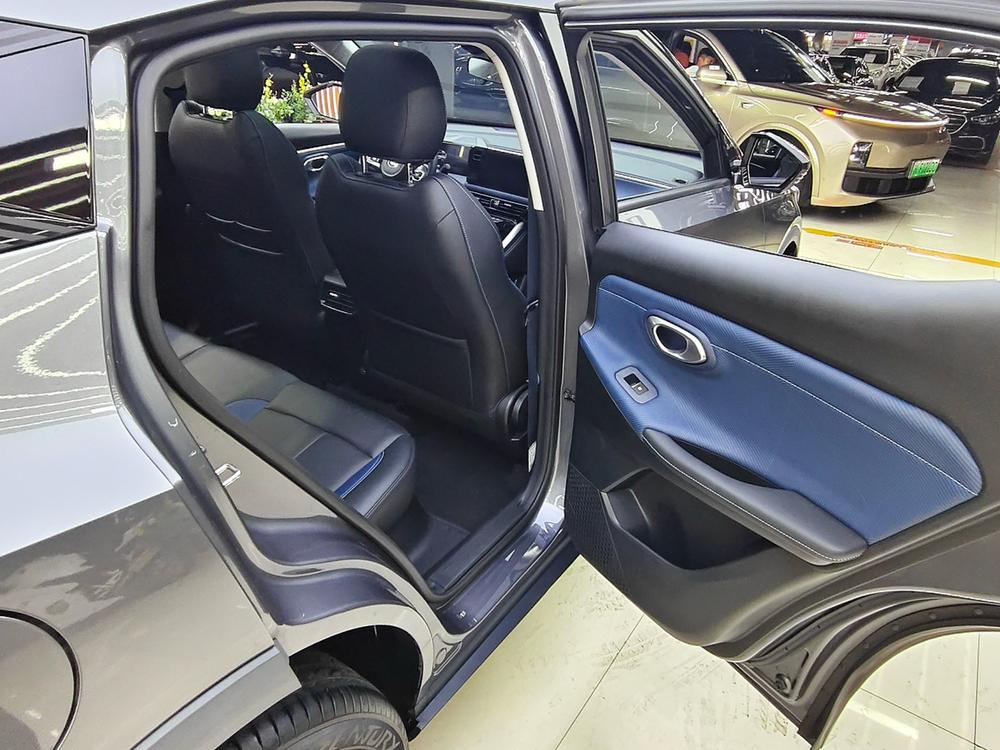
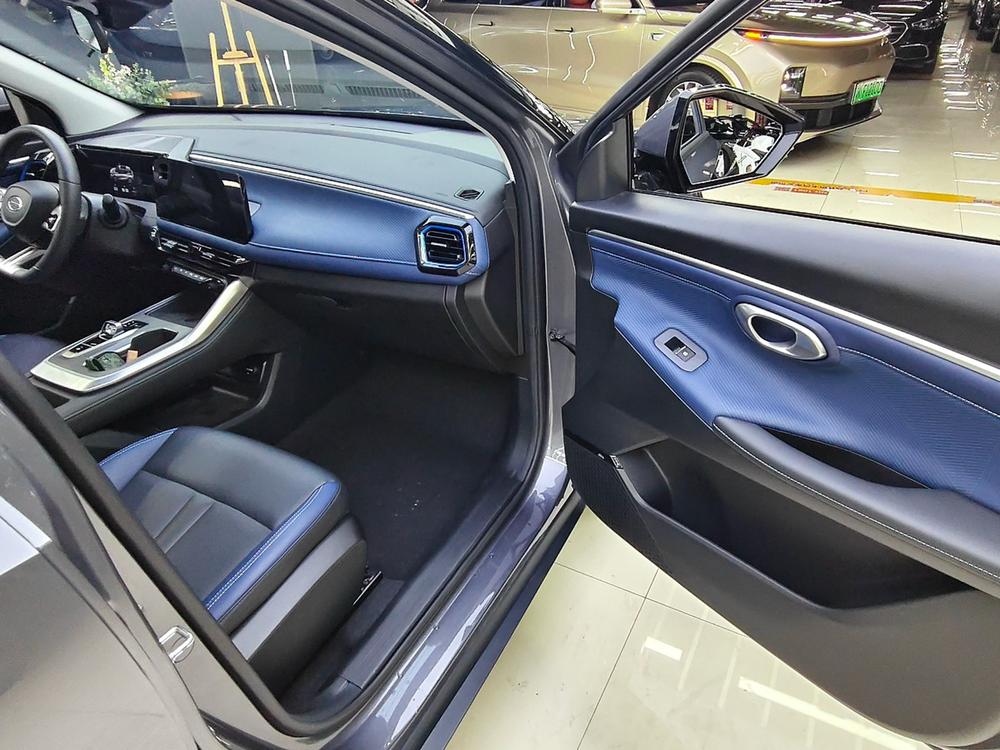
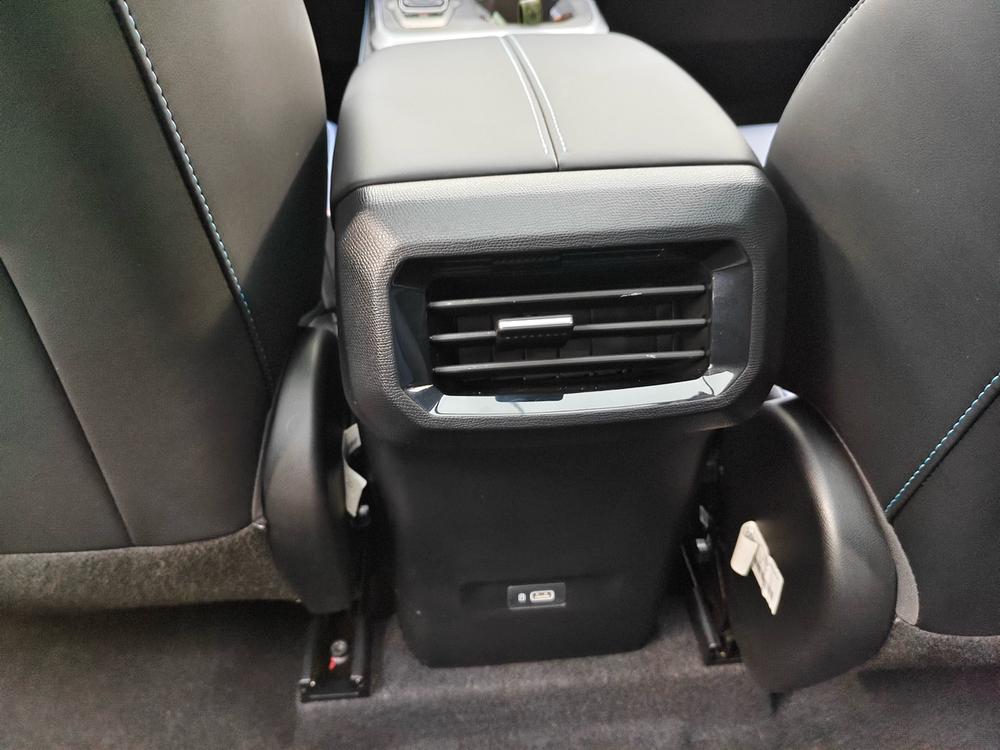
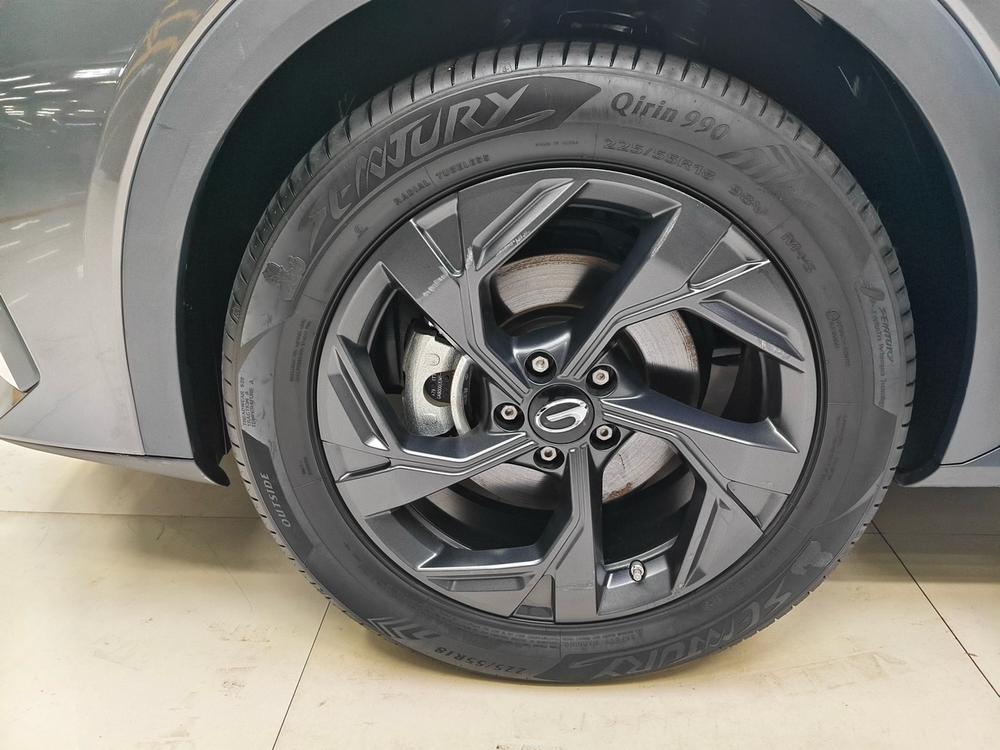
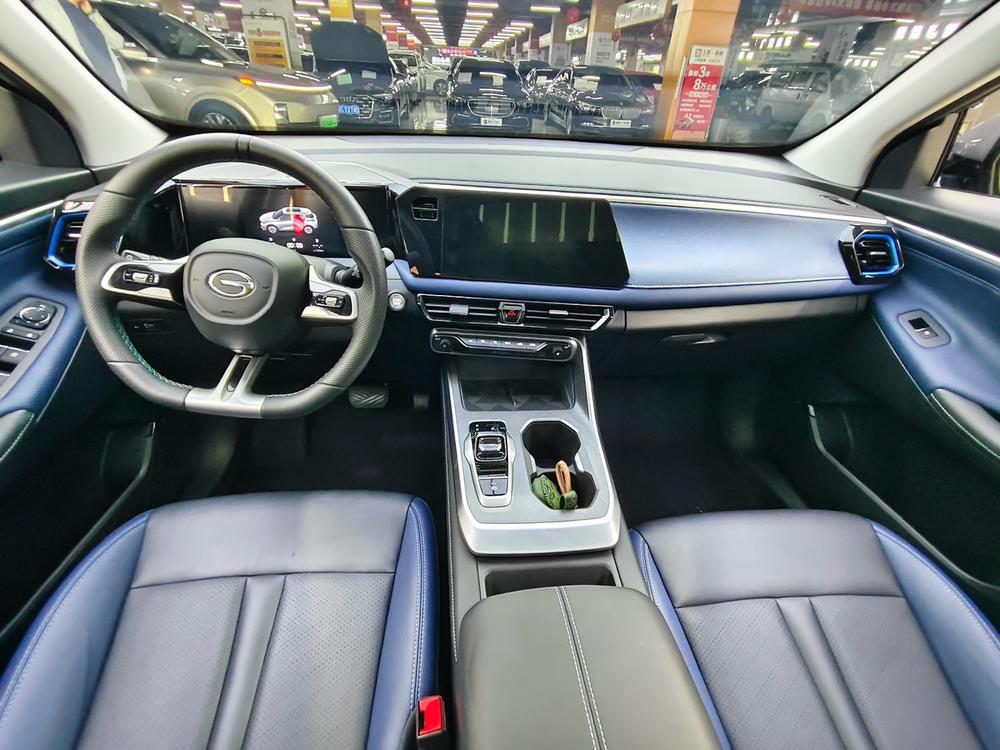
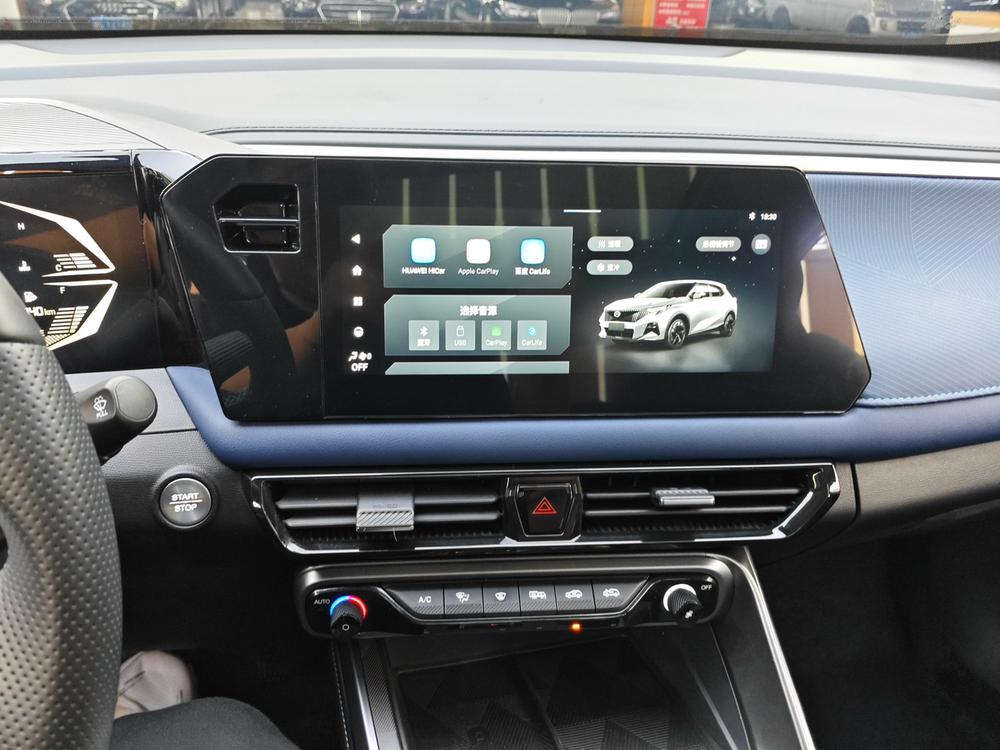
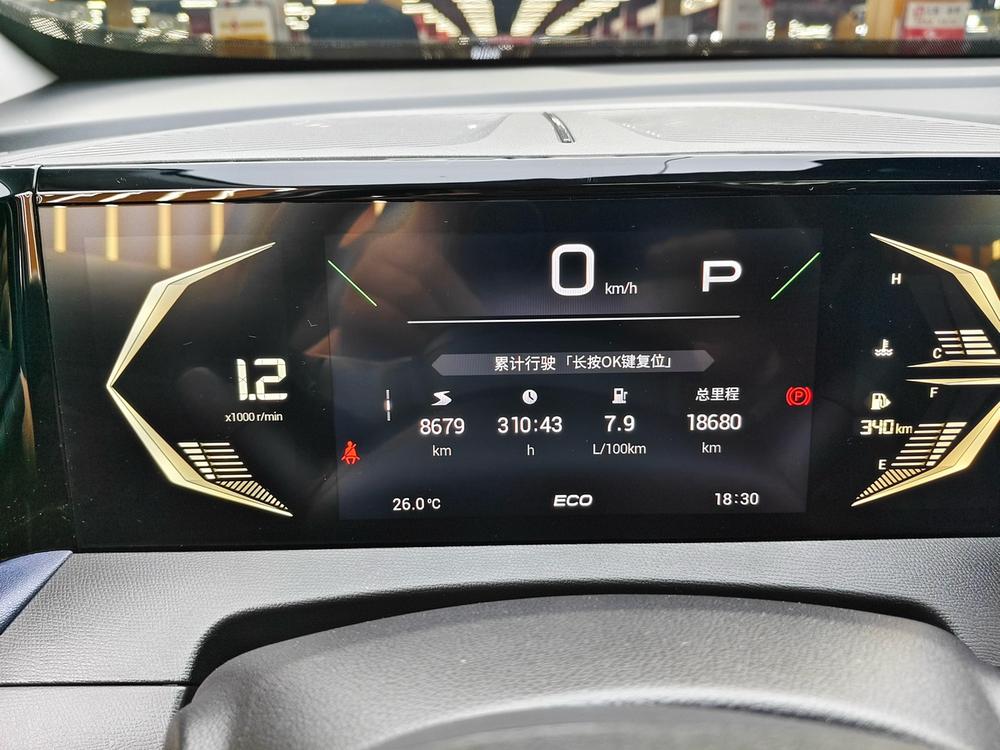
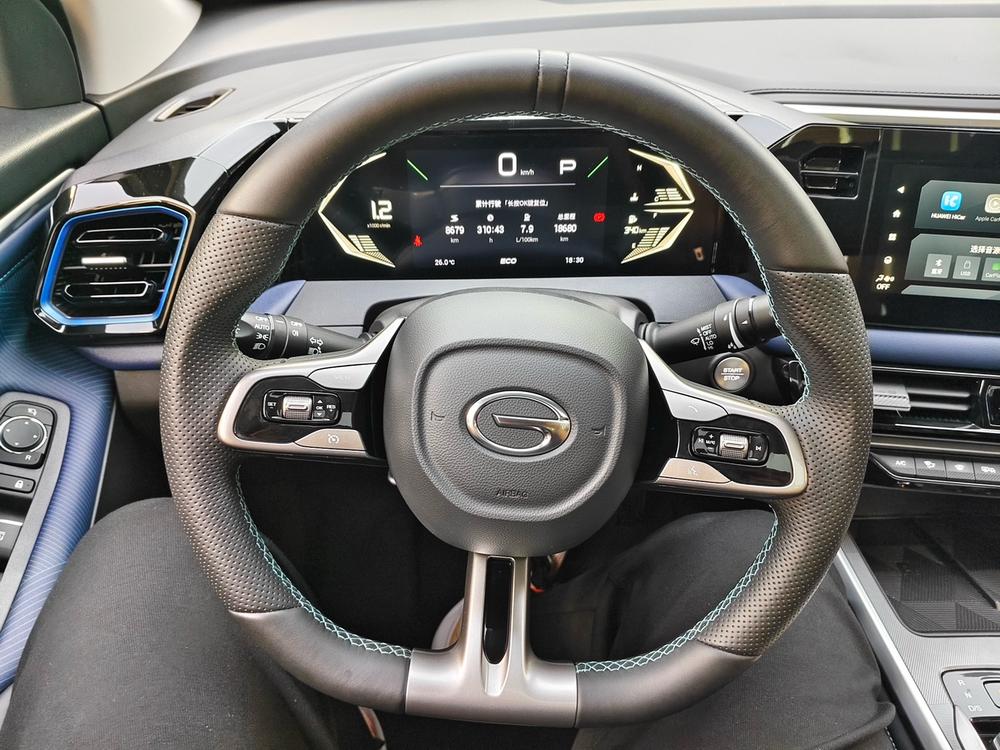
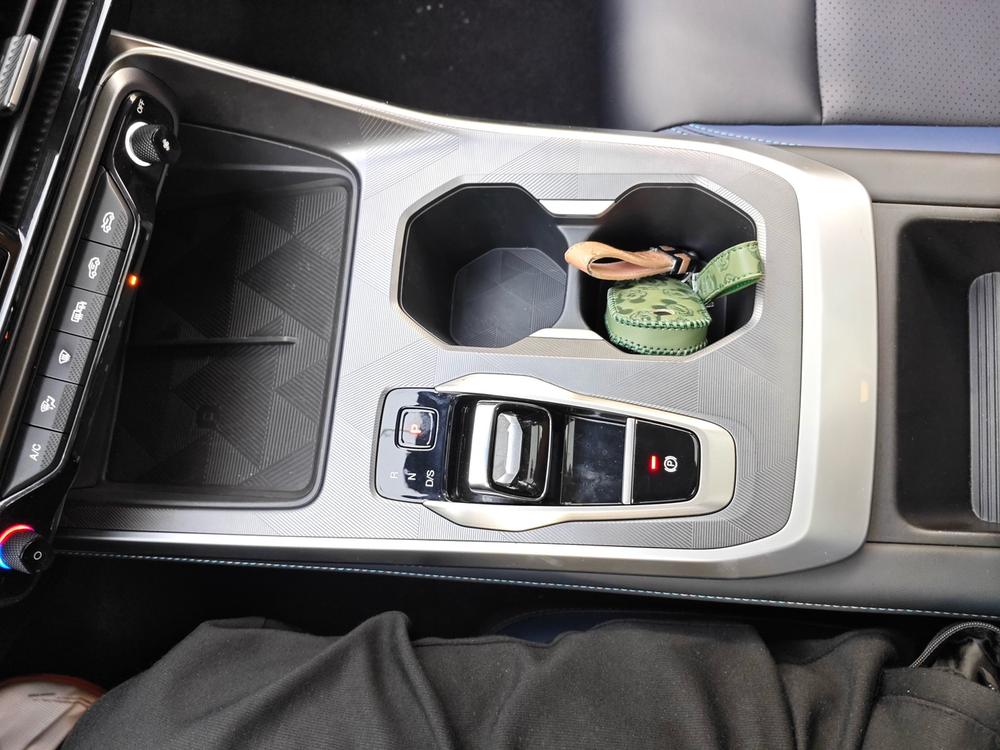
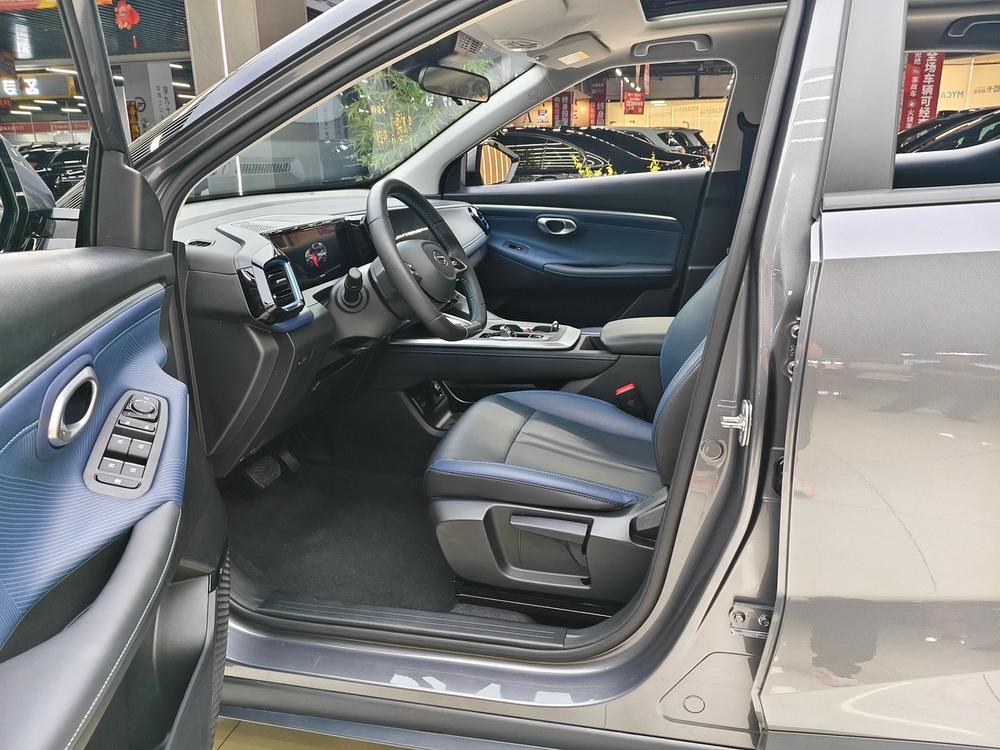
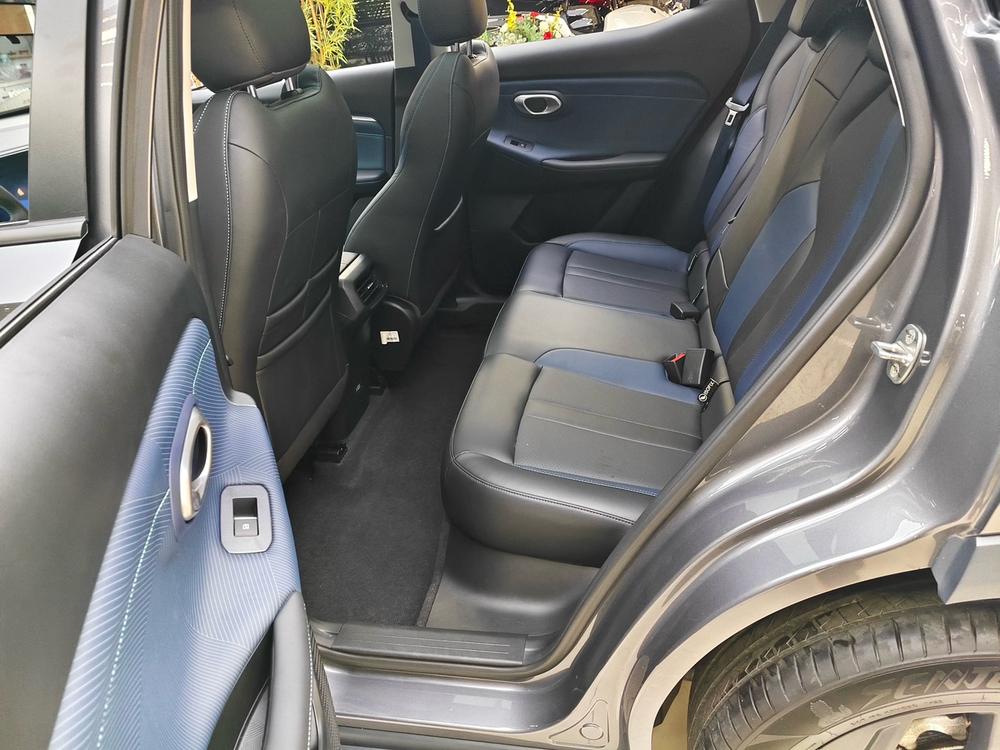
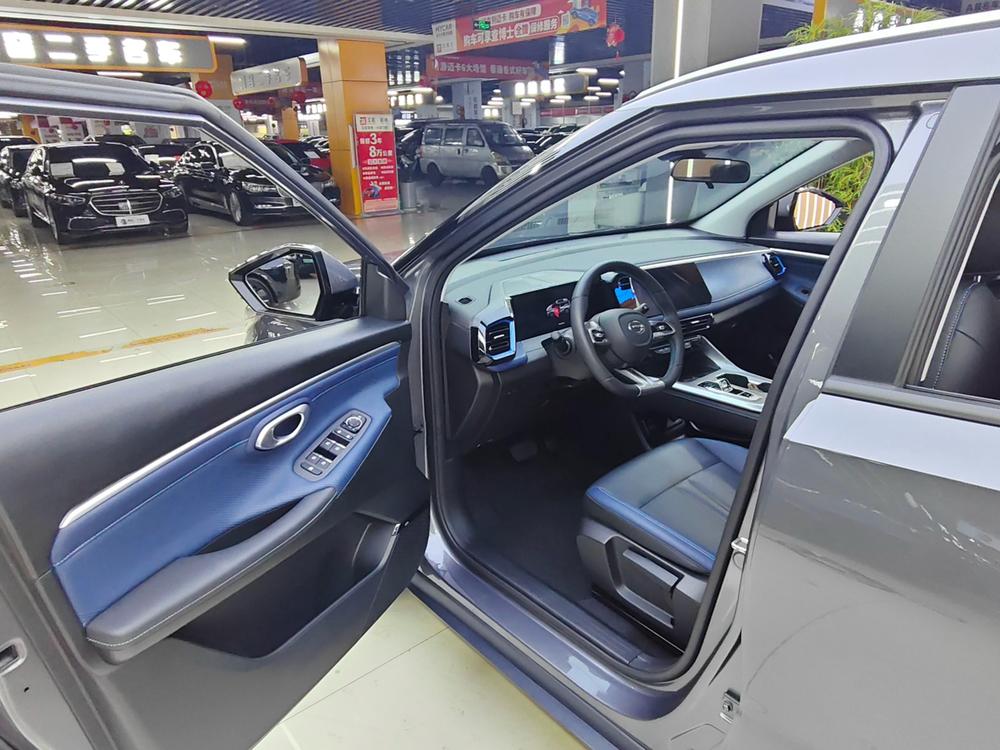
Stock

Basic Information

BrandGAC Trumpchi
SeriesGS3
Year2023
First Registration2023/06
Mileage18,000km
Transfer Count0times
FuelGasoline
TransmissionDCT
Engine1.5T 177 L4
ColorGrey
Seats5seats

Condition Description

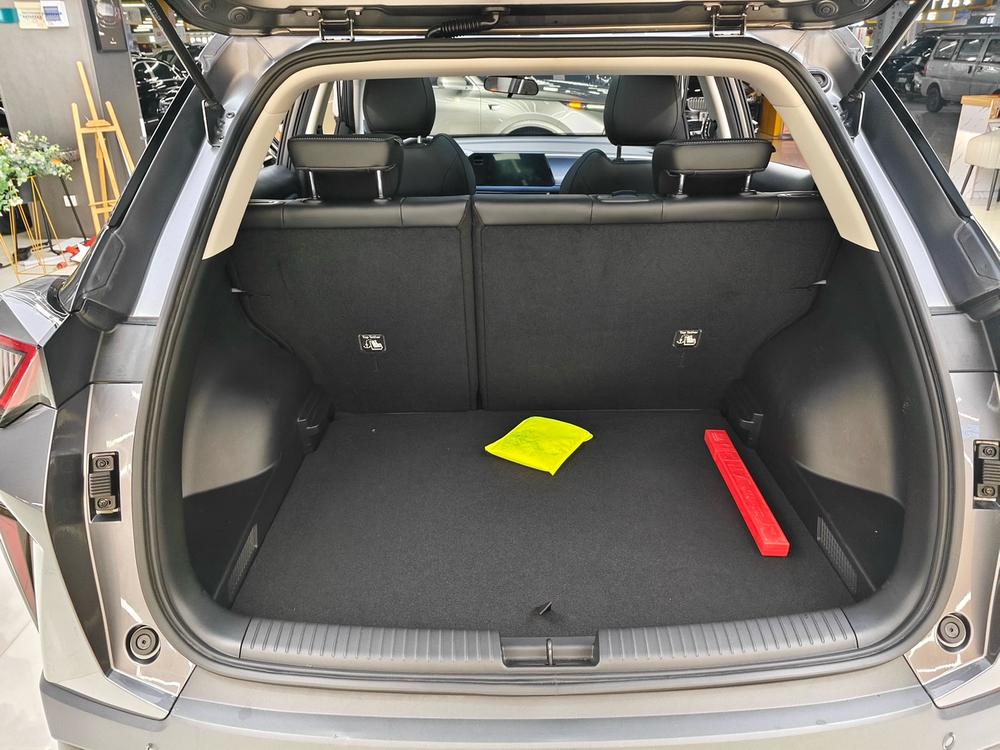
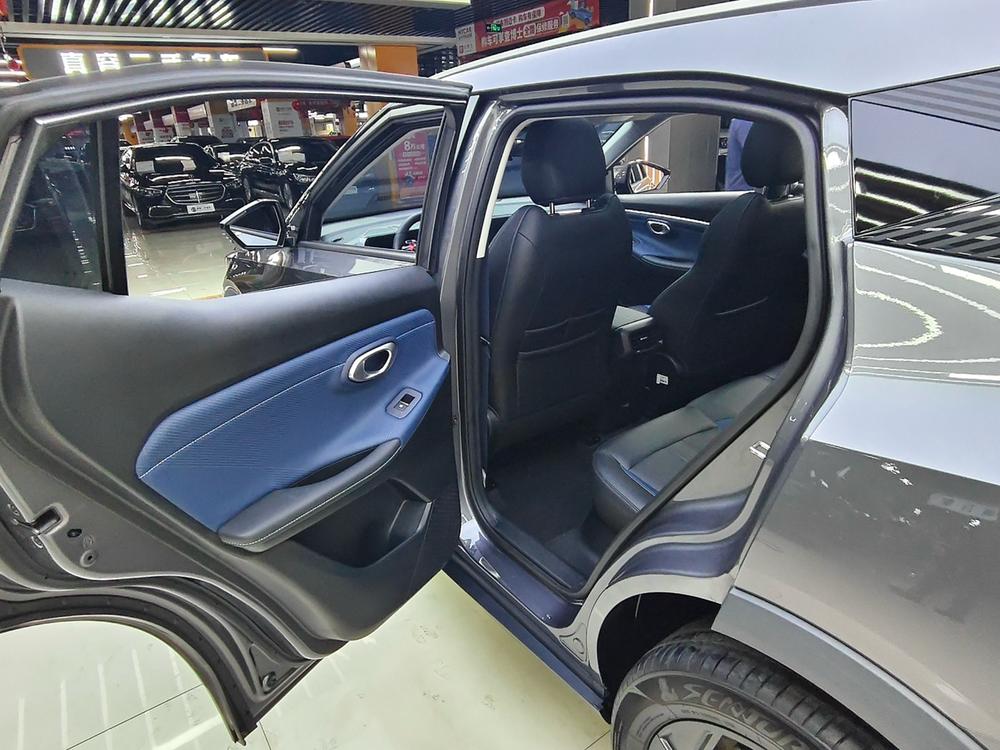
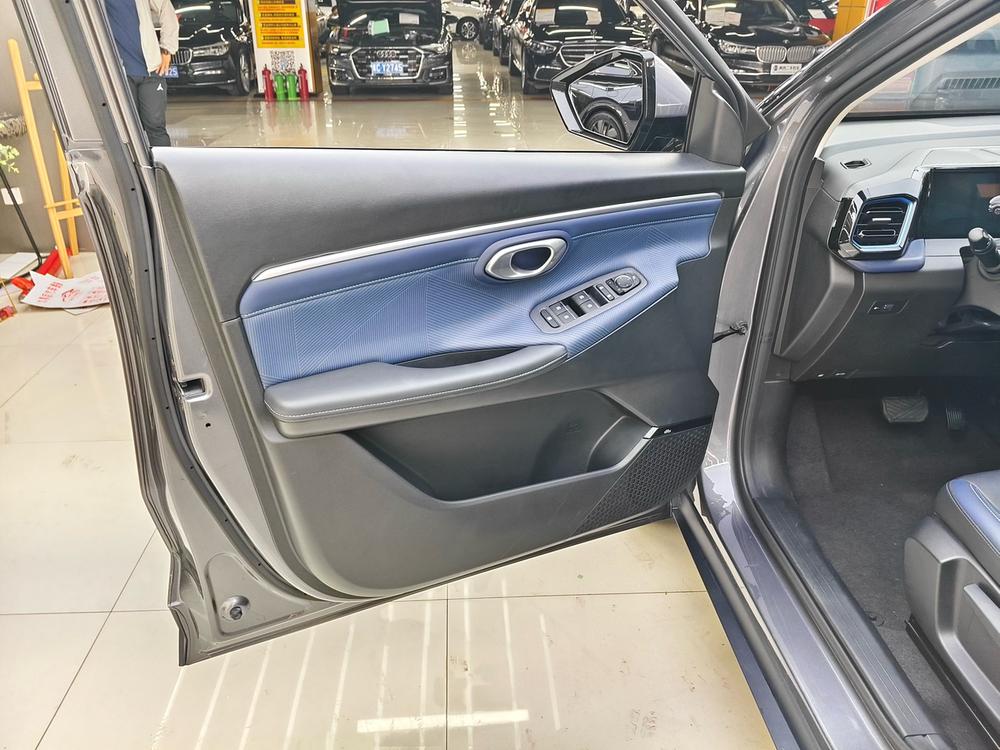
Original paint, production date May 2023.

Configuration Highlights

✓上牌时间: 2023-06
✓表显里程: 1.8万公里
✓车源地: 郑州
✓排放标准: 国六
✓发动机: 1.5T
✓轴距: 2650mm
✓变速箱: 自动
✓最大功率: 130kW
✓功能配置: 14项
✓安全配置: 2项
✓动力类型: 前驱
✓空间舒适性: 好

Q&A

More

Will you provide photos of the loading site as soon as the vehicles are loaded (On Board)?

Unauthorized personnel are prohibited from entering and taking photos inside the roll-on/roll-off ship, but we will provide photos of the vehicles parked in the loading area with the ship in the background. The bill of lading marked "Shipped on board" with the date is the most essential legal proof of loading.

How can I judge the real mechanical condition of a used car from China without seeing it in person?

Remote mechanical assessment relies on documented evidence: 1. Cold-start video: Ask for a video of the engine starting from cold — listen for rattles, watch for smoke (blue = oil burning, white = possible head gasket issue). 2. OBD scan: A full diagnostic scan reveals fault codes in the engine, gearbox, and electronics. Request the raw scan report, not a screenshot summary. 3. Service records: Cross-check mileage against maintenance records and inspection stickers; consistent records indicate a cared-for car. 4. Fluid check: Photos of the oil dipstick and coolant color tell a lot — milky oil or rusty coolant are red flags. 5. Test drive video: A short drive video shows gear shifts, braking, and steering behavior. Combine these with the pre-shipment inspection report. A seller who refuses to provide cold-start video or OBD data is a warning sign.


If the customs of the destination country values the vehicle higher than your commercial invoice amount, leading to a surge in duties, who is responsible?

The customs of the destination country has the right to disregard the commercial invoice and reassess the value based on its internal database (such as the customs valuation red book). Any additional duties incurred are a result of the importing country's policy and are fully borne by the buyer (importer).