


How many times has this car been in an accident? How can I check the claims record?
Use credit check apps (like Check Doctor or Ant Queen) to pull the complete accident record.
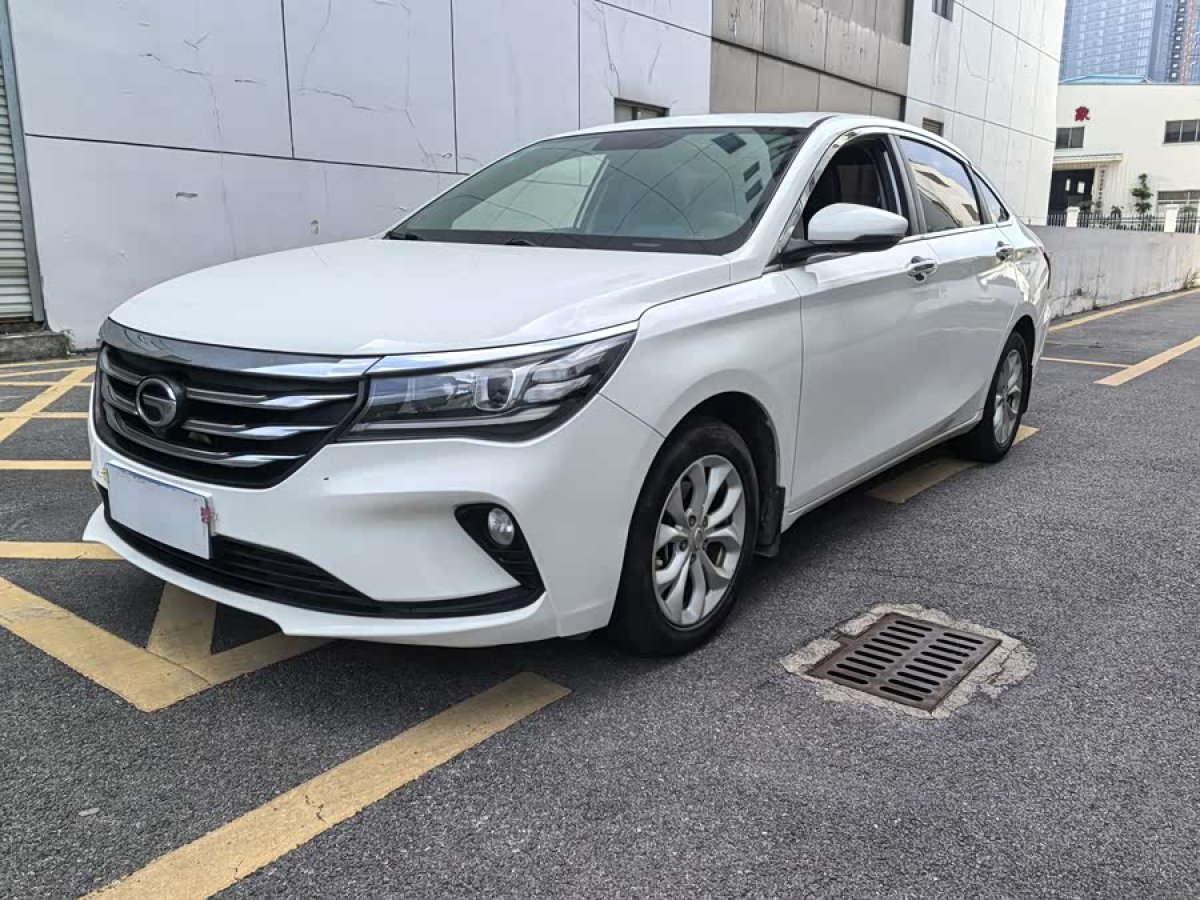
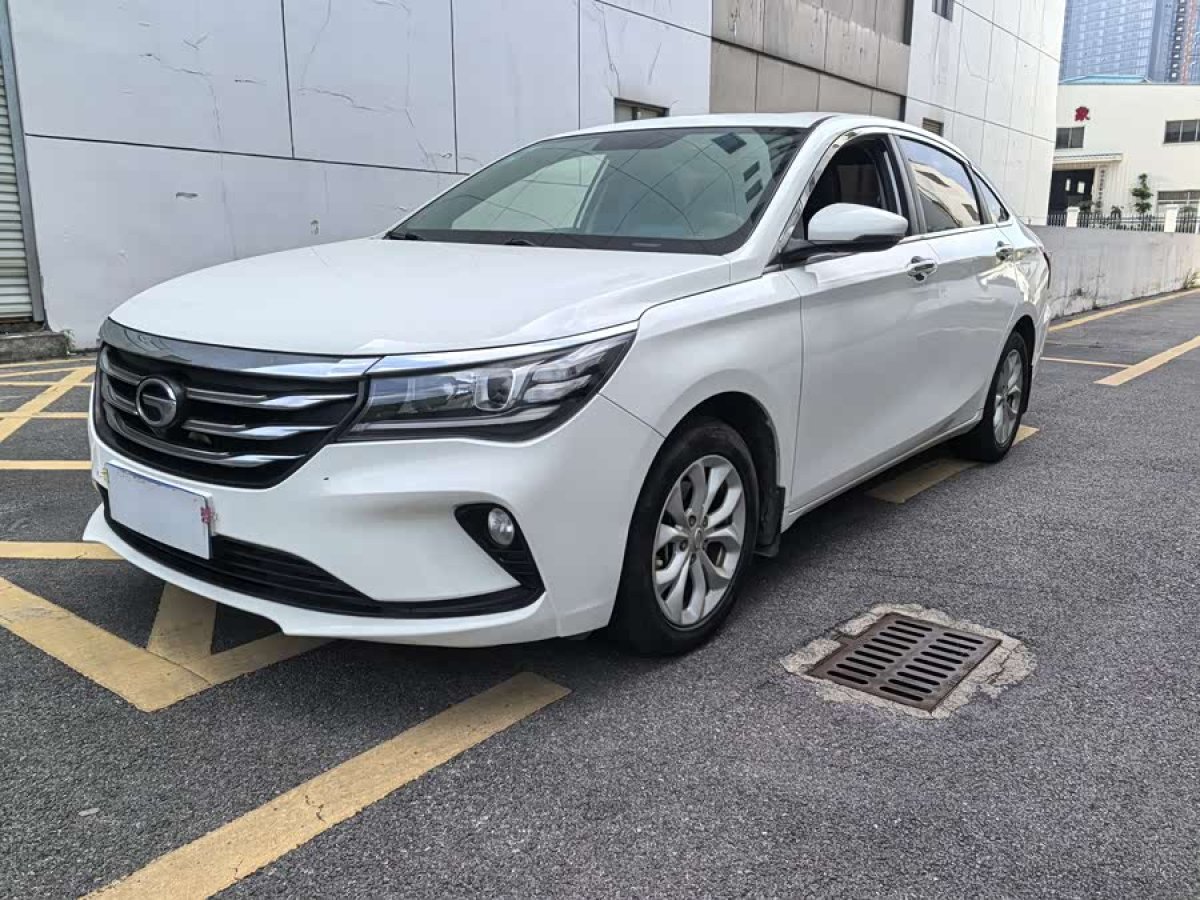
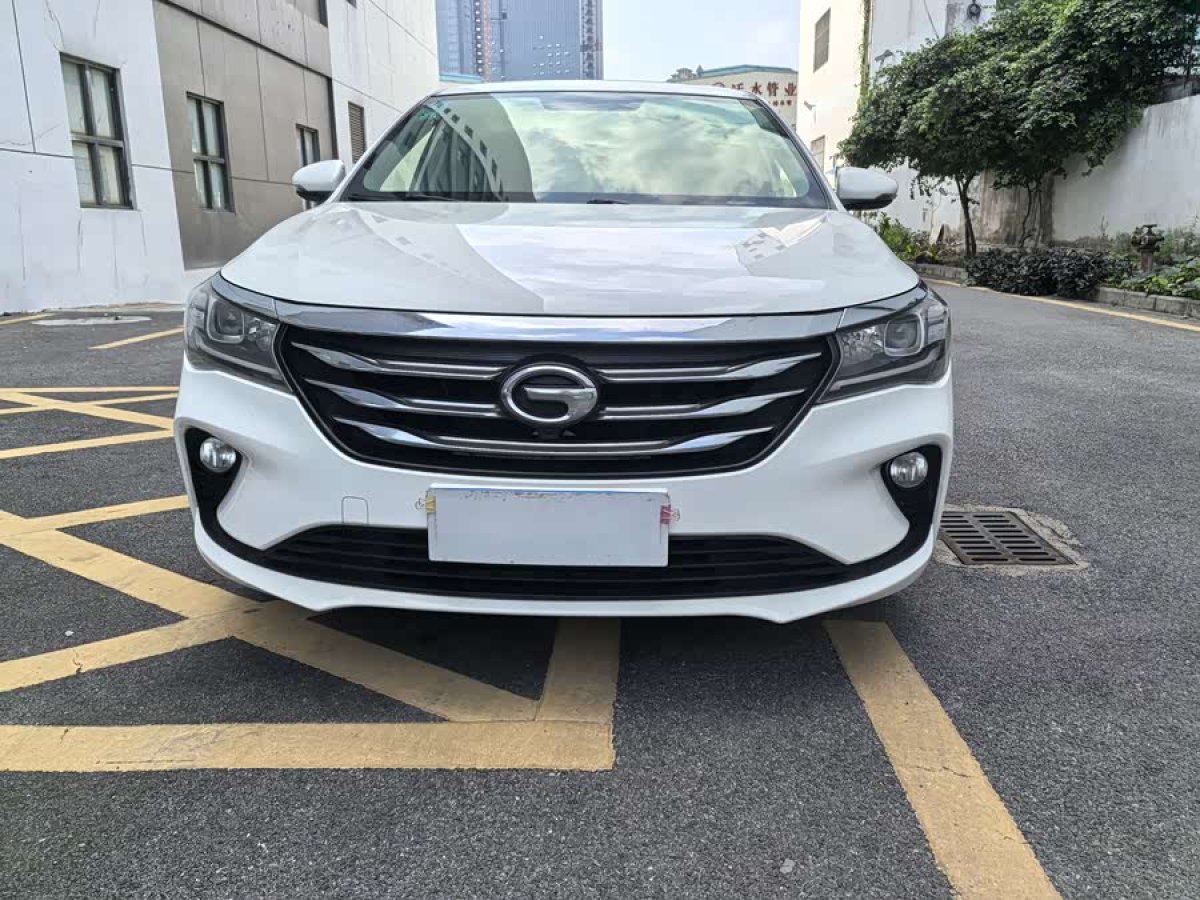
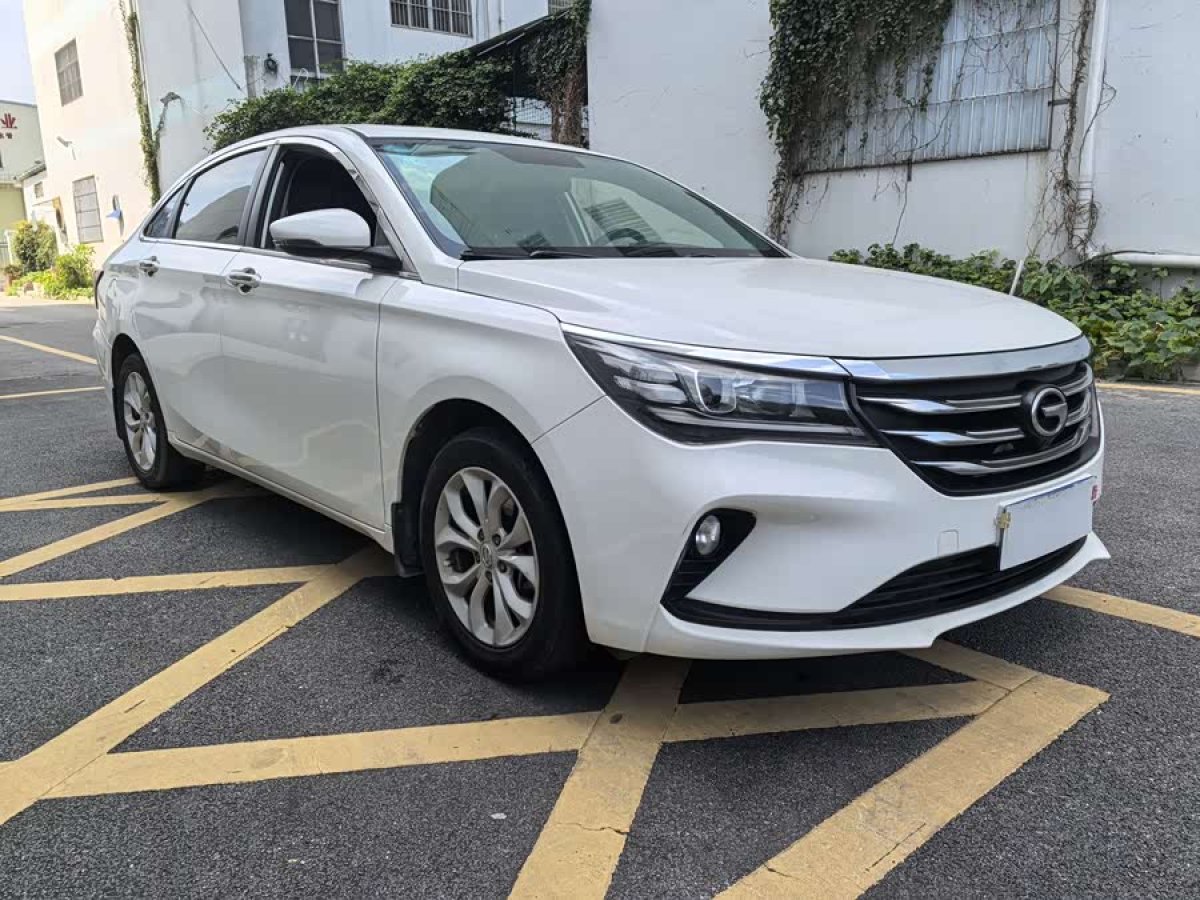
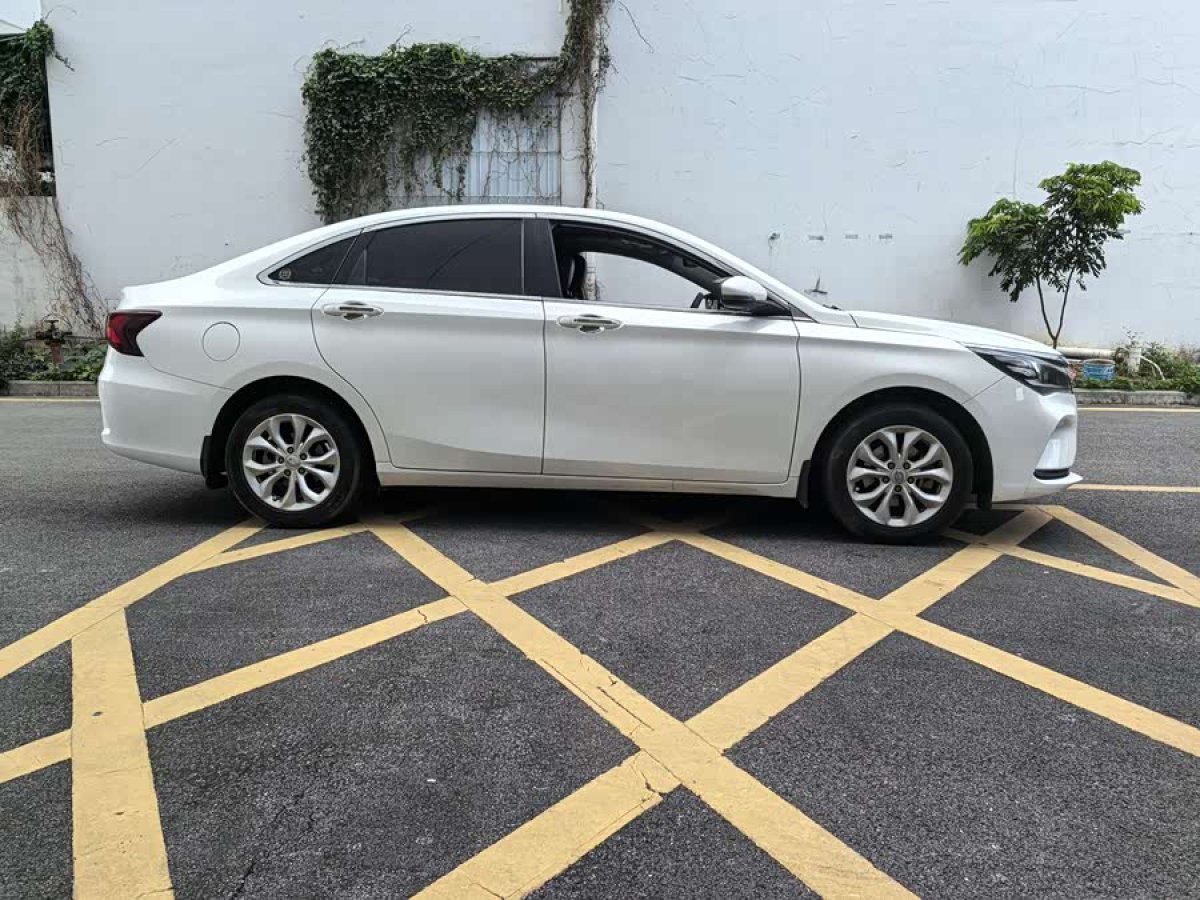
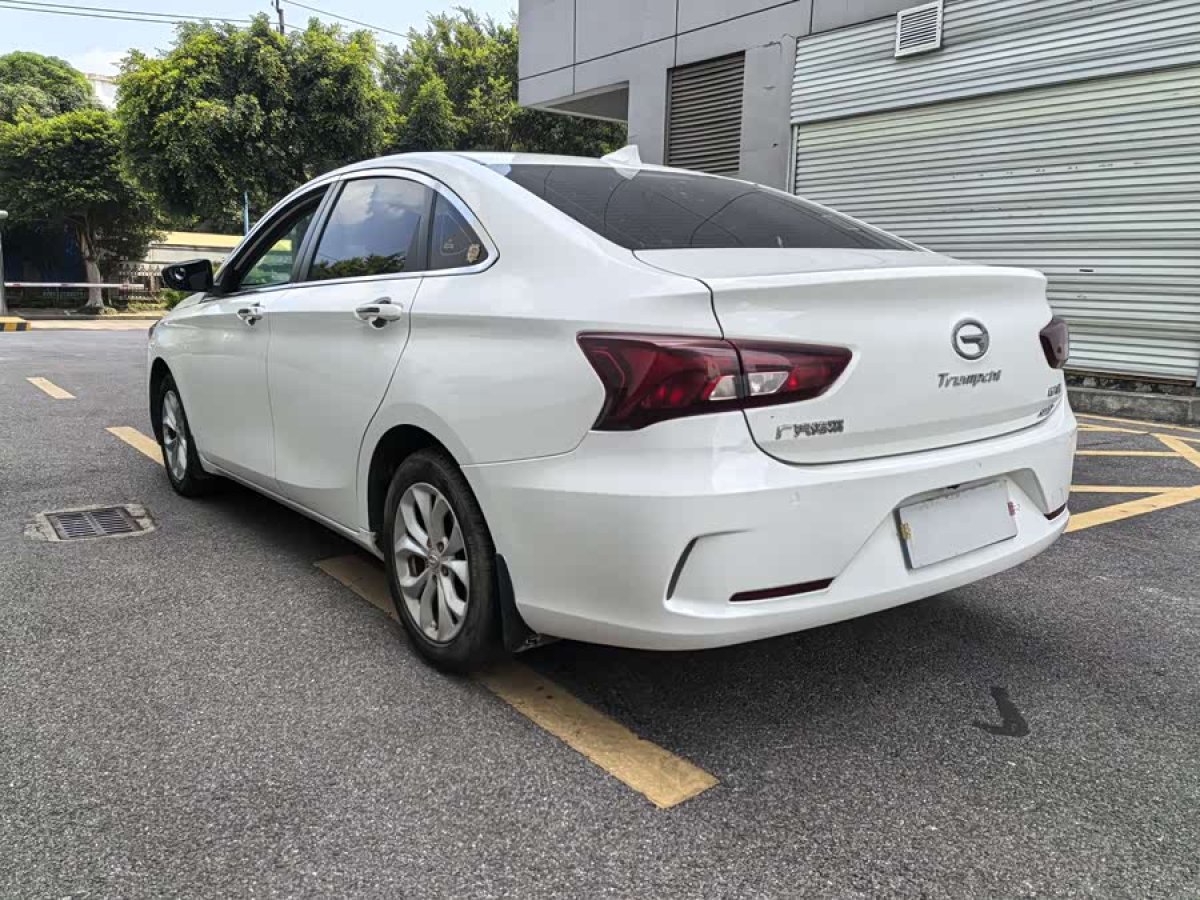
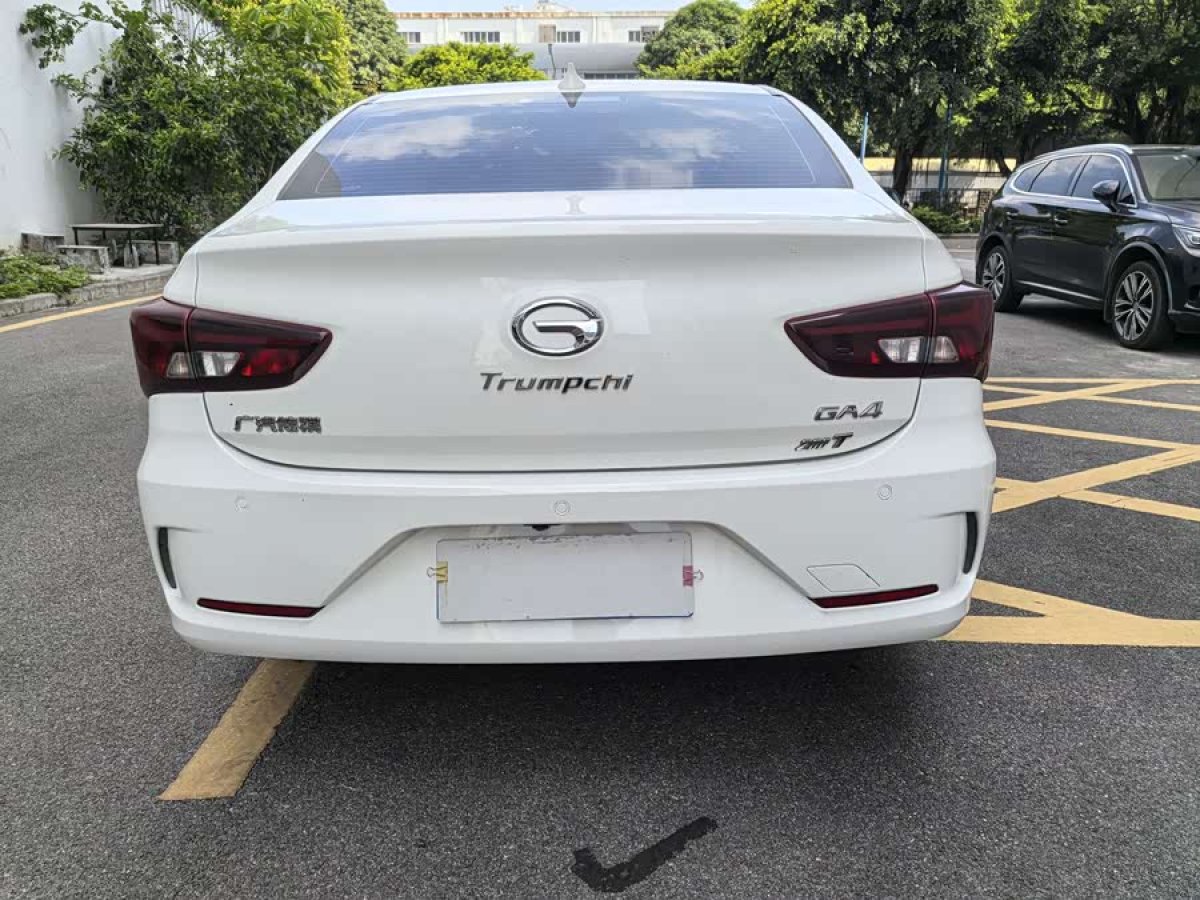
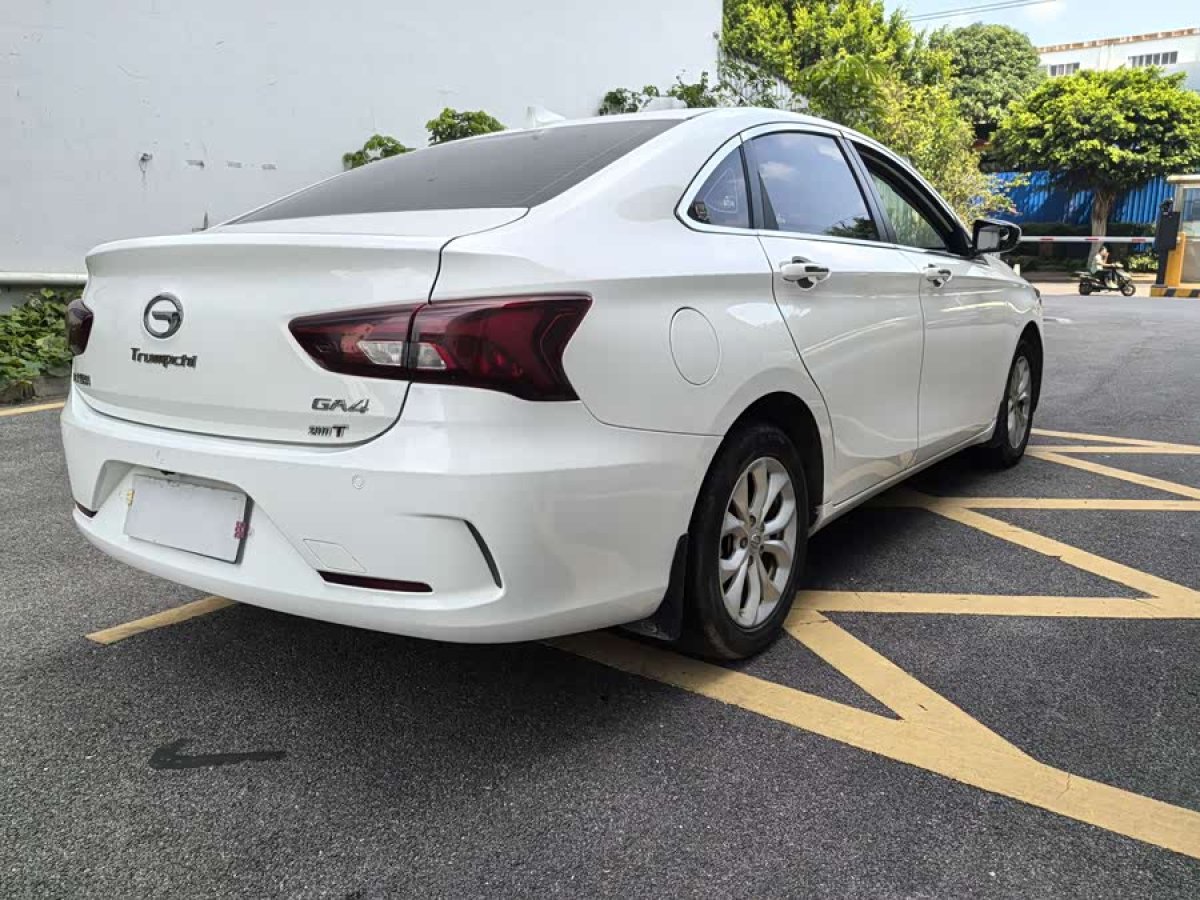
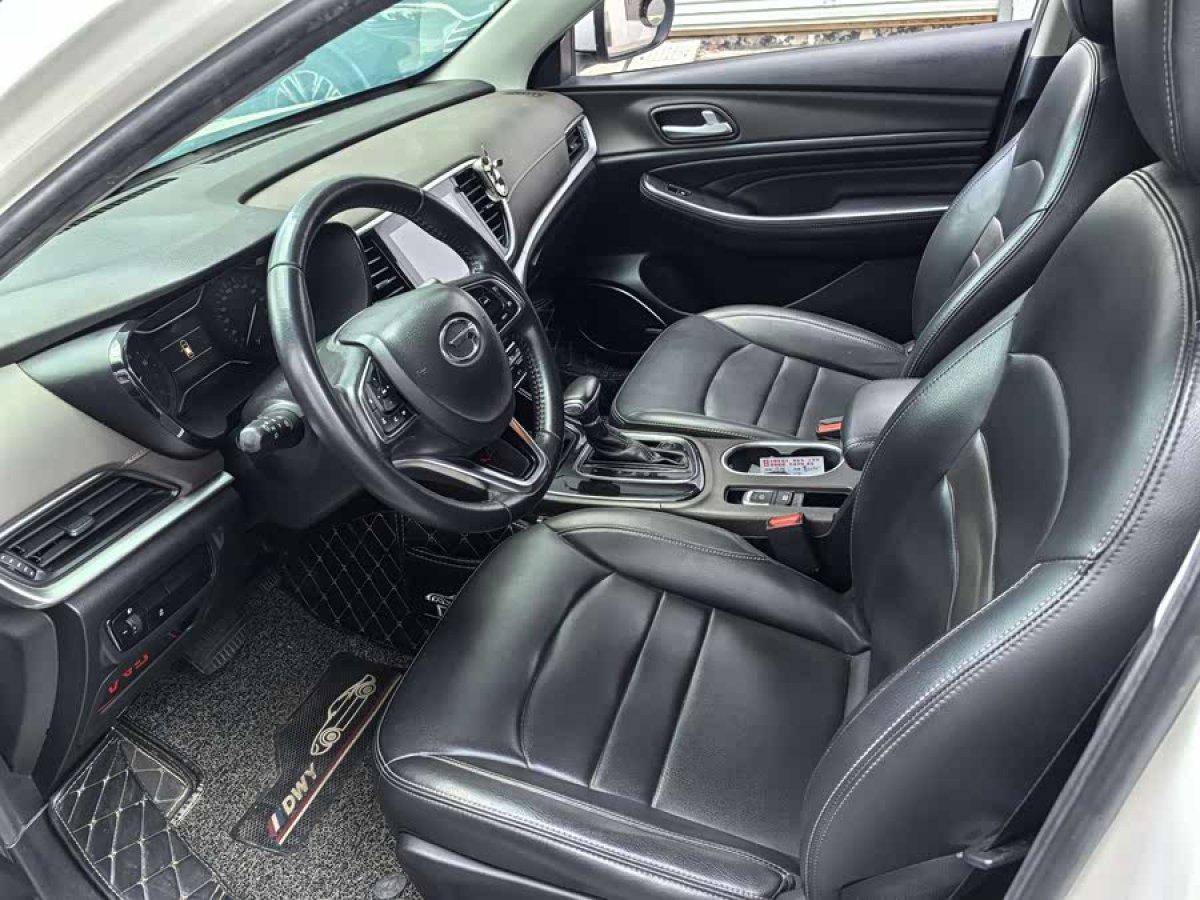
The exterior paint is well-maintained; the body structure shows no signs of repair or major accidents. The interior is clean and tidy. Safety indicator lights are normal; passive safety features such as airbags are in good working order; all electronic components are functioning properly; and both static and dynamic equipment are complete. Driving the vehicle is smooth and efficient, with no issues with ignition, starting, acceleration, cornering, deceleration, or braking. Acceleration is rapid, and power output is smooth and comfortable, with no idling vibration. Overall, the vehicle's condition is fair. The body frame structure shows no deformation or twisting, and there are no signs of fire or water damage. There are signs of repainting, but the overall paint is in good condition, ruling out major accidents. It offers good visibility, a spacious, bright, and well-ventilated interior, making it suitable for family use.
Use credit check apps (like Check Doctor or Ant Queen) to pull the complete accident record.
As rubber seals age, "slight oil seepage (oil stains but no dripping)" is very common in used cars and is not considered a major fault. Our recommendation is: as long as the oil level does not drop abnormally, just clean and monitor it regularly after arrival, without the need to immediately incur high costs to disassemble and replace the seals.
Used cars are classified under HS heading 8703 (motor vehicles for transport of persons), with the last four digits determined by engine type and size. Gasoline cars usually fall in 8703.21–8703.80 depending on displacement; pure EVs fall under 8703.80; hybrids have their own subheadings. The duty amount depends on your country's tariff schedule: 1. Most countries charge duty on the CIF value (car price + freight + insurance), not the FOB price. 2. Many developing markets levy higher duties on used vehicles than new ones, and some add a surcharge based on age — older cars can cost significantly more to clear. 3. After duty, you typically pay VAT/GST on the CIF + duty total, plus port and customs fees. Practical tips: ask your exporter to state the exact HS code on the commercial invoice and confirm it with a local customs broker before shipping. A wrong code can trigger reclassification, penalties, or delays. Also budget for any excise tax tied to engine capacity — in several markets a 2.5L car clears far cheaper than a 3.5L one.