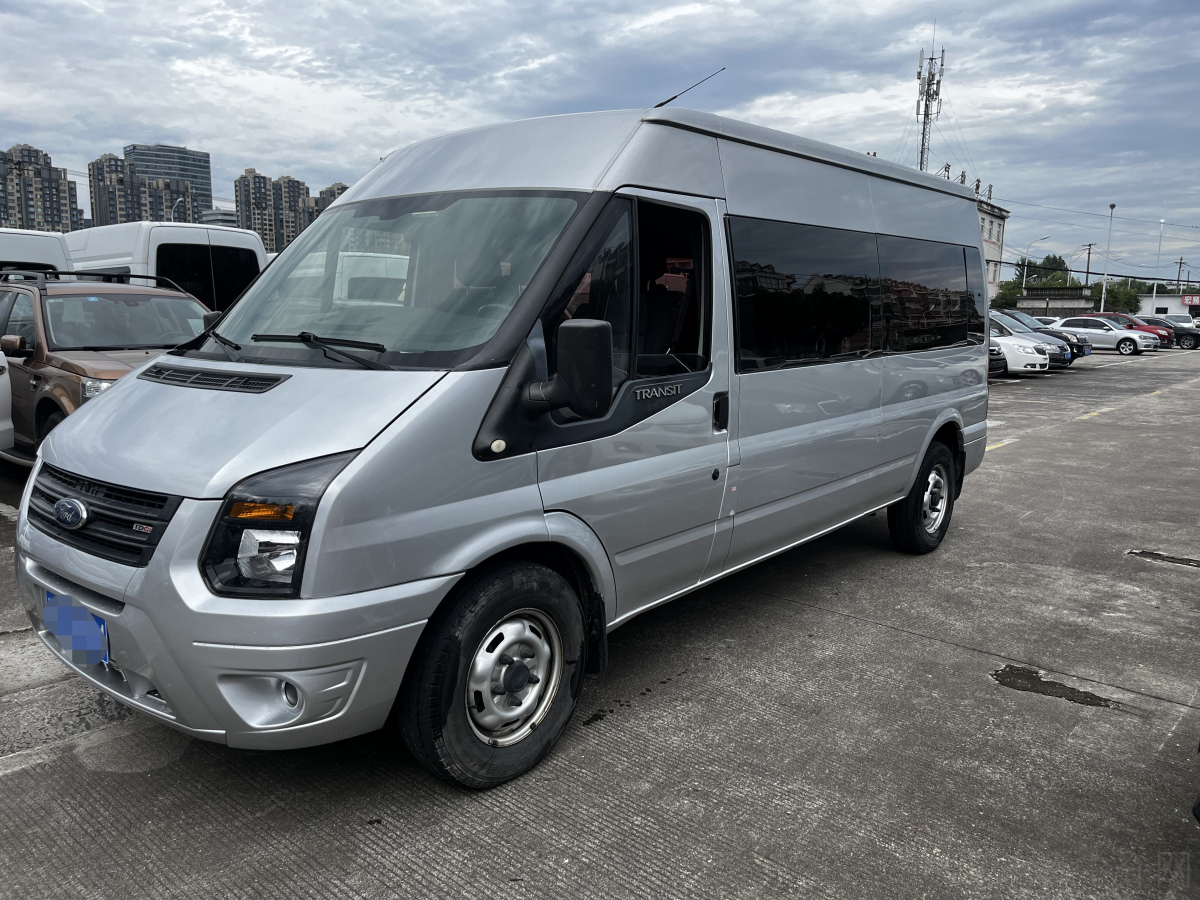
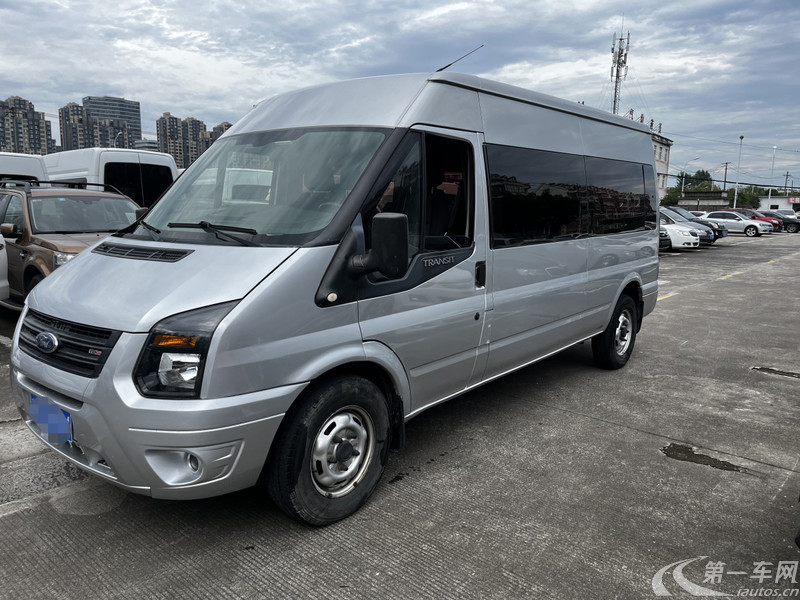

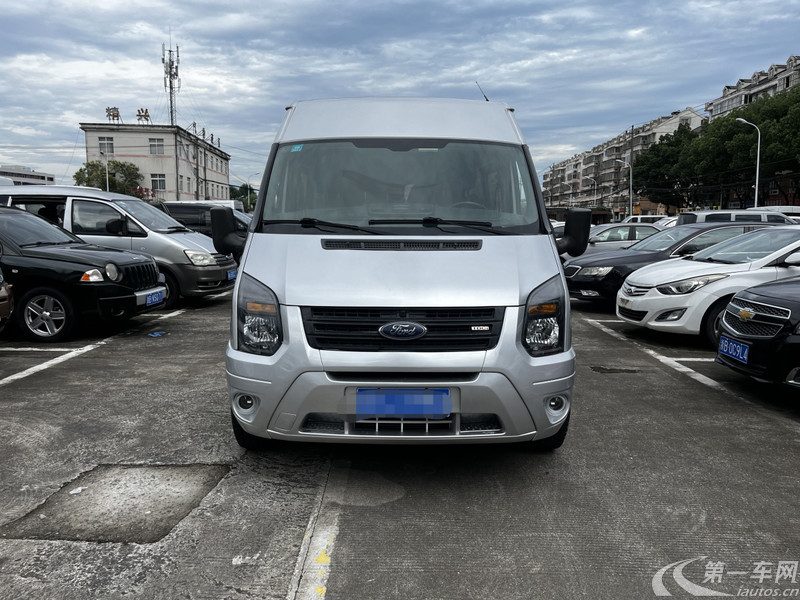
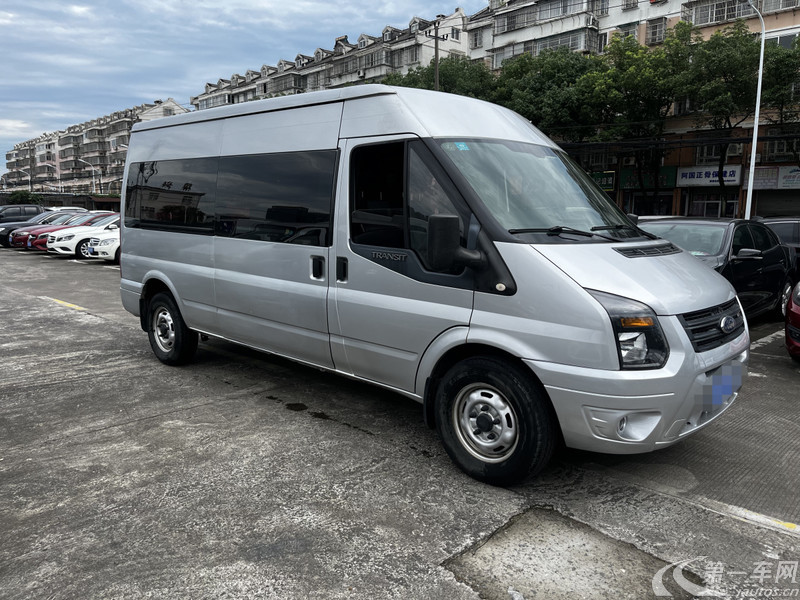
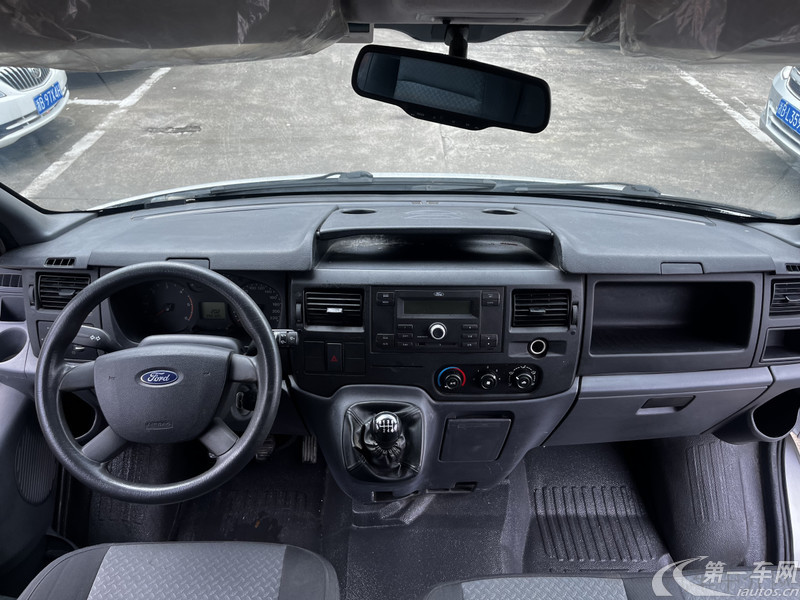
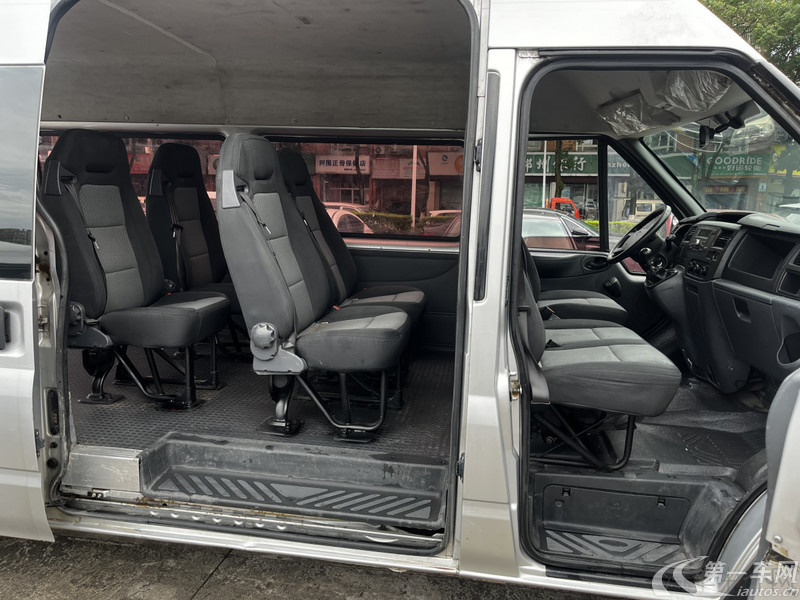
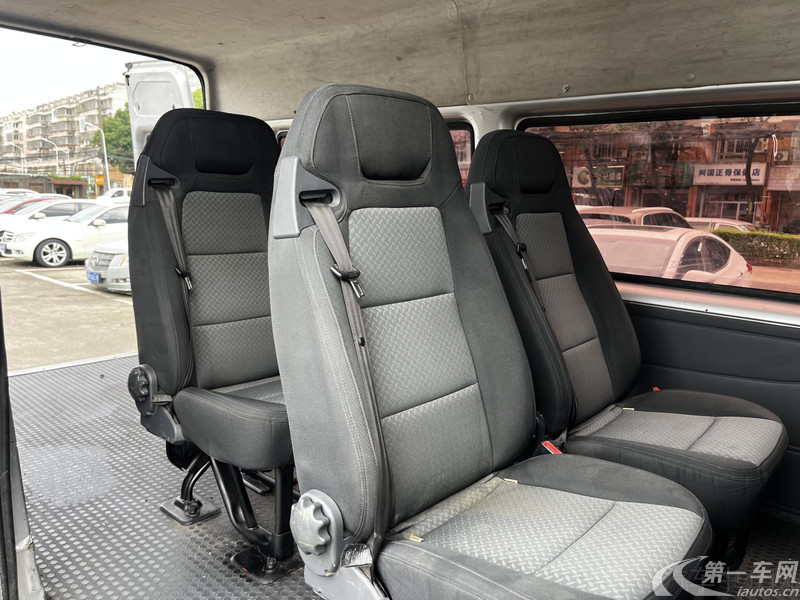
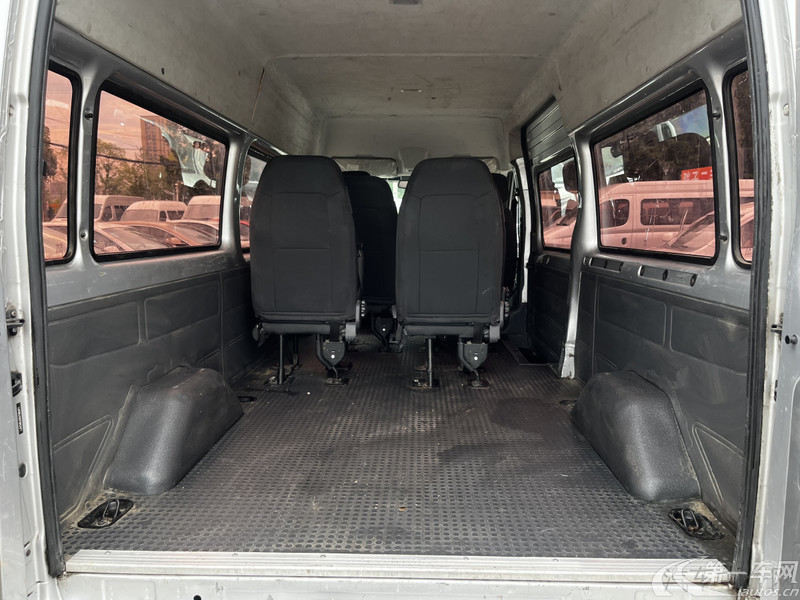
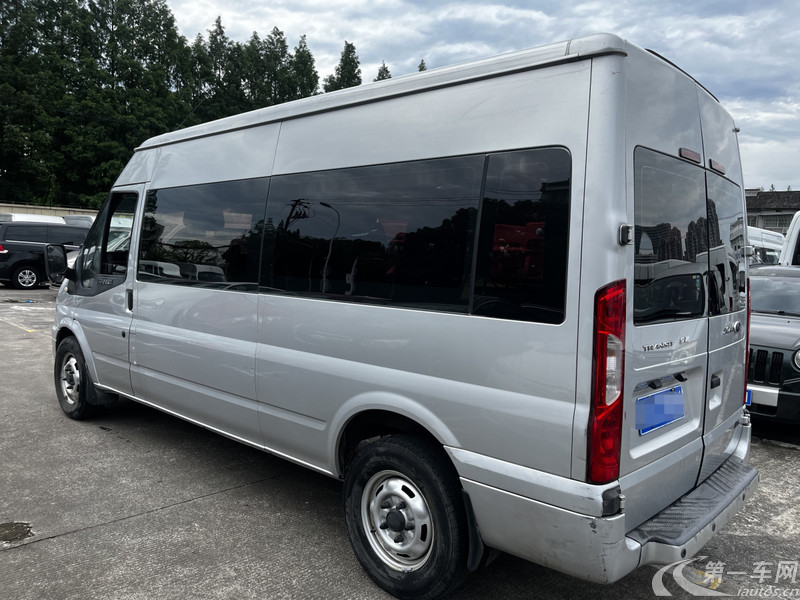
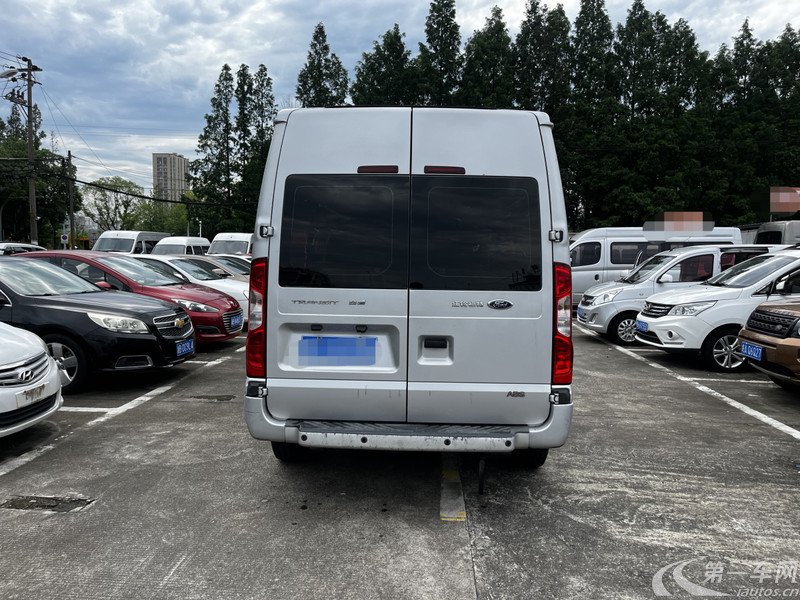
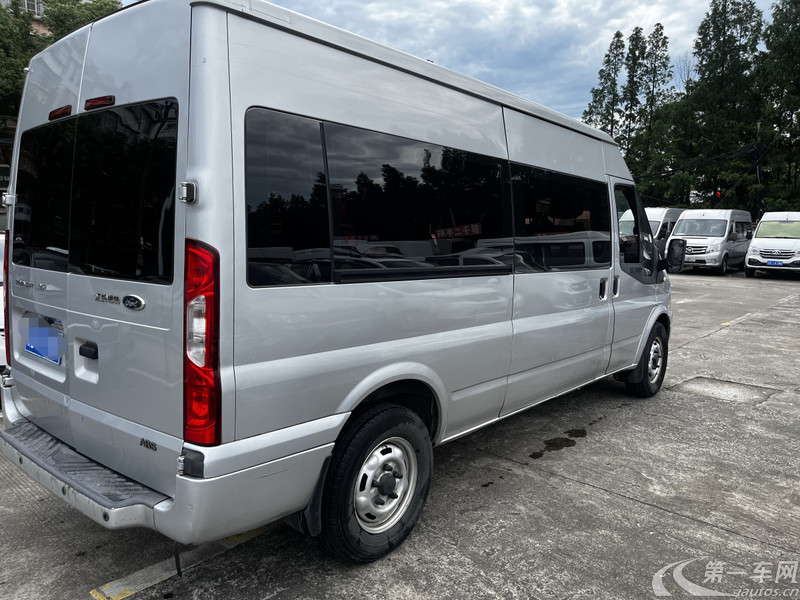



Basic Information

BrandFord
SeriesNew Transit
Year2018
First Registration2018/07
Mileage90,000km
Transfer Count-
FuelDiesel
TransmissionManual
Engine2.2T 140 L4
ColorGrey
Seats15seats

Condition Description

VIN verification
0 transfers

Configuration Highlights

✓Keyless Entry
✓Keyless Start
✓Child Seat Anchors
✓ESP Stability Control
✓Backup Camera
✓Daytime Running Lights
✓Cruise Control
✓Leather Seats
✓Automatic Climate Control
✓Navigation System
✓Bluetooth Hands-free
✓Rear Parking Sensors
✓Safety Curtain Airbags
✓Roof Rails

Q&A

More

If a car frequently transfers between extremely cold areas (like Northeast China) and extremely hot areas (like Hainan), would you provide special risk warnings?

Absolutely. The extreme temperature fluctuations will significantly accelerate the aging of chassis rubber parts, oil seals, and interior plastics. For vehicles frequently dispatched across such latitudes, we will conduct fatigue resistance checks on chassis rubber parts that are twice as stringent as those for vehicles in temperate regions.

Beyond the car price, what costs should I budget when importing a used car from China?

A realistic budget has several layers beyond the vehicle price. First, inland logistics in China: moving the car to the export port typically costs $300-$800. Second, export handling: inspection, customs declaration and paperwork usually add $500-$1,000. Third, ocean freight. A 20ft container to most destinations runs $1,200-$3,000 depending on route; RoRo shipping can be cheaper for driveable cars. Add marine insurance, usually 0.3%-0.5% of the car value. Fourth, destination charges: port handling, customs duties, VAT/GST and local registration fees. These vary widely; some countries charge duties of 20%-80% of the vehicle value plus an excise based on engine capacity. Finally, any compliance work: inspection certificates, modifications to meet local standards, or homologation. Ask your exporter for a full CIF quote and have a local customs broker confirm destination taxes before you commit.

How do you assess the appearance condition of a vehicle? What specific standards are there for scratches and dents?

We use quantitative standards. Minor scratches less than 3 cm that do not reach the base coat (which can be polished) are considered normal wear; scratches over 3 cm deep to the base coat or dents larger than 2 cm in diameter will be highlighted in the inspection report's "Appearance Defect Distribution Map" with close-up photos.

Ford New Transit 2.2T 140 L4

福特全顺 新世代 2.2T 手动 长轴中顶

EXW: $15,833
Car CodeSWA1540957
Publish Date