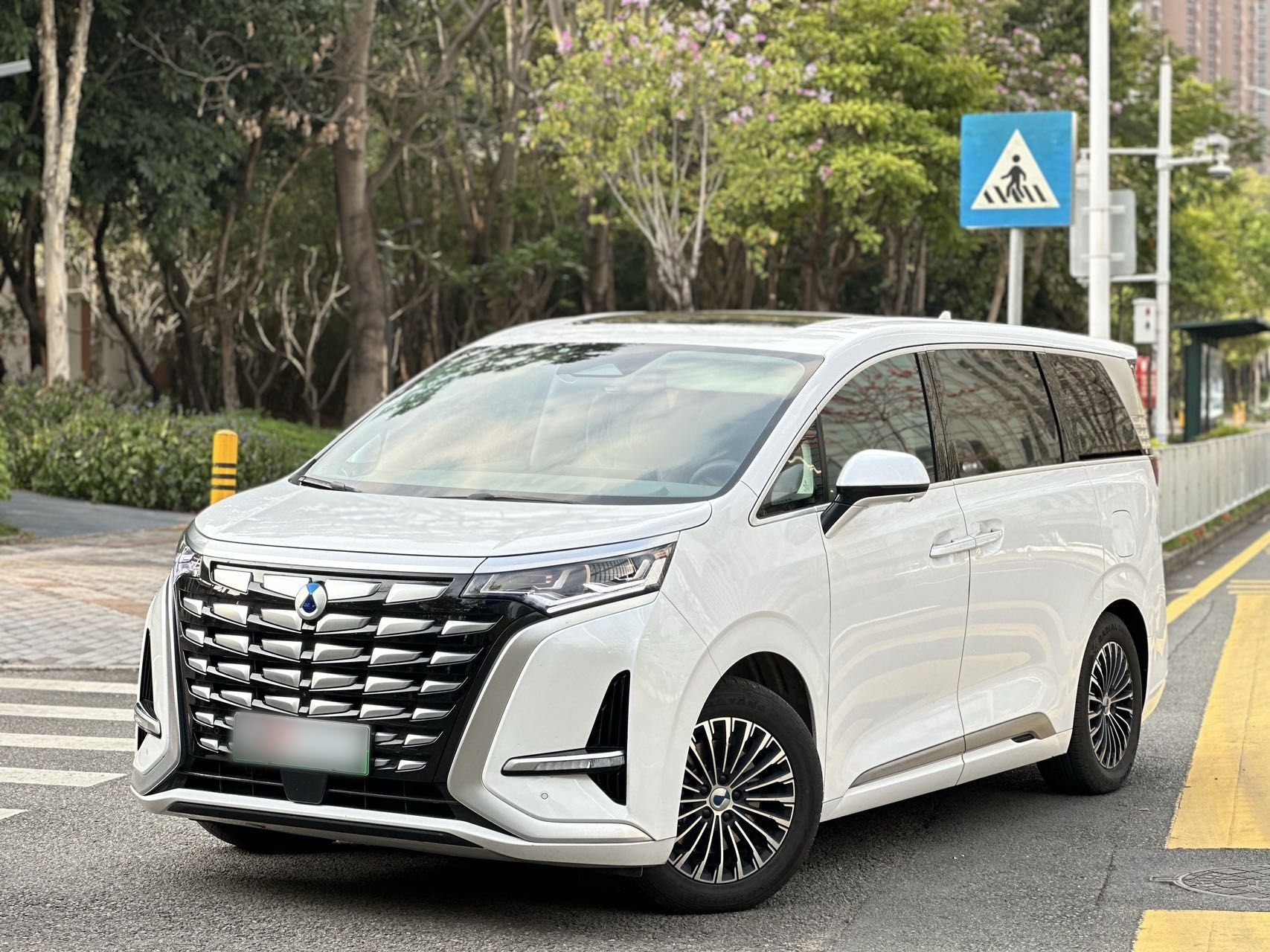
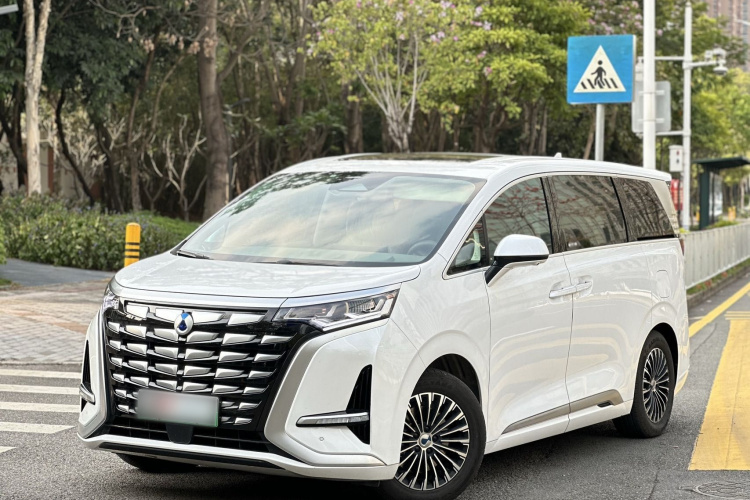
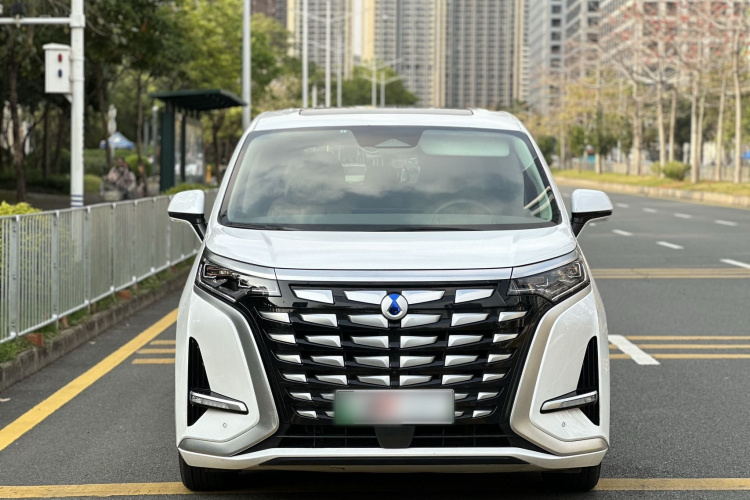
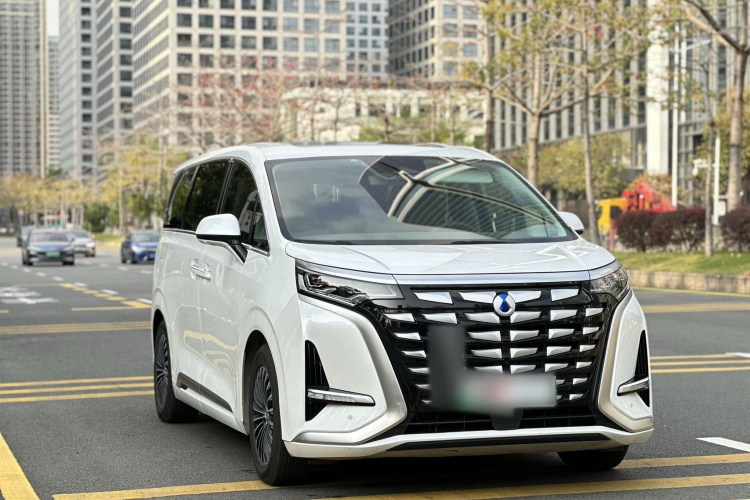
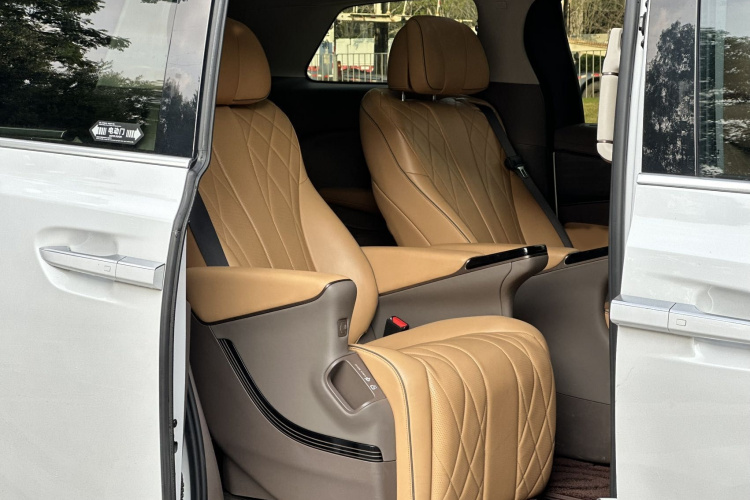
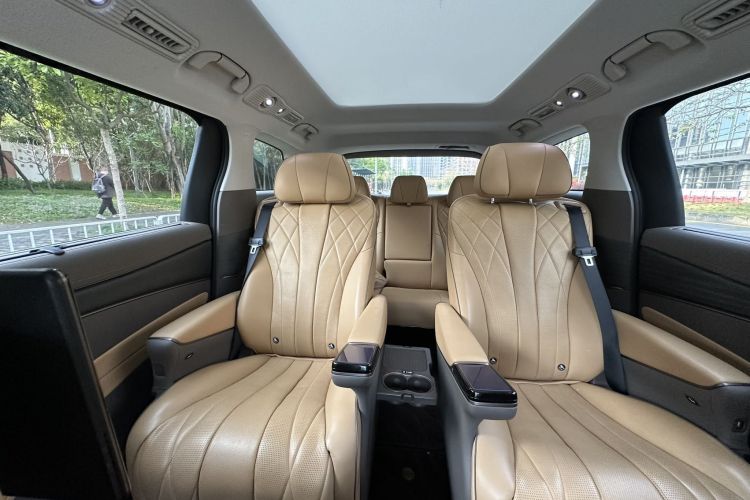
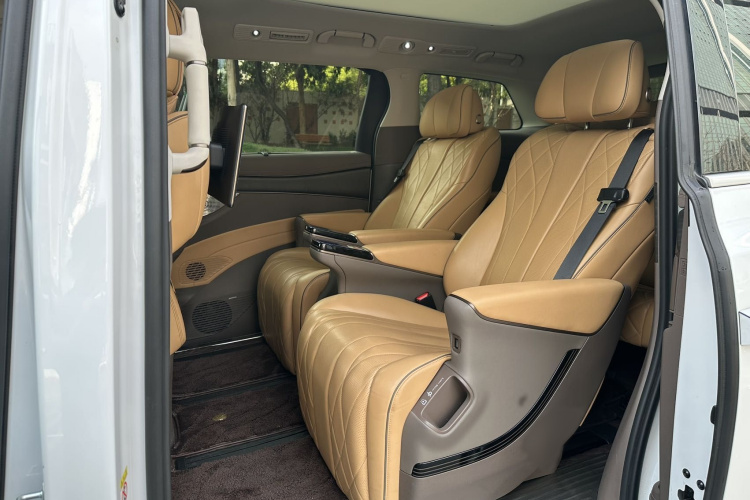
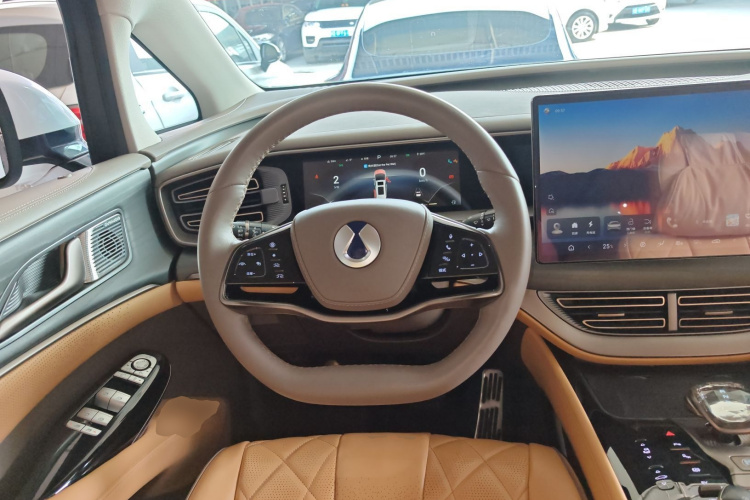
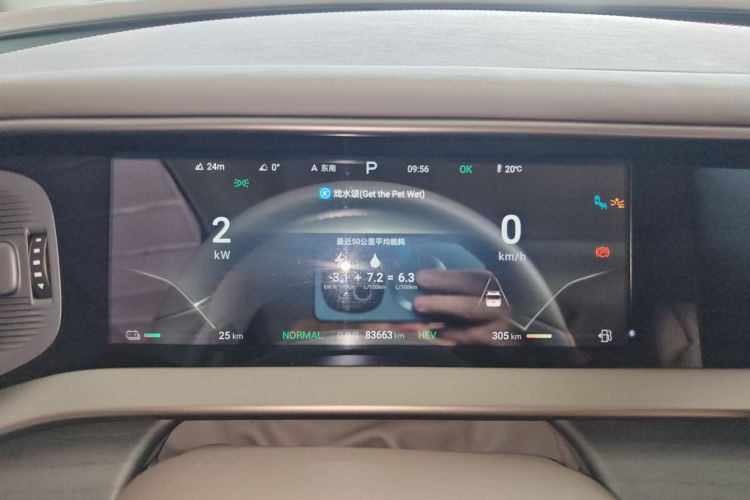
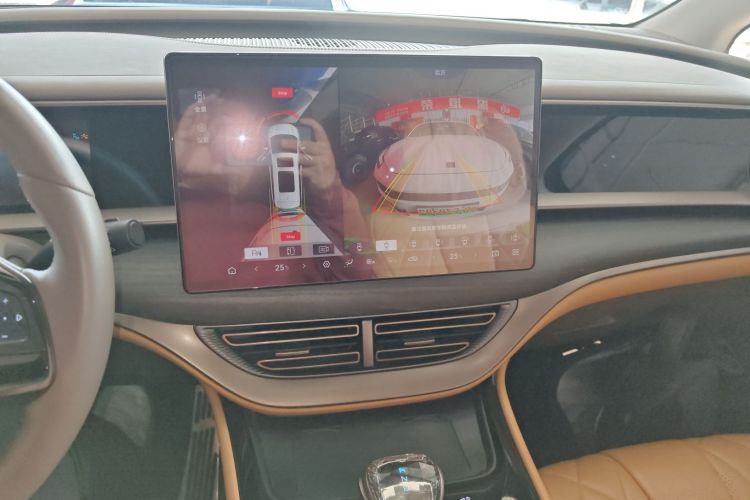
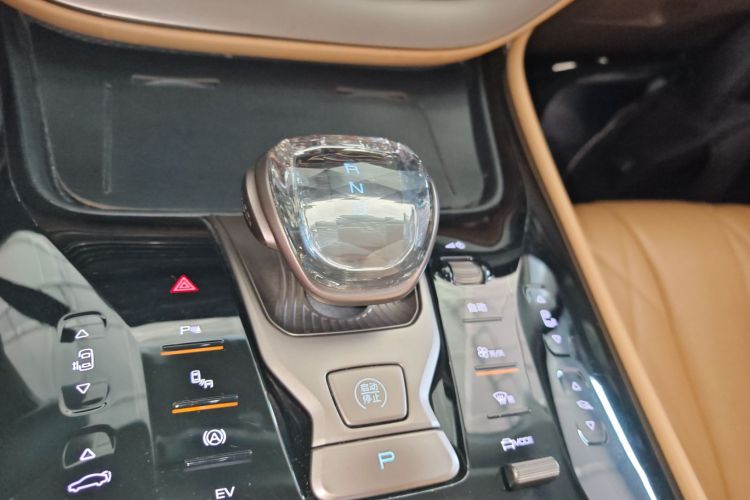
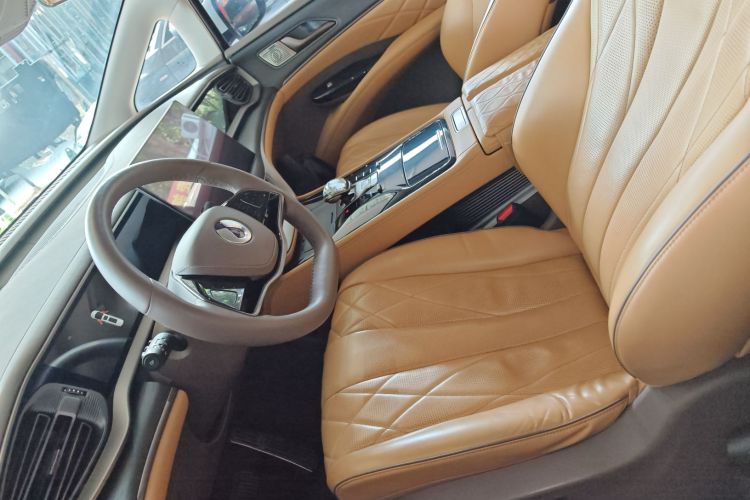



Basic Information

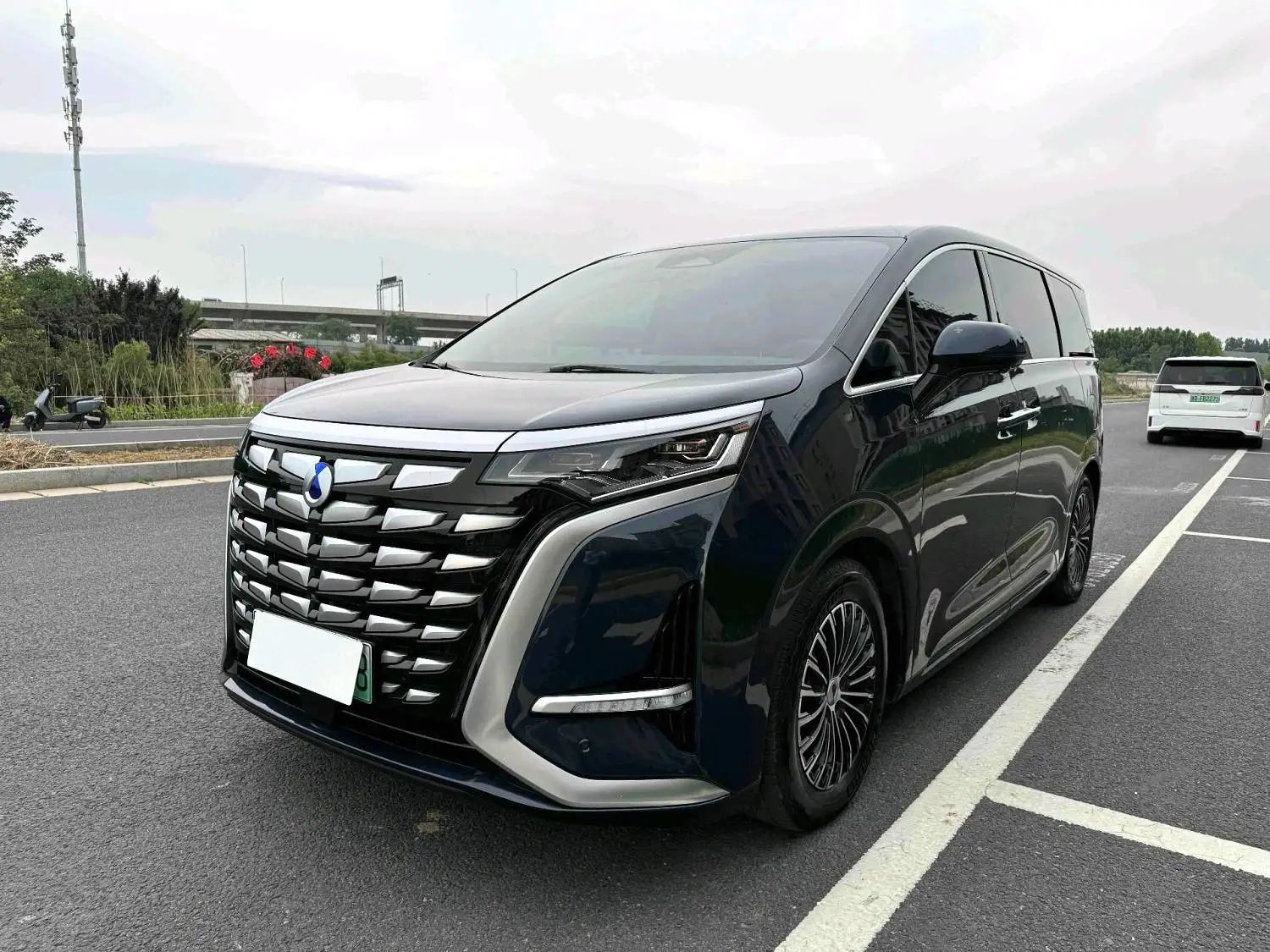
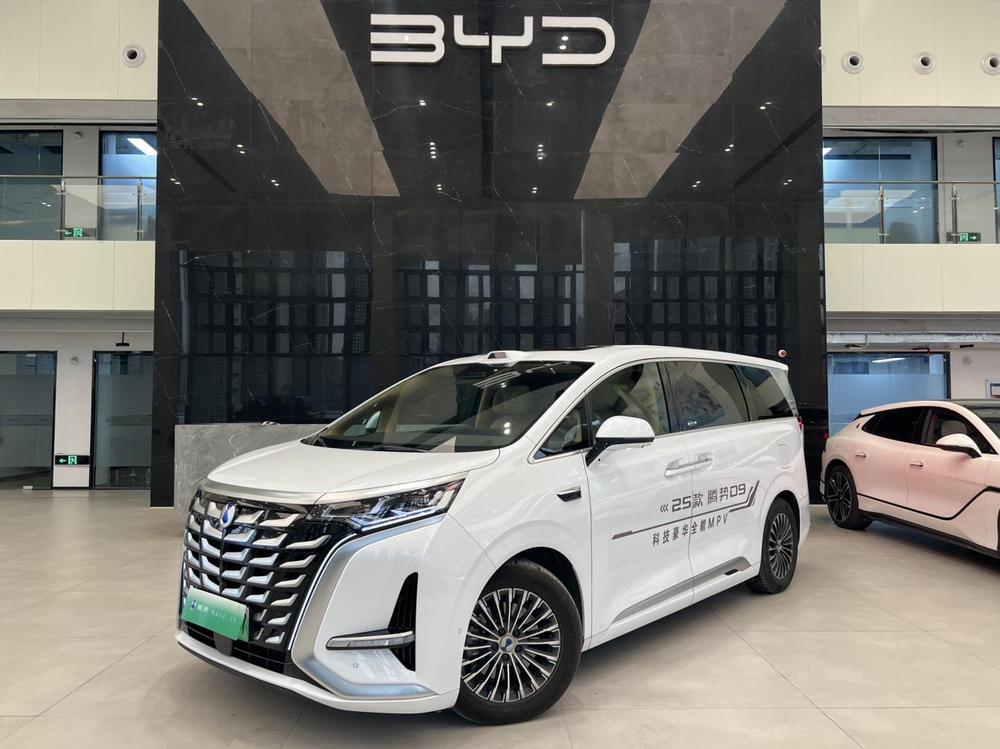
BrandDenza
SeriesD9
Year2023
First Registration2023/03
Mileage83,700km
Transfer Count1times
FuelPHEV
TransmissionE-CVT
Engine1.5T 139 L4
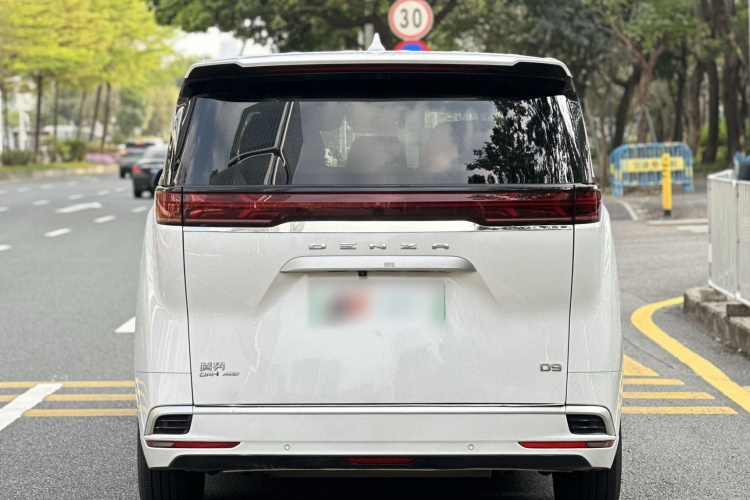
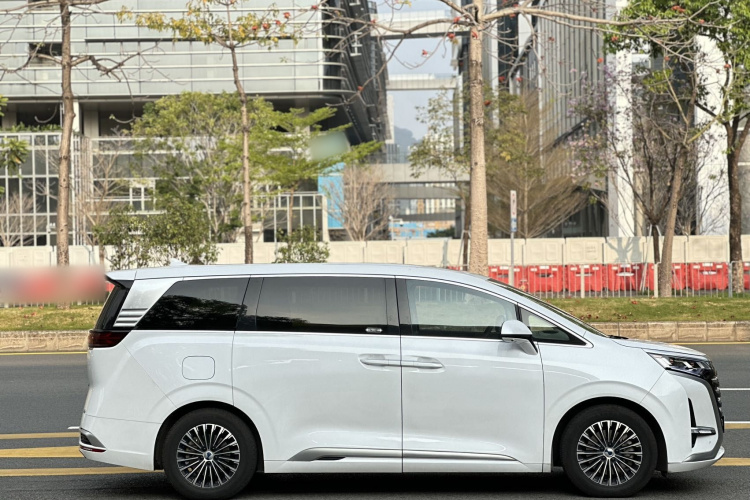
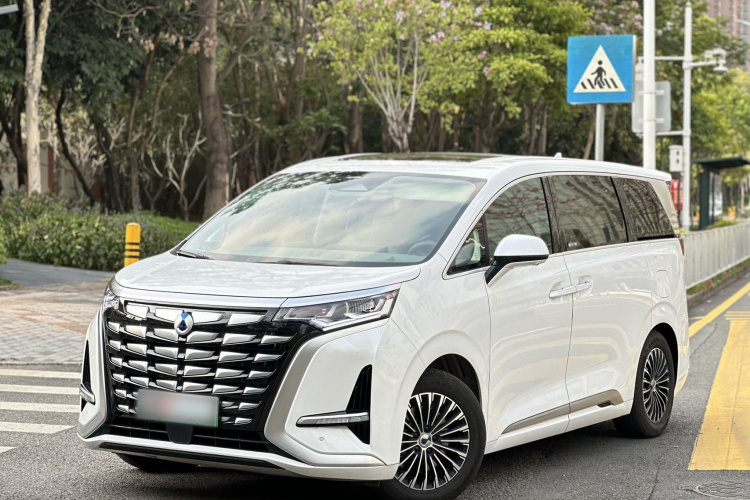
ColorWhite
Seats-

Condition Description

Excellent vehicle condition, passed inspection, better than 80% of vehicles for sale, good condition, 0 claims, 1 ownership transfer.

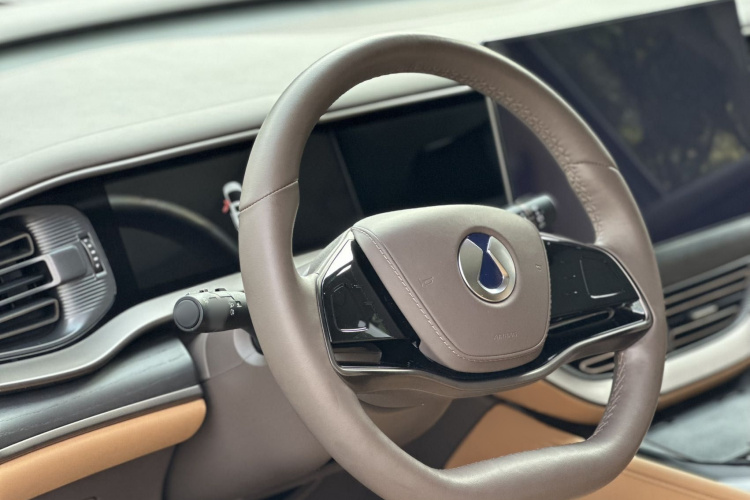
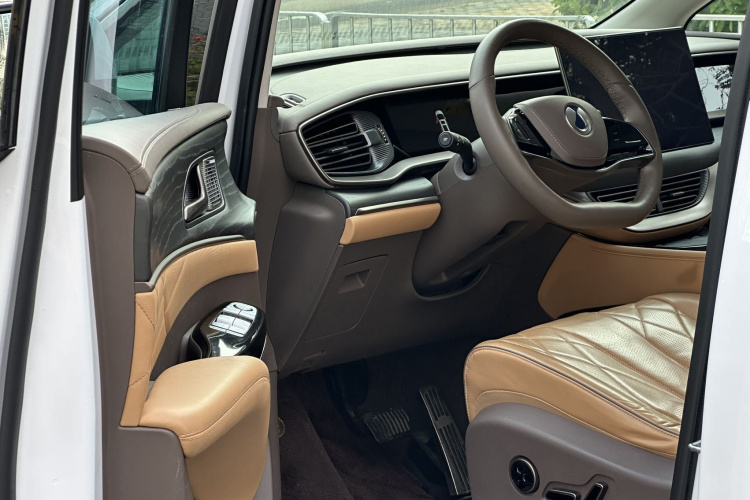
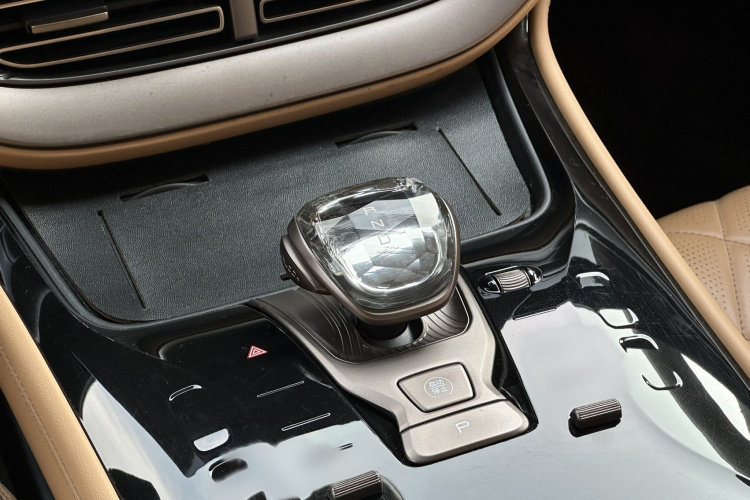
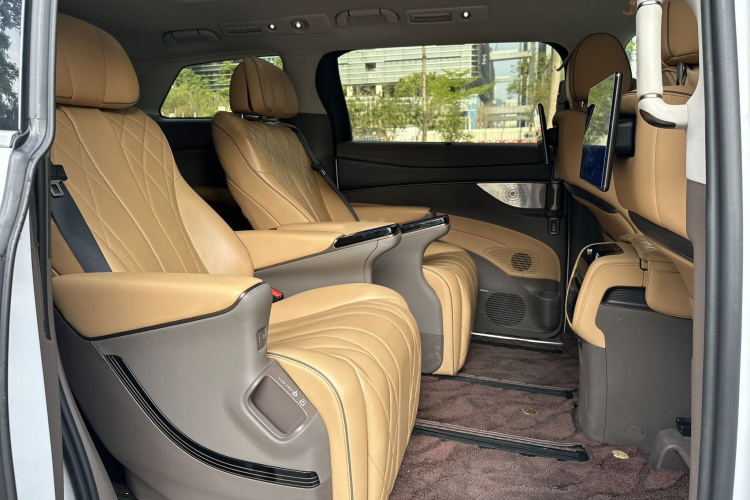
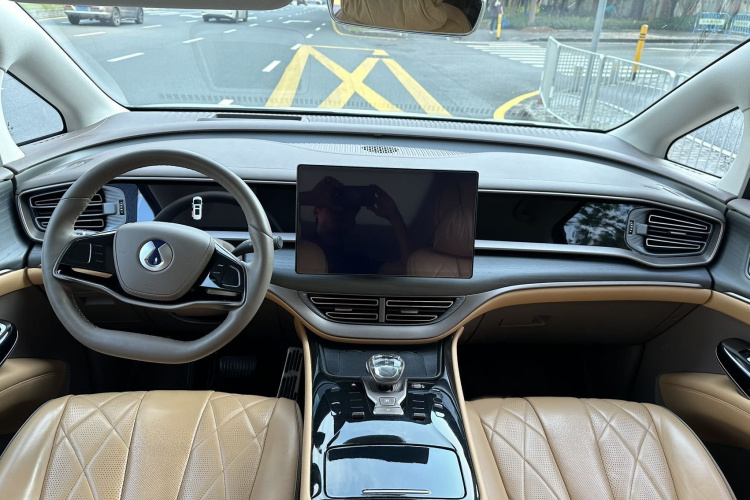
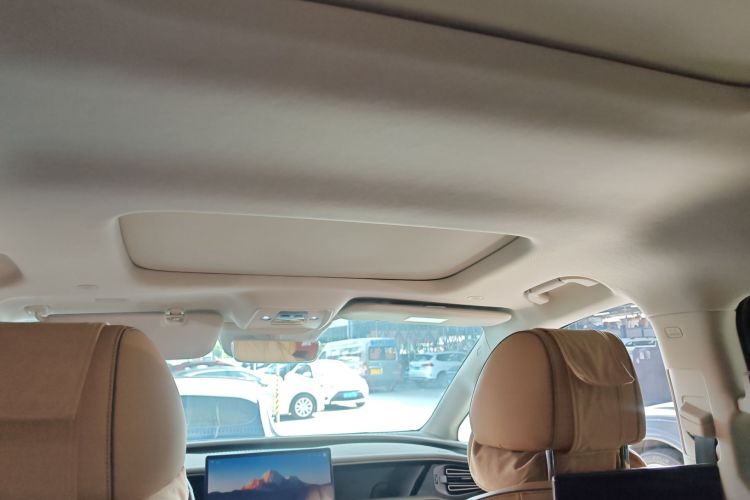
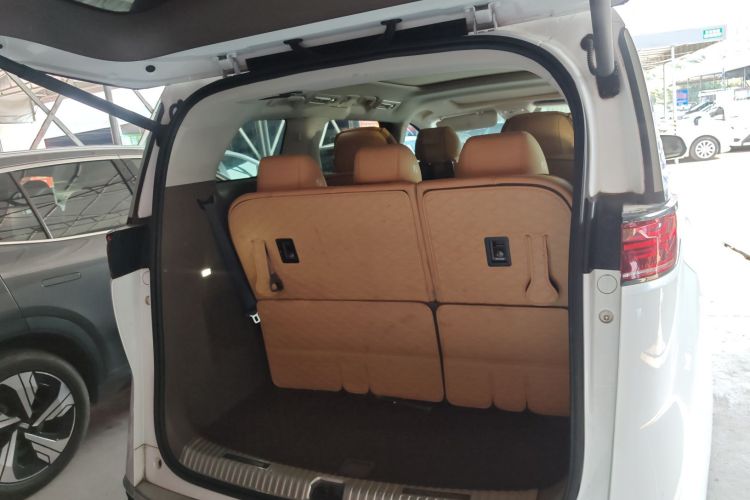
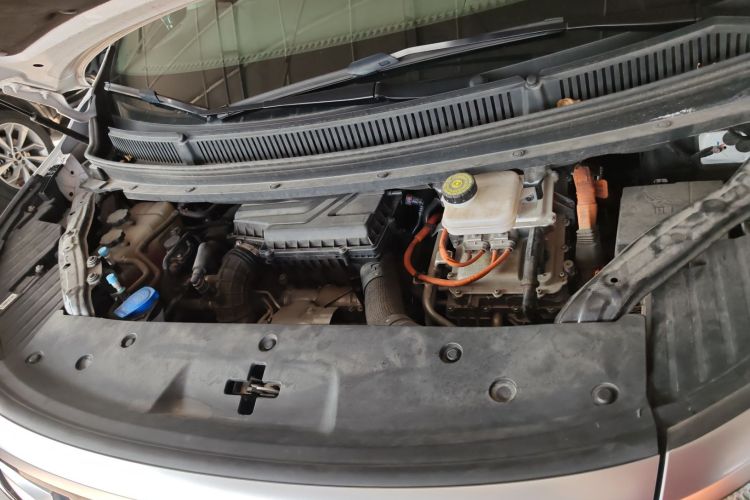
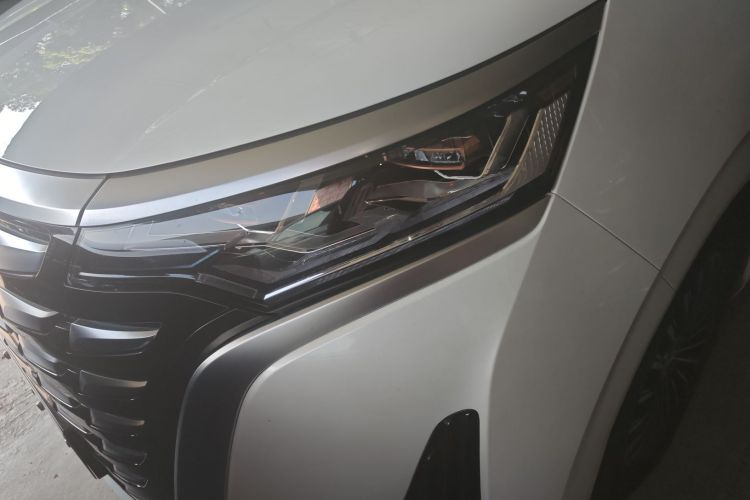
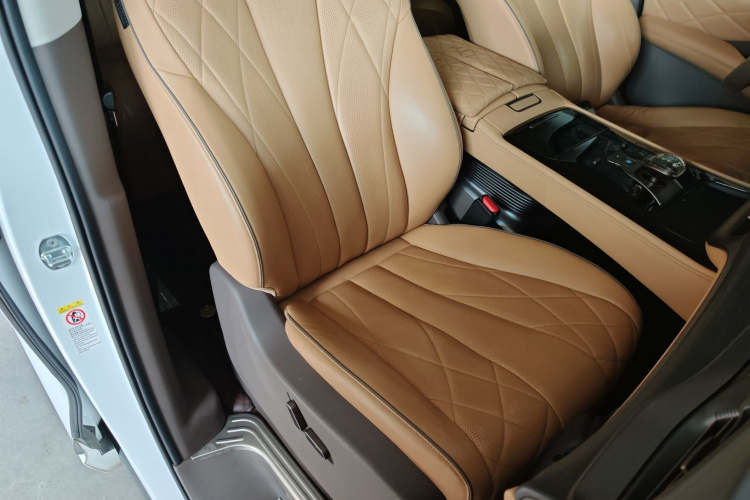
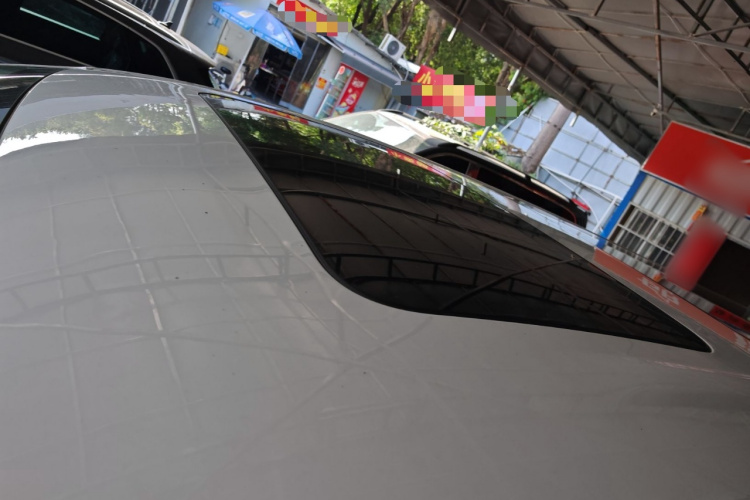
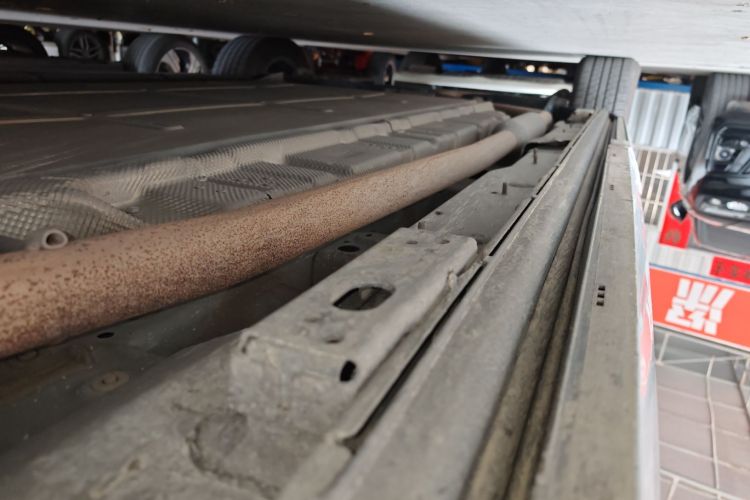
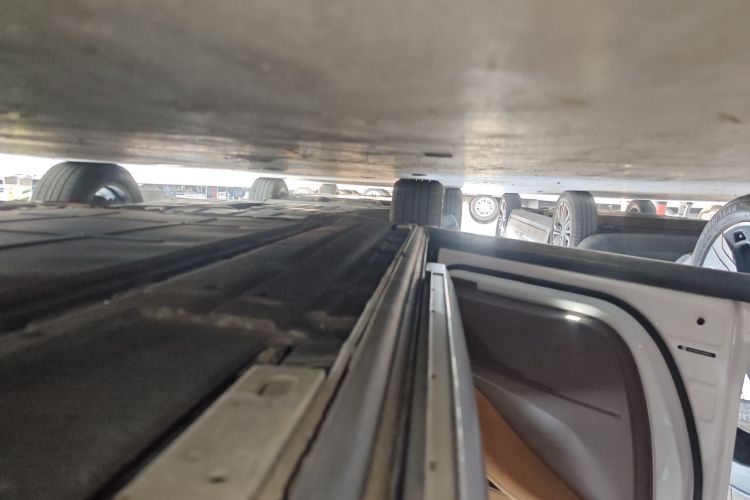
This vehicle is 3 years old, with an average annual mileage of 27,900 kilometers. It has been used frequently and has been transferred once. The exterior paint is in good condition, but there may be some minor marks. The interior is clean and tidy, with minor signs of use. The overall body frame is intact and without any abnormalities. The fluids are normal, and the power system runs smoothly without any abnormalities.

Configuration Highlights

✓Rear Control Passenger Seat
✓Adaptive Cruise Control
✓Adaptive Suspension
✓Adaptive Headlights
✓Blind Spot Assist
✓Surround View Camera
✓Lane Departure Warning
✓Digital Instrument Cluster
✓Panoramic Sunroof
✓Rear Independent Climate Control
✓4WD System
✓Power Trunk
✓Cornering Lights
✓Knee Airbags
✓Ambient Lighting
✓High Beam Assist
✓Front Radar
✓Auto Hold
✓Keyless Entry
✓Rain-sensing Wipers
✓High-definition Low Beam
✓Power Folding Mirrors
✓Engine Start-Stop
✓Power Seats
✓Auto Headlights
✓Keyless Start
✓Rear Air Vents
✓Tire Pressure Monitoring
✓Heated Mirrors
✓Hill Start Assist
✓Rear Parking Sensors
✓Anti-pinch Windows

Q&A

More

Why are the shipping costs for used electric vehicles (EVs) usually higher than for internal combustion engine vehicles (ICEs)?

Pure electric vehicles are classified as Class 9 Dangerous Goods due to their large lithium batteries, leading to strict shipping regulations. Shipping companies have high requirements for the loading position and fire isolation measures for dangerous goods, and some roll-on/roll-off ships refuse to accept used EVs. As a result, EVs often require more expensive special container shipping and incur additional handling fees for hazardous materials.
For countries with strict anti-dumping laws, do the low-priced used new energy vehicles you export face the risk of being confiscated by customs on the grounds of dumping?

This is a macro policy minefield. Although used cars are rarely classified as dumping, if your single import quantity is too large and the declared price is significantly lower than local similar products, it can easily trigger an investigation by the tax bureau. We strongly recommend B2B buyers to break down shipments into smaller batches and use multiple invoices for customs clearance.

What is a battery SOH certificate and why does it matter when buying a used EV from China?

SOH (State of Health) measures the battery's remaining capacity as a percentage of its original capacity. Two EVs with the same mileage can have very different SOH depending on charging habits and climate exposure, and since the battery represents 30-50% of a used EV's value, the SOH number is effectively the real price tag. A proper certificate includes current SOH percentage, cell voltage balance, charge cycle counts, battery management system fault codes, and often a projected range estimate. In hot-climate markets like the Gulf, a degraded battery degrades even faster, so a documented SOH above 85-90% is strongly recommended. Exporters who provide verified SOH certificates close deals faster and command better prices, so treat the certificate as a core purchase document, not an extra.

Denza D9 1.5T 139 L4

腾势D9 2022款 DM-i 970 四驱尊荣型

EXW: $33,924
Car CodeSWA1632256
Publish Date