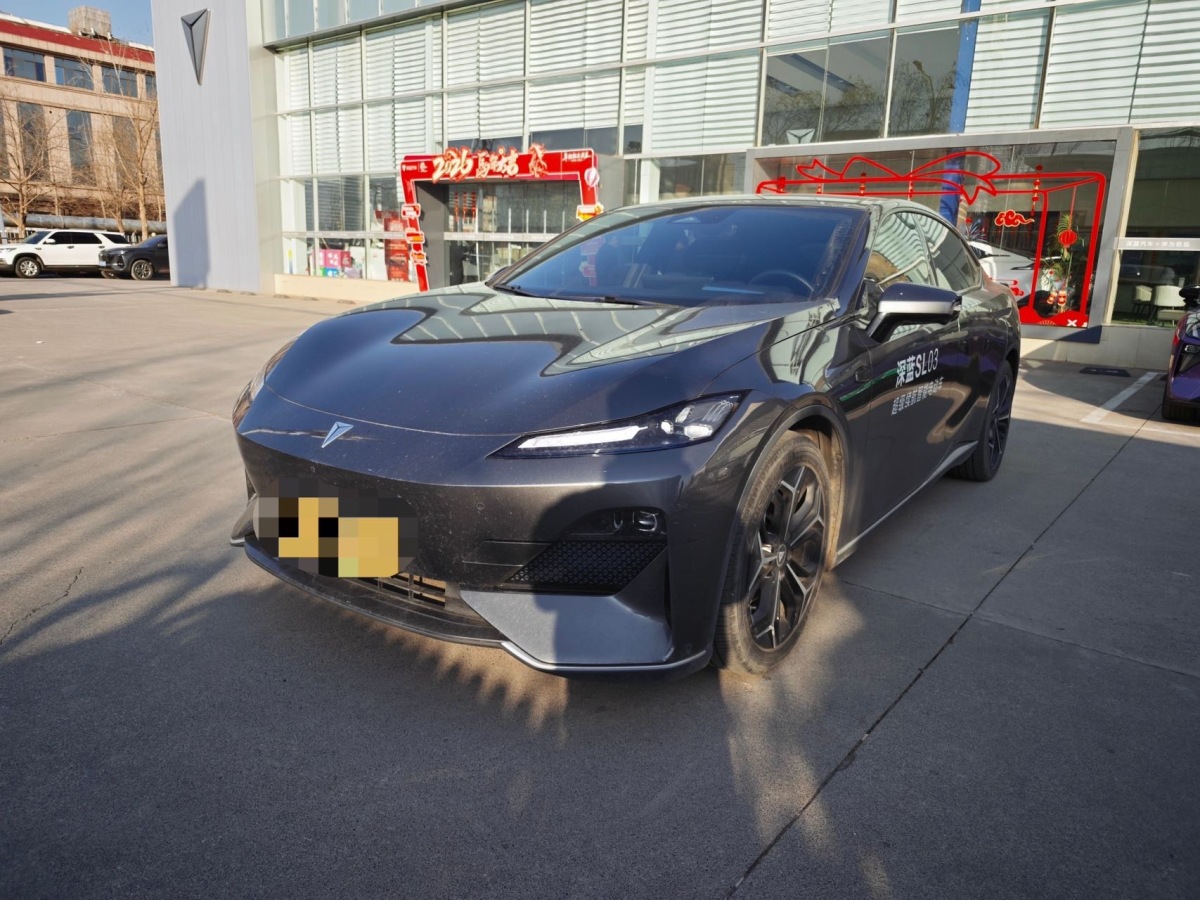
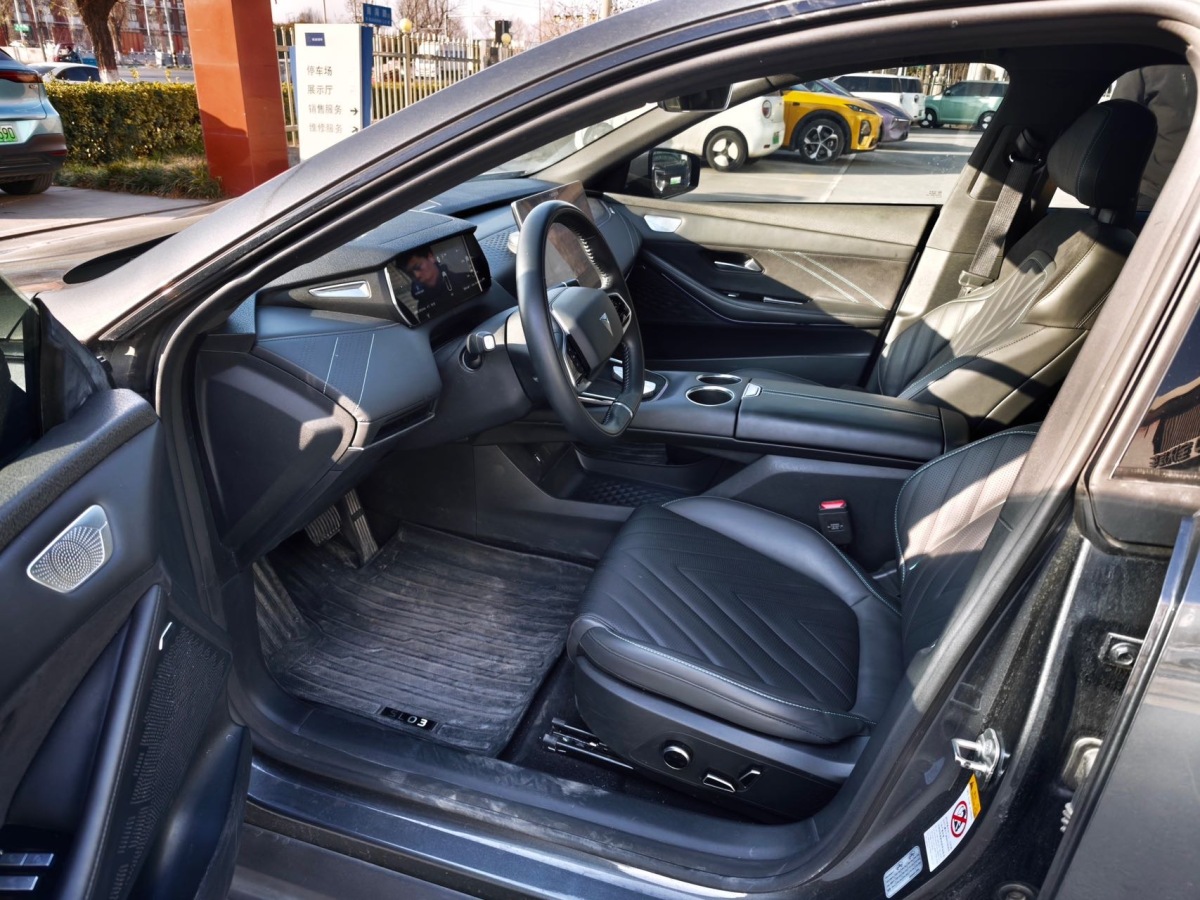
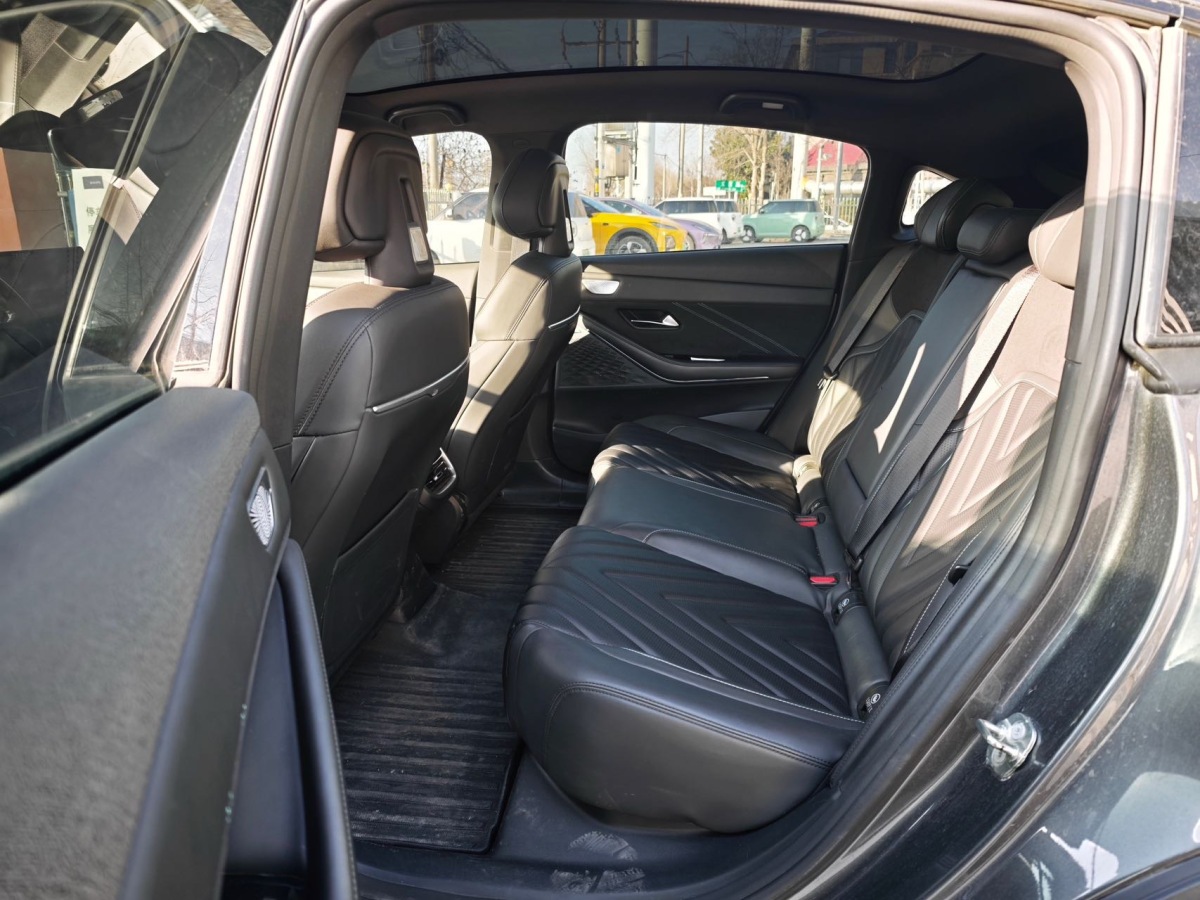
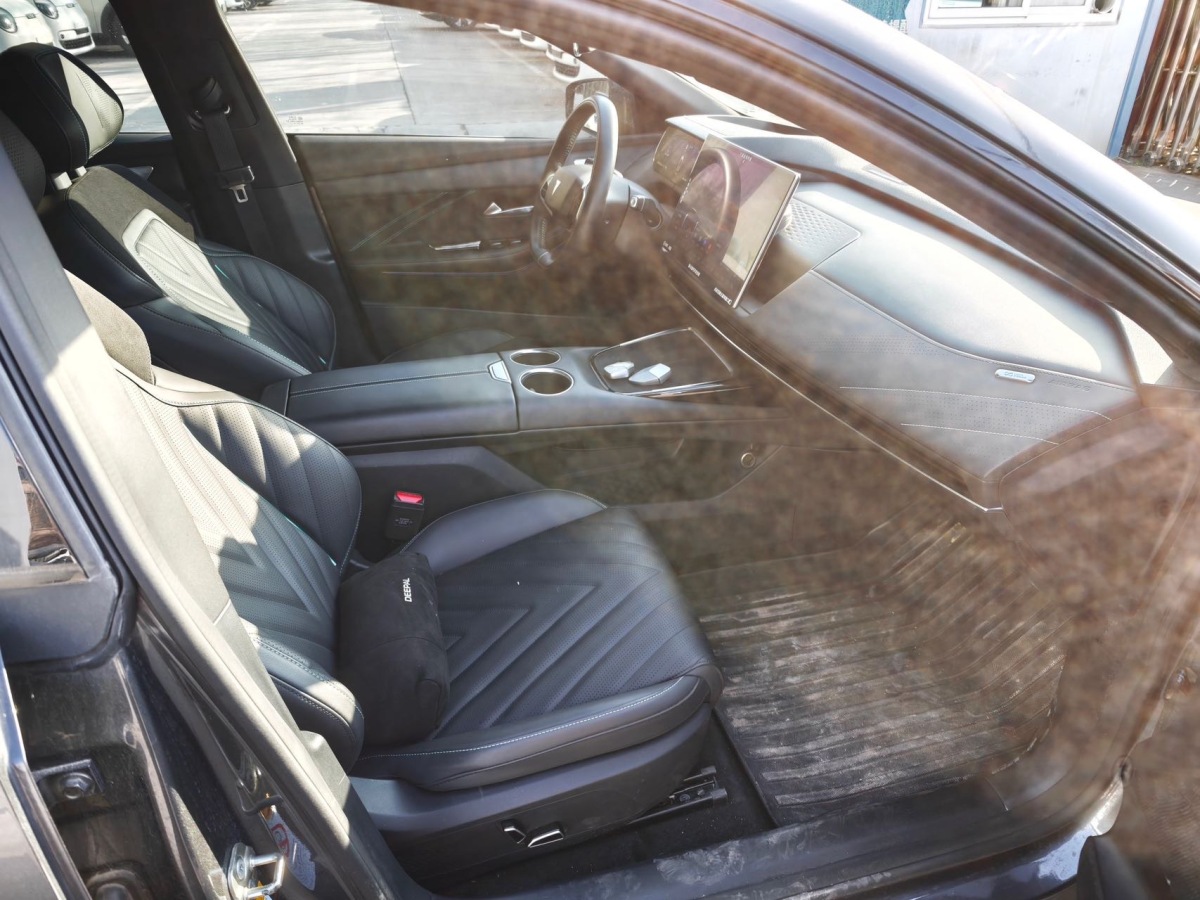




Basic Information

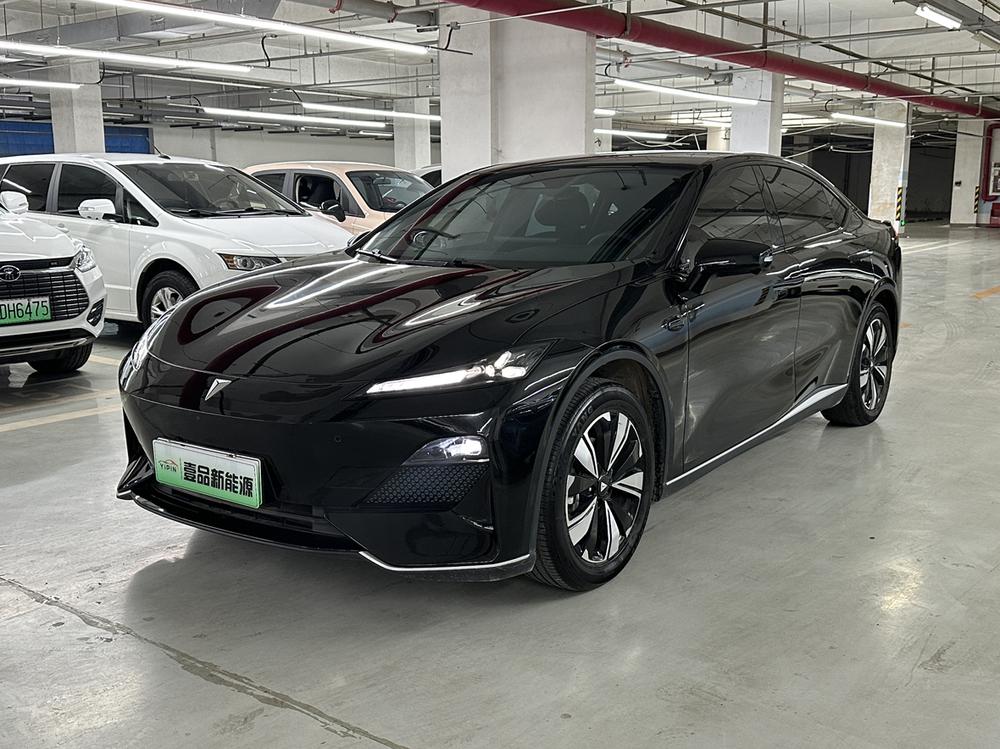
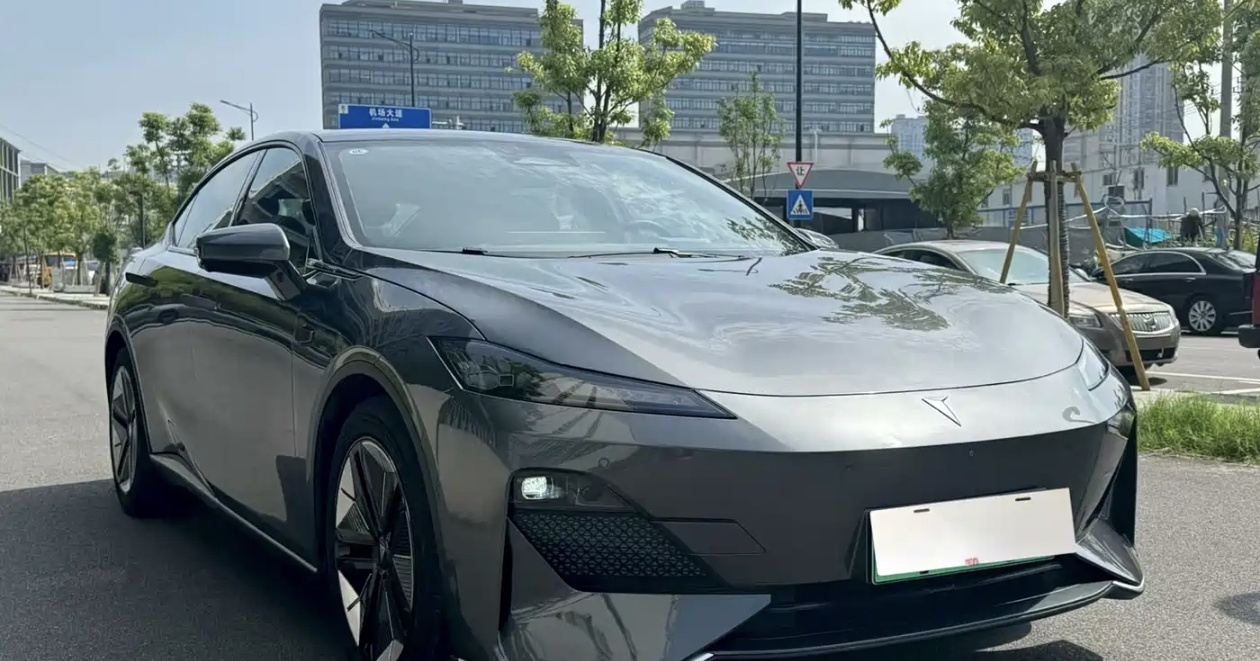
BrandDeepal
SeriesSL03
Year2023
First Registration2023/09
Mileage30,000km
Transfer Count-
FuelEREV
TransmissionOther
Engine1.5L 95 L4
ColorGrey
Seats-

Condition Description

Original paint: Original paint

深蓝
深蓝SL03
未知
灰色
国六
2-3万公里

Q&A

More

Beyond the car price, what costs should I budget when importing a used car from China?

A realistic budget has several layers beyond the vehicle price. First, inland logistics in China: moving the car to the export port typically costs $300-$800. Second, export handling: inspection, customs declaration and paperwork usually add $500-$1,000. Third, ocean freight. A 20ft container to most destinations runs $1,200-$3,000 depending on route; RoRo shipping can be cheaper for driveable cars. Add marine insurance, usually 0.3%-0.5% of the car value. Fourth, destination charges: port handling, customs duties, VAT/GST and local registration fees. These vary widely; some countries charge duties of 20%-80% of the vehicle value plus an excise based on engine capacity. Finally, any compliance work: inspection certificates, modifications to meet local standards, or homologation. Ask your exporter for a full CIF quote and have a local customs broker confirm destination taxes before you commit.
How often do you calibrate the instruments used to detect vehicles (such as paint thickness gauges and OBD diagnostic tools) for accuracy?

All our measuring instruments (especially calipers, paint thickness gauges, and refrigerant pressure gauges) are calibrated quarterly according to ISO quality management system requirements to ensure the data we provide you is objective, accurate, and reliable.

If our country has a free trade agreement (FTA) with China, can you provide specific certificates of origin to reduce tariffs?

Yes. If your country (such as Chile, Peru, ASEAN countries, etc.) has signed a bilateral free trade agreement with China, our documentation center will apply to Chinese customs or the trade promotion agency for specific versions of the certificate of origin (such as Form E, Form F, etc.), which can help you legally apply for significant tariff reductions at the destination port.