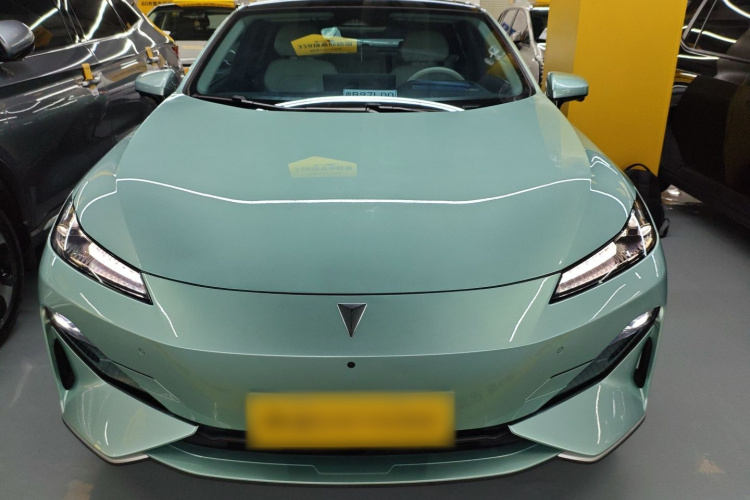
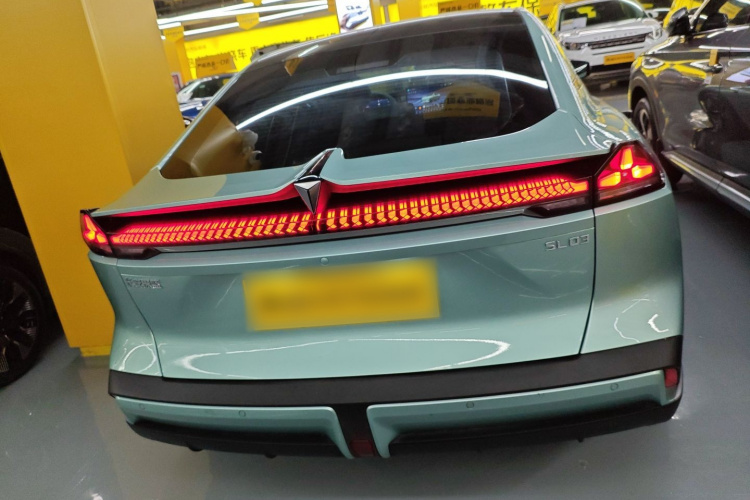
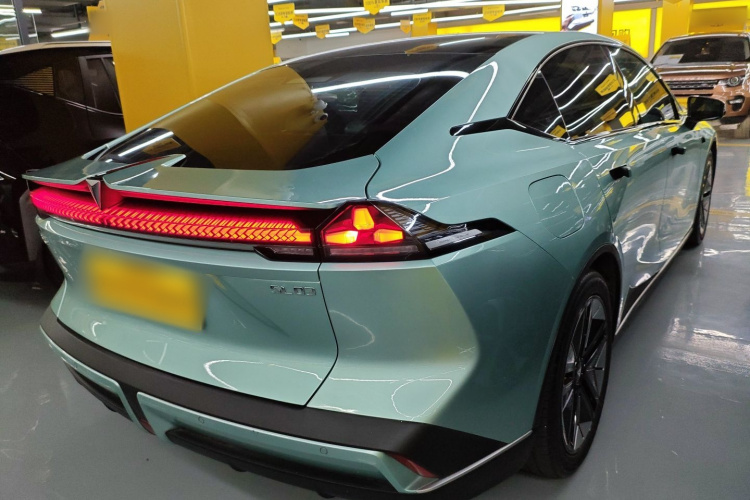
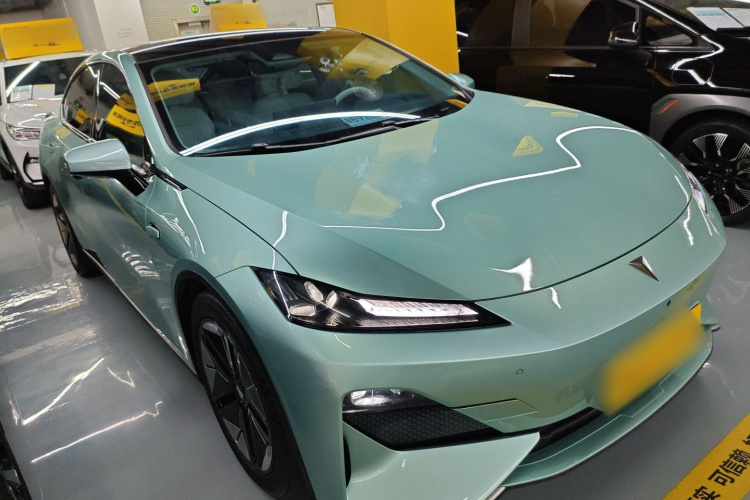
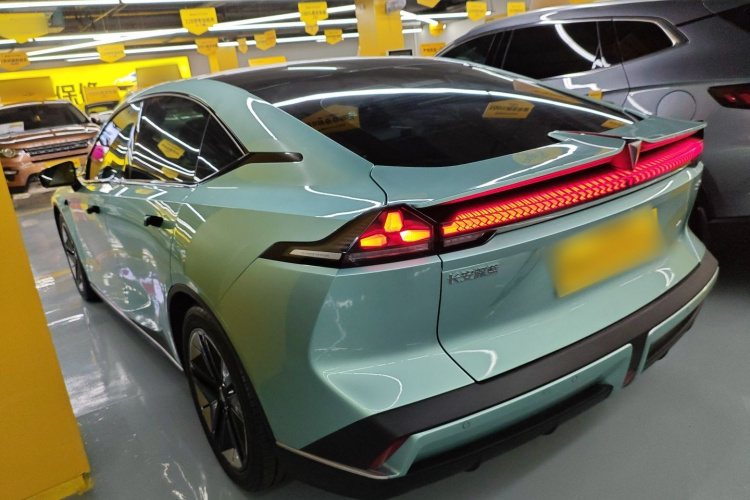
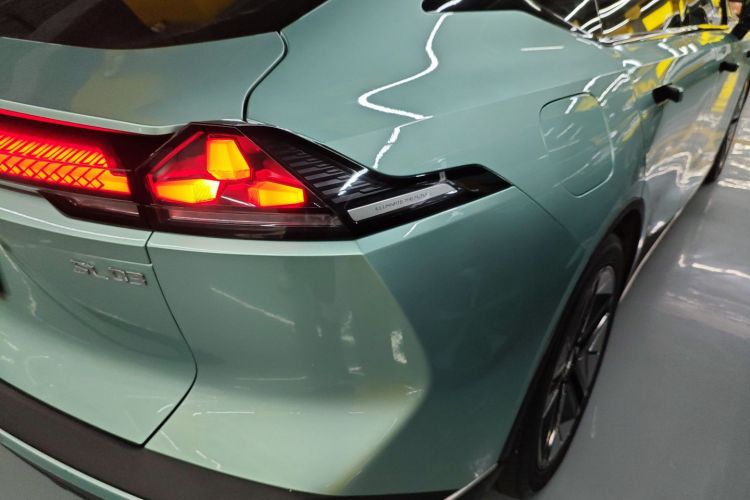
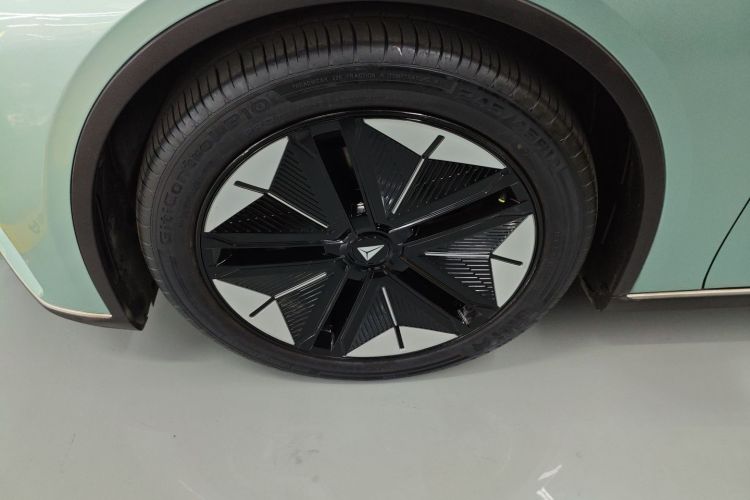
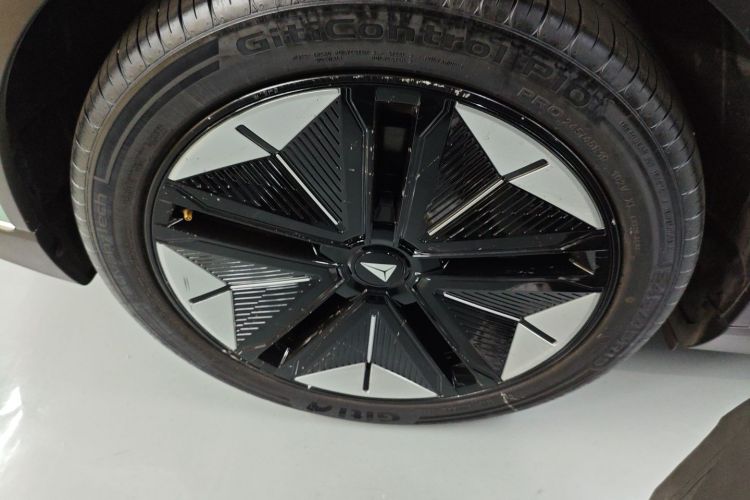



Basic Information

BrandDeepal
SeriesSL03
Year2022
First Registration2022/10
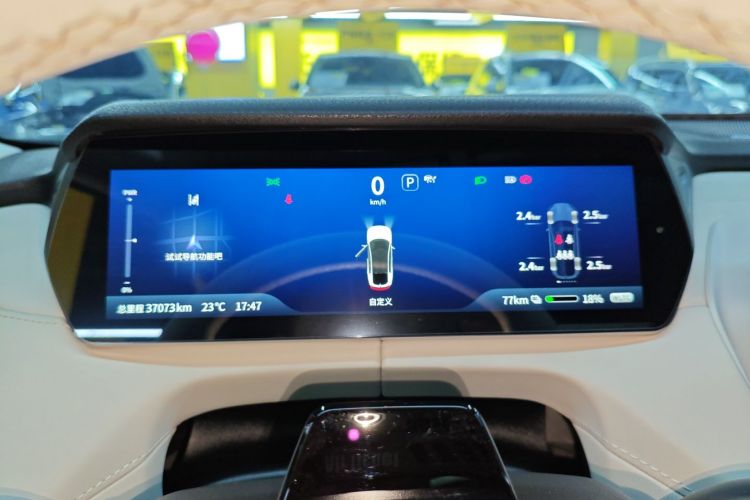
Mileage37,100km
Transfer Count1times
FuelElectric
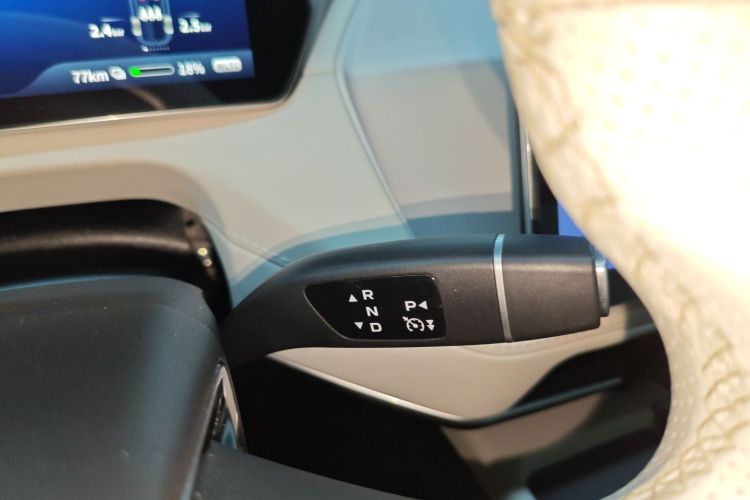
TransmissionOther
Engine-
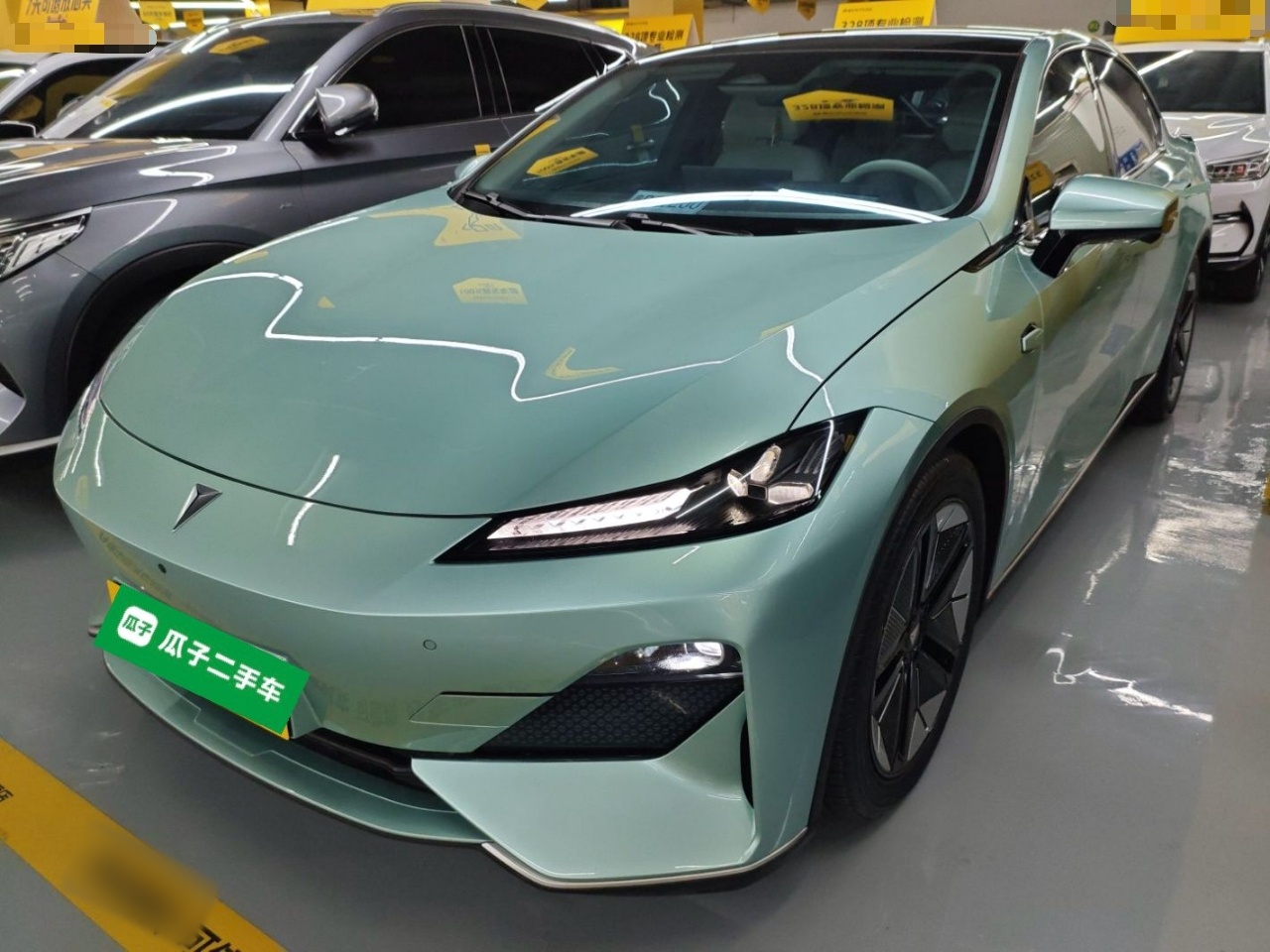
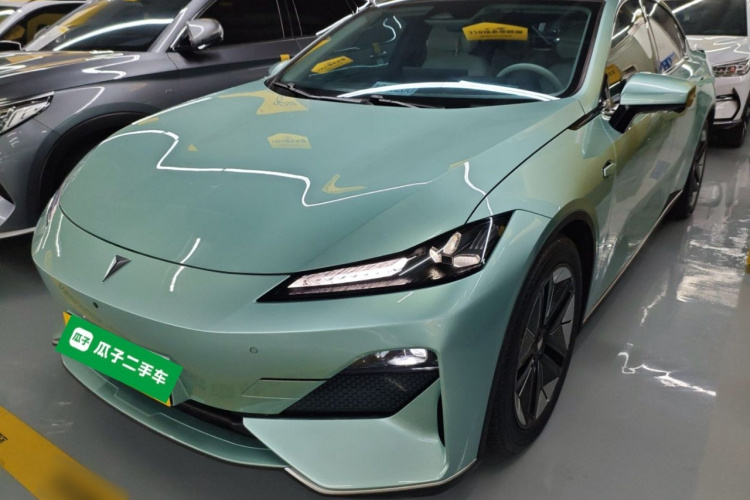
ColorGreen
Seats-

Condition Description

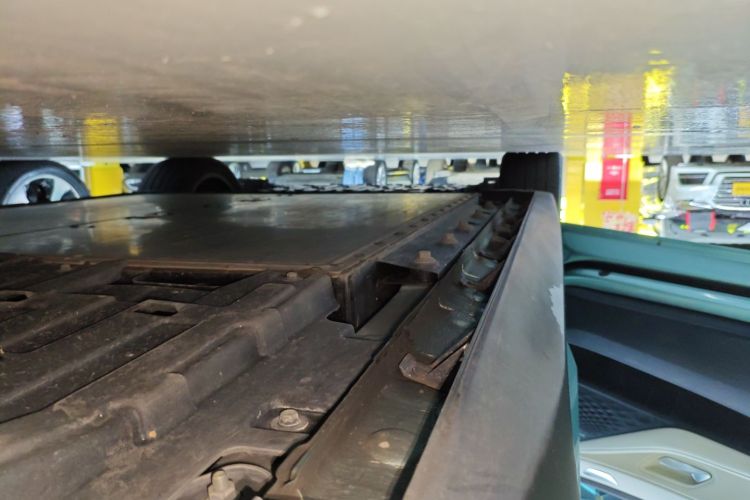
Excellent vehicle condition; passed inspection; condition better than 80% of vehicles for sale; meets standards; 4 claims filed; 1 ownership transfer completed.

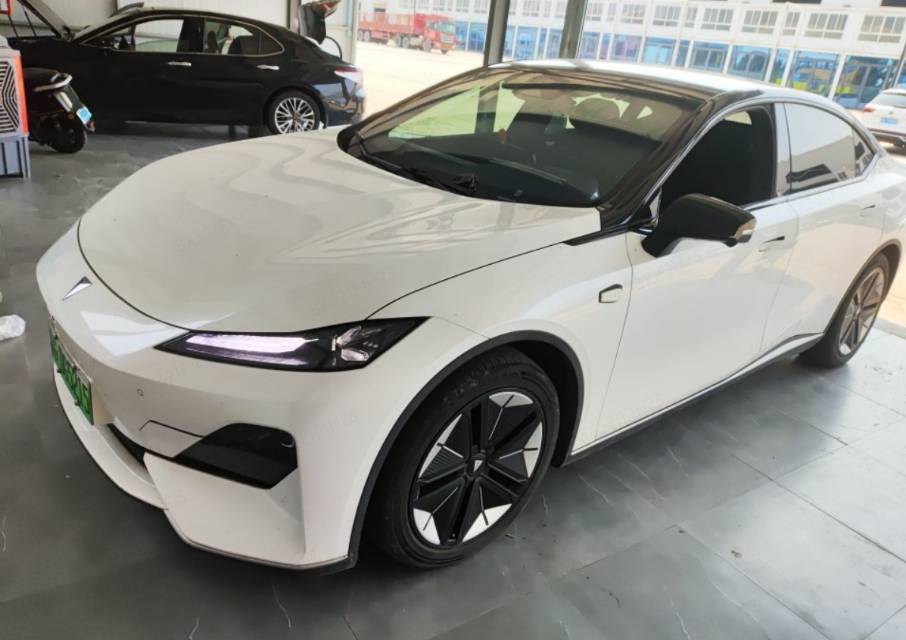
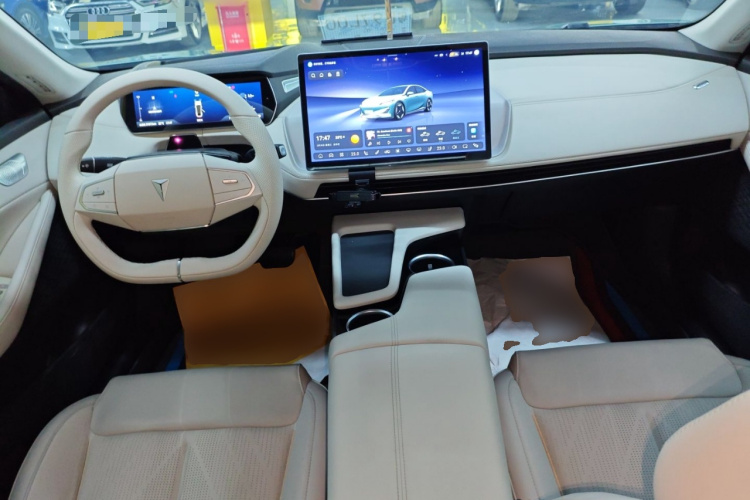
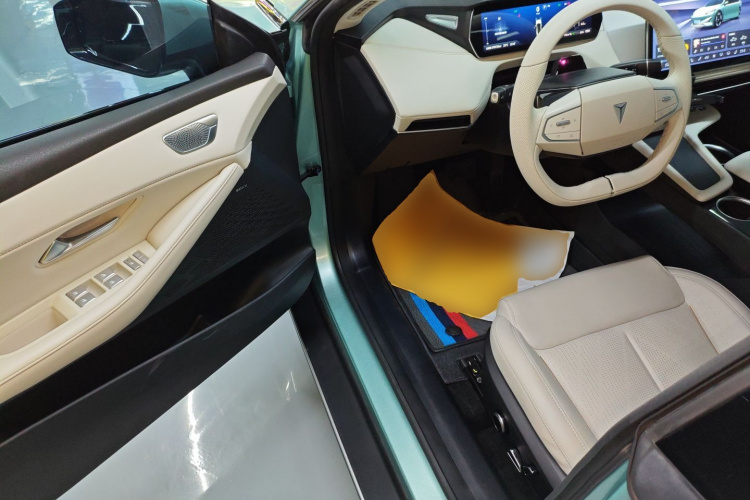
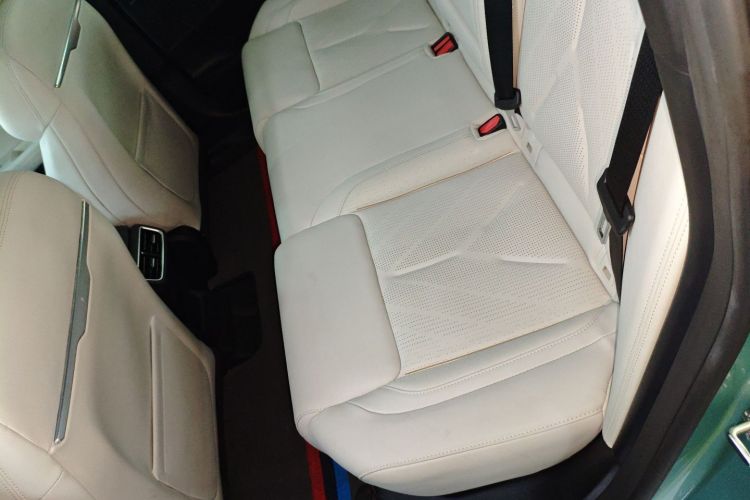
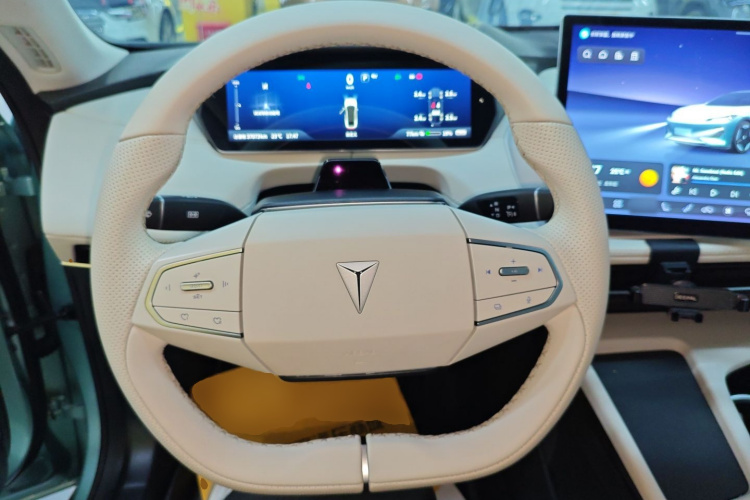
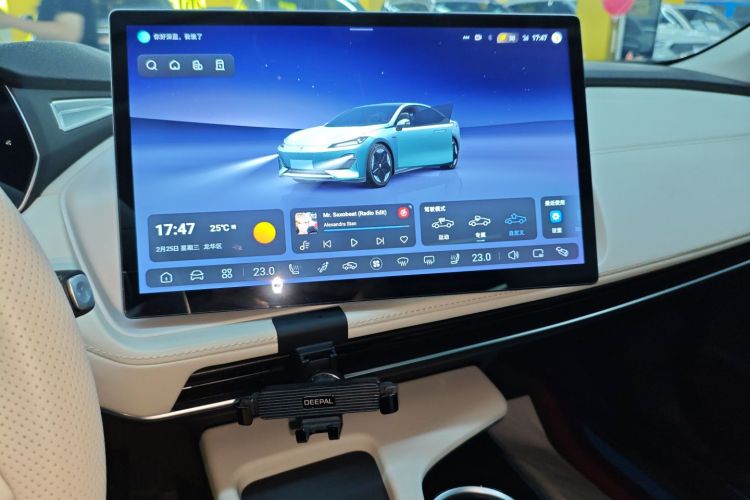
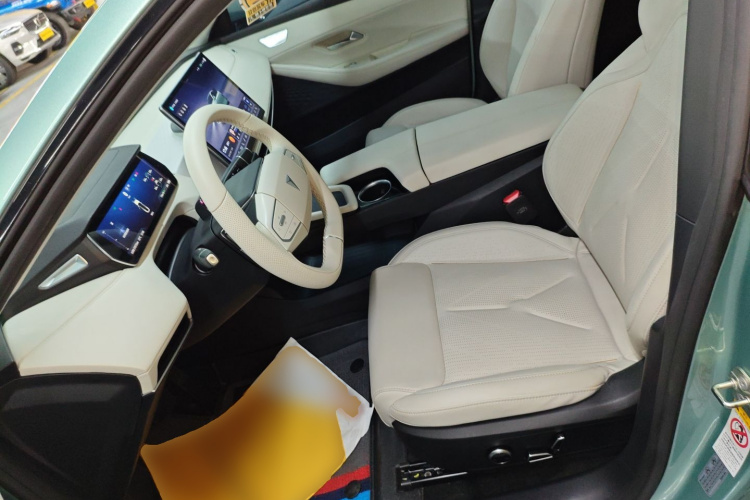
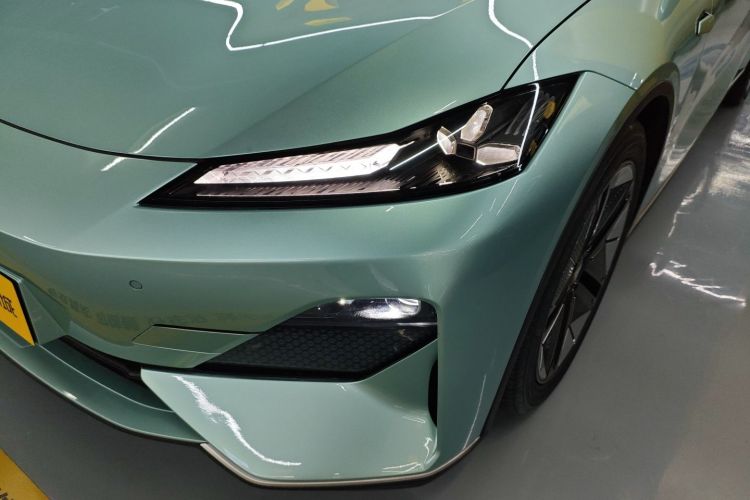
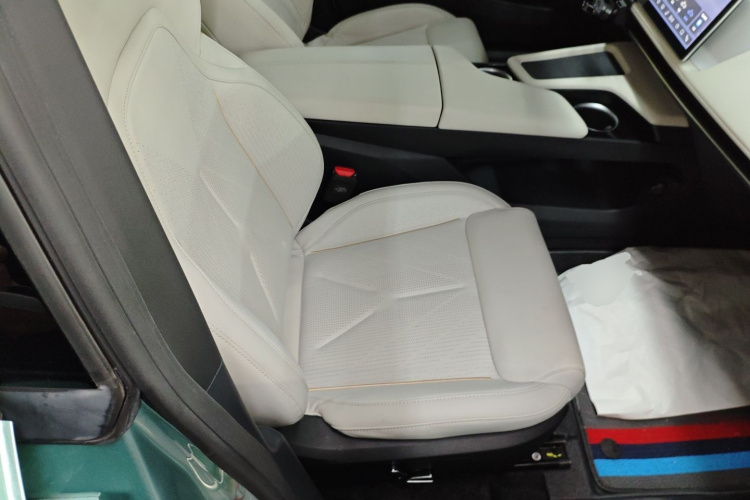
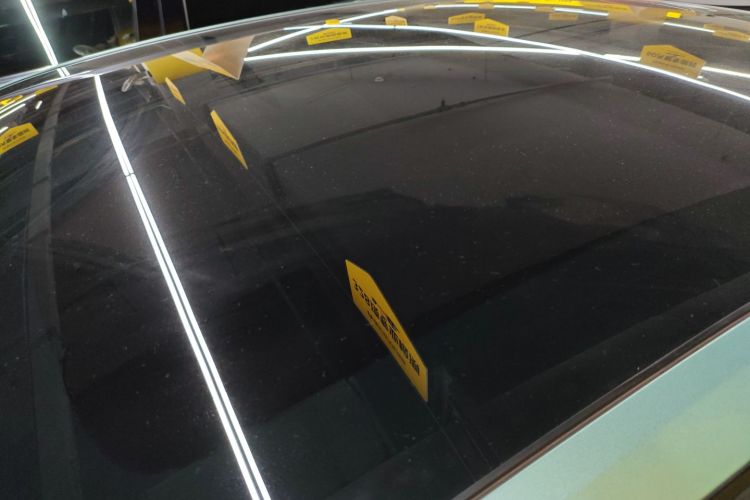
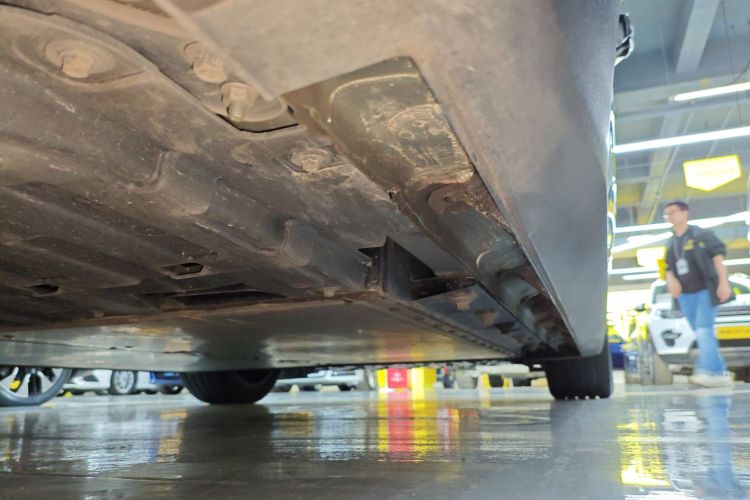
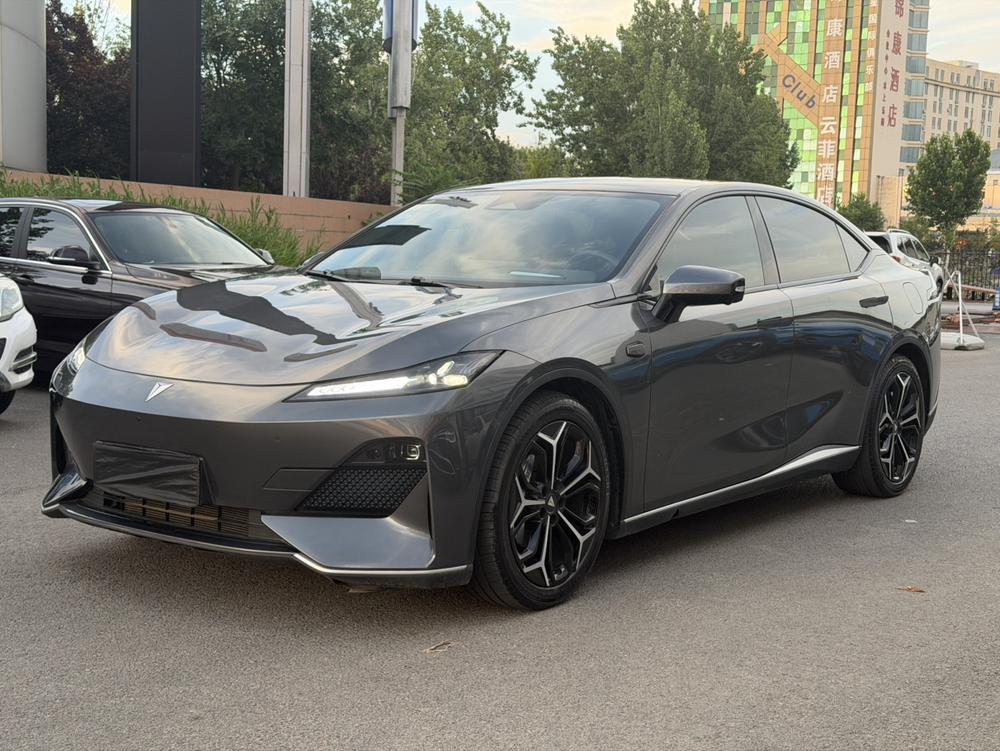
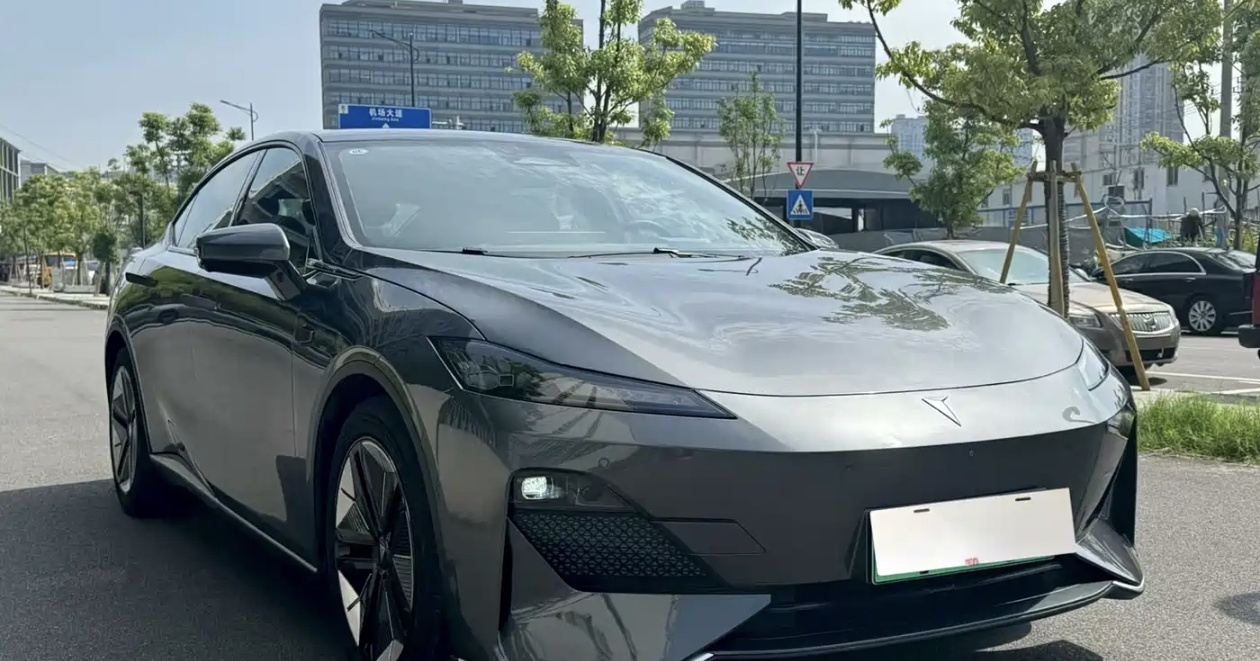
This vehicle is 4 years old, with an average annual mileage of 9,300 kilometers. It has been used infrequently and has been transferred once. The exterior is in excellent condition, with a glossy paint finish but minor scratches. The interior is clean and tidy, with minor signs of use. The overall body frame is intact and without any abnormalities. Fluids are normal, and the powertrain operates smoothly without any issues.

Configuration Highlights

✓Adaptive Cruise Control
✓Adaptive Headlights
✓Blind Spot Assist
✓Sport Seats
✓Surround View Camera
✓Lane Departure Warning
✓Digital Instrument Cluster
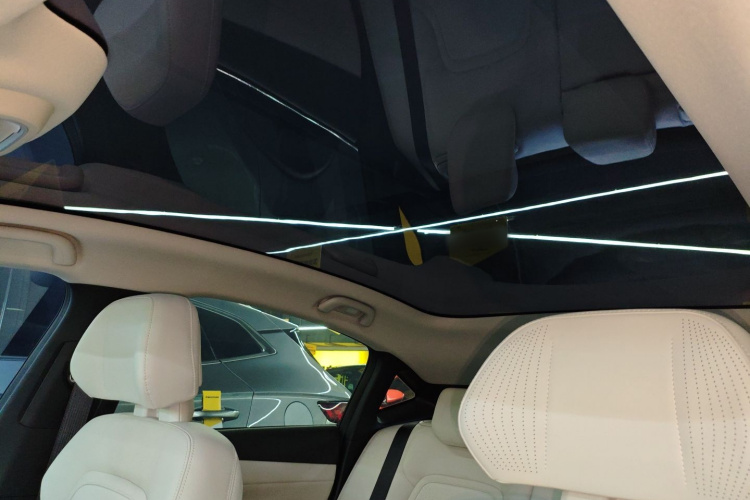
✓Panoramic Sunroof
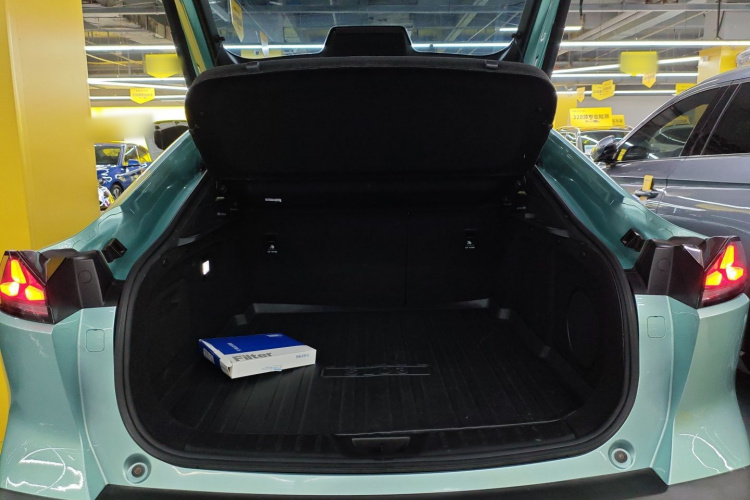
✓Power Trunk
✓Driver Seat Memory
✓Ambient Lighting
✓High Beam Assist
✓Front Radar
✓Auto Hold
✓Keyless Entry
✓Rain-sensing Wipers
✓High-definition Low Beam
✓Power Folding Mirrors
✓Power Seats
✓Auto Headlights
✓Keyless Start
✓Rear Air Vents
✓Tire Pressure Monitoring
✓Heated Mirrors
✓Hill Start Assist
✓Rear Parking Sensors
✓Anti-pinch Windows

Q&A

More

How are import duties on used cars from China calculated, and which HS code applies?

Used cars are classified under HS heading 8703 (motor vehicles for transport of persons), with the last four digits determined by engine type and size. Gasoline cars usually fall in 8703.21–8703.80 depending on displacement; pure EVs fall under 8703.80; hybrids have their own subheadings. The duty amount depends on your country's tariff schedule: 1. Most countries charge duty on the CIF value (car price + freight + insurance), not the FOB price. 2. Many developing markets levy higher duties on used vehicles than new ones, and some add a surcharge based on age — older cars can cost significantly more to clear. 3. After duty, you typically pay VAT/GST on the CIF + duty total, plus port and customs fees. Practical tips: ask your exporter to state the exact HS code on the commercial invoice and confirm it with a local customs broker before shipping. A wrong code can trigger reclassification, penalties, or delays. Also budget for any excise tax tied to engine capacity — in several markets a 2.5L car clears far cheaper than a 3.5L one.
Can B2C individual buyers purchase just one car as a "sample order" to test the waters?

Of course. Our system supports single unit orders. However, objectively speaking, the shipping booking fees, documentation processing fees, and customs clearance fees for a single vehicle are very high. We recommend that individual buyers calculate the total landing cost before making a decision.

Which import documents do I need for a used car from China, and who issues each one?

The standard set is: 1. Commercial invoice and sales contract - issued by the exporter; the basis for customs valuation. 2. Packing list - exporter; details the vehicle and any spare parts shipped with it. 3. Bill of lading - issued by the shipping line; your proof of ownership of the cargo. Never pay the full balance before receiving at least a copy of it. 4. Certificate of origin - issued by the China Council for the Promotion of International Trade (CCPIT); some countries require it for preferential duty rates. 5. Export customs declaration - Chinese customs; confirms the car was legally exported. 6. Pre-shipment inspection report - issued by companies like Intertek, SGS or the EAA scheme, if your country mandates it. Ask the exporter for scanned copies of all documents before shipping so you or your broker can verify completeness.