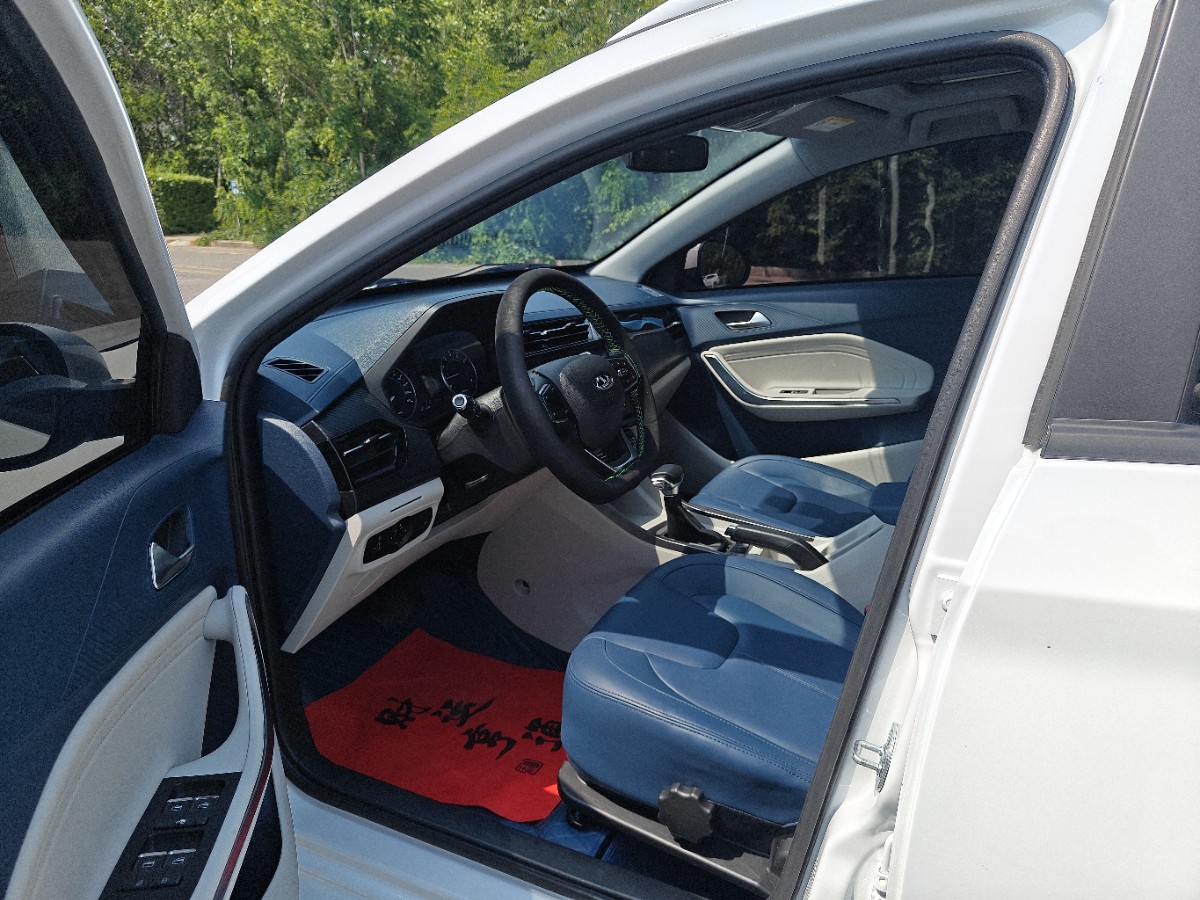
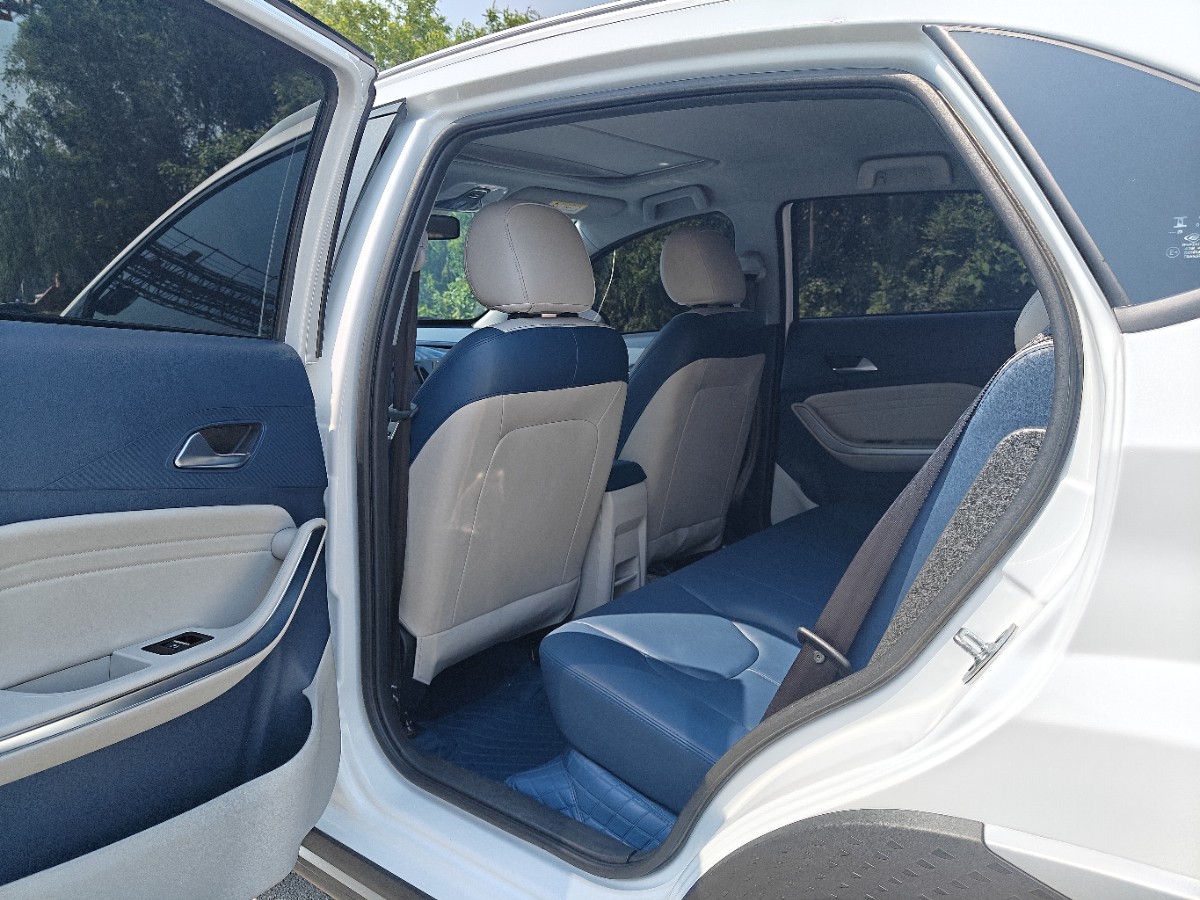
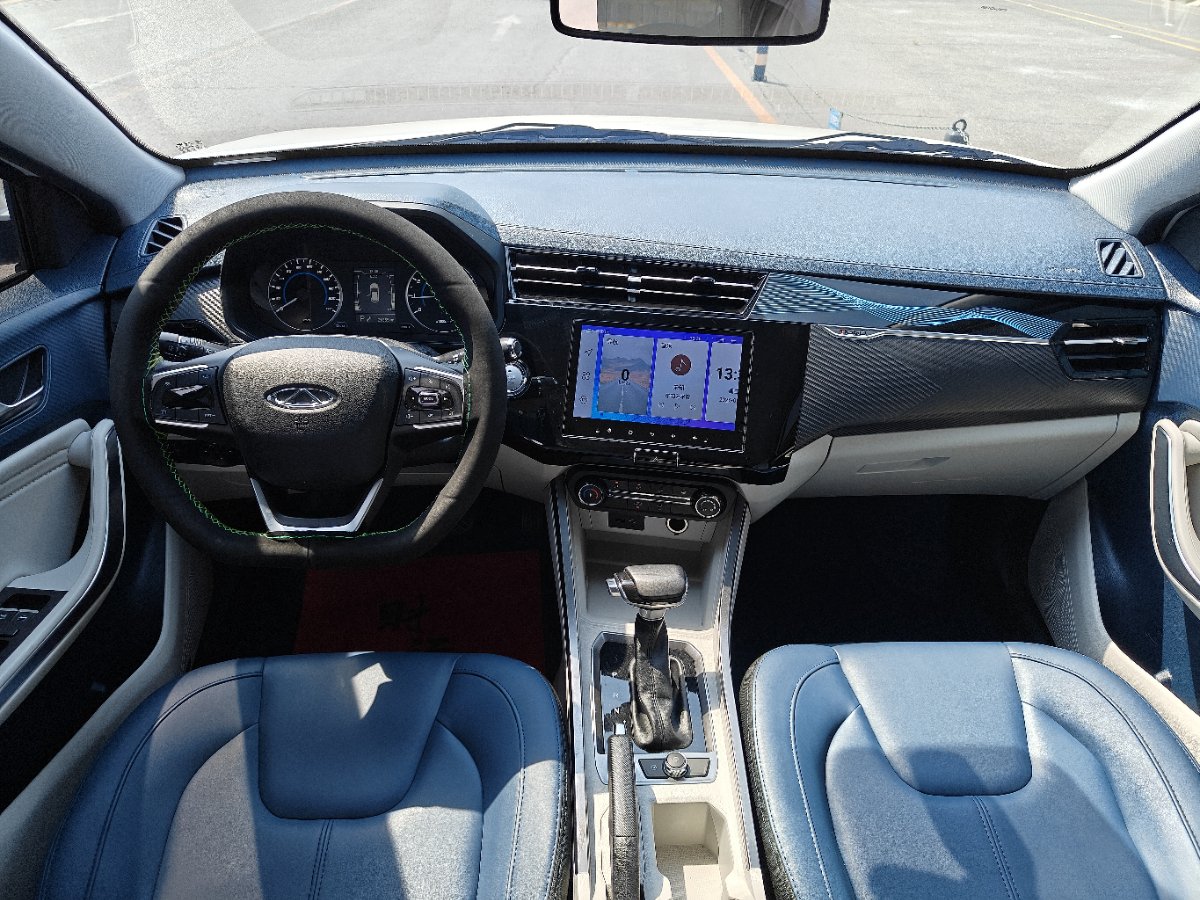
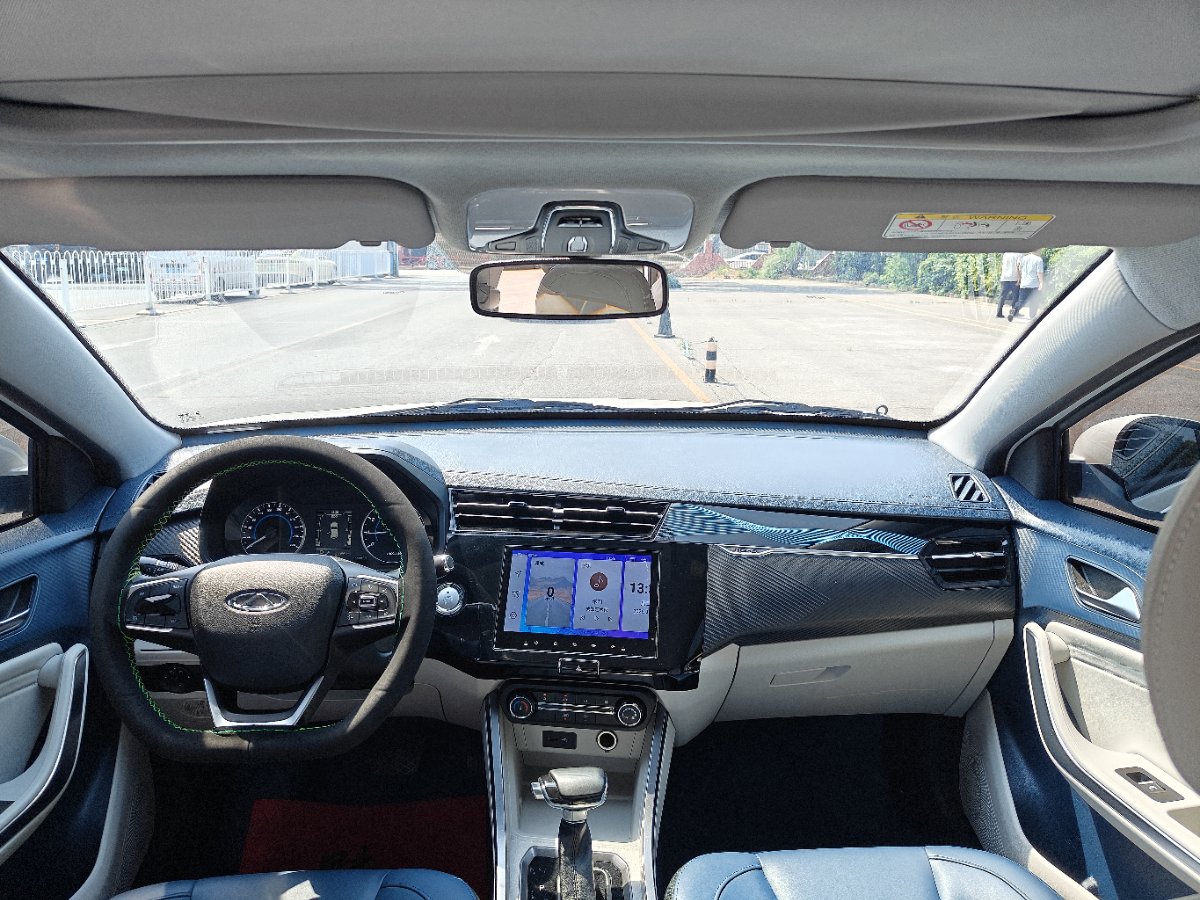
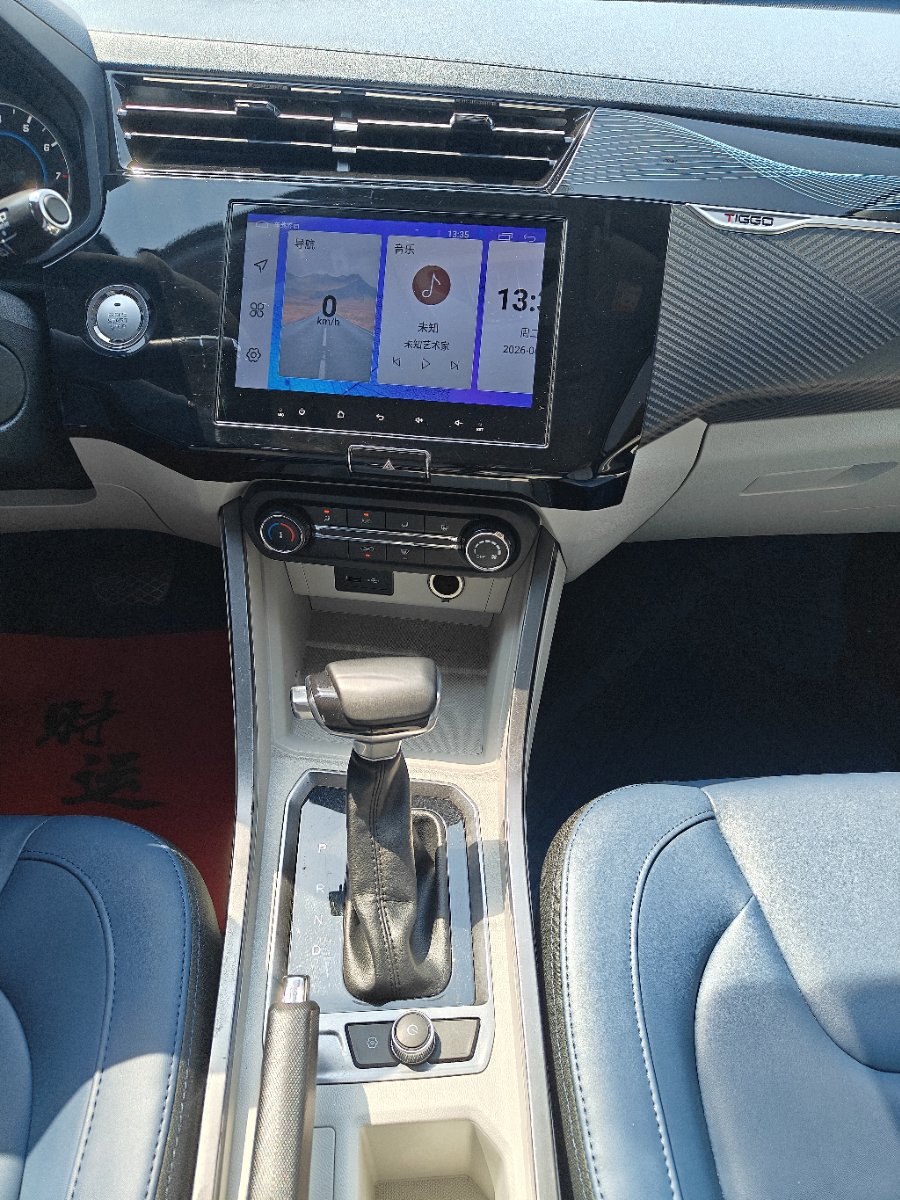
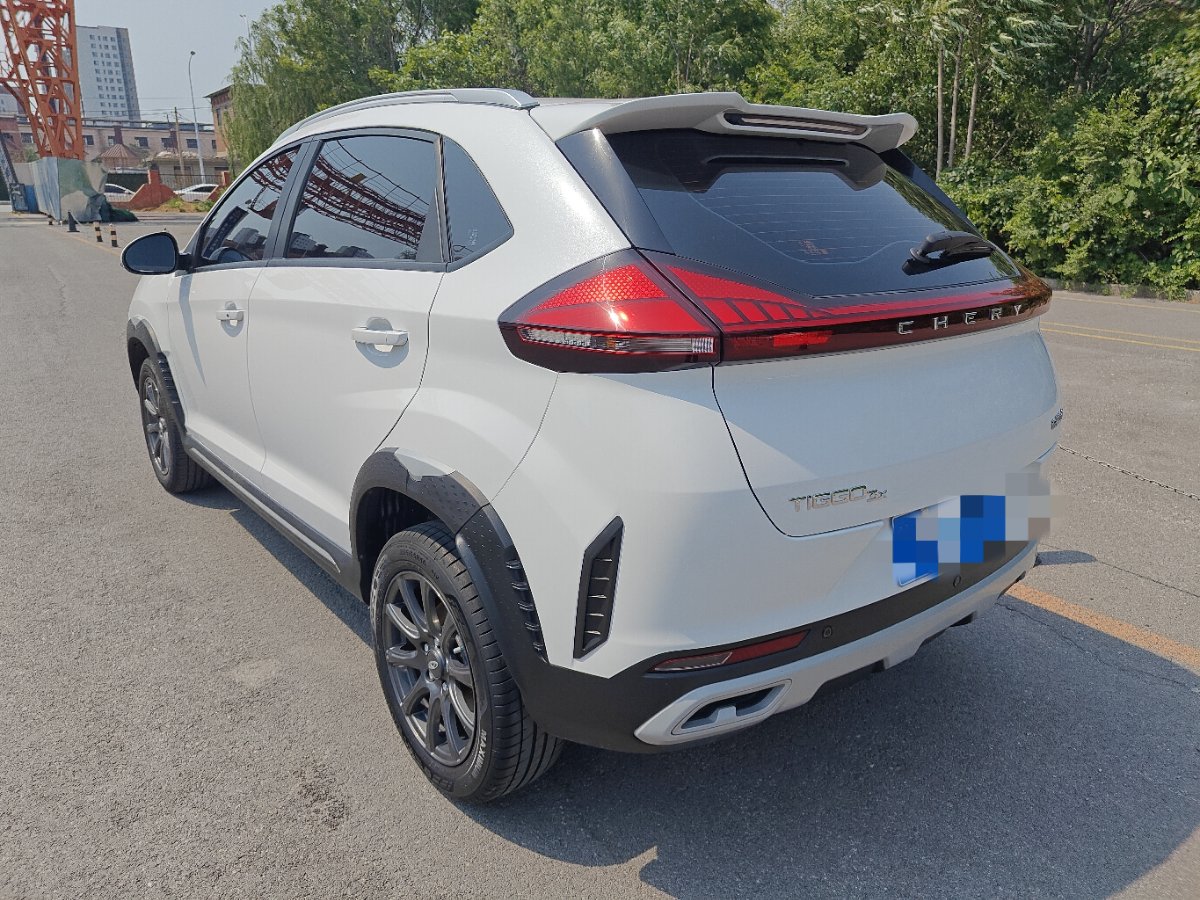
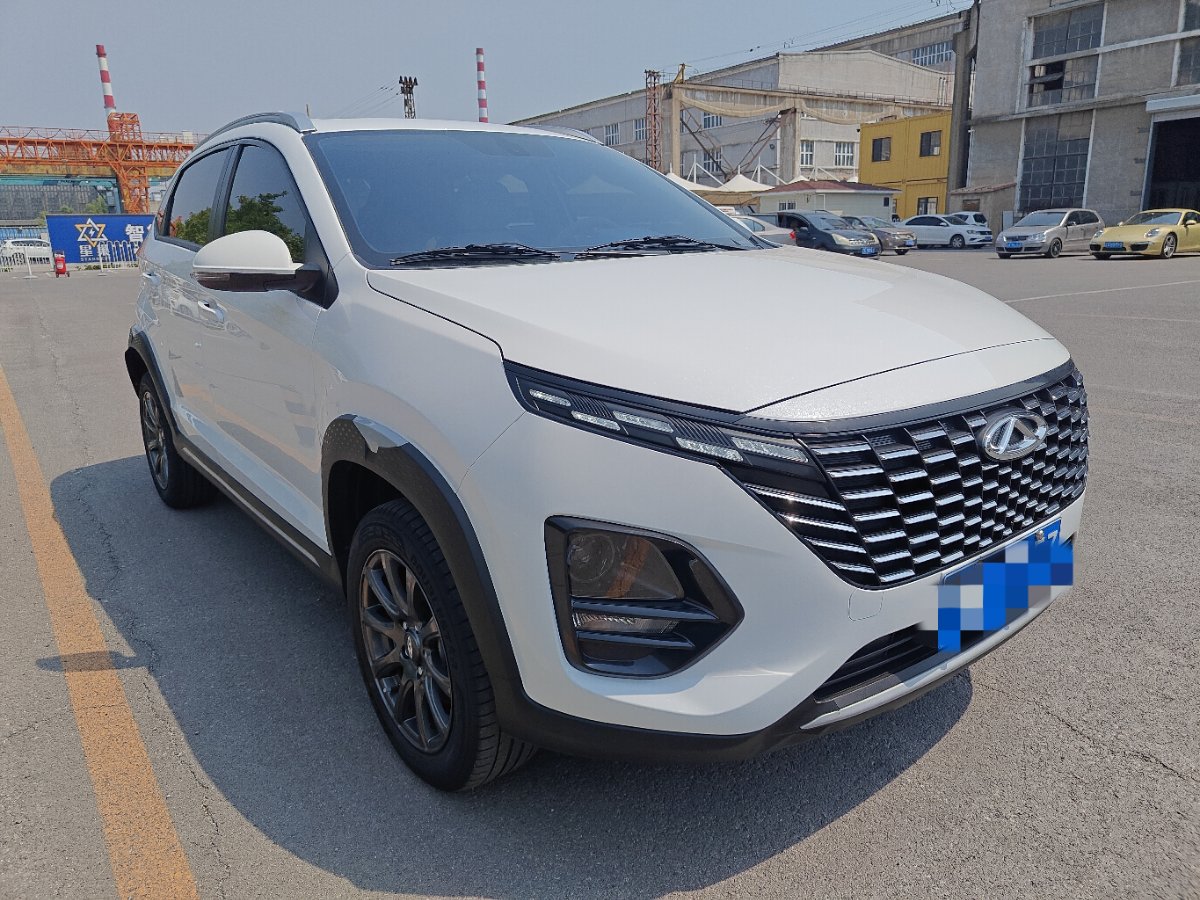
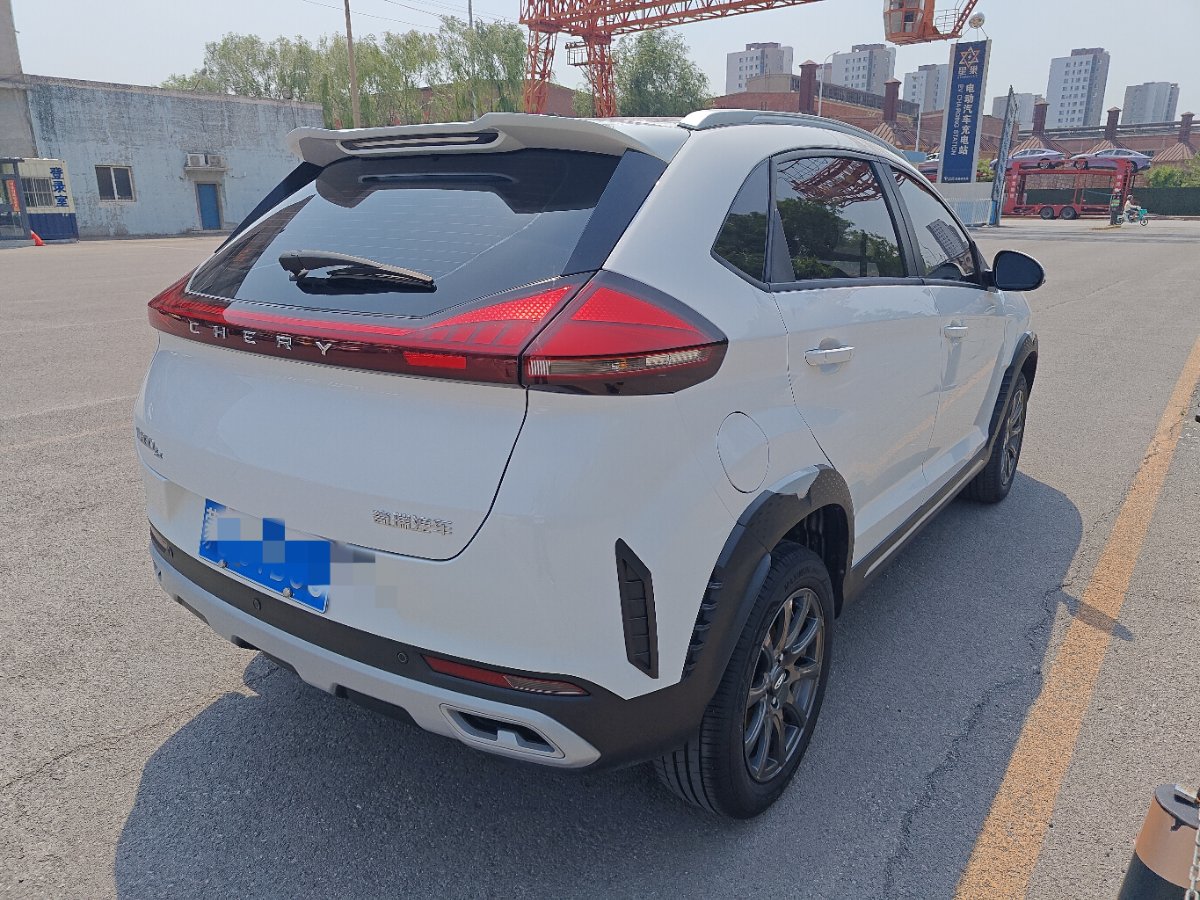
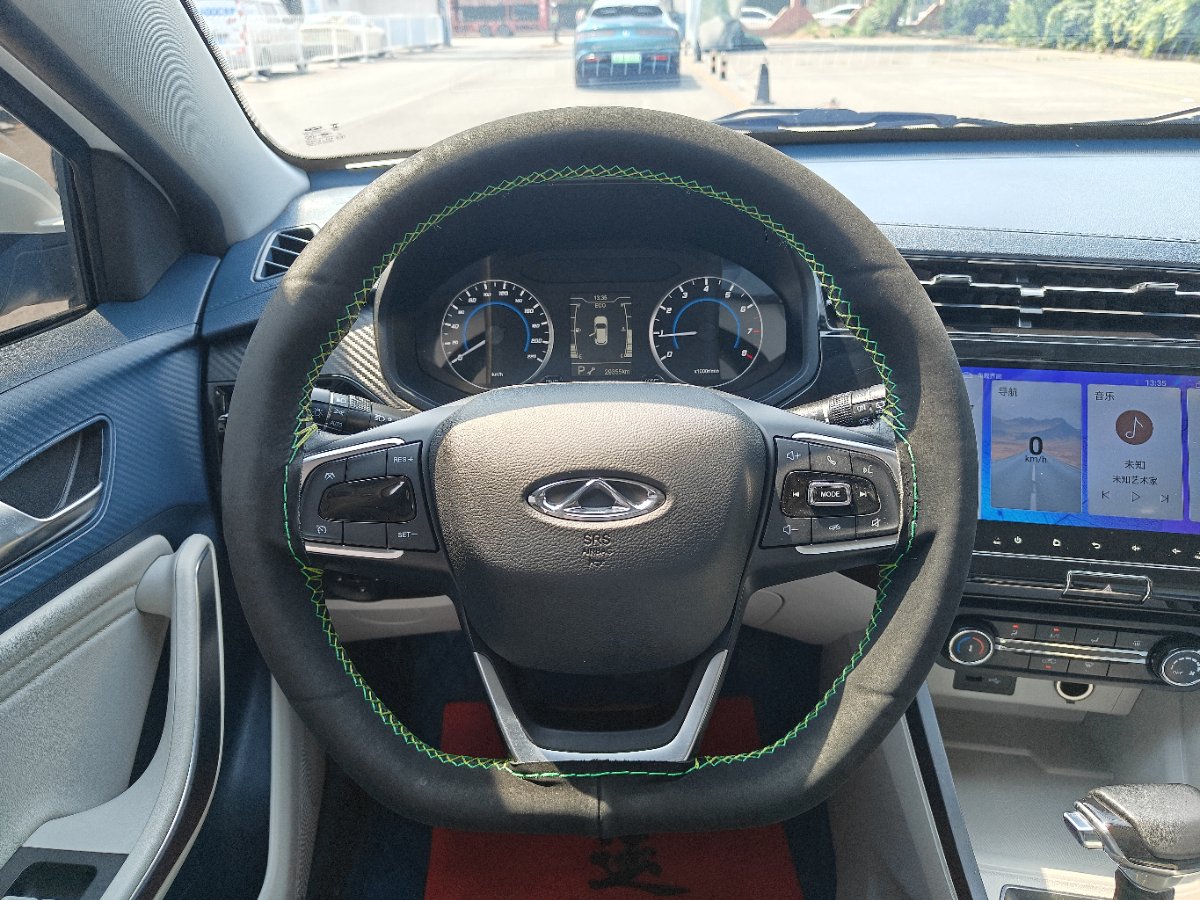




Stock

Basic Information

BrandChery
SeriesTiggo 3x
Year2024
First Registration2024/03
Mileage27,000km
Transfer Count1times
FuelGasoline
TransmissionCVT
Engine1.5L 116 L4
ColorWhite
Seats-

Condition Description

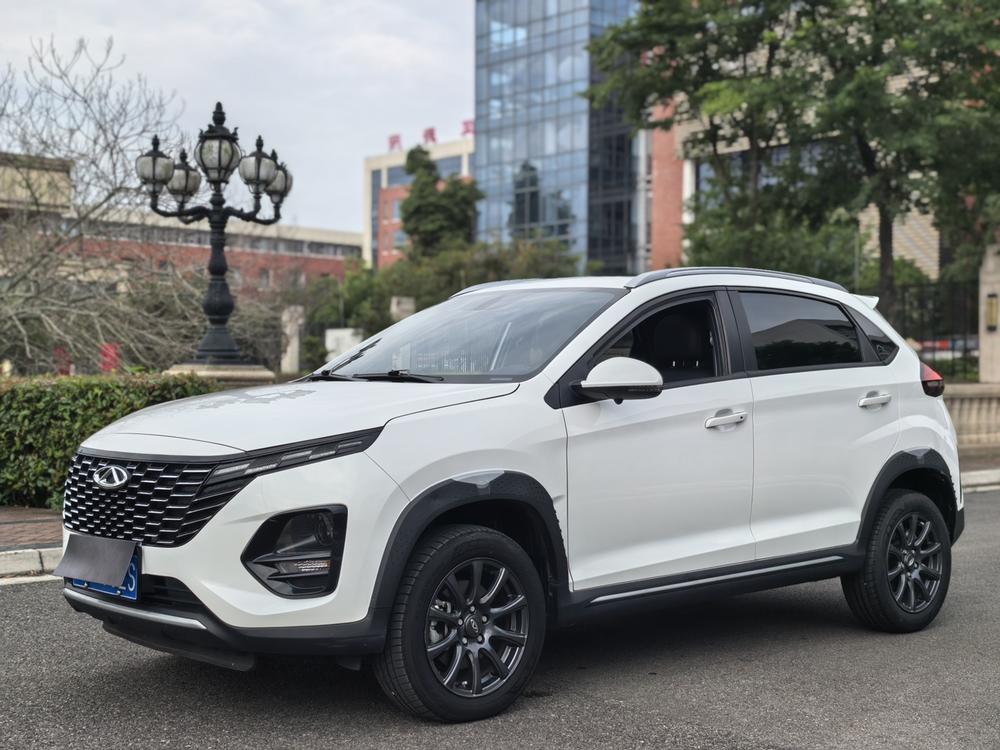
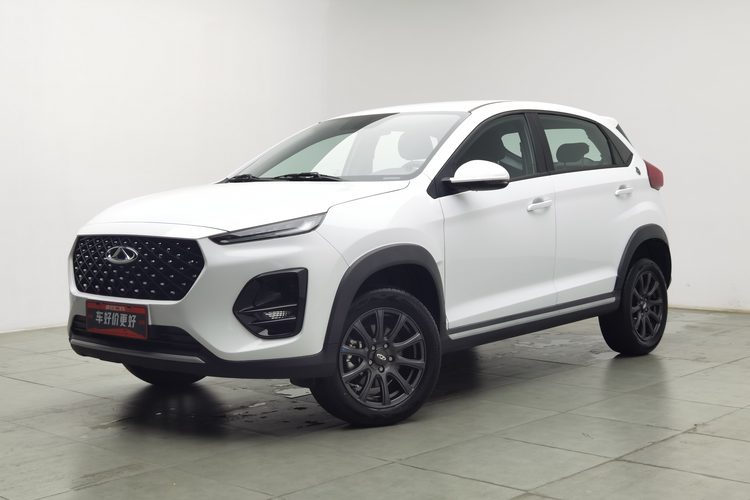
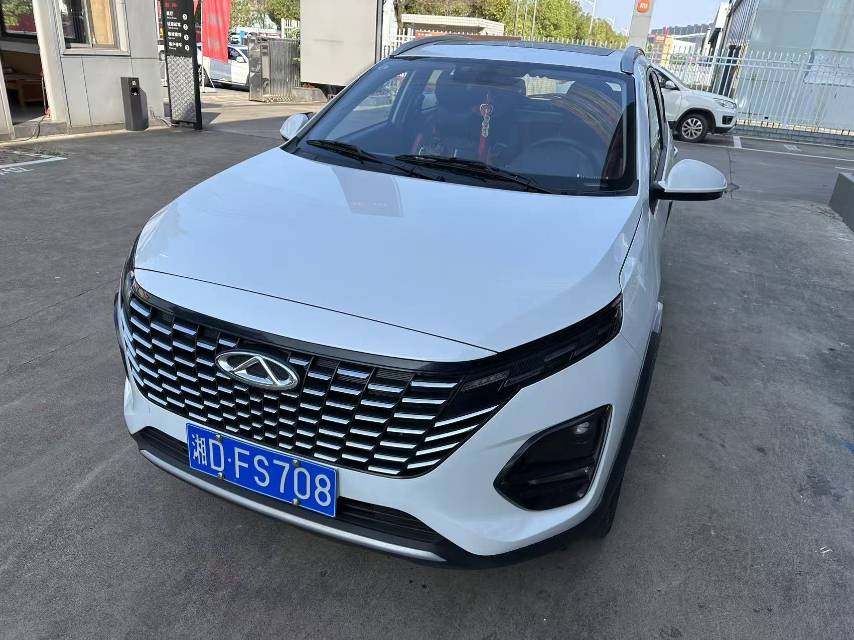
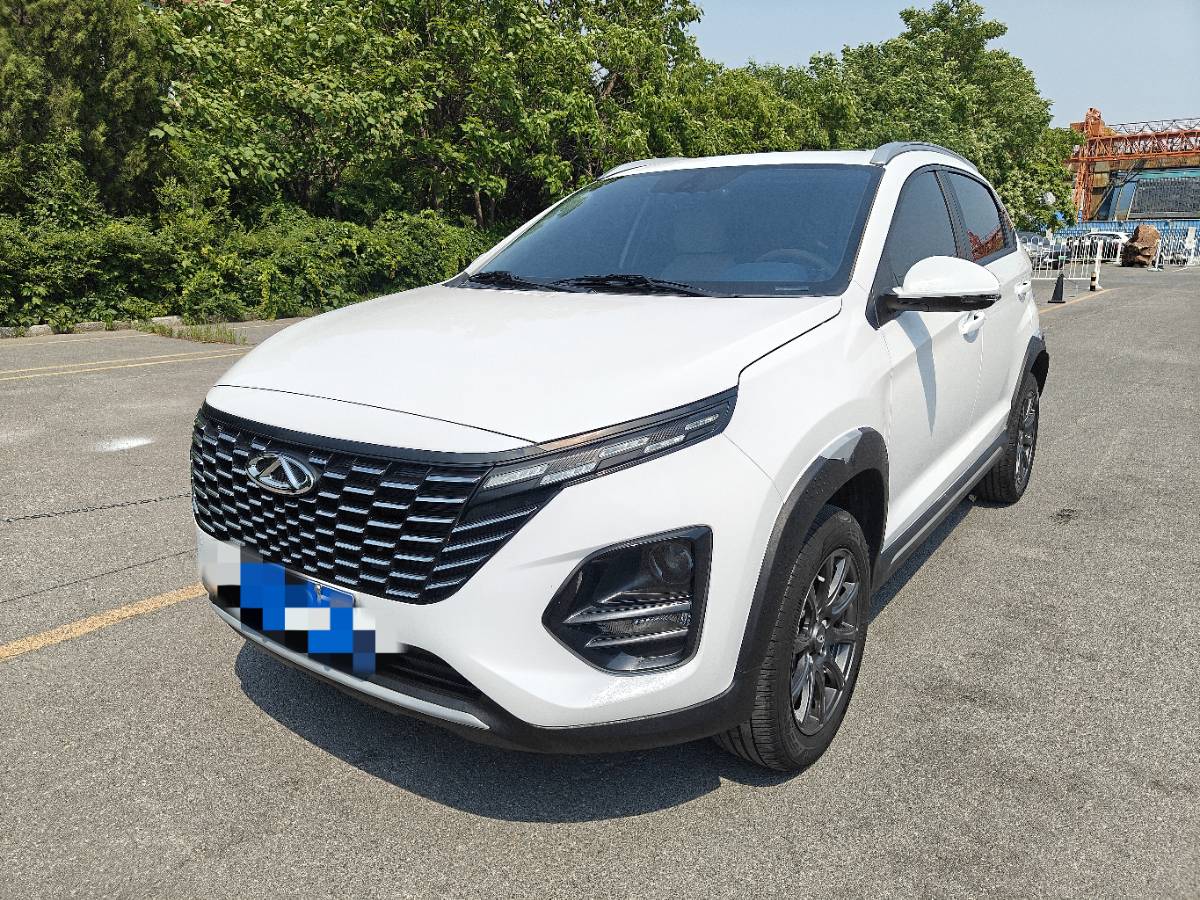
The vehicle is a personal first-hand car with an automatic transmission and sunroof. It was manufactured in April 2023 and has original paint.

燃油车
SUV
自动
维保开放
事故开放
查验开放

Configuration Highlights

品牌: 奇瑞
车系: 瑞虎3x
车型: 2023款 1.5L CVT时尚版
车身类型: SUV
座位数: 5
排量: 1.5L
变速箱: 自动
能源类型: 燃油车
VIN: LVVDB21B6PE027651
搜索关键词: 奇瑞瑞虎3x 2023款瑞虎3x1.5LCVT时尚版

Document Information

Inspection Expiry Date2028/03
Warranty Expiry Date-
Insurance Expiry Date2027/03

Q&A

More

What are the specific evaluation criteria for "original paint" on your platform? Does repainting a bumper count?

Strict definition: All metal body parts (doors, hood, fenders) and the frame must retain the original factory paint, with uniform paint thickness readings. Minor touch-ups or replacements of plastic bumpers, as they do not affect metal corrosion protection and vehicle structure, can still be classified as "original paint" in a broad sense, but we will separately note the condition of the bumper.

How to prove the state of health (SOH) of a second-hand electric vehicle battery? Will a testing report be provided?

We understand that the power battery is the core asset of an EV. Before export, our technical team will use professional OBD diagnostic equipment to read the underlying data from the Battery Management System (BMS). We will provide you with a technical report that includes key indicators such as battery health percentage (SOH), cell pressure differences, and charge-discharge cycle counts. If the SOH is below our established export safety standard (usually above 80%, depending on the vehicle's age), the vehicle will be intercepted and not sent overseas.

Will you clearly inform if the vehicle was previously a commercial vehicle (ride-hailing, taxi, rental)?

The "usage type" section on the vehicle registration certificate has legal validity. Any vehicle that changes from "commercial" to "non-commercial" has a usage intensity far exceeding that of personal vehicles, and we will label these prominently. Such vehicles are usually cheaper but have more severe mechanical wear.