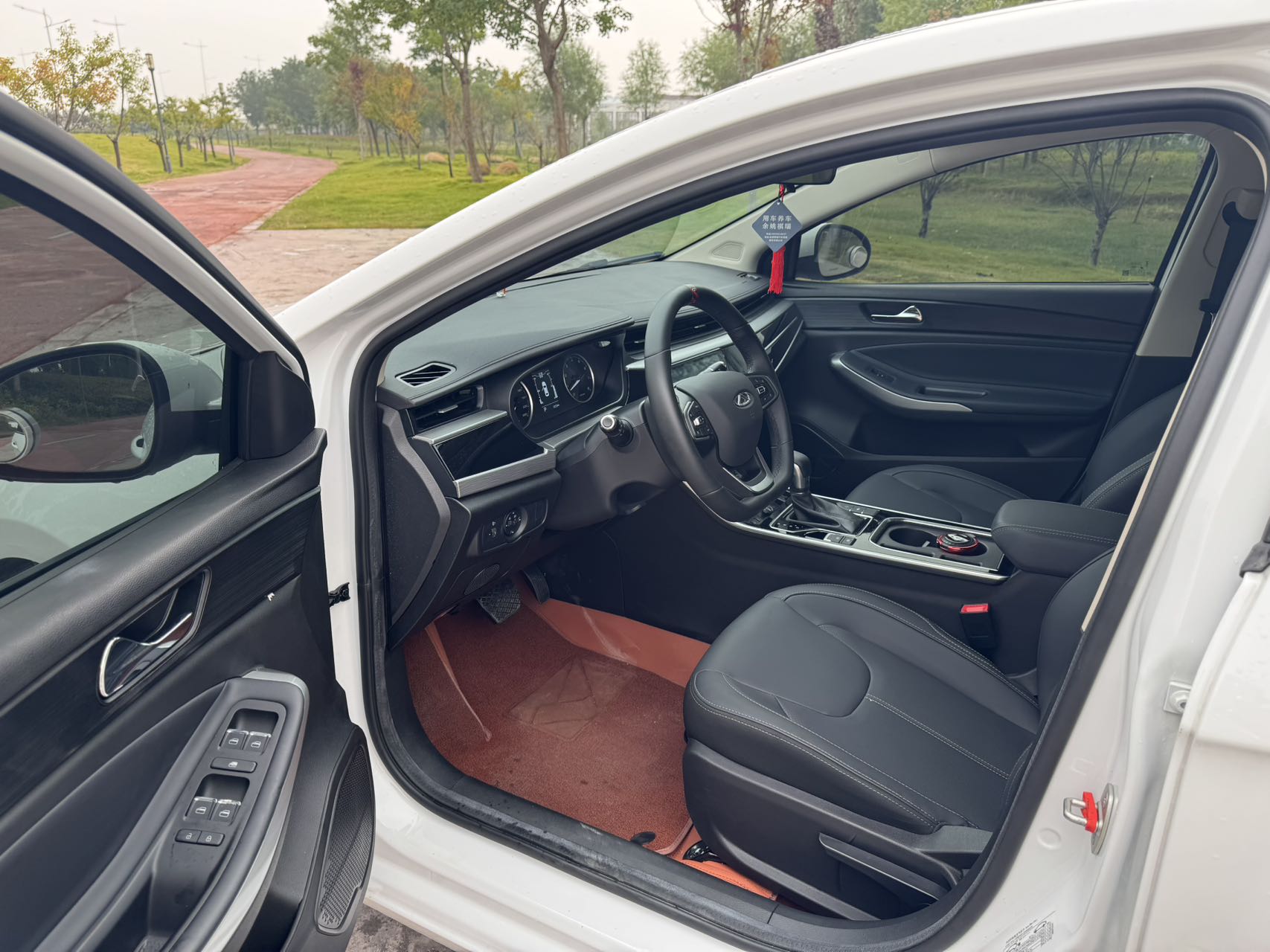
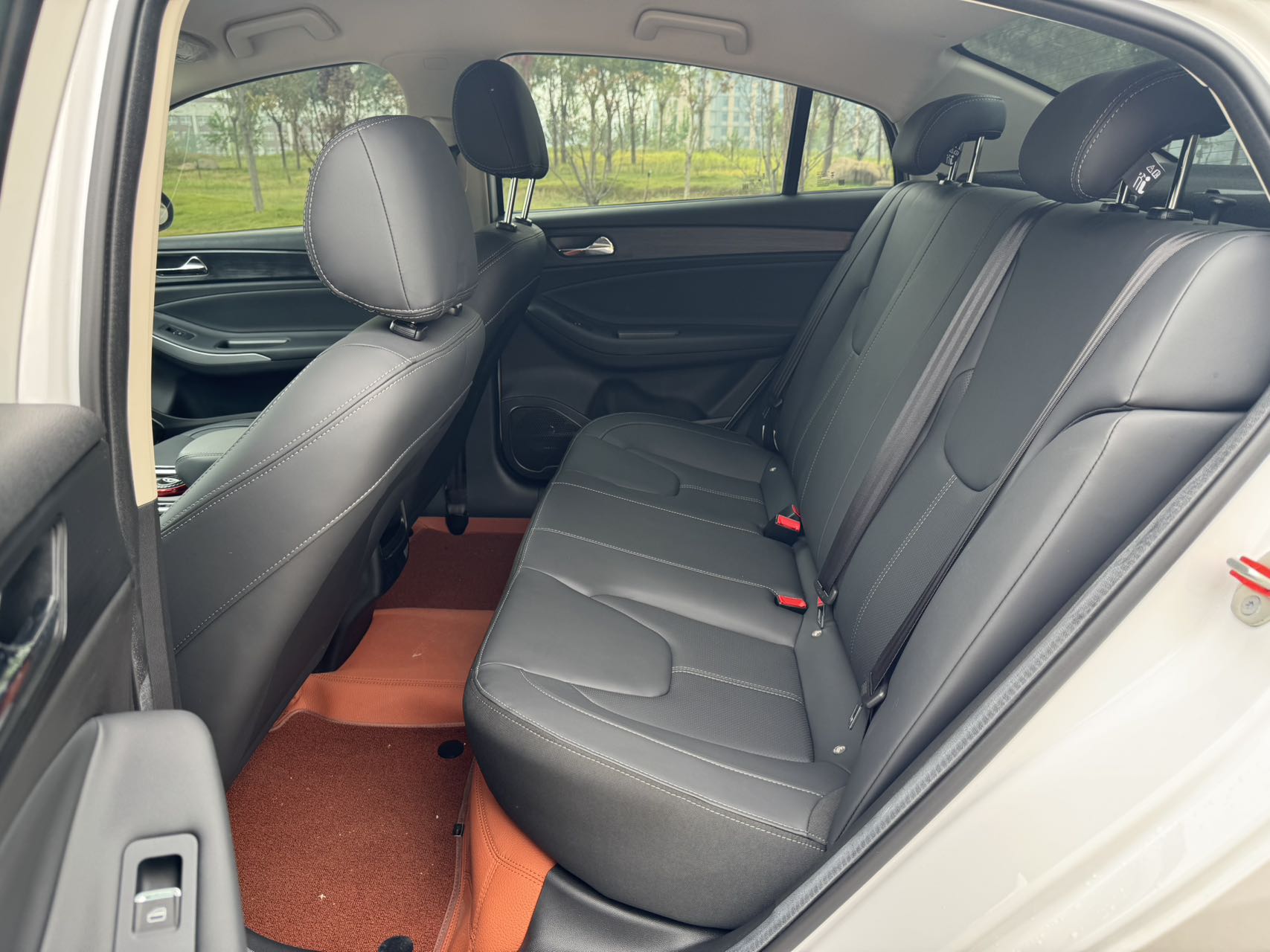
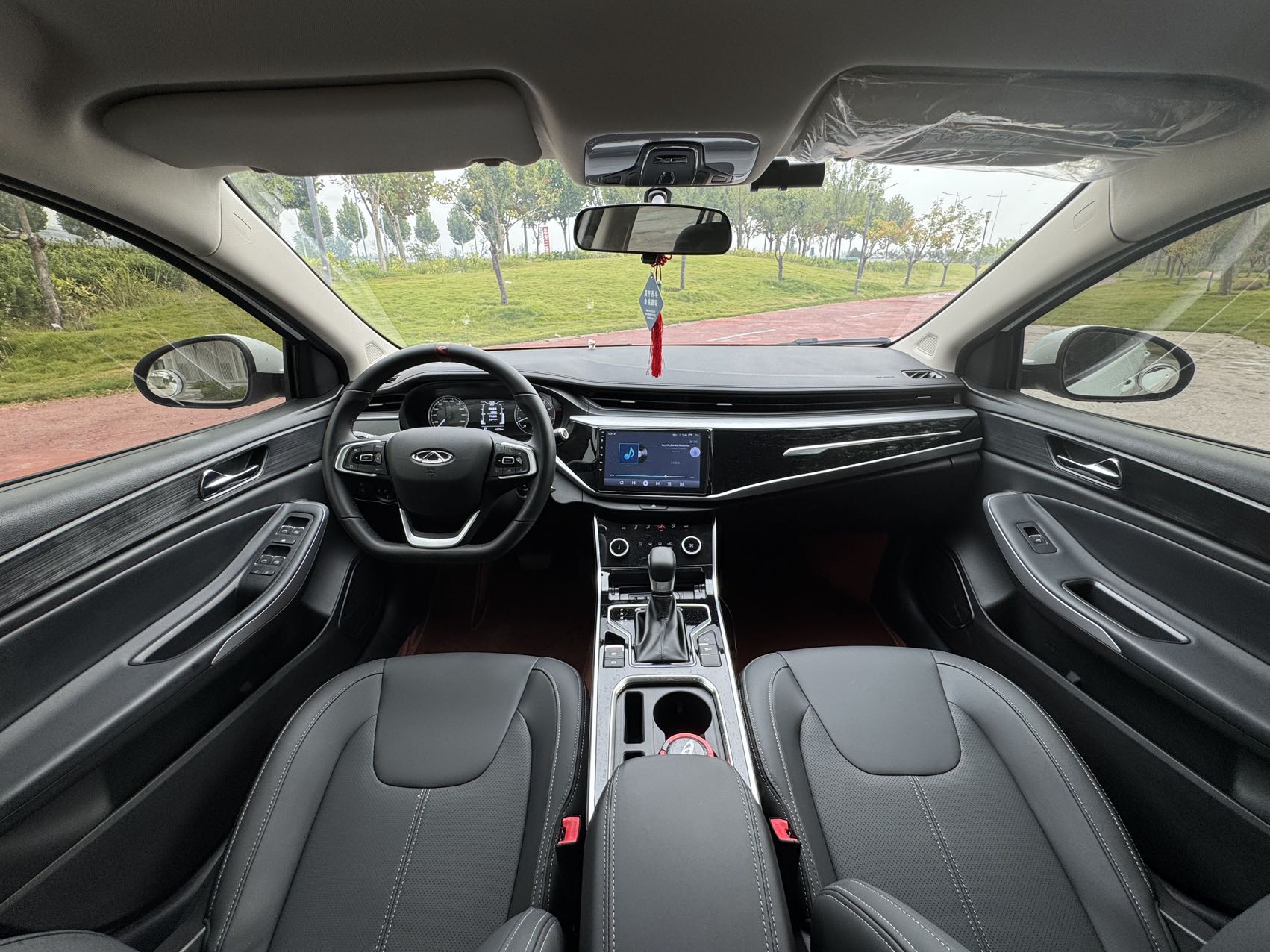
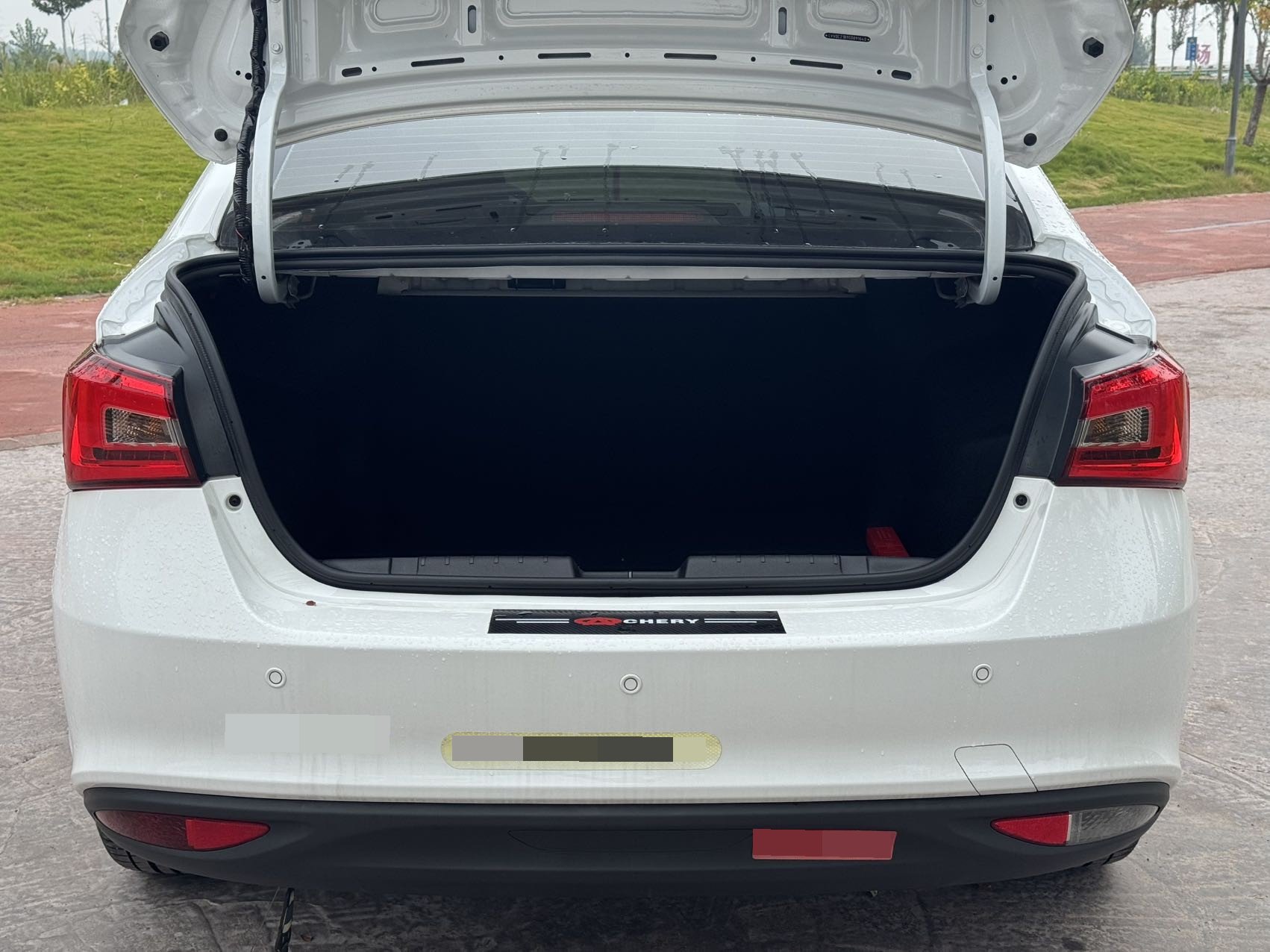
Basic Information

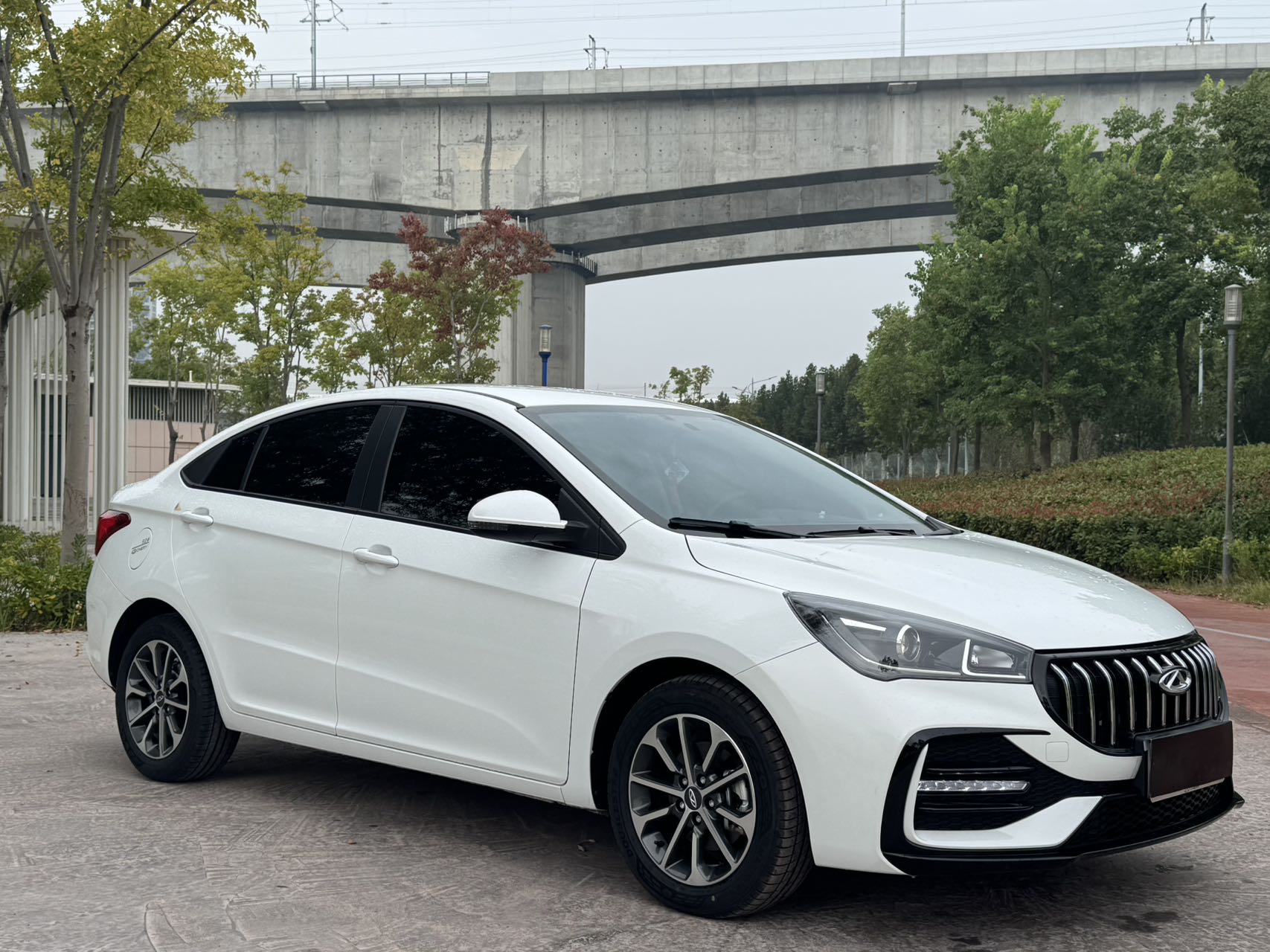
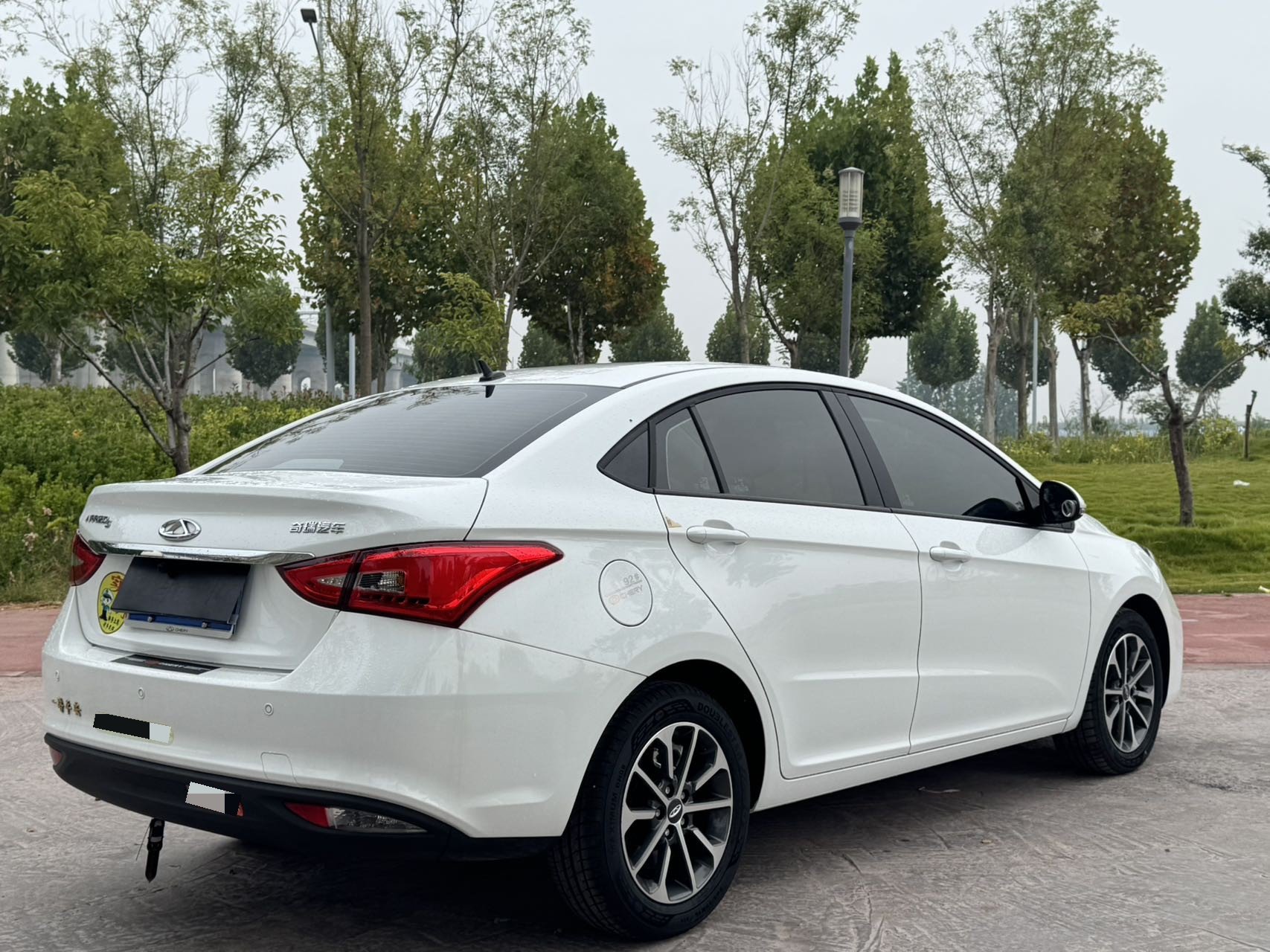
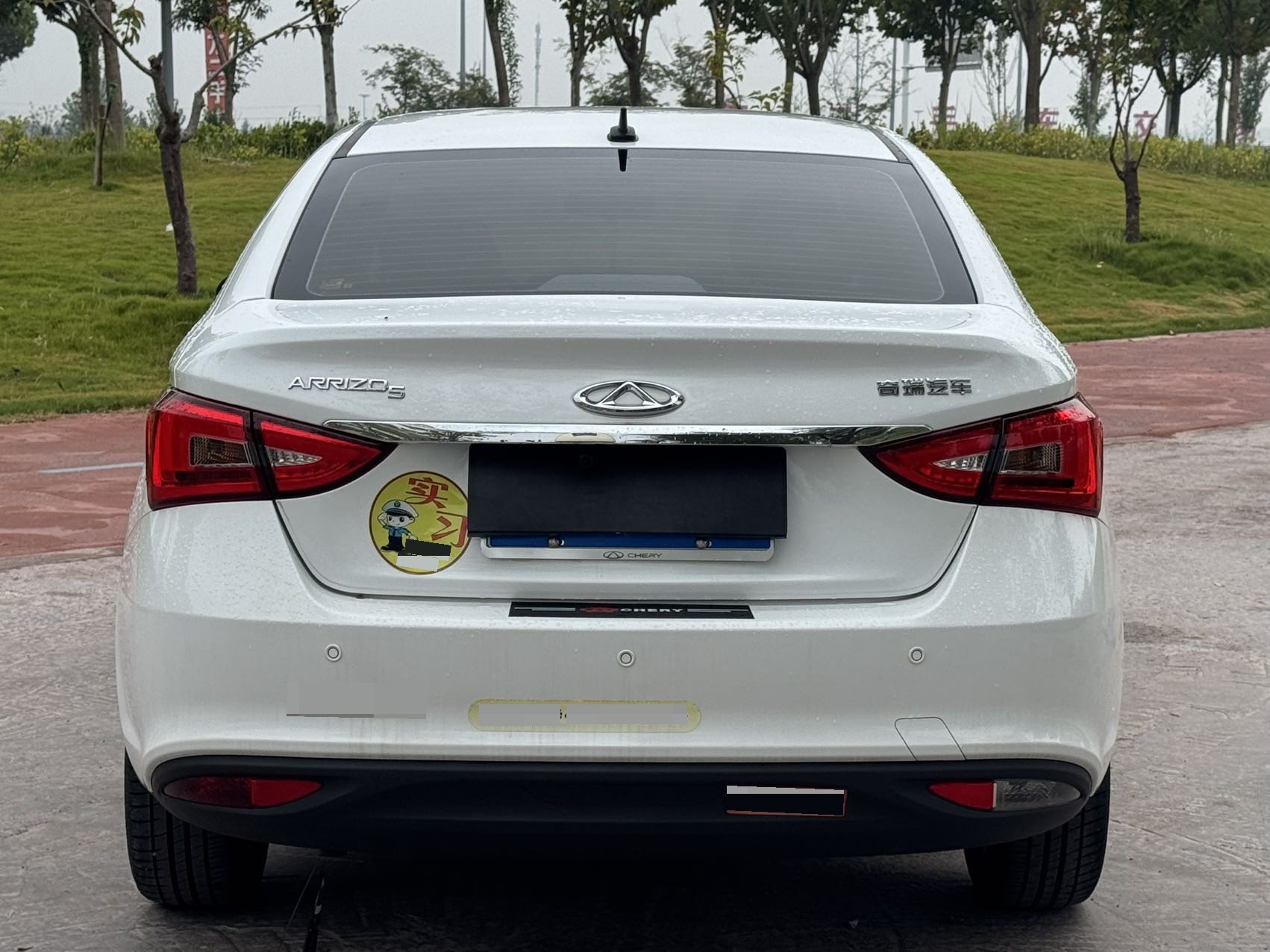
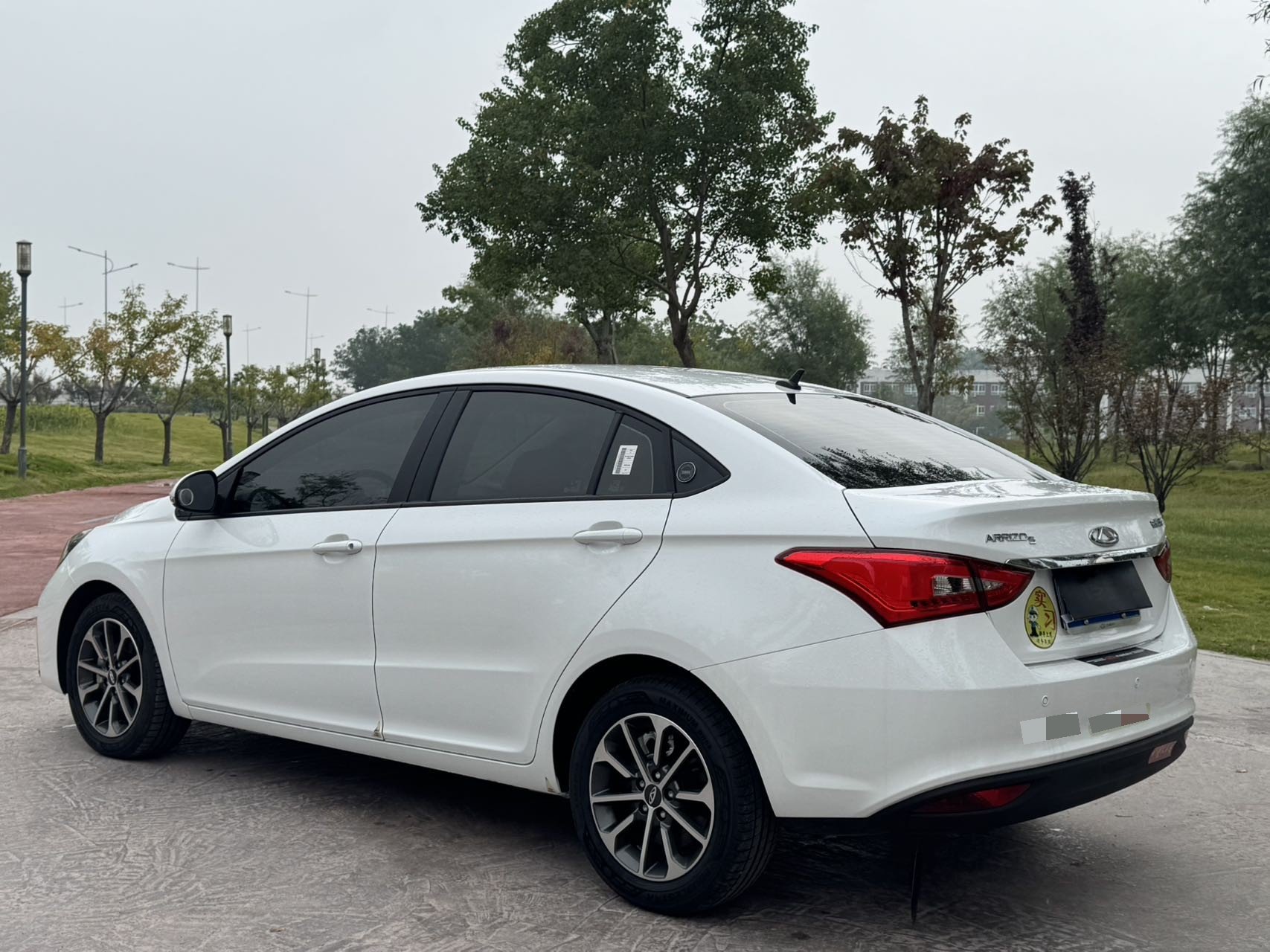
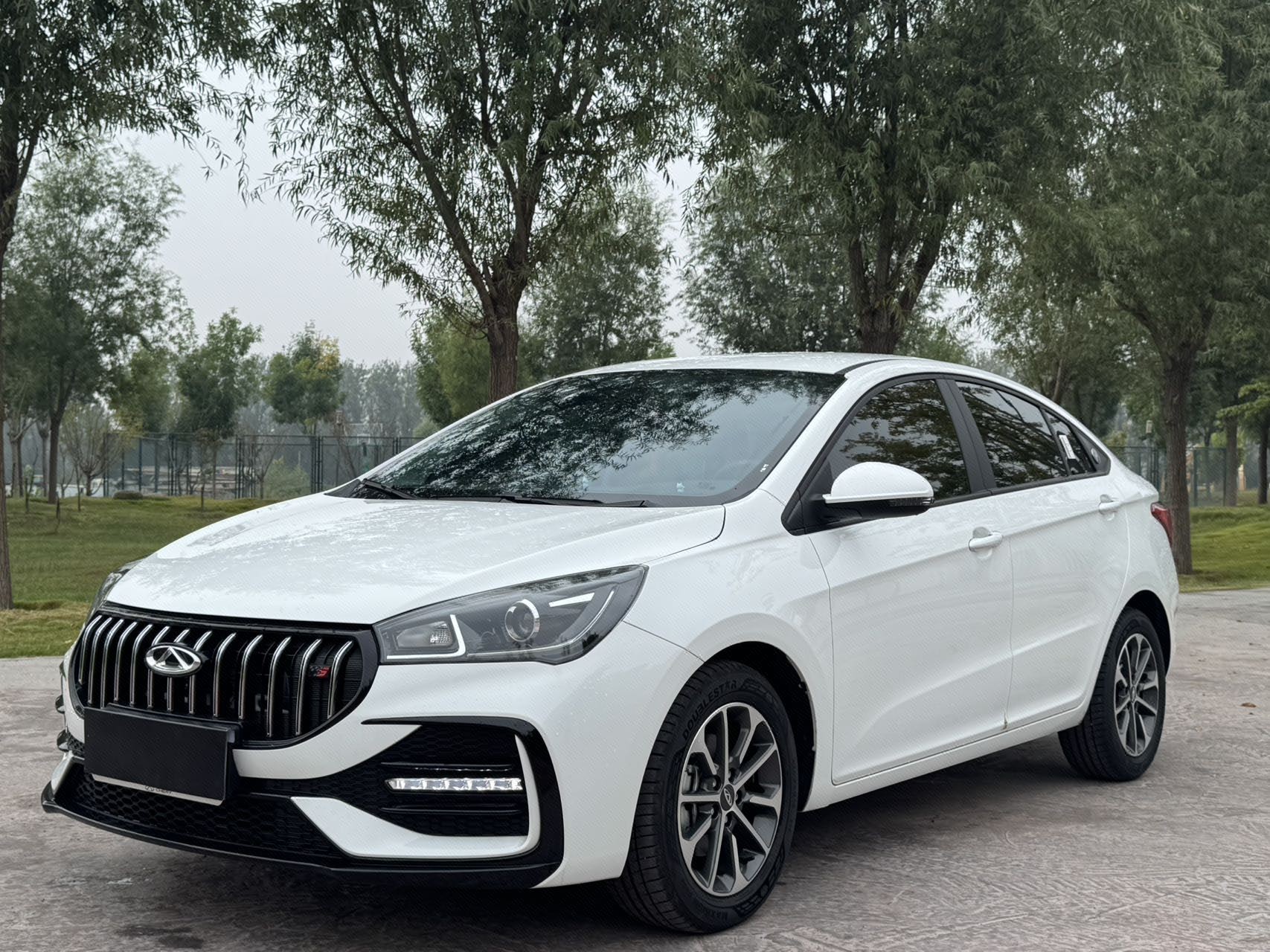
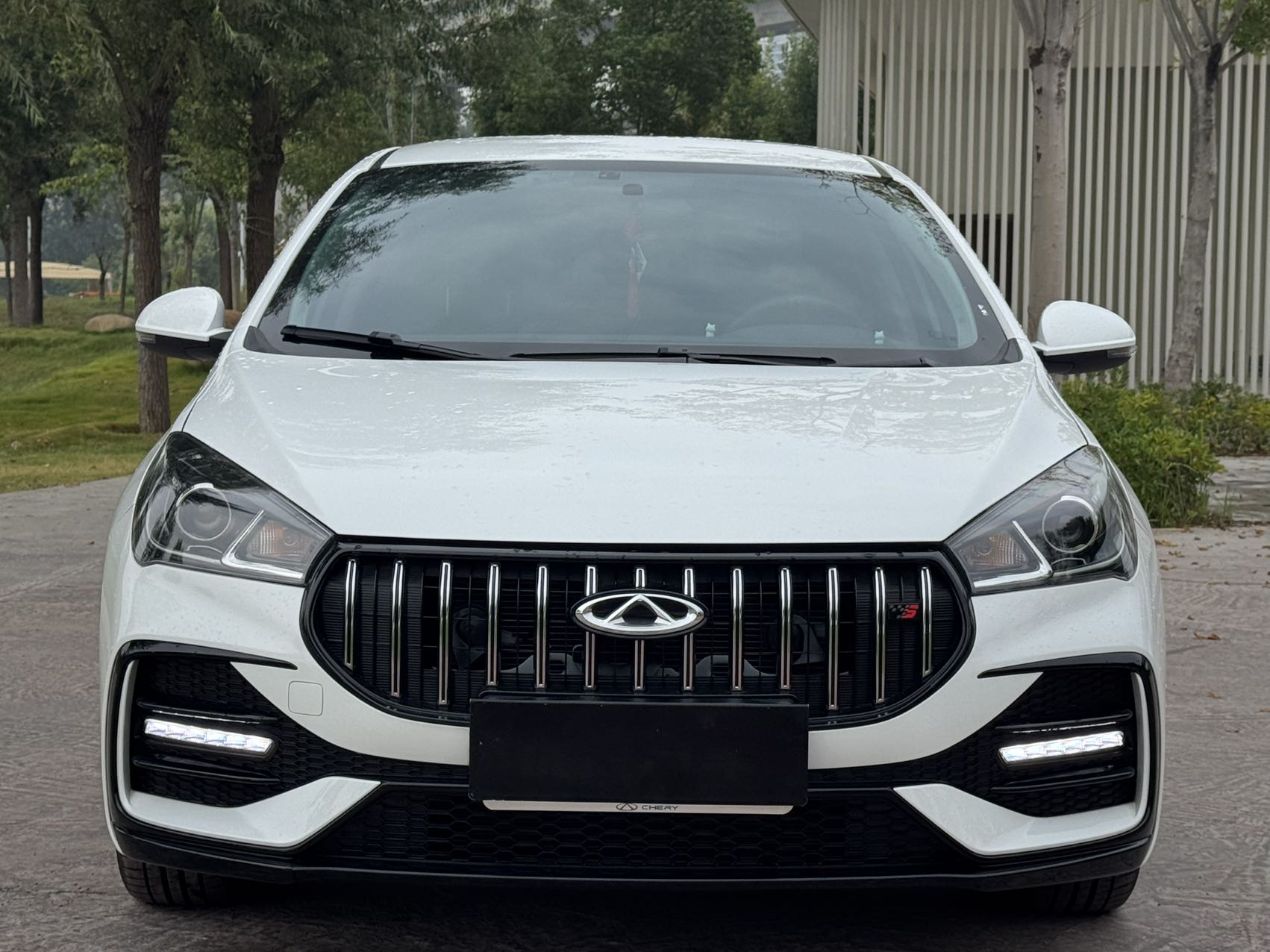
BrandChery
SeriesArrizo 5
Year2025
First Registration2025/10
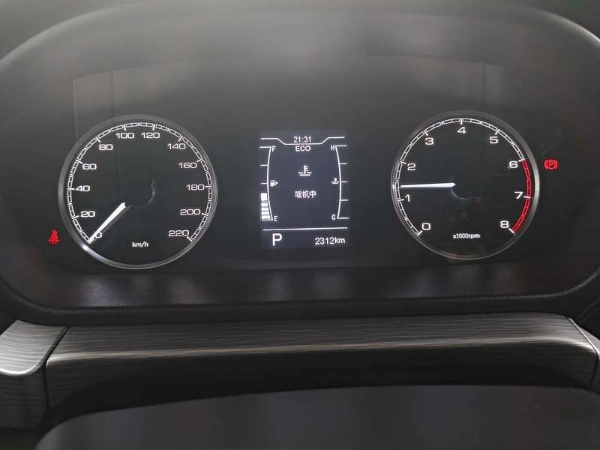
Mileage2,000km
Transfer Count0times
FuelGasoline
TransmissionCVT
Engine1.5L 120 L4
ColorWhite
Seats5seats

Condition Description

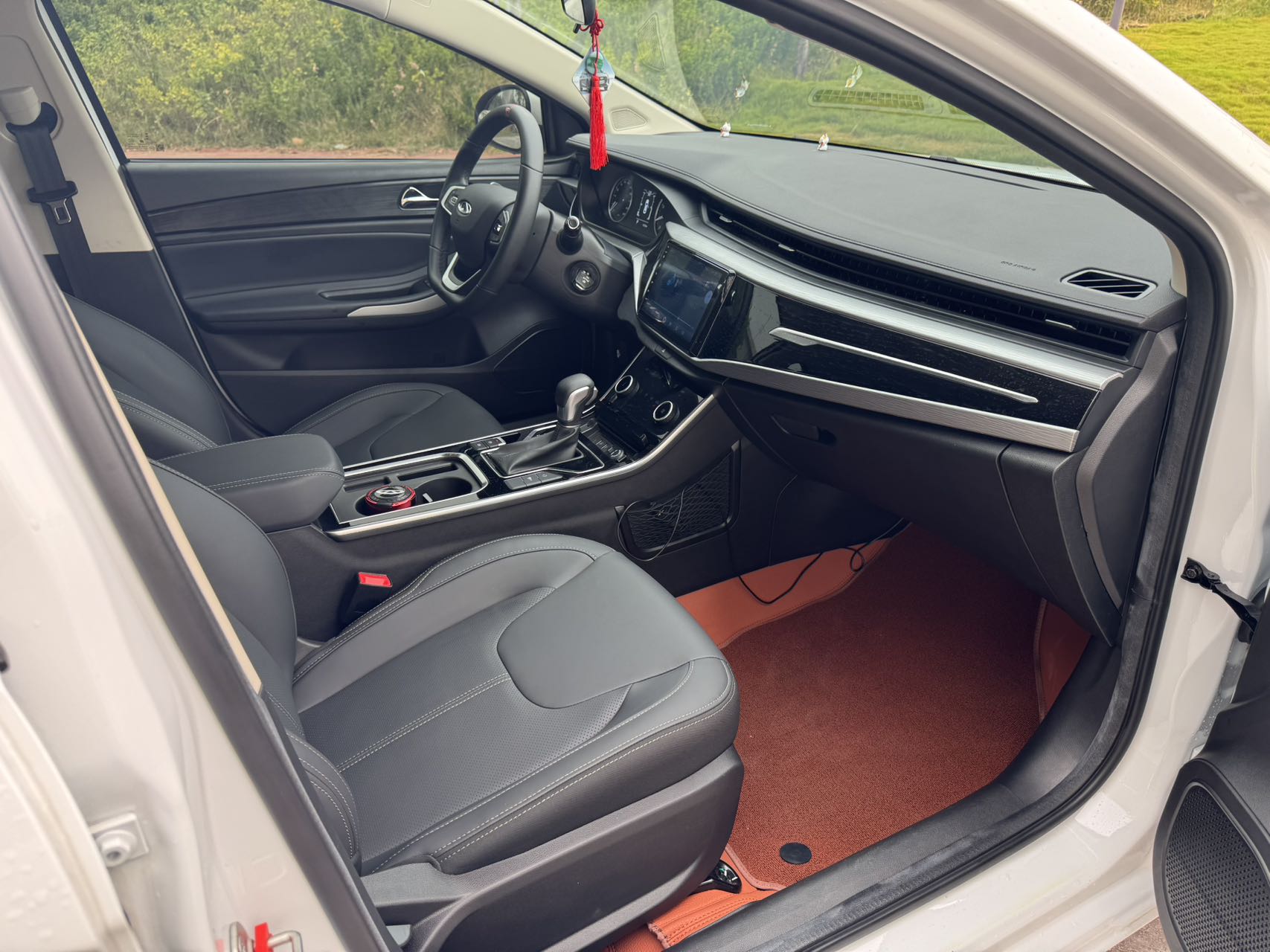
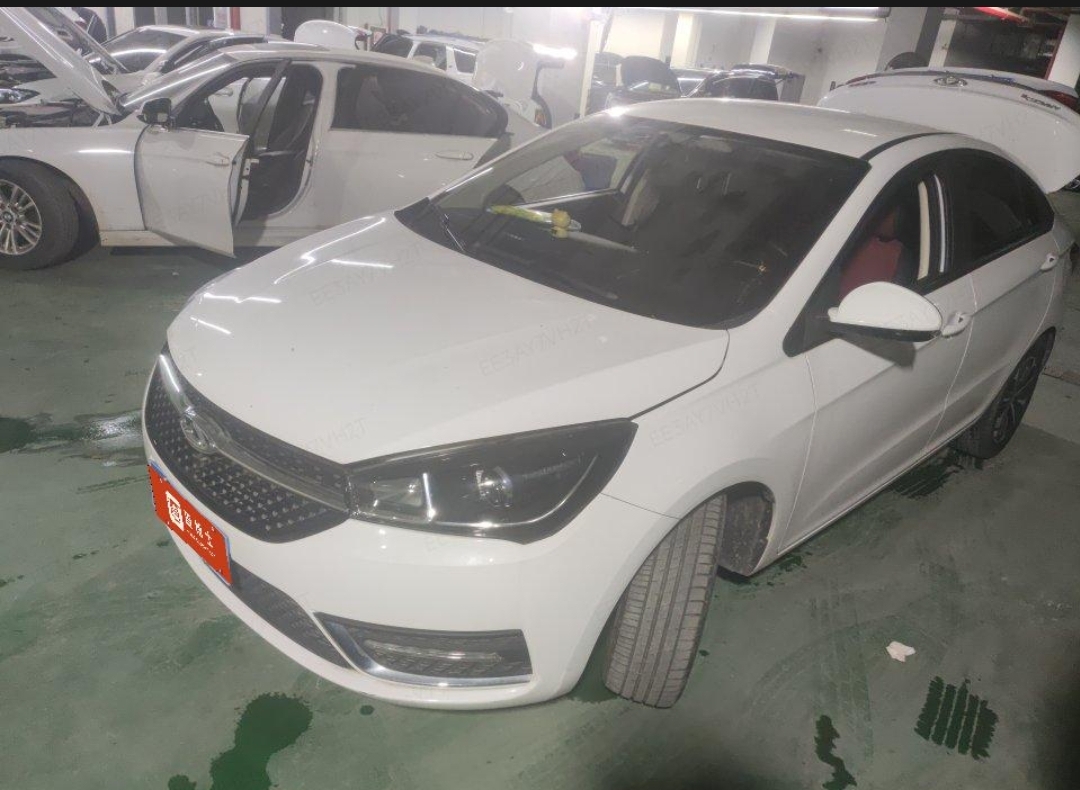
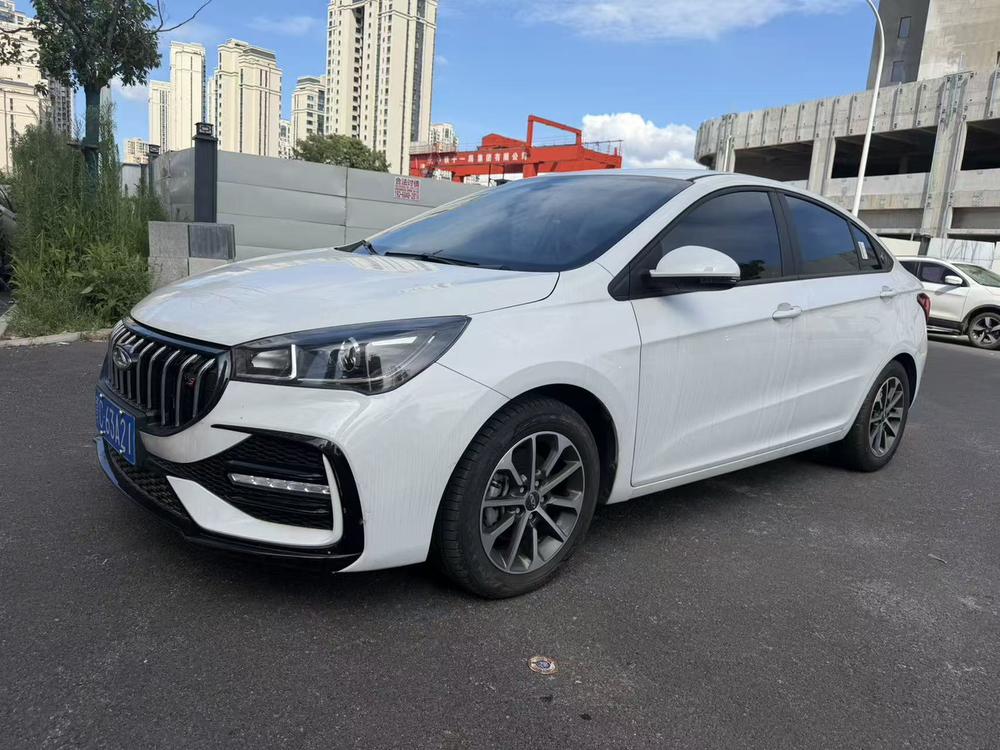
Manufactured July 2025; first registered October 2025; mileage 0.2万 km (2,000 km); condition: original body panels and original paint.

Document Information

Inspection Expiry Date-
Warranty Expiry Date-
Insurance Expiry Date2026/10

Q&A

More

What are "fire-damaged" or "flood-damaged" cars? How do you completely rule them out?

We thoroughly rule them out by checking if the cabin wiring harness is melted, if the seat belts have water stains or mold, if there is unusual rust or debris in the seat tracks and cigarette lighter, and by verifying with the insurance company for any "total loss claims." These two types of cars are an absolute sales ban for us.

What export documents come with a used car shipped from China, and which ones do customs in my country require?

A compliant shipment from China includes a standard document set. Verify you receive all of them before the ship departs, because correcting documents mid-transit is slow and expensive. The core set: commercial invoice, bill of lading (original, if your country requires presentation for customs), packing list, certificate of origin, and the export customs declaration. For used cars, also expect the Chinese registration certificate copy, deregistration proof, and a condition/inspection report. Some destinations require additional certificates — GCC states need GSO conformity, EU countries need COC or individual approval, several African nations require BESC/ECTN tracking numbers issued before loading. Your customs broker will typically need the invoice and bill of lading at minimum, plus proof of vehicle age and emissions where age limits apply. Ask your exporter for scanned copies the day the vessel sails, not when it arrives: pre-clearance can cut port storage fees significantly. One caution: the invoice value must match your payment records. Under-declaring to save duties is customs fraud in most countries and risks seizure.
How can I verify the odometer reading is genuine on a Chinese used car from abroad?

Odometer fraud exists everywhere, but cross-checking several data points makes it hard to fake: 1) Maintenance records: ask for service history with mileage entries. Gaps or resets are red flags. 2) Tire wear: a car showing 30,000 km should not have nearly bald tires. Compare tread depth against the claimed mileage. 3) Pedals, steering wheel, and seat bolsters: heavy wear on these with low odometer readings is a classic mismatch. 4) Diagnostic scan: request an OBD readout. Many control modules store mileage data internally — if the ECU shows 120,000 km while the dash shows 40,000, you have your answer. 5) Vehicle history report: in China, apps and platforms can pull insurance claim records and registration history, which often reveal the true mileage trail. Always request a live video showing the odometer with the engine running, and have the number written into your contract.