


24H

Basic Information

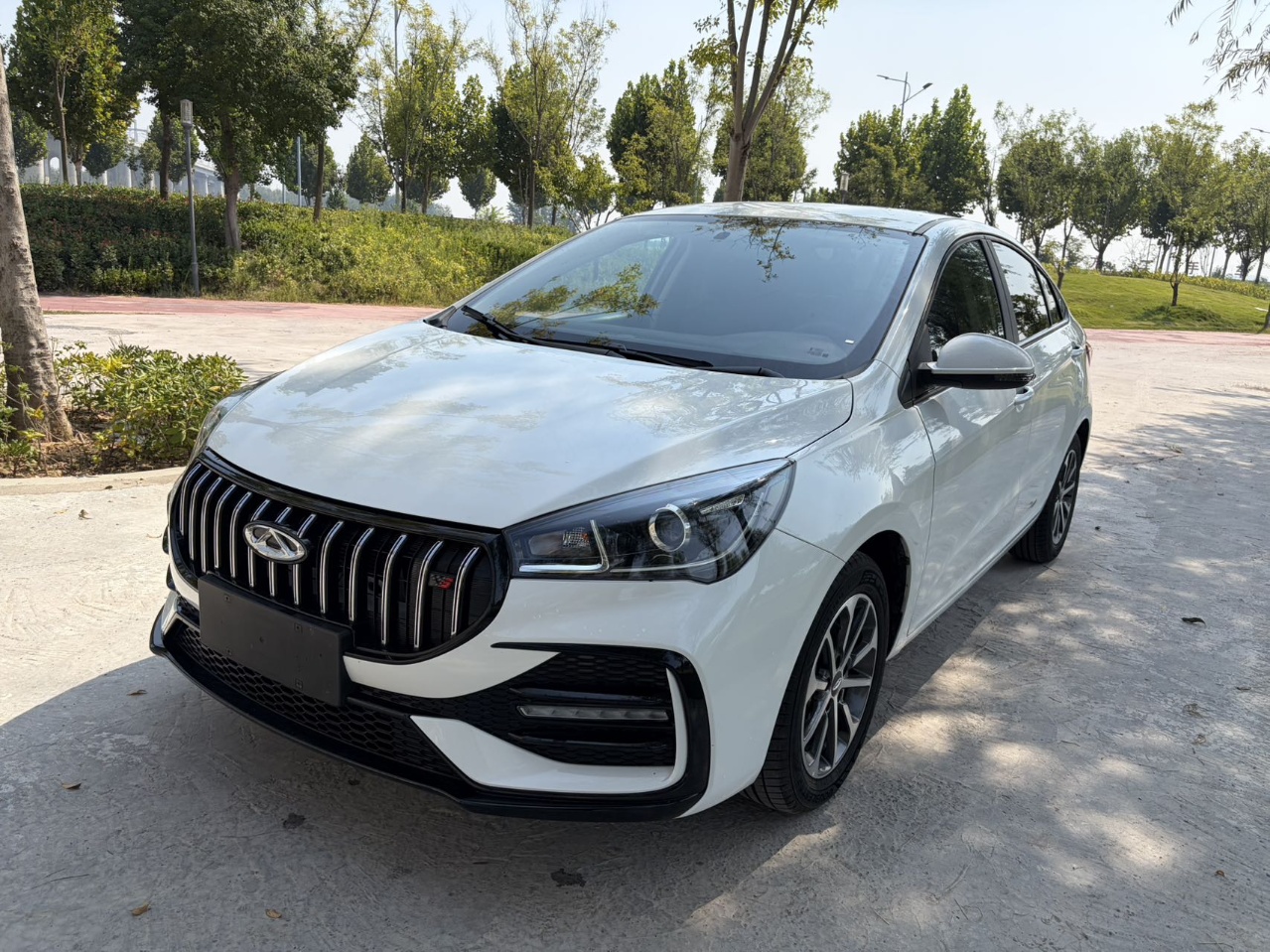
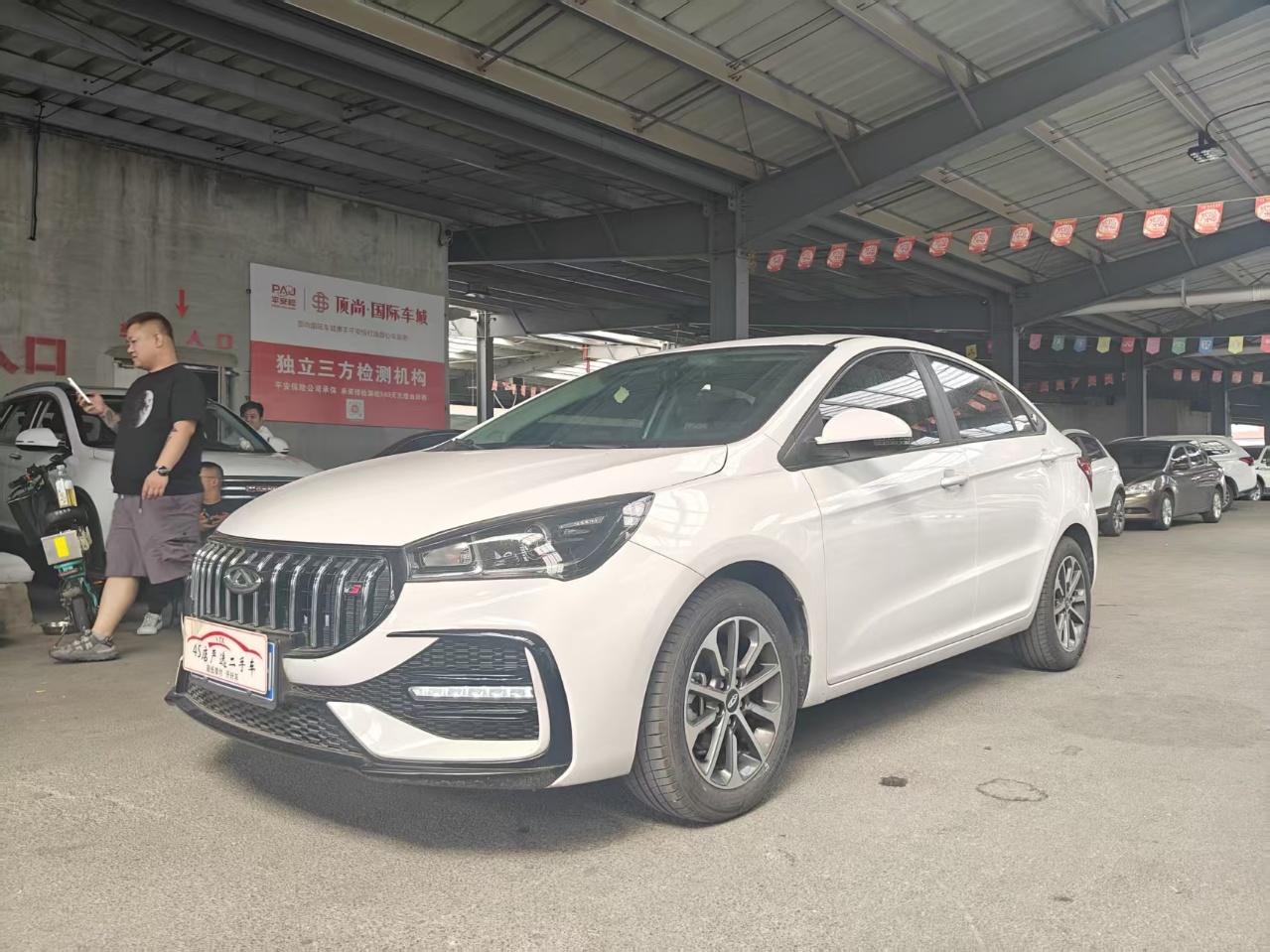
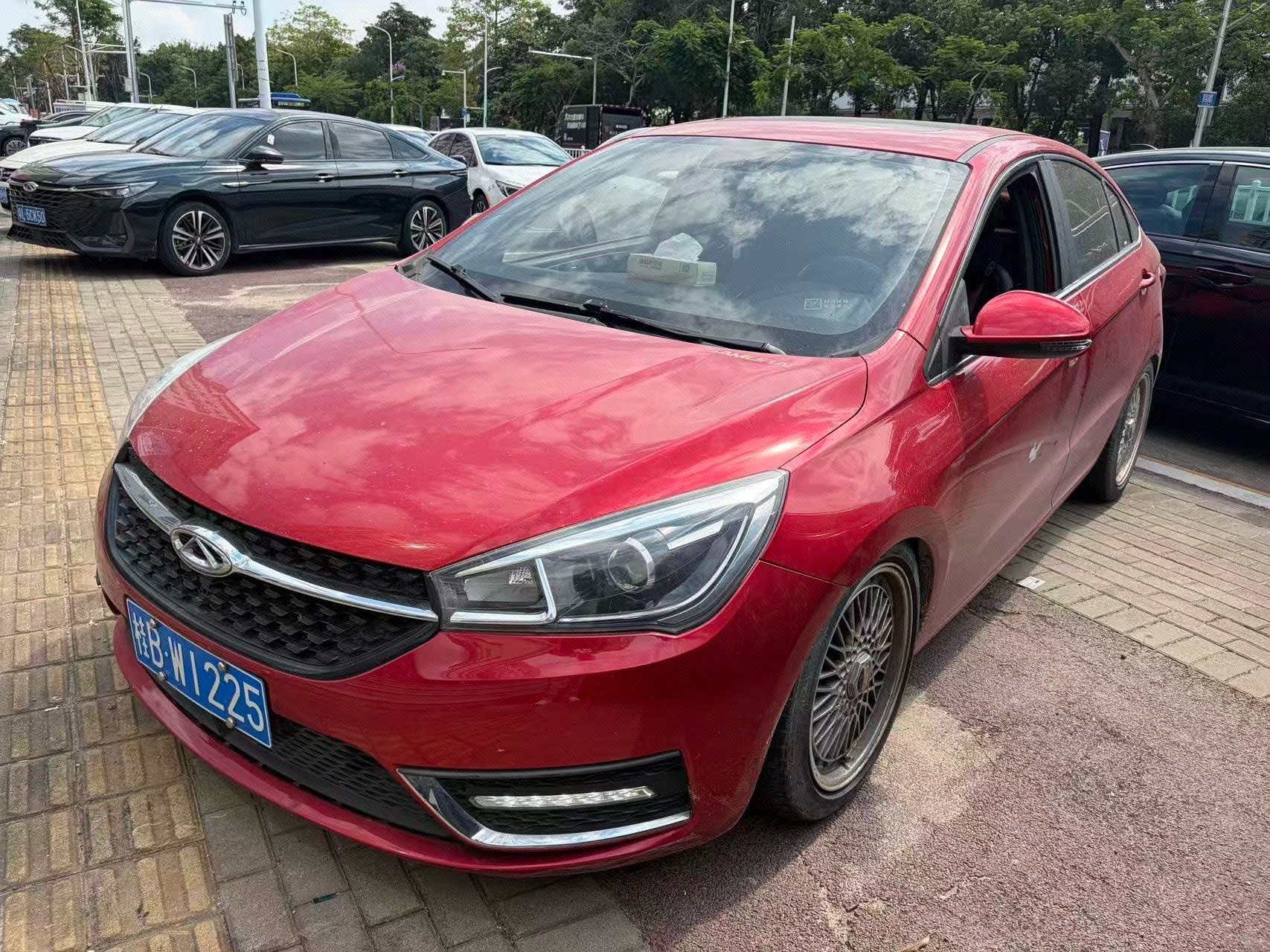
BrandChery
SeriesArrizo 5
Year2019
First Registration2019/08
Mileage77,000km
Transfer Count0times
FuelGasoline
TransmissionCVT
Engine1.5L 116 L4
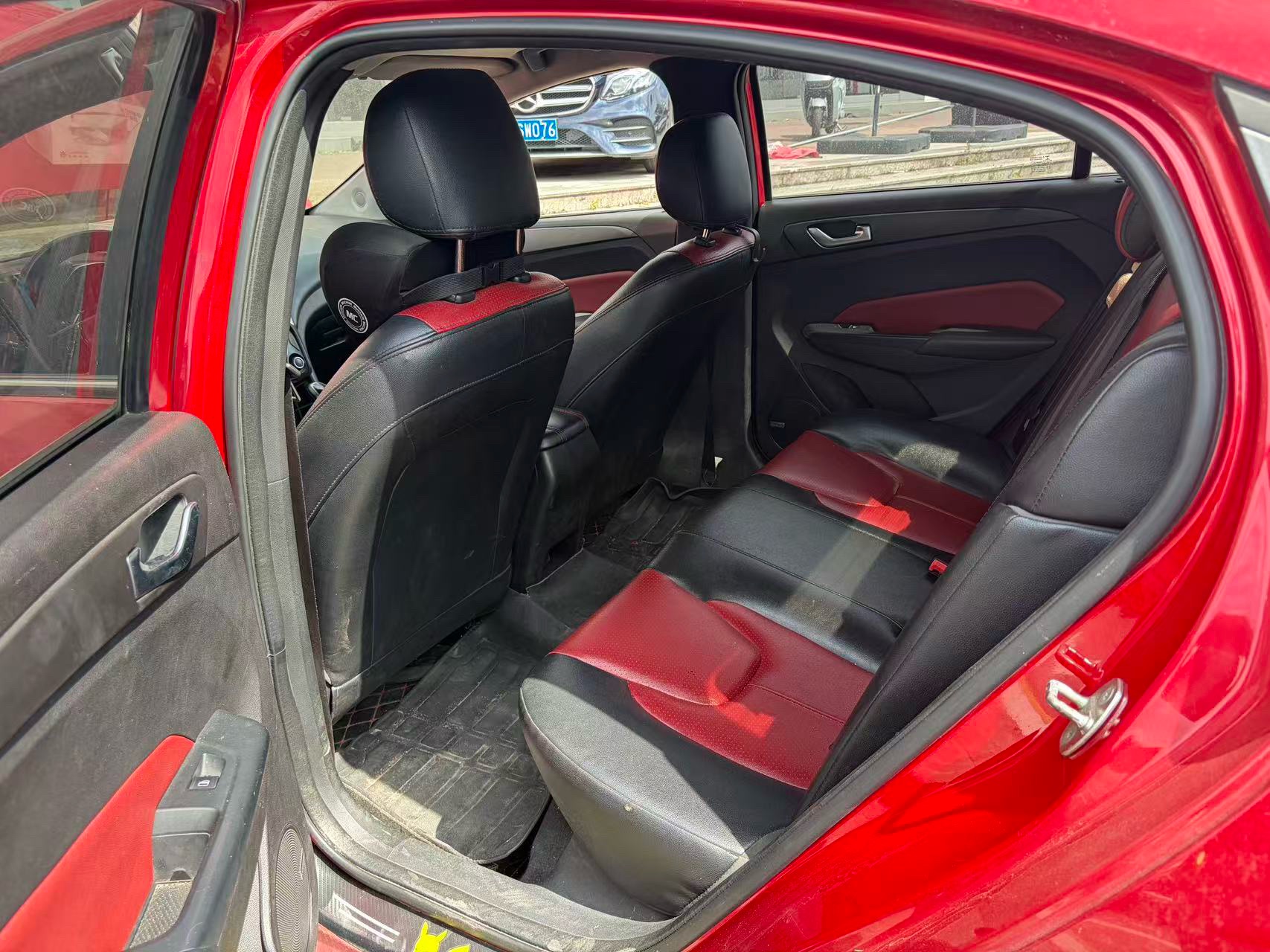
ColorRed
Seats-

Condition Description

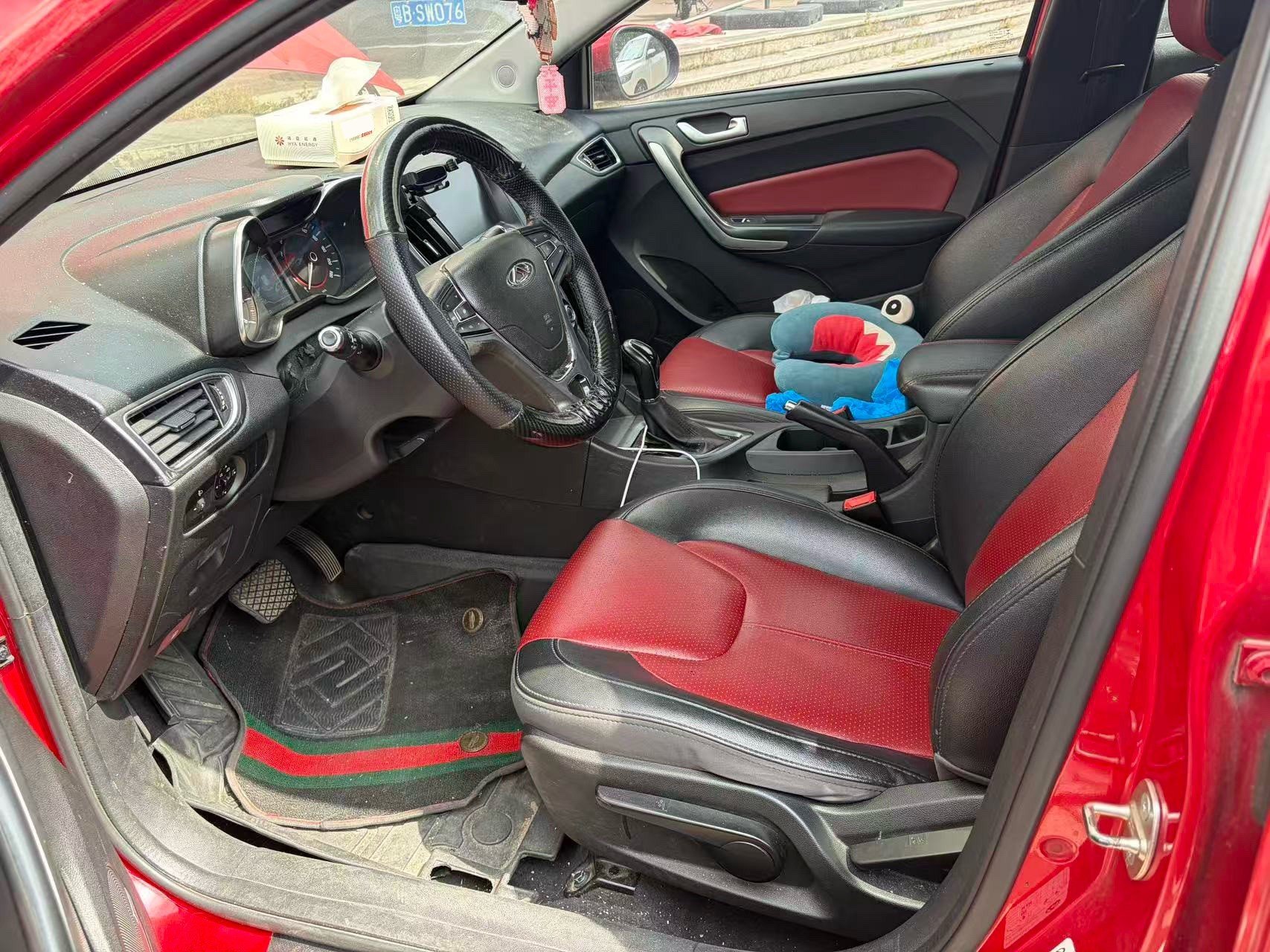
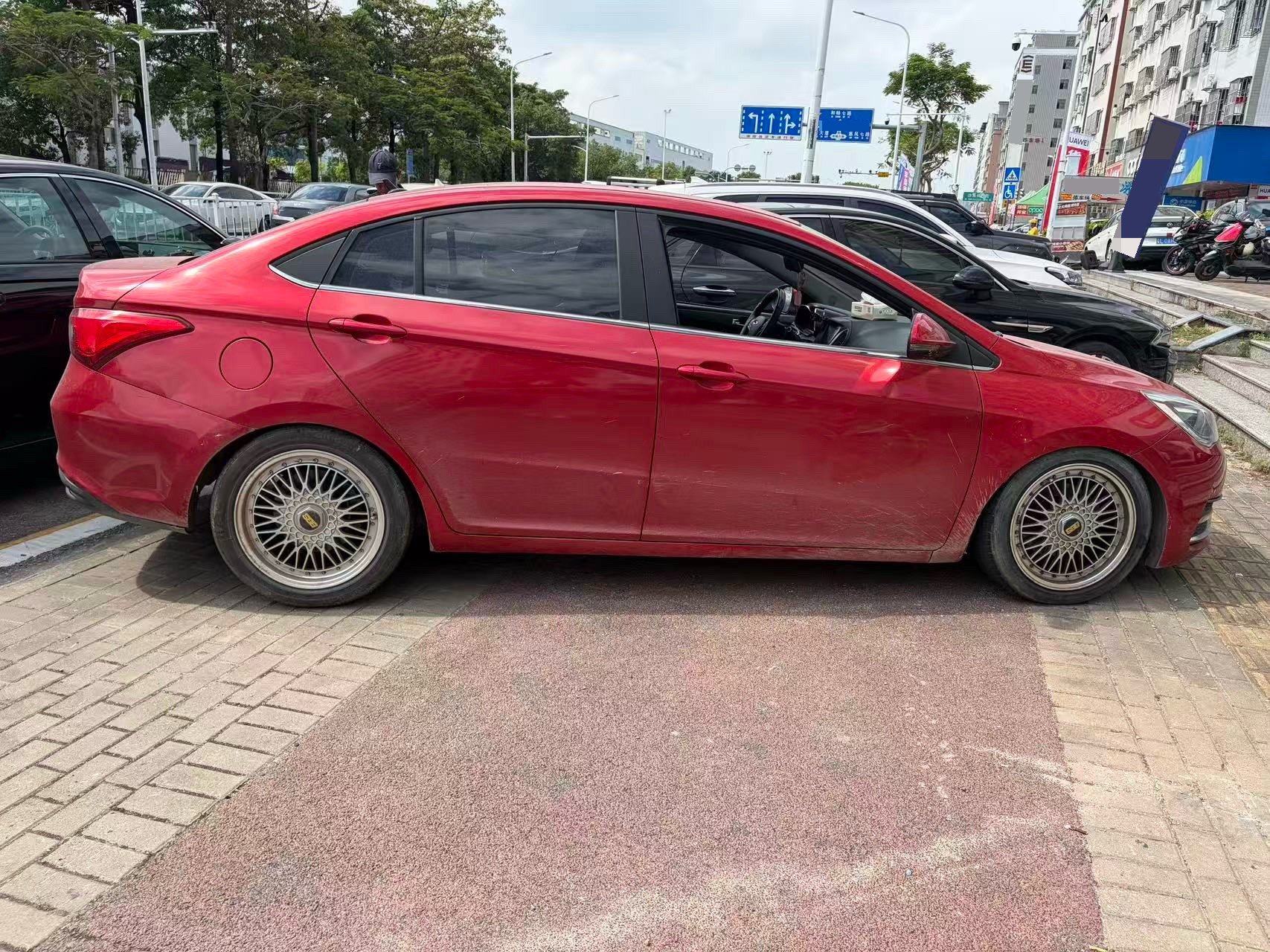
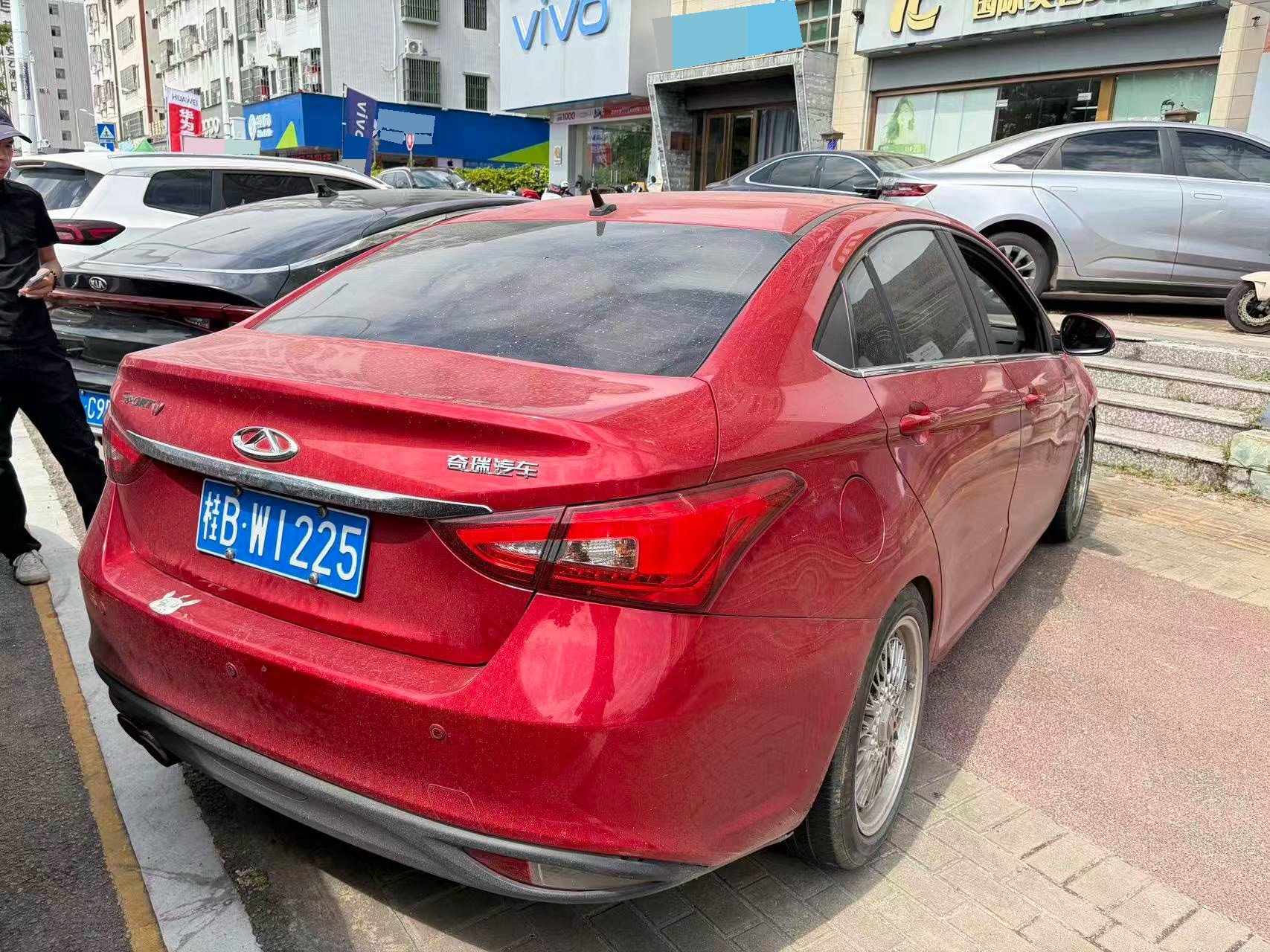
Original condition, two panels repainted, modified coilover suspension, exhaust, and wheels; passed inspection.

Document Information

Inspection Expiry Date-
Warranty Expiry Date-
Insurance Expiry Date2027/08

Q&A

More

If a problem arises after the car arrives, how are disputes and claims typically handled with a Chinese exporter?

Handling claims with an overseas exporter works best when expectations are set before payment. Prevention: put the inspection standard, photo/video evidence requirements, and a dispute clause into the sales contract. Keep all chat records and payment receipts. Typical process if issues arise: 1) Notify the exporter within 48-72 hours of delivery with photos/videos as evidence. 2) Most disputes fall into two buckets: shipping damage (handled via marine insurance — this is why insurance matters) or undisclosed mechanical defects (handled per contract, often via partial refund, spare parts, or repair cost sharing). Realistic expectations: exporters rarely accept returns, so negotiate compensation instead. A reputable company will usually cover reasonable repair costs for defects confirmed to pre-exist shipment. Tip: for higher-value cars, hire a local third-party inspection at destination as final evidence — it strengthens any claim significantly.
What are the differences in power loss performance of used lithium iron phosphate (LFP) and ternary lithium (NMC) batteries in cold countries?

If your market is in extremely cold regions (like Russia or Northern Europe), we strongly recommend purchasing ternary lithium (NMC) models equipped with heat pump air conditioning. The range achievement rate of used LFP batteries typically plummets at minus 15 degrees, and we will alert you accordingly.

How is payment typically structured when buying a used car from a Chinese exporter, and how do I stay safe?

A typical payment structure looks like this: 1. Deposit: 10-30% after you confirm the car and price, often to reserve the vehicle and start the inspection. 2. Balance: paid after you approve the inspection report, but before or at shipment. A common safeguard is paying against a copy of the bill of lading, with telex release of the original B/L after funds arrive. 3. Never send 100% upfront to a new supplier. Use traceable methods (T/T bank transfer to a corporate account matching the company name, or escrow for first orders) and keep every agreement in writing. 4. Timeline: quote within days, inspection 3-7 days, booking and loading 1-2 weeks, ocean transit 3-6 weeks, customs clearance 3-10 days. Red flags: personal bank accounts, pressure to skip inspection, prices far below market.