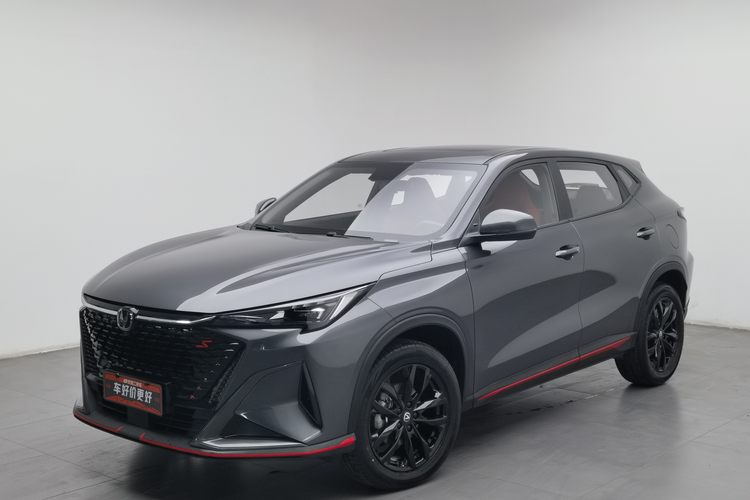
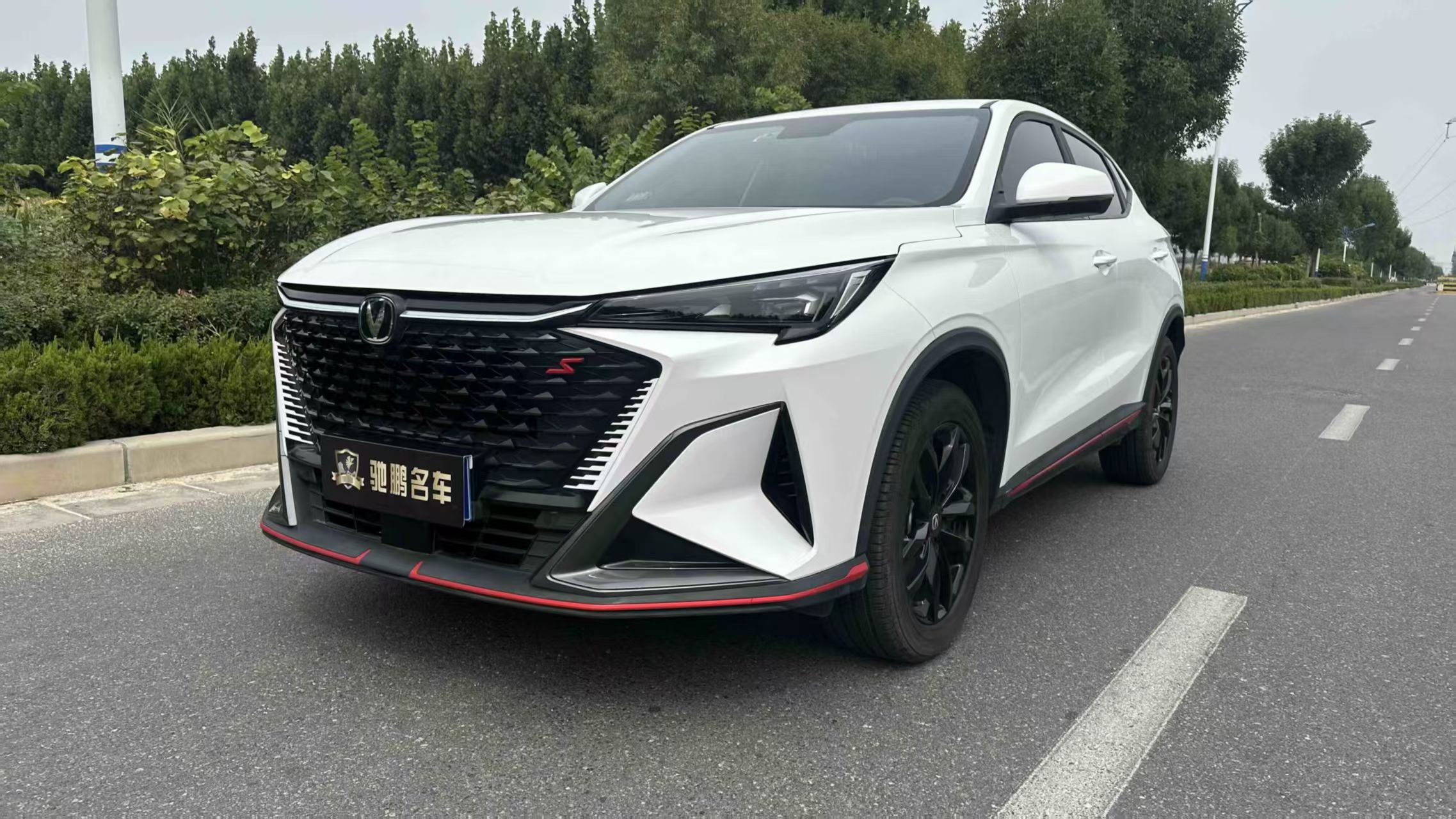
Basic Information

BrandChangan
SeriesX5 PLUS
Year2025
First Registration2025/07
Mileage6,500km
Transfer Count-
FuelGasoline
TransmissionDCT
Engine1.5T 188 L4
ColorWhite
Seats5seats

Condition Description

Excellent vehicle condition, passed inspection, better than 80% of vehicles for sale, excellent condition, 0 claims, 0 ownership transfers.

This vehicle is 1 year old, with a relatively short usage period, an average annual mileage of 0.65 million kilometers, and low daily usage frequency. It has never been transferred to any other owner, making it a good first-hand vehicle. The exterior is in excellent condition, with a glossy paint finish but possibly minor scratches. The interior is clean and tidy, with minor signs of use. The overall body frame is intact and without any abnormalities. Fluids are normal, and the powertrain operates smoothly without any issues.

Configuration Highlights

✓Sport Seats
✓Digital Instrument Cluster
✓Panoramic Sunroof
✓Smartphone Connectivity
✓High Beam Assist
✓Auto Hold
✓Keyless Entry
✓Backup Camera
✓High-definition Low Beam
✓Auto Headlights
✓Cruise Control
✓Keyless Start
✓Rear Air Vents
✓Tire Pressure Monitoring
✓Heated Mirrors
✓Hill Start Assist
✓Rear Parking Sensors
✓Anti-pinch Windows

Q&A

More

Why do used cars of the same brand, year, and configuration with complete 4S dealership records cost several hundred dollars more than those without records?

Complete records represent underlying trust and zero odometer adjustment risk. In the used car market, solid data history itself carries a high premium. The extra few hundred dollars buys you an impeccable endorsement when selling overseas.
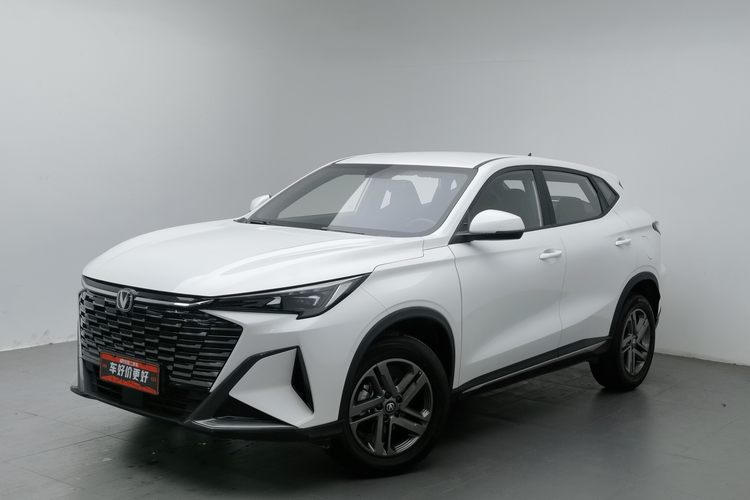
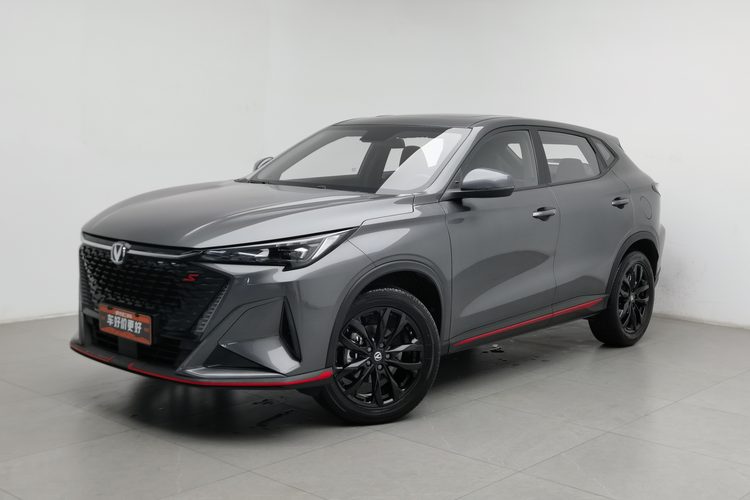
If our country has a free trade agreement (FTA) with China, can you provide specific certificates of origin to reduce tariffs?

Yes. If your country (such as Chile, Peru, ASEAN countries, etc.) has signed a bilateral free trade agreement with China, our documentation center will apply to Chinese customs or the trade promotion agency for specific versions of the certificate of origin (such as Form E, Form F, etc.), which can help you legally apply for significant tariff reductions at the destination port.

When checking the history records, can you distinguish whether the vehicle was involved in a "single-vehicle accident (like hitting a wall)" or a "multi-vehicle rear-end collision"?

If insurance claims records are accessed, there will usually be notes like "the insured vehicle is fully responsible for hitting a fixed object" or "third-party liability insurance payment." We can roughly reconstruct the accident scene based on this and cross-verify the stress points on the vehicle's frame with paint thickness gauge data.