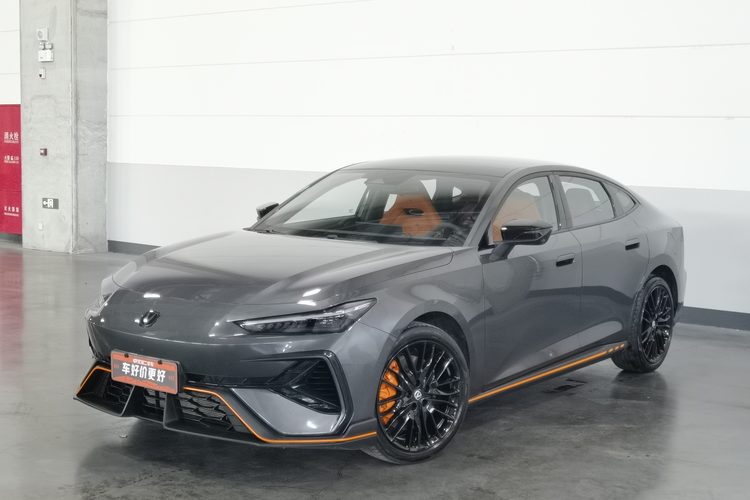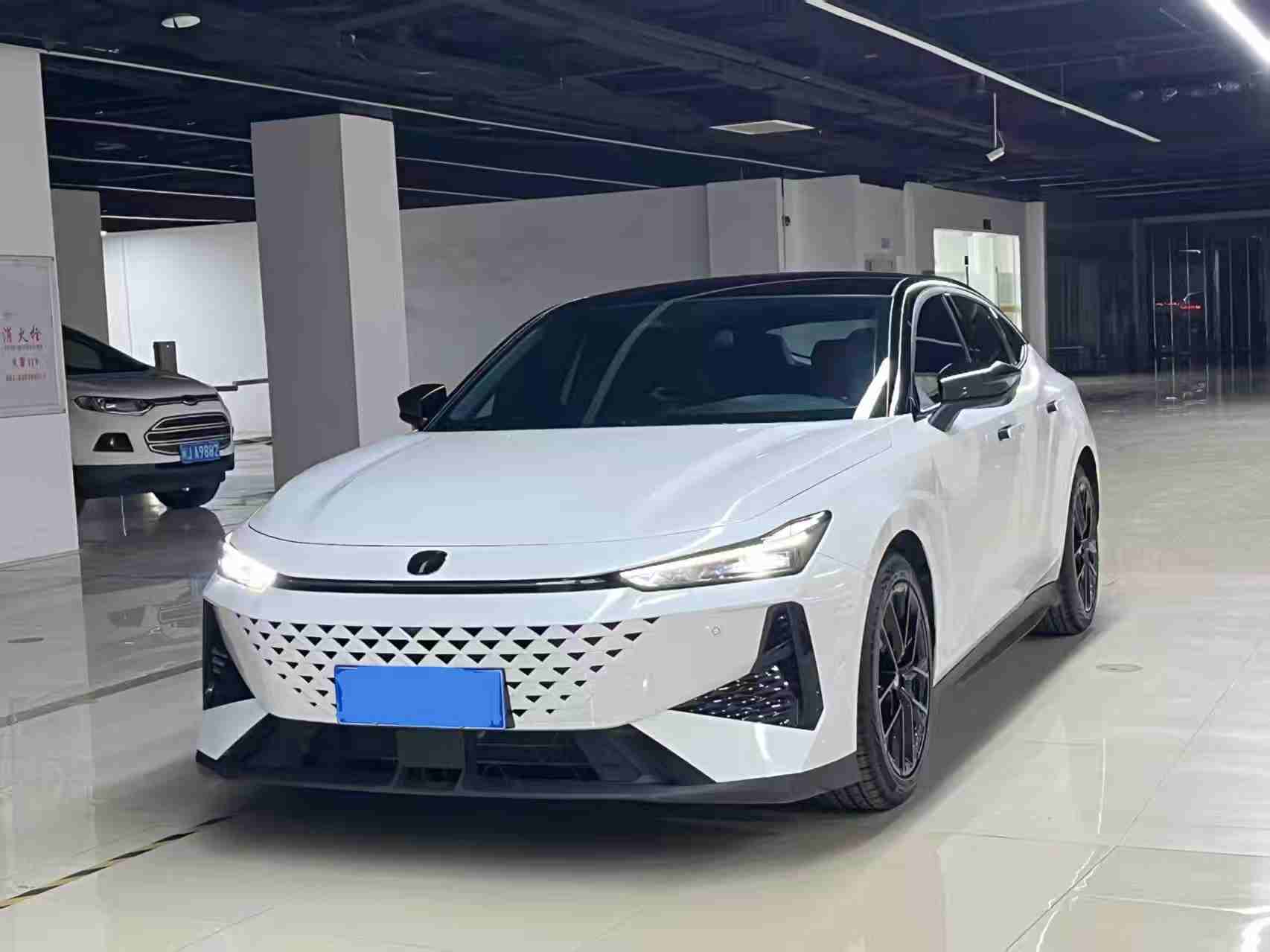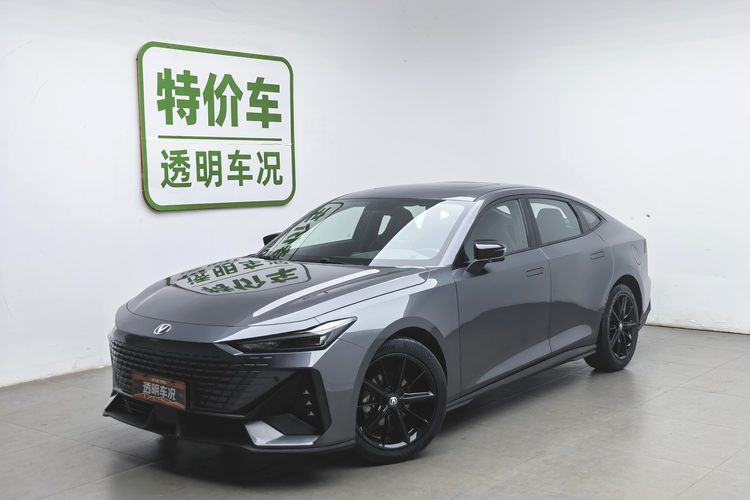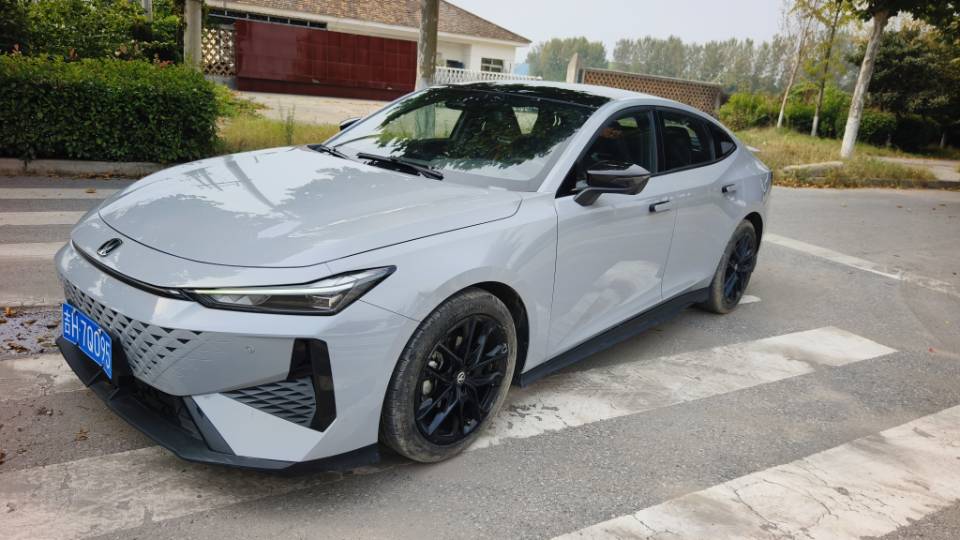
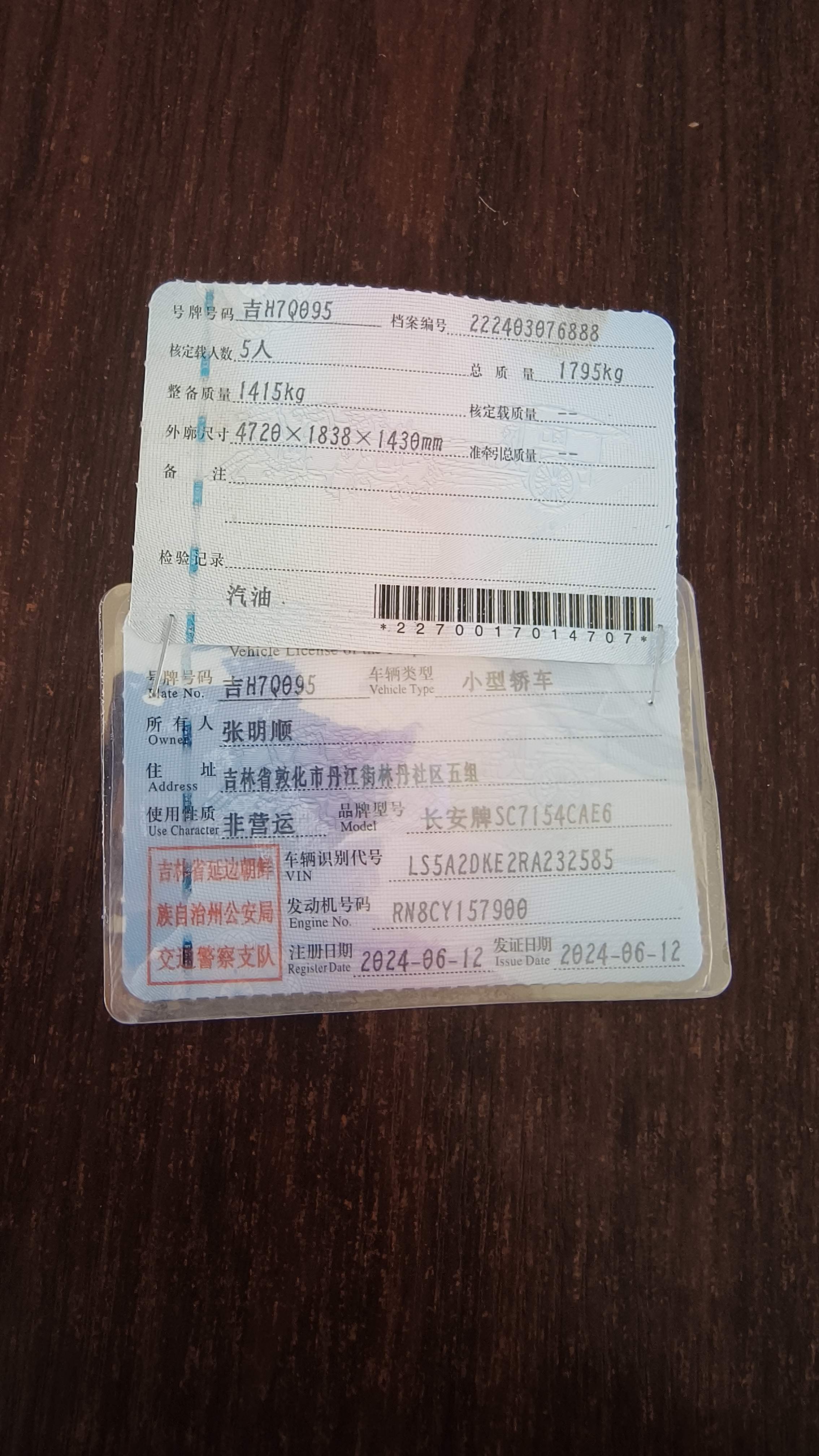
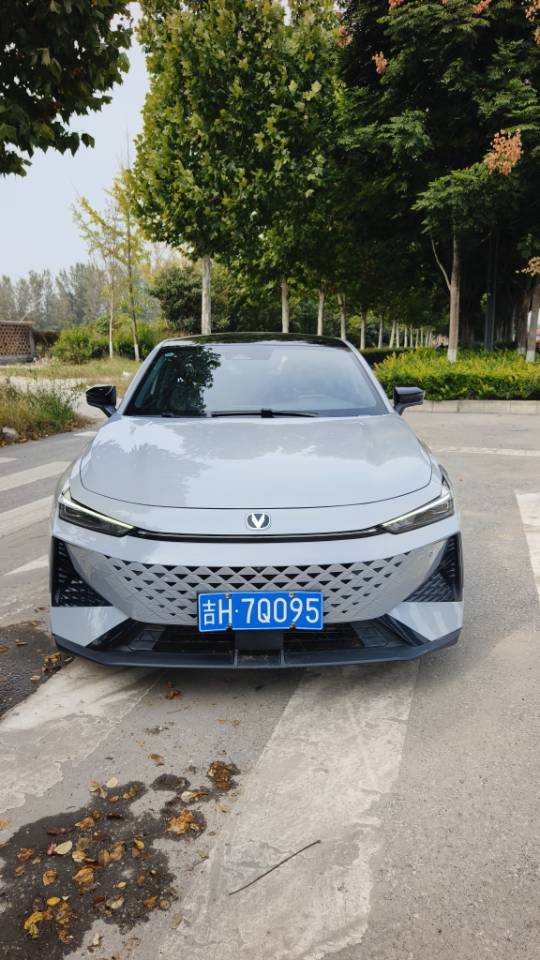
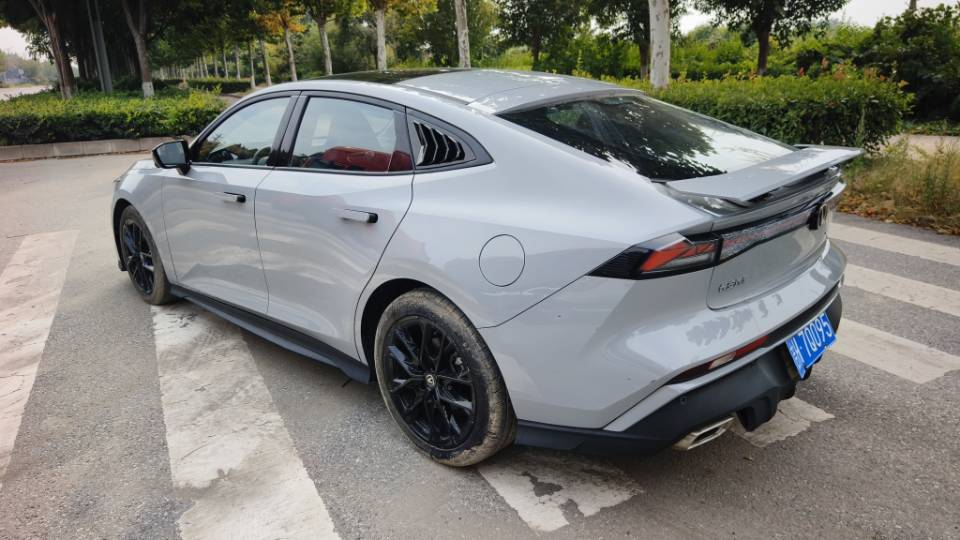
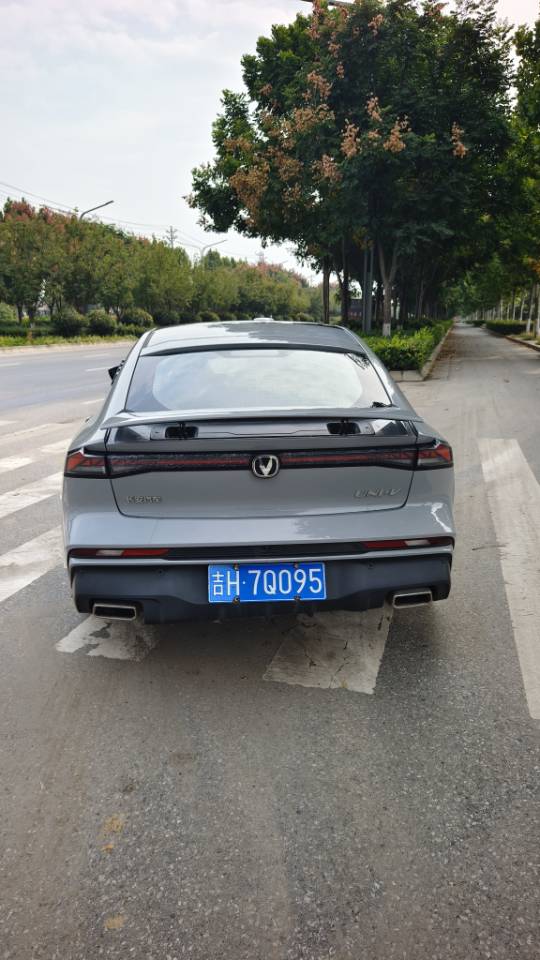



Basic Information

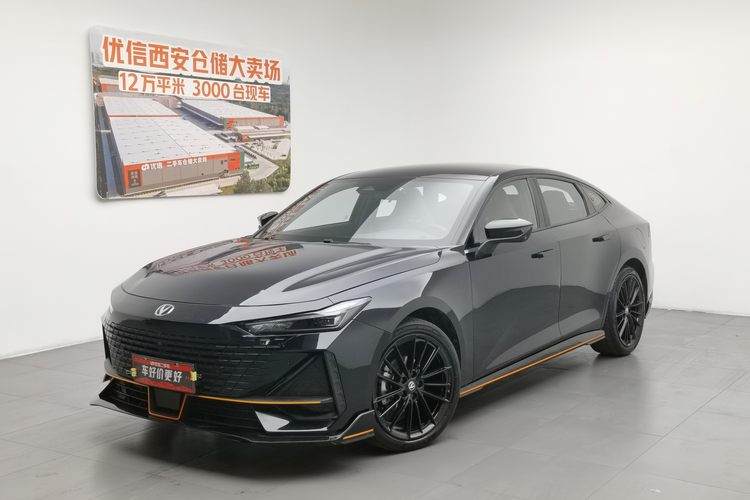
BrandChangan
SeriesUNI-V
Year2024
First Registration2024/06
Mileage20,000km
Transfer Count0times
FuelGasoline
TransmissionDCT
Engine1.5T 188 L4
ColorOther
Seats5seats

Condition Description

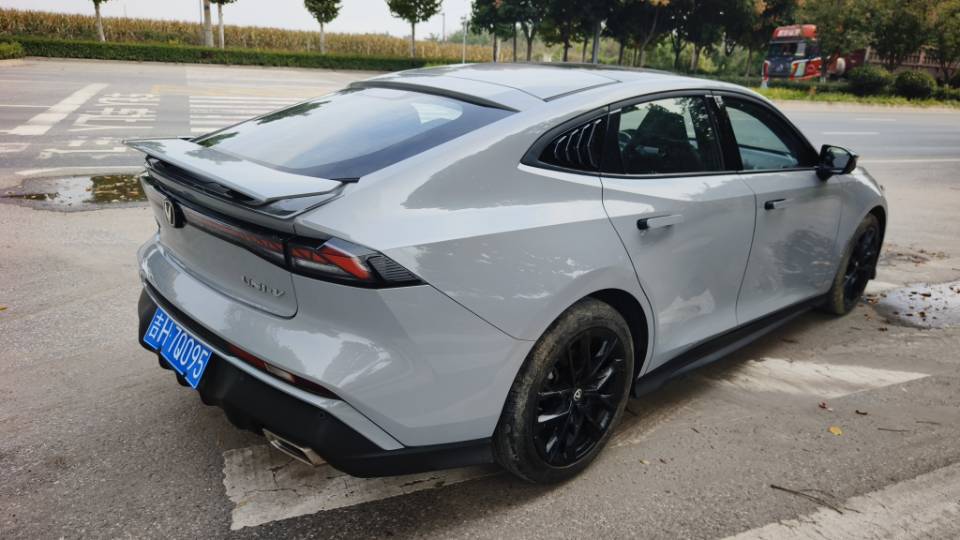
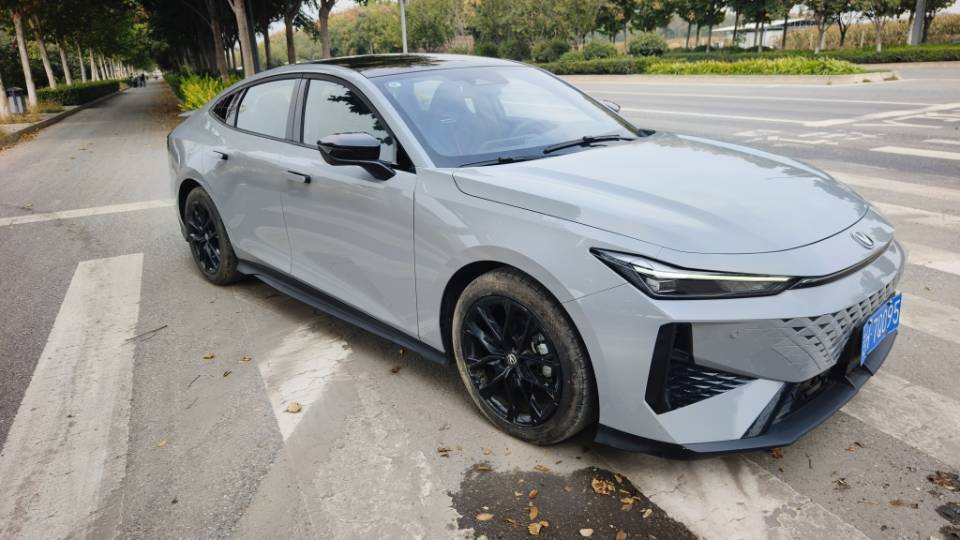
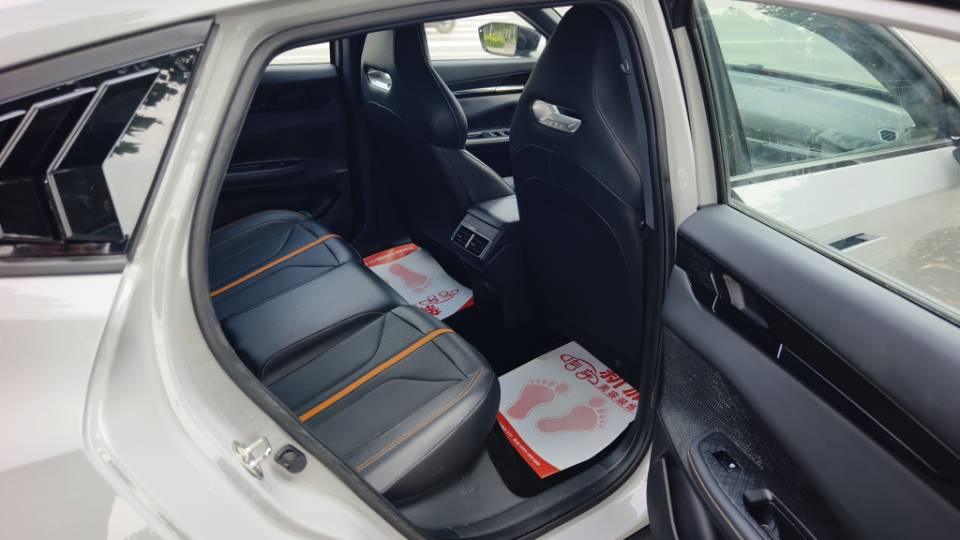
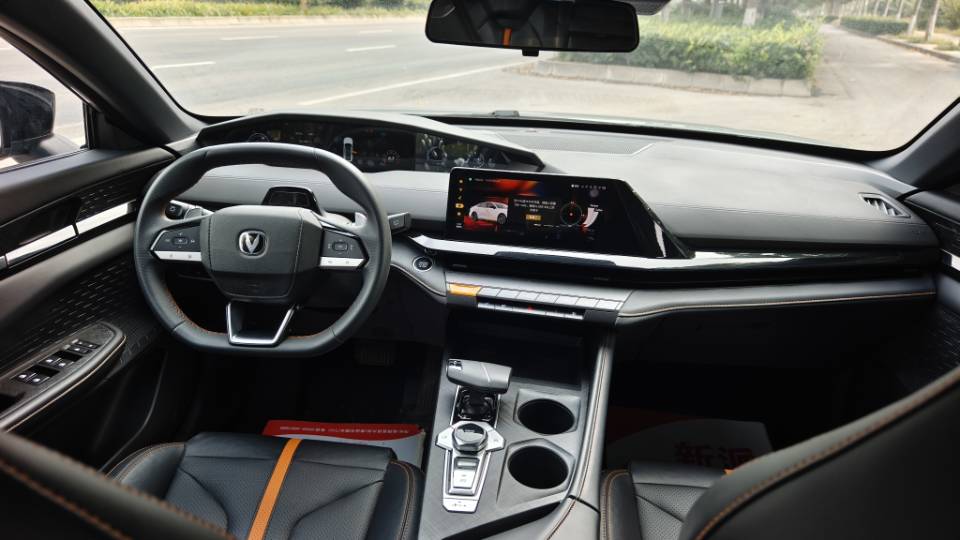
Average condition

Original paint throughout. Seats repaired after water damage. Insurance claim record of over 70,000, not declared a total loss. Drives without any issues.

可议价
已上架
New
Wholesale

Configuration Highlights

✓品牌: 长安
✓车系: 长安UNI-V
✓车型: 长安UNI-V 2024款 1.5T 尊贵型
✓能源类型: 燃油车
✓发动机: 1.5T
✓变速箱: 7挡湿式双离合
✓驱动方式: 前置前驱
✓排放标准: 国VI
✓指导价: 11.69万
✓车源编号: 12802101
✓VIN: LS5A*******232585

Document Information

Inspection Expiry Date2028/06
Warranty Expiry Date-
Insurance Expiry Date2027/06

Q&A

More

What are the core advantages of buying used luxury cars (like Porsche, BBA) in China compared to purchasing them directly overseas?

China has a large number of luxury cars and a fast turnover rate. For luxury cars of the same year and mileage, the FOB offshore price in the Chinese market usually still has a 10%-15% arbitrage opportunity after deducting shipping costs, especially for models with high depreciation rates.
What is a Certificate of Origin and why do I need one when importing a car from China?

A Certificate of Origin (C/O) is an official document stating where the vehicle was manufactured. Customs authorities use it to decide which tariff rates and trade agreements apply to your import. Why it matters: many countries offer preferential tariffs for certain origins. With a valid C/O, such as the ASEAN-China Form E or a GSP Form A, you may pay reduced or zero duty. Without it, you typically pay the standard, higher rate. The certificate must match the vehicle exactly: VIN, make, model and invoice details. It is usually issued by the China Council for the Promotion of International Trade (CCPIT) or customs authorities. Practical tips: request the C/O before shipment, because adding it later is slow; check that your country's customs accepts the specific C/O format; and confirm with your broker whether your vehicle category qualifies for preferential rates. This single document can save you thousands in duty.

How is payment typically structured when buying a used car from a Chinese exporter, and how do I stay safe?

A typical payment structure looks like this: 1. Deposit: 10-30% after you confirm the car and price, often to reserve the vehicle and start the inspection. 2. Balance: paid after you approve the inspection report, but before or at shipment. A common safeguard is paying against a copy of the bill of lading, with telex release of the original B/L after funds arrive. 3. Never send 100% upfront to a new supplier. Use traceable methods (T/T bank transfer to a corporate account matching the company name, or escrow for first orders) and keep every agreement in writing. 4. Timeline: quote within days, inspection 3-7 days, booking and loading 1-2 weeks, ocean transit 3-6 weeks, customs clearance 3-10 days. Red flags: personal bank accounts, pressure to skip inspection, prices far below market.