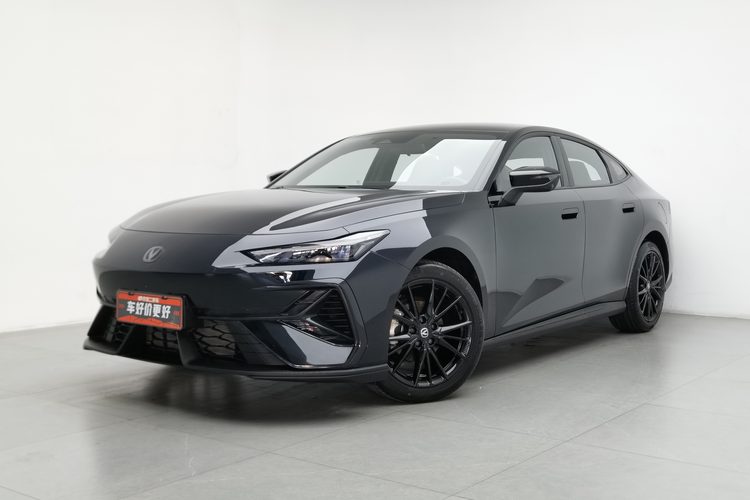
Basic Information

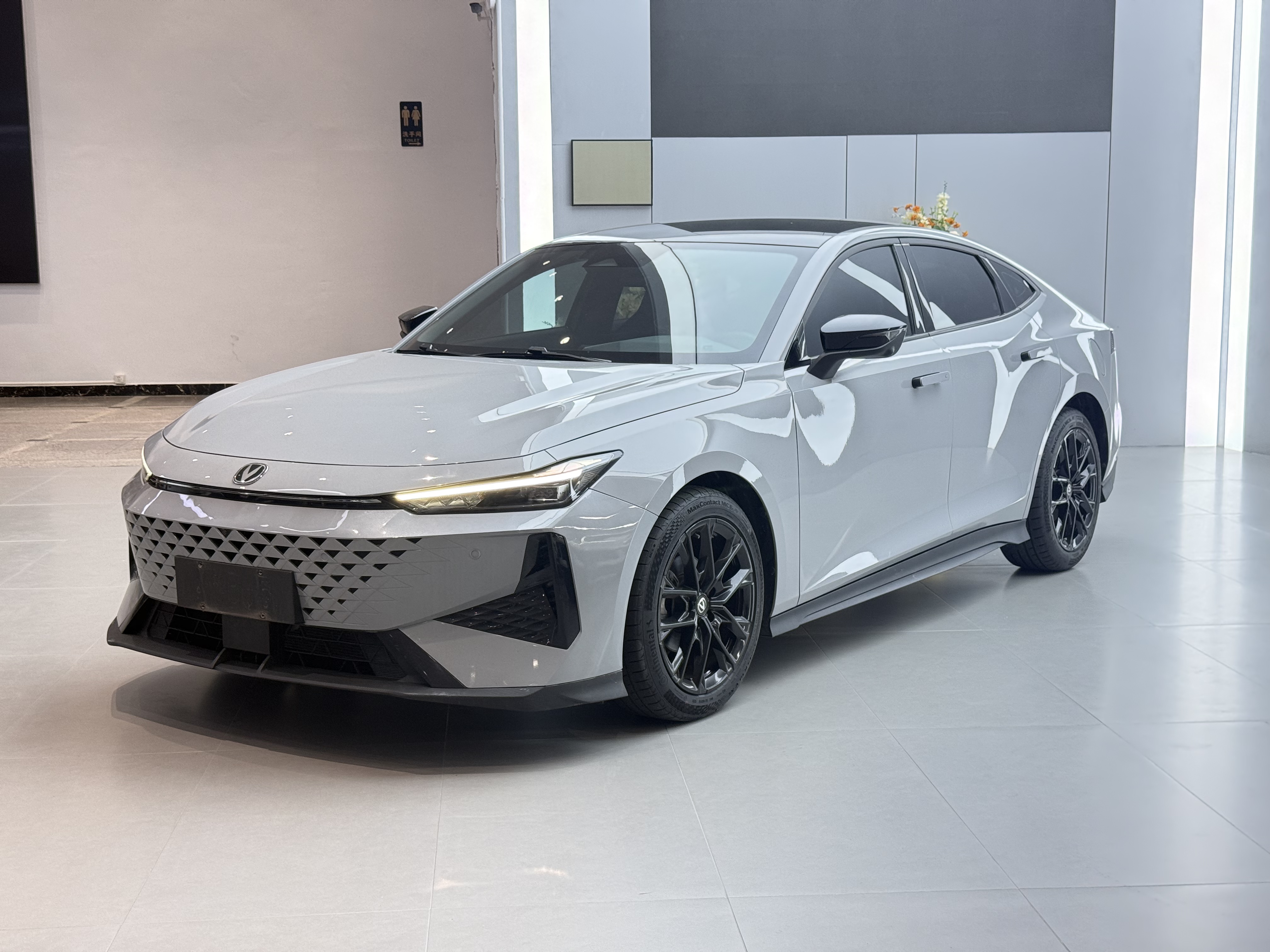
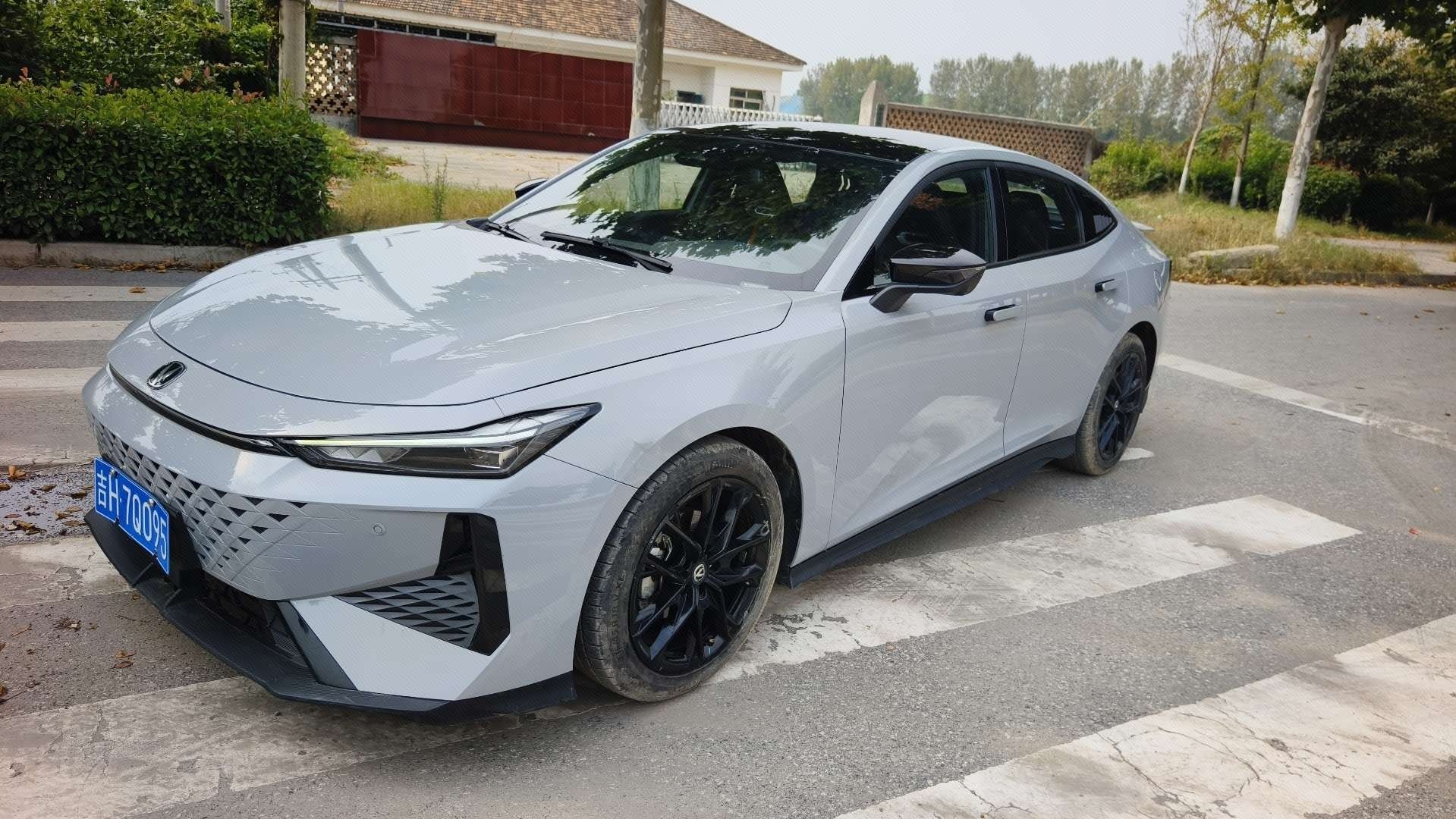
BrandChangan
SeriesUNI-V
Year2024
First Registration2024/03
Mileage1.8km
Transfer Count-
FuelGasoline
TransmissionDCT
Engine1.5T 188 L4
ColorGrey
Seats-

Configuration Highlights

✓Driver/Passenger Airbags
✓Front/Rear Side Airbags
✓Front/Rear Curtain Airbags
✓Tire Pressure Monitoring
✓ISOFIX Child Seat Anchors
✓Keyless Start System
✓Keyless Entry System
✓ABS Anti-lock Braking
✓Electronic Brake Distribution
✓Electronic Stability Control
✓Hill Start Assist
✓Auto Hold
✓Panoramic Sunroof
✓Power Trunk
✓Kick-sensor Trunk
✓Multifunction Steering Wheel
✓Paddle Shifters
✓Front Parking Sensors
✓Seat Material
✓Driver/Passenger Power Seats
✓Rear Cupholders
✓GPS Navigation
✓Low Beam Headlights
✓Daytime Running Lights
✓Auto Headlights
✓Adjustable Headlight Height
✓Power Windows
✓Anti-pinch Windows
✓Climate Control Type
✓Rear Air Vents
✓Start-Stop System
✓Lane Departure Warning
✓Active Safety System

Q&A

More

What should I do if the destination country requires a certificate of origin?

Apply for a certificate of origin from the local customs or trade promotion agency, proving that the country of manufacture is China. This is a necessary document for customs clearance in regions like the Middle East and Southeast Asia.

What does the buying process look like when importing a used car from China?

A typical transaction has six steps. 1. Selection: you confirm the vehicle through photos, a video walkaround, an inspection report and the VIN. 2. Deposit: most exporters ask 20%-30% to reserve the car. Pay by bank transfer to the company's corporate account, never a personal one. 3. Inspection: an independent pre-shipment inspection verifies the condition; you receive the report before paying the balance. 4. Balance payment: usually due before loading. Request the booking confirmation and container number. 5. Shipping: the exporter sends you the draft bill of lading for checking, then the original documents by courier. 6. Arrival: you clear customs with the invoice, C/O, B/L and inspection certificate, then register the vehicle. Total timeline is usually 2-6 weeks. Use payment methods with recourse (T/T or escrow) and keep every contract and receipt.

Will the insect bodies and willow catkins on the vehicle's water tank and condenser surface be forcibly washed away with a high-pressure water gun before inspection?

Do not use a high-pressure water gun directly! The high-pressure water can instantly damage the fragile aluminum fins of the condenser, leading to a permanent decrease in cooling efficiency. We can only use a low-pressure air gun or a soft brush for surface cleaning.