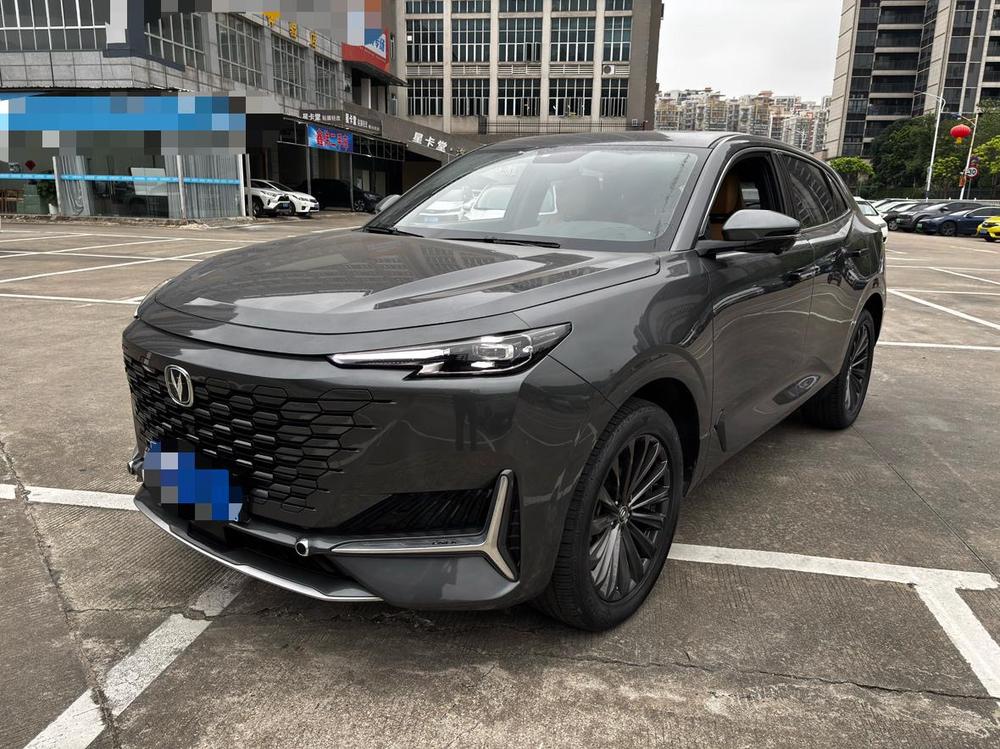
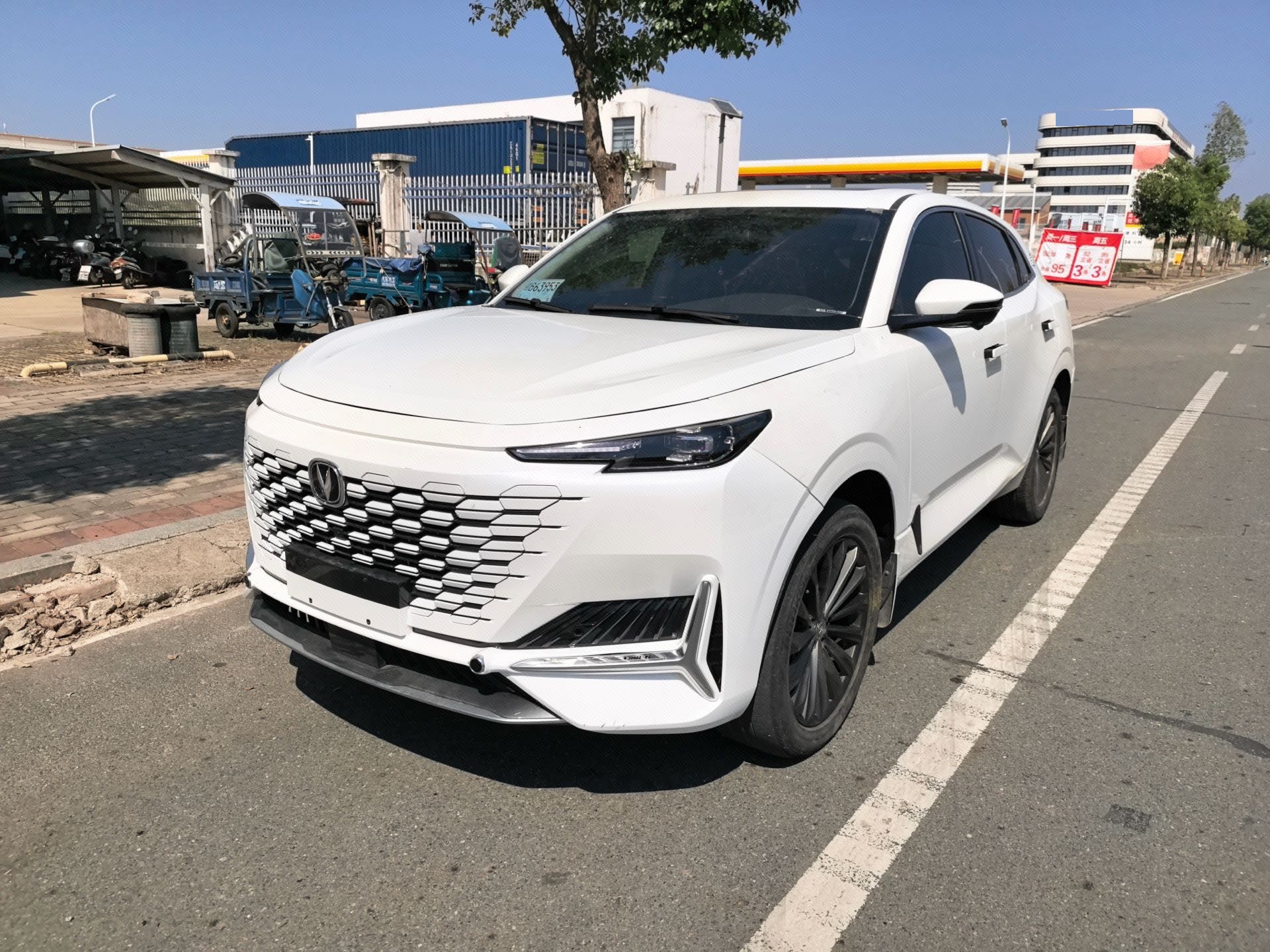
Basic Information

BrandChangan
SeriesUNI-K
Year2022
First Registration2022/01
Mileage65,900km
Transfer Count2times
FuelGasoline
TransmissionManumatic
Engine2.0T 233 L4
ColorGrey
Seats-

Condition Description

Vehicle in good condition, passed inspection. Vehicle in good condition, 3 insurance claims, 2 ownership transfers.

This vehicle is 4 years old, with an average annual mileage of 16,500 kilometers, and is used with normal family daily frequency. It has been transferred twice. The exterior paint is in good condition, but there may be a few minor marks. The interior is in good condition, with normal signs of use on the surface. The overall body frame is intact, but there are a few abnormal issues. The fluids are normal, and the power system is working well.

Configuration Highlights

✓Adaptive Cruise Control
✓Sport Seats
✓Surround View Camera
✓Digital Instrument Cluster
✓Panoramic Sunroof
✓Power Trunk
✓High Beam Assist
✓Front Radar
✓Auto Hold
✓Keyless Entry
✓Rain-sensing Wipers
✓High-definition Low Beam
✓Power Folding Mirrors
✓Power Seats
✓Auto Headlights
✓Keyless Start
✓Rear Air Vents
✓Tire Pressure Monitoring
✓Heated Mirrors
✓Hill Start Assist
✓Rear Parking Sensors
✓Anti-pinch Windows

Q&A

More

What documents should I prepare to import a used car from China?

Typically you will need: 1. The commercial invoice and packing list from the seller; 2. The bill of lading issued by the shipping line; 3. The vehicle's export customs declaration; 4. The original registration certificate and a deregistration or transfer proof from China; 5. A certificate of origin if your country requires it; 6. Destination-specific documents, such as a pre-shipment inspection certificate (for example ECTN for West African ports). Requirements vary by country, so confirm the full list with your customs broker before shipment.
Beyond the car price, what costs should I budget when importing a used car from China?

A realistic budget has several layers beyond the vehicle price. First, inland logistics in China: moving the car to the export port typically costs $300-$800. Second, export handling: inspection, customs declaration and paperwork usually add $500-$1,000. Third, ocean freight. A 20ft container to most destinations runs $1,200-$3,000 depending on route; RoRo shipping can be cheaper for driveable cars. Add marine insurance, usually 0.3%-0.5% of the car value. Fourth, destination charges: port handling, customs duties, VAT/GST and local registration fees. These vary widely; some countries charge duties of 20%-80% of the vehicle value plus an excise based on engine capacity. Finally, any compliance work: inspection certificates, modifications to meet local standards, or homologation. Ask your exporter for a full CIF quote and have a local customs broker confirm destination taxes before you commit.

Can the e-SIM card in China's new energy vehicle system be physically removed and replaced with a local SIM card from an overseas operator?

Most new car manufacturers' e-SIMs are directly soldered onto the T-Box motherboard (surface-mounted) and cannot be removed and replaced like a phone. Unauthorized desoldering of the motherboard may cause complete communication failure in the vehicle, and we strictly prohibit this operation.