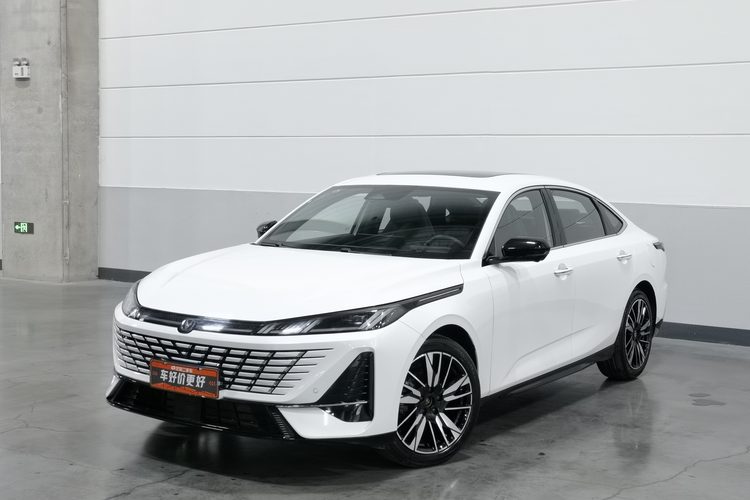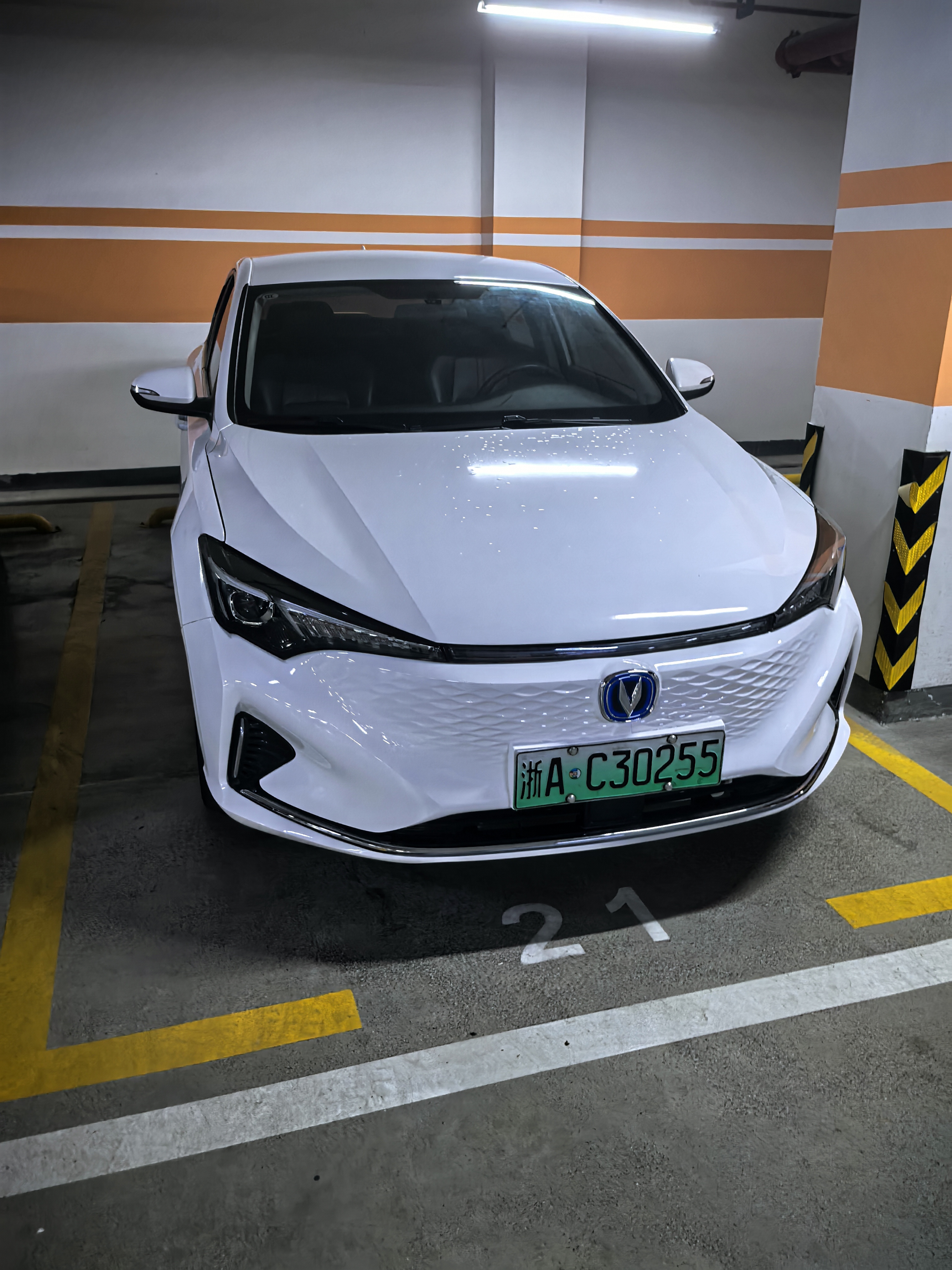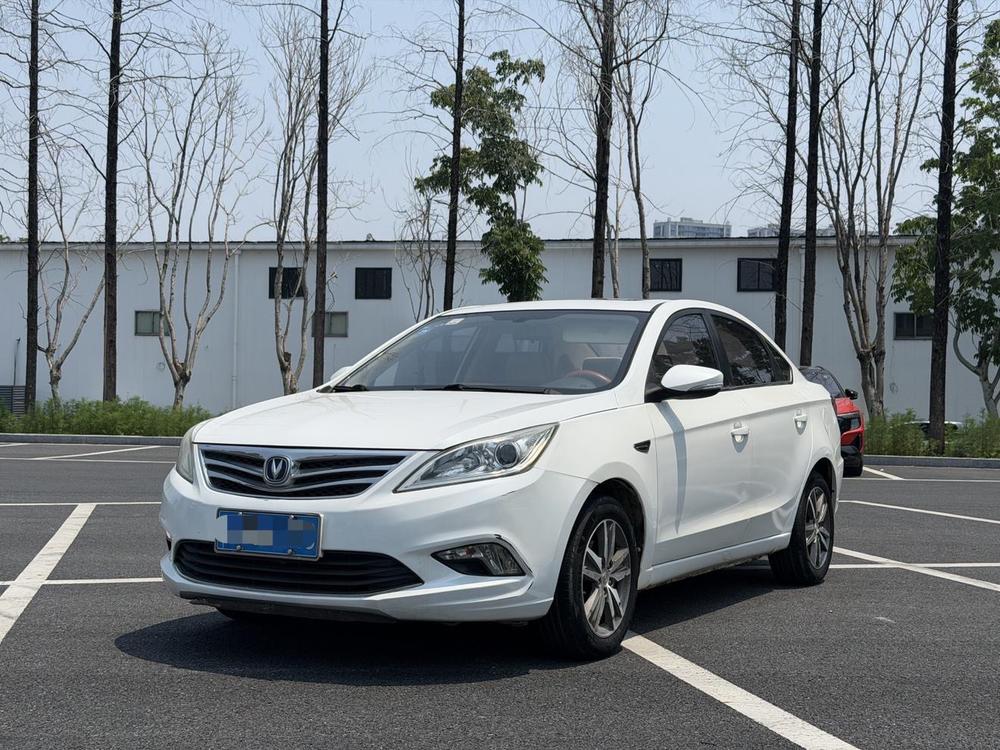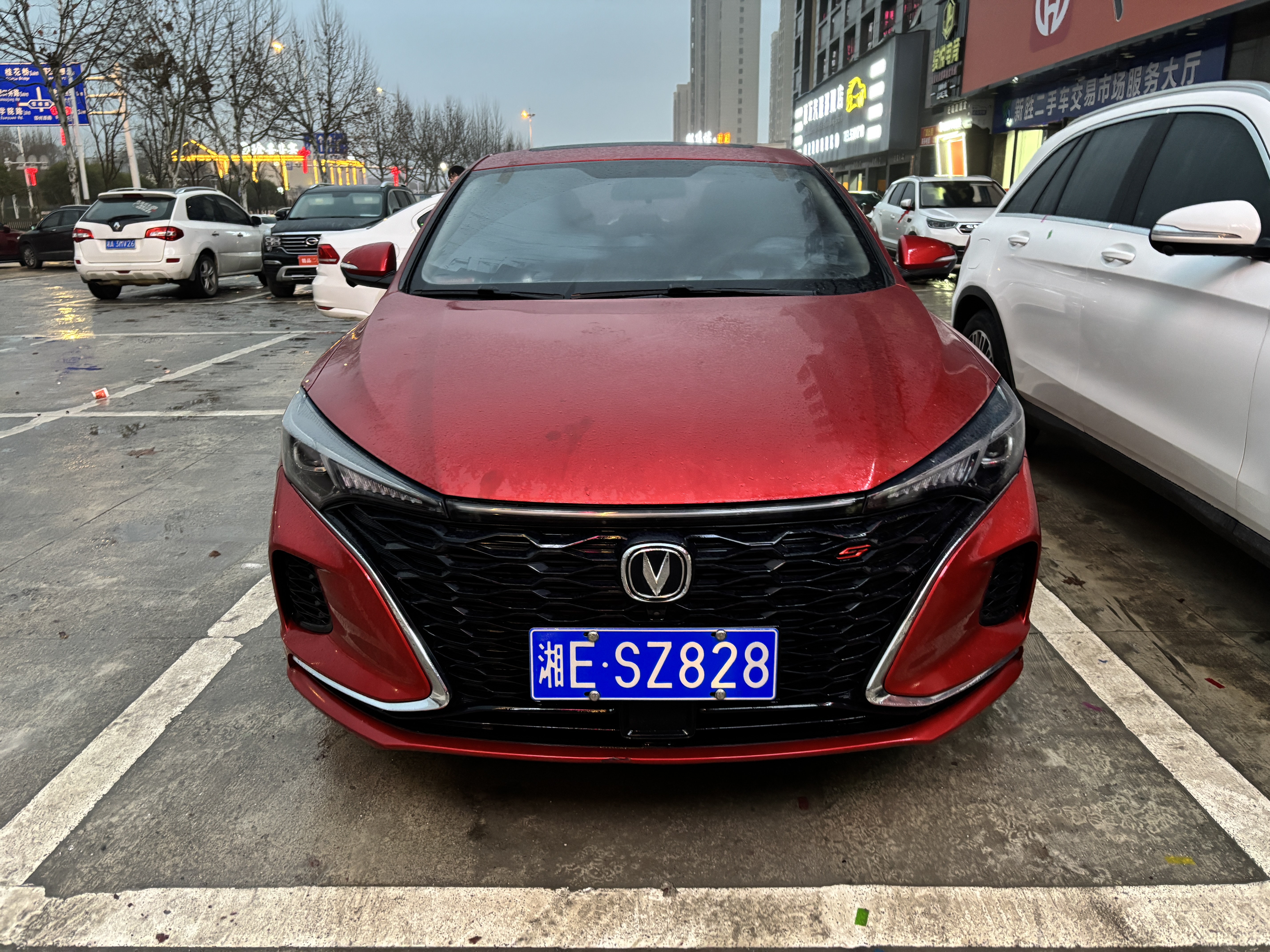
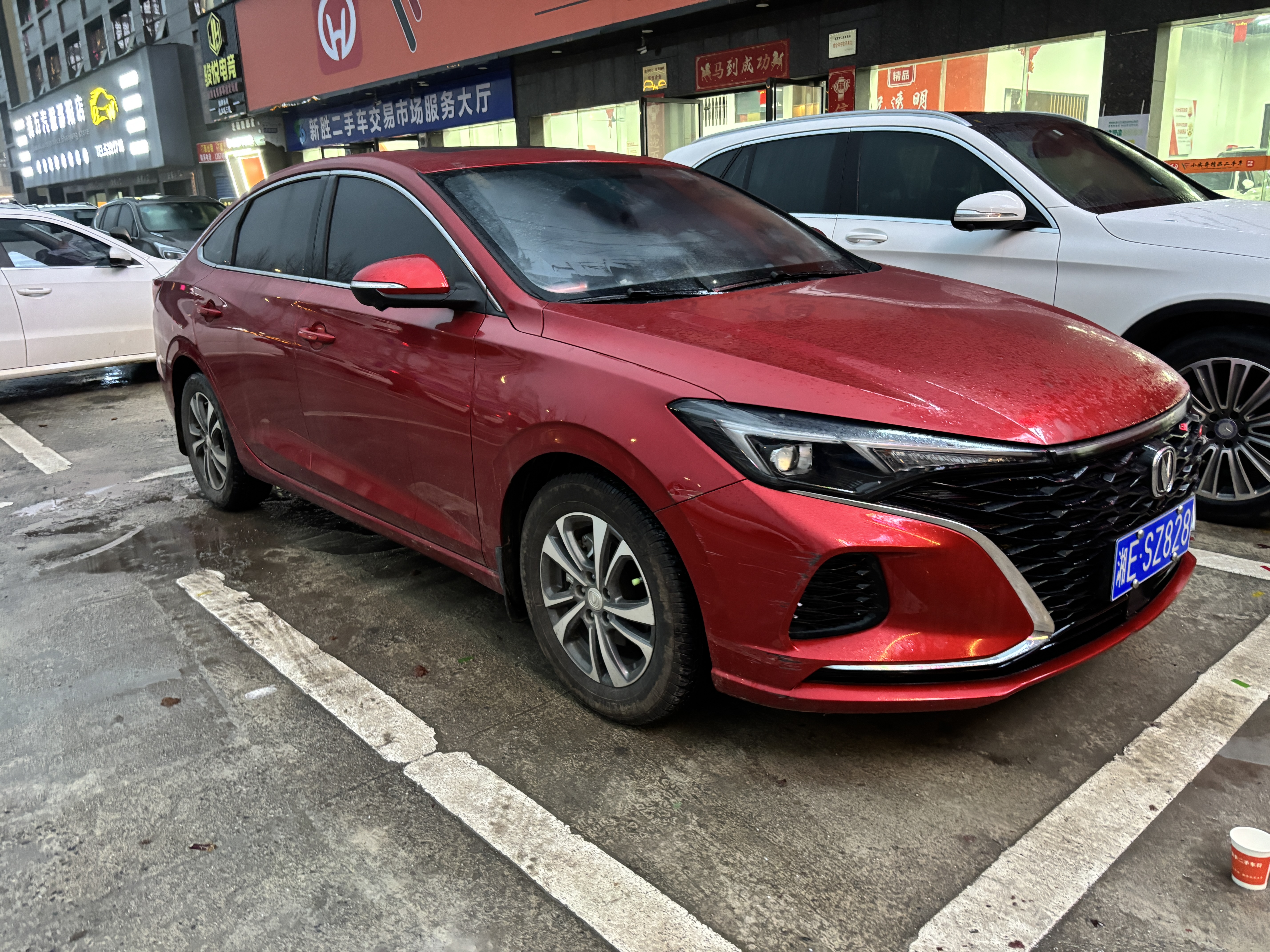
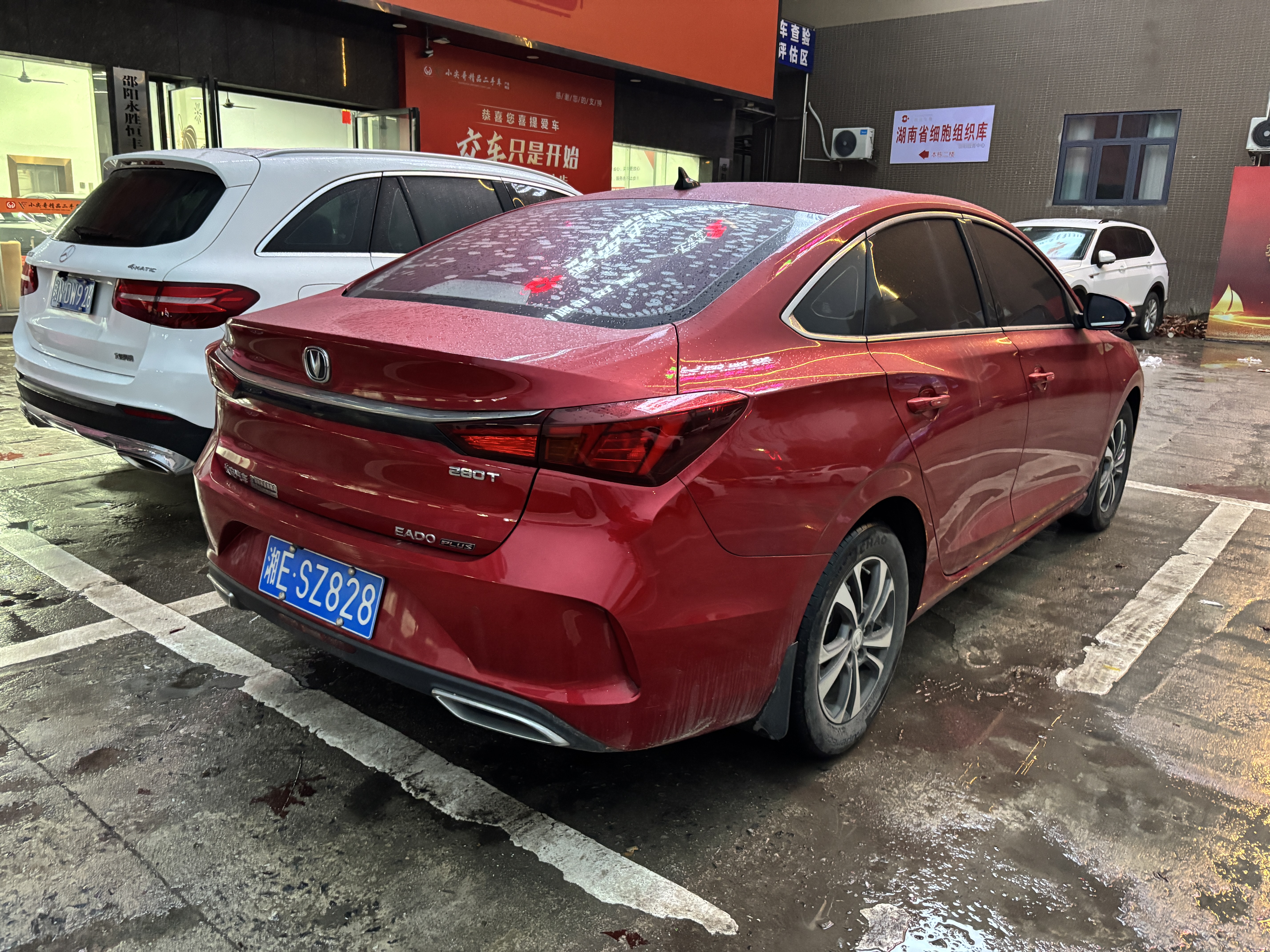
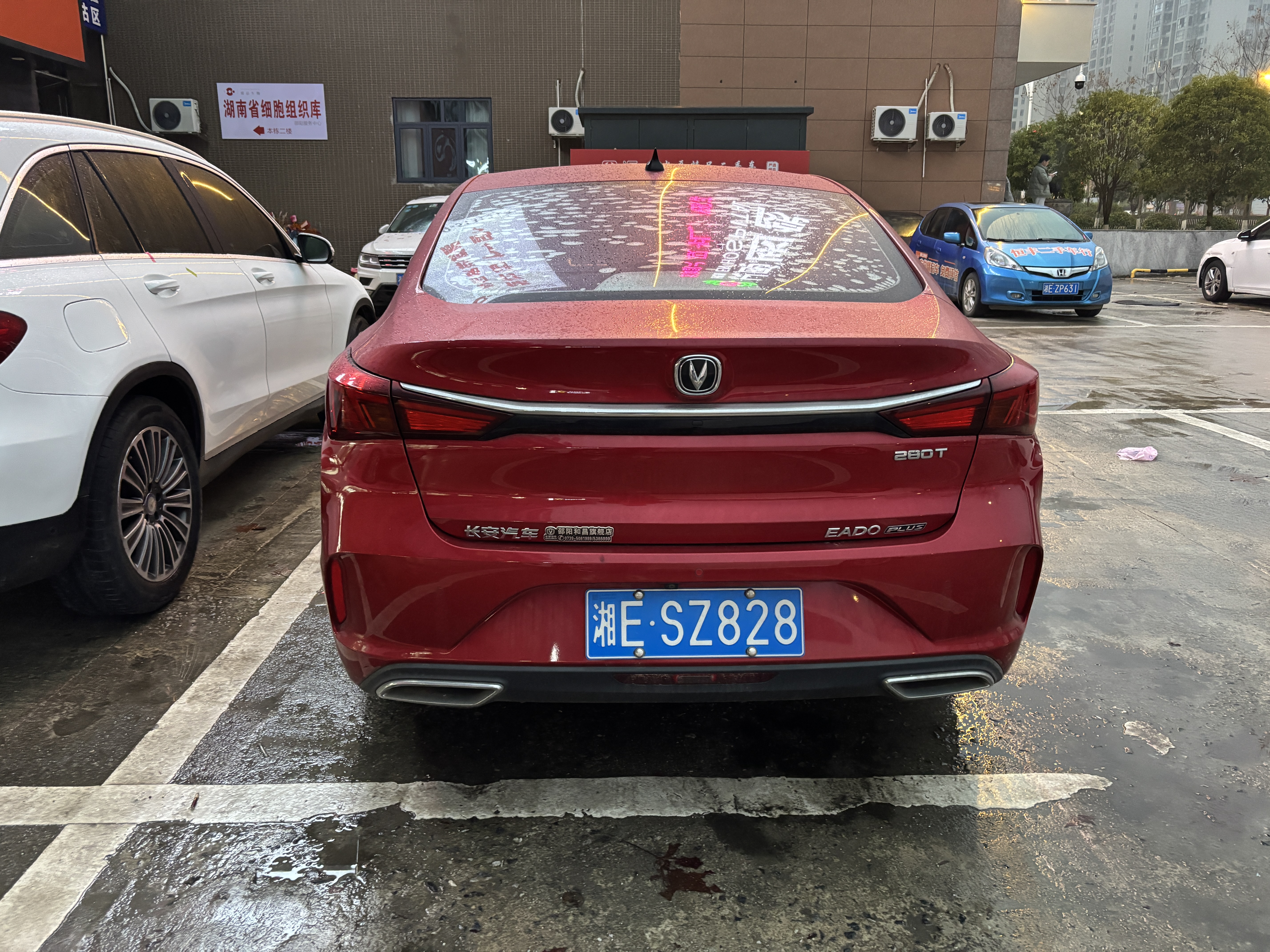
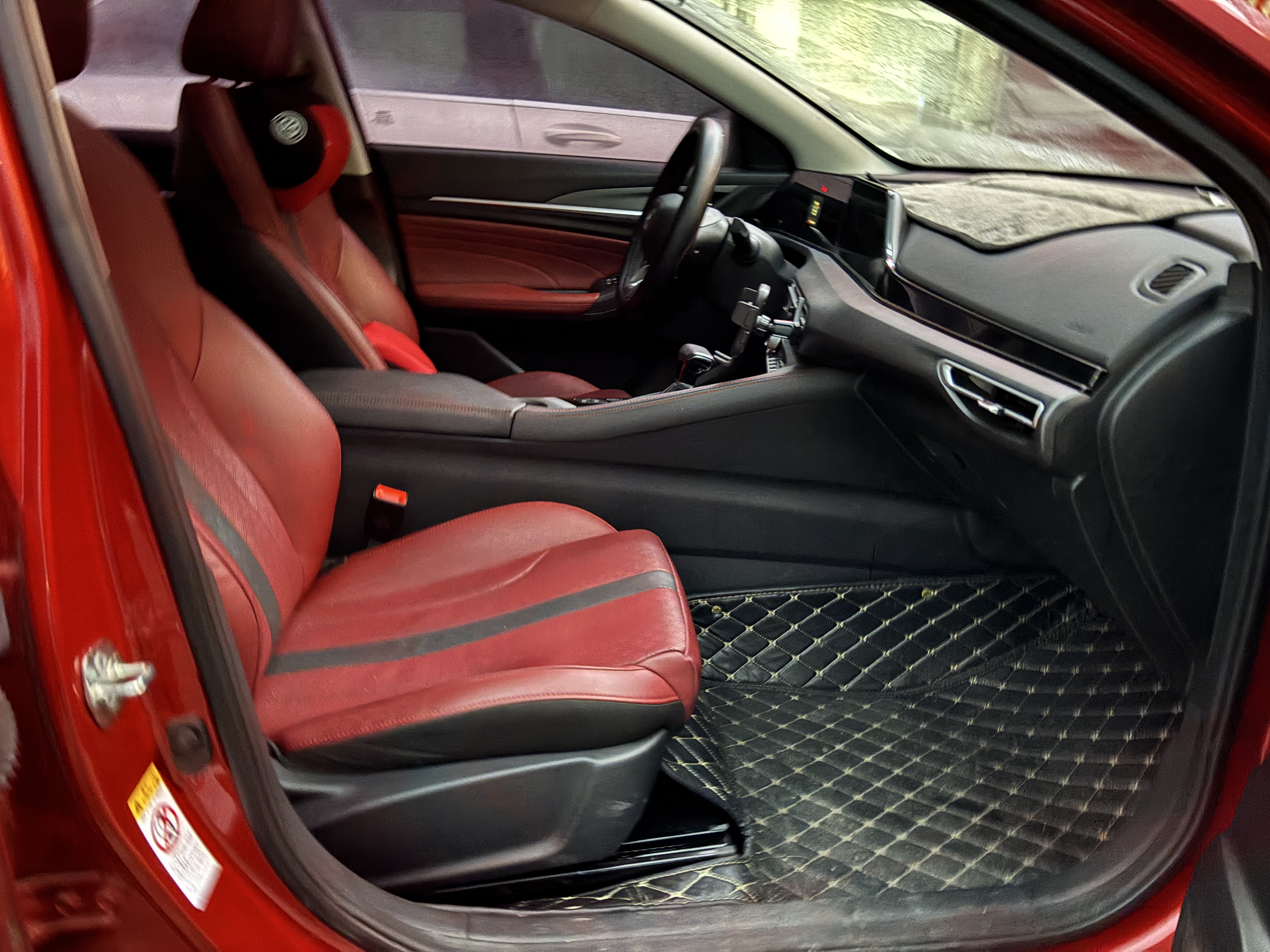



Basic Information

BrandChangan
SeriesEado
Year2021
First Registration2021/09
Mileage0.6km
Transfer Count1times
FuelGasoline
TransmissionDCT
Engine1.4T 160 L4
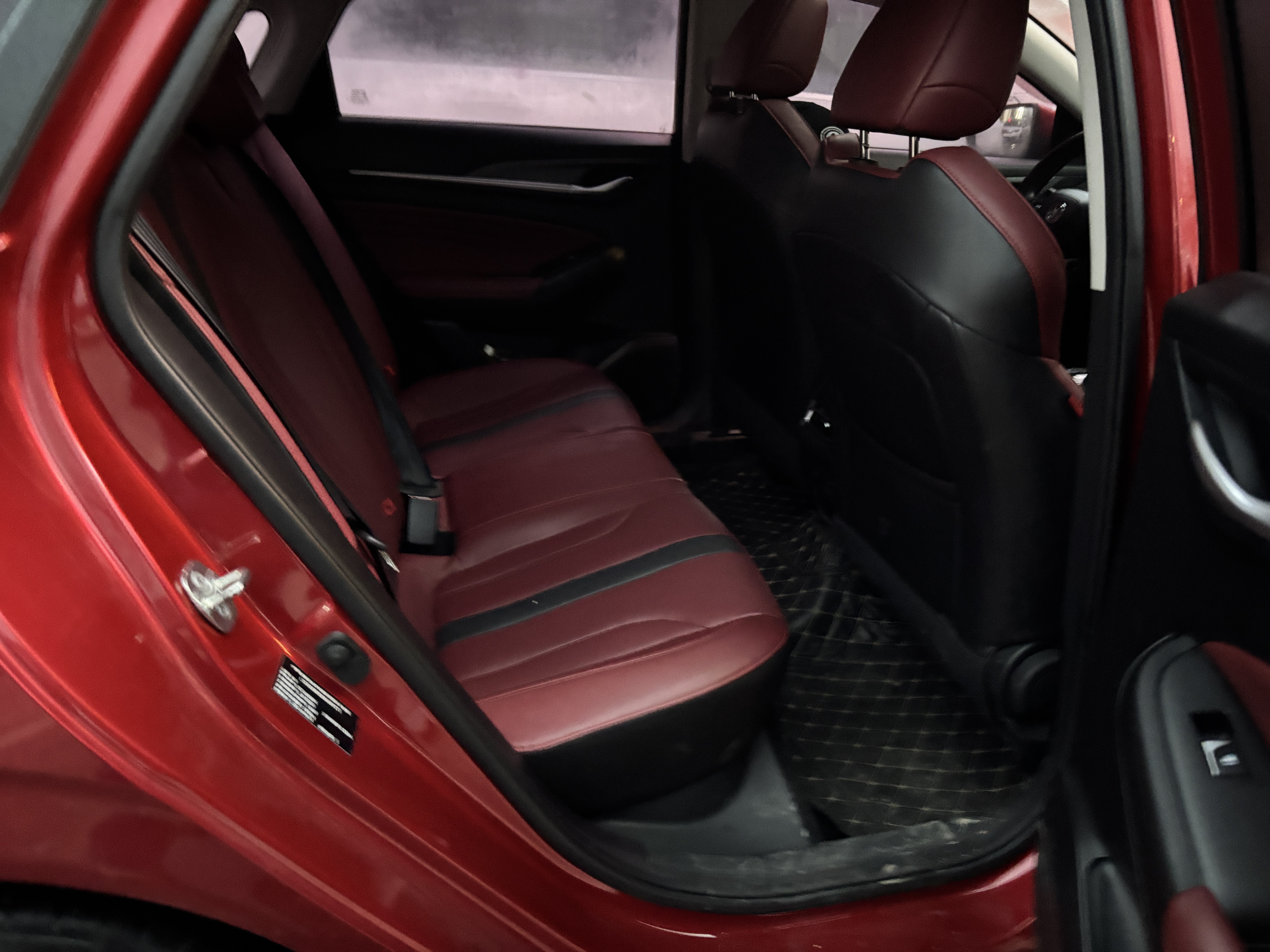
ColorRed
Seats-

Condition Description

Original paint, investment in the right front fender, front bumper, and sunroof frame. Insurance expires on September 6, 2026; annual inspection expires on September 30, 2027; insurance to be renewed at 2000 kilometers.

Configuration Highlights

Driver/Passenger Airbags
Front/Rear Side Airbags
Tire Pressure Monitoring
ISOFIX Child Seat Anchors
Keyless Start System
Keyless Entry System
ABS Anti-lock Braking
Electronic Brake Distribution
Electronic Stability Control
Hill Start Assist
Kick-sensor Trunk
Multifunction Steering Wheel
Seat Material
GPS Navigation
Low Beam Headlights
Daytime Running Lights
Auto Headlights
Adjustable Headlight Height
Power Windows
Anti-pinch Windows
Climate Control Type
Rear Air Vents
Start-Stop System

Q&A

More

If a car frequently transfers between extremely cold areas (like Northeast China) and extremely hot areas (like Hainan), would you provide special risk warnings?

Absolutely. The extreme temperature fluctuations will significantly accelerate the aging of chassis rubber parts, oil seals, and interior plastics. For vehicles frequently dispatched across such latitudes, we will conduct fatigue resistance checks on chassis rubber parts that are twice as stringent as those for vehicles in temperate regions.

How to prove that the vehicle's battery has not suffered physical damage from deep water immersion or chassis bottoming out?

We will remove the chassis guard to physically inspect the battery pack's lower shell for serious dents or scratches, and check for signs of mud or sand intrusion in the waterproof vent at the edge of the battery pack.

If the record of a vehicle's first maintenance is missing from the system, how do you determine its early wear condition?

Many car owners do not have their first maintenance done at authorized dealerships, leading to gaps in early data. In such cases, we do not blindly trust the odometer; instead, we analyze the tire production dates and wear levels, as well as the depth of grooves on the brake disc edges, using the "gold standard" of physical wear to infer the intensity of early use.