Basic Information

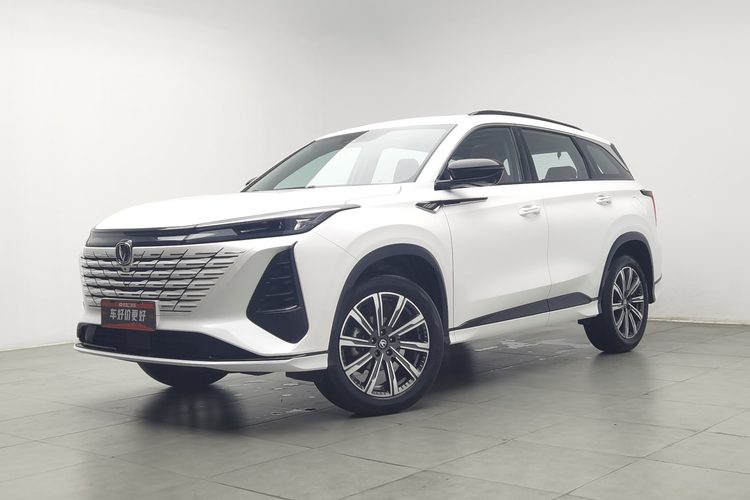
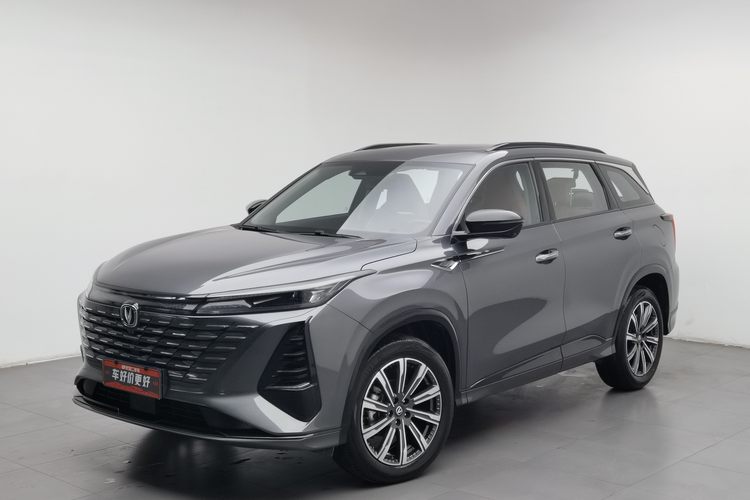
BrandChangan
SeriesCS75 Plus
Year2021
First Registration2021/12
Mileage5.5km
Transfer Count-
FuelGasoline
TransmissionManumatic
Engine1.5T 178 L4
ColorWhite
Seats-

Condition Description

The left front headlight and left front fender have been replaced, and the front and rear bumpers have been repainted. The inner lining of the left front fender is slightly deformed and will not pass the third-party liability insurance check.

Configuration Highlights

✓Driver/Passenger Airbags
✓Front/Rear Side Airbags
✓Front/Rear Curtain Airbags
✓Tire Pressure Monitoring
✓ISOFIX Child Seat Anchors
✓Keyless Start System
✓Keyless Entry System
✓ABS Anti-lock Braking
✓Electronic Brake Distribution
✓Electronic Stability Control
✓Hill Start Assist
✓Auto Hold
✓Hill Descent Control
✓Panoramic Sunroof
✓Roof Rack
✓Multifunction Steering Wheel
✓Seat Material
✓Driver/Passenger Power Seats
✓GPS Navigation
✓Low Beam Headlights
✓Daytime Running Lights
✓Auto Headlights
✓Adjustable Headlight Height
✓Power Windows
✓Anti-pinch Windows
✓Climate Control Type
✓Rear Air Vents

Q&A

More

How long can you hold this car for me after the deposit is paid?

Our standard holding period is 3 business days after the deposit is paid (based on the timestamp of the payment slip). The domestic used car market in China moves very quickly, and if we do not receive the bank message confirming the deposit within the specified time, the system will automatically release the hold, and the vehicle will be re-listed for public sale.
Do you support using cryptocurrencies like USDT for cross-border vehicle procurement settlements?

Absolutely not. Exporting used cars requires clear proof of foreign currency receipts in USD/EUR (water bill) to be provided to the Chinese foreign exchange administration, customs, and tax authorities for document verification. Cryptocurrencies are considered illegal settlement channels.

When calculating the total cost of a used car, what percentage of the car price do you recommend setting aside for "unforeseen local preparation costs"?

Based on practical risk assessment, we strongly recommend setting aside 3% to 5% of the car price as a buffer fund for even the highest-rated used cars, to cover oil changes, new tires, minor shipping scratches, and local inspection labor costs.