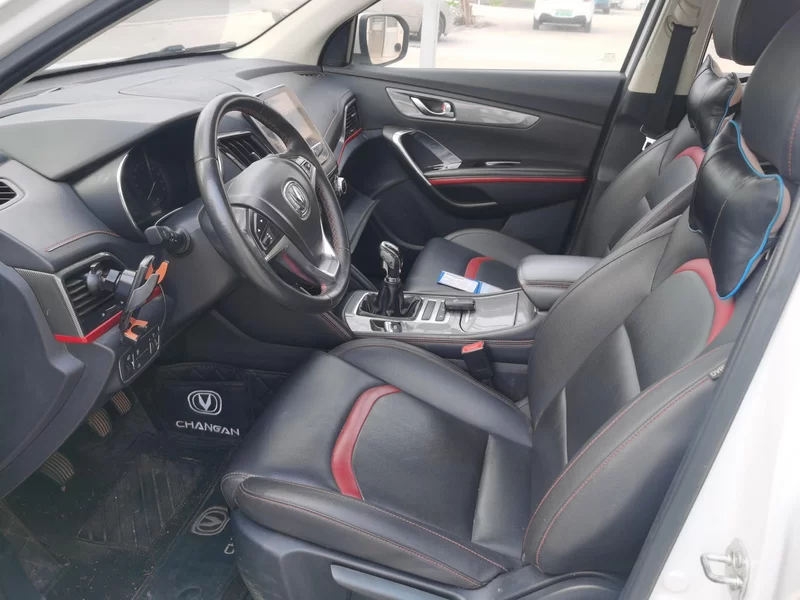
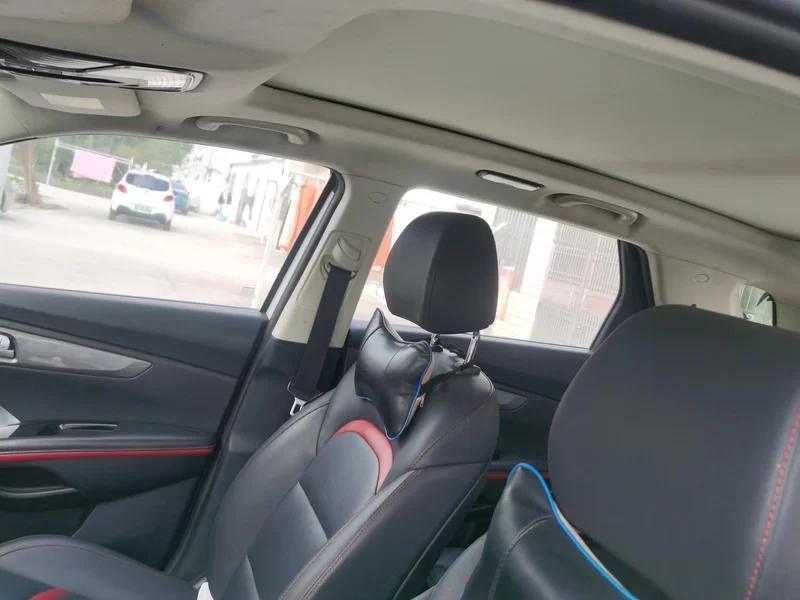
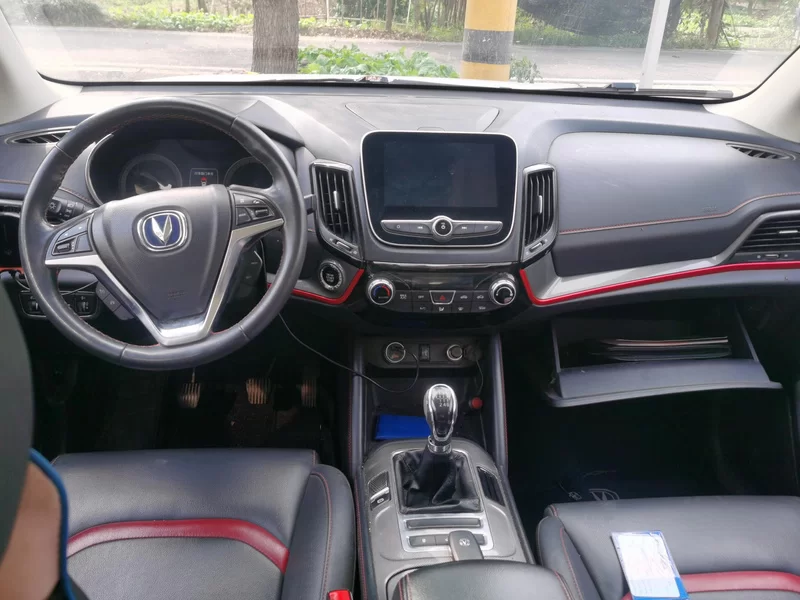
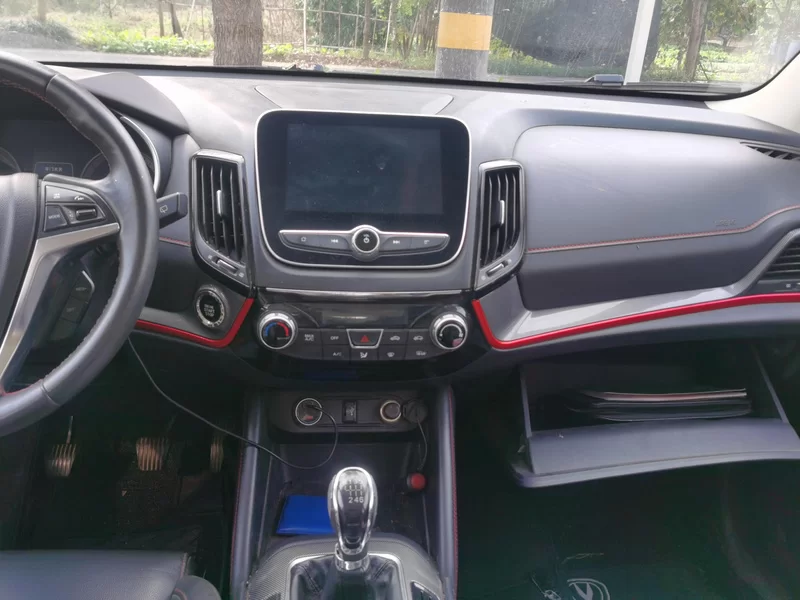
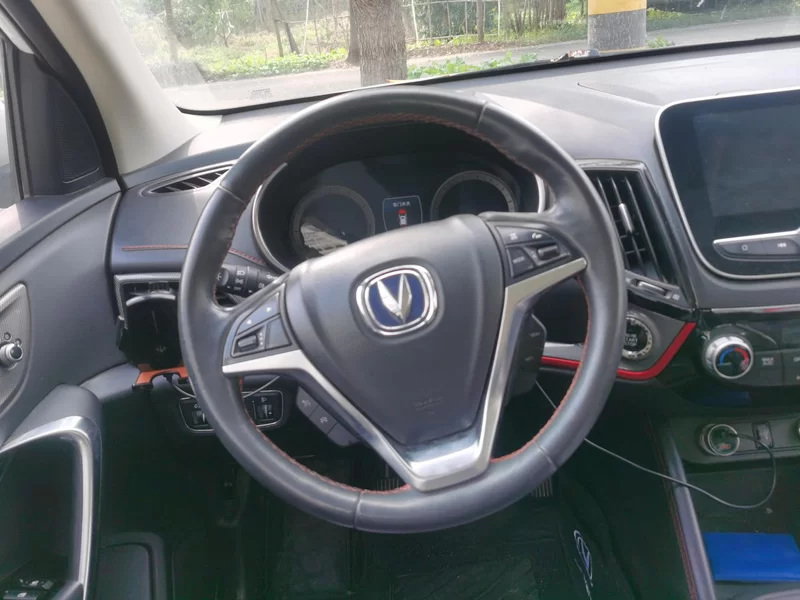
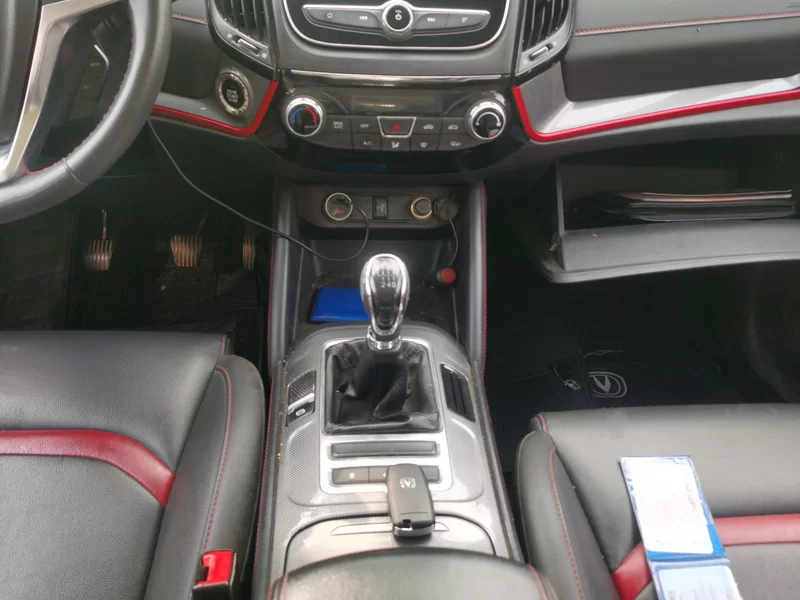
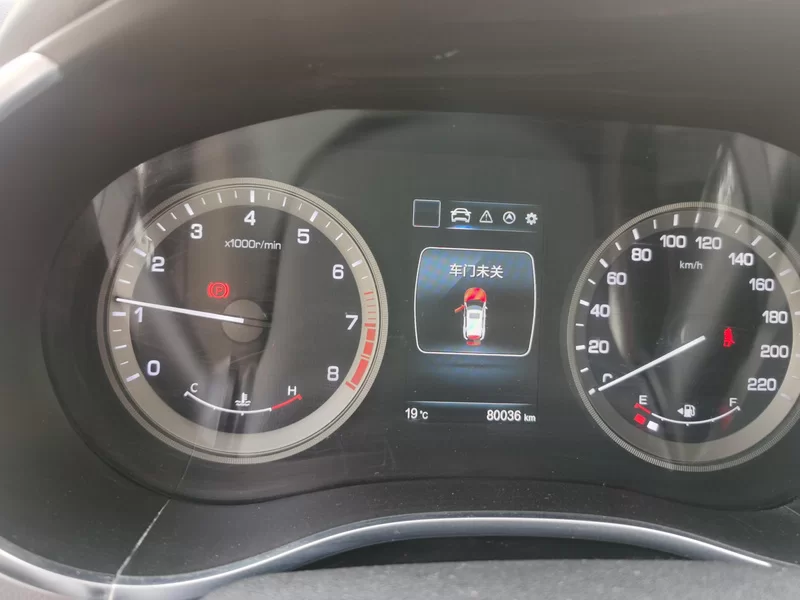
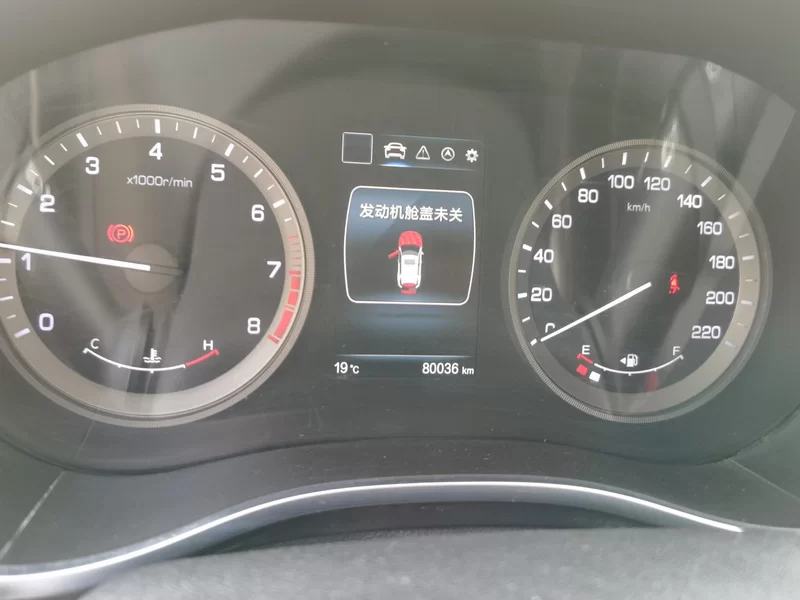
Basic Information

BrandChangan
SeriesCS55
Year2018
First Registration2018/11
Mileage80,000km
Transfer Count0times
FuelGasoline
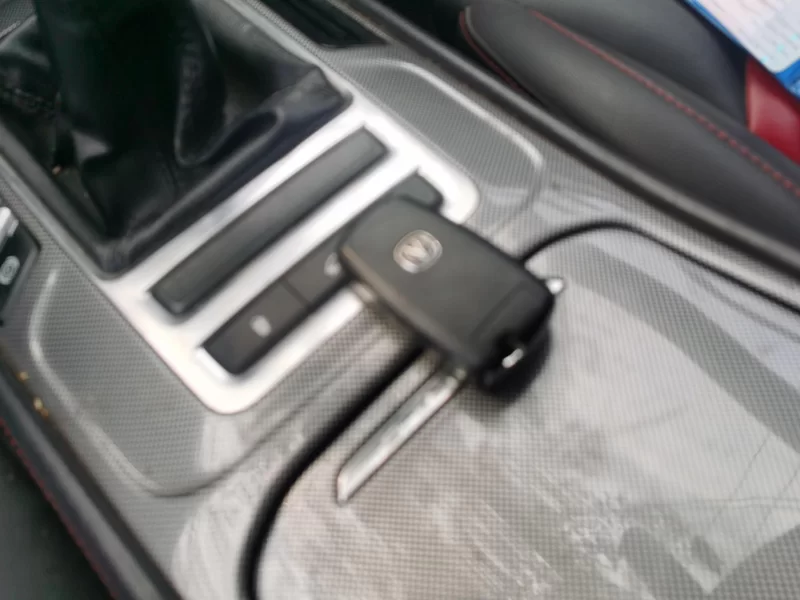
TransmissionManual
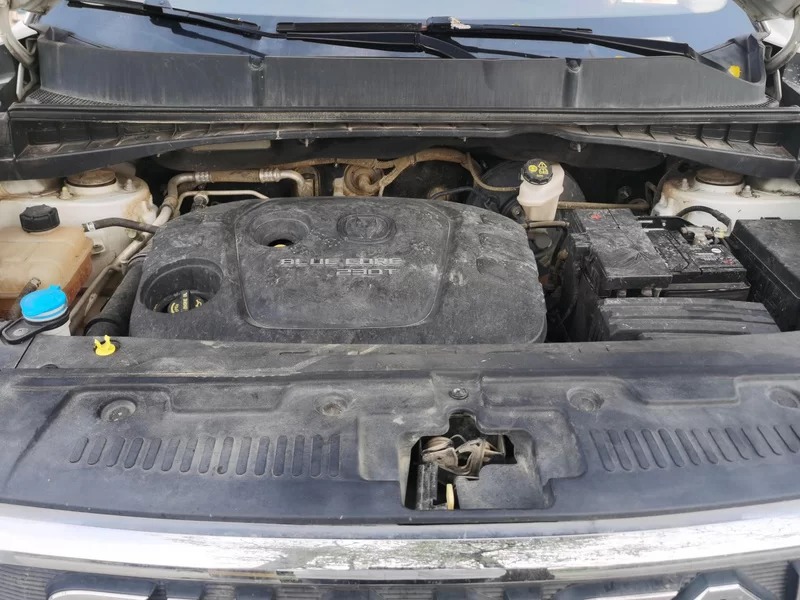
Engine1.5T 156 L4
Color
Seats5seats

Condition Description

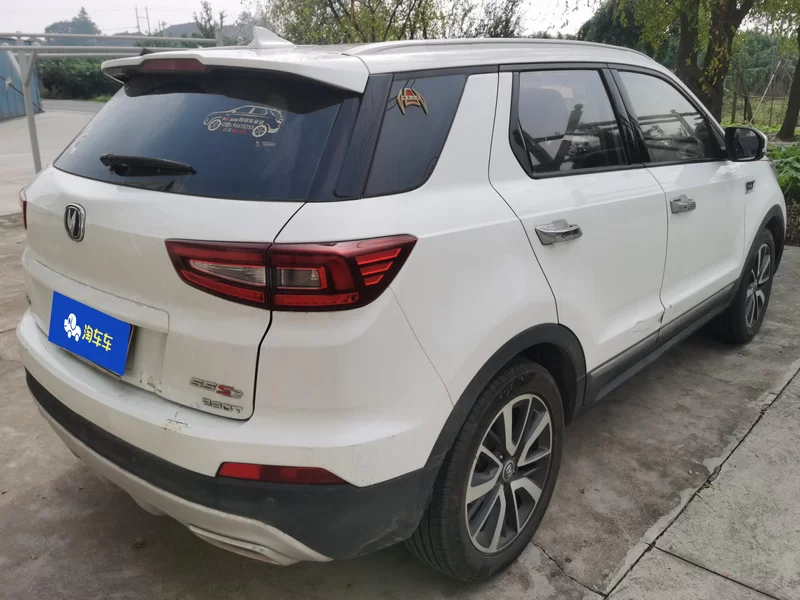
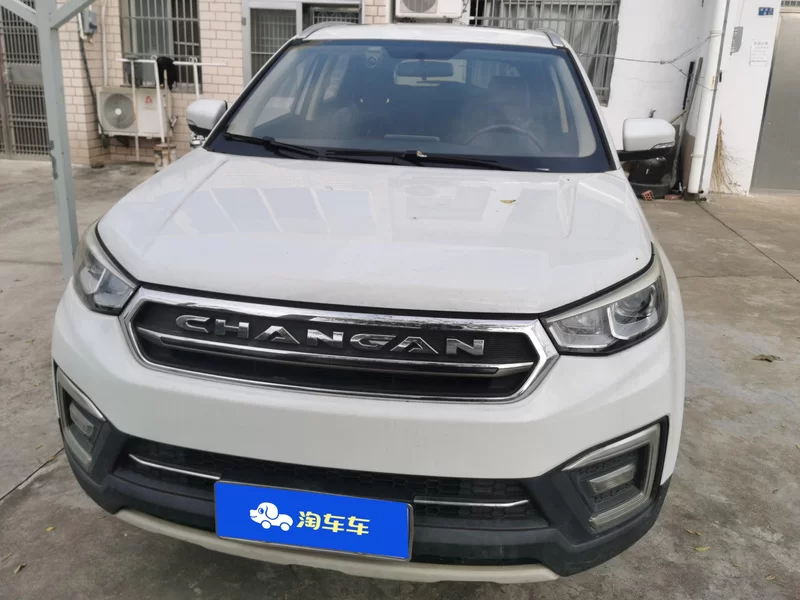
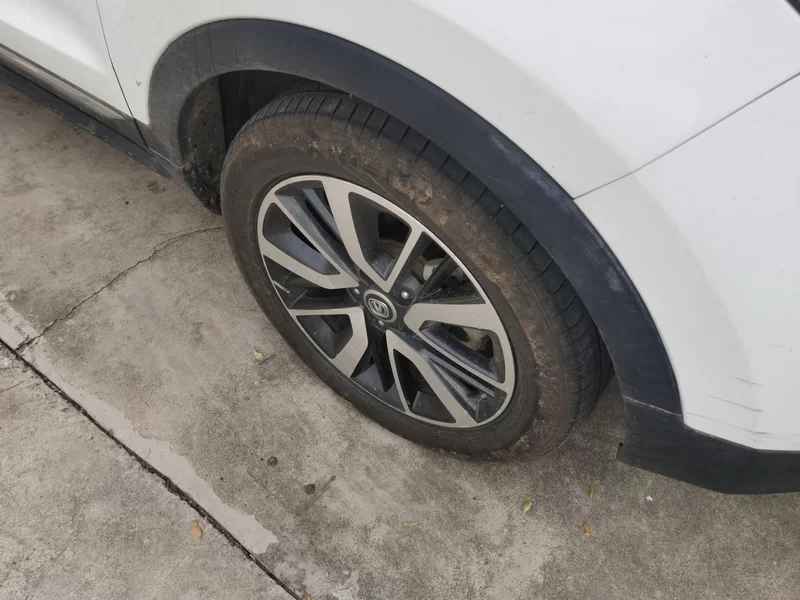
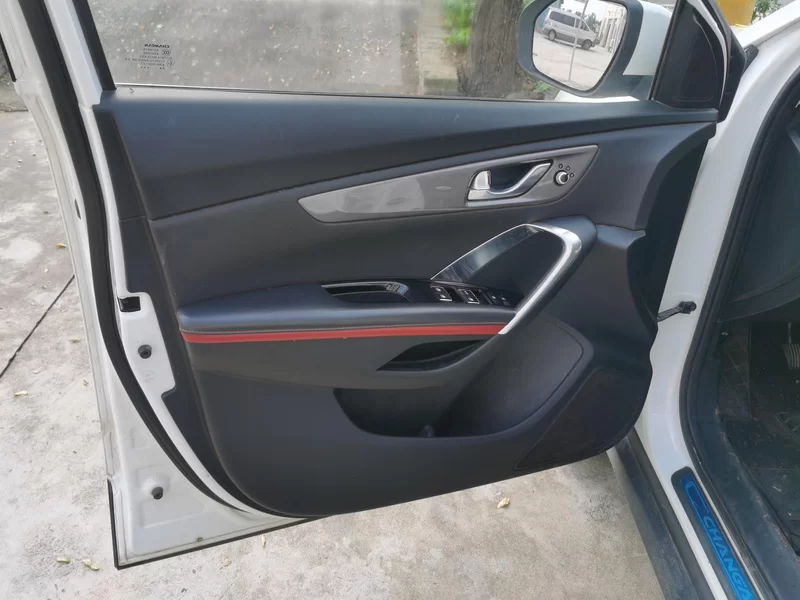
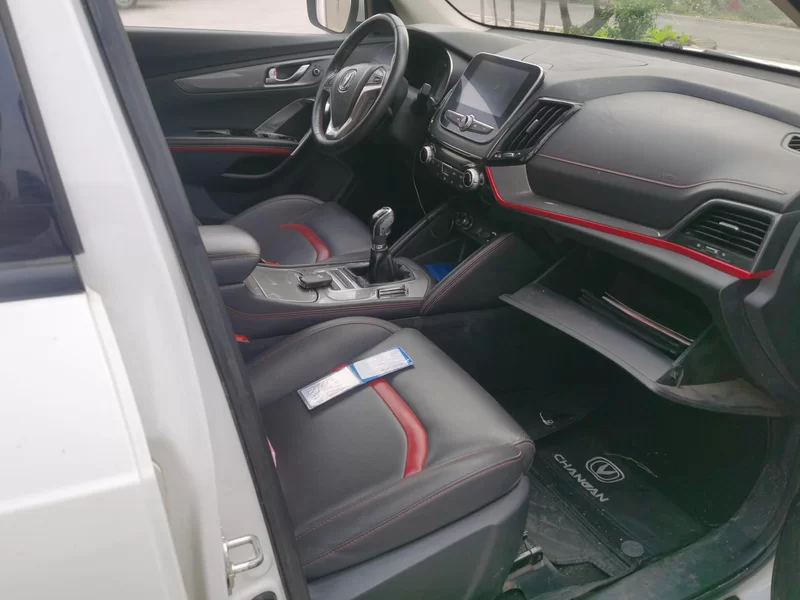
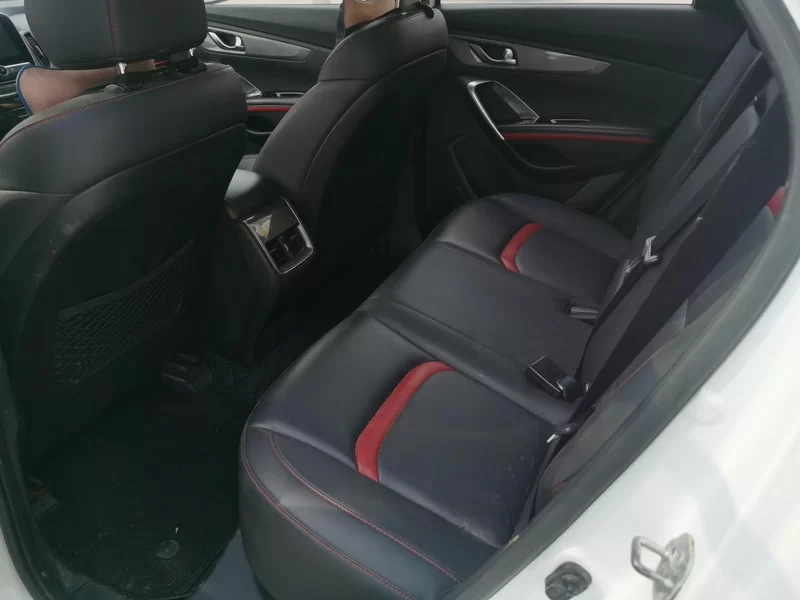
7/10 new

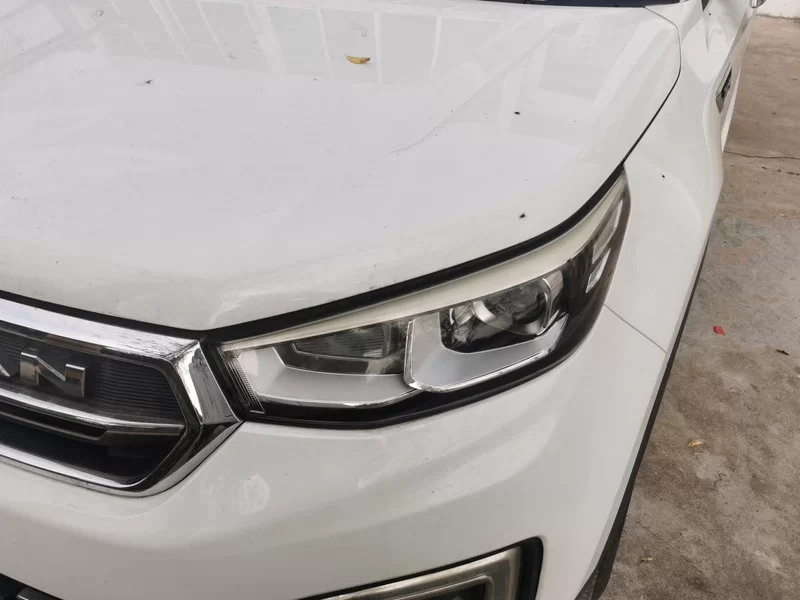
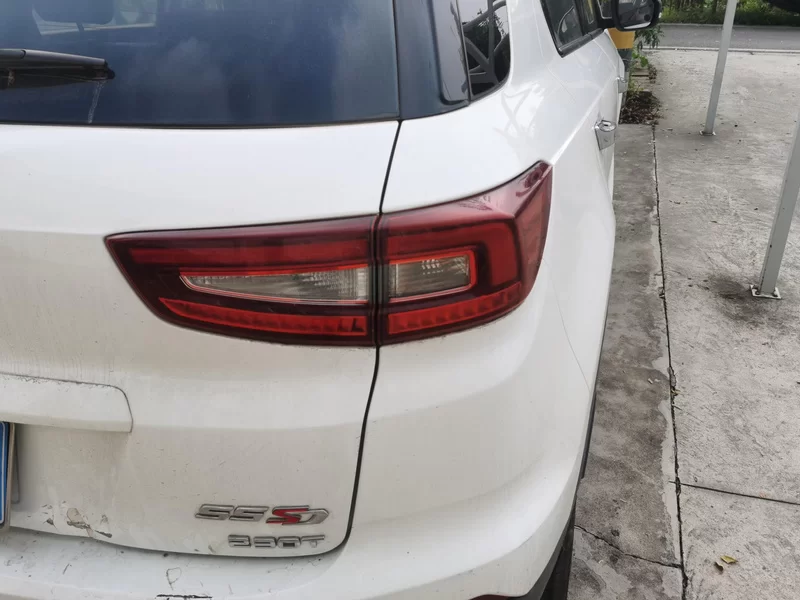
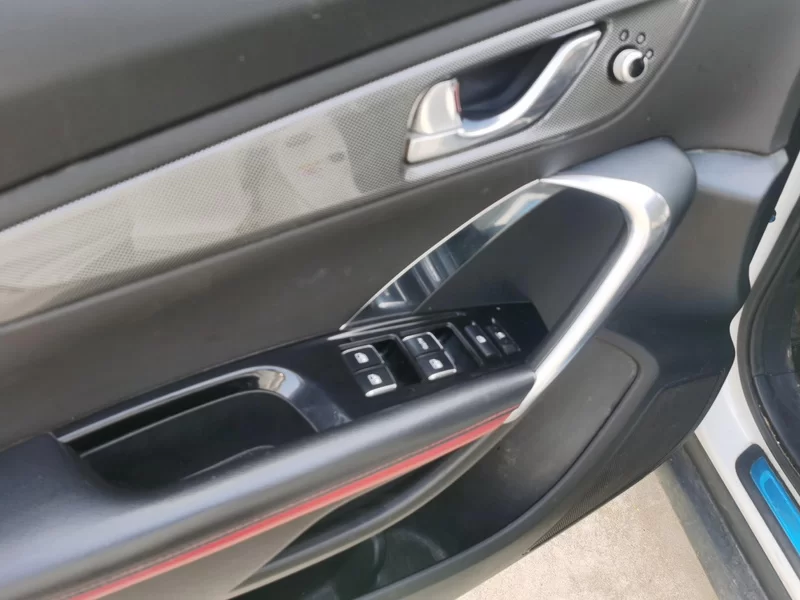
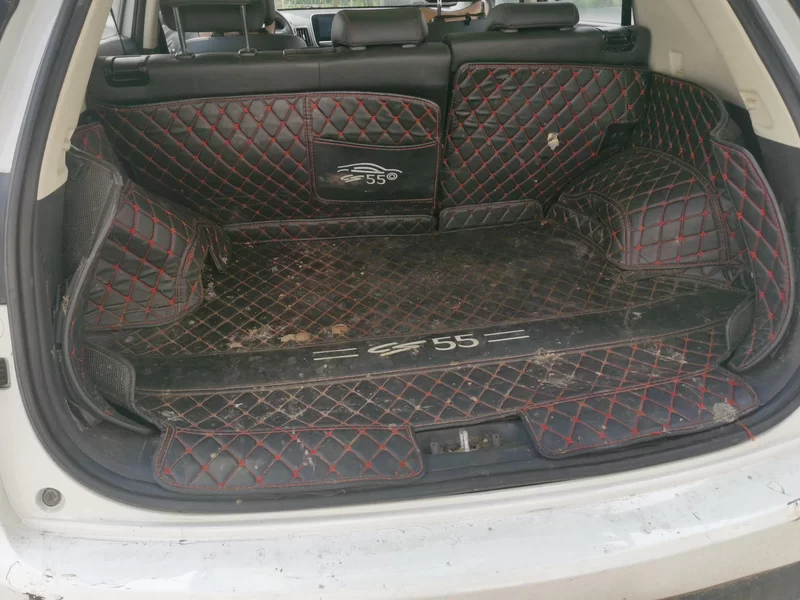
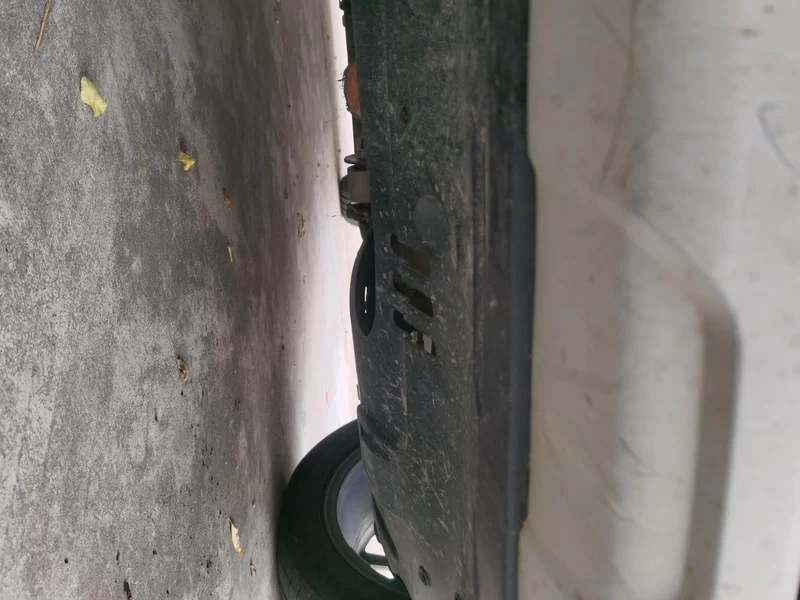
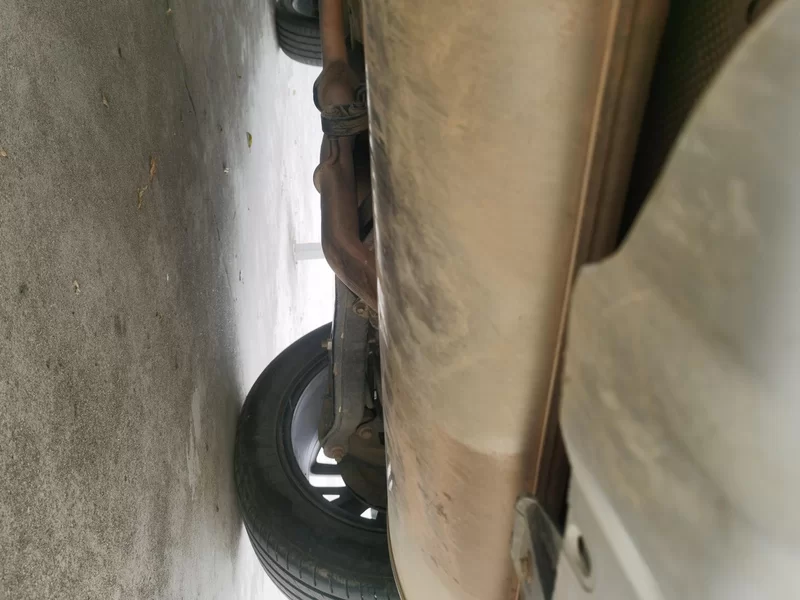
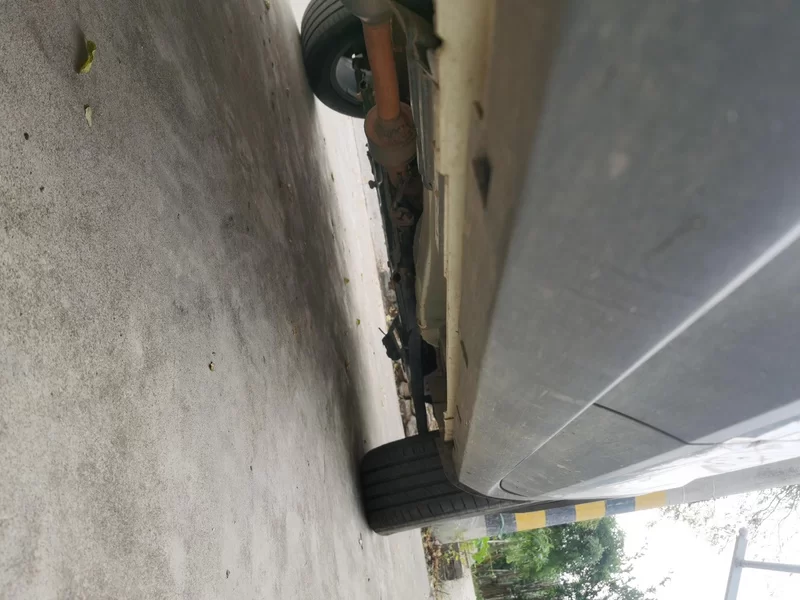
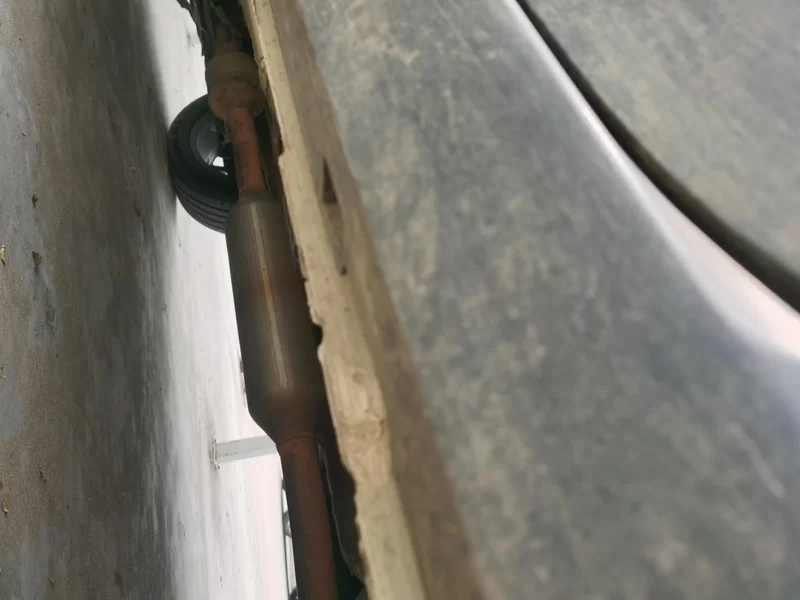
This vehicle has been inspected and confirmed to be free of major accident damage, water damage, and fire damage. Minor scratches on the exterior, clean interior with normal wear, no damage to the frame, normal engine wear, smooth gear shifting, and all electrical fluids are in good condition.

Taoche Direct Sales

Configuration Highlights

✓Panoramic Sunroof
✓Keyless Start
✓Engine Start-Stop
✓Cruise Control
✓Backup Camera
✓Rear Parking Sensors
✓Heated Mirrors
✓Rear Air Conditioning

Q&A

More

What are the core advantages of buying used luxury cars (like Porsche, BBA) in China compared to purchasing them directly overseas?

China has a large number of luxury cars and a fast turnover rate. For luxury cars of the same year and mileage, the FOB offshore price in the Chinese market usually still has a 10%-15% arbitrage opportunity after deducting shipping costs, especially for models with high depreciation rates.

The target country has strict age and emission restrictions on imported used cars. Will you help me review this?

We will provide extremely accurate production year, first registration date, and Chinese emission standards (e.g., National VI). However, the final responsibility for confirming whether this data complies with the importing country's regulations lies with the buyer, and you need to submit it to the local customs for verification before placing an order.

How are import duties on used cars from China calculated, and which HS code applies?

Used cars are classified under HS heading 8703 (motor vehicles for transport of persons), with the last four digits determined by engine type and size. Gasoline cars usually fall in 8703.21–8703.80 depending on displacement; pure EVs fall under 8703.80; hybrids have their own subheadings. The duty amount depends on your country's tariff schedule: 1. Most countries charge duty on the CIF value (car price + freight + insurance), not the FOB price. 2. Many developing markets levy higher duties on used vehicles than new ones, and some add a surcharge based on age — older cars can cost significantly more to clear. 3. After duty, you typically pay VAT/GST on the CIF + duty total, plus port and customs fees. Practical tips: ask your exporter to state the exact HS code on the commercial invoice and confirm it with a local customs broker before shipping. A wrong code can trigger reclassification, penalties, or delays. Also budget for any excise tax tied to engine capacity — in several markets a 2.5L car clears far cheaper than a 3.5L one.
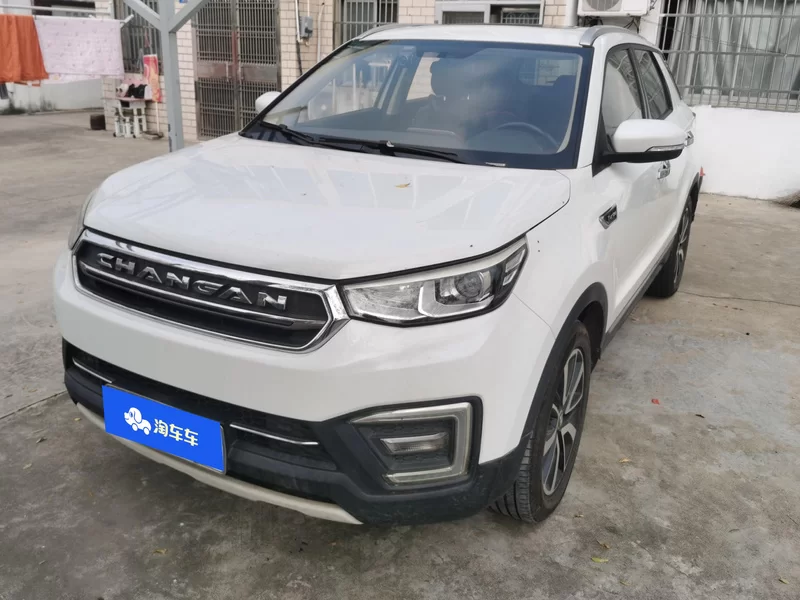
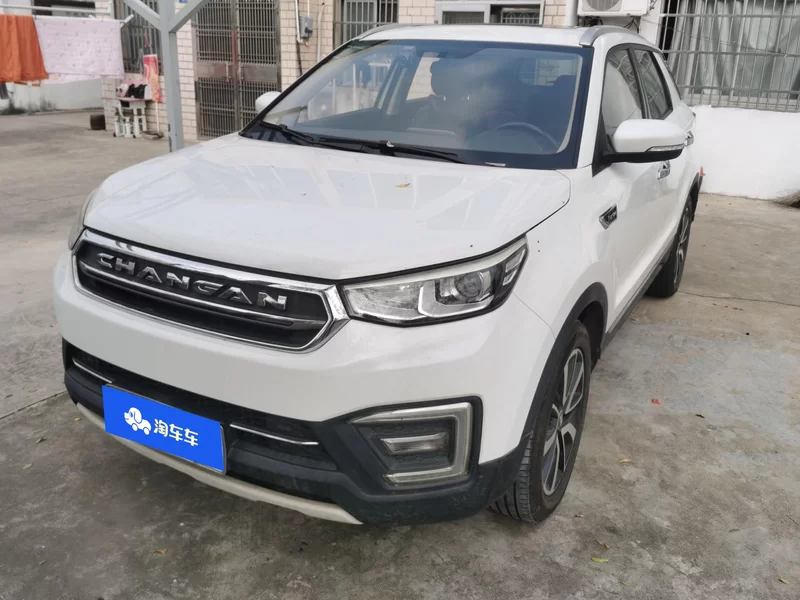
Changan CS55 1.5T 156 L4

长安CS55 2017款 1.5T 手动 炫动版

EXW: $4,545
Car CodeSWA1461829
Publish Date