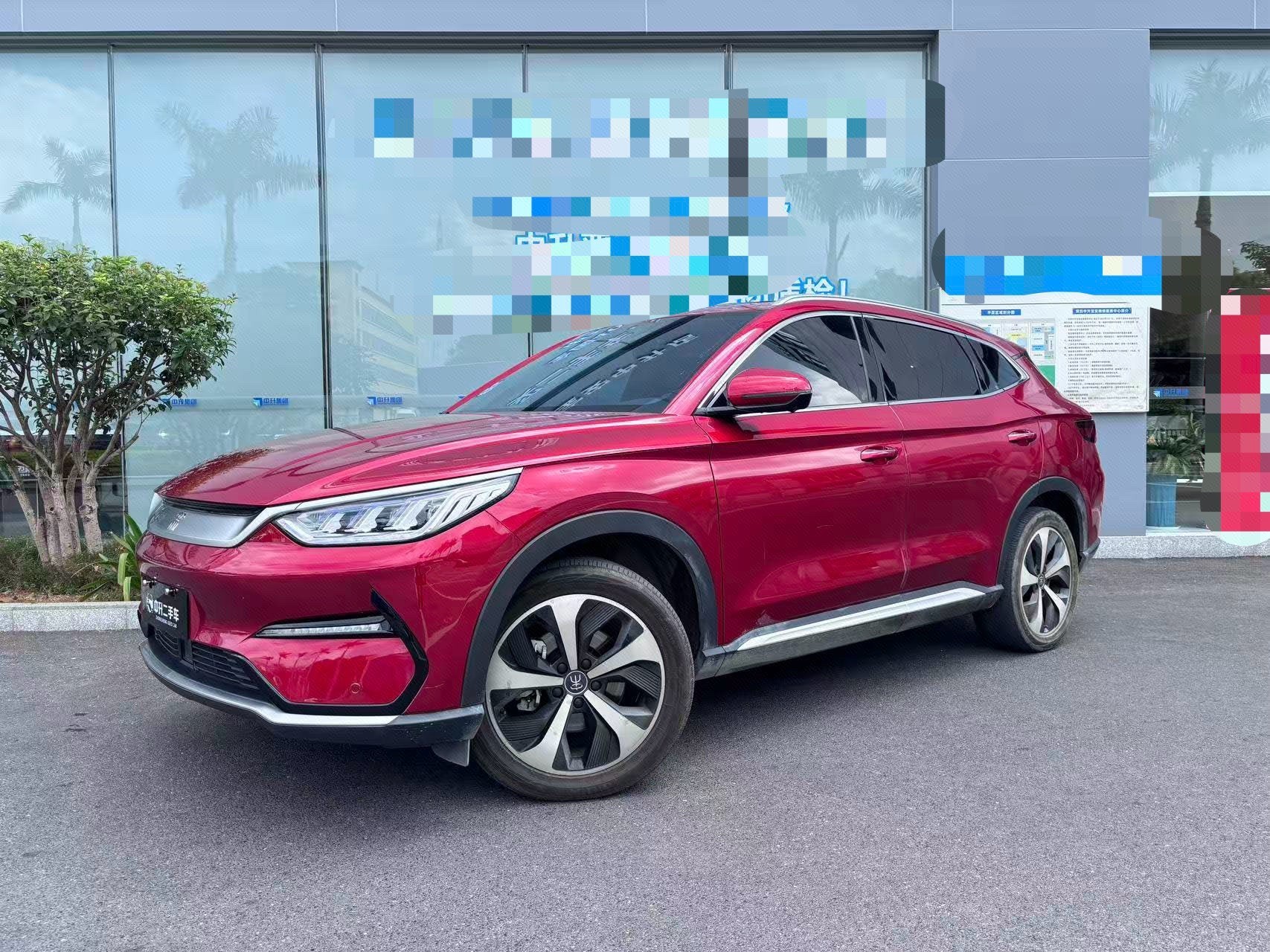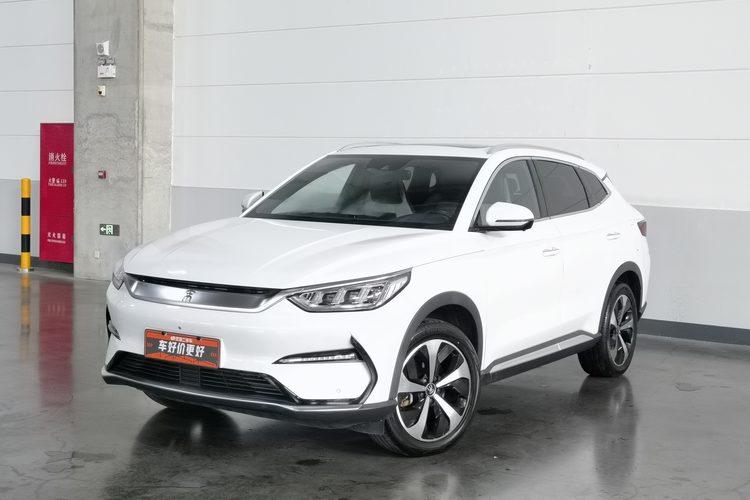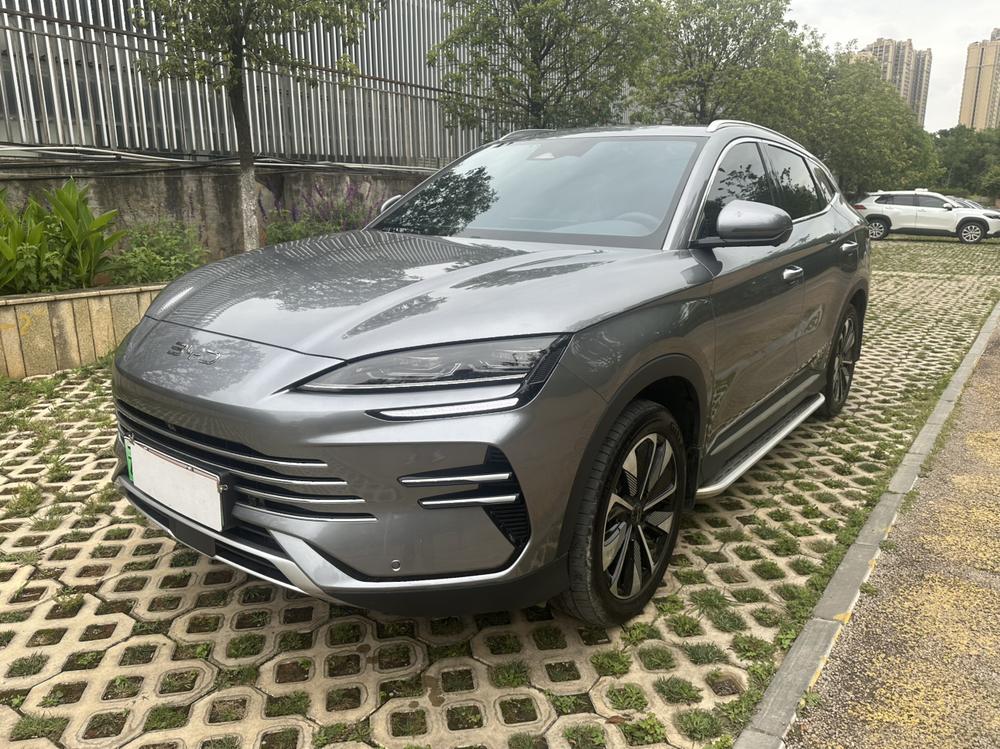



Stock

Basic Information

BrandBYD
SeriesSong Plus New Energy
Year2024
First Registration2024/12
Mileage22,000km
Transfer Count0times
FuelPHEV
TransmissionE-CVT
Engine1.5L 101 L4
ColorGrey
Seats5seats

Configuration Highlights

✓上牌时间: 2024-12
✓表显里程: 2.2万公里
✓车源地: 昆明
✓能源类型: 插电式混合动力
✓功能配置: 33项
✓安全配置: 11项
✓动力类型: 前驱
✓空间舒适性: 好

Q&A

More

How do I check whether a used car from China has a clean title — no theft, flood, fire, or major accident record?

A clean title check has three layers. First, run the VIN through maintenance records: dealers in China log service visits with mileage, and gaps or mileage rollbacks are red flags. Second, pull insurance claim history — major accidents, fire and flood damage usually leave claim records even if the car was repaired well. Third, verify registration status: confirm the car is not under finance, court seizure, or theft report. From overseas, you can engage a local inspection agency or law firm to retrieve these records and issue a written report. Cross-check the VIN and engine number on the report against the registration certificate; any mismatch means walk away.

Beyond the car price, what costs should I budget when importing a used car from China?

A realistic budget has several layers beyond the vehicle price. First, inland logistics in China: moving the car to the export port typically costs $300-$800. Second, export handling: inspection, customs declaration and paperwork usually add $500-$1,000. Third, ocean freight. A 20ft container to most destinations runs $1,200-$3,000 depending on route; RoRo shipping can be cheaper for driveable cars. Add marine insurance, usually 0.3%-0.5% of the car value. Fourth, destination charges: port handling, customs duties, VAT/GST and local registration fees. These vary widely; some countries charge duties of 20%-80% of the vehicle value plus an excise based on engine capacity. Finally, any compliance work: inspection certificates, modifications to meet local standards, or homologation. Ask your exporter for a full CIF quote and have a local customs broker confirm destination taxes before you commit.

When checking the history records, can you distinguish whether the vehicle was involved in a "single-vehicle accident (like hitting a wall)" or a "multi-vehicle rear-end collision"?

If insurance claims records are accessed, there will usually be notes like "the insured vehicle is fully responsible for hitting a fixed object" or "third-party liability insurance payment." We can roughly reconstruct the accident scene based on this and cross-verify the stress points on the vehicle's frame with paint thickness gauge data.