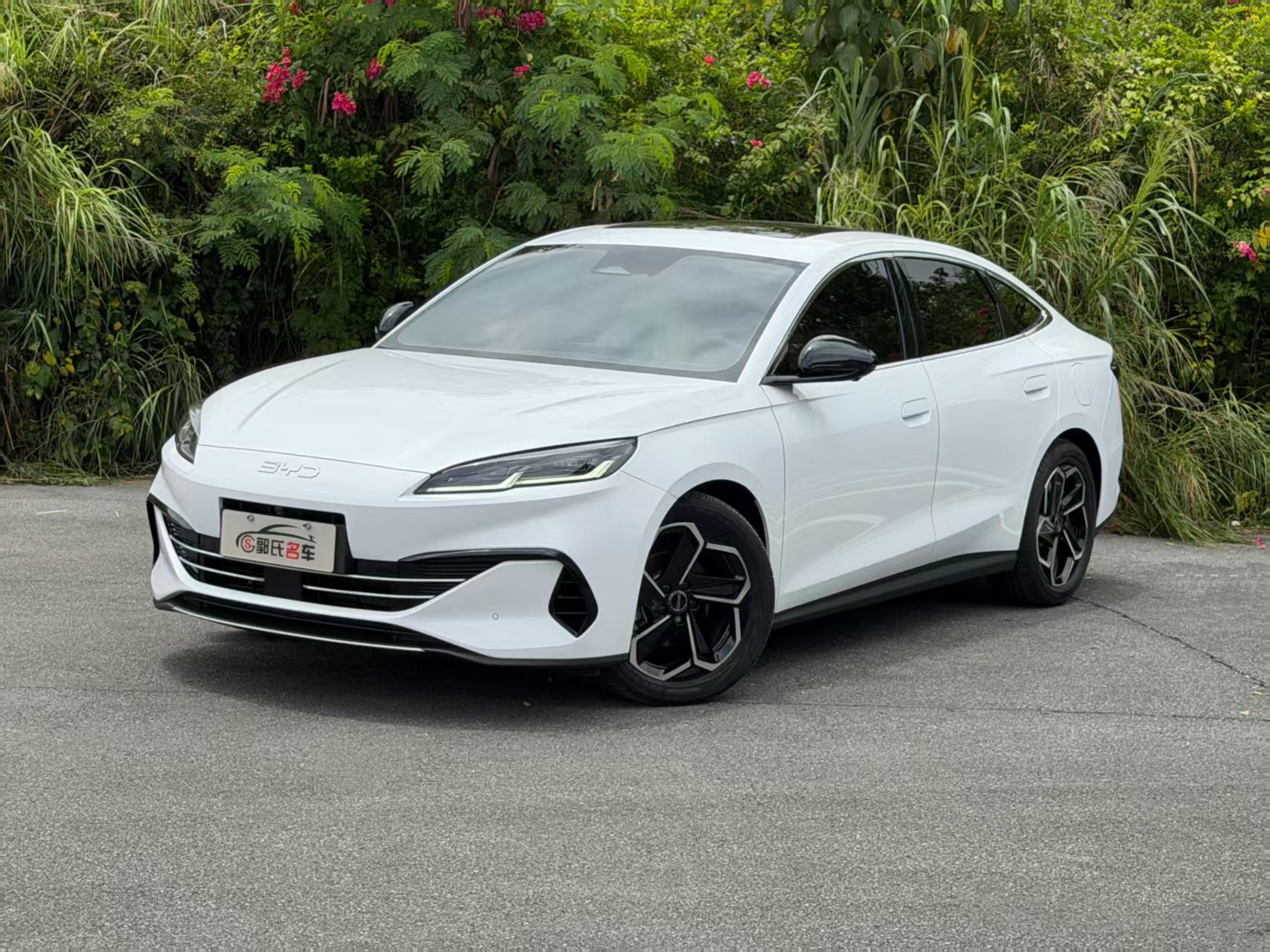
Basic Information

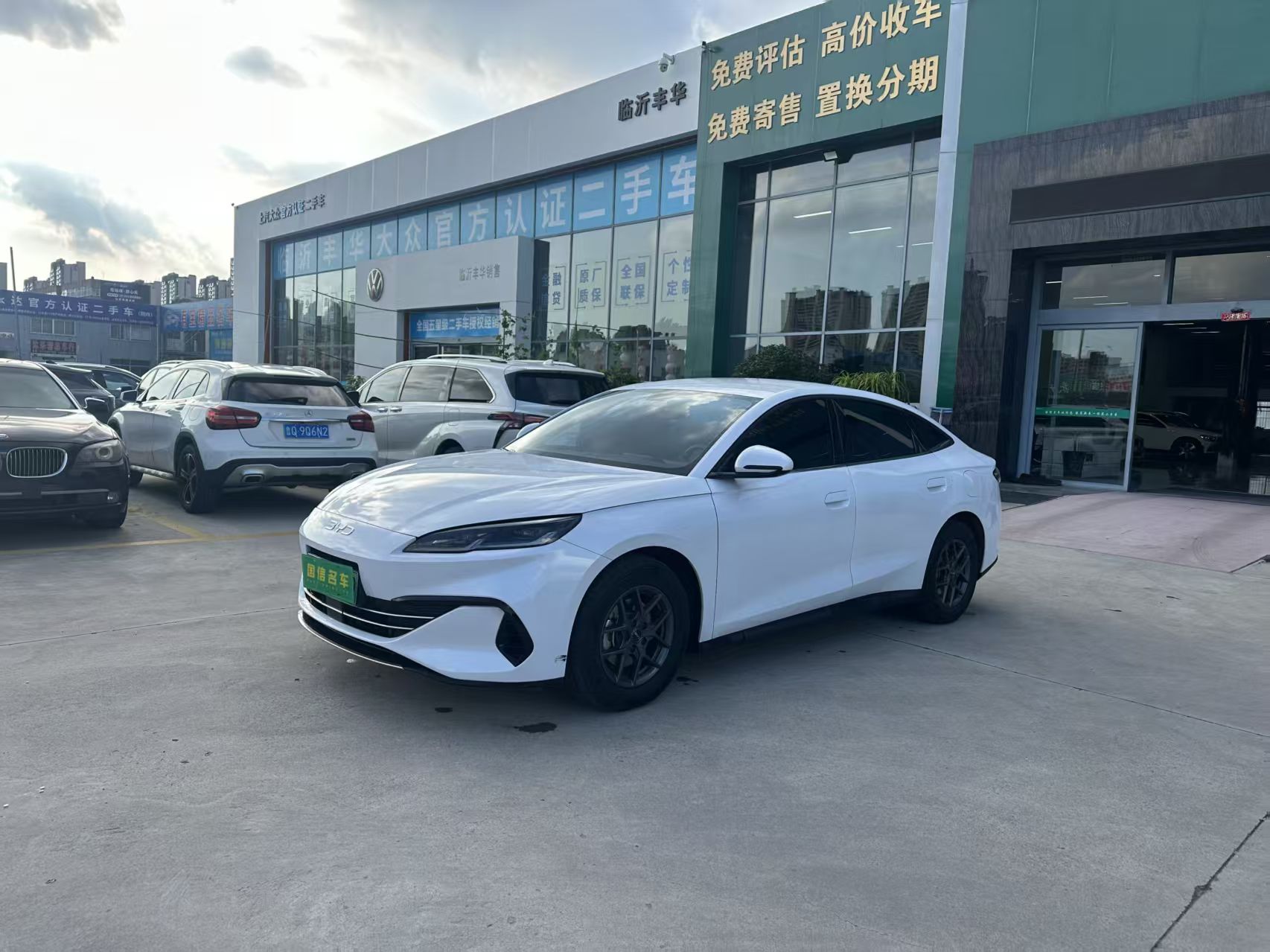
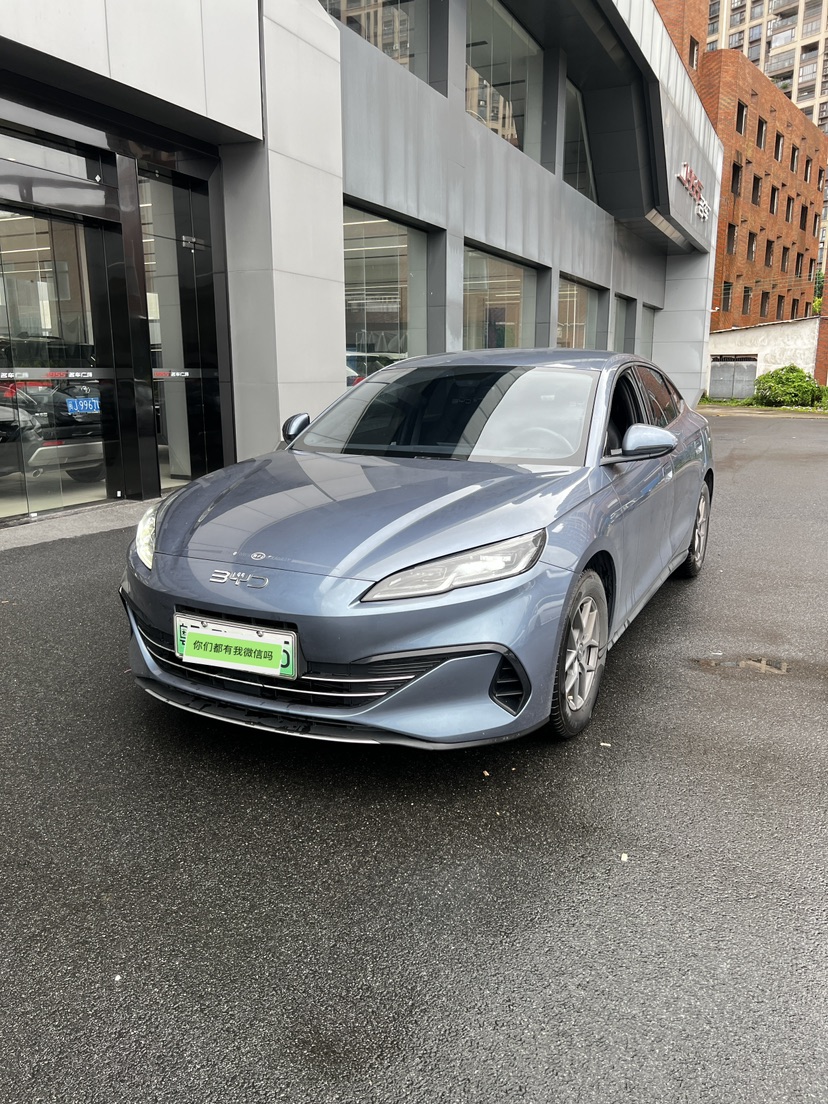
BrandBYD
SeriesSeal 06 New Energy
Year2025
First Registration2025/07
Mileage3,500km
Transfer Count-
FuelElectric
TransmissionOther
Engine-
ColorBlue
Seats5seats

Condition Description

Excellent vehicle condition, passed inspection, better than 80% of vehicles for sale, good condition, 1 claim, 0 ownership transfers.

This vehicle is 1 year old, with a short usage period, an average annual mileage of 3,500 kilometers, and extremely low daily usage frequency. It has never been transferred to any other owner and is considered a good first-hand vehicle. The exterior paint is in good condition, although there may be a few minor marks. The interior is clean and tidy, with slight signs of use. The overall body frame is intact and without any abnormalities. The fluids are normal, and the powertrain operates smoothly without any abnormalities.

Configuration Highlights

✓Adaptive Cruise Control
✓Adaptive Suspension
✓Adaptive Headlights
✓Blind Spot Assist
✓Surround View Camera
✓Lane Departure Warning
✓Digital Instrument Cluster
✓Panoramic Sunroof
✓Auto Park
✓Driver Seat Memory
✓Ambient Lighting
✓High Beam Assist
✓Front Radar
✓Auto Hold
✓Keyless Entry
✓Rain-sensing Wipers
✓High-definition Low Beam
✓Power Folding Mirrors
✓Power Seats
✓Auto Headlights
✓Keyless Start
✓Rear Air Vents
✓Tire Pressure Monitoring
✓Heated Mirrors
✓Hill Start Assist
✓Rear Parking Sensors
✓Anti-pinch Windows

Q&A

More

Is a four-wheel alignment or dynamic balance test done before the vehicle is sent to the port?

It's not mandatory. Four-wheel alignment and dynamic balance are part of routine maintenance. During long-distance towing and sea transport, the suspension may experience slight changes in stress. We recommend that buyers perform a four-wheel alignment locally after picking up the vehicle at the destination port and replacing tires suitable for local road conditions.
What insurance should I arrange when shipping a used car from China, and what do Incoterms like FOB and CIF mean for me?

Two separate protections matter: cargo insurance and contractual risk transfer. Cargo insurance: for container or RoRo shipments, buy marine cargo insurance covering total loss and damage, typically 110% of the CIF value (average cost 0.3%–0.8%). Check exclusions — many policies exclude pre-existing damage, so a pre-shipment inspection report is essential to prove the car's condition at loading. Incoterms define who bears risk and cost at each stage: 1. FOB (Free On Board): exporter pays until the car is loaded on the vessel; risk passes to you at that point. You pay ocean freight and insurance. Common and usually cheapest if you have your own freight forwarder. 2. CIF (Cost, Insurance and Freight): exporter pays freight and minimum insurance to your port. Convenient but the insurance coverage is basic — consider topping it up. 3. EXW (Ex Works): you handle everything from the exporter's yard; only choose this if you have a trusted agent in China. Put the agreed Incoterm and port clearly in the contract, and never release final payment before the Bill of Lading is issued.

When checking the history records, can you distinguish whether the vehicle was involved in a "single-vehicle accident (like hitting a wall)" or a "multi-vehicle rear-end collision"?

If insurance claims records are accessed, there will usually be notes like "the insured vehicle is fully responsible for hitting a fixed object" or "third-party liability insurance payment." We can roughly reconstruct the accident scene based on this and cross-verify the stress points on the vehicle's frame with paint thickness gauge data.