



Basic Information

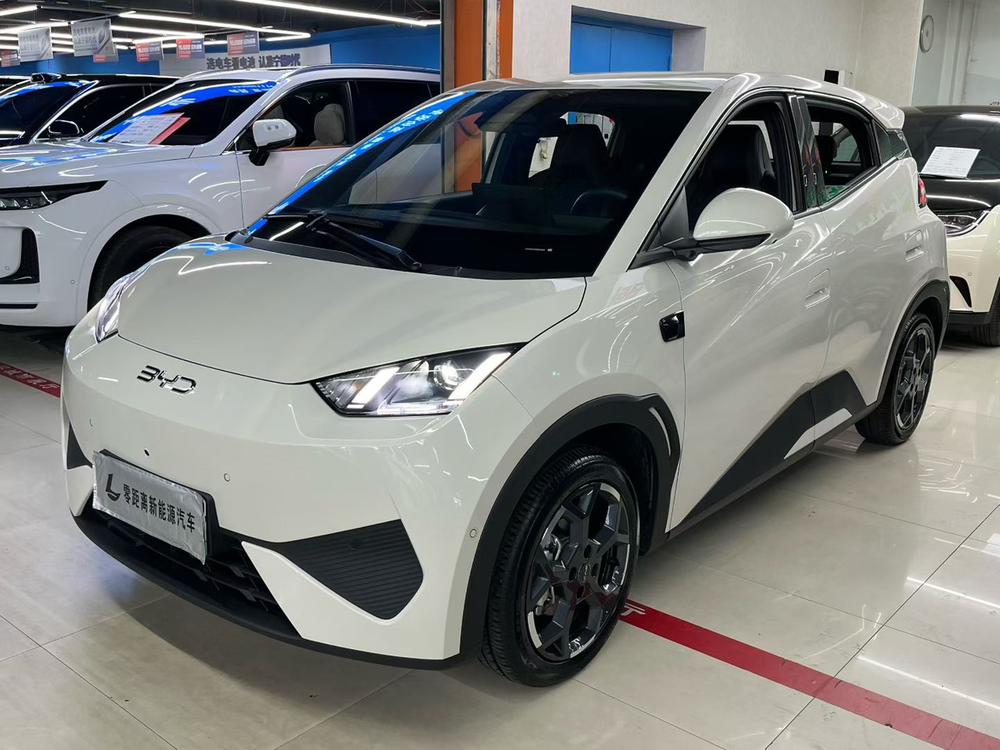
BrandBYD
SeriesSeagull
Year2023
First Registration2023/12
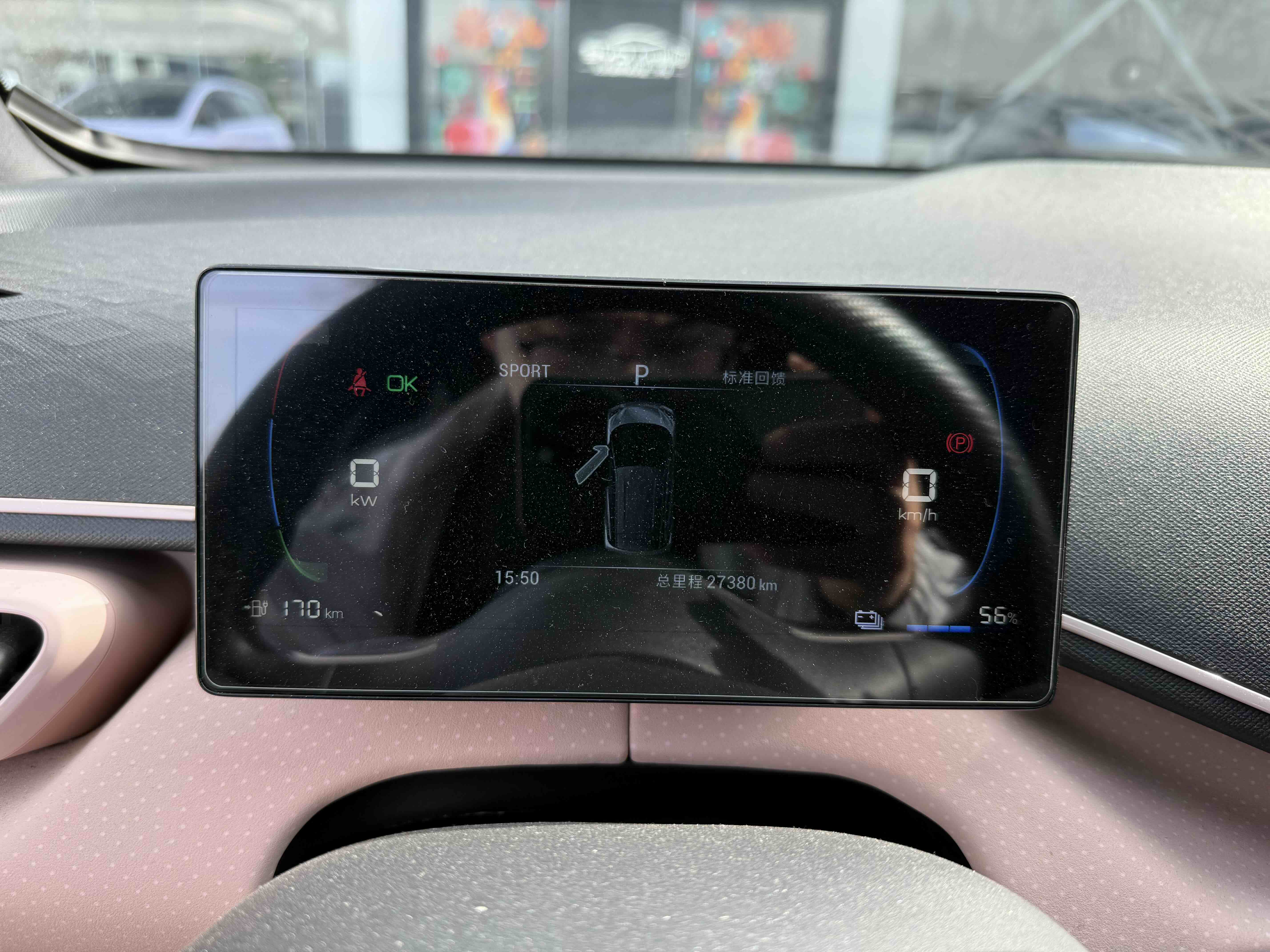
Mileage2.73km
Transfer Count-
FuelOther
TransmissionOther
Engine-
ColorWhite
Seats-

Condition Description

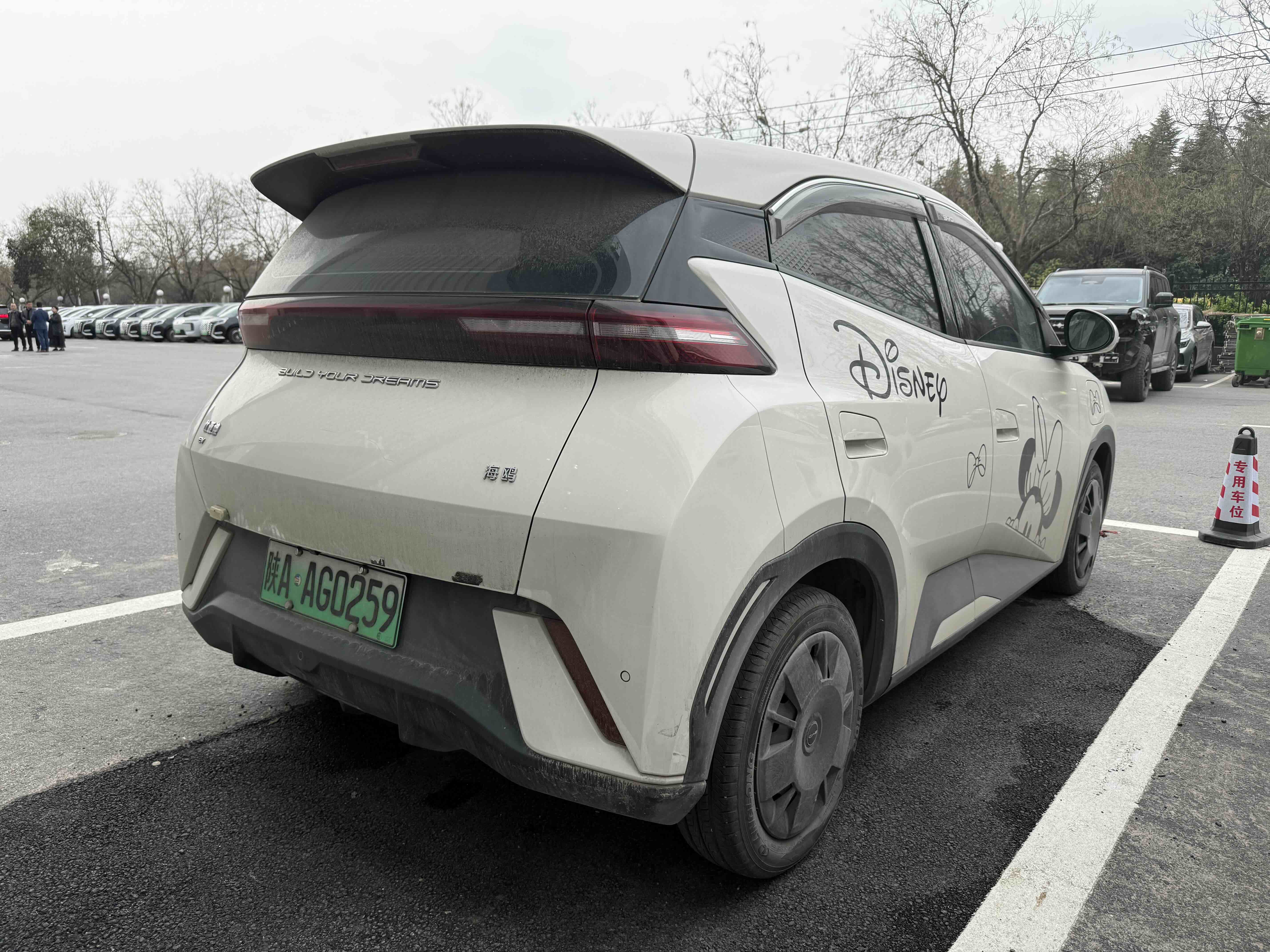
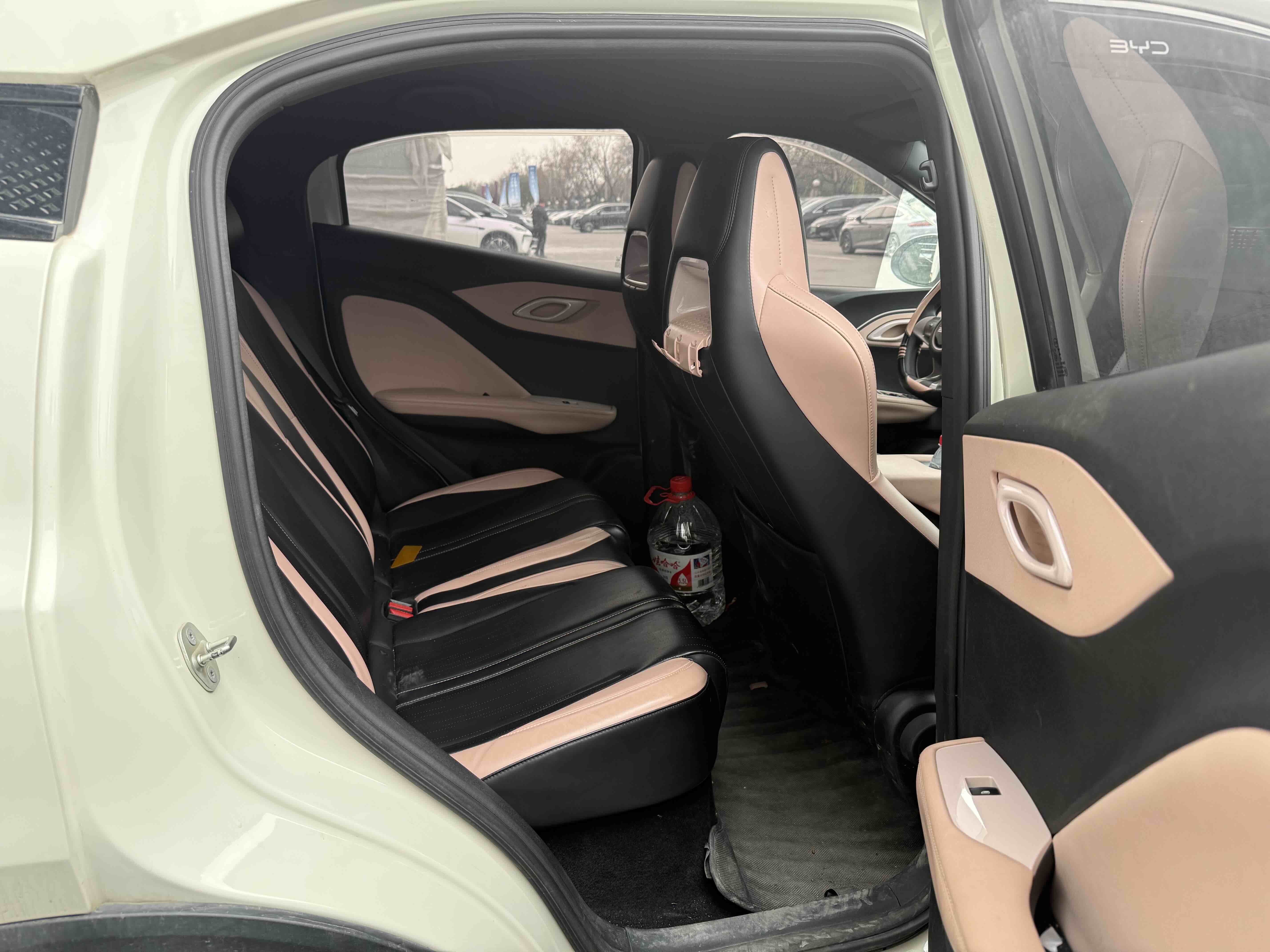
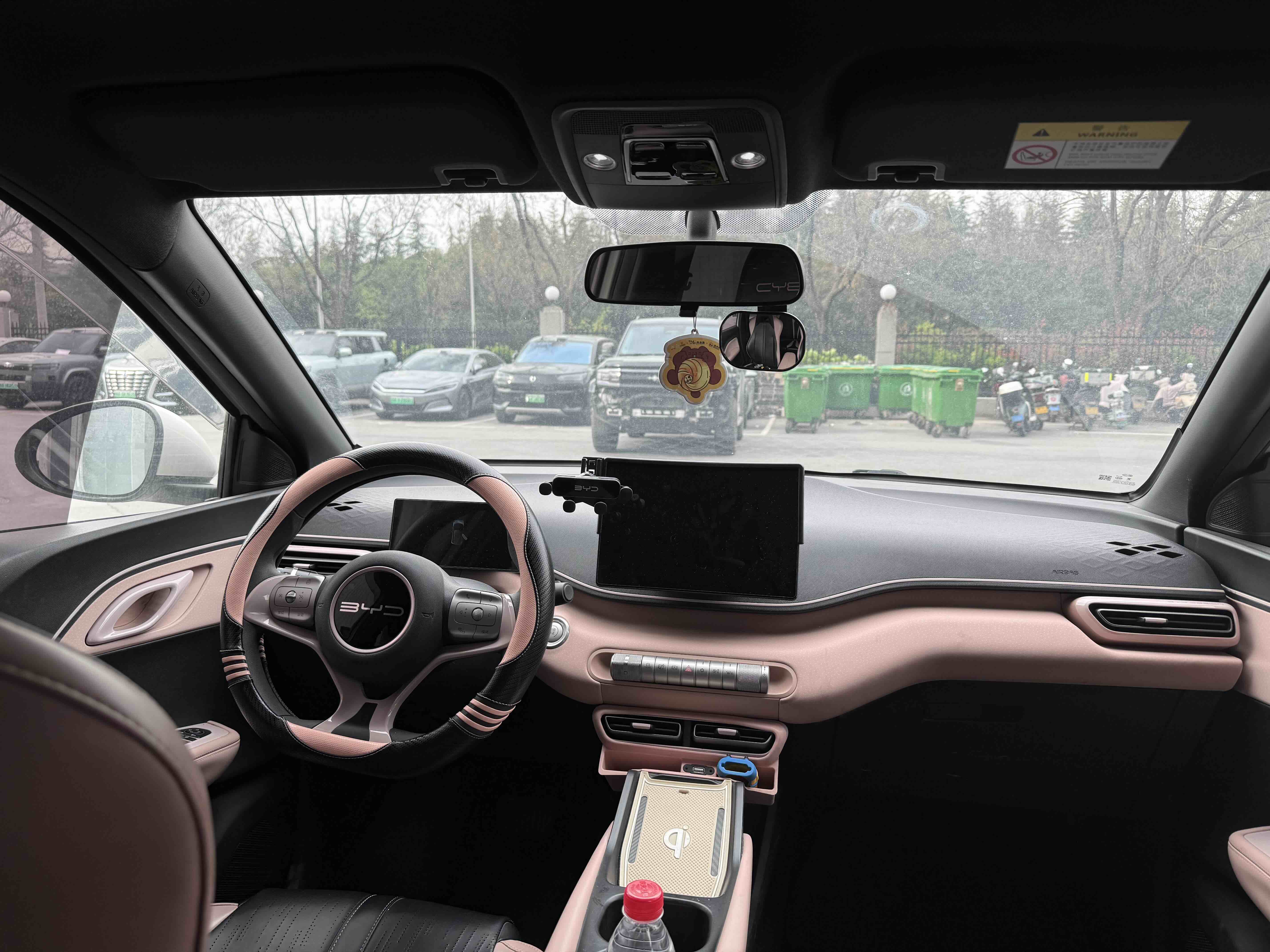
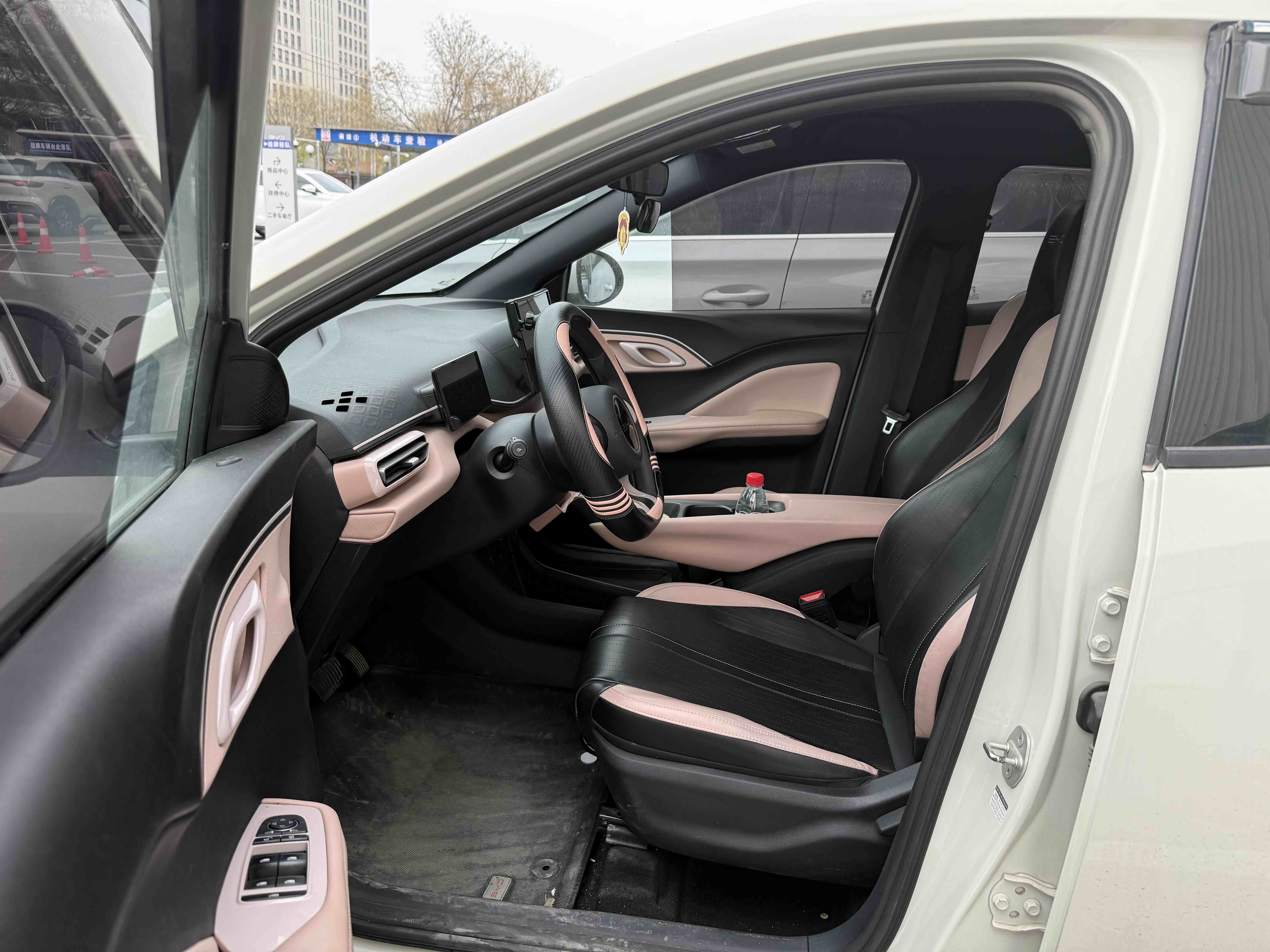
This is a one-owner, privately owned vehicle. Exterior decals are not registered. Frame: Frame is in good condition. Exterior: Original paint and finish. The right rear door and trunk lid have scratches and dents; the front and rear bumpers have scratches and scrapes. Interior: The seats, steering wheel, and trunk trim are worn; there are no warning lights. Operating Condition and Others: Engine and transmission are operating normally; the three-electric system (battery, motor, and electronic control system) is normal.

Configuration Highlights

Driver/Passenger Airbags
Front/Rear Curtain Airbags
Tire Pressure Monitoring
ISOFIX Child Seat Anchors
Keyless Start System
Keyless Entry System
ABS Anti-lock Braking
Electronic Brake Distribution
Electronic Stability Control
Hill Start Assist
Auto Hold
Multifunction Steering Wheel
Seat Material
GPS Navigation
Low Beam Headlights
Auto Headlights
Adjustable Headlight Height
Power Windows
Climate Control Type

Q&A

More

Why are the shipping costs for used electric vehicles (EVs) usually higher than for internal combustion engine vehicles (ICEs)?

Pure electric vehicles are classified as Class 9 Dangerous Goods due to their large lithium batteries, leading to strict shipping regulations. Shipping companies have high requirements for the loading position and fire isolation measures for dangerous goods, and some roll-on/roll-off ships refuse to accept used EVs. As a result, EVs often require more expensive special container shipping and incur additional handling fees for hazardous materials.

How do you detect carbon buildup and wear inside the engine using technology without deep disassembly?

We use two steps: 1. Insert a medical-grade endoscope through the spark plug hole to visually inspect cylinder wall scratches and carbon buildup on the piston top; 2. Extract an engine oil sample to check for large metal debris or emulsification (caused by coolant leakage).

How are the refrigerant pressure, compressor operation, and heating effect of the air conditioning system deeply tested?

The technician will start the vehicle and turn on the air conditioning system, measuring the actual temperature at the vents at the lowest and highest settings with a thermometer; at the same time, they will connect a manifold pressure gauge to check if the refrigerant pressure in the high and low pressure lines is within the normal range, determining if there is a chronic refrigerant leak.