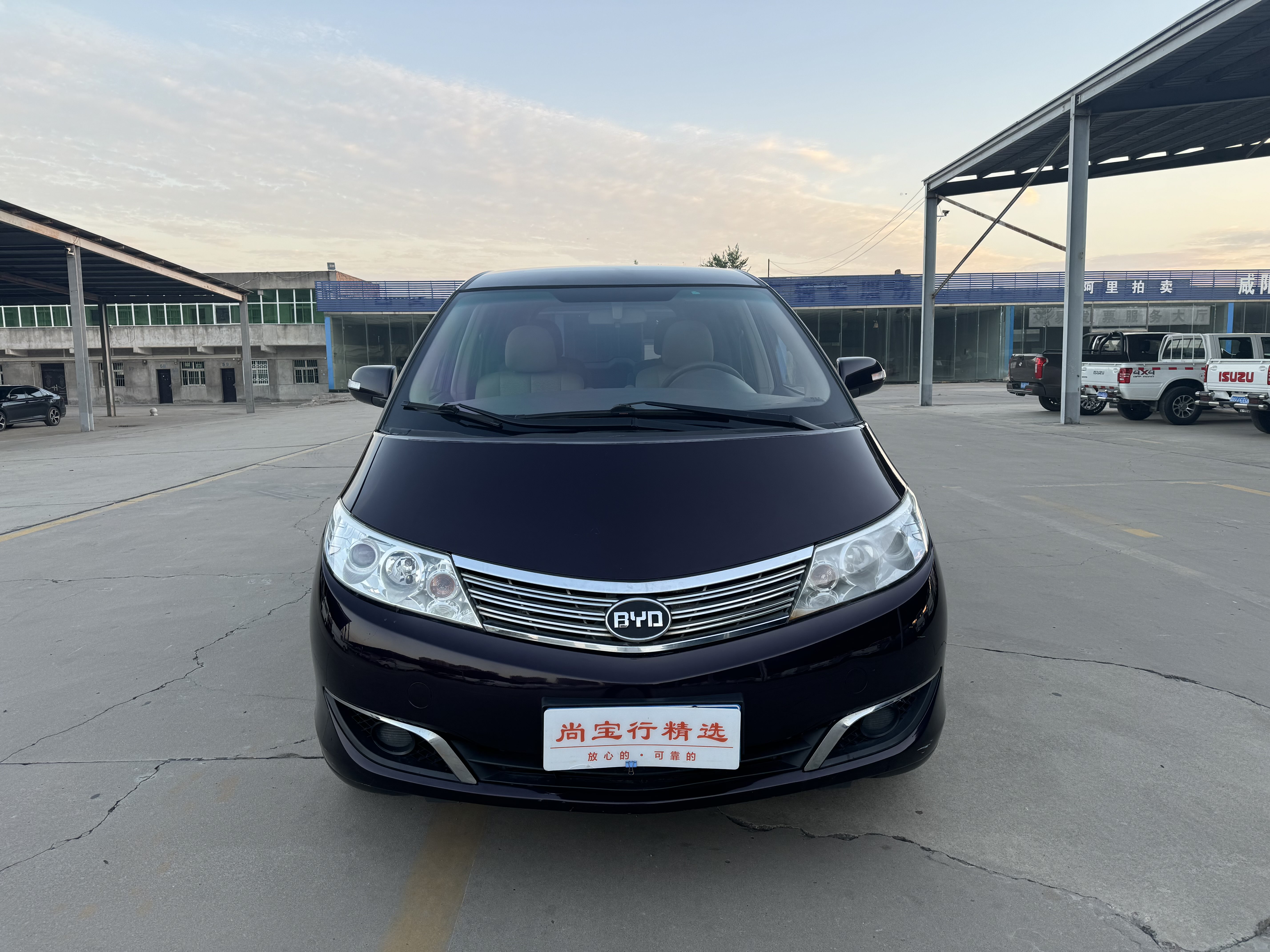
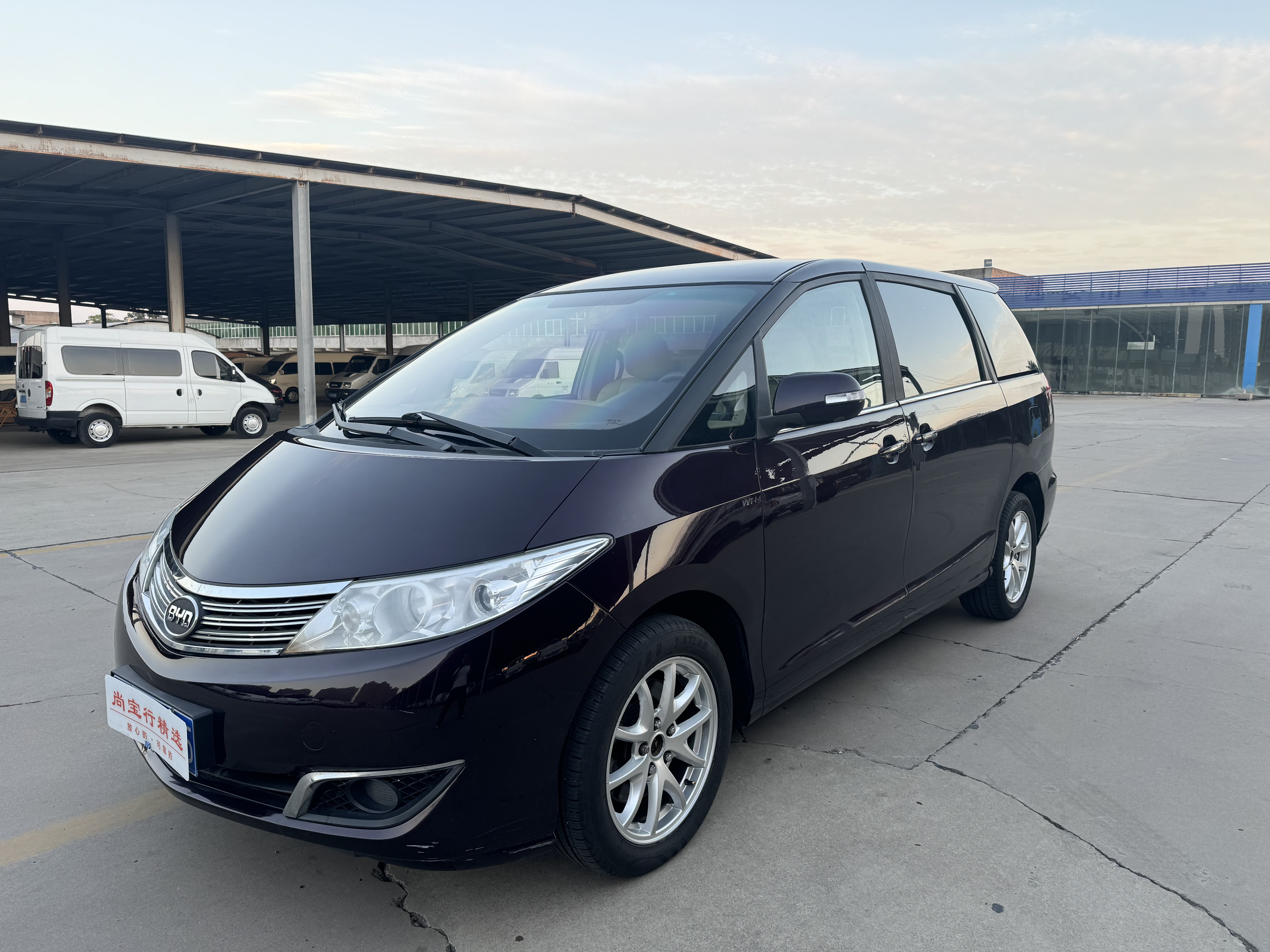
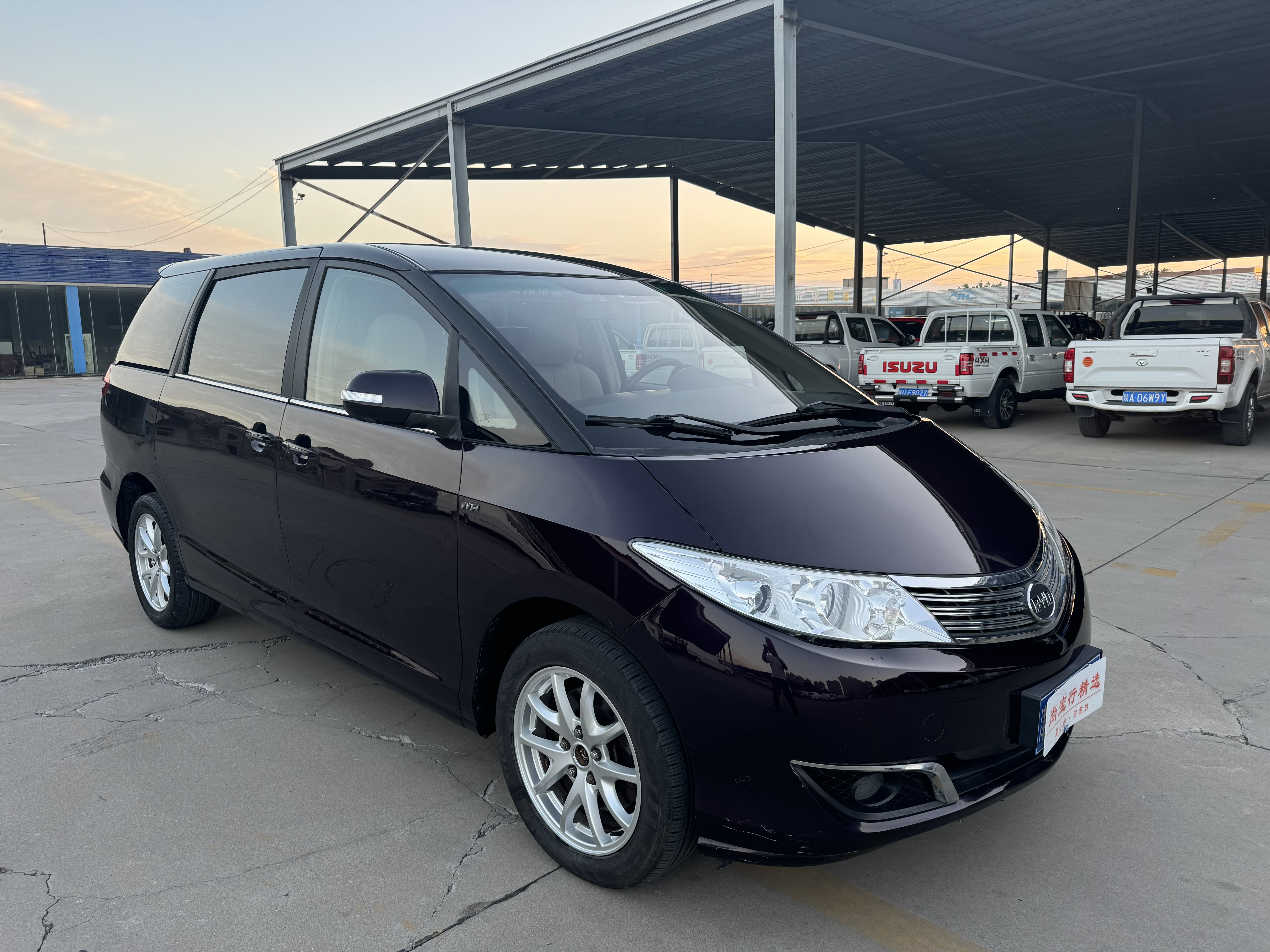
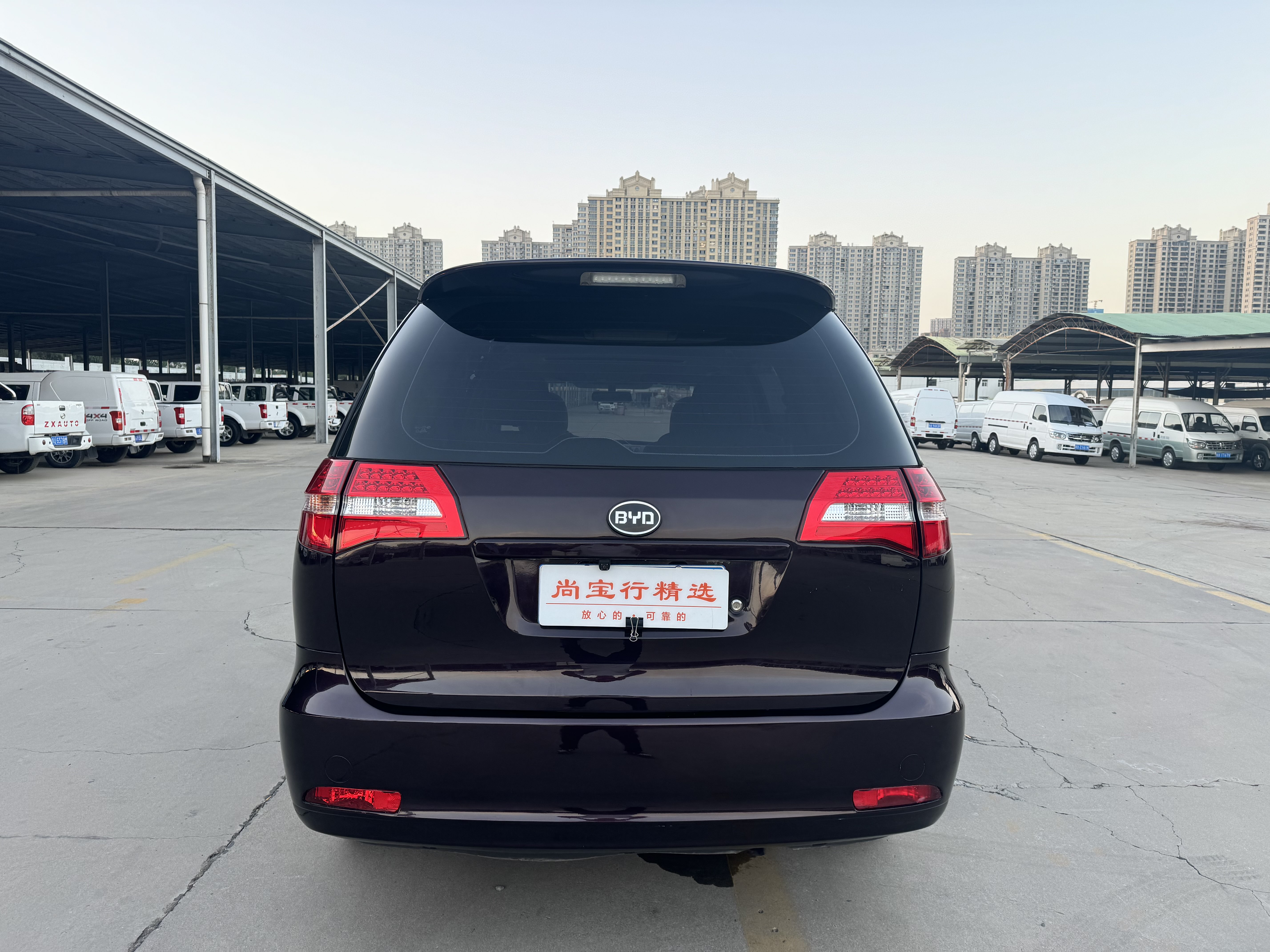
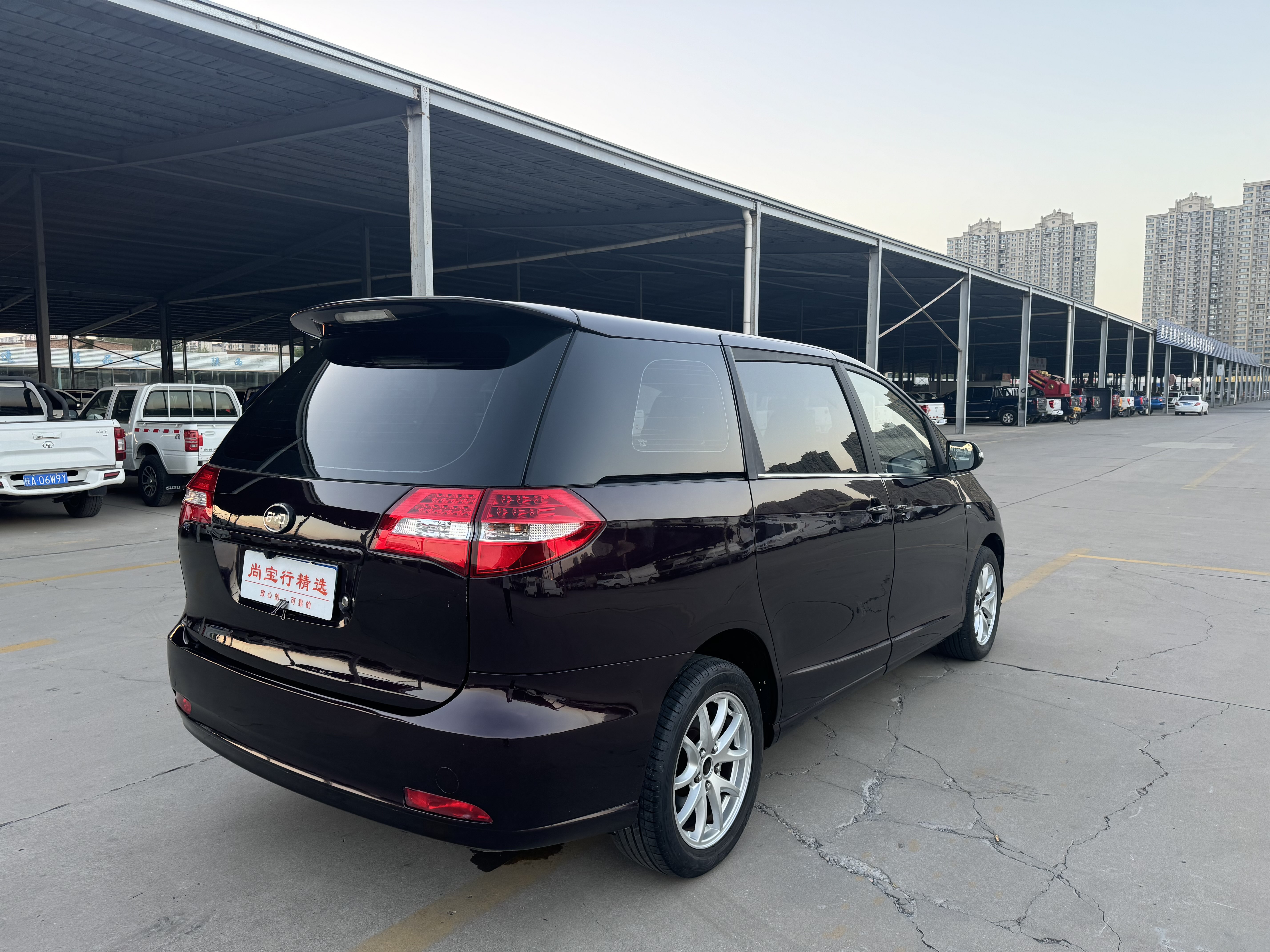
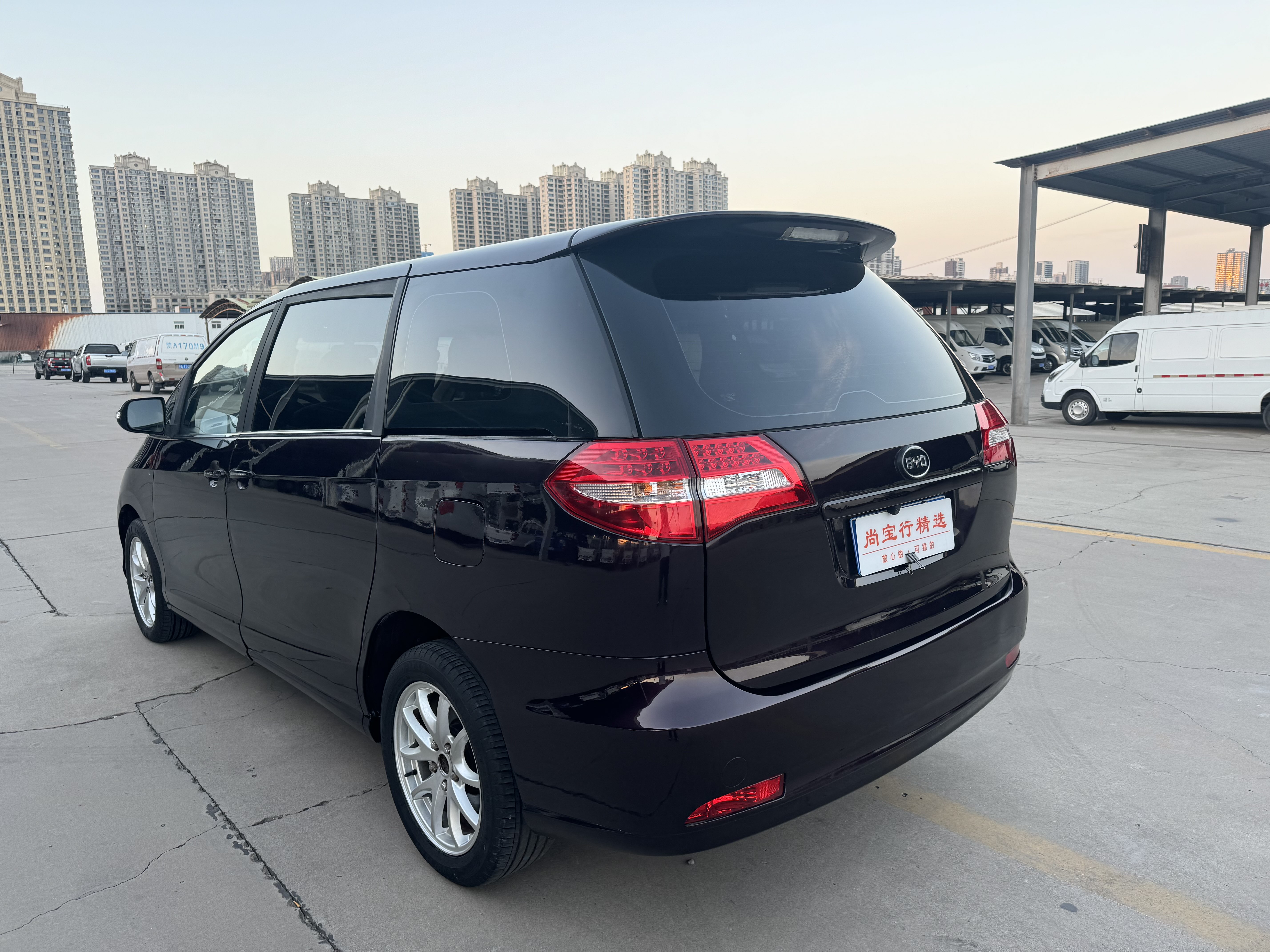
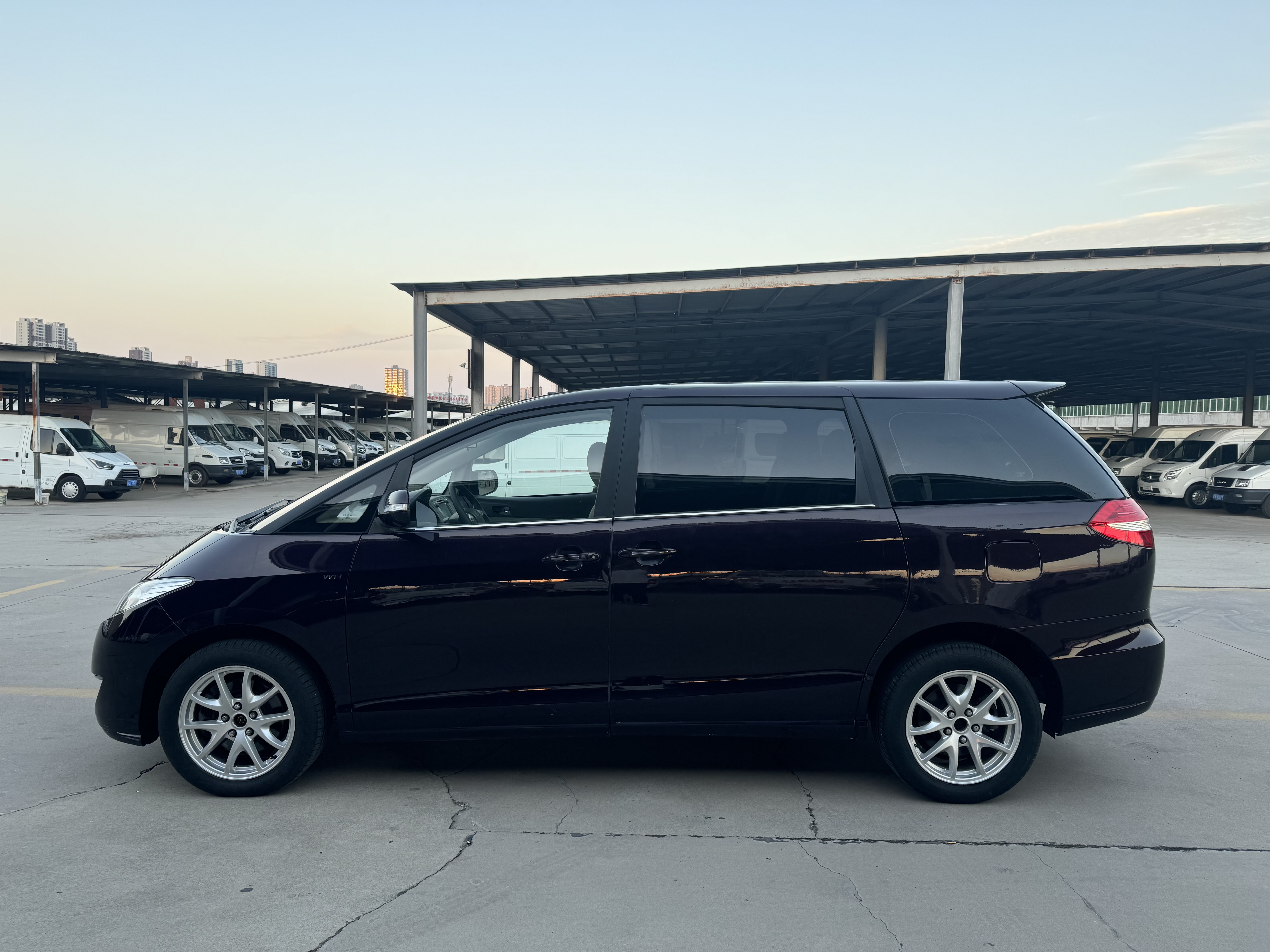
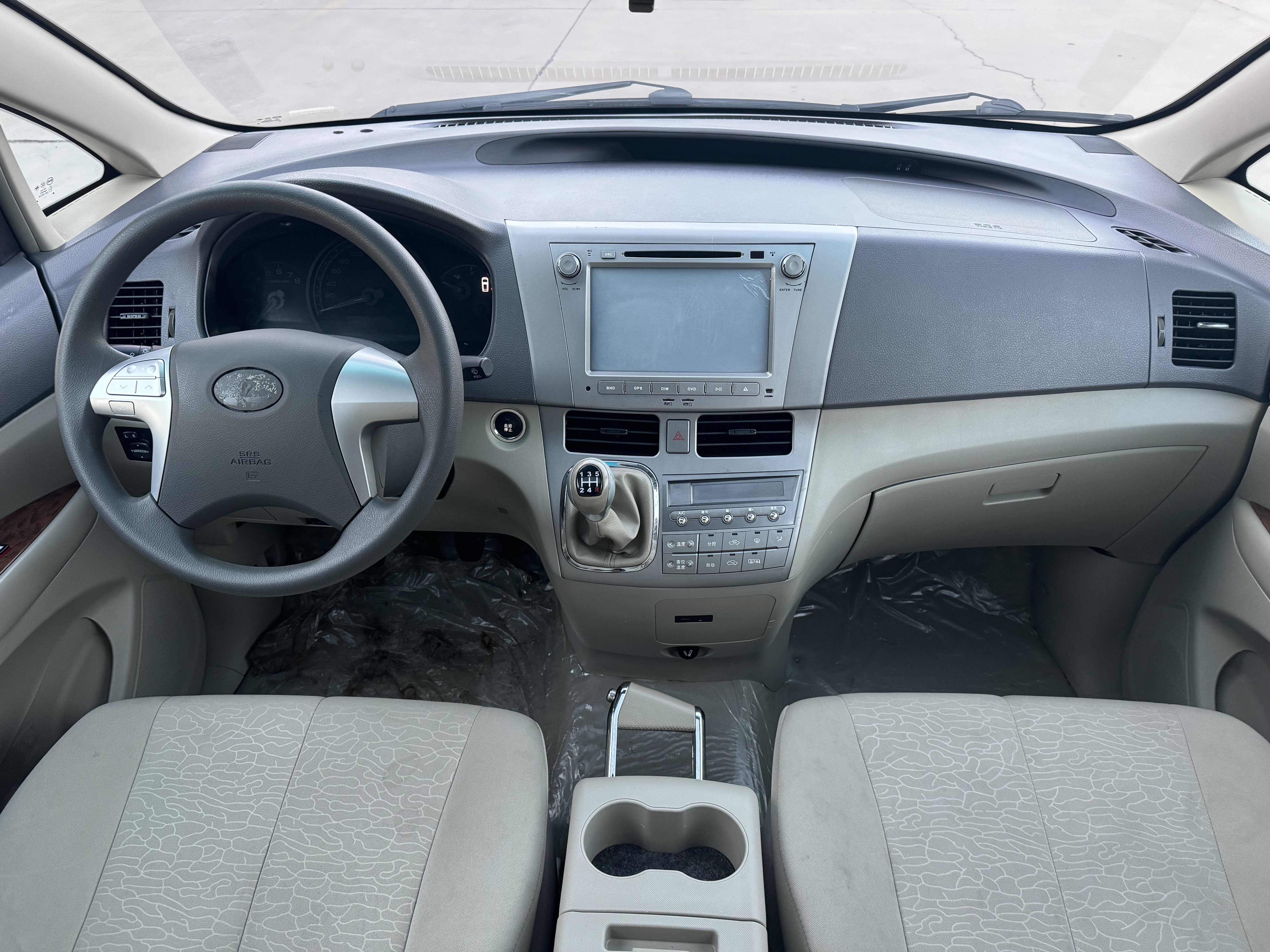
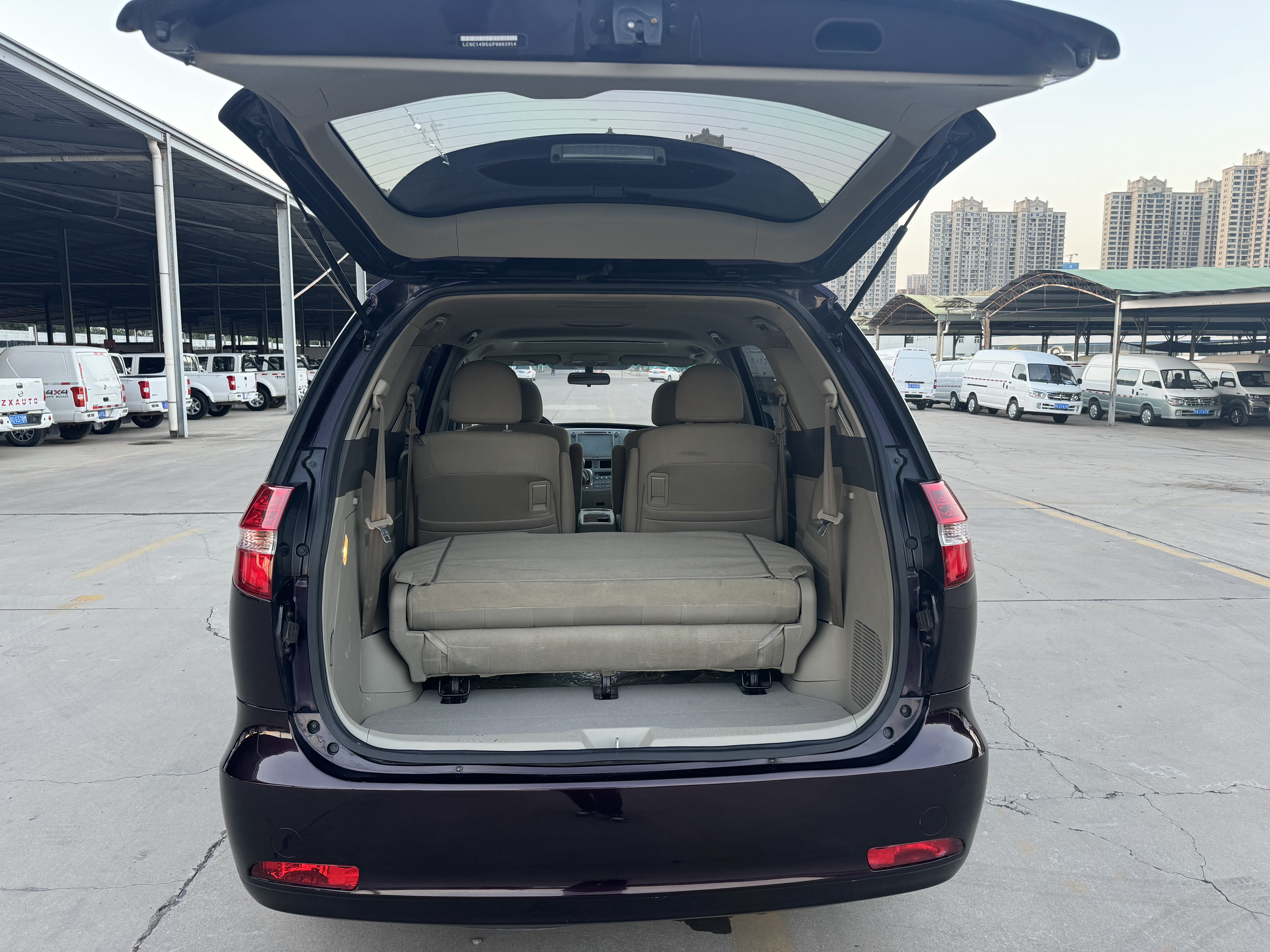
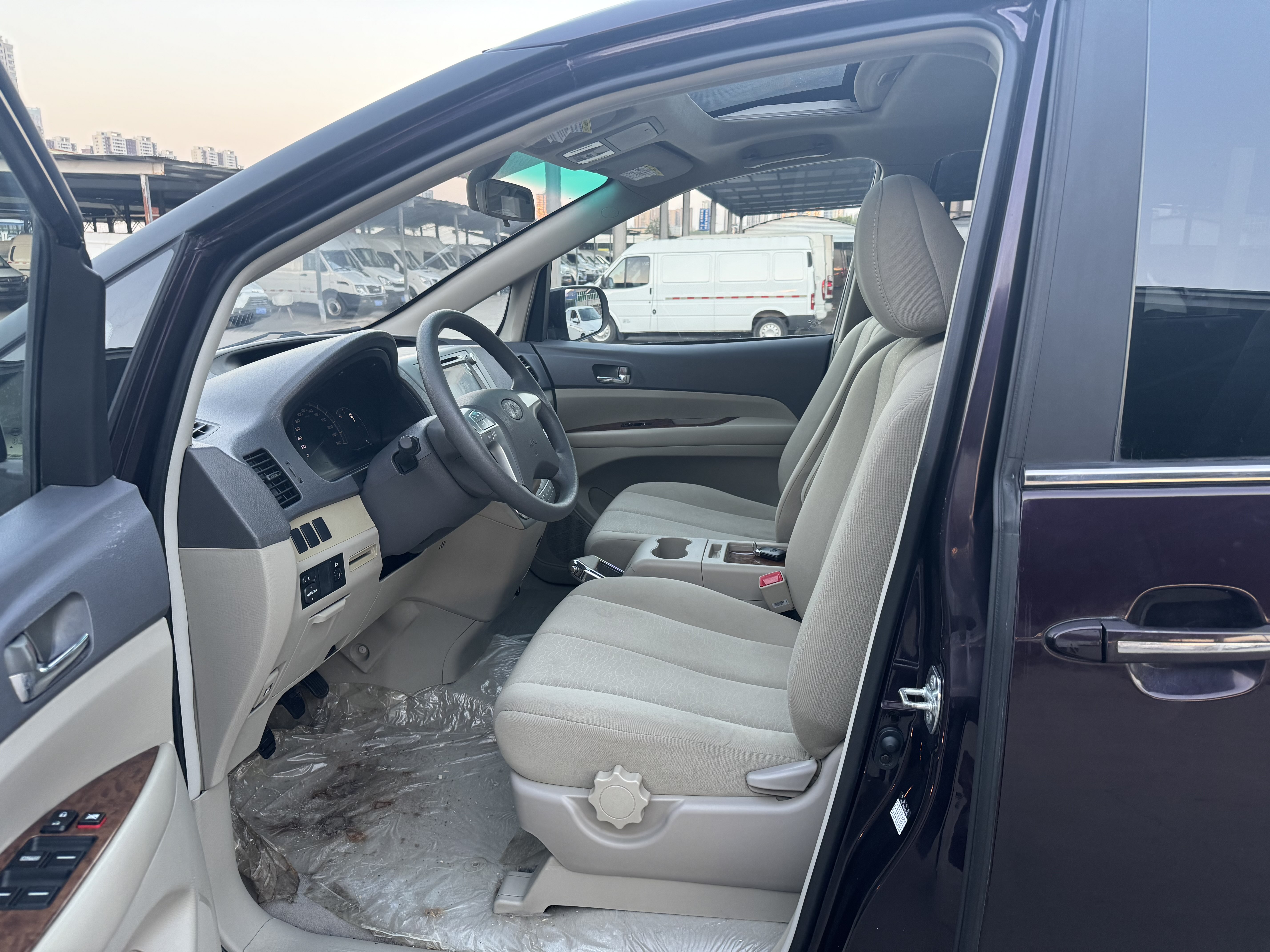
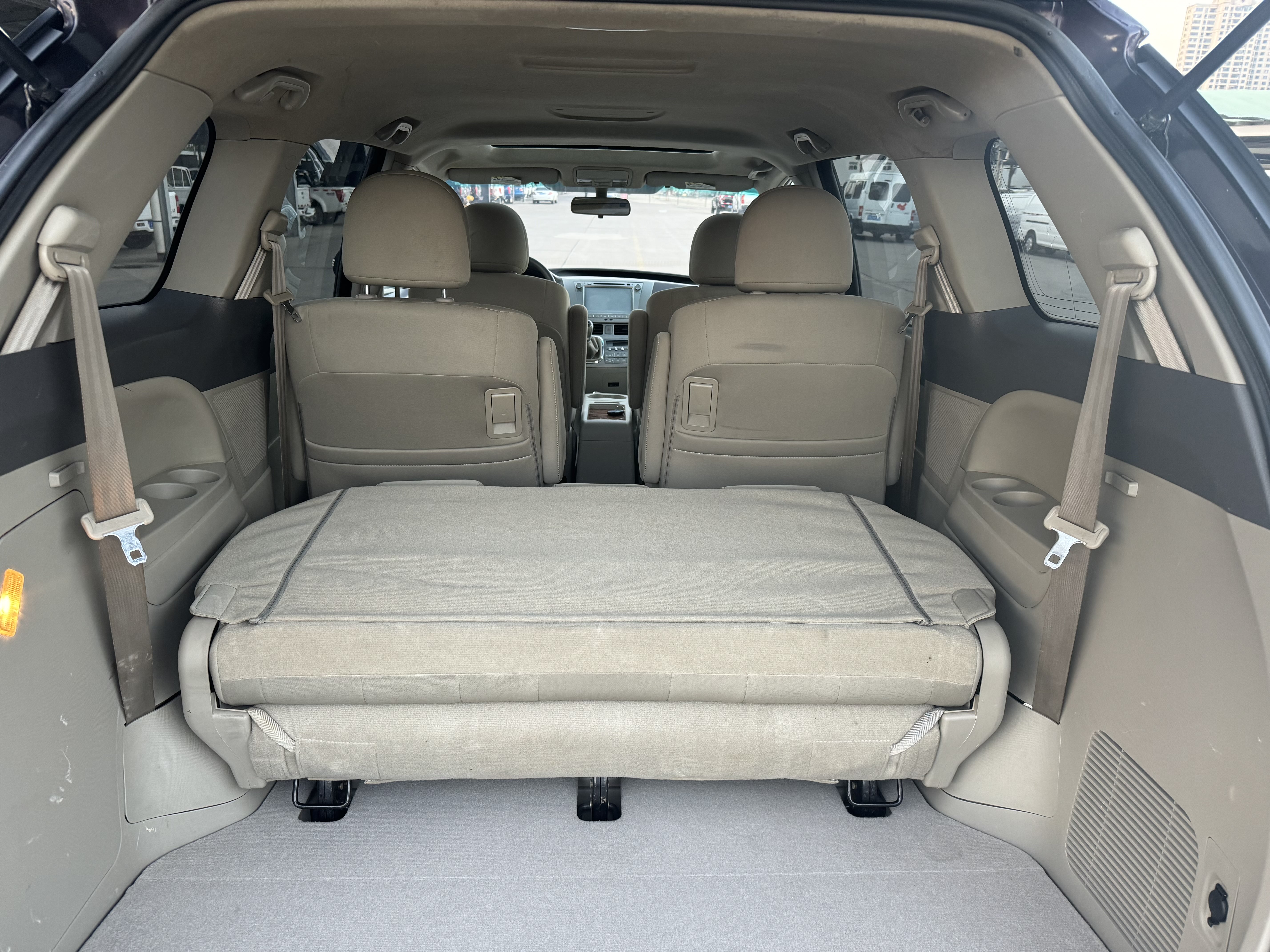
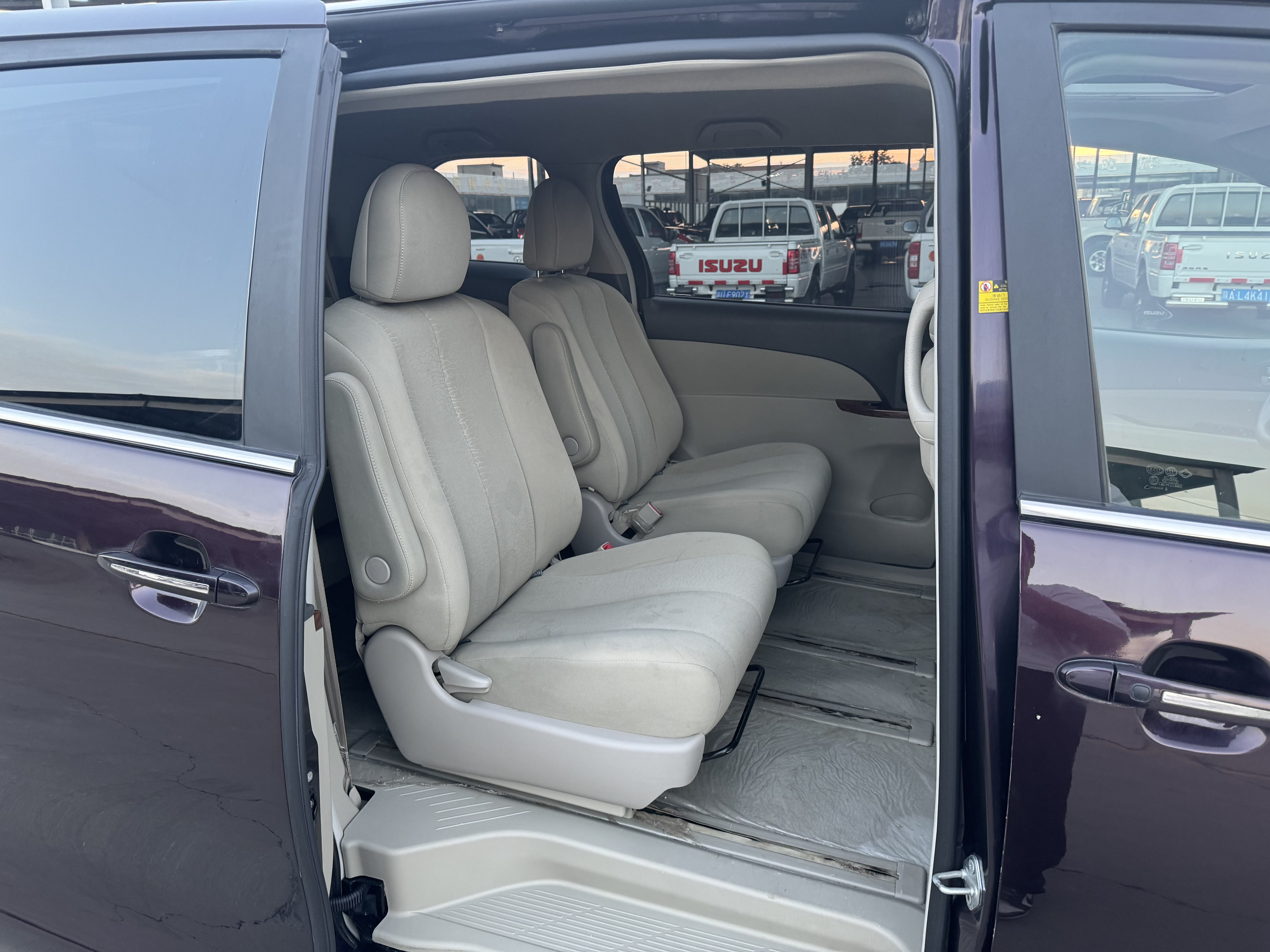
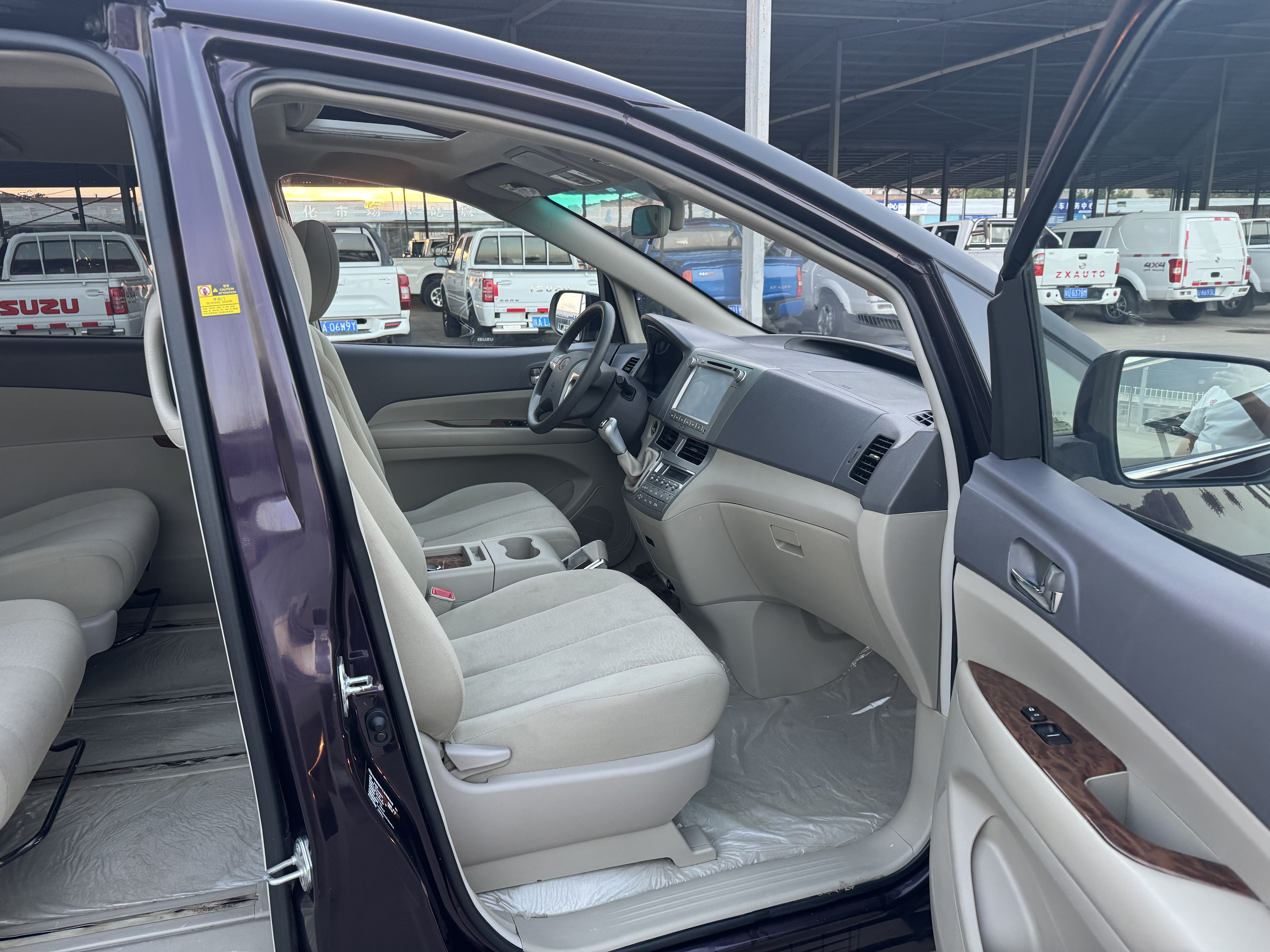



Basic Information

BrandBYD
SeriesM6
Year2015
First Registration2015/04
Mileage7.2km
Transfer Count-
FuelGasoline
TransmissionManual
Engine2.4L 167 L4
ColorPurple
Seats7seats

Configuration Highlights

✓Driver/Passenger Airbags
✓ISOFIX Child Seat Anchors
✓Keyless Start System
✓Keyless Entry System
✓ABS Anti-lock Braking
✓Electronic Brake Distribution
✓Multifunction Steering Wheel
✓Seat Material
✓Rear Cupholders
✓Low Beam Headlights
✓Adjustable Headlight Height
✓Power Windows
✓UV/Heat Insulating Glass
✓Climate Control Type
✓Rear Air Vents

Q&A

More

How can I judge the real mechanical condition of a used car from China without seeing it in person?

Remote mechanical assessment relies on documented evidence: 1. Cold-start video: Ask for a video of the engine starting from cold — listen for rattles, watch for smoke (blue = oil burning, white = possible head gasket issue). 2. OBD scan: A full diagnostic scan reveals fault codes in the engine, gearbox, and electronics. Request the raw scan report, not a screenshot summary. 3. Service records: Cross-check mileage against maintenance records and inspection stickers; consistent records indicate a cared-for car. 4. Fluid check: Photos of the oil dipstick and coolant color tell a lot — milky oil or rusty coolant are red flags. 5. Test drive video: A short drive video shows gear shifts, braking, and steering behavior. Combine these with the pre-shipment inspection report. A seller who refuses to provide cold-start video or OBD data is a warning sign.

How are import duties on used cars from China calculated, and which HS code applies?

Used cars are classified under HS heading 8703 (motor vehicles for transport of persons), with the last four digits determined by engine type and size. Gasoline cars usually fall in 8703.21–8703.80 depending on displacement; pure EVs fall under 8703.80; hybrids have their own subheadings. The duty amount depends on your country's tariff schedule: 1. Most countries charge duty on the CIF value (car price + freight + insurance), not the FOB price. 2. Many developing markets levy higher duties on used vehicles than new ones, and some add a surcharge based on age — older cars can cost significantly more to clear. 3. After duty, you typically pay VAT/GST on the CIF + duty total, plus port and customs fees. Practical tips: ask your exporter to state the exact HS code on the commercial invoice and confirm it with a local customs broker before shipping. A wrong code can trigger reclassification, penalties, or delays. Also budget for any excise tax tied to engine capacity — in several markets a 2.5L car clears far cheaper than a 3.5L one.

Should I ship my car from China in a container or by RoRo vessel?

Both are common, and the right choice depends on budget and destination: 1. Container shipping (20ft/40ft): The car is sealed inside a container, offering better protection and allowing you to load spare parts inside the car. Typical cost from Shanghai to major world ports: $1,500-$3,000 per car. Best for long distances and high-value vehicles. 2. RoRo (roll-on/roll-off): The car is driven onto the ship and secured on deck. Cheaper ($800-$1,800 to most ports) and faster to load, but exposed to weather and port handling. Not all routes offer RoRo service. Transit time examples: to the Gulf 15-25 days, to West Africa 30-45 days, to Latin America 25-40 days, to Europe 20-35 days. Ask your exporter which option serves your destination port, and always insure the shipment for full value.

BYD M6 2.4L 167 L4

比亚迪 M6 2013款 2.0L 手动舒适型

EXW: $5,727
Car CodeSWA1429023
Publish Date2024/09/21