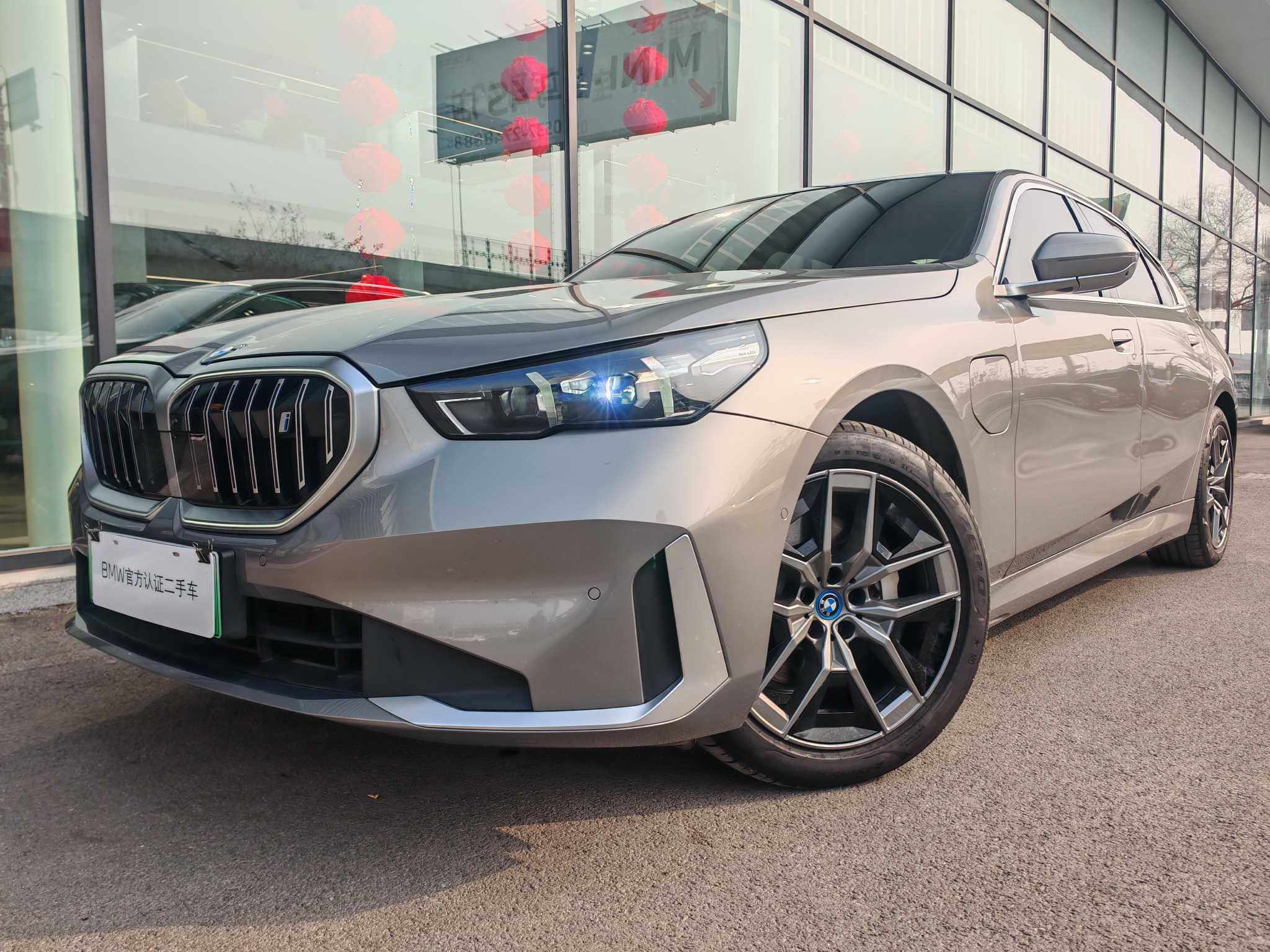
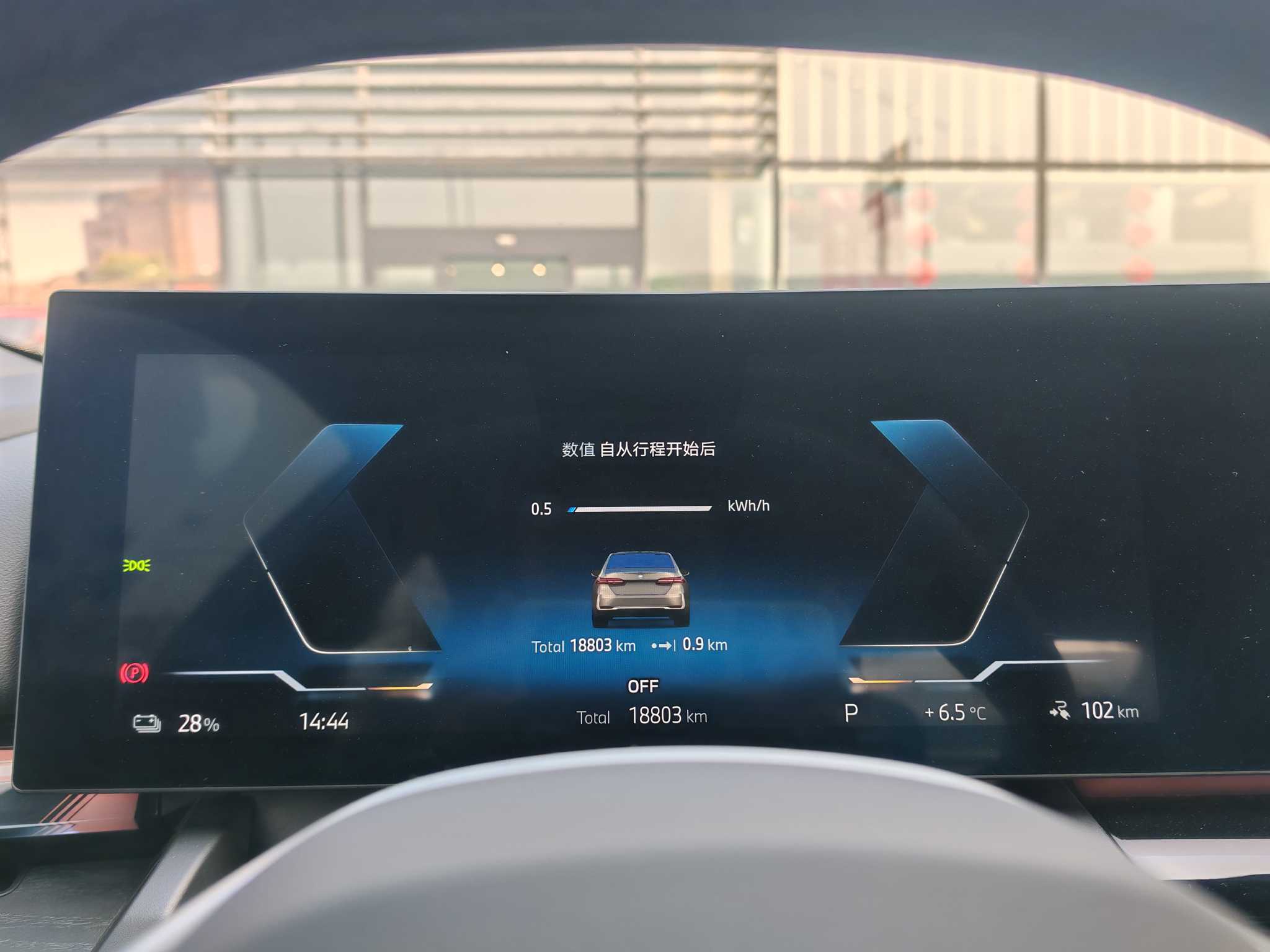
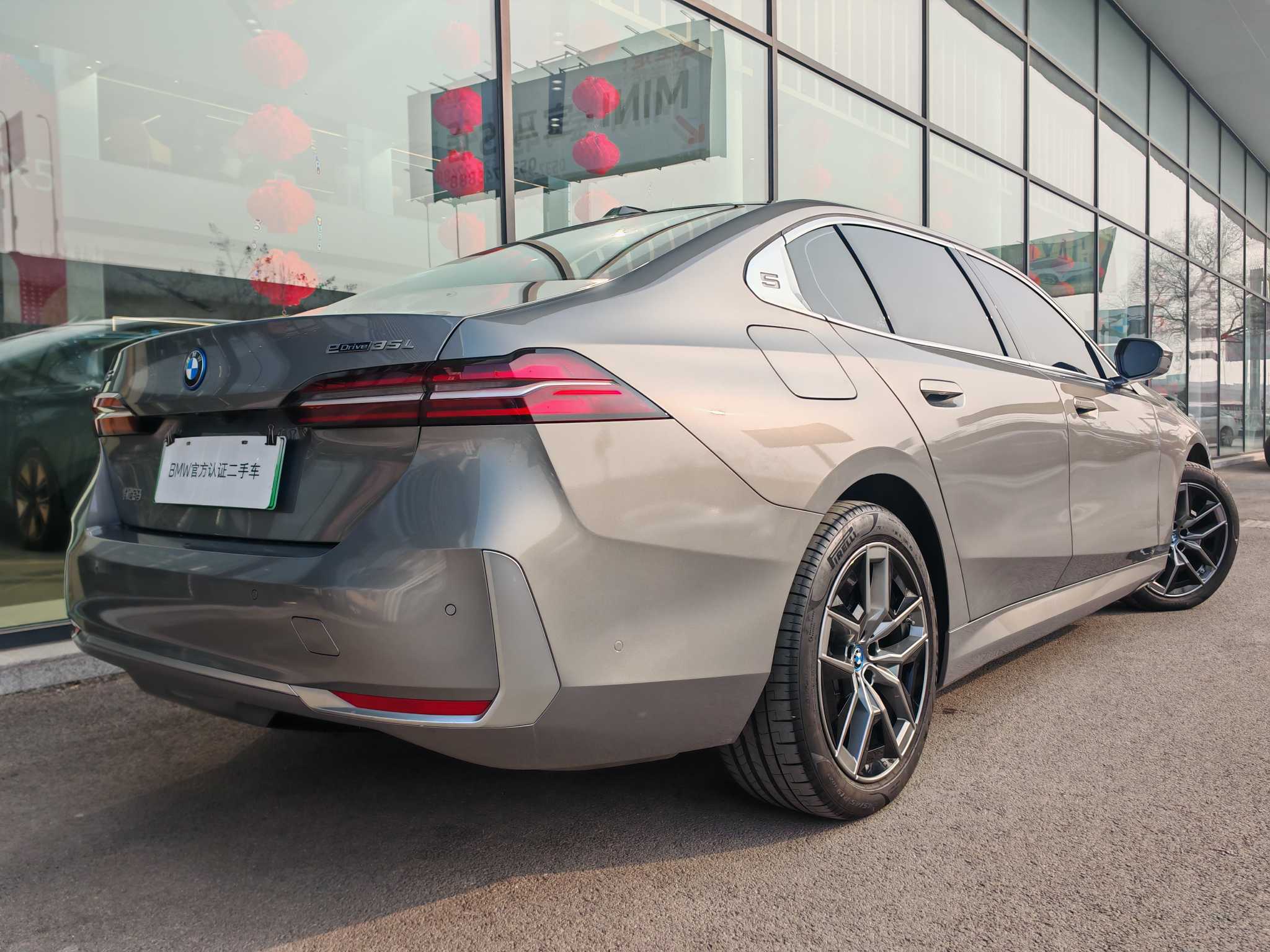
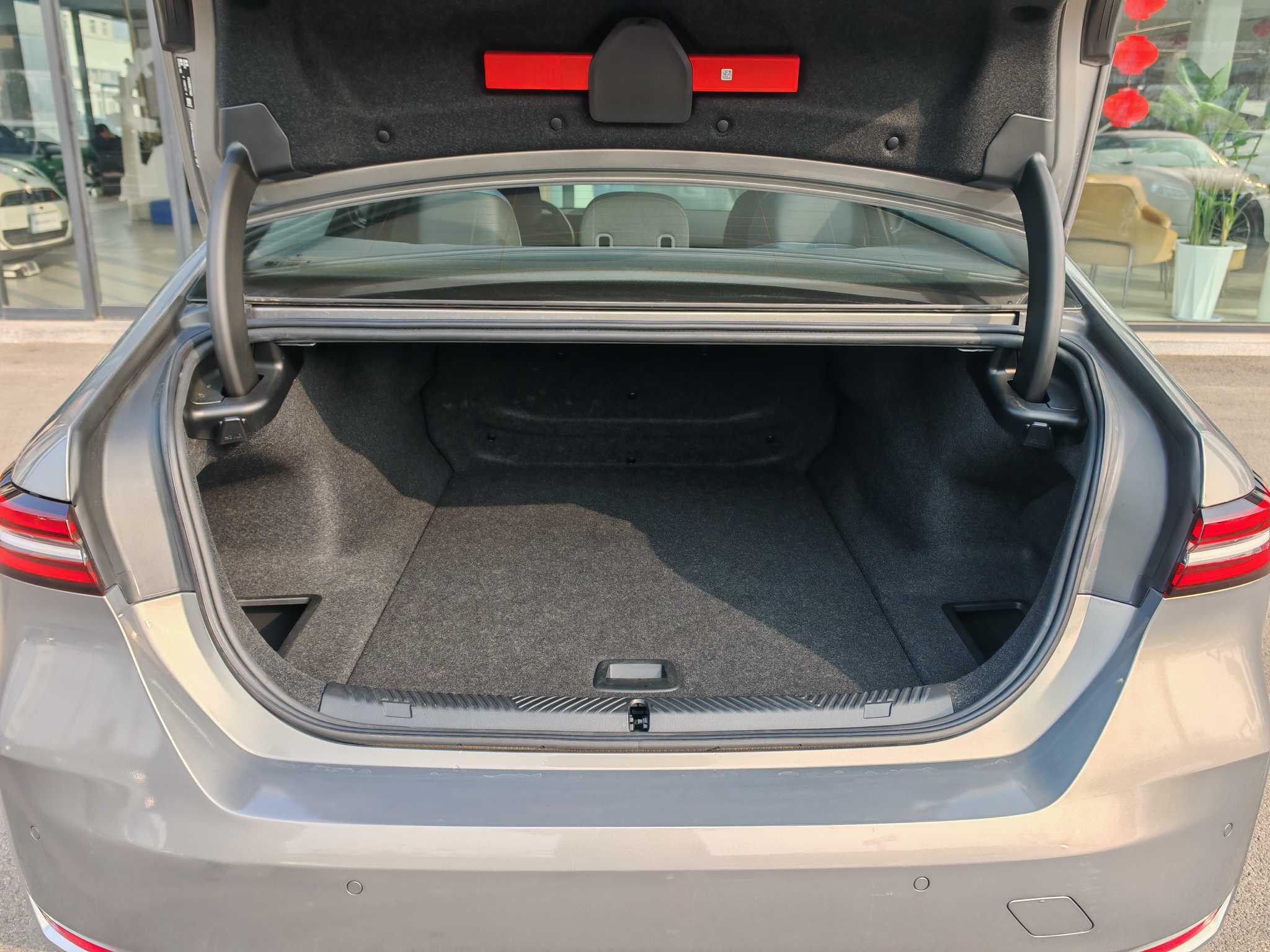
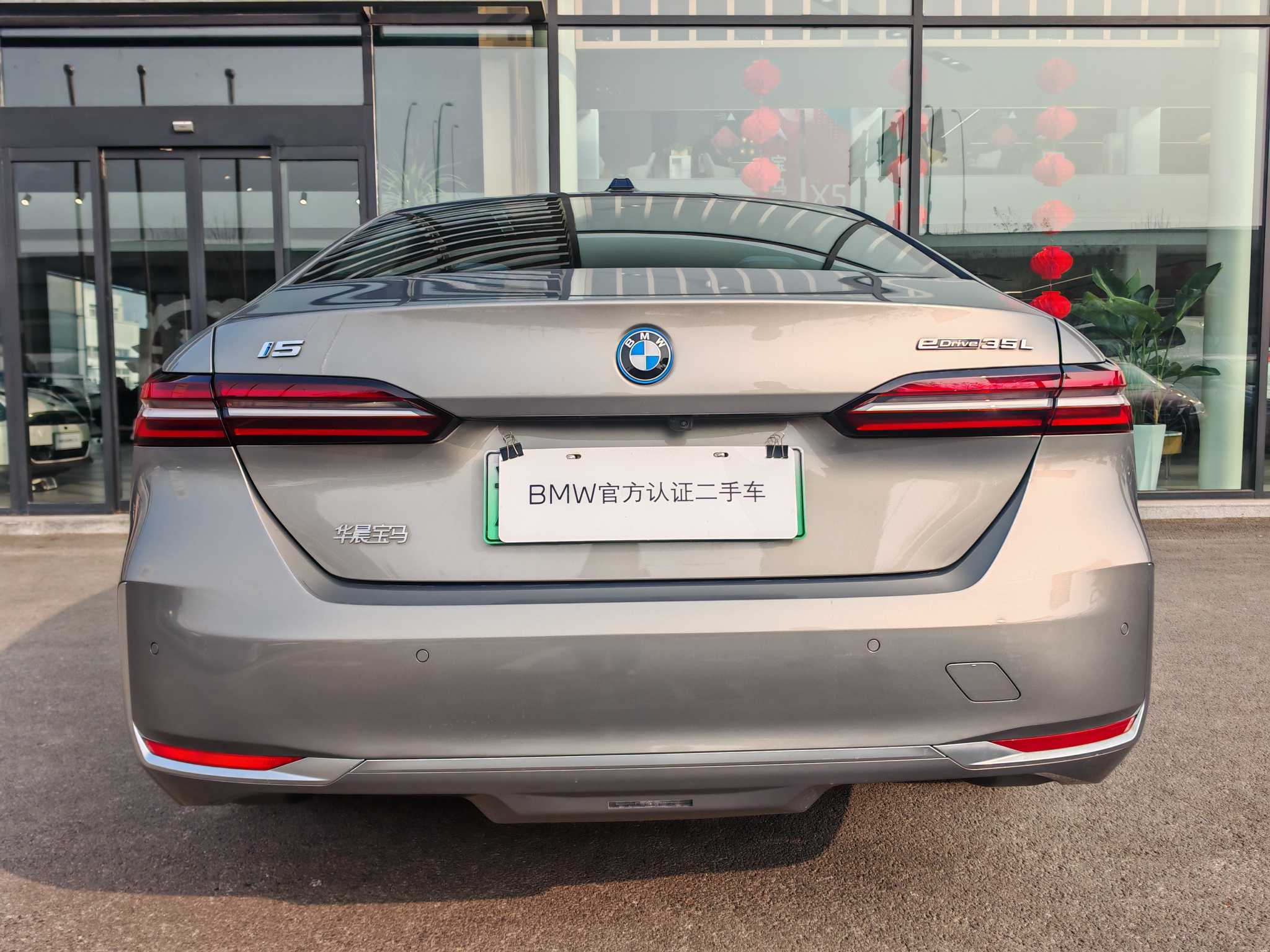
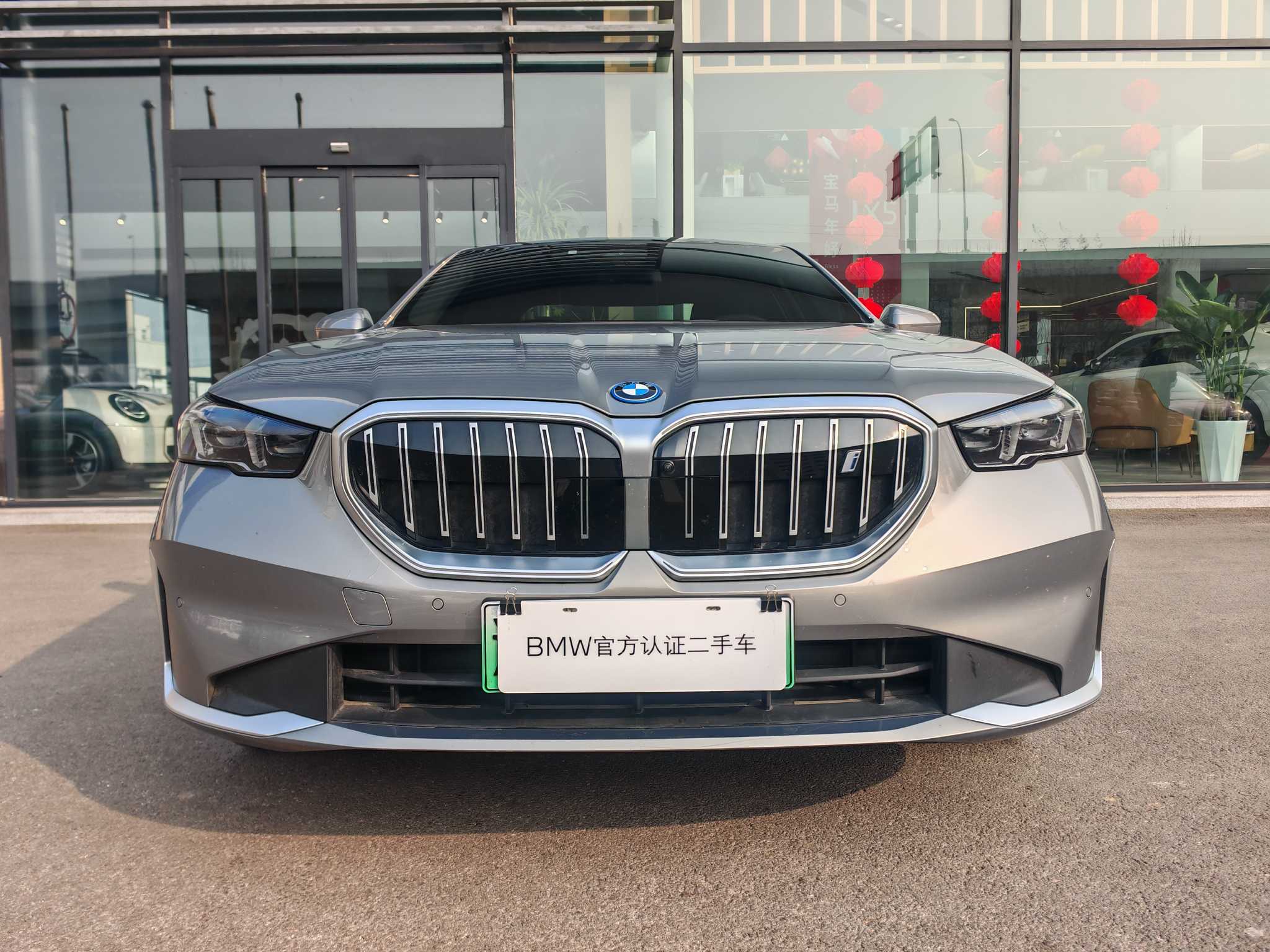
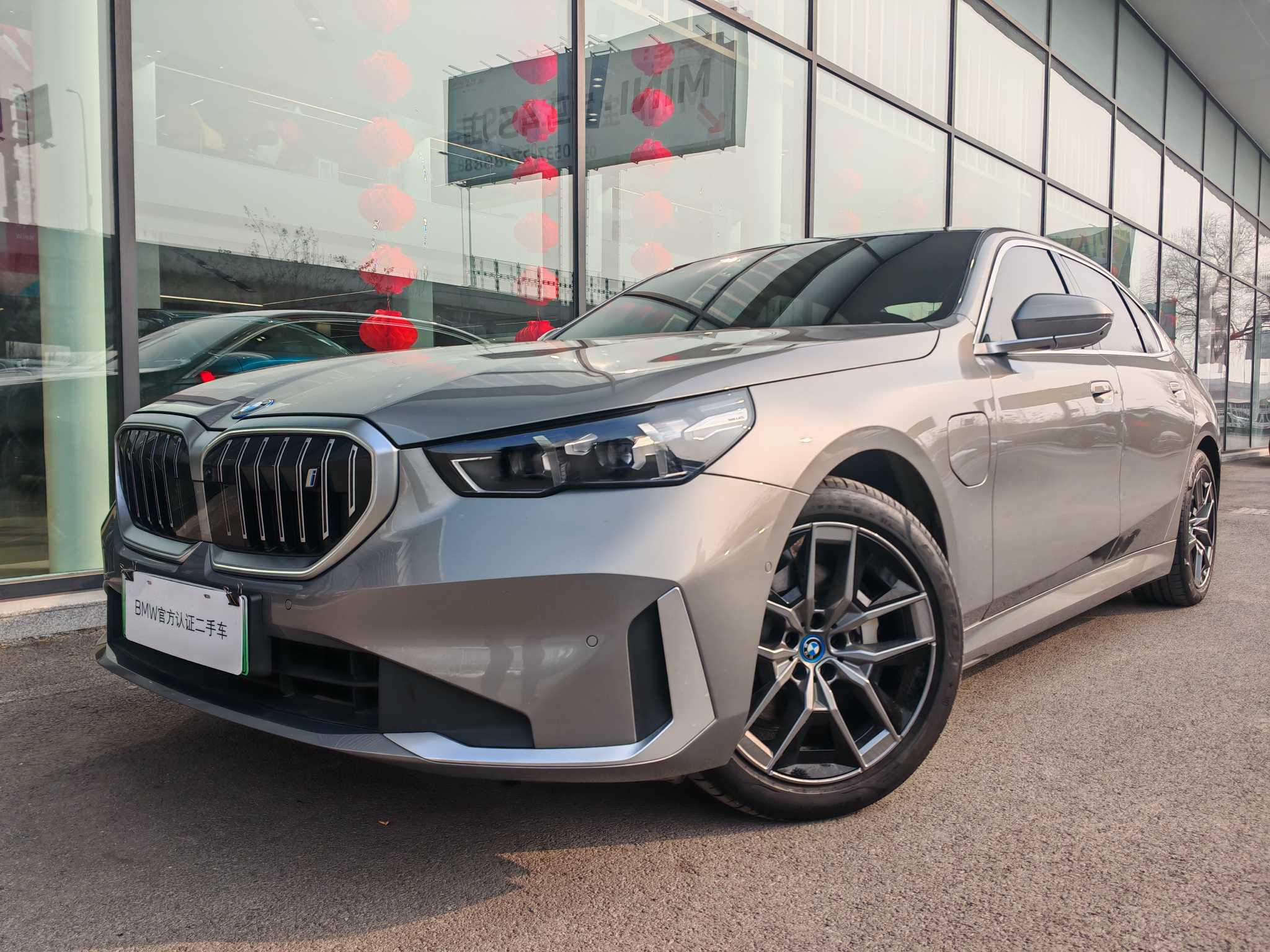
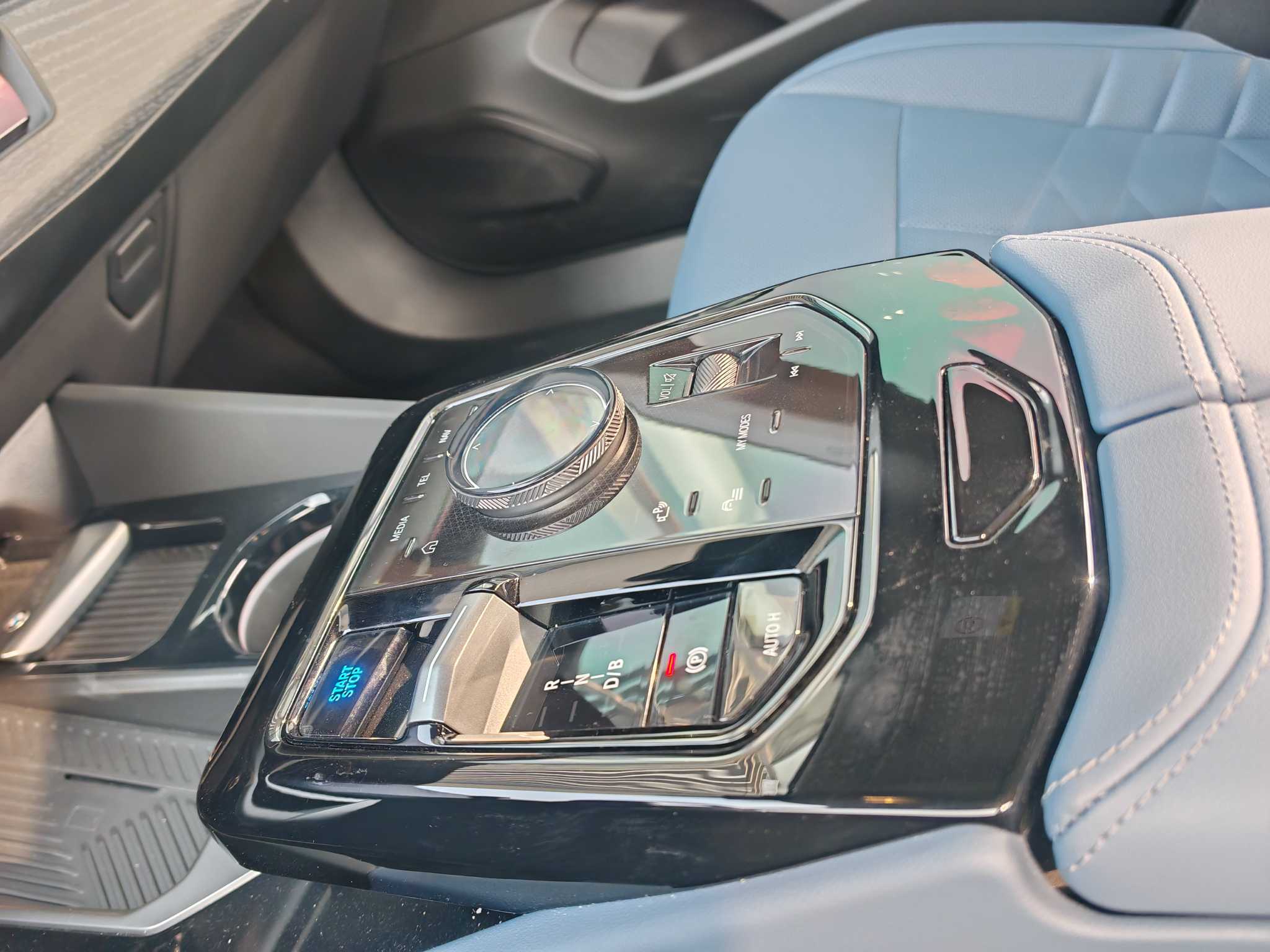
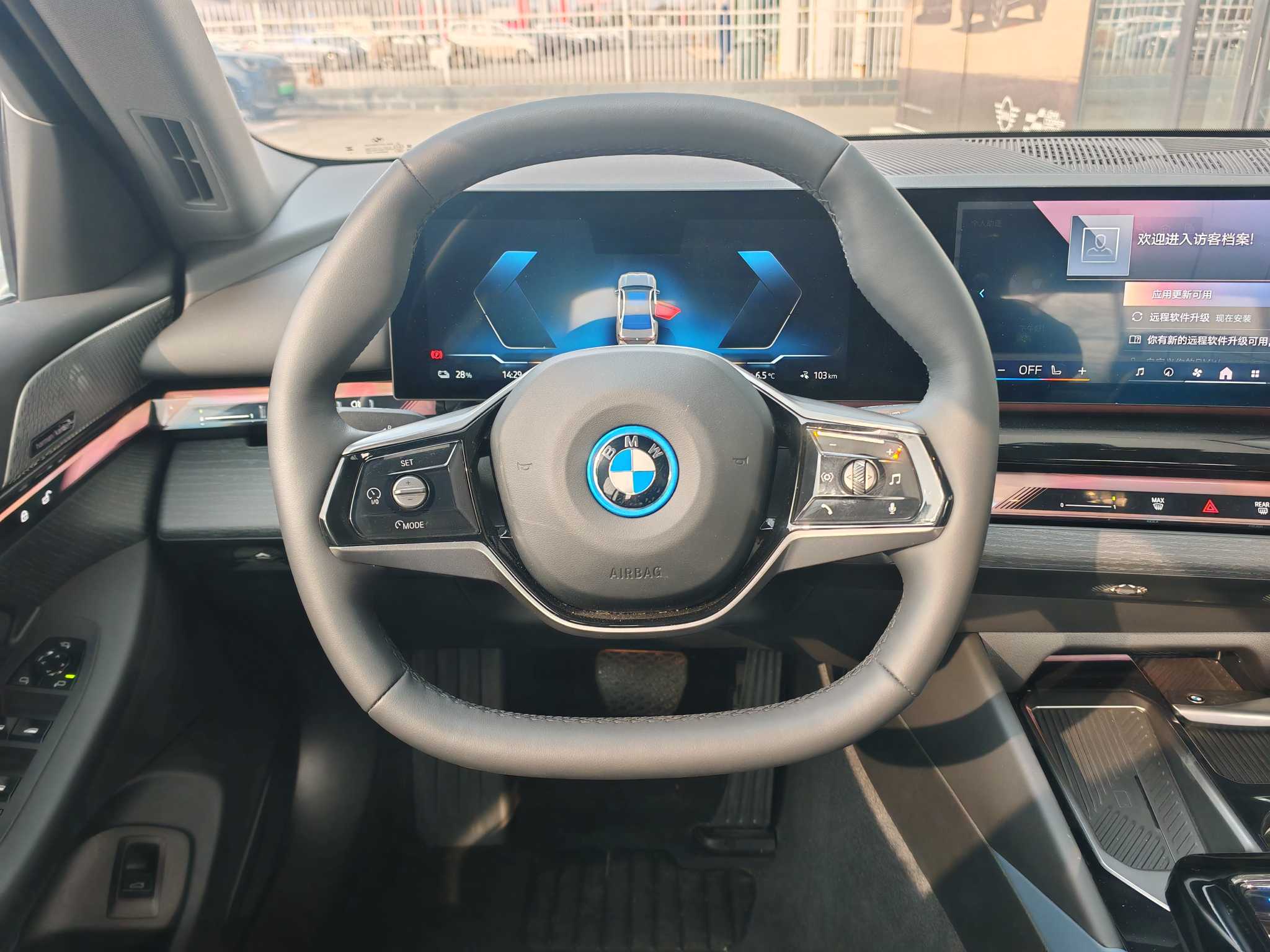
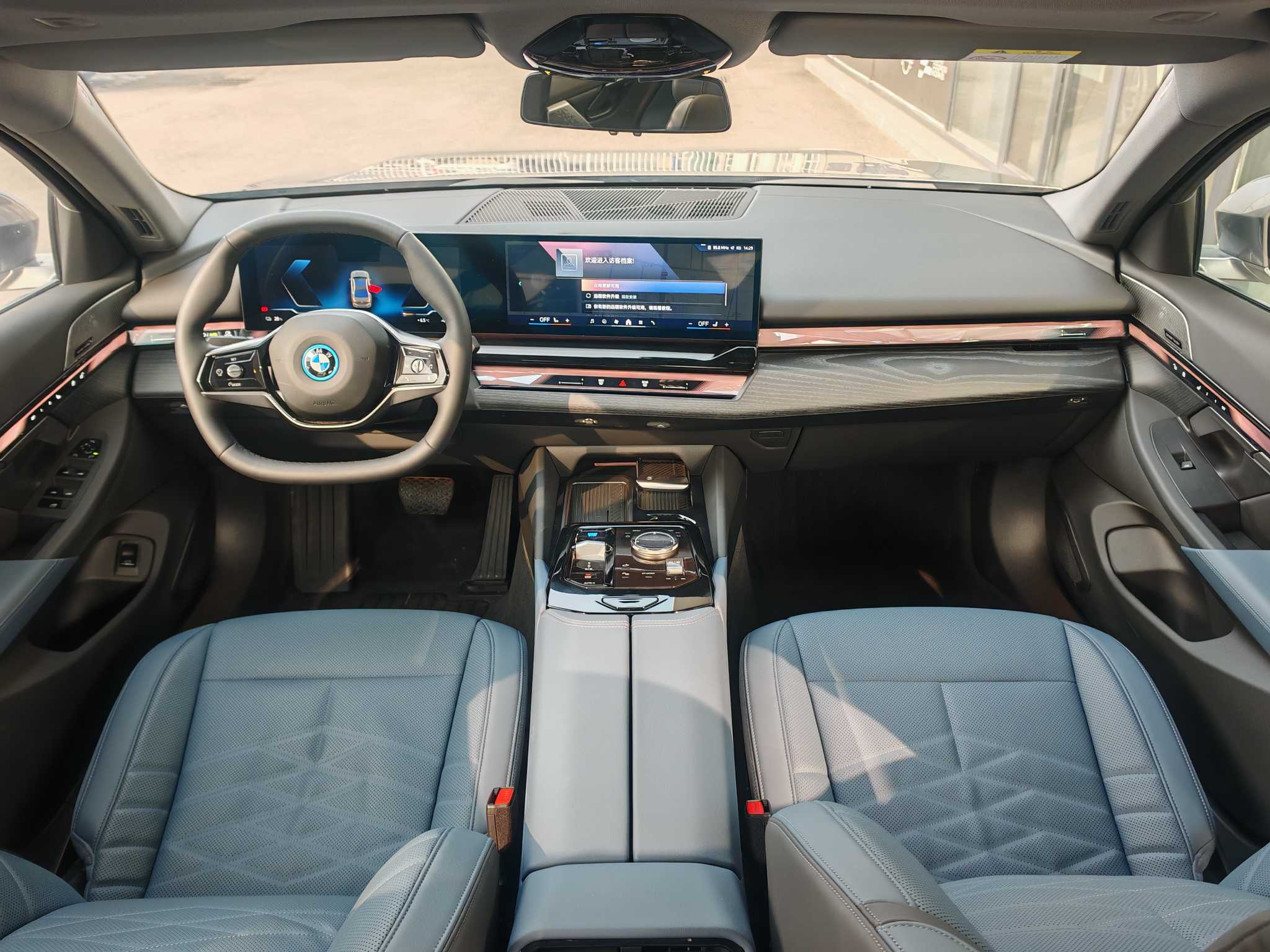
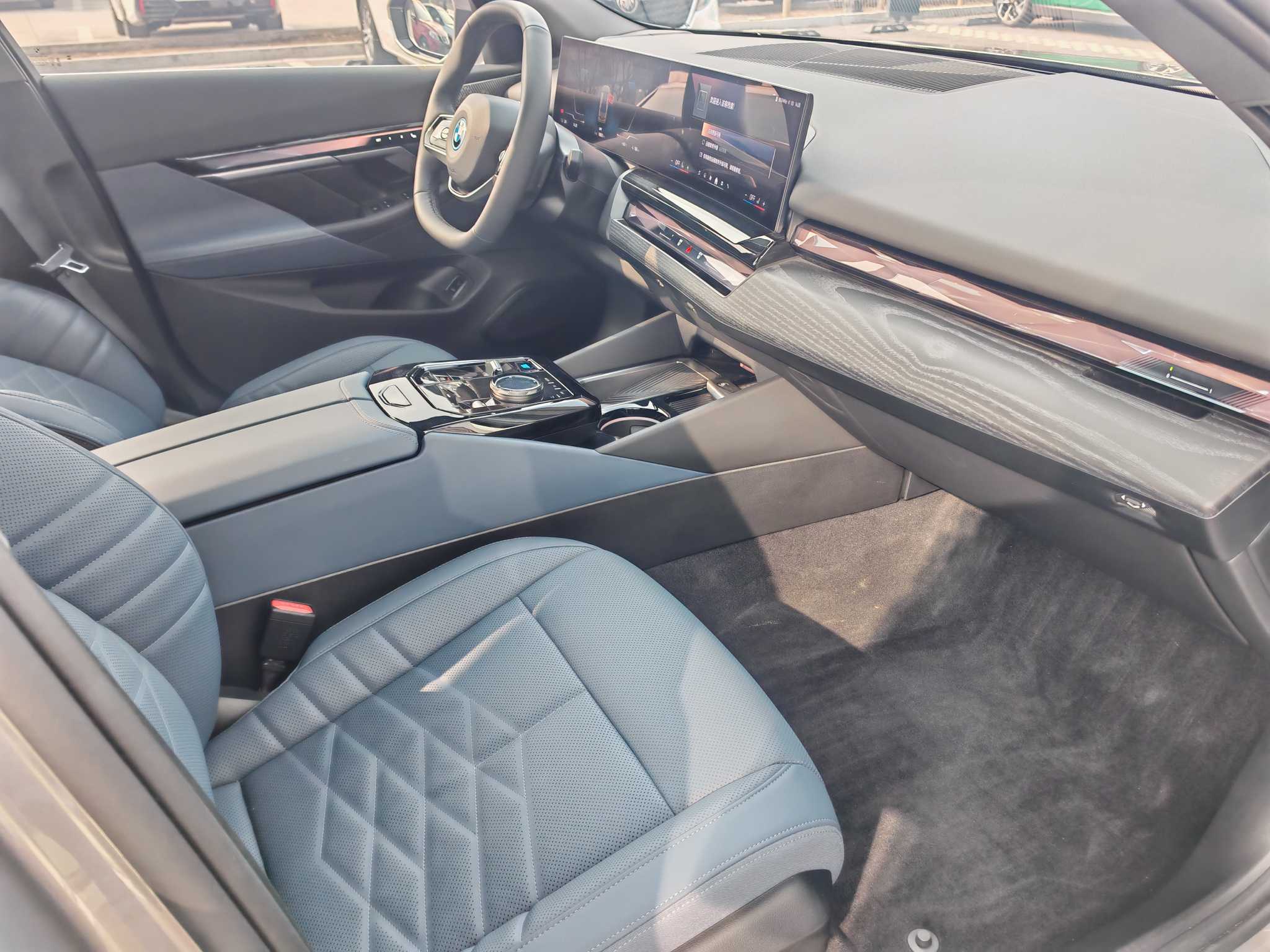
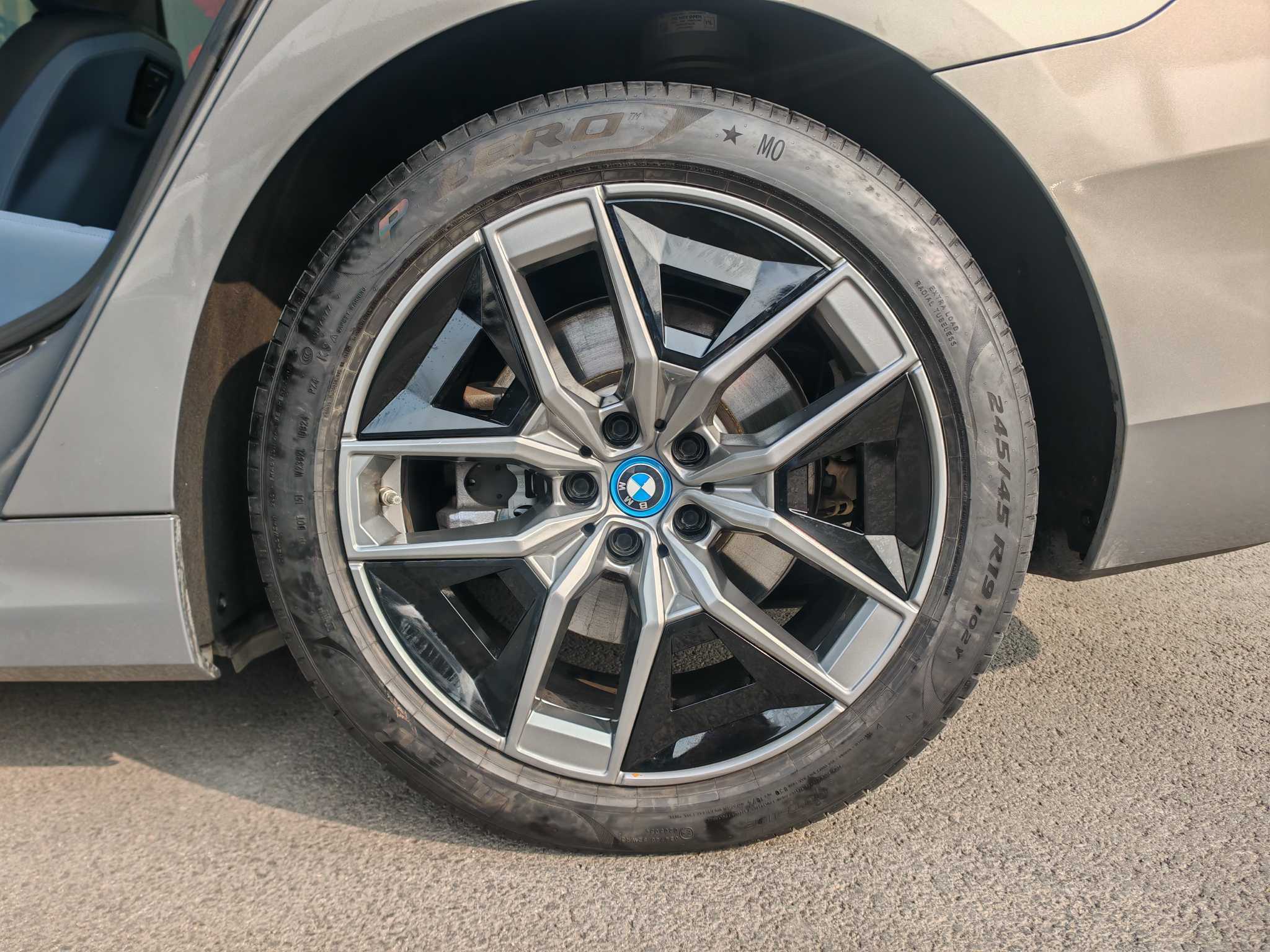
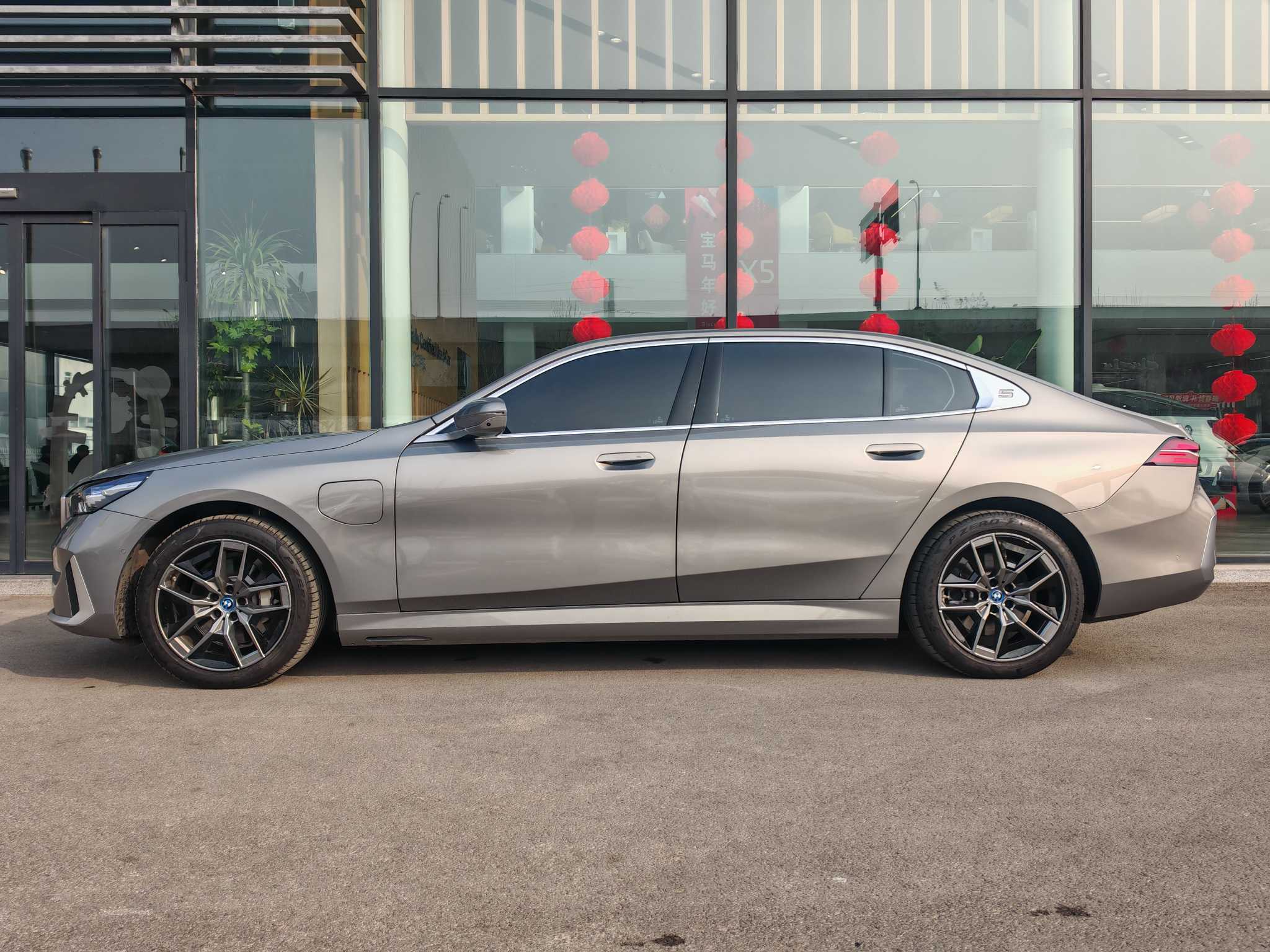
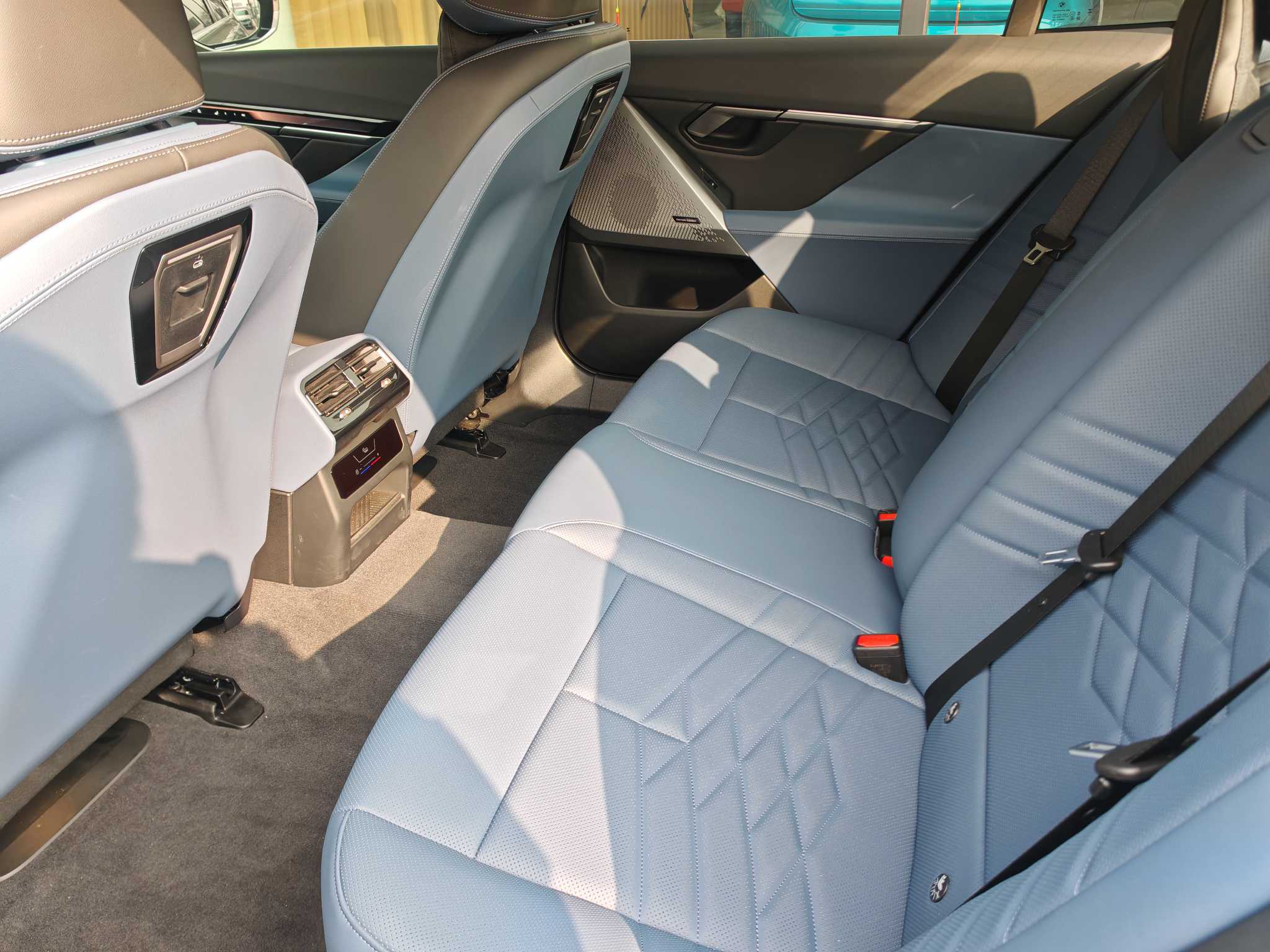
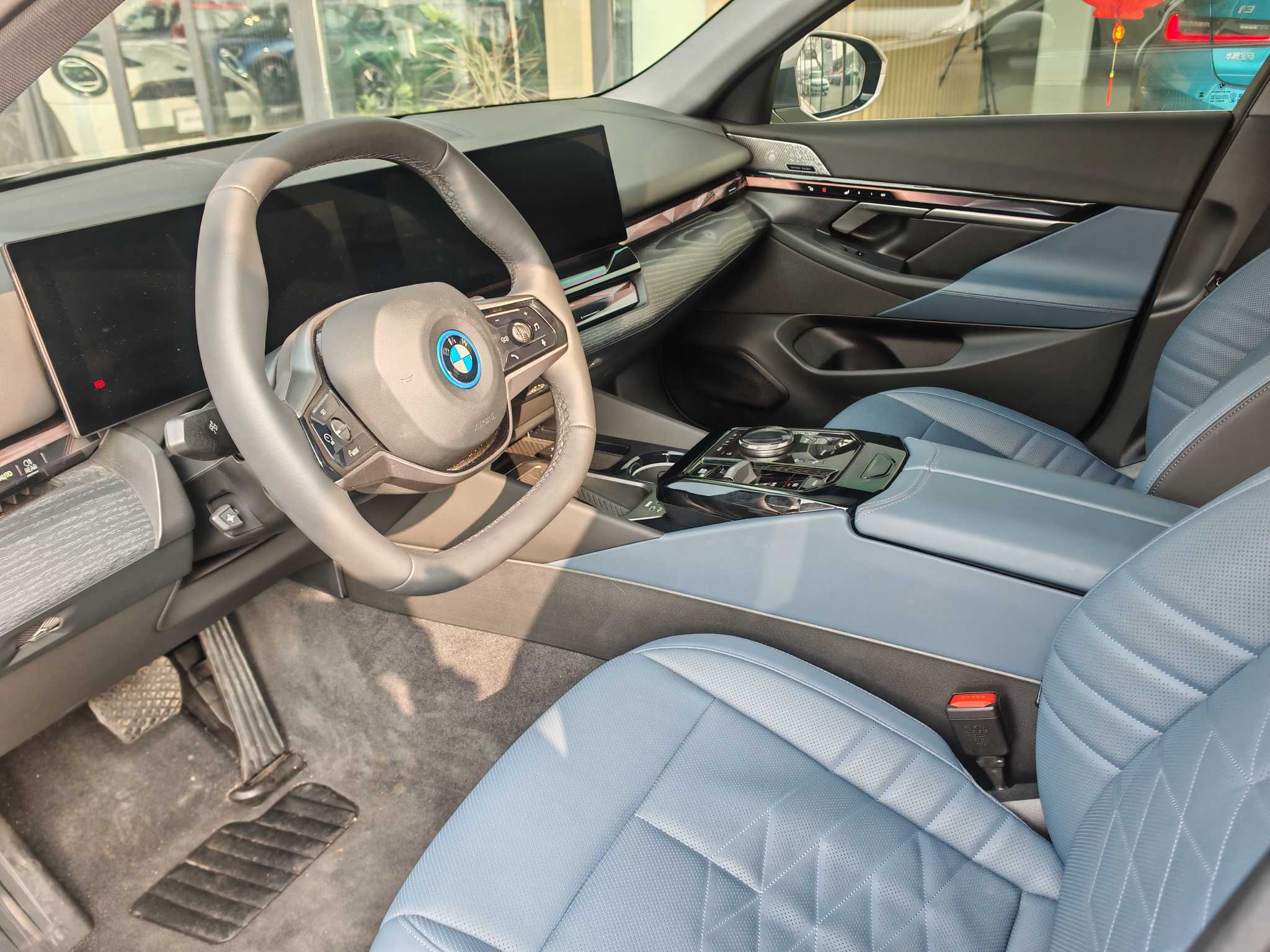



Basic Information

BrandBMW
Seriesi5
Year2025
First Registration2025/05
Mileage1.8km
Transfer Count-
FuelOther
TransmissionOther
Engine-
ColorGrey
Seats-

Configuration Highlights

✓Driver/Passenger Airbags
✓Front/Rear Side Airbags
✓Front/Rear Curtain Airbags
✓Tire Pressure Monitoring
✓ISOFIX Child Seat Anchors
✓Keyless Start System
✓Keyless Entry System
✓ABS Anti-lock Braking
✓Electronic Brake Distribution
✓Electronic Stability Control
✓Hill Start Assist
✓Auto Hold
✓Adaptive Suspension
✓Air Suspension
✓Panoramic Sunroof
✓Power Trunk
✓Kick-sensor Trunk
✓Multifunction Steering Wheel
✓Front Parking Sensors
✓Seat Material
✓Driver/Passenger Power Seats
✓Rear Cupholders
✓GPS Navigation
✓Low Beam Headlights
✓Daytime Running Lights
✓Auto Headlights
✓Adjustable Headlight Height
✓Power Windows
✓Anti-pinch Windows
✓Climate Control Type
✓Rear Air Vents
✓Auto Park Assist
✓Blind Spot Assist
✓Lane Departure Warning
✓Active Safety System

Q&A

More

Is a four-wheel alignment or dynamic balance test done before the vehicle is sent to the port?

It's not mandatory. Four-wheel alignment and dynamic balance are part of routine maintenance. During long-distance towing and sea transport, the suspension may experience slight changes in stress. We recommend that buyers perform a four-wheel alignment locally after picking up the vehicle at the destination port and replacing tires suitable for local road conditions.

What is a Certificate of Origin and why do I need one when importing a car from China?

A Certificate of Origin (C/O) is an official document stating where the vehicle was manufactured. Customs authorities use it to decide which tariff rates and trade agreements apply to your import. Why it matters: many countries offer preferential tariffs for certain origins. With a valid C/O, such as the ASEAN-China Form E or a GSP Form A, you may pay reduced or zero duty. Without it, you typically pay the standard, higher rate. The certificate must match the vehicle exactly: VIN, make, model and invoice details. It is usually issued by the China Council for the Promotion of International Trade (CCPIT) or customs authorities. Practical tips: request the C/O before shipment, because adding it later is slow; check that your country's customs accepts the specific C/O format; and confirm with your broker whether your vehicle category qualifies for preferential rates. This single document can save you thousands in duty.

Can I get spare parts for a Chinese-brand car in my country, and how do I order them from China?

Parts availability depends on the brand's official presence in your market, but even unsupported brands can be maintained through direct ordering. Check three channels first: the brand's official dealer network (if any), third-party importers who specialize in Chinese auto parts, and generic equivalents. For wear items like brake pads, filters, and wipers, aftermarket suppliers usually stock cross-references by VIN. For model-specific parts — headlights, sensors, control modules — order directly from China. Ask your exporter for the parts catalog by VIN, confirm OEM part numbers, and compare prices. A turbocharger that costs $900 from a local dealer often ships from China for $350 plus $80 freight. Practical tips: bundle multiple parts into one shipment to amortize freight; ask for DDP (delivered duty paid) pricing so customs clearance is handled; and always verify part numbers against your VIN before paying, as Chinese models have running changes mid-year. Keep a small stock of common wear parts — oil filters, air filters, spark plugs — to avoid a 4-6 week wait for routine maintenance.

BMW i5

宝马 i5 2024款 eDrive 35L 尊享型 豪华套装

EXW: $39,394
Car CodeSWA1617499
Publish Date2026/02/03