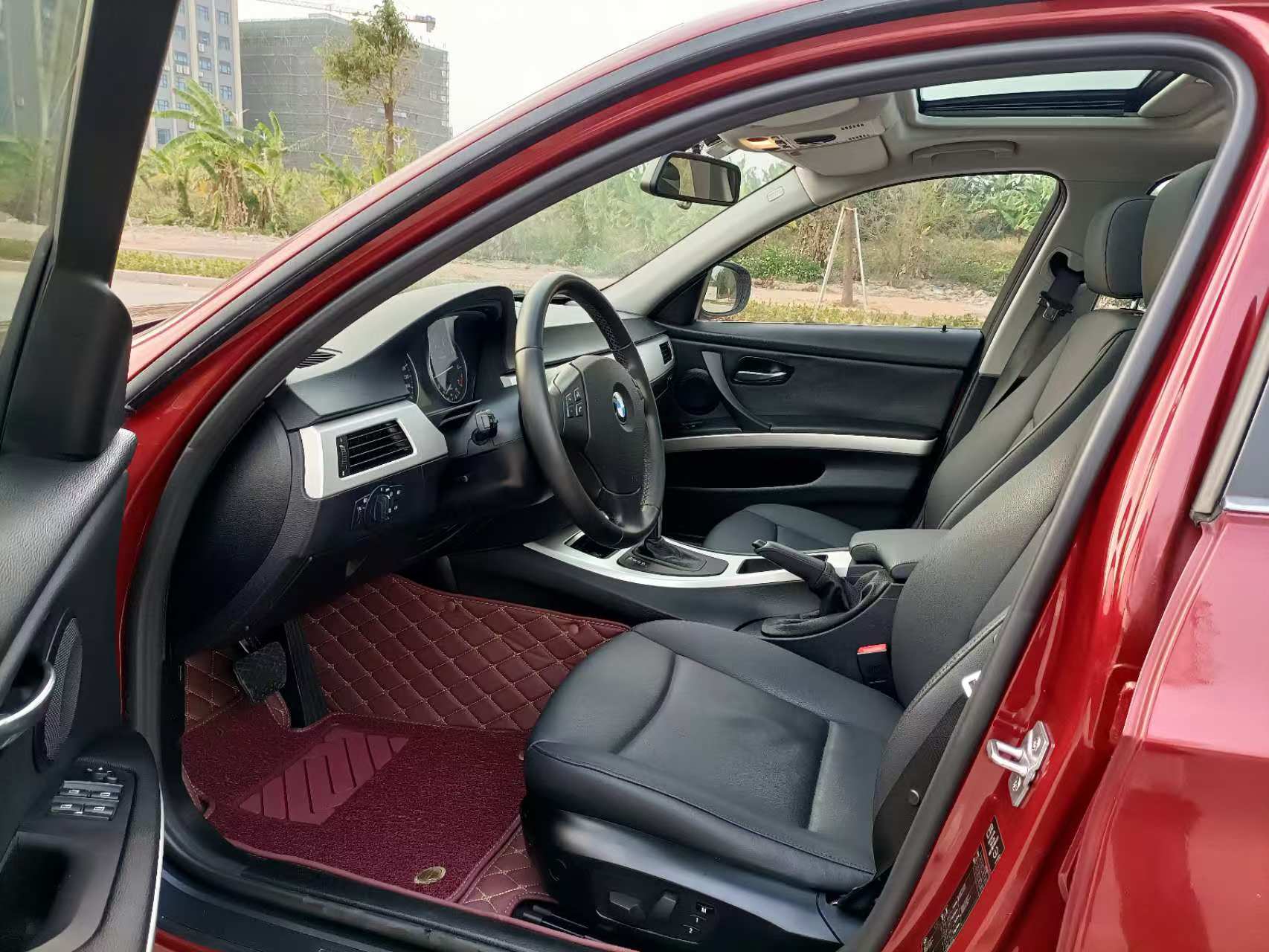
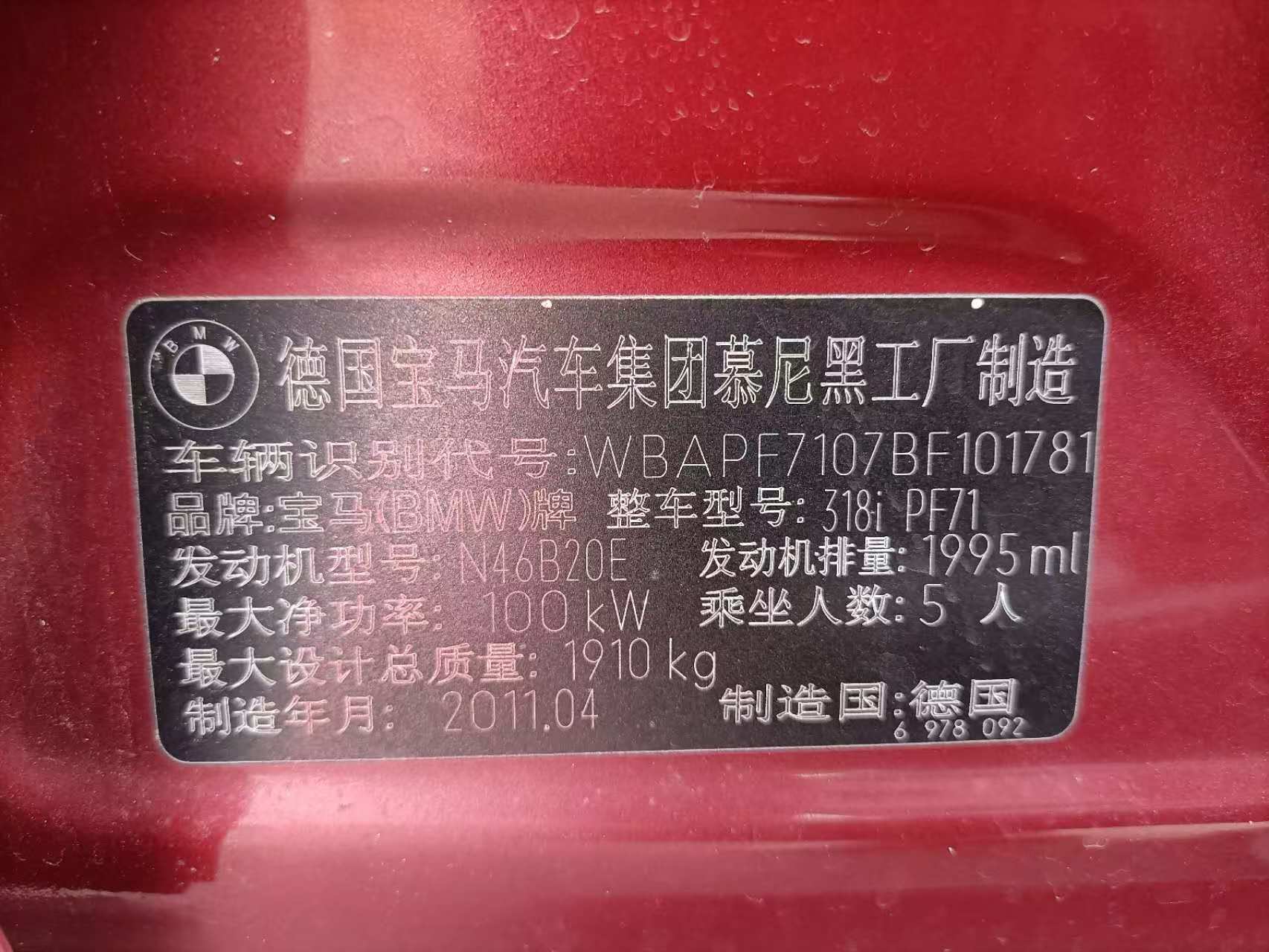
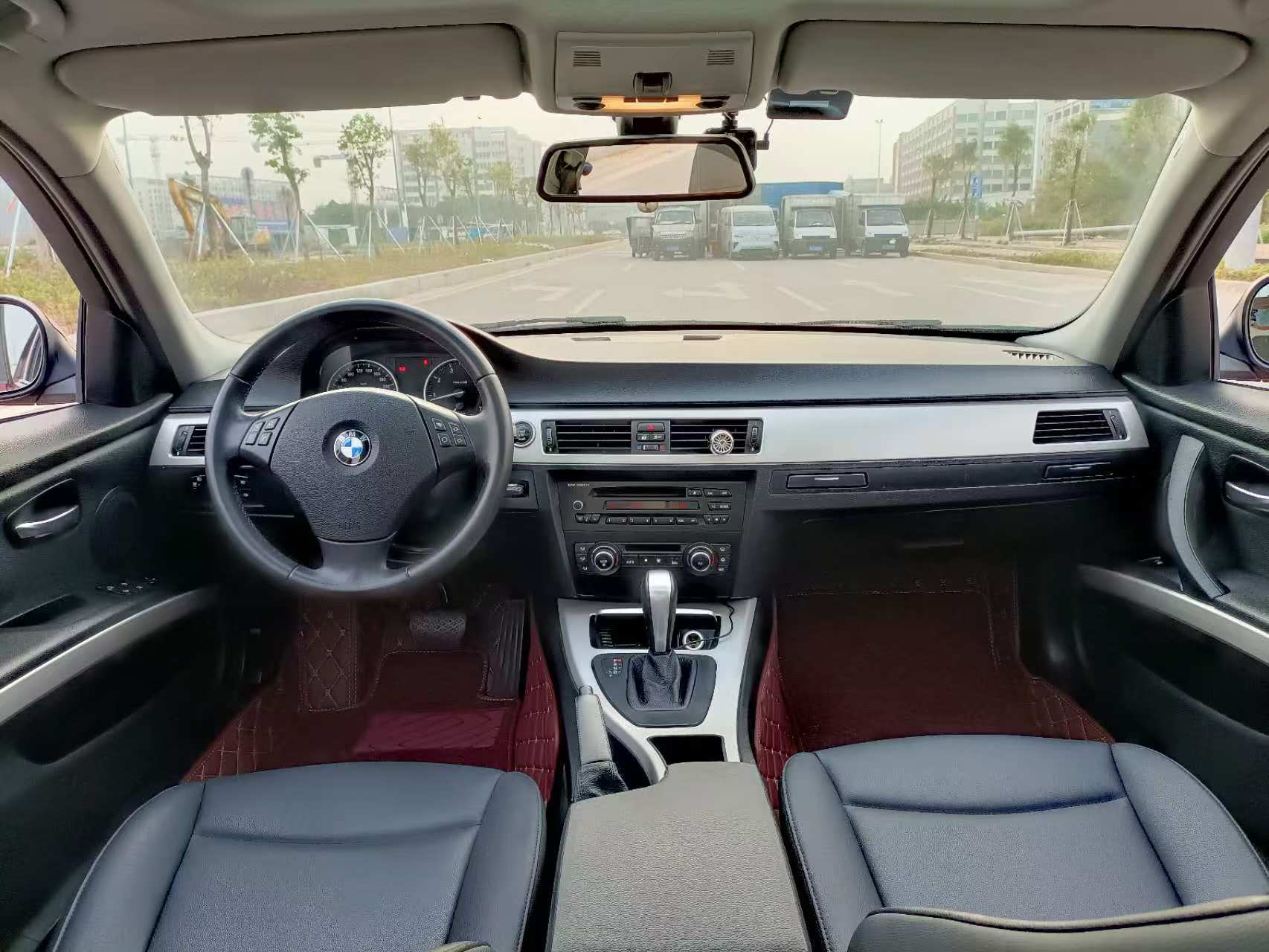
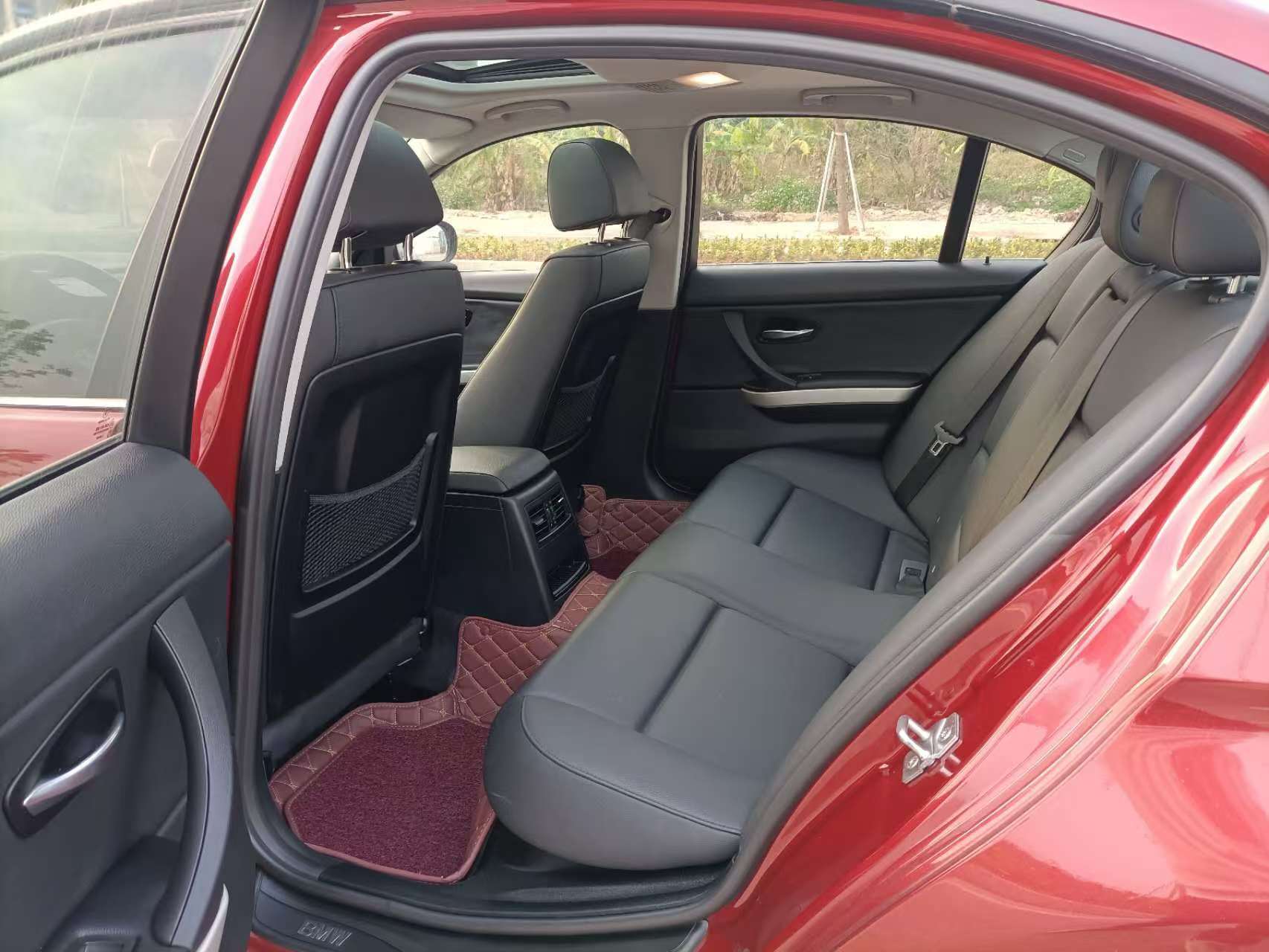
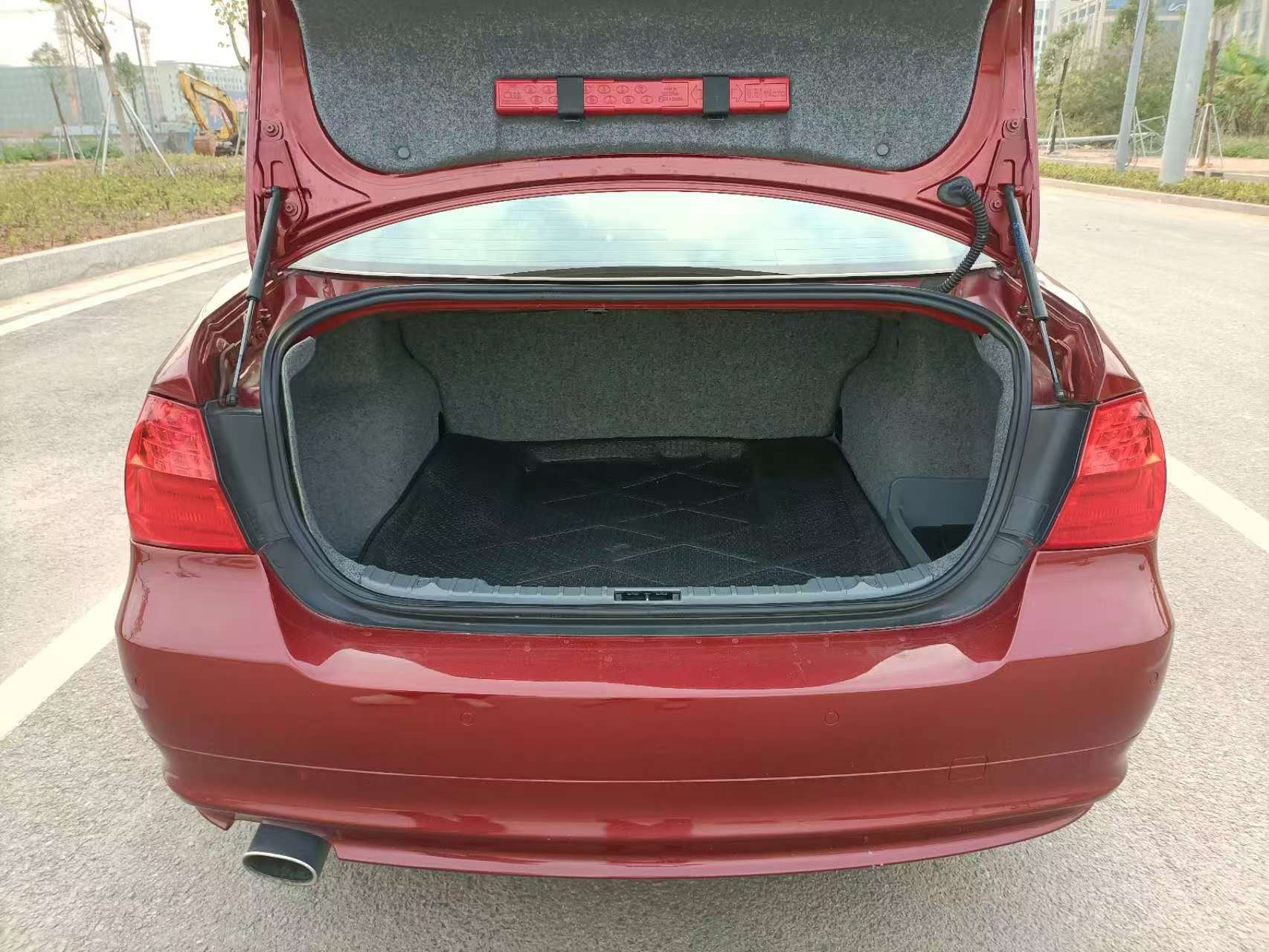
Basic Information

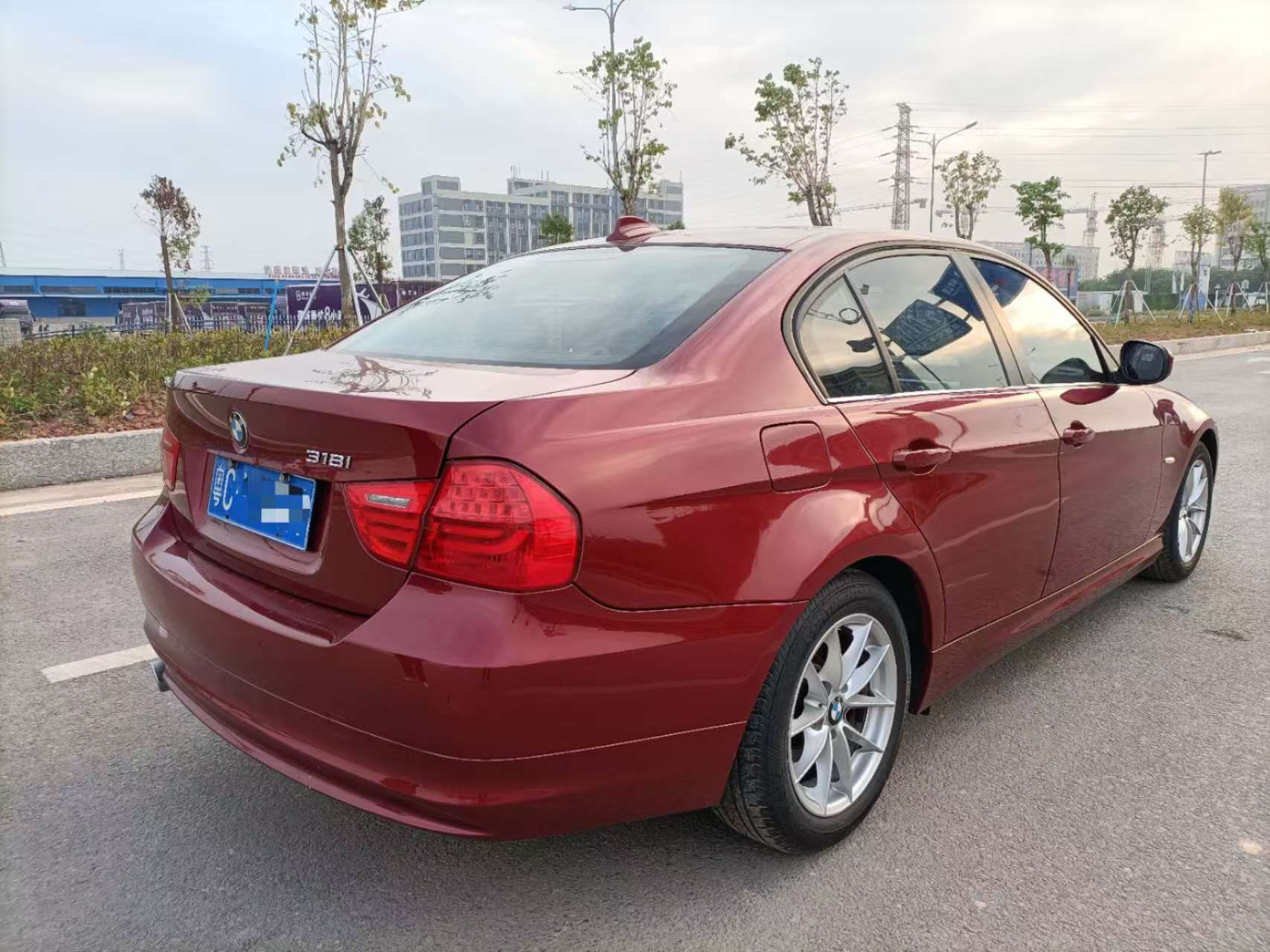
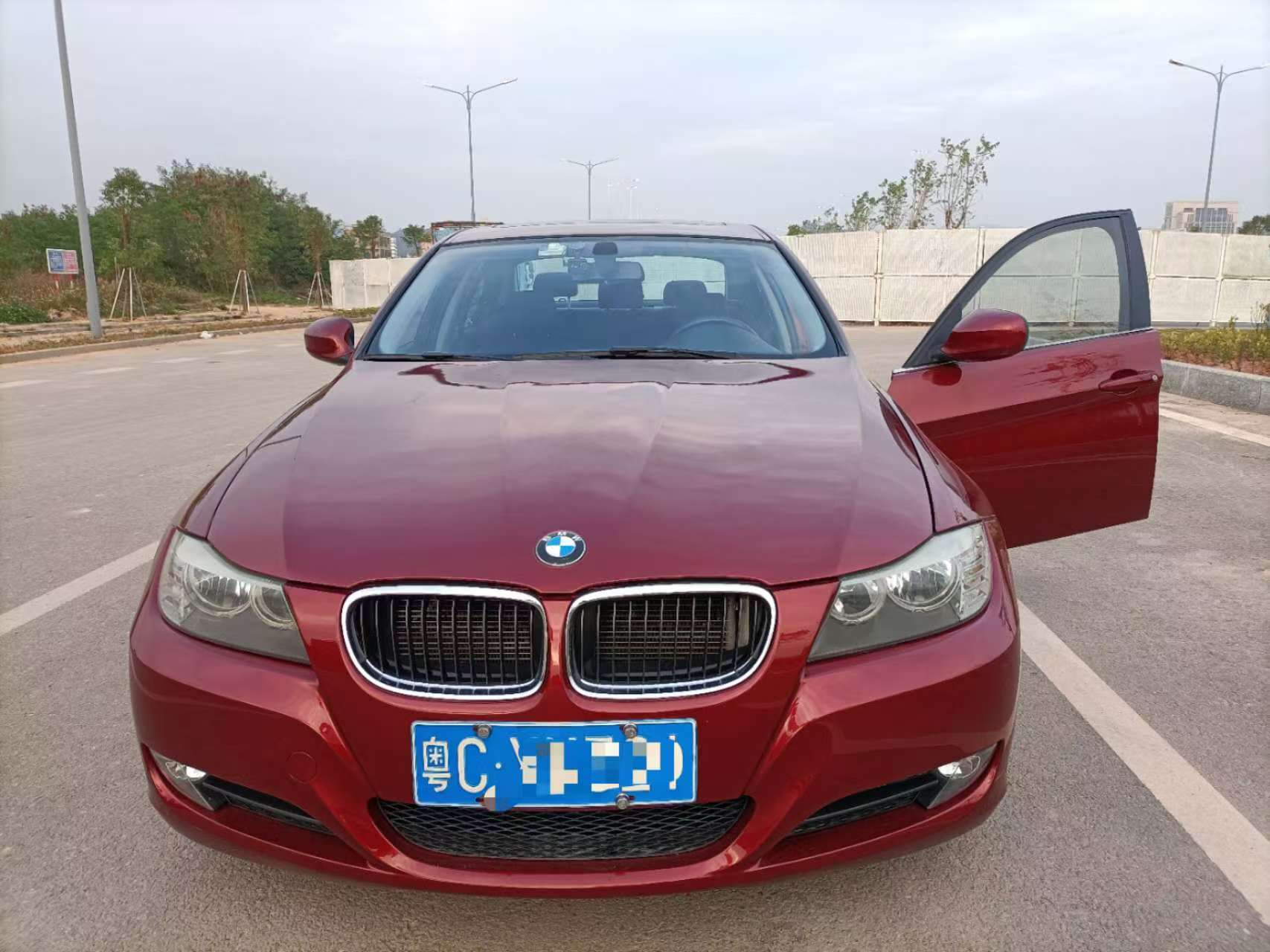
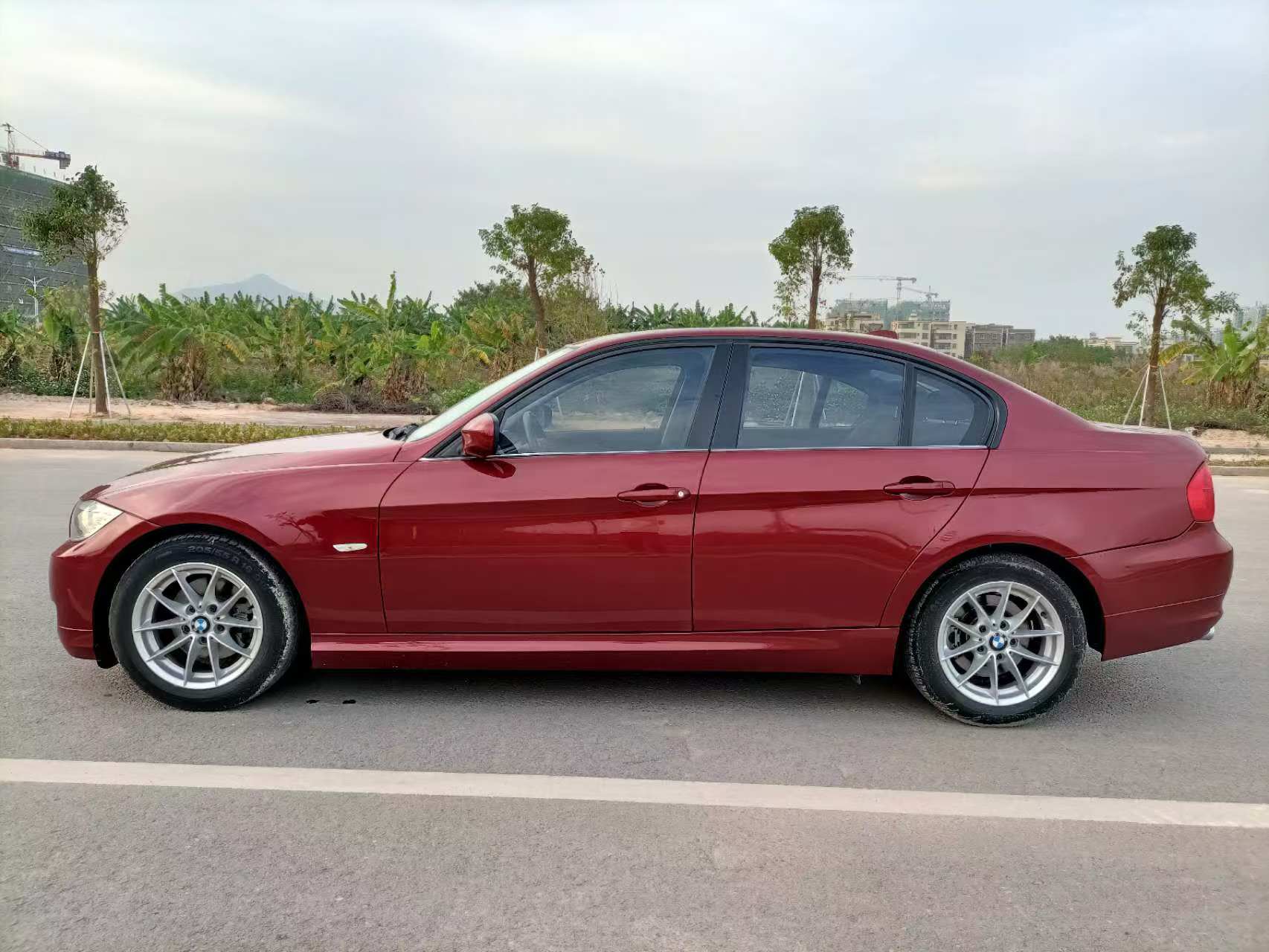
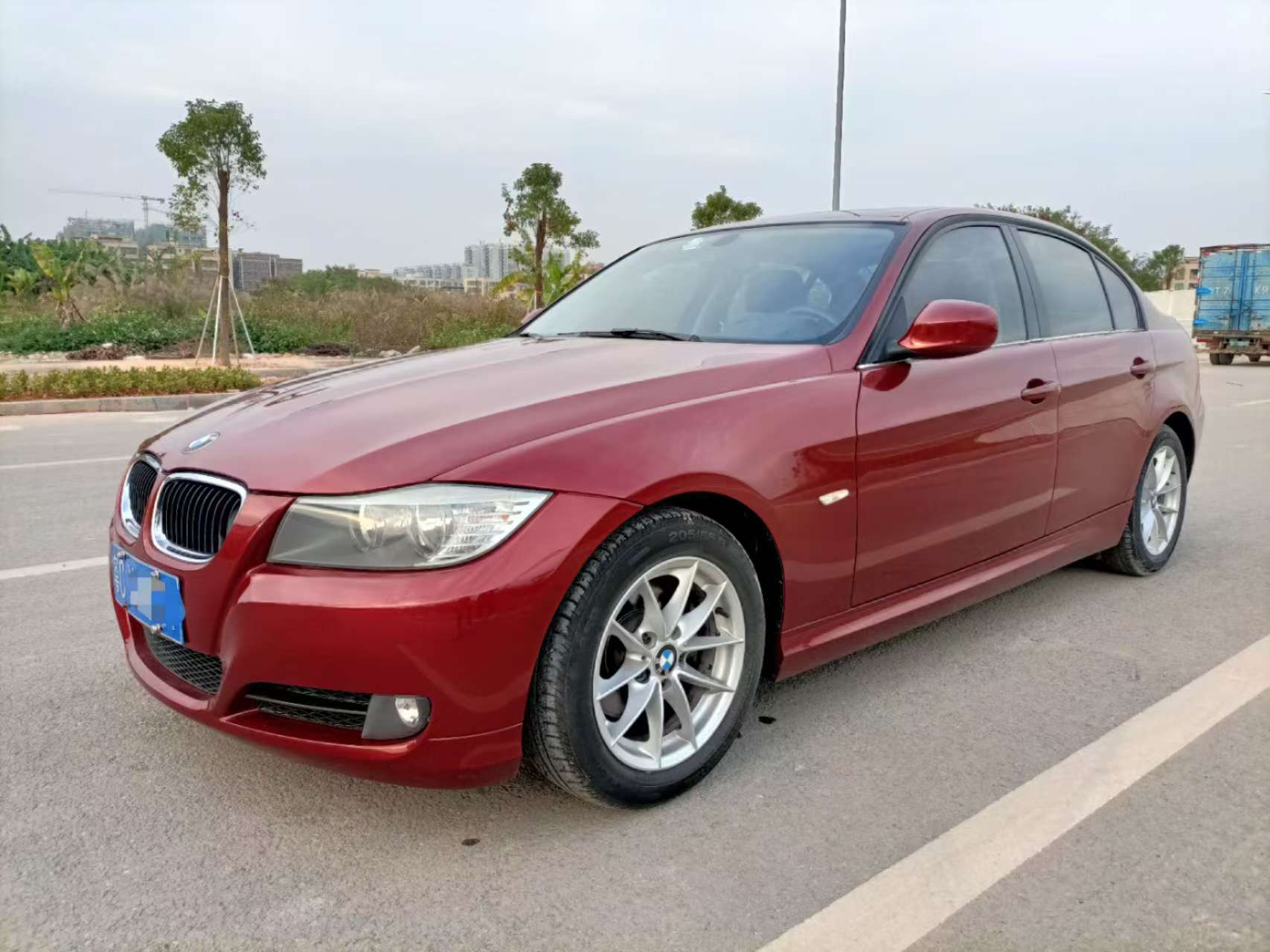
BrandBMW
Series3 Series (Imported)
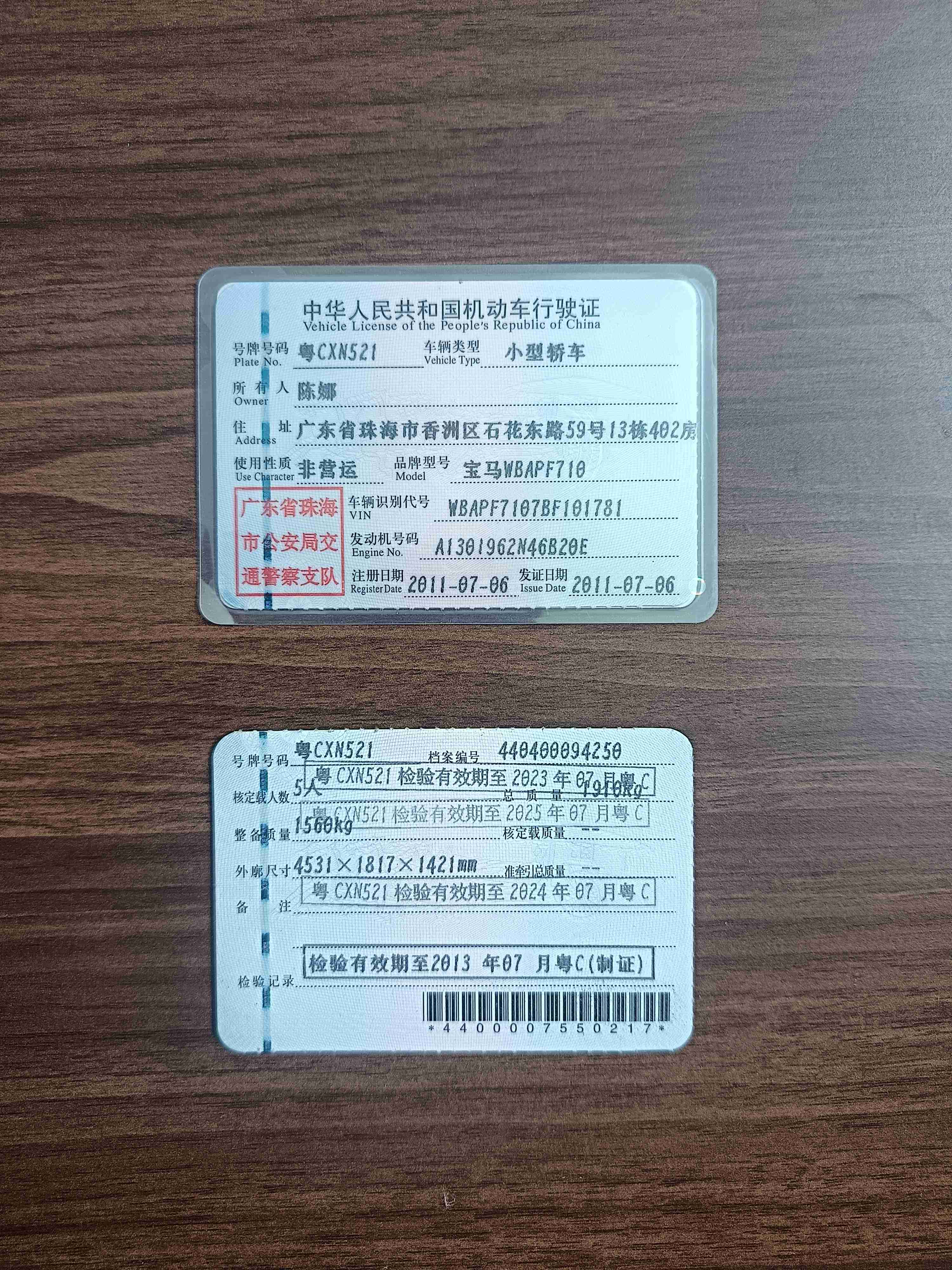
Year2011
First Registration2011/07
Mileage180,000km
Transfer Count0times
FuelGasoline
TransmissionManumatic
Engine2.0L 156 L4
ColorRed
Seats5seats

Condition Description

General vehicle condition.

Private vehicle, well-maintained inside and out; actual condition to be verified upon inspection.

可议价
已上架
Wholesale

Configuration Highlights

✓品牌: 宝马
✓车系: 宝马3系(进口)
✓车型: 宝马3系(进口) 2010款 2.0L 自动 320i豪华型
✓能源类型: 燃油车
✓发动机: 2.0L
✓变速箱: 手自一体
✓驱动方式: 后轮驱动
✓排放标准: 欧IV
✓指导价: 37.5万
✓车源编号: 12571452
✓VIN: WBAP*******101781

Document Information

Inspection Expiry Date2026/07
Warranty Expiry Date-
Insurance Expiry Date2026/07

Q&A

More

What are the common issues with this car? Has this car resolved them?

We will honestly inform you of the common issues with this model (such as the water pump failure in certain German cars) and show that this car has had the improved parts replaced.

What is a Certificate of Origin and why do I need one when importing a car from China?

A Certificate of Origin (C/O) is an official document stating where the vehicle was manufactured. Customs authorities use it to decide which tariff rates and trade agreements apply to your import. Why it matters: many countries offer preferential tariffs for certain origins. With a valid C/O, such as the ASEAN-China Form E or a GSP Form A, you may pay reduced or zero duty. Without it, you typically pay the standard, higher rate. The certificate must match the vehicle exactly: VIN, make, model and invoice details. It is usually issued by the China Council for the Promotion of International Trade (CCPIT) or customs authorities. Practical tips: request the C/O before shipment, because adding it later is slow; check that your country's customs accepts the specific C/O format; and confirm with your broker whether your vehicle category qualifies for preferential rates. This single document can save you thousands in duty.

How can I judge the real mechanical condition of a used car from China without seeing it in person?

Remote mechanical assessment relies on documented evidence: 1. Cold-start video: Ask for a video of the engine starting from cold — listen for rattles, watch for smoke (blue = oil burning, white = possible head gasket issue). 2. OBD scan: A full diagnostic scan reveals fault codes in the engine, gearbox, and electronics. Request the raw scan report, not a screenshot summary. 3. Service records: Cross-check mileage against maintenance records and inspection stickers; consistent records indicate a cared-for car. 4. Fluid check: Photos of the oil dipstick and coolant color tell a lot — milky oil or rusty coolant are red flags. 5. Test drive video: A short drive video shows gear shifts, braking, and steering behavior. Combine these with the pre-shipment inspection report. A seller who refuses to provide cold-start video or OBD data is a warning sign.

BMW 3 Series (Imported) 2.0L 156 L4

宝马3系(进口) 2010款 2.0L 自动 320i豪华型

-
Car CodeSWA1695024
Publish Date2025/10/24